Top 4 Caves around Falkenstein
Caves around Falkenstein are primarily found in the Bavarian Forest region, characterized by its natural landscapes and the Regen River. This area offers a blend of natural rock formations and historically significant sites. The landscape features dense forests and river valleys, providing a setting for various outdoor activities. Falkenstein serves as a gateway to exploring these natural and cultural points of interest.
Best caves around Falkenstein
- The most popular caves is Mariengrotte on the Regentalsteig, a religious building and natural grotto. It is a small grotto located slightly above the path, directly on the Regentalsteig.
- Another must-see spot is Marian Grotto on the Regen River, a religious building and cave. This grotto features a statue erected in 1929 and is easily accessible via a footbridge built in 1977.
- Visitors also love Virgin Mary Grotto (J.B. Derk 1926), a religious building and natural monument. It is a somewhat hidden spot that offers a peaceful natural setting.
- Falkenstein is known for natural grottoes and historic rock cellars. These include religious grottoes, often featuring statues, and former storage cellars now serving as bat winter quarters.
- The caves around Falkenstein are appreciated by the komoot community, with more than 50 upvotes and 20 photos shared across the highlights.
Last updated: May 13, 2026
Marian Grotto on the Regen River
Highlight (Segment) • Religious Site
It is not a Marian cult site, as is often assumed. It began as a love affair, the love of a Rodinger – he later even became mayor – for a beautiful young girl named Maria Zimmerer. Unfortunately, this girl died of appendicitis at a very young age and is buried in Munich, where she had been employed. In 1929, the enamored Rodinger erected this statue in memory of his beloved, carved from sandstone by the stonemason Hofinger from Oberkreith.
There was no road to the grotto at that time. So the statue and all the materials had to be transported by boat across the Regen River from Wiesing. "Dieß'n Wack" was involved in its installation and also immortalized himself with a small painting to the left of the statue. The pastor of Roding at the time had concerns about the grotto, arguing that the statue might be considered a Marian cult site and thus harm the Heilbrünnl (Holy Spring). But this concern was unfounded.
In 1977, the Roding-Mitterdorf Hiking Club built a footbridge around the grotto to Fischerwinkel, making it easily accessible on foot. Members of the Wiesing Volunteer Fire Department have thinned out the trees and bushes in front of the grotto to provide a better view from Wiesing.
Source: Local information
Translated by Google •
Tip by

Lourdes Grotto
Highlight • Religious Site
It is not a Marian cult site, as is often assumed. It began as a love affair, the love of a Rodinger – he later even became mayor – for a beautiful young girl named Maria Zimmerer. Unfortunately, this girl died of appendicitis at a very young age and is buried in Munich, where she had been employed. In 1929, the enamored Rodinger erected this statue in memory of his beloved, carved from sandstone by the stonemason Hofinger from Oberkreith.
There was no road to the grotto at that time. So the statue and all the materials had to be transported by boat across the Regen River from Wiesing. "Dieß'n Wack" was involved in its installation and also immortalized himself with a small painting to the left of the statue. The pastor of Roding at the time had concerns about the grotto, arguing that the statue might be considered a Marian cult site and thus harm the Heilbrünnl (Holy Spring). But this concern was unfounded.
In 1977, the Roding-Mitterdorf Hiking Club built a footbridge around the grotto to Fischerwinkel, making it easily accessible on foot. Members of the Wiesing Volunteer Fire Department have thinned out the trees and bushes in front of the grotto to provide a better view from Wiesing.
Source: Local information
Translated by Google •
Tip by
Sign up now to discover places like this
Get recommendations on the best single tracks, peaks, & plenty of other exciting outdoor places.
Sign up for free
Felsenkeller Wiesenfelden
Highlight • Cave
In summer, when hibernation is over, you can also visit the rock cellar.
Translated by Google •
Tip by

Historic Rock Cellar
Highlight • Cave
Translated by Google •
Tip by

Virgin Mary Grotto (J.B. Derk 1926)
Highlight • Religious Site
Translated by Google •
Tip by

Start today with a free account
Your next adventure awaits.
Login or Signup
Popular around Falkenstein
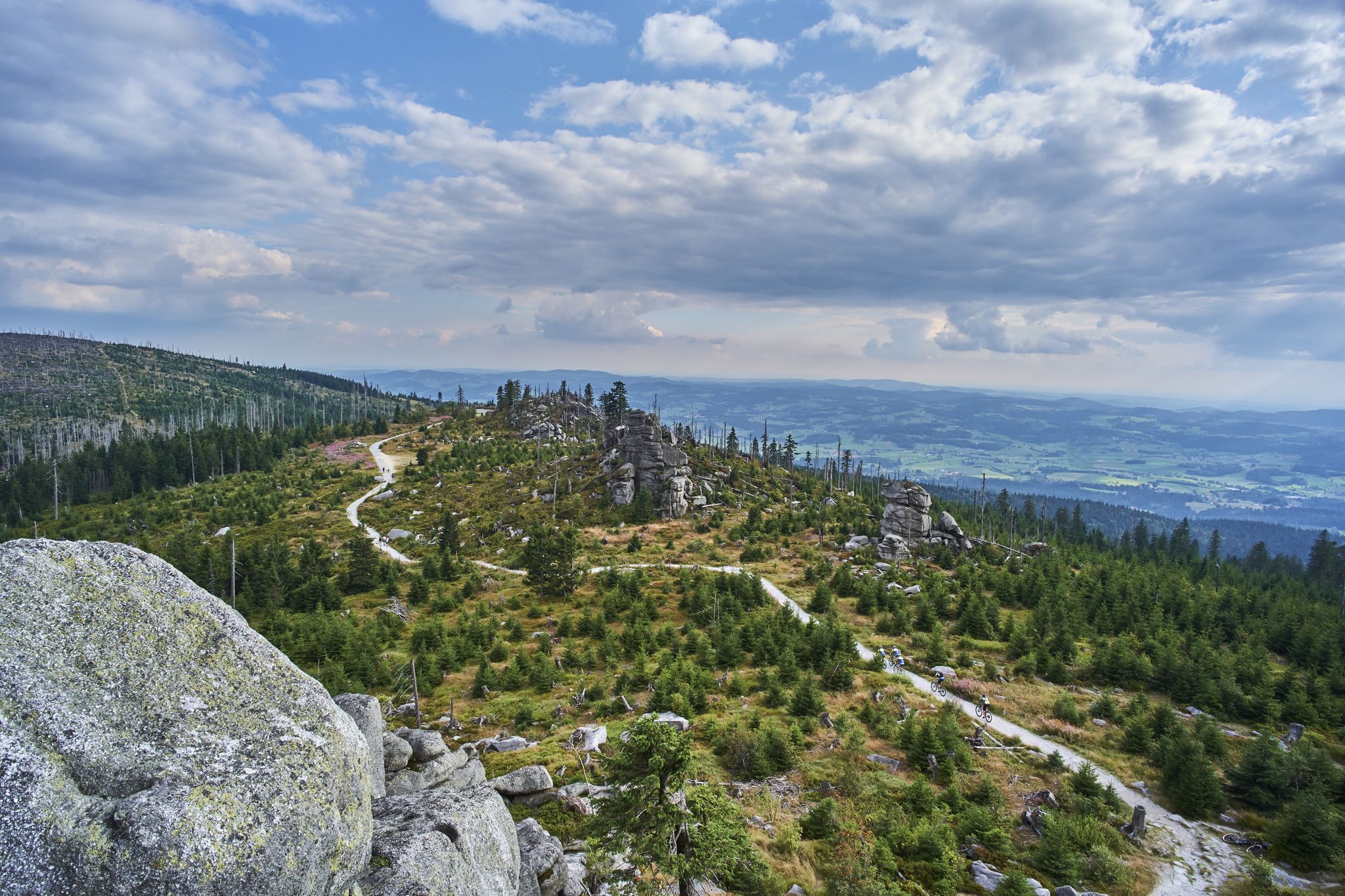
Trans Bayerwald – A mountain bike adventure through Bavaria's finest nature
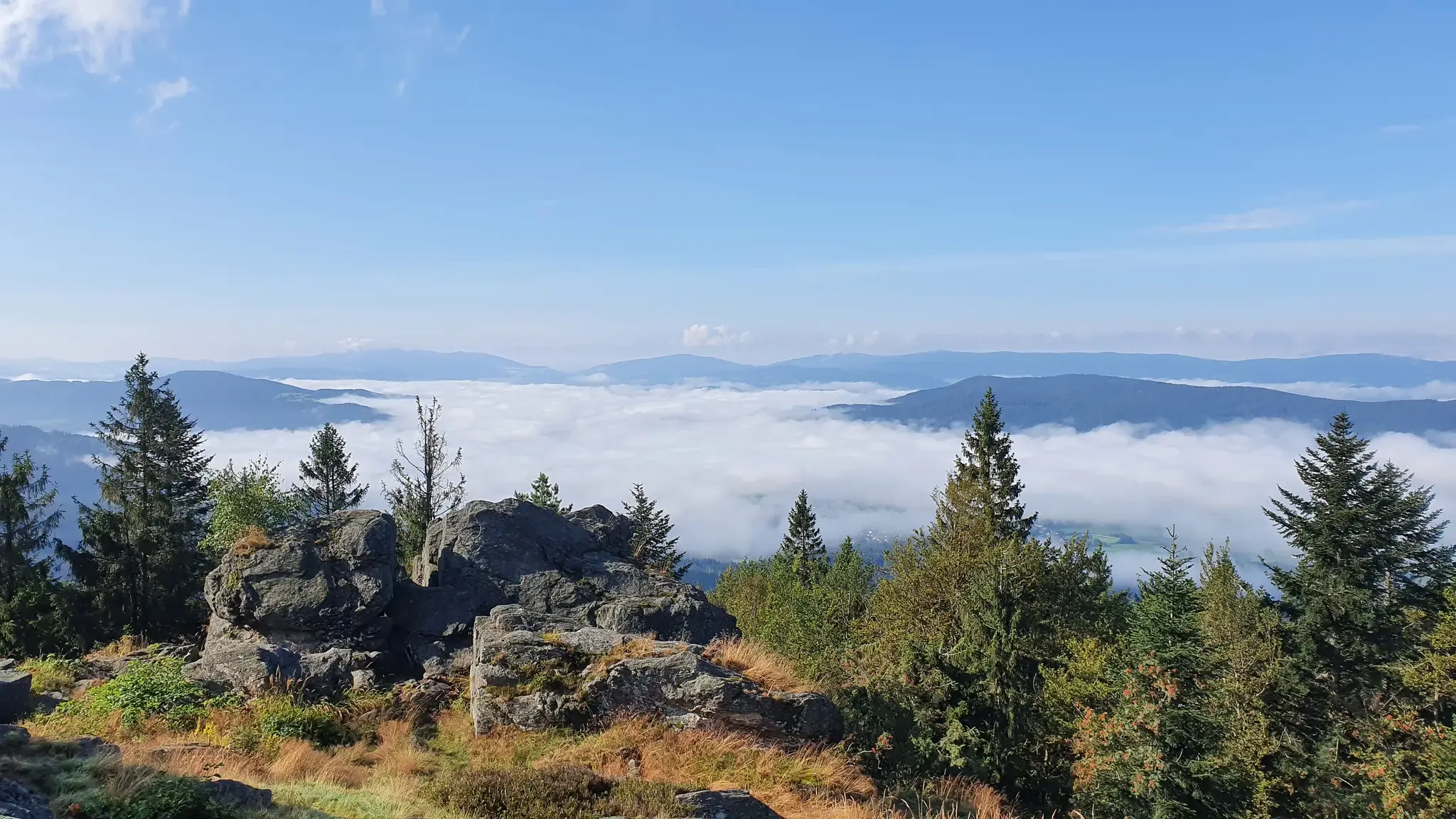
The Goldsteig – 38 stages between Upper Palatinate and Passau
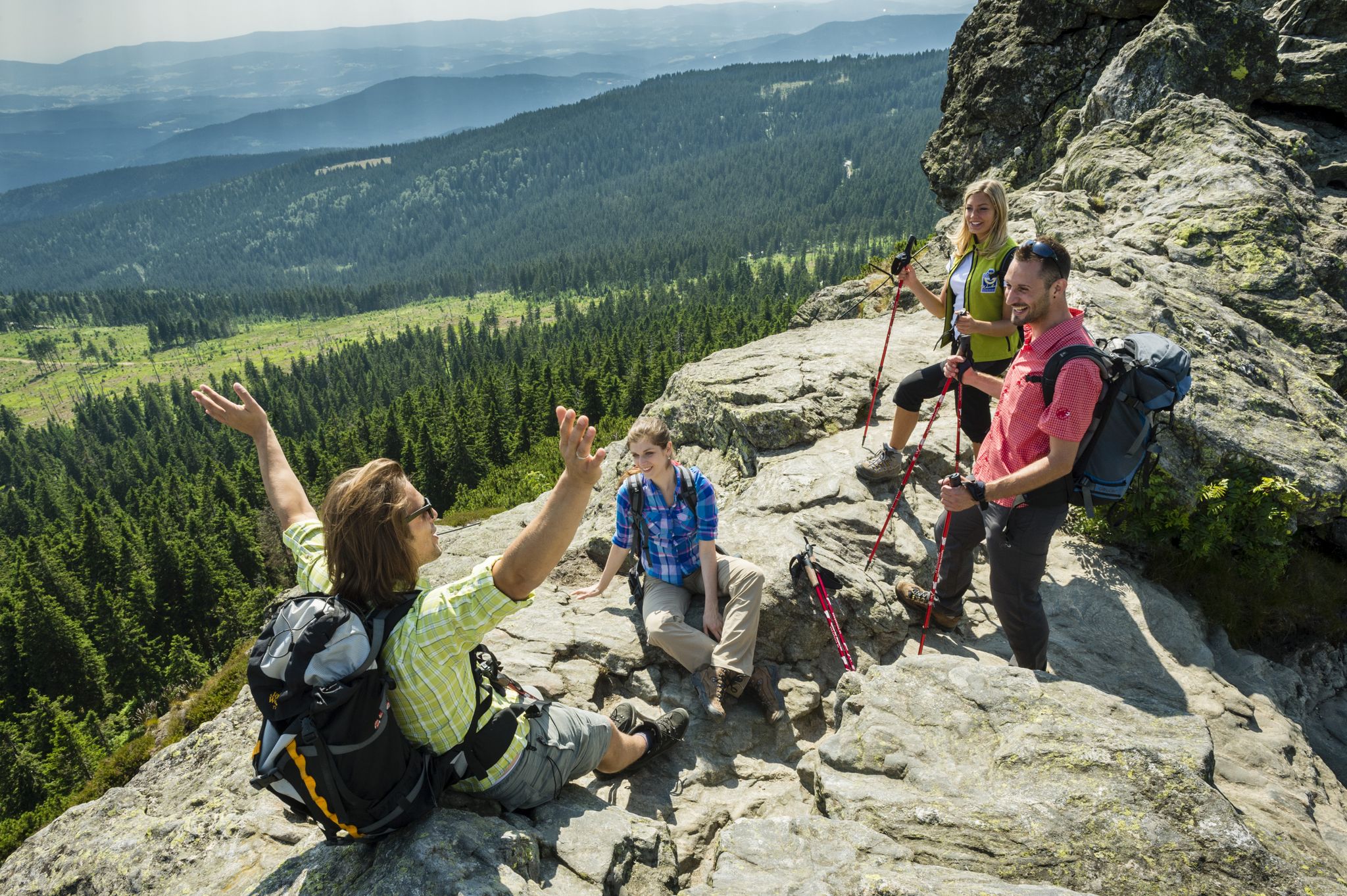
Goldsteig — The best routes for long distance hiking in Eastern Bavaria
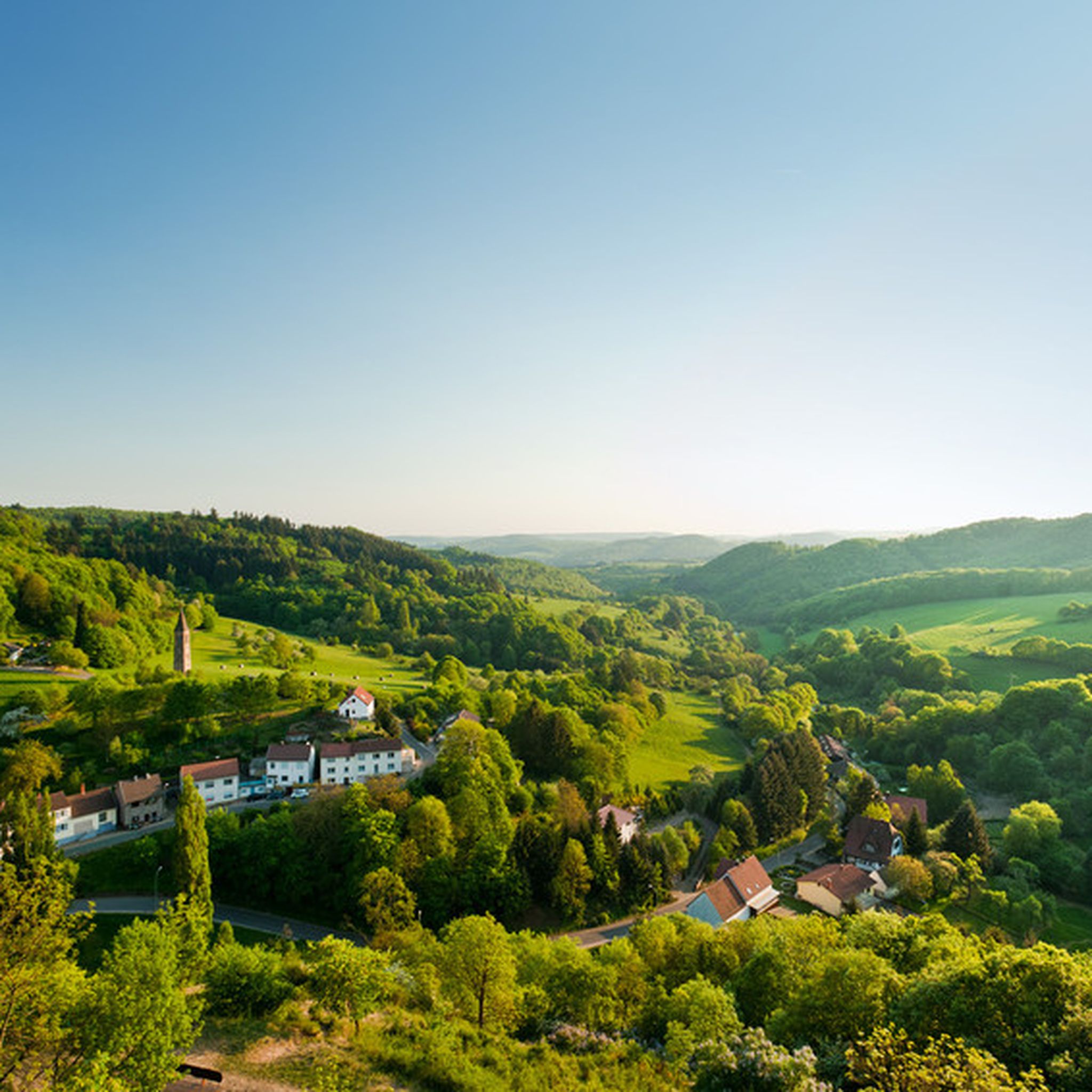
Hiking around Falkenstein
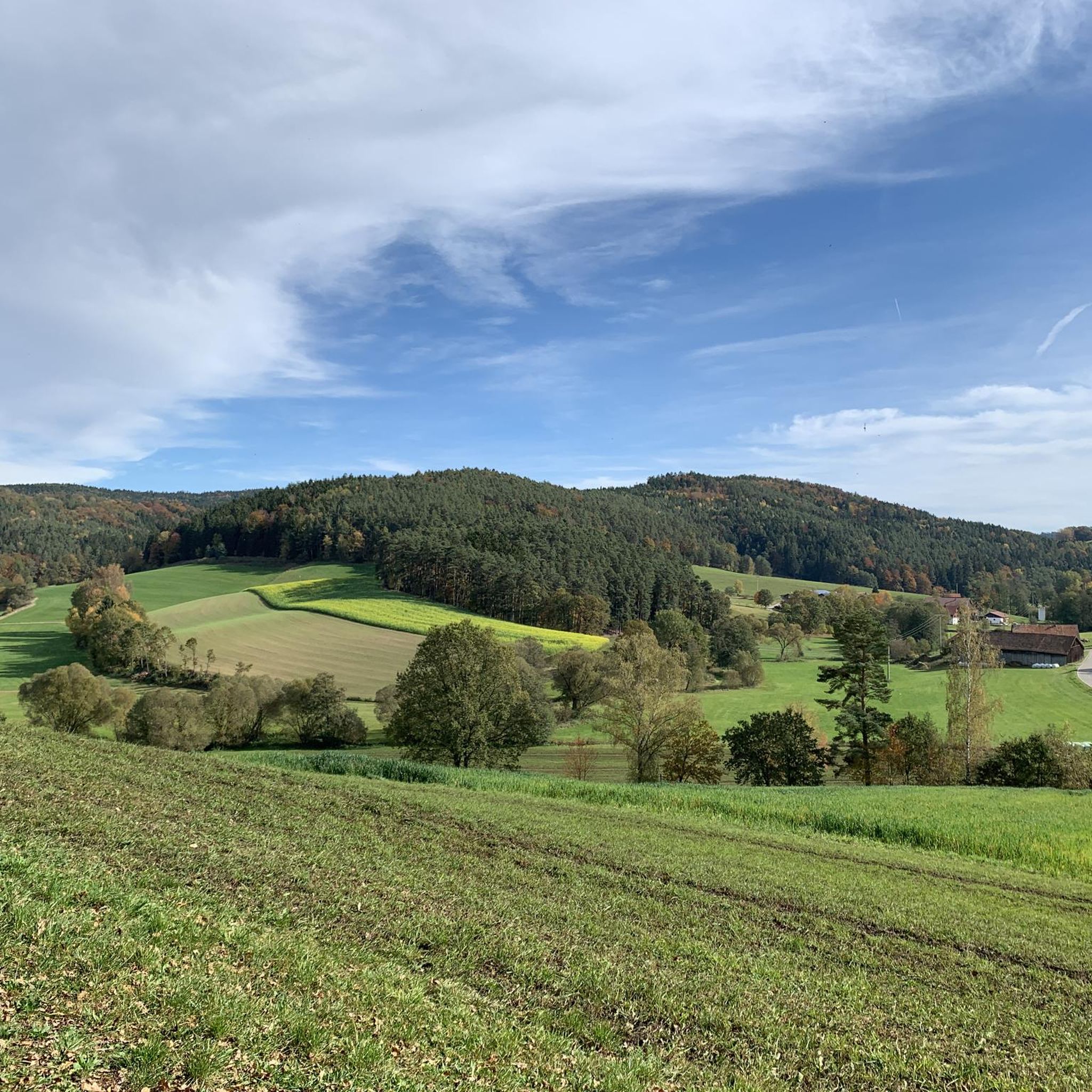
Cycling around Falkenstein
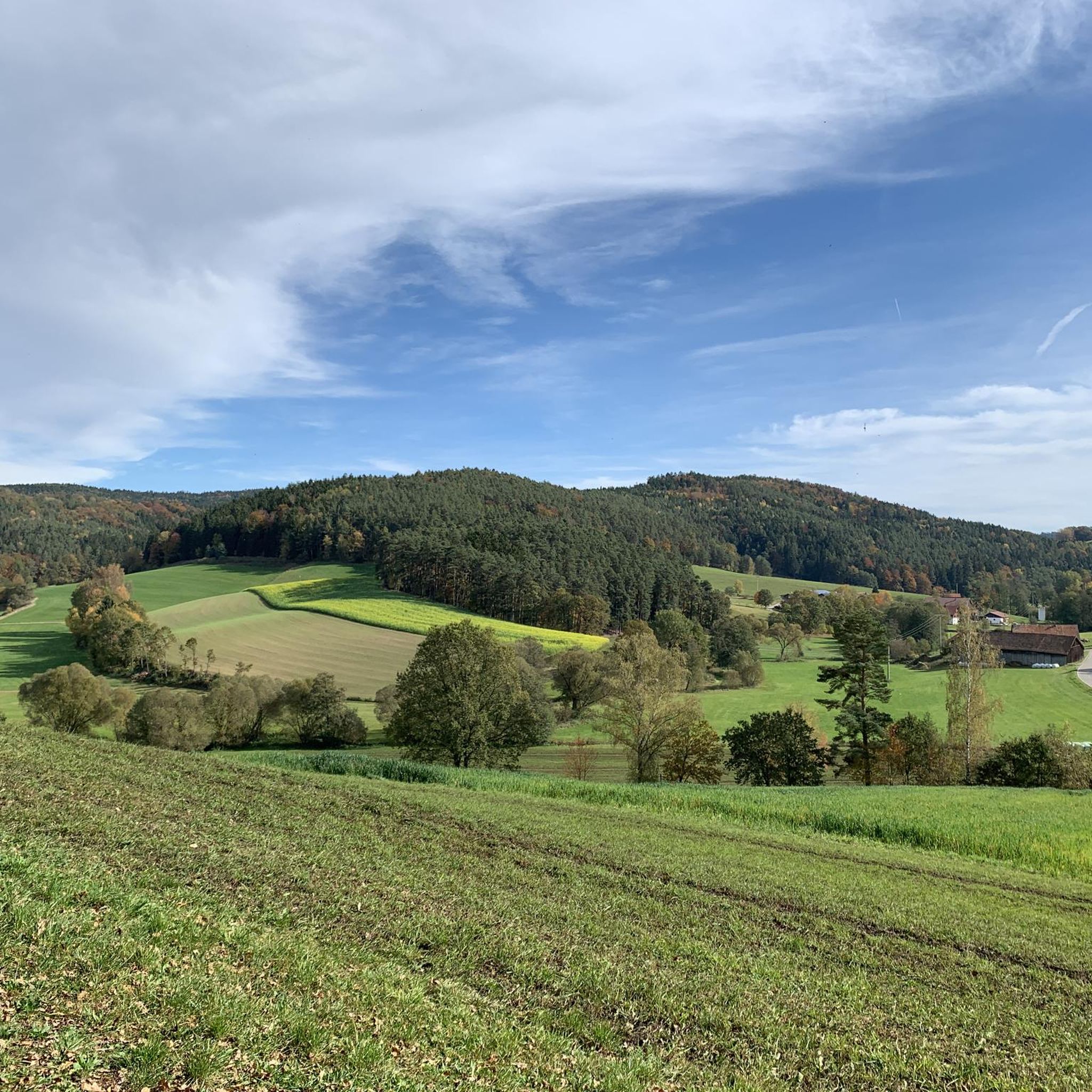
MTB Trails around Falkenstein
Running Trails around Falkenstein
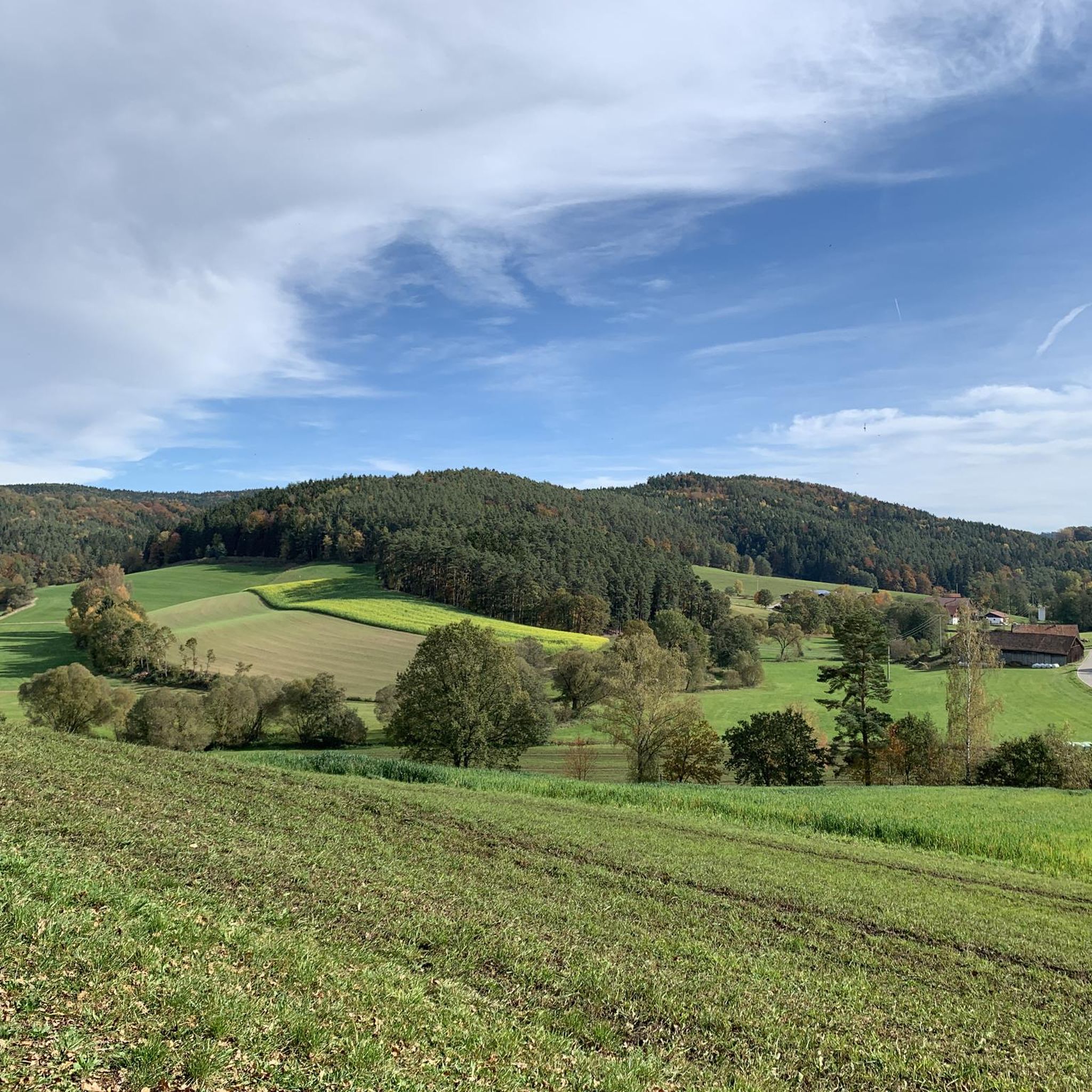
Road Cycling Routes around Falkenstein
Gravel biking around Falkenstein
Mountain Hikes around Falkenstein
Other adventures around Falkenstein


Tips from the Community

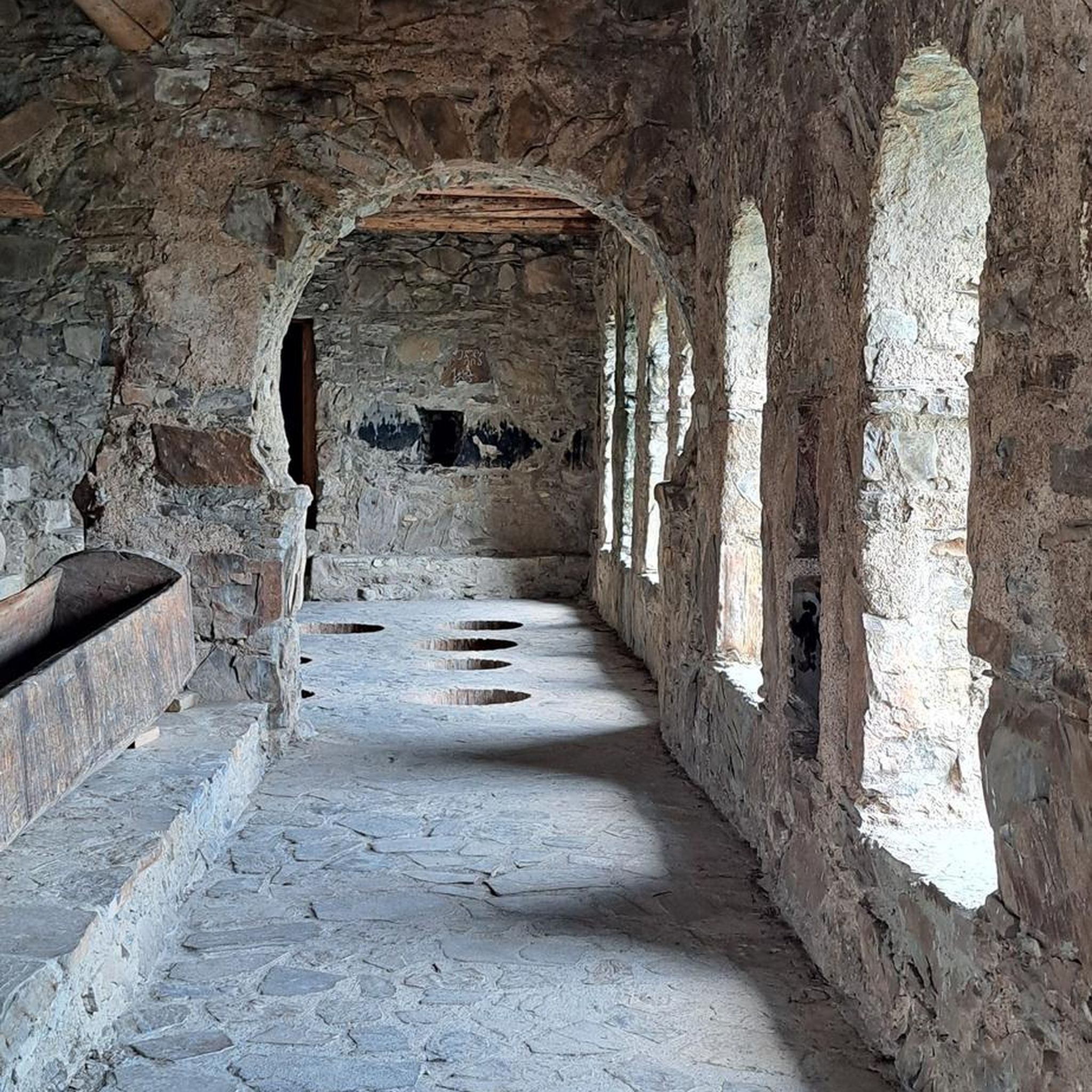
The Felsenkeller is part of the Geotope "Grotto of Wiesenfelden". Below the rocky summit by the road, there is an approximately 40 m long underground cavern (built in 1838), the former ice storage cellar of the local brewery, with beautiful exposures of granite with dyke rocks and many country rock xenoliths (bring a flashlight). Bavarian State Office for the Environment (LfU), https://www.umweltatlas.bayern.de/standortauskunft/rest/reporting/sb_geotope/generate?additionallayerfieldvalue=278R007
0
0

Blue Grotto It is not a Marian cult site, as is often assumed. It began as a love affair, the love of a Rodinger – he later even became mayor – for a beautiful young girl named Maria Zimmerer. Unfortunately, this girl died of appendicitis at a very young age and is buried in Munich, where she had been employed. In 1929, the enamored Rodinger erected this statue in memory of his beloved, carved from sandstone by the stonemason Hofinger from Oberkreith. There was no road to the grotto at that time. So the statue and all the materials had to be transported by boat across the Regen River from Wiesing. "Dieß'n Wack" was involved in its installation and also immortalized himself with a small painting to the left of the statue. The pastor of Roding at the time had concerns about the grotto, arguing that the statue might be considered a Marian cult site and thus harm the Heilbrünnl (Holy Spring). But this concern was unfounded. In 1977, the Roding-Mitterdorf Hiking Club built a footbridge around the grotto to Fischerwinkel, making it easily accessible on foot. Members of the Wiesing Volunteer Fire Department have thinned out the trees and bushes in front of the grotto to provide a better view from Wiesing. Source: Local information
1
0
Blue Grotto It is not a Marian cult site, as is often assumed. It began as a love affair, the love of a Rodinger – he later even became mayor – for a beautiful young girl named Maria Zimmerer. Unfortunately, this girl died of appendicitis at a very young age and is buried in Munich, where she had been employed. In 1929, the enamored Rodinger erected this statue in memory of his beloved, carved from sandstone by the stonemason Hofinger from Oberkreith. There was no road to the grotto at that time. So the statue and all the materials had to be transported by boat across the Regen River from Wiesing. "Dieß'n Wack" was involved in its installation and also immortalized himself with a small painting to the left of the statue. The pastor of Roding at the time had concerns about the grotto, arguing that the statue might be considered a Marian cult site and thus harm the Heilbrünnl (Holy Spring). But this concern was unfounded. In 1977, the Roding-Mitterdorf Hiking Club built a footbridge around the grotto to Fischerwinkel, making it easily accessible on foot. Members of the Wiesing Volunteer Fire Department have thinned out the trees and bushes in front of the grotto to provide a better view from Wiesing. Source: Local information
3
0

a bit hidden; but definitely worth a visit, even if you have to push the bike up a few steps
1
0

Nice place with seating :)
0
0
Great to see. The old mill wheels still work
0
0

A very nice hike from Dörfling to the grotto, where you can linger and enjoy the peace and quiet of nature
0
0

Winter quarters for bats
0
0
Frequently Asked Questions
What types of caves can I explore around Falkenstein?
Around Falkenstein, you'll primarily find natural grottoes and historic rock cellars. Many of the natural grottoes, such as the Mariengrotte on the Regentalsteig and the Marian Grotto on the Regen River, are religious sites often featuring statues. The historic rock cellars, like the Historic Rock Cellar, are former storage facilities that now serve as important winter quarters for bats.
Are there family-friendly caves or grottoes in the Falkenstein area?
Yes, several grottoes are suitable for families. The Marian Grotto on the Regen River is easily accessible via a footbridge, making it a good option. Additionally, the Stone Age cave exhibit at the Falkenstein National Park Centre offers an educational and immersive experience for all ages, and is part of a nearly three-kilometer circular trail suitable for prams and wheelchairs.
What natural features can I expect to see at the caves around Falkenstein?
The caves and grottoes around Falkenstein are set within the natural landscapes of the Bavarian Forest and the Regen River valley. You can expect to see natural rock formations, often adorned with religious statues in the grottoes. The Virgin Mary Grotto (J.B. Derk 1926), for instance, offers a peaceful natural setting. The Historic Rock Cellar is notable for its vaulted granite formations.
Are there historical or cultural sites associated with the caves?
Many of the grottoes, such as the Marian Grotto on the Regen River and the Lourdes Grotto, have significant local history, often involving their establishment as religious sites. The Historic Rock Cellar is a former beer warehouse, now a historical site. The Stone Age cave at the Falkenstein National Park Centre provides an educational journey into Paleolithic history.
What outdoor activities can I do near the caves around Falkenstein?
The region around Falkenstein offers various outdoor activities. You can find numerous routes for cycling, mountain biking, and running. Many grottoes, like the Mariengrotte on the Regentalsteig, are located directly on hiking paths, making them excellent stops during a longer tour.
Are there hiking trails that lead to or past these caves?
Yes, several caves and grottoes are integrated into hiking routes. The Mariengrotte on the Regentalsteig is situated directly on the Regentalsteig path. The Marian Grotto on the Regen River is also easily accessible via a footbridge built by a hiking club. The Stone Age cave at the Falkenstein National Park Centre is part of a circular trail.
What is the best time to visit the caves and grottoes in Falkenstein?
Most of the grottoes and the Stone Age cave exhibit are accessible year-round. However, for the Historic Rock Cellar, which serves as a bat wintering ground, it's best to visit outside of the hibernation period to avoid disturbance. Generally, spring to autumn offers the most pleasant weather for exploring the surrounding hiking and cycling trails.
Do I need a permit to visit the caves around Falkenstein?
For the grottoes and the Historic Rock Cellar mentioned in the Falkenstein region, no special permits are required for general access. These are typically open to the public. However, if you plan to explore the more challenging active water caves like the Falkensteiner Höhle in the Swabian Alb (a different region), permits and experienced guides are mandatory for deeper sections.
What do visitors enjoy most about the caves and grottoes in Falkenstein?
Visitors appreciate the peaceful natural settings and the historical significance of these sites. Many enjoy the quiet contemplation offered by the religious grottoes and the unique experience of discovering hidden spots like the Virgin Mary Grotto (J.B. Derk 1926). The Historic Rock Cellar is valued for its role as a bat wintering ground and its historical context.
Are there any caves in other Falkenstein regions that offer different experiences?
Yes, beyond the Falkenstein in Bavaria, other regions share the name and offer distinct cave experiences. The Falkensteiner Höhle in Germany's Swabian Alb is a challenging active water cave requiring guided tours and special equipment. In Lower Austria, a Falkenstein Cave offers a small, scenic detour with views, often part of hiking routes near the Falkenstein Castle Ruin. These provide different types of adventures compared to the grottoes of the Bavarian Forest.
Can I see wildlife in or near the caves around Falkenstein?
Yes, the Historic Rock Cellar is particularly known as a popular wintering ground for bats, as natural caves are scarce in the Bavarian Forest. The Stone Age cave at the Falkenstein National Park Centre is flanked by enclosures featuring wild horses and aurochs, providing a broader ecological context.
Most popular routes around Falkenstein
Most popular attractions around Falkenstein

Get inspired with the komoot mobile app


Explore more
Extend your search for the best caves by checking out these guides of the top ones around Falkenstein:
