Top 5 Lakes in Malta
Lakes in Malta are unique, comprising a mix of natural and artificial water bodies that offer diverse experiences. The island nation, though not known for large natural freshwater lakes, features notable saltwater lagoons, historical freshwater reservoirs, and rare natural ponds. These sites provide opportunities for recreation, nature observation, and insight into Malta's water management heritage. The landscape includes dramatic geological formations and sheltered basins, contributing to its distinct character.
Best lakes in Malta
- The most popular lakes is Inland Sea (Dwejra), a lake that is a unique saltwater lagoon connected to the Mediterranean Sea through a narrow tunnel. Local fishermen offer boat trips through the tunnel, leading to the open sea and notable rock formations.
- Another must-see spot is Spinola Bay, a lake-like bay known for its idyllic fishing port. Visitors can expect a selection of restaurants and traditional fishing boats in a lively setting.
- Visitors also love Ghadira ta' Sarraflu, a rare natural freshwater pond. It is an important site for biodiversity, providing a habitat for various animal species in Malta's arid landscape.
- Malta is known for saltwater lagoons, artificial freshwater reservoirs, and natural freshwater ponds. These water bodies offer a variety of experiences, from boat trips and swimming to hiking and nature observation.
- The lakes in Malta are appreciated by the komoot community, with more than 90 upvotes and 70 photos shared across the highlights.
Last updated: August 5, 2026
Inland Sea (Dwejra)
Highlight • Lake
Translated by Google •
Tip by

Ghadira ta' Sarraflu
Highlight • Lake
Translated by Google •
Tip by

Sign up now to discover places like this
Get recommendations on the best single tracks, peaks, & plenty of other exciting outdoor places.
Sign up for free
Spinola Bay
Highlight • Lake
Tip by

Argotti Botanical Garden
Highlight • Natural
Translated by Google •
Tip by

Spinola Bay
Highlight • Settlement
Translated by Google •
Tip by

Traditional Dgħajsa boat ride in Valletta Harbour
Highlight • Structure
Translated by Google •
Tip by

View of the Blue Lagoon (Comino)
Highlight • Viewpoint
Translated by Google •
Tip by

Start today with a free account
Your next adventure awaits.
Login or Signup

Tips from the Community

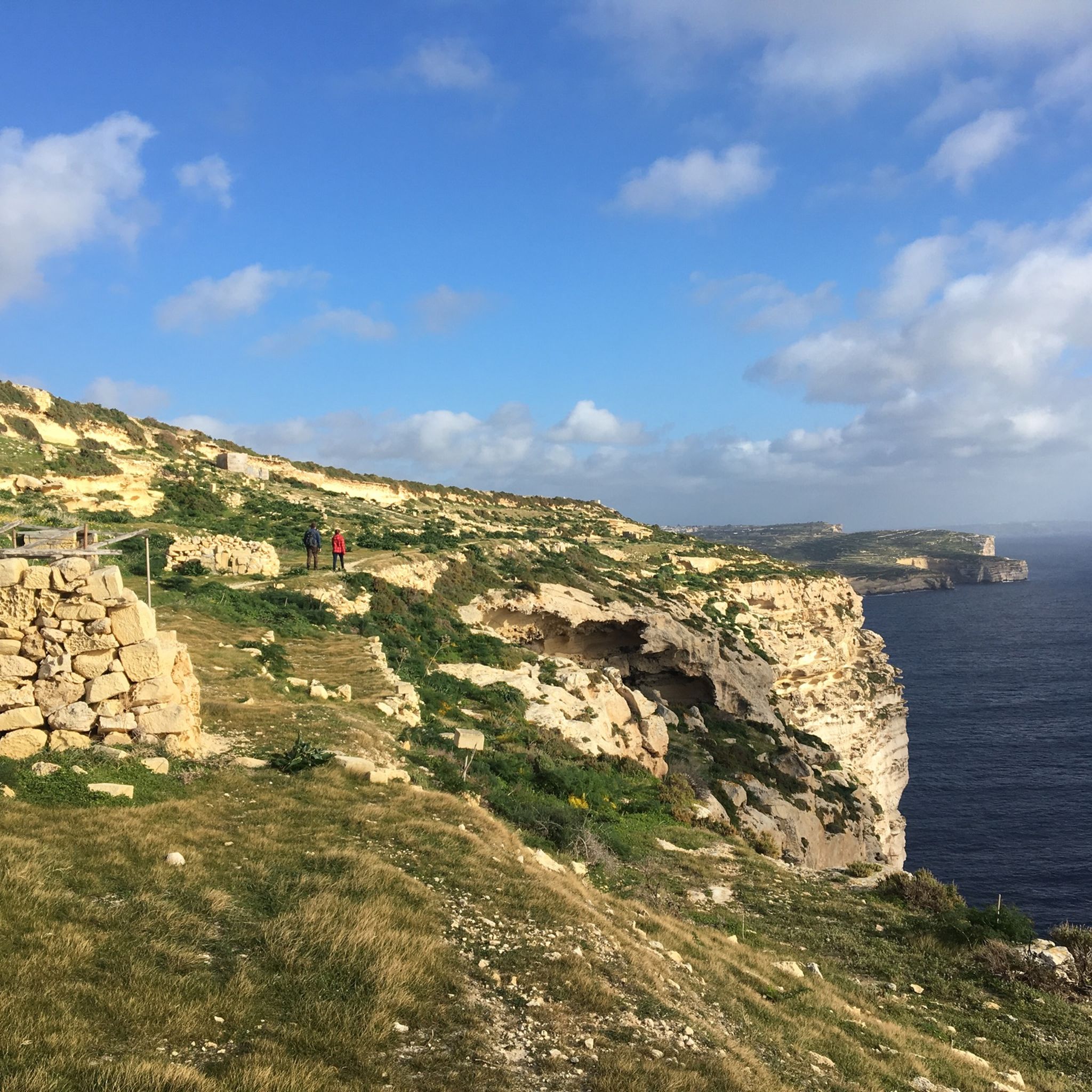
A nice walk but one you should NOT do in summer as it is much too hot.
1
0

Crystal clear water - a paradise for divers!
1
0

You are usually in good company 😁
0
1
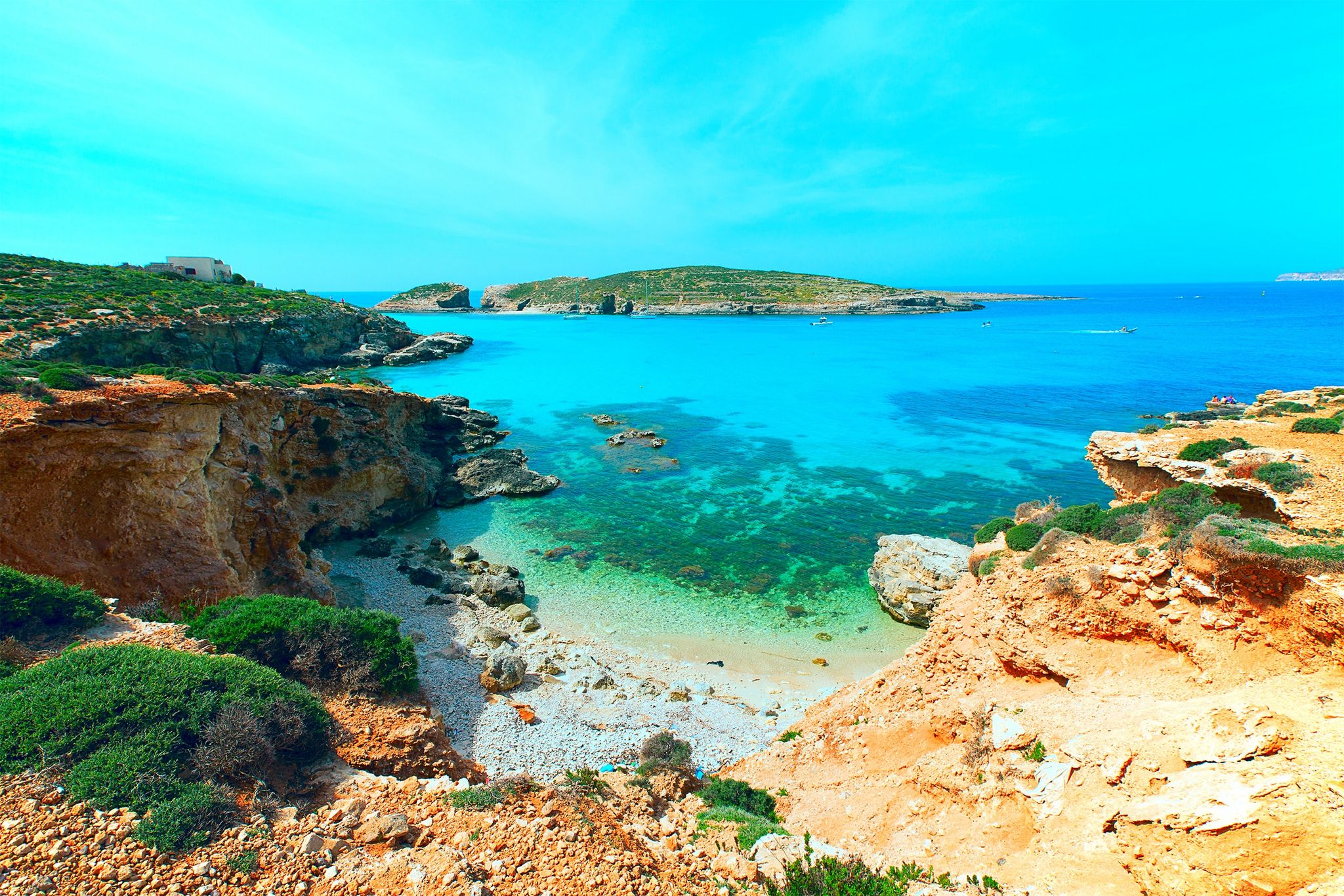
Nice view from above; the coast is only accessible by boat
2
0

The idyllic fishing port of San Giljan. With many traditional fishing boats and lots of restaurants around the harbor.
0
0

A popular day trip destination in Malta and popularly known as the 'LOVE' sculpture standing over the water in Spinola Bay in St Julian's.
0
0

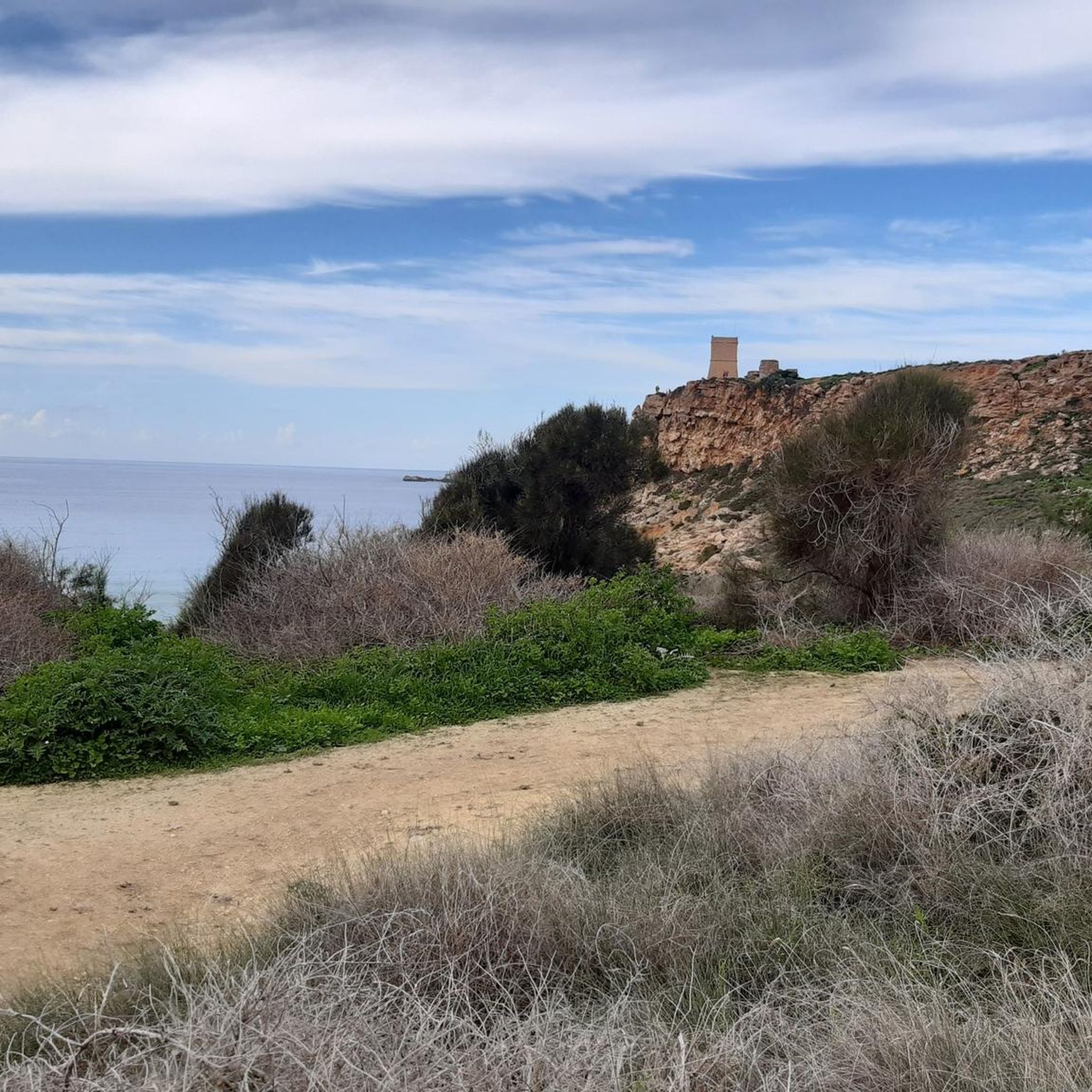
L-Għadira ta' Sarraflu is a permanent freshwater pond which resembles a small oasis. Due to the scarce rainfall in the island, this pond is important both for water loving creatures as well as for locals. A popular annual spring fair, generally in April, is held at the pond and many enjoy picnics and walks in the area.
1
0
The Inland Sea, sometimes called Qawra in Maltese and also known as Dwejra, is a lagoon of seawater on the island of Gozo linked to the Mediterranean Sea through an opening formed by a narrow natural arch. It was probably formed where a geological fault in the limestone had created a sea cave and the roof then collapsed. On one side there is a gently shelving stony beach with several fishermen's huts. The boats are often pulled up on to the stony beach. The bottom of the lagoon is also mostly pebbles and rocks and is fairly shallow. Exiting through the tunnel towards open sea, the floor drops away in a series of shelves to a depth of up to 35 meters on the outside. Jacques Cousteau said the Inland Sea was among his top ten dives. On calm days fishing boats, known in Maltese as luzzijiet, can pass through the tunnel. Some of the boats are used to take visitors through the archway and then for a tour of the nearby cliffs and other sites, mainly to the Fungus Rock and to the site of the previous large natural arch in the cliffs called the Azure Window.
1
0
Frequently Asked Questions
What types of 'lakes' can I find in Malta?
Malta, while not known for large natural freshwater lakes, features a unique mix of water bodies. These include saltwater lagoons like the Inland Sea (Dwejra), historical artificial freshwater reservoirs such as Chadwick Lakes, and rare natural freshwater ponds like Għadira ta' Sarraflu. You can also find lake-like bays and stunning natural swimming pools.
Are there any natural freshwater lakes in Malta?
Natural freshwater bodies are rare in Malta due to its arid climate. However, Għadira ta' Sarraflu on Gozo is a notable exception, being a permanent natural freshwater pond. It's an important site for biodiversity, providing a habitat for various animal species, including the painted disc beak.
Where can I find historical reservoirs in Malta?
Chadwick Lakes, also known as Wied il-Qlejgħa, is a prominent system of 19th-century artificial freshwater reservoirs located between Rabat and Mtarfa. These interconnected dams were designed to capture and store rainwater, creating flowing streams, especially vibrant during winter and spring. The area is a designated Special Area of Conservation.
What activities can I do at the Inland Sea (Dwejra)?
At the Inland Sea (Dwejra) on Gozo, you can enjoy boat trips through a narrow tunnel connecting the lagoon to the open sea, offered by local fishermen. It's also a popular spot for swimming, snorkeling, and diving, known for its diverse marine life and dramatic geological formations.
Are there family-friendly lake areas in Malta?
Yes, several lake-like areas are suitable for families. The Inland Sea (Dwejra) offers calm waters for swimming and boat trips. Għadira ta' Sarraflu is great for walks and picnics, especially during its annual spring fair. Chadwick Lakes is also considered family-friendly, particularly during cooler months when the streams are full, offering nature walks and picnic spots.
What kind of flora and fauna can I expect to see near Malta's lakes?
Near Malta's freshwater bodies like Chadwick Lakes and Għadira ta' Sarraflu, you can observe diverse flora and fauna. Chadwick Lakes supports indigenous plants, insects, and amphibians like the painted frog, Malta's only native amphibian. Għadira ta' Sarraflu is also a vital habitat for various animal species, including the painted disc beak.
What is the best time of year to visit Chadwick Lakes?
The best time to visit Chadwick Lakes is during the cooler, wetter months, typically winter and spring. This is when the reservoirs are full, and the streams are most vibrant, offering a lush landscape for hiking and nature observation. Recent renovations have enhanced its accessibility and ecological value during these periods.
Are there walking trails near Malta's lakes?
Yes, there are walking opportunities near Malta's lake-like areas. Chadwick Lakes features a 2km walking trail, ideal for a peaceful nature retreat. Għadira ta' Sarraflu is also popular for walks with scenic sea views from nearby cliffs. For more general hiking options in the region, you can explore easy hikes in Malta.
Can I find cycling routes near these lake areas?
While specific cycling routes directly around the smaller lake areas might be limited, the broader region of Malta offers numerous cycling opportunities. You can find various routes for touring bicycles and road cycling, such as those listed in the Cycling in Malta and Road Cycling Routes in Malta guides, which cover different parts of the island.
What is Spinola Bay known for?
Spinola Bay is a picturesque, lake-like bay known for its idyllic fishing port. It offers a lively setting with a selection of restaurants and traditional fishing boats. Visitors appreciate its charm, though some note its increasing modernization.
Are there any hidden natural pools or unique coastal swimming spots in Malta?
Beyond traditional lakes, Malta boasts stunning natural swimming spots. St. Peter's Pool is a breathtaking natural pool on the southeastern coast, famous for its crystal-clear turquoise waters and cliff diving. Għar Lapsi is another secluded cove with stunning green and blue waters, offering a calm swimming experience sheltered by rocks.
How can I learn about Malta's water-saving heritage?
Malta has a rich history of water management, featuring thousands of historical underground reservoirs built to collect and store rainwater. Projects like the Alter Aqua Trail in Birgu offer self-guided tours of these fascinating engineering feats, providing insight into Malta's water-saving heritage. These are significant historical sites rather than recreational lakes.
Most popular attractions in Malta

Get inspired with the komoot mobile app


Explore more
Still not found your perfect lake in Malta? Check out the guides of these regions to see even more beautiful places.
