Top 20 Caves in Campania
Caves in Campania offer diverse subterranean experiences across a region known for its varied natural landscape and historical depth. The area features a mix of sea caves, karstic formations, and ancient man-made tunnels. These geological features are often intertwined with cultural and historical significance, providing insights into the region's past. Visitors can explore a range of cave types, from those accessible by boat to others requiring hiking.
Best caves in Campania
- The most popular caves is Cave of the Madonna…
Last updated: June 25, 2026
Naples Underground
Highlight • Cave
Translated by Google •
Tip by

Cave of the Madonna della Pace of Pietrapiana
Highlight • Cave
Translated by Google •
Tip by

Sign up now to discover places like this
Get recommendations on the best single tracks, peaks, & plenty of other exciting outdoor places.
Sign up for free
Sanctuary of the Most Holy Savior of Serino
Highlight • Religious Site
Translated by Google •
Tip by
Vallivona Sinkhole
Highlight • Cave
Translated by Google •
Tip by

Hermitage of San Magno
Highlight • Religious Site
Translated by Google •
Tip by
The “Grotta Profunnata” in the Oasi Valle della Caccia
Highlight • Cave
This place, already known as a refuge for brigands in the …
Translated by Google •
Tip by

Sanctuary of Madonna della Neve
Highlight • Religious Site
Translated by Google •
Tip by
Blue Grotto (Grotta Azzurra), Capri
Highlight • Cave
Translated by Google •
Tip by

The rock church of Madonna del Fiume
Highlight • Religious Site
Located inside a karst cave, which can be accessed …
Translated by Google •
Tip by
Grotta dei Candraloni
Highlight • Cave
Translated by Google •
Tip by
Sign up for free to discover even more caves in Campania.
Sign up for free
Already have an account?
Start today with a free account
Your next adventure awaits.
Login or Signup
Popular around Campania
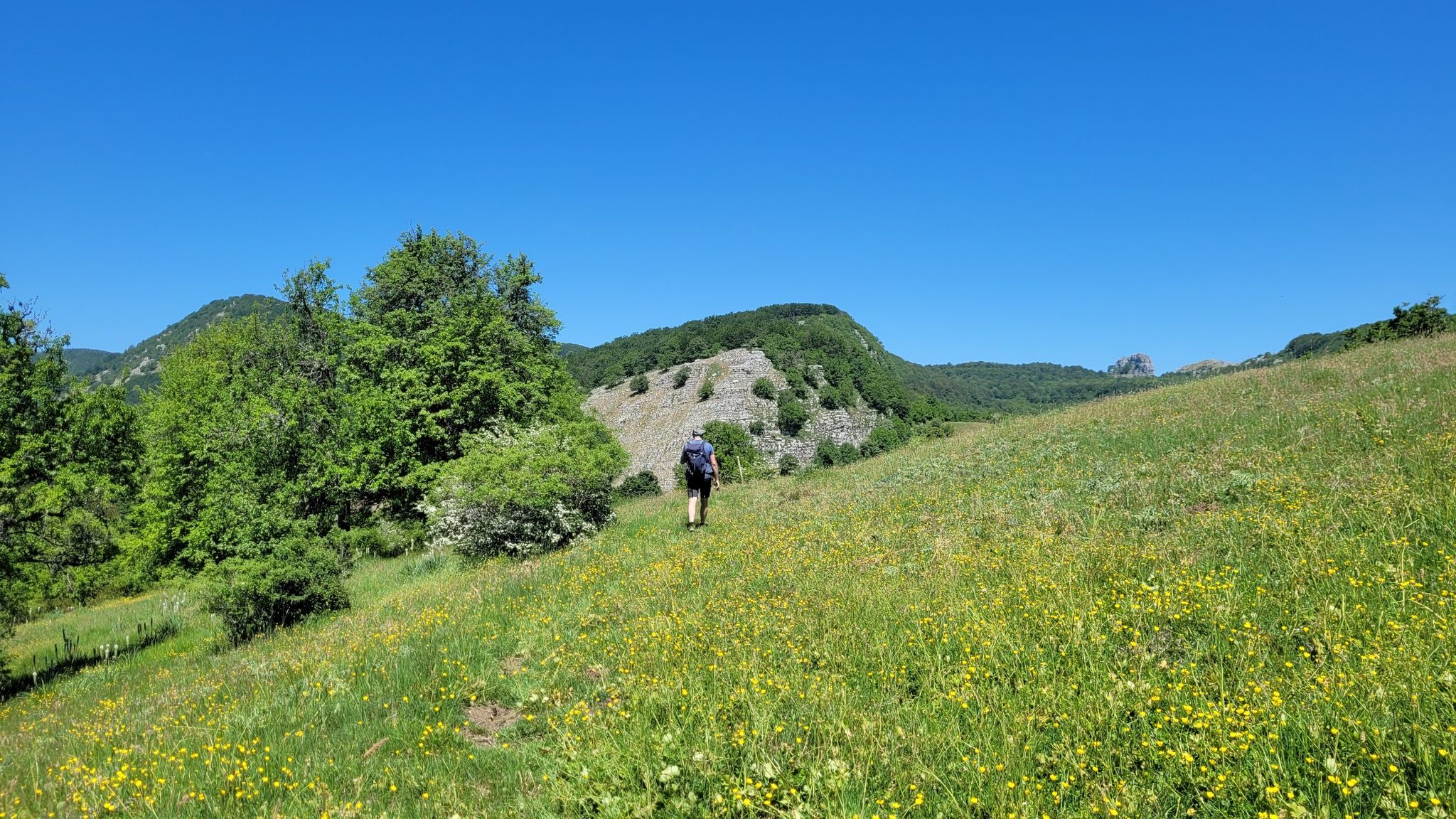
Sentiero Italia – A journey into the heart of Campania
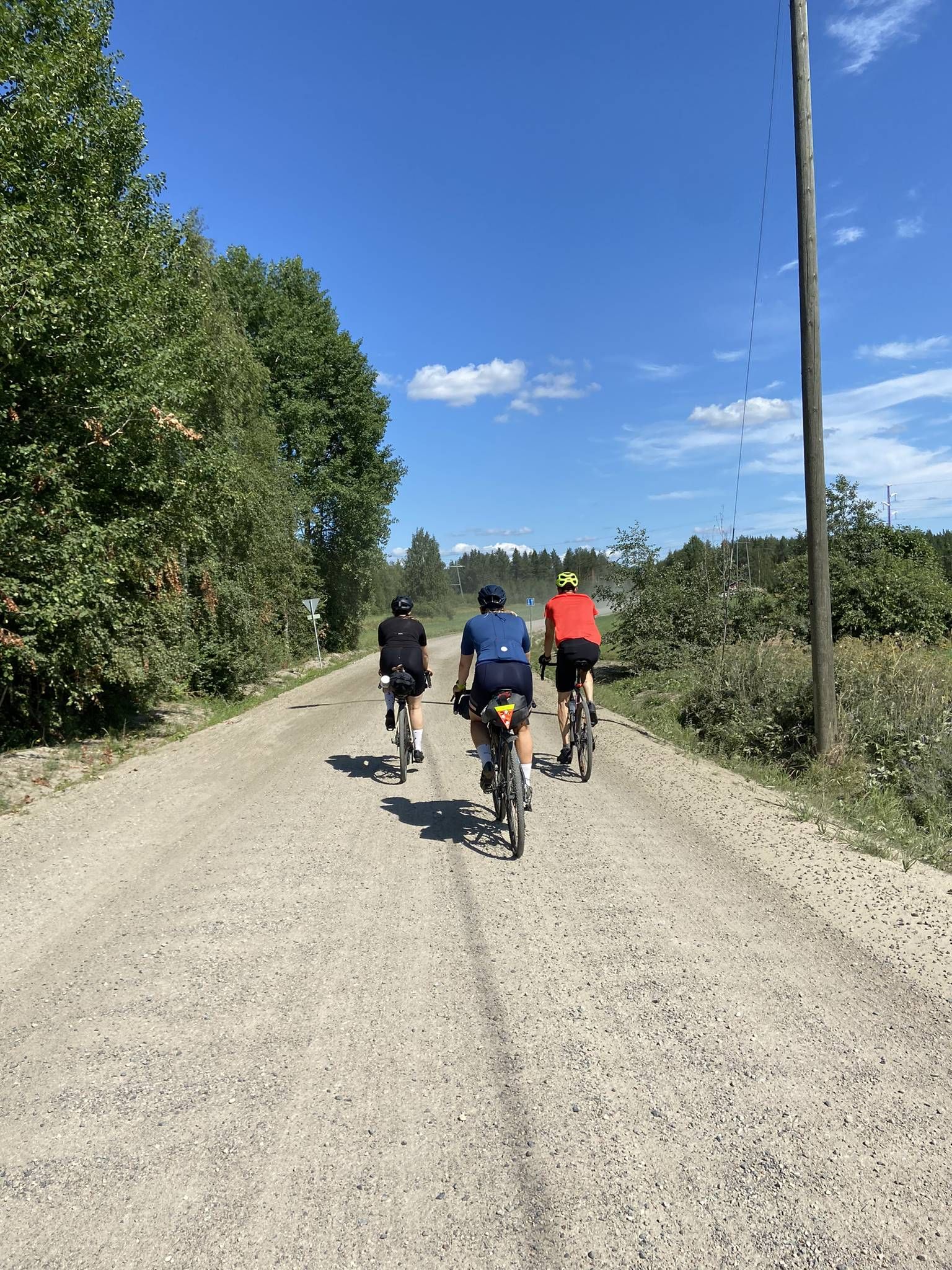
Naples to North Cape — Two friends, one purpose and many scoops of ice-cream
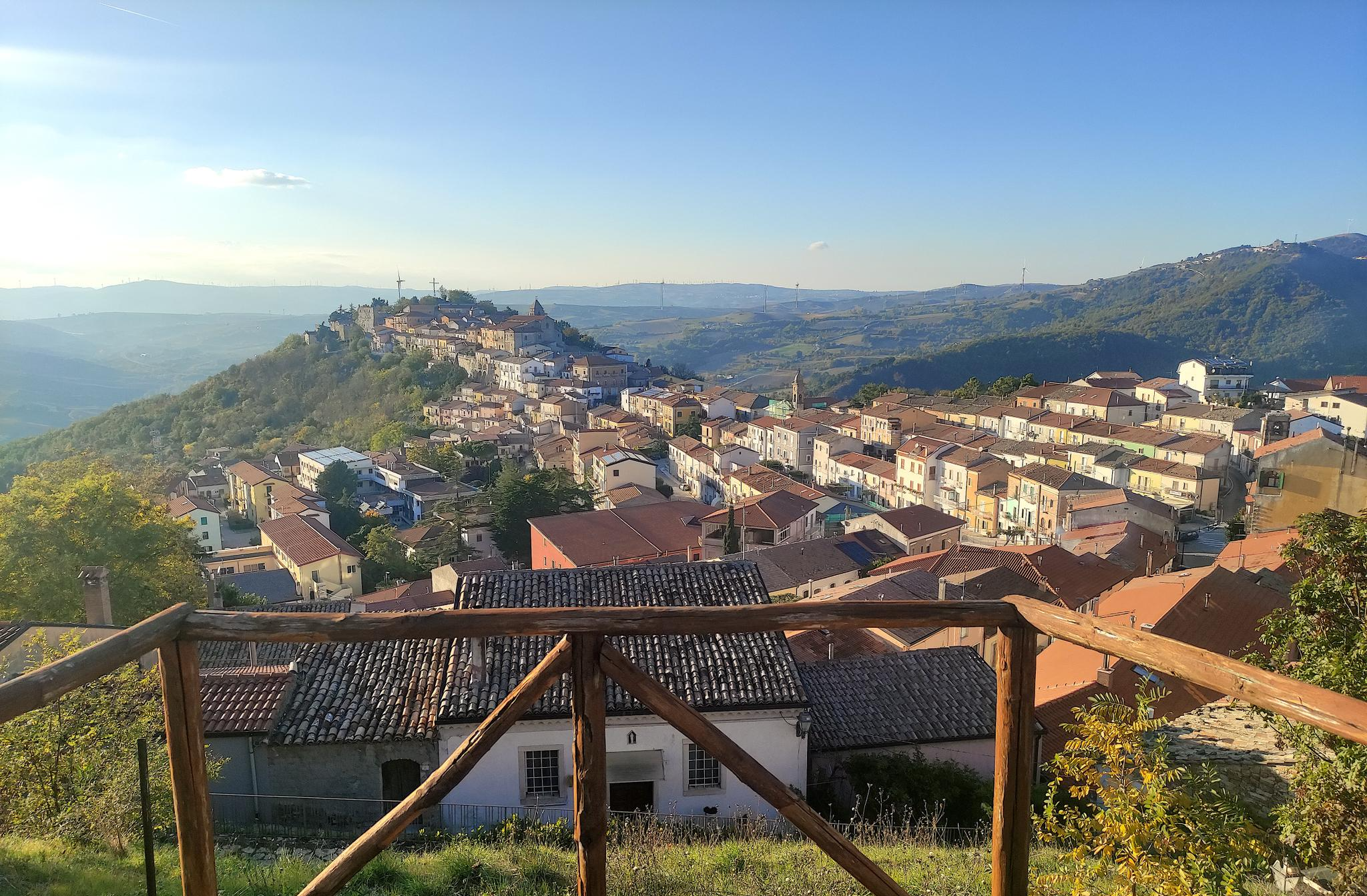
Campania by bike – rides among villages, valleys and water landscapes
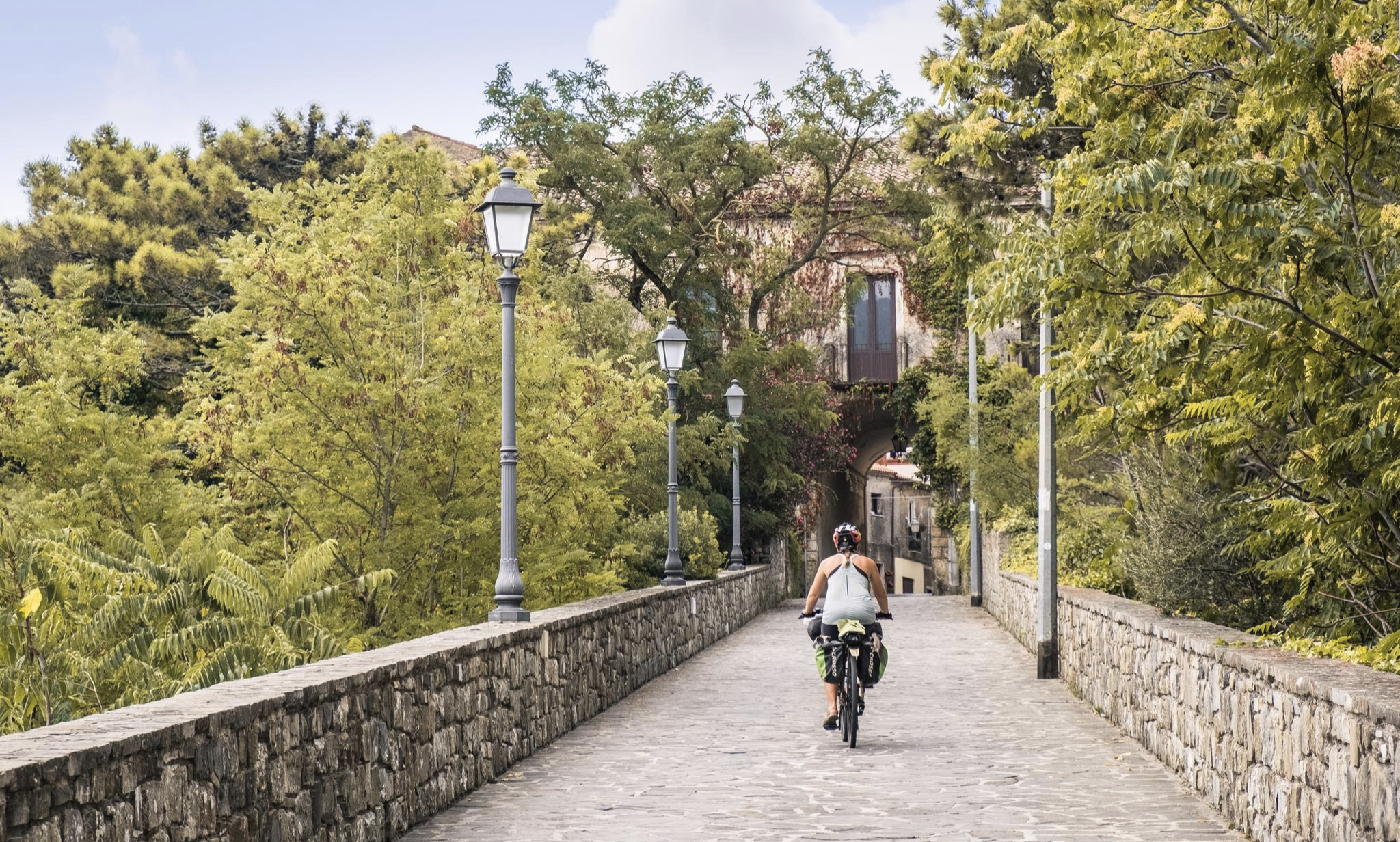
The Silent Way by bike - wilderness and gentle humanity
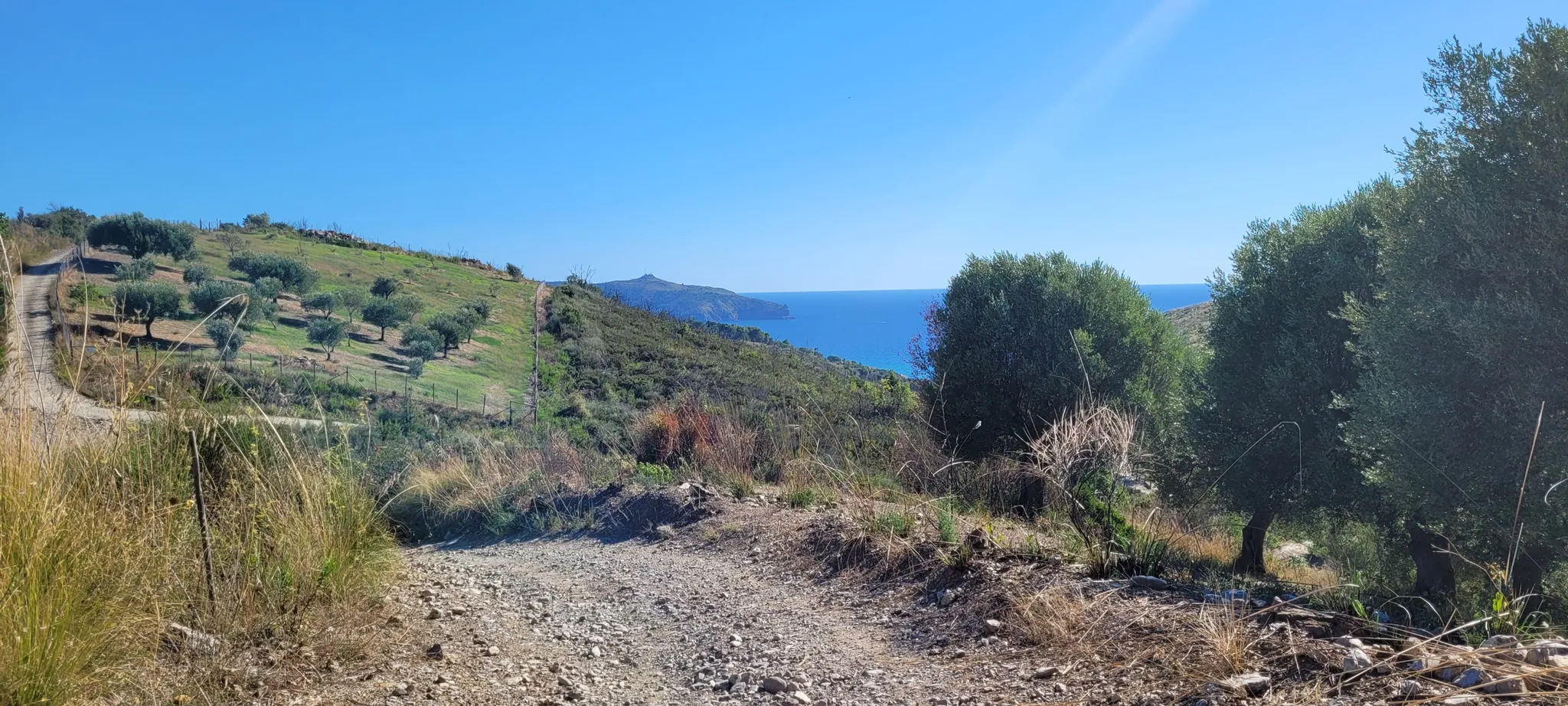
Way of St. Nilus - a slow journey into the heart of the Cilento region
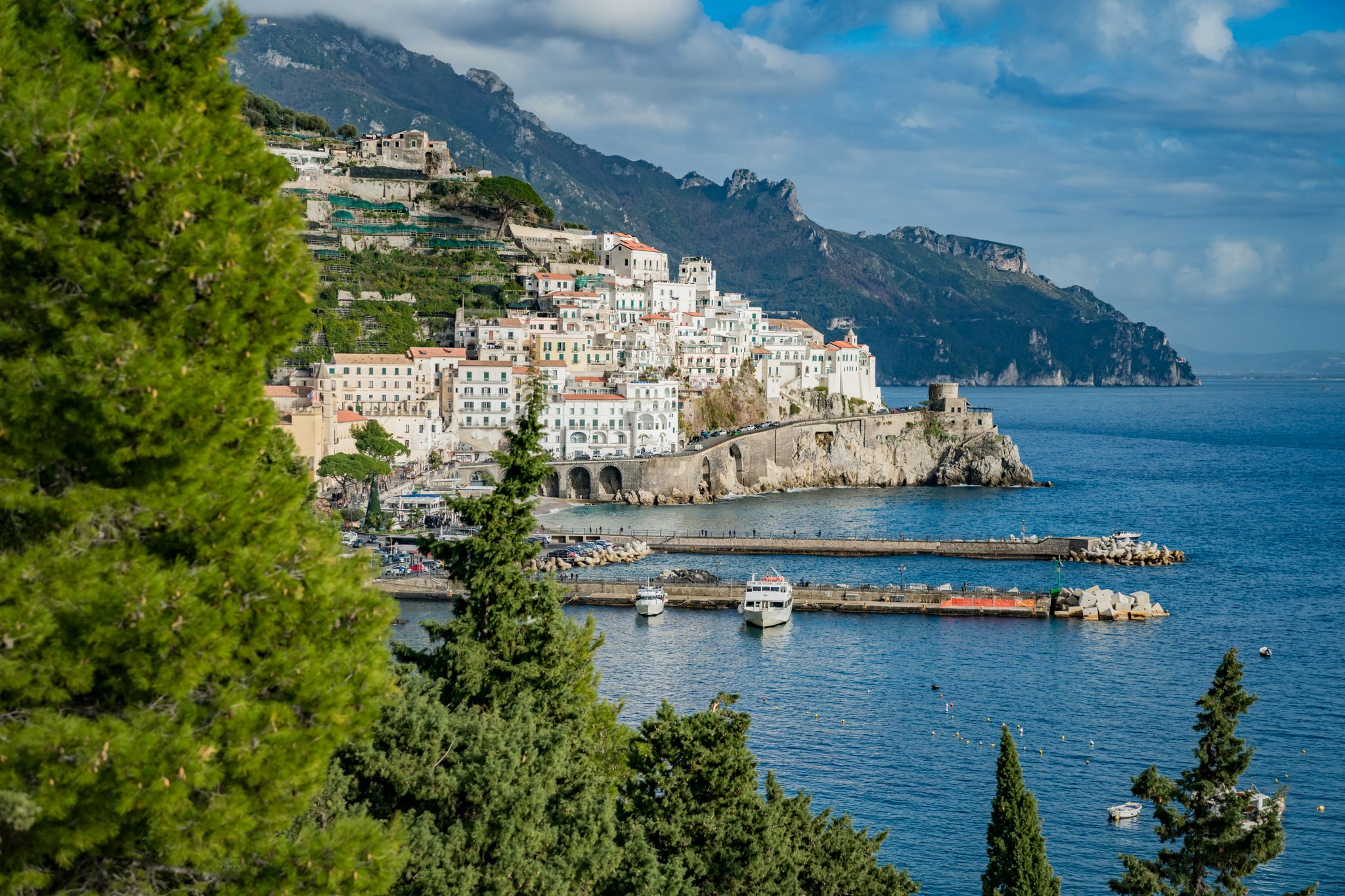
Hiking on the Amalfi Coast – routes for all year round
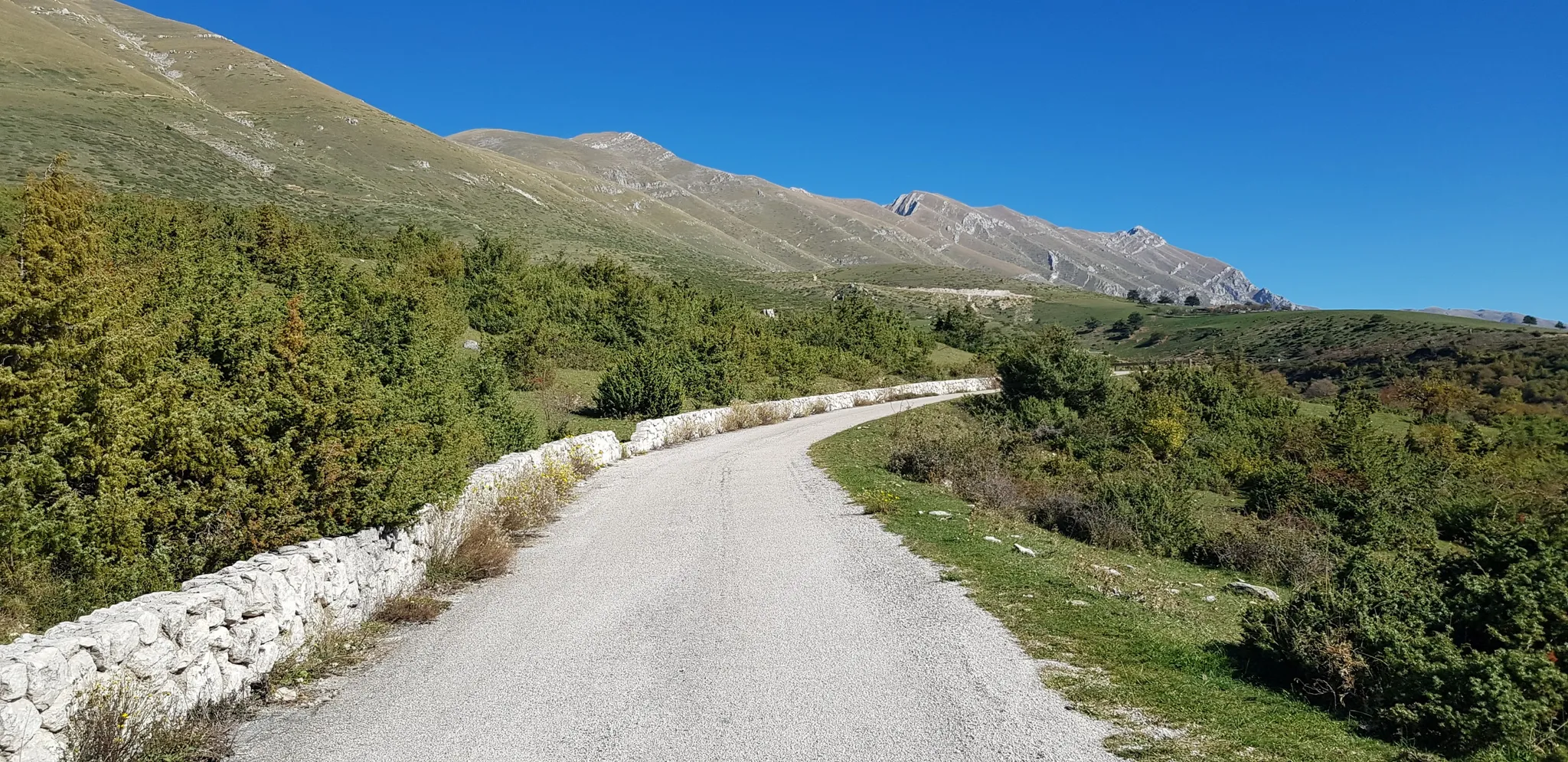
The Apennine Cycleway (Part 2) - From Umbria to Calabria
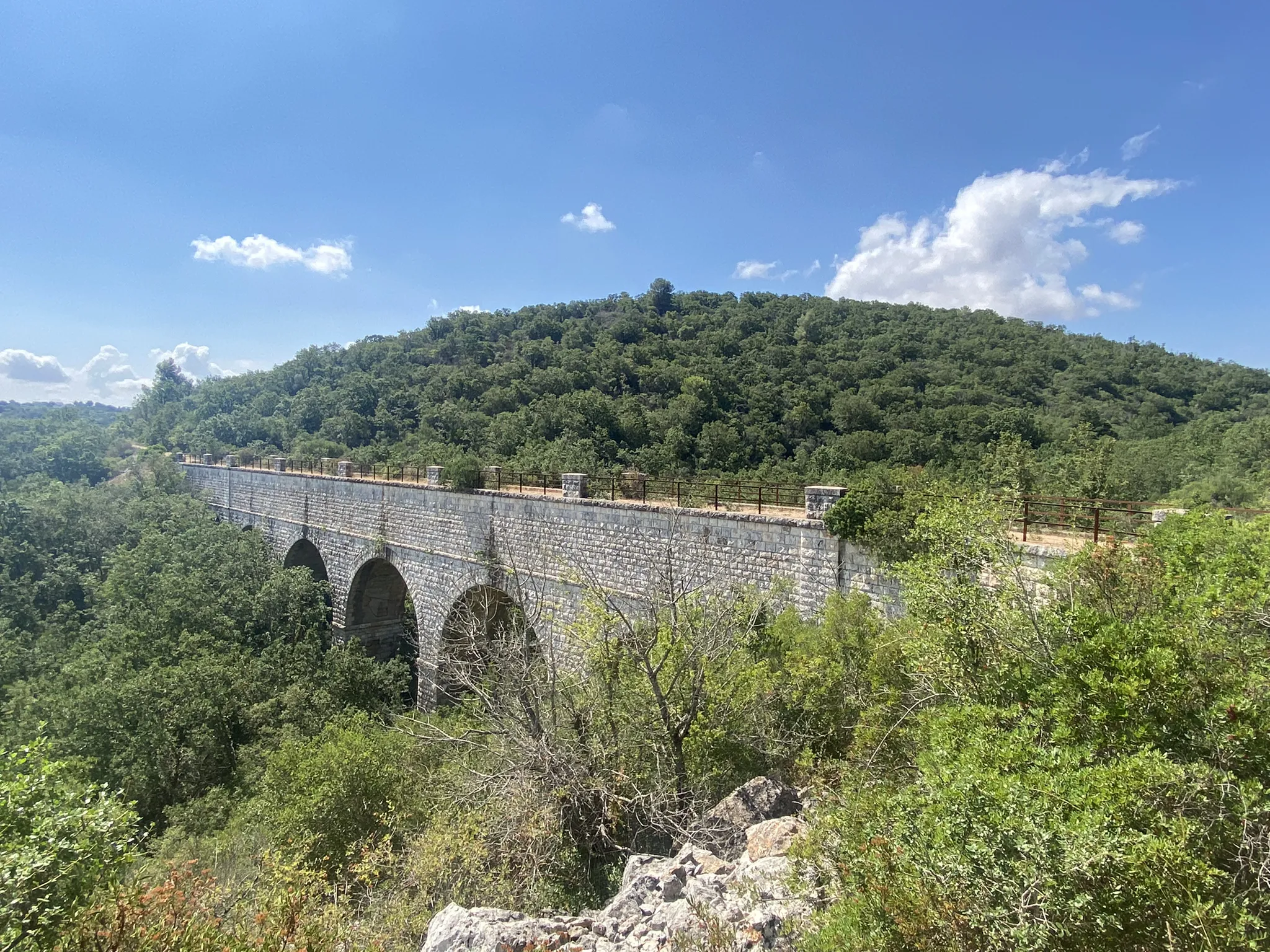
Caposele to Santa Maria di Leuca – Apulian Aqueduct Cycle Route
Micro-adventures on the island of Capri – the Amalfi Coast
Discovering the Amalfi Coast – four unmissable walks
Other adventures in Campania


Tips from the Community

The Sanctuary of the Madonna della Neve (or Madonna del Cervato) is a suggestive place of worship located at about 1850 meters above sea level on Mount Cervati, in the Cilento National Park, near Sanza. Characterized by a chapel nestled in a natural cave, it is a destination for pilgrimages, especially between the end of July and August 5th, and represents one of the highest and most fascinating peaks in Campania. https://blogcamminarenellastoria.wordpress.com/2022/12/14/il-monte-cervati-e-la-madonna-della-neve/
1
0

A brief explanation of the patronage of 'MARY OF THE SNOW', which visitors don't encounter very often: This takes us far back in church history to the fourth/fifth century, and geographically to Rome. On August 5, 363, the so-called "miracle of the snow" occurred at the site where the Basilica of Santa Maria Maggiore now stands. That is to say, on that day, in the middle of summer, snow lay there in the morning because the Virgin Mary wished to have a church dedicated to her built on that spot. She conveyed this wish in a vision to a wealthy couple – who subsequently initiated and financed the construction – and to the Bishop of Rome, who at that time was Pope Liberius. The Roman church holds the rank of a patriarchal basilica (papal basilica) and is the origin of all churches and chapels with this patronage. In the liturgical calendar of the Catholic Church, August 5th, the feast day of the church's consecration (in the year 432 by Pope Sixtus III), is an optional memorial. Santa Maria Maggiore in Rome was the focus of international attention last year because Pope Francis, who died on Easter Monday 2025, had chosen this church as his final resting place.
0
0

A route in ancient Neapolis where you can walk along a street from that era with its shops and appreciate the Cryptoporticus and the Macellum. https://www.laneapolissotterrata.it
1
0

Must see, Candraloni sinkhole
0
0

In the off-season (end of October) I was even able to get a guided tour at 2pm without booking in advance.
2
0


Napoli sotterranea is a parallel city born together with the current city and extends under the entire historic center at a depth of over 40 meters. The Official and Authorized route of Napoli Sotterranea starts from Piazza San Gaetano 68, on Via dei Tribunali next to the Basilica di San Paolo Maggiore.
1
0
Here is the info on the Vallivona Affondator: https://www.archeotrekking.net/it/scheda_singola/188-l-affondamento-di-vallivona.html
3
0
Frequently Asked Questions
What types of caves can I explore in Campania?
Campania offers a diverse range of subterranean experiences. You can explore stunning sea caves like the Blue Grotto (Grotta Azzurra), Capri, known for its vibrant blue waters, or the Emerald Grotto with its distinct green illumination. The region also features historical underground systems, such as Naples Underground, which takes you through ancient tunnels. Additionally, there are natural karstic formations, including sinkholes like the Vallivona Sinkhole, and caves with religious significance like the Cave of the Madonna della Pace of Pietrapiana.
Are there any historical or archaeological caves in Campania?
Yes, Campania is rich in historical and archaeological subterranean sites. Naples Underground offers a journey through tunnels and rooms created centuries before Christ. The Pertosa-Auletta Caves, located inland, are unique in Europe for preserving the remains of a pile-dwelling village dating back to the second millennium BC. The Blue Grotto also has historical ties, believed to be a private swimming hole for Emperor Tiberius during Roman times.
What are some unique natural phenomena to see in Campania's caves?
Campania's caves are famous for their captivating natural phenomena. The Blue Grotto (Grotta Azzurra), Capri is renowned for its ethereal blue waters, created by sunlight filtering through an underwater opening. The Emerald Grotto, near Amalfi, displays an intense green light from an underground opening. The Pertosa-Auletta Caves feature an underground river, the Negro, which visitors can explore by boat, along with an impressive array of stalactites and stalagmites.
Are there family-friendly cave experiences in Campania?
Many caves in Campania offer experiences suitable for families. The Pertosa-Auletta Caves are particularly family-friendly, offering a unique boat ride on an underground river and the chance to explore an ancient pile-dwelling settlement. The Emerald Grotto is also easily accessible by boat or elevator, making it a comfortable option for all ages to enjoy its green-lit waters and formations.
What is the best way to access the sea caves in Campania?
Sea caves like the Blue Grotto (Grotta Azzurra), Capri and the Emerald Grotto are primarily accessed by boat. For the Blue Grotto, visitors typically transfer to small rowboats to navigate the narrow entrance. The Emerald Grotto can be reached by boat from nearby coastal towns or by car/bus with an elevator or panoramic stairway leading down to the entrance.
Can I find caves with religious significance in Campania?
Yes, several caves in Campania hold religious importance. The Cave of the Madonna della Pace of Pietrapiana is a natural monument featuring an altar with the Madonna, offering a place of peace and tranquility. The Sanctuary of the Most Holy Savior of Serino is entirely dug into the rock and adapted for liturgical use, housing statues of the Holy Savior and San Michele Arcangelo. The rock church of Madonna del Fiume is another example of a religious site within a cave.
What kind of geological formations are prominent in Campania's caves?
Campania's caves showcase a variety of impressive geological formations. Many caves, especially karstic ones like the Pertosa-Auletta Caves, are adorned with numerous stalactites and stalagmites of various colors, shapes, and sizes. The Emerald Grotto also features significant stalactite and stalagmite formations, some forming columns up to 10 meters tall. The region's karst environment also leads to features like the Vallivona Sinkhole.
What outdoor activities can I do near the caves in Campania?
The diverse landscape around Campania's caves offers many outdoor activities. You can find challenging road cycling routes like the Amalfi Drive or the Sorrentine Peninsula Loop. For gravel biking, options include routes around Pollica or near Mount Vesuvius. Mountain biking enthusiasts can explore trails in the Parco Nazionale del Vesuvio or the Monti Picentini. For more details on these activities, visit the Road Cycling Routes in Campania, Gravel biking in Campania, and MTB Trails in Campania guides.
Are there any caves in Campania that are particularly challenging to access?
Some caves and subterranean features in Campania present more challenging access. The Vallivona Sinkhole requires navigating a 500-meter-long tunnel, necessitating good lighting. The Sanctuary of the Most Holy Savior of Serino, a cave dug into the rock, is located along an arduous path that can take about 3 hours of walking to reach, making it suitable for sufficiently trained hikers. The “Grotta Profunnata” in the Oasi Valle della Caccia is also categorized as challenging.
What do visitors appreciate most about the caves in Campania?
Visitors frequently praise the unique and diverse experiences offered by Campania's caves. The magical atmosphere and vibrant colors of the sea caves, the journey through thousands of years of history in underground cities, and the wonder of boat rides on subterranean rivers are often highlighted. The sense of peace and tranquility found in religious cave sites, along with panoramic views from cave entrances, also receive high appreciation from the komoot community.
Are there any caves in Campania that are less known but worth visiting?
While the Blue Grotto is widely famous, the Emerald Grotto offers a different yet equally mesmerizing light spectacle with its distinct green illumination and fascinating geological history. The Pertosa-Auletta Caves, located inland, provide a unique combination of an underground river boat journey and an ancient pile-dwelling settlement, making them a truly exceptional and perhaps less-traveled option compared to the coastal grottoes.
Do I need special permits for caving in Campania?
For general tourist access to established cave attractions like the Blue Grotto, Emerald Grotto, Pertosa-Auletta Caves, or Naples Underground, you typically do not need special permits beyond purchasing an entrance ticket or tour. However, for exploring more challenging or undeveloped caves, such as the Vallivona Sinkhole, it is advisable to check with local authorities or guided tour operators for any specific requirements or safety guidelines.
What should I wear when visiting caves in Campania?
When visiting caves in Campania, it's generally recommended to wear comfortable clothing and sturdy, closed-toe shoes, as cave floors can be uneven or wet. Even in summer, the temperature inside caves can be cooler than outside, so a light jacket or sweater is often a good idea. For sea caves accessed by boat, be prepared for potential splashes. For more adventurous or challenging caves, appropriate hiking gear and a reliable light source are essential.
Most popular routes in Campania
Most popular attractions in Campania

Get inspired with the komoot mobile app


Didn’t find what you were looking for?
Discover more caves in Campania region by region:
Explore more
Extend your search for the best caves by checking out these guides of the top ones in Campania:
