Top 5 Castles in Minorca
Castles in Minorca reflect the island's strategic importance and its history under various ruling powers. The island features a diverse landscape, from coastal areas to elevated points, where these historical fortifications Menorca were constructed. These defensive structures Menorca offer insights into past military architecture and island life.
Best castles in Minorca
- The most popular castles is Ruins of Castell de Sant Antoni, a castle and historical site considered the origin of the village of Fornells. Only a few remains…
Last updated: August 19, 2026
Castle Sant Nicolau
Highlight • Castle
If you look to the other side of the harbor entrance, you can see the harbor's new lighthouse.
It's no comparison to the old one, which has much more charm.
Translated by Google •
Tip by

Ruins of Castell de Sant Antoni
Highlight • Castle
Translated by Google •
Tip by

Sign up now to discover places like this
Get recommendations on the best single tracks, peaks, & plenty of other exciting outdoor places.
Sign up for free
Fort Marlborough
Highlight • Historical Site
Translated by Google •
Tip by

Castell de Ló Hostel
Highlight • Rest Area
Translated by Google •
Tip by
Fortaleza de La Mola
Highlight • Historical Site
Translated by Google •
Tip by

Start today with a free account
Your next adventure awaits.
Login or Signup
Popular around Minorca
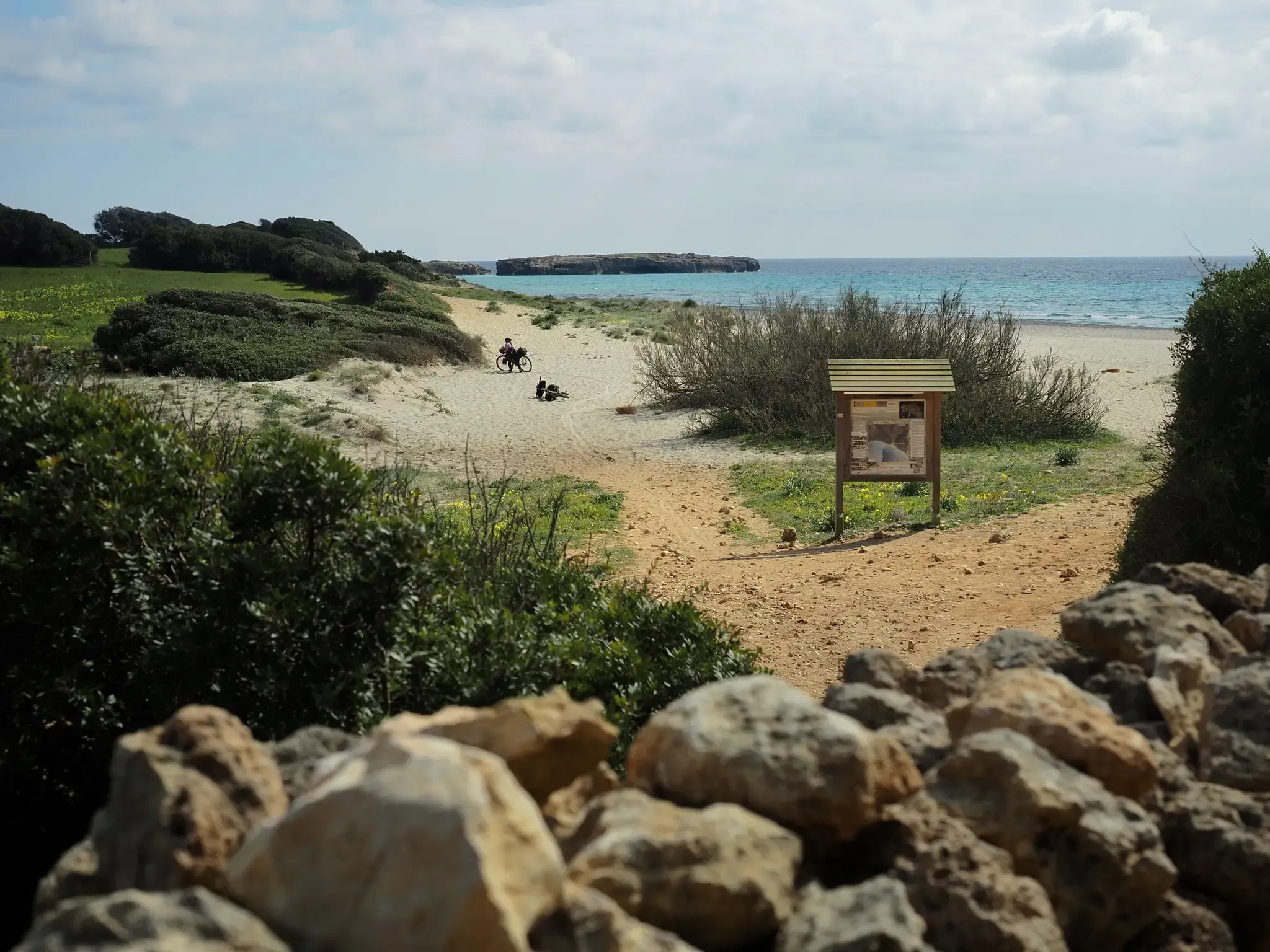
MTB adventure in Menorca – Camí de Cavalls (GR 223)
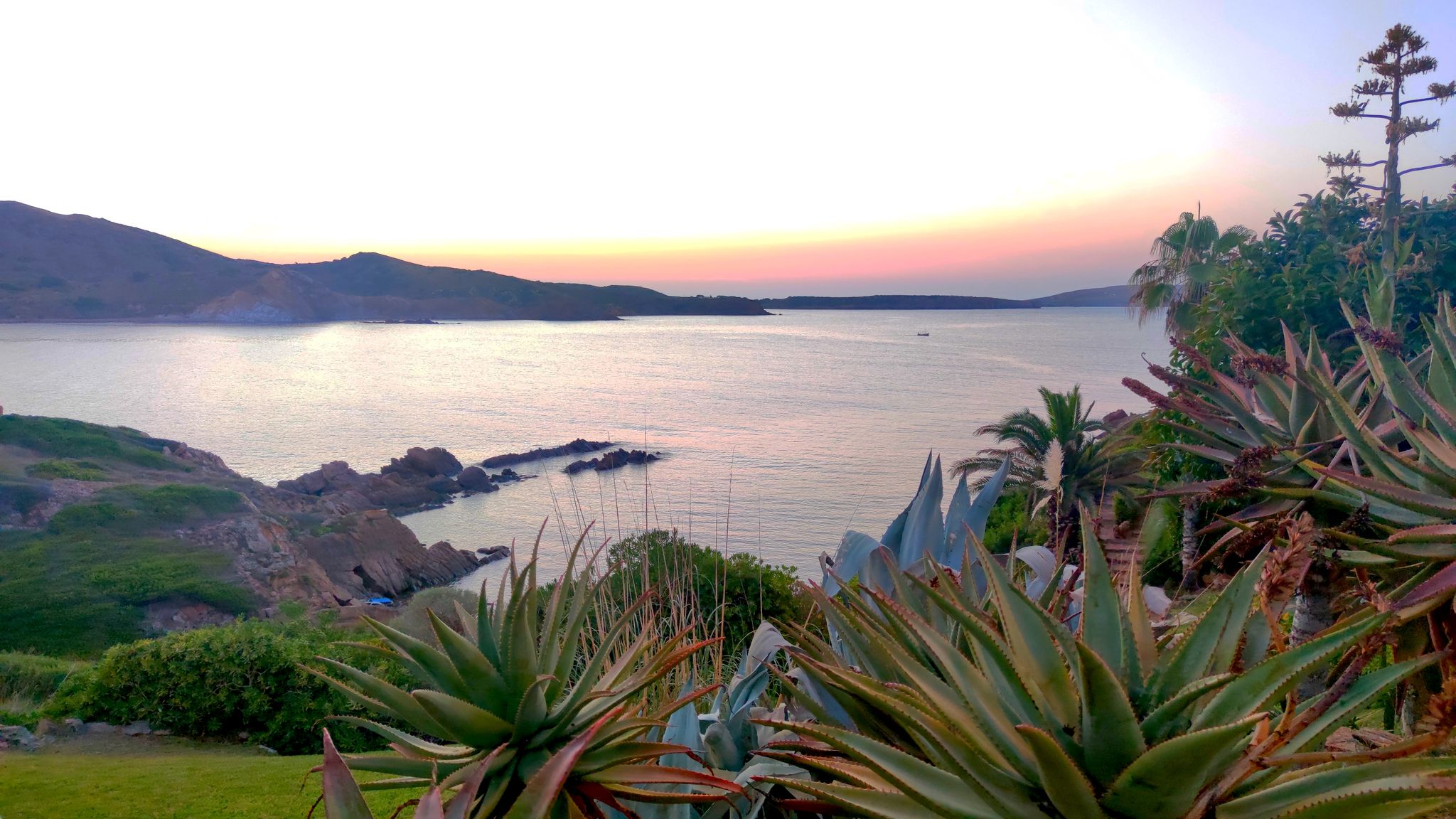
Menorca's turquoise waters and red rocks — Camí de Cavalls (GR223)
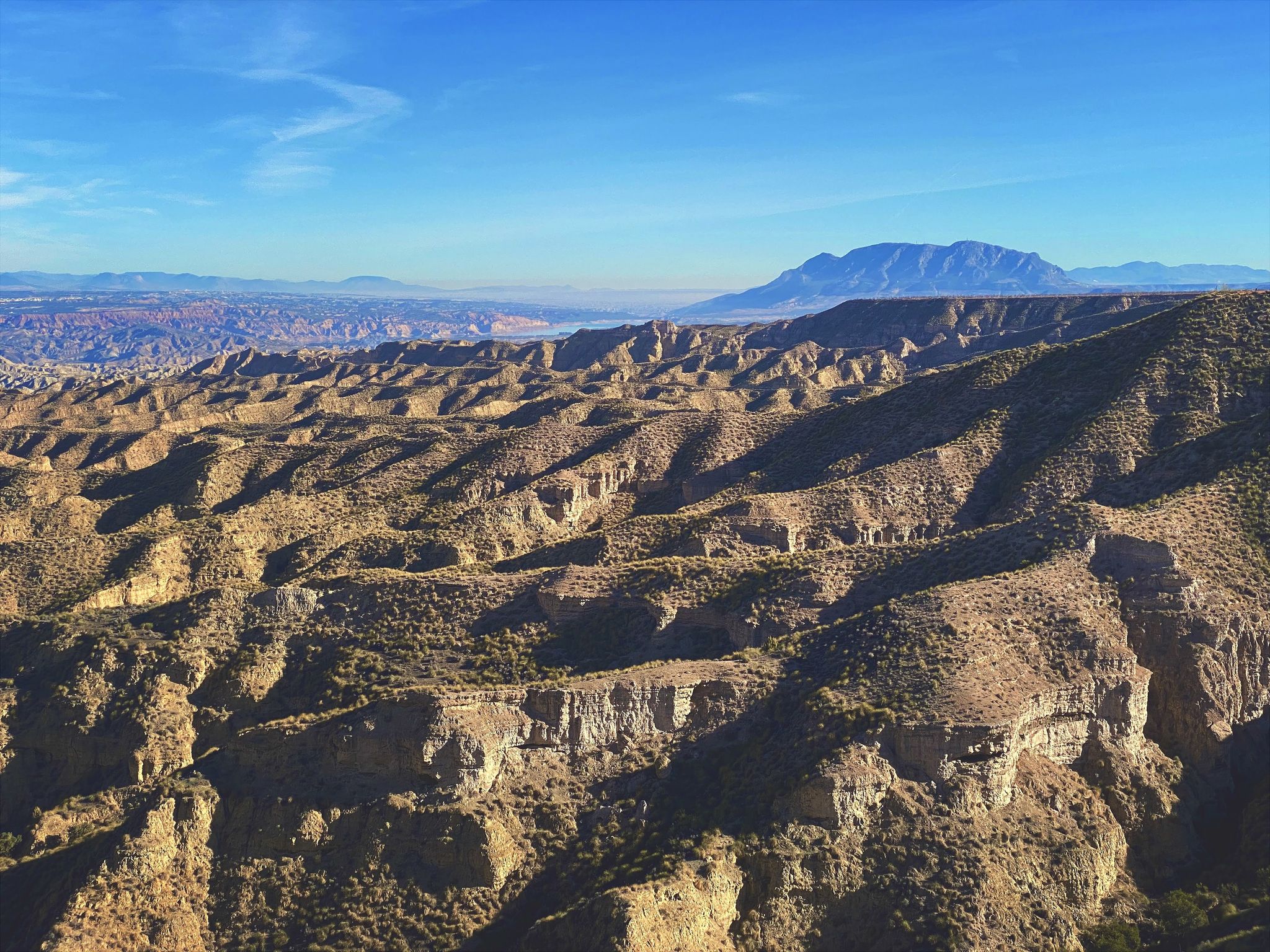
Discover Spain by gravel — a selection of must-see routes
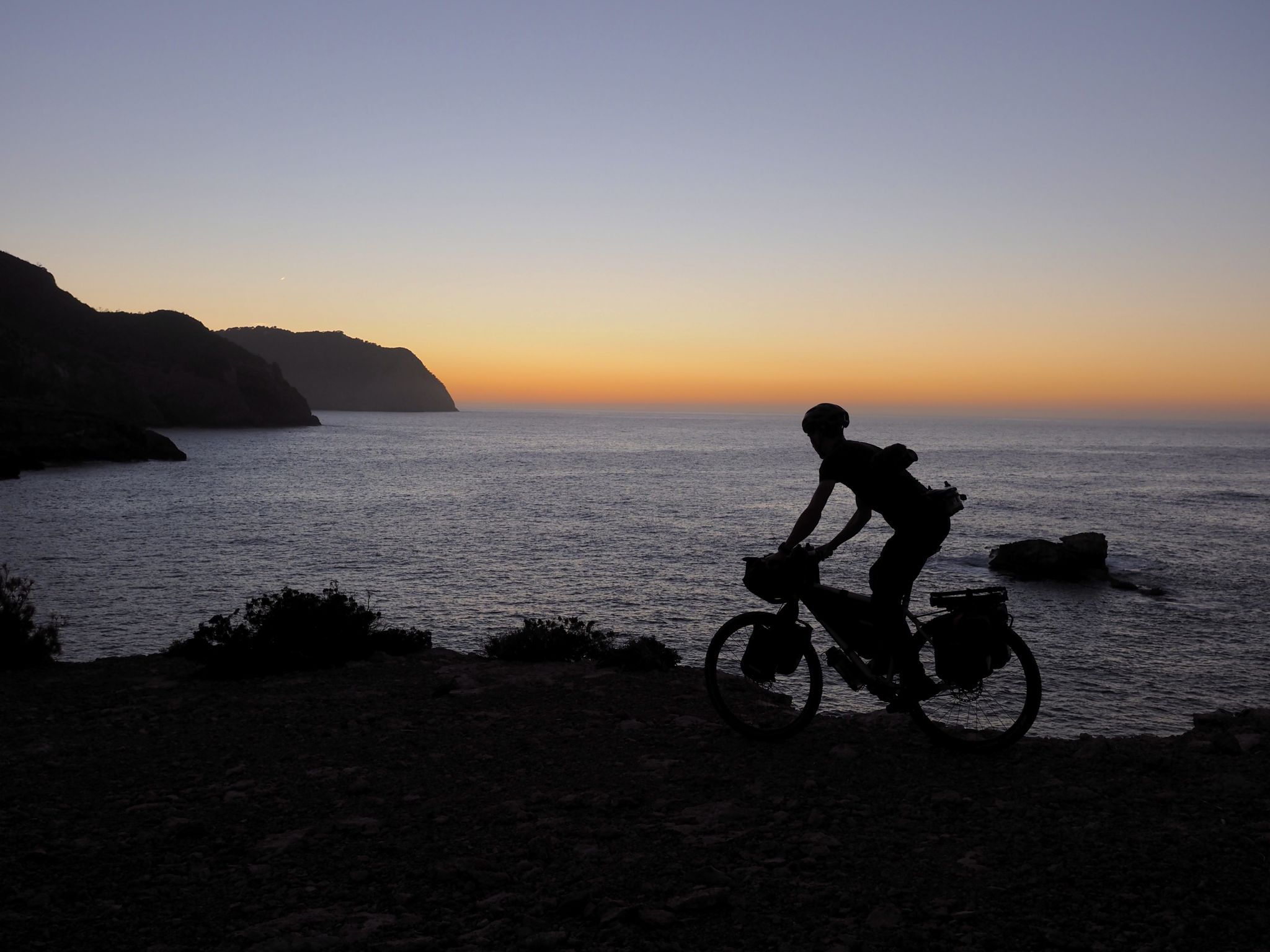
Island hopping in the Spanish Balearic Islands — the TransBaleares
Hiking in Minorca
MTB Trails in Minorca
Cycling in Minorca
Running Trails in Minorca
Road Cycling Routes in Minorca

Gravel biking in Minorca
Other adventures in Minorca


Tips from the Community


Next to the tower there is a small bunker of modern coastal defense dug into the rock.
4
0
A two-meter-deep ditch surrounds the complex on all sides.
4
0
Is crowned by a platform with a small tower top.
4
0
The octagonal tower rests on a pyramid-shaped stump.
4
0
It was built in the late 17th century to ward off the threat of pirates
4
0
Was used as a storage facility for food and weapons and as a refuge for soldiers.
4
0
The interior of the castle, a vault with a column in the middle
4
0
Frequently Asked Questions
What types of historical fortifications can I explore in Minorca?
Minorca offers a diverse range of historical fortifications, reflecting its strategic importance and various ruling powers. You can explore 18th-century British military architecture like Fort Marlborough, significant Islamic-era vestiges such as Castell de Santa Àgueda, and 19th-century fortresses like Fortaleza de La Mola. There are also ruins of earlier structures, like the Ruins of Castell de Sant Antoni, which mark the origin of the village of Fornells.
Which castles in Minorca offer the best panoramic views?
For breathtaking panoramic views, Castell de Santa Àgueda is highly recommended. Situated atop Santa Àgueda hill, it offers expansive vistas of the island, including Monte Toro and Minorca's northern coast. Fort Marlborough also provides exceptional views over Mahón harbor from its upper levels.
Are there family-friendly castles to visit in Minorca?
Yes, Fort Marlborough is considered family-friendly. It offers interactive exhibitions and re-enactments with uniformed soldiers, providing an engaging experience for all ages. The extensive grounds of Fortaleza de La Mola also provide plenty of space for families to explore.
How challenging are the walks to Minorca's castles?
The difficulty varies. The path to Castell de Santa Àgueda follows an old Roman road, making the hike itself a historical experience, though it involves an ascent to 264 meters above sea level. Other sites like Fort Marlborough and Fortaleza de La Mola are generally more accessible, with visits often involving walking around extensive grounds.
What is the best time of year to visit castles in Minorca?
Visiting Minorca's castles is generally pleasant during the spring (April-May) and autumn (September-October) months. The weather is milder, making it ideal for exploring outdoor sites without the intense heat of summer. These periods also tend to be less crowded than the peak summer season.
Are there hiking routes near Minorca's castles?
Yes, Minorca offers various hiking opportunities near its historical sites. For instance, the route to Castell de Santa Àgueda is a historical walk in itself. You can find more hiking trails across the island, including options like the Camí de Cavalls, by exploring the Hiking in Minorca guide.
Can I visit castles in Minorca with my dog?
Some places are dog-friendly. For example, Castell de Ló Hostel, which is a historical site, has been noted for allowing dogs on its terrace. For other specific castle sites, it's advisable to check their individual policies beforehand, as rules can vary.
How long does a typical visit to a Minorca castle take?
The duration of a visit can vary significantly depending on the site. For Fort Marlborough, a visit typically lasts between 30 to 60 minutes. Exploring the vast complex of Fortaleza de La Mola can take around 2 hours due to its extensive grounds. For ruins like Castell de Santa Àgueda or the Ruins of Castell de Sant Antoni, the visit might be shorter, focusing on the remaining structures and views.
What should I wear when visiting castles in Minorca?
Comfortable walking shoes are essential, especially for sites involving uneven terrain or extensive walking, like Castell de Santa Àgueda or Fortaleza de La Mola. Light, breathable clothing is recommended during warmer months, and a hat and sunscreen are advisable for sun protection. For underground sections, like those at Sant Felip Castle or Fort Marlborough, a light jacket might be useful as temperatures can be cooler.
Are there any cycling or gravel biking routes near Minorca's castles?
Yes, Minorca offers various cycling and gravel biking routes that can take you near historical sites. For instance, you can find routes that explore coastal areas and connect to different points of interest. Check out the Gravel biking in Minorca guide or the Cycling in Minorca guide for detailed routes and maps.
What historical period do Minorca's castles primarily represent?
Minorca's castles and fortifications span several significant historical periods. You'll find vestiges from the Islamic era, such as Castell de Santa Àgueda (10th-13th centuries), 17th-century structures like the Ruins of Castell de Sant Antoni, and prominent 18th-century British military architecture, exemplified by Fort Marlborough and the expanded Sant Felip Castle. The 19th-century is also represented by large fortresses like Fortaleza de La Mola.
Most popular routes in Minorca
Most popular attractions in Minorca

Get inspired with the komoot mobile app


Explore more
Looking for the best castles somewhere else? Discover other guides in Minorca:
