Top 17 Caves in Ibiza
Caves in Ibiza offer a unique perspective on the island's natural history and geological formations. This Mediterranean island, known for its diverse landscapes, features a subterranean world ranging from ancient sanctuaries to natural tunnels. These underground sites provide insights into Ibiza's past, including its use by smugglers and as places of worship. The caves are characterized by various formations, including stalactites, stalagmites, and underground lakes.
Best caves in Ibiza
- The most popular caves is Barbaria Lighthouse, a man_made_monument that is a popular destination. There is another cave nearby, accessible via a small wooden ladder.
- Another must-see spot is Cala Blanca Tunnel, a cave. The tunnel is passable, leading to a rocky beach that requires climbing on unstable terrain.
- Visitors also love Foradada Cave, a cave leading to a balcony with a sea view. The entrance is a 2-meter deep hole accessed by a wooden ladder.
- Ibiza is known for its sea caves, ancient sanctuaries, and natural tunnels. These sites offer a variety of experiences, from geological exploration to historical discovery.
- The caves in Ibiza are appreciated by the komoot community, with 18 highlights upvoted and 8 photos shared by users.
Last updated: August 19, 2026
Barbaria Lighthouse
Highlight • Monument
Translated by Google •
Tip by

Cova des Forn
Highlight • Cave
Translated by Google •
Tip by

Sign up now to discover places like this
Get recommendations on the best single tracks, peaks, & plenty of other exciting outdoor places.
Sign up for free
Foradada Cave
Highlight • Cave
Tip by

Cala Roja
Highlight • Beach
Tip by

Cala Blanca Tunnel
Highlight • Cave
Tip by

Sign up for free to discover even more caves in Ibiza.
Sign up for free
Already have an account?
Start today with a free account
Your next adventure awaits.
Login or Signup
Popular around Ibiza




Tips from the Community

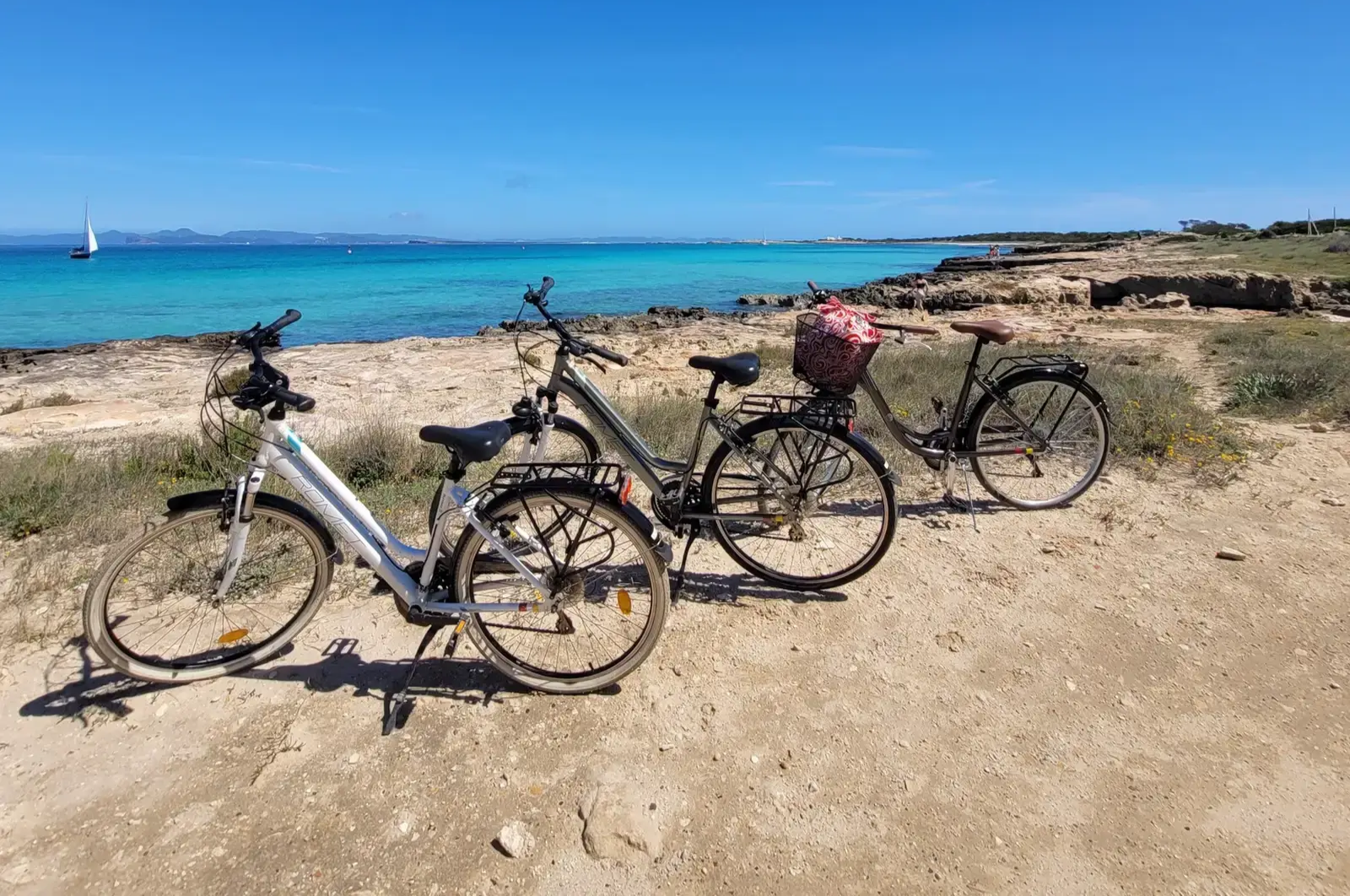
Next to the lighthouse is the entrance to the cave.
0
0
El Faro de Barbaria (or Far de Cap de Barbaria) is one of the most representative icons of Formentera, located in the southwestern end of the island. It was inaugurated in 1971 (although planned since 1924) and measures about 17 meters in height. It stands on an impressive vertical cliff about 100 meters above sea level. Due to high visitor numbers, access by car or scooter is restricted during high season. You must leave your vehicle in a nearby parking lot and take a walk (about 15-20 minutes) along a narrow road that offers spectacular views. It is worth continuing the walk to Torre des Garroveret.
0
0

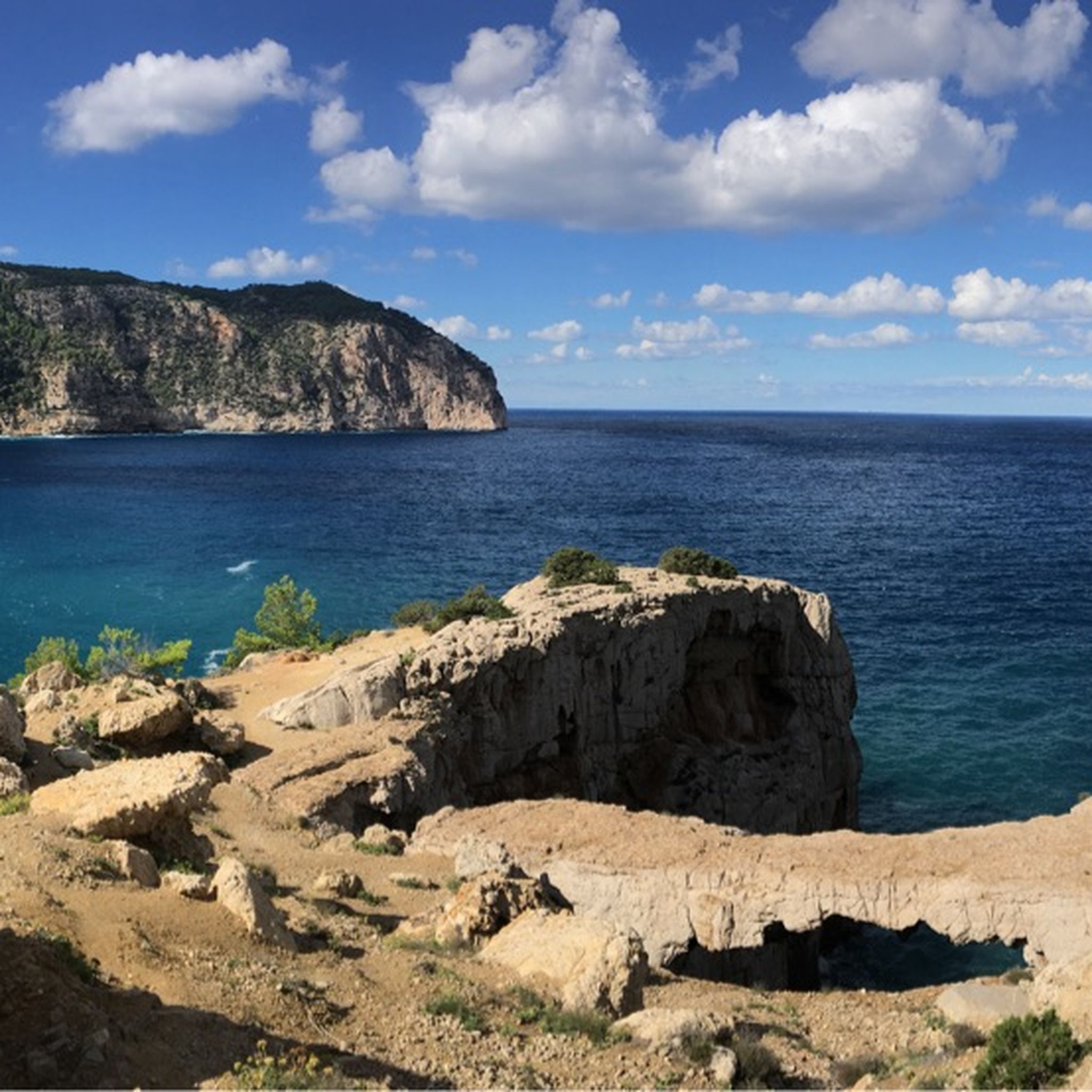
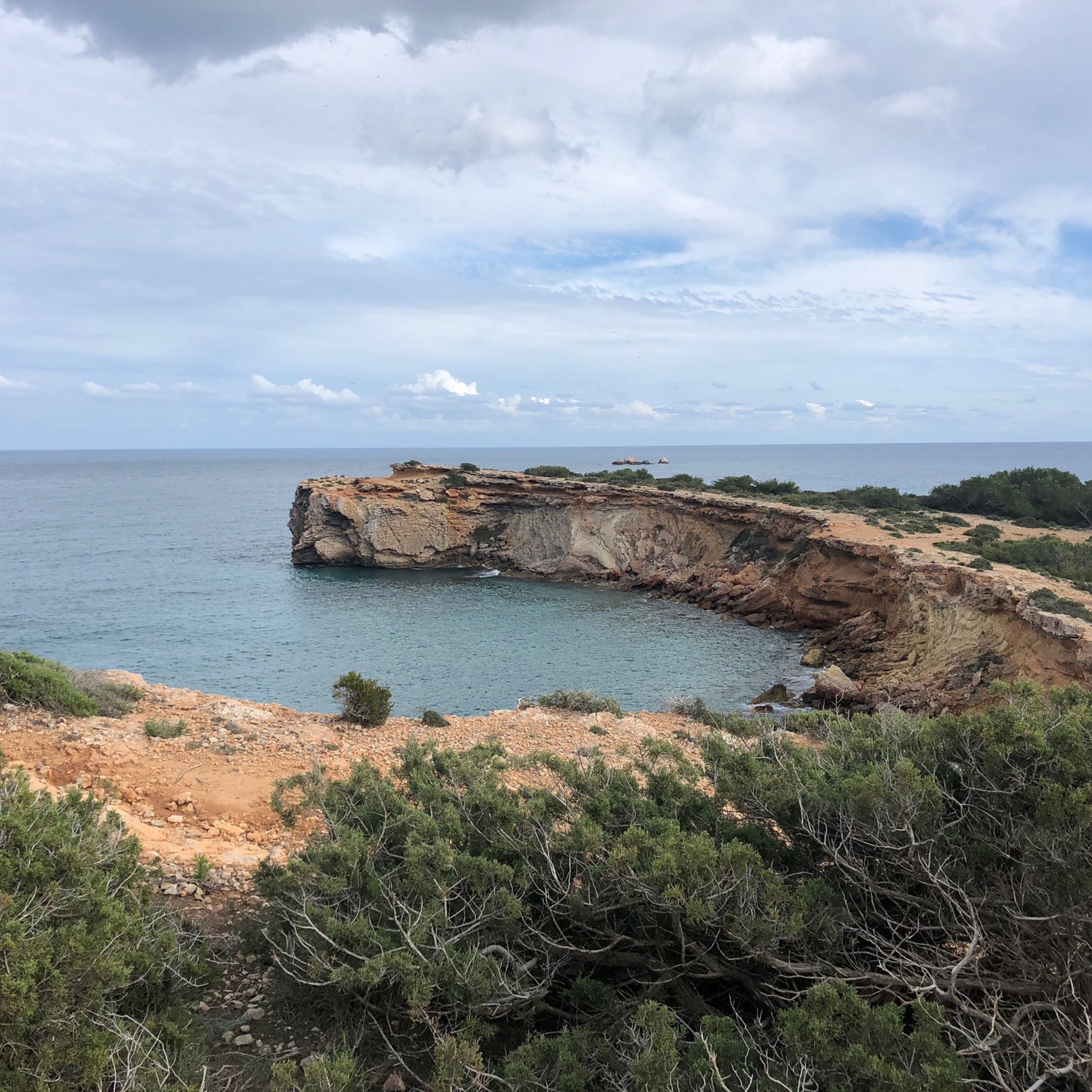
The cave of sa Punta des Forn (or Cova des Forn or also called ‘la cuava inclinada’) is formed by the force of the seawater and the ravages of time: they look like enormous ‘folds’ in the rocks, with a large, slanted opening. An impressive whole and especially because from here you also have a sensational view of the abandoned lighthouse Faro de sa Punta Grossa.
1
0

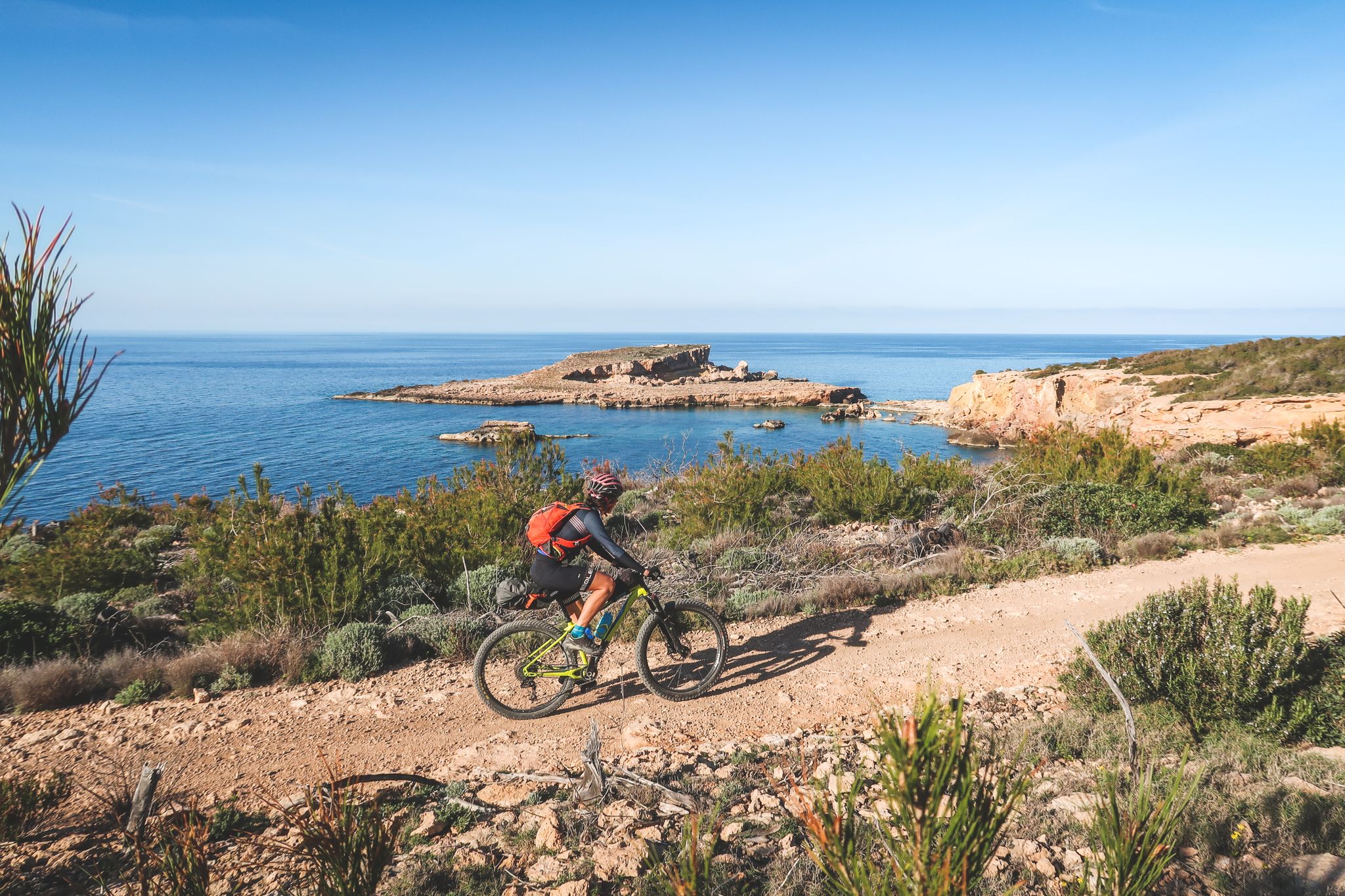
Riding a bike through here is amazing.
0
0

The tunnel is easily passable but clearly now and then more rocks have fallen down from the ceiling over the years. It is clearly not maintained at all. Once through, the rocky beach can only be reached by climbing down on very unstable terrain
0
0

There is another cave nearby, access is via a small wooden ladder.
5
0

Great little unspoilt cave in the far northeast of Ibiza. Located directly by the sea, the only street (Carrer Allá Dins) that comes close to the location. Free parking exists if the car is a concern. The path leads past an abandoned hotel complex, also interesting for friends of Lost Places. Then the path goes towards the rocky coast down to the sea. Sturdy shoes are recommended... and a camera. The path to the cave alone is picturesque. Due to the rock formation, salt water can collect in the larger depressions in the rock from time to time. Almost the infinity pool of mother nature ;)
3
0

Frequently Asked Questions
Which caves in Ibiza are suitable for families?
For a family-friendly experience, Cova de Can Marçà is an excellent choice. It offers a 40-minute guided tour with a captivating light and sound show, including an artificial 10-meter waterfall. The cave is easily accessible by car and provides impressive views of the bay of Port San Miguel. Additionally, the area around Barbaria Lighthouse also has a nearby cave accessible via a small wooden ladder, which can be a fun, less strenuous option.
Are there any caves in Ibiza with historical significance?
Yes, Ibiza's caves hold rich history. Cueva de Santa Agnès is considered by some to be the island's oldest church, used for Christian worship and later by Arabs. Cueva de Ses Fontanelles is famous for its prehistoric rock paintings, believed to date back to the Punic Era, and was historically used to store wine. Cova des Culleram served as an ancient sanctuary dedicated to Tanit, the Carthaginian goddess of fertility, where inhabitants performed rituals.
What kind of natural features can I expect to see in Ibiza's caves?
Ibiza's caves showcase diverse natural formations. Cova de Can Marçà features stunning stalactites, stalagmites, columns, and underground lakes. Cueva de la Luz (Na Coloms) is an underwater cave known for a magical beam of sunlight illuminating a crystal-clear interior lake. Cova des Forn, located directly by the sea, features unique rock formations where salt water collects in depressions, creating natural pools.
Are there any caves in Ibiza that are challenging to access?
Yes, some caves require more effort to reach. Cueva de Ses Fontanelles can be challenging, often requiring a walk from Cala Salada, and a 4x4 vehicle is recommended if driving. Cueva de la Luz (Na Coloms) is considered difficult to access and potentially dangerous, often requiring specialized guides and diving knowledge due to its underwater nature. Foradada Cave requires descending a 2-meter deep hole via a wooden ladder to reach its sea-view balcony, and the Cala Blanca Tunnel leads to a rocky beach that requires climbing on unstable terrain.
Can I find hidden or secluded caves in Ibiza?
For a more secluded experience, Es Portitxol is a hidden cove known for its unspoiled nature and rugged cliffs, often requiring a scenic hike or boat access. While not a single cave, it offers interesting rock formations and a tranquil escape. Cueva de la Luz (Na Coloms) in Cala Aubarca is also a secluded underwater cave, appreciated by divers and snorkelers for its pristine environment.
What outdoor activities can I do near the caves in Ibiza?
Many caves are situated in areas perfect for outdoor activities. You can explore various hiking trails, such as the 'West Coves Trail' or the 'Faro des Moscarter and Portinatx — circular route through the north of Ibiza'. For cycling enthusiasts, there are options like the 'Beaches Route' or the 'Cala Tarida, Valdella y d'Hort — coves of the west coast of the island of Ibiza'. You can find more details on these activities in the Hiking in Ibiza, Gravel biking in Ibiza, and Cycling in Ibiza guides.
What should I wear when exploring caves in Ibiza?
For most cave explorations, especially those involving walking or climbing, sturdy shoes are highly recommended. For example, reaching Cova des Forn involves a path towards the rocky coast, where sturdy footwear is advised. If you plan to visit underwater caves like Cueva de la Luz (Na Coloms), specialized diving or snorkeling gear will be necessary.
Are there any caves in Ibiza that offer great viewpoints?
Several caves provide stunning views. Cova de Can Marçà offers impressive vistas of the bay of Port San Miguel and the islands of Murada and Ferradura from its entrance. Cueva de Ses Fontanelles provides beautiful views over Cala Salada, Sant Antoni bay, and the western islets of Ibiza. Foradada Cave leads to a balcony with a great view over the sea, and Cova des Forn also offers a sensational view of the abandoned Faro de sa Punta Grossa.
What is the best time to visit the caves in Ibiza?
While specific opening hours vary, many caves, especially those with guided tours like Cova de Can Marçà, are generally open during the tourist season. Cueva de Santa Agnès is typically accessible during the summer months. Visiting during cooler parts of the day or outside peak summer can offer a more comfortable experience, especially for caves requiring walks or climbs.
Is there parking available near the popular caves?
Yes, parking is generally available near the more popular and accessible caves. Cova de Can Marçà is easily accessible by car. For Cova des Forn, free parking exists if you're concerned about your car. However, for some more remote locations like Cueva de Ses Fontanelles, a 4x4 vehicle might be recommended for driving closer, or you may need to park and walk.
Can I visit Cueva de Santa Agnès?
Yes, Cueva de Santa Agnès, while privately owned, can be visited during the summer months for free. It's located near the tranquil village of Santa Agnès and offers a glimpse into Ibiza's ancient religious history.
Are there any caves in Ibiza that are good for swimming or snorkeling?
Cueva de la Luz (Na Coloms) in Cala Aubarca is a secluded underwater cave particularly appreciated by divers and snorkelers due to its deep waters, rock formations, and the unique light beam illuminating its interior lake. The nearby Es Portitxol cove also offers calm, pristine waters ideal for swimming and exploring interesting rock formations.
Most popular routes in Ibiza
Most popular attractions in Ibiza

Get inspired with the komoot mobile app


Explore more
Extend your search for the best caves by checking out these guides of the top ones in Ibiza:
