Top 10 Caves around Landkreis Gießen
Caves around Landkreis Gießen offer a diverse range of geological formations and historical sites. This region, situated in Hesse, features natural karst landscapes and former mining tunnels. The area is characterized by its geological history, including rift limestone formations and sinkholes. Visitors can explore various underground structures, from natural caves to man-made historical tunnels.
Best caves around Landkreis Gießen
- The most popular caves is Stone Age Caves Treis, a cave that offers a very interesting experience. It is a…
Last updated: September 29, 2026
Stone Age Caves Treis
Highlight • Cave
Translated by Google •
Tip by

Riedmann Ice Cellar
Highlight • Cave
In winter, ice floes from the ice pond south of the city were stored in it in order to be able …
Translated by Google •
Tip by

Sign up now to discover places like this
Get recommendations on the best single tracks, peaks, & plenty of other exciting outdoor places.
Slate quarry near Königsberg
Highlight • Historical Site
Translated by Google •
Tip by

Railway tunnel with mushroom cultivation and a World War II bat bunker
Highlight • Structure
If the negotiations with the owner are successful, the new cycle path between Laubacher Wald and Freienseen will go through one of the two tunnels.
That’s definitely a highlight!
Translated by Google •
Tip by

Mittelstollen Bat Habitat Entrance
Highlight • Cave
Translated by Google •
Tip by
Small Cave Near Cleeberg
Highlight • Cave
Translated by Google •
Tip by

Tiefer Stollen of Grube Silbersegen
Highlight • Historical Site
The mouth hole is still preserved, but piped up and lies on the Cleeberger district.
Translated by Google •
Tip by
Old Riedmann Tunnel
Highlight • Cave
Translated by Google •
Tip by

Tunnel entrance of Neuer Stollen
Highlight • Cave
Translated by Google •
Tip by
Start today with a free account
Your next adventure awaits.
Popular around Landkreis Gießen
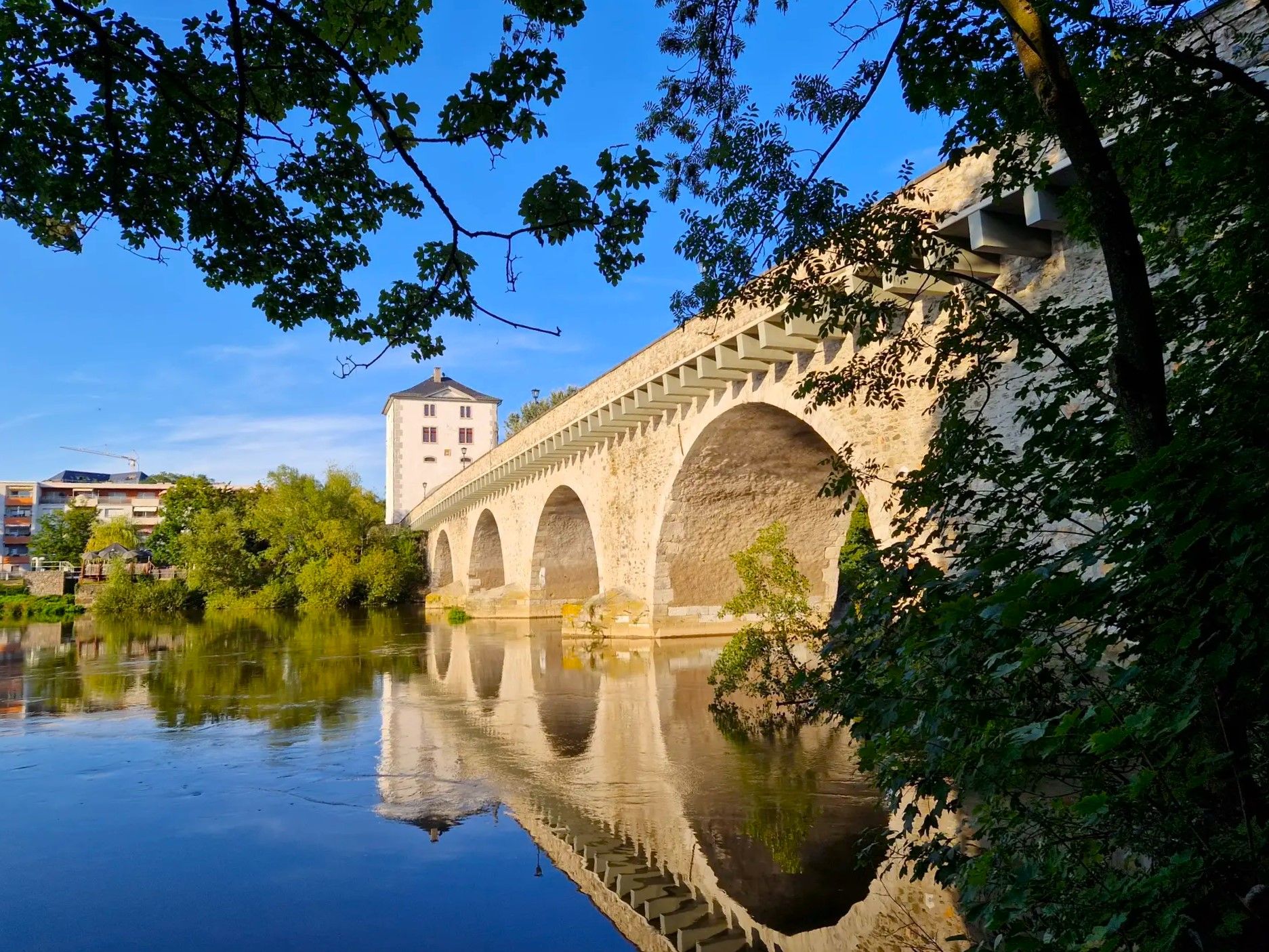
Lahnwanderweg Trail – The Lahn from its source to the estuary
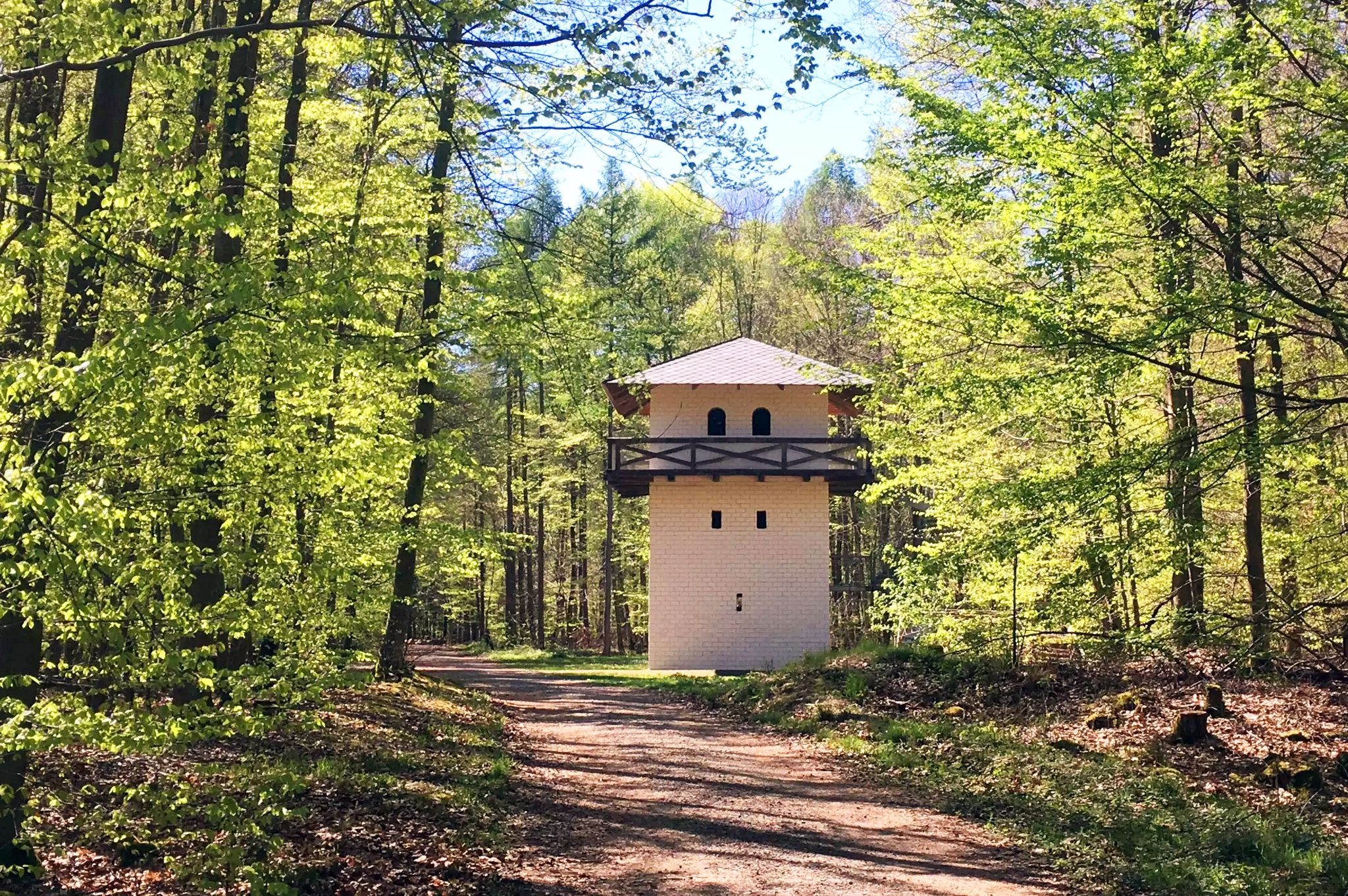
German Limes Cycle Path – Riding from the Rhine to the Danube
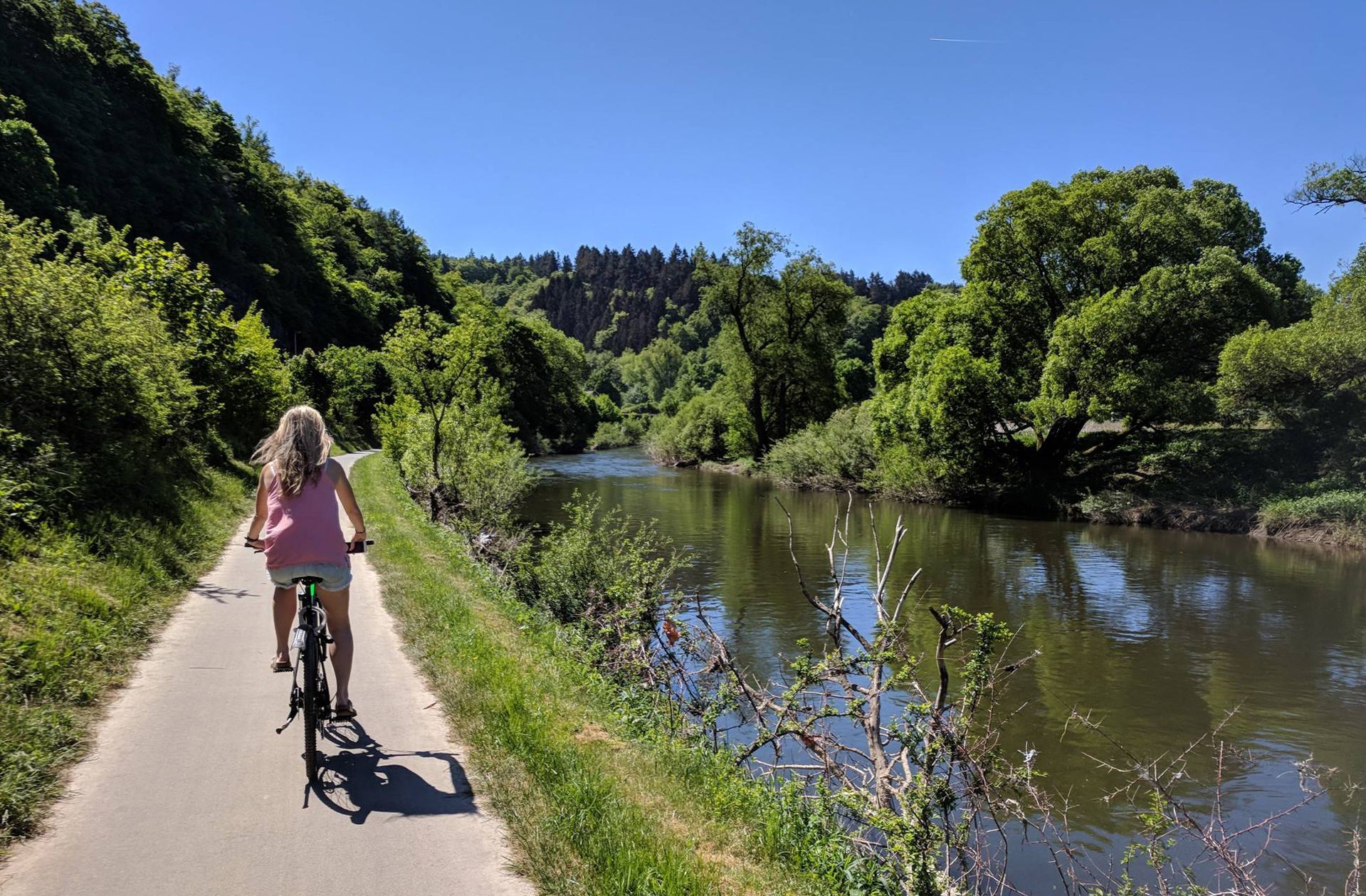
Lahn Cycle Path — from the Rothaar Mountains to the Rhine
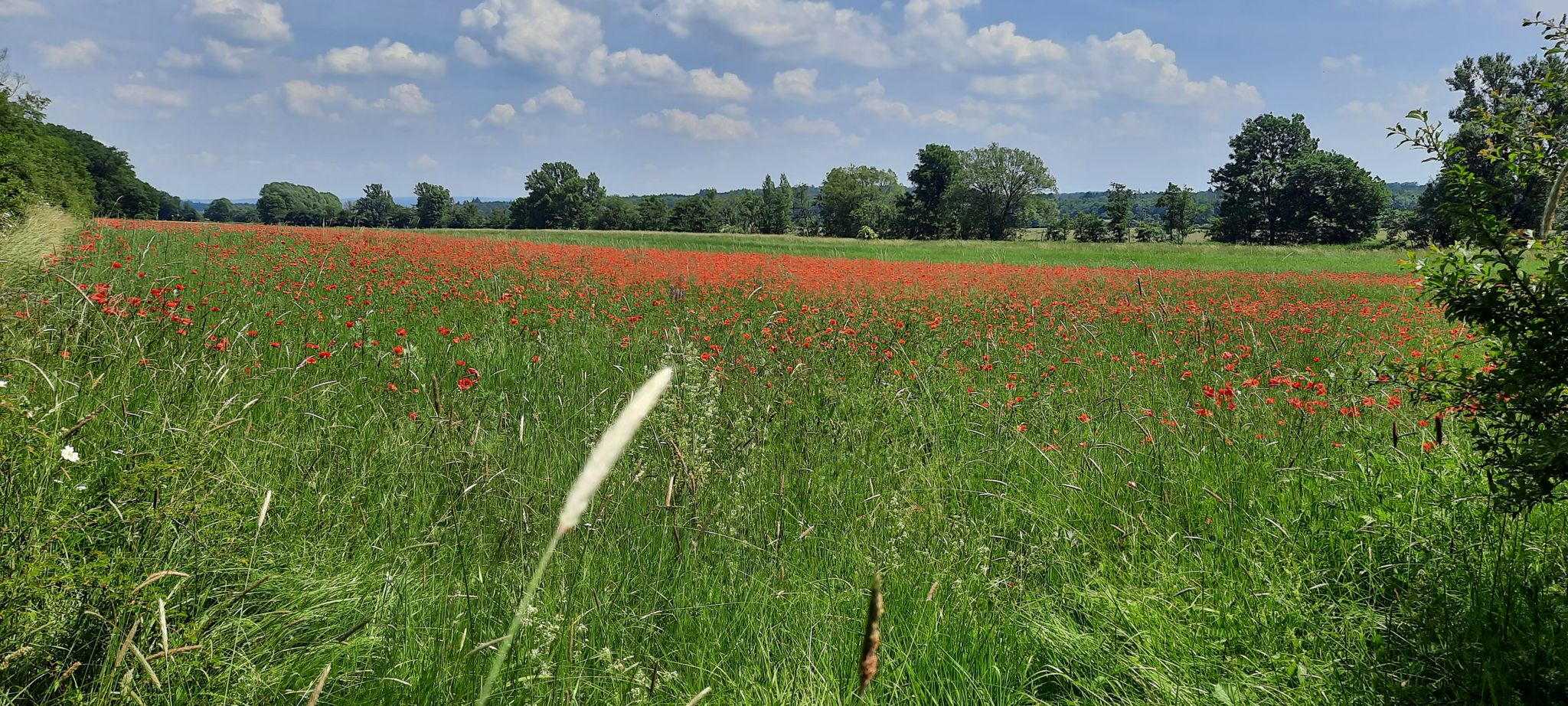
Forest, Water and Views – Western Vogelsberg's Hiking Paradise
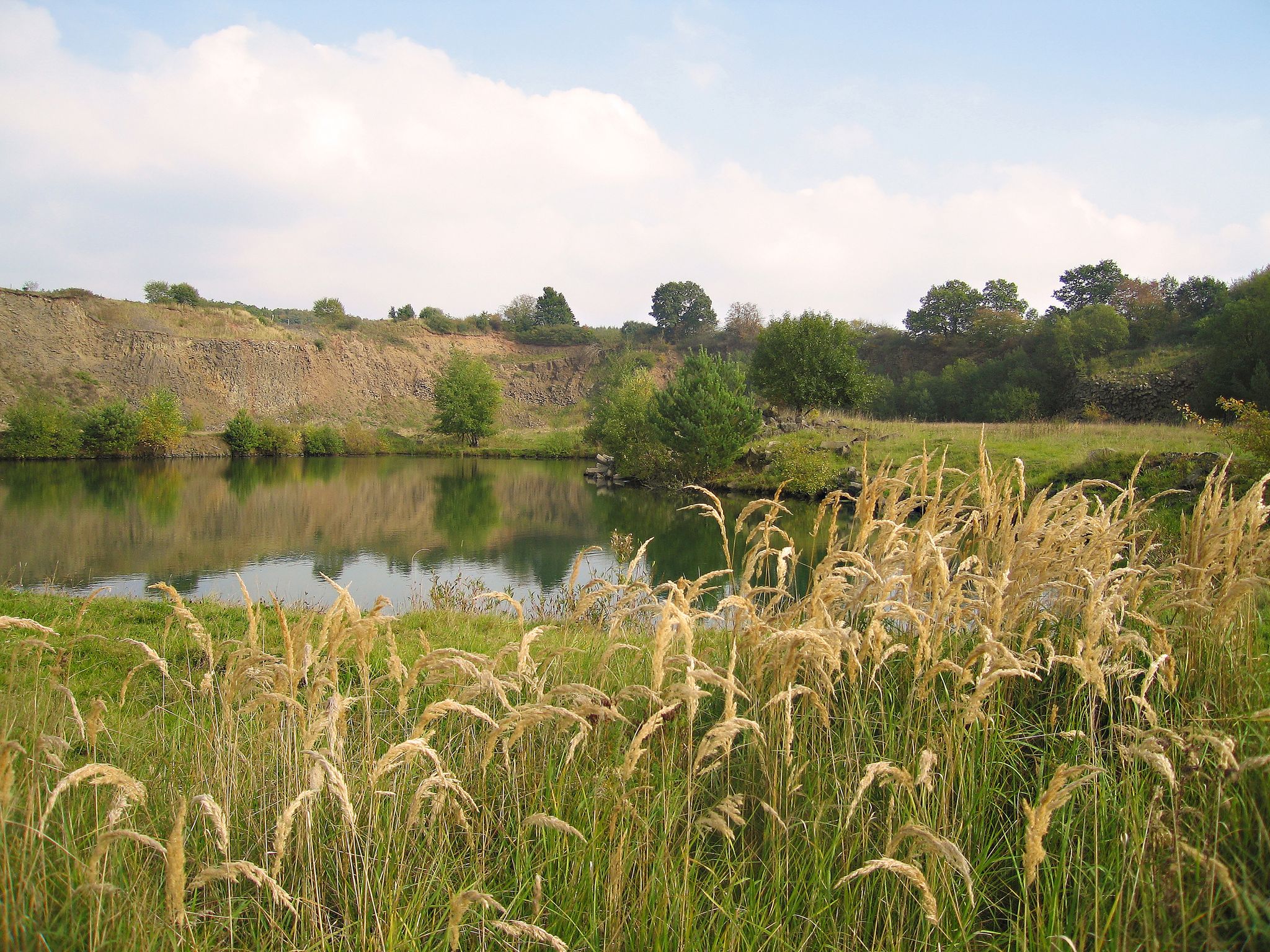
Geotours in the Vogelsberg Volcanic Region
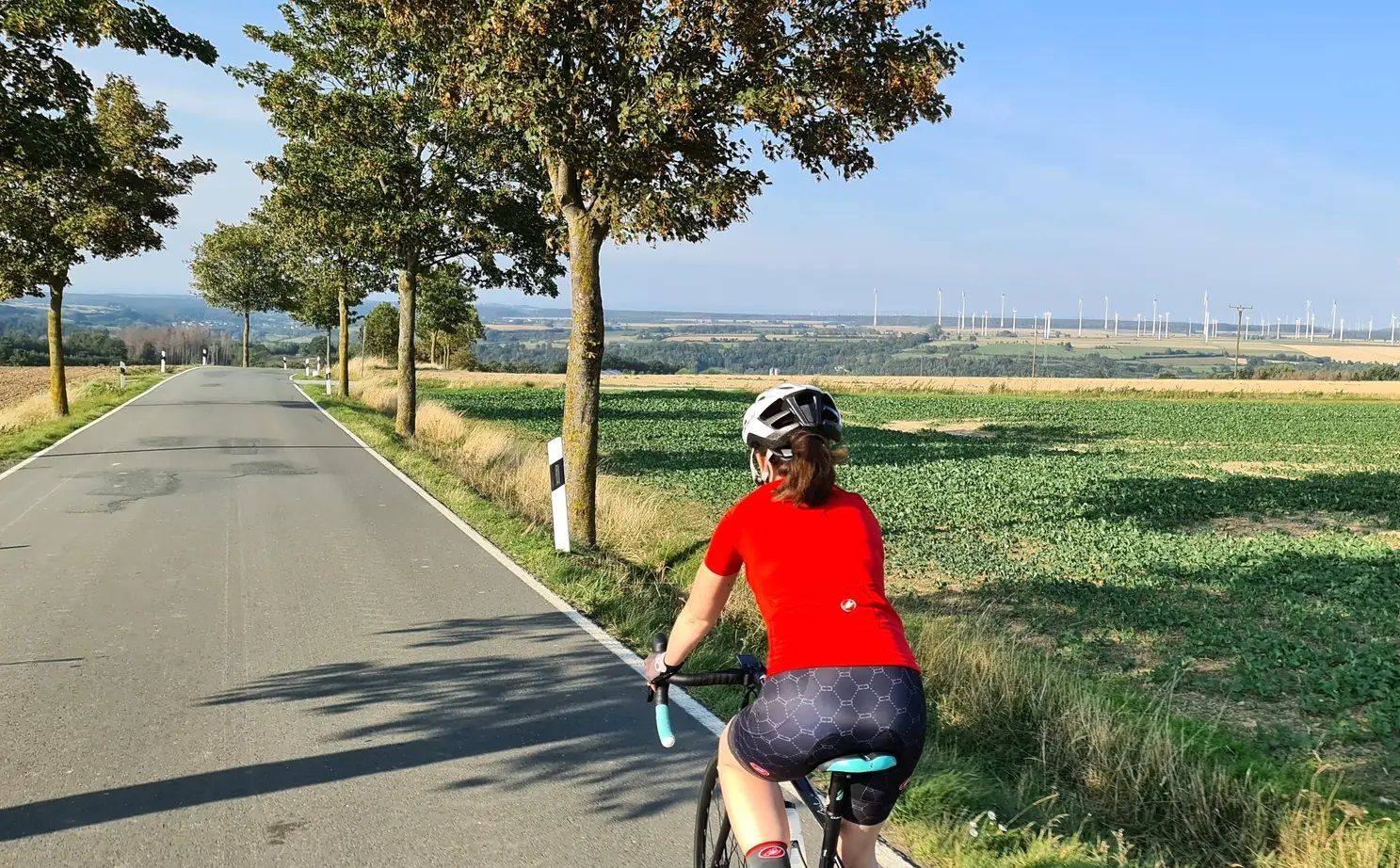
The skyline to half-timbered buildings – Frankfurt to Bielefeld

Bikepacking to road cycling to MTB – on Tour with RMV

Onto the train, out into the snow – winter hiking for all ages in the Rhine-Main
Culture, nature and good food in Hessen – gourmet Tours in the RMV region
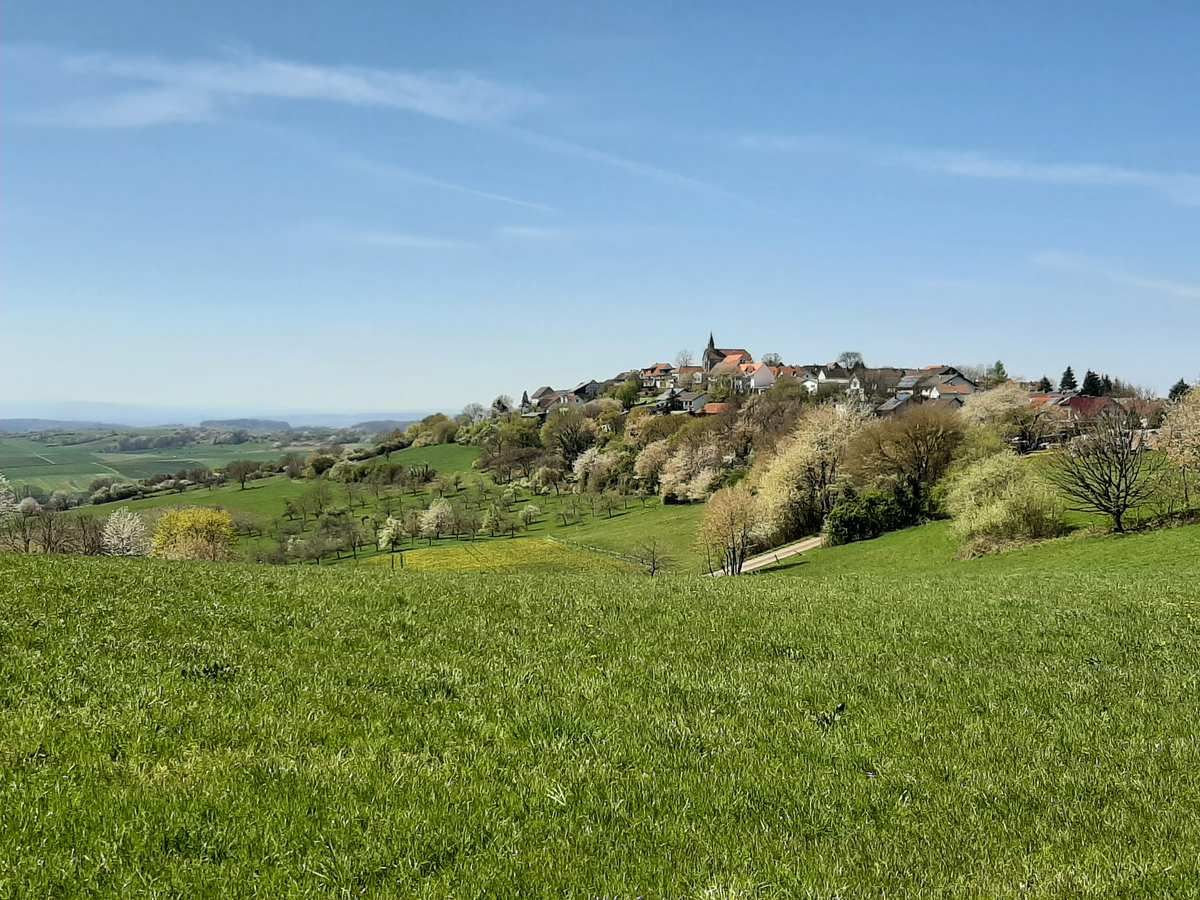
Circumnavigate volcanoes in six days – Vogelsberg Volcano Ring
Other adventures around Landkreis Gießen


Tips from the Community


Here you have a good view of the Dünsberg.
0
0

🏗️ Tunnel History: From Railway Tunnel to Mushroom Farm The Freienseener Tunnel was completed in 1903 as part of the expansion of the Friedberg–Mücke railway line. The original tube was 146 meters long and formed part of the single-track connection between Laubach and Freienseen. In 1938/39, a second, 196-meter-long tube was built parallel to the first, but was never used for regular rail traffic. This second tube was used during World War II for a so-called "U-Verlagerung" (underground relocation) – an underground relocation of armaments production to camouflage it from air raids. From 1943 onwards, aircraft speedometers and parts for the V1 and V2 rockets were produced here, among other things. Approximately 1,200 forced laborers, prisoners of war, and inmates from a branch of the Heddernheim labor education camp were involved in this production. After the war, the tunnel was used for various civilian purposes. Today it houses a mushroom farm.
0
0

drove past and found it beautiful
0
0
The two railway tunnels near Freienseen bear witness to a turbulent history that goes far beyond rail traffic. One of the tunnels was once built for the planned railway line through the Vogelsberg Mountains – but trains never ran through it. The project remained unfinished. During World War II, the remote location was exploited: rocket parts, possibly also V1 and V2 components, were reportedly temporarily stored and guarded in surrounding bunkers. Today, the tunnels serve peaceful purposes: One tunnel houses a mushroom farm, the other is sealed and a protected refuge for bats. Therefore, it's clear: there will be no passage through them – whether on foot or by bike. Nature and current use are paramount. The railway line remains history. I was lucky on my railway line bike tour because, just as we were there, mushroom seeds and straw were delivered, and I was able to take a look inside. Great. YouTube Mushroom Farm Freienseen.
1
0

Without knowing whether the caves were actually inhabited by prehistoric humans, my imagination runs wild: They must have been magnificent dwellings for that time, and I picture a large living room with stone shelves and a seating area, the walls painted green with hunting art. Then there's a terrace with a view, a children's room, etc. I could even imagine a thunder beam.
1
1

A hole in the rock... to call this a shelter... well... but looking is ok
9
0

Unfortunately there were no more drinks left. A cool non-alcoholic pilsner would have been just the thing! ;)
5
0
Frequently Asked Questions
What types of caves can I explore around Landkreis Gießen?
The region offers a mix of natural karst formations and historical man-made tunnels. You can find natural caves like the Erdbacher Höhlen, which are part of a large karst system, or historical sites such as the Slate quarry near Königsberg, a former roofing slate mine.
Are there any family-friendly caves in the area?
Yes, the Stone Age Caves Treis are considered family-friendly and offer an interesting experience. For a more extensive and educational family outing, the Kubacher Kristallhöhle, Germany's only crystal show cave, is a highly recommended option within a short drive from Gießen.
Which caves offer significant geological features?
The Erdbacher Höhlen are notable for being part of the largest Hessian karst cave system, showcasing rift limestone and karst sinkholes. Further afield, the Kubacher Kristallhöhle is unique with its sparkling crystals and stalactites, while the Herbstlabyrinth is recognized as the largest cave system in Hesse, offering deep insights into subterranean geology.
What historical caves or tunnels can I visit?
Landkreis Gießen has several historical sites. The Riedmann Ice Cellar was historically used for ice storage. The Slate quarry near Königsberg is a former roofing slate mine from the 19th century. Additionally, the Tiefer Stollen of Grube Silbersegen and the Mittelstollen Bat Habitat Entrance are historical mining tunnels.
Are there any caves known for archaeological discoveries?
Yes, the Steinkammern Breitscheid, located in the Westerwald region near Breitscheid, are known for interesting archaeological finds that have been discovered within them, providing a link to past human activity.
Can I explore caves that serve as bat habitats?
The Railway tunnel with mushroom cultivation and a World War II bat bunker and the Mittelstollen Bat Habitat Entrance are known bat habitats. The Old Riedmann Tunnel, while not publicly accessible, also serves as a protected refuge for bats. It's important to respect these sensitive ecosystems and any access restrictions.
What do visitors particularly enjoy about the caves around Landkreis Gießen?
Visitors appreciate the unique experiences offered by the caves. For instance, the Stone Age Caves Treis are noted for being very interesting, with some visitors even leaving messages in a guestbook inside. The historical context of sites like the Riedmann Ice Cellar also captures interest.
What outdoor activities can I combine with a visit to the caves?
The natural areas around the caves are great for outdoor activities. You can find numerous hiking trails, including easy routes like the 'Vetzberg Castle Ruins – View of Gleiberg Castle loop'. For those interested in more active pursuits, there are also running trails and road cycling routes throughout Landkreis Gießen.
Are there any challenging cave explorations in the region?
Some historical mining tunnels, such as the Mittelstollen Bat Habitat Entrance and the Old Riedmann Tunnel, are categorized as challenging. The Erdbacher Höhlen area, while natural, is undeveloped, and hiking there is at your own risk, suggesting a more rugged experience.
What is the Kubacher Kristallhöhle and how far is it from Gießen?
The Kubacher Kristallhöhle is Germany's only crystal show cave, located approximately 30.4 km from Gießen in Weilburg-Kubach. It features sparkling crystals, stalactites, and the largest cave hall in Germany, making it an impressive natural wonder.
Is the Herbstlabyrinth accessible to the public?
The Herbstlabyrinth, recognized as the largest cave system in Hesse, is primarily a significant natural monument for serious speleologists due to its extensive nature. Public accessibility for general tours may be limited compared to dedicated show caves.
Can I visit the Old Riedmann Tunnel?
Public passage through the Old Riedmann Tunnel is generally not possible. One section is used for a mushroom farm, and another is sealed off as a protected bat refuge, highlighting its historical function and ecological importance.
Most popular routes around Landkreis Gießen
Most popular attractions around Landkreis Gießen

Get inspired with the komoot mobile app


Didn’t find what you were looking for?
Discover more caves around Landkreis Gießen region by region:
Explore more
Extend your search for the best caves by checking out these guides of the top ones around Landkreis Gießen:
