Top 7 Caves around Kreis Düren
Best caves around Kreis Düren, situated in the Eifel region of Germany, include a variety of underground sites. The area features remnants of historical mining operations and significant historical cellars. These locations often serve as important habitats for bats and offer insights into the region's industrial heritage and ecology. The landscape is characterized by diverse natural formations and historical sites.
Best caves around Kreis Düren
- The most popular caves is Historic Beer Cellar Gey, a historical site that was…
Last updated: June 25, 2026
Bat Cave
Highlight • Cave
Translated by Google •
Tip by

Teufelsloch (Devil’s Hole) Cave and Rock Formations
Highlight • Cave
Very interesting story.
Translated by Google •
Tip by

Sign up now to discover places like this
Get recommendations on the best single tracks, peaks, & plenty of other exciting outdoor places.
Sign up for free
Historic Beer Cellar Gey
Highlight • Historical Site
Translated by Google •
Tip by

Marian grotto at St. Urban Church Titz-Mündt
Highlight • Religious Site
The centerpiece is the Catholic Church of St. Urban with the cemetery.
Somewhat hidden, but near the road is a Marian devotion site in a kind of artificial grotto on a mighty chestnut.
Translated by Google •
Tip by

Bierkeller Gey
Highlight • Structure
first a beer cellar, then an air raid shelter and today the home of bats
Translated by Google •
Tip by

Tiefenbach Stream and Cave Entrance
Highlight (Segment) • Cave
Translated by Google •
Tip by

Start today with a free account
Your next adventure awaits.
Login or Signup
Popular around Kreis Düren
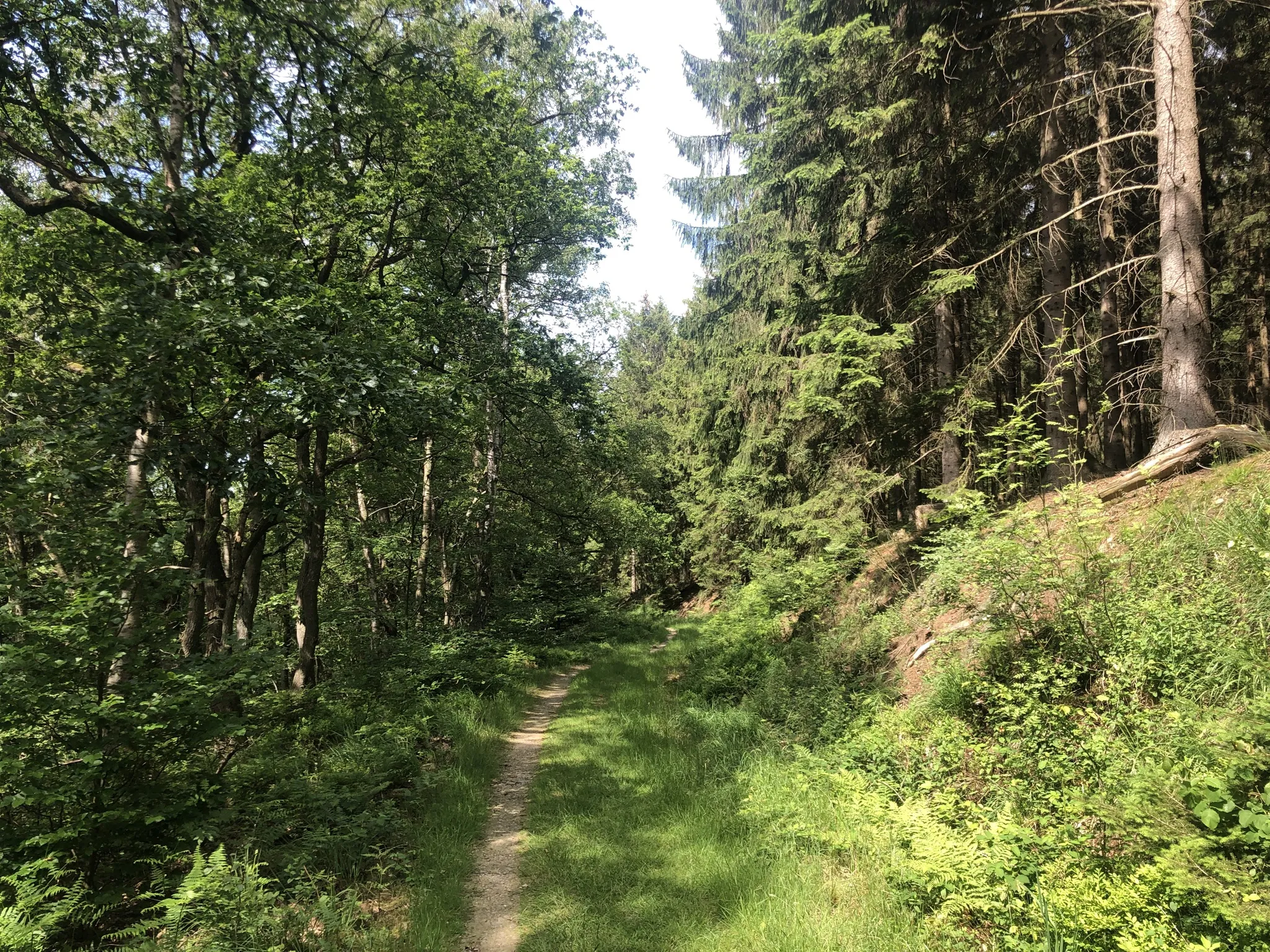
Trans-Eifel in 6 stages — Mountains rich and pure nature
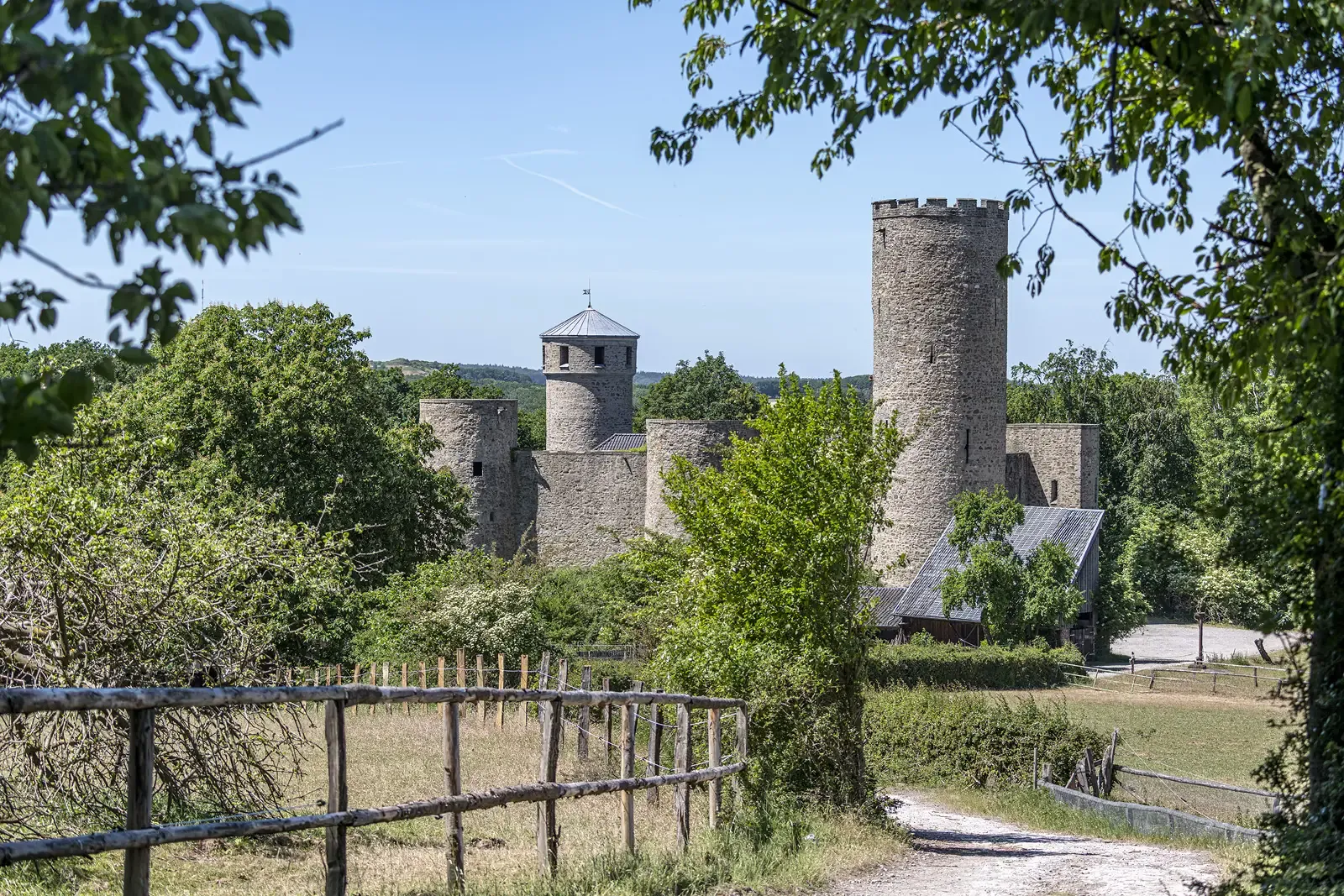
Rhineland Way of St. James – A pilgrimage week
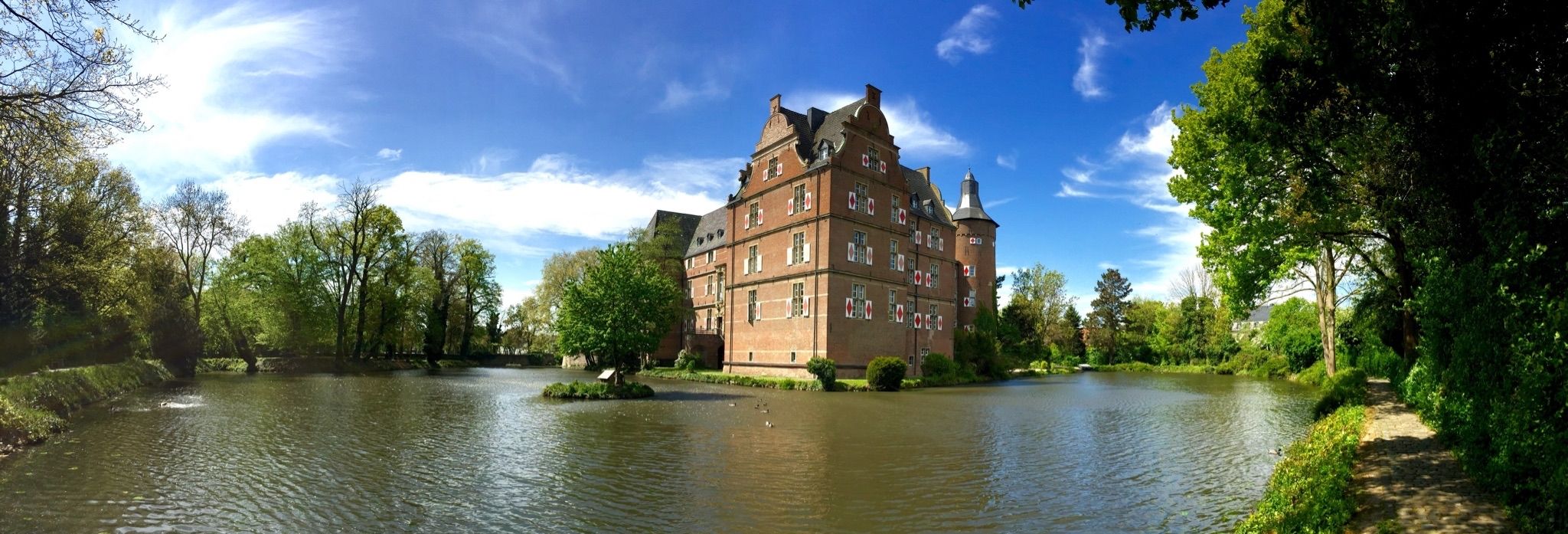
Wasserburgen-Route — A ride through Germany's Castle Country from the Rhine to the Eifel and back
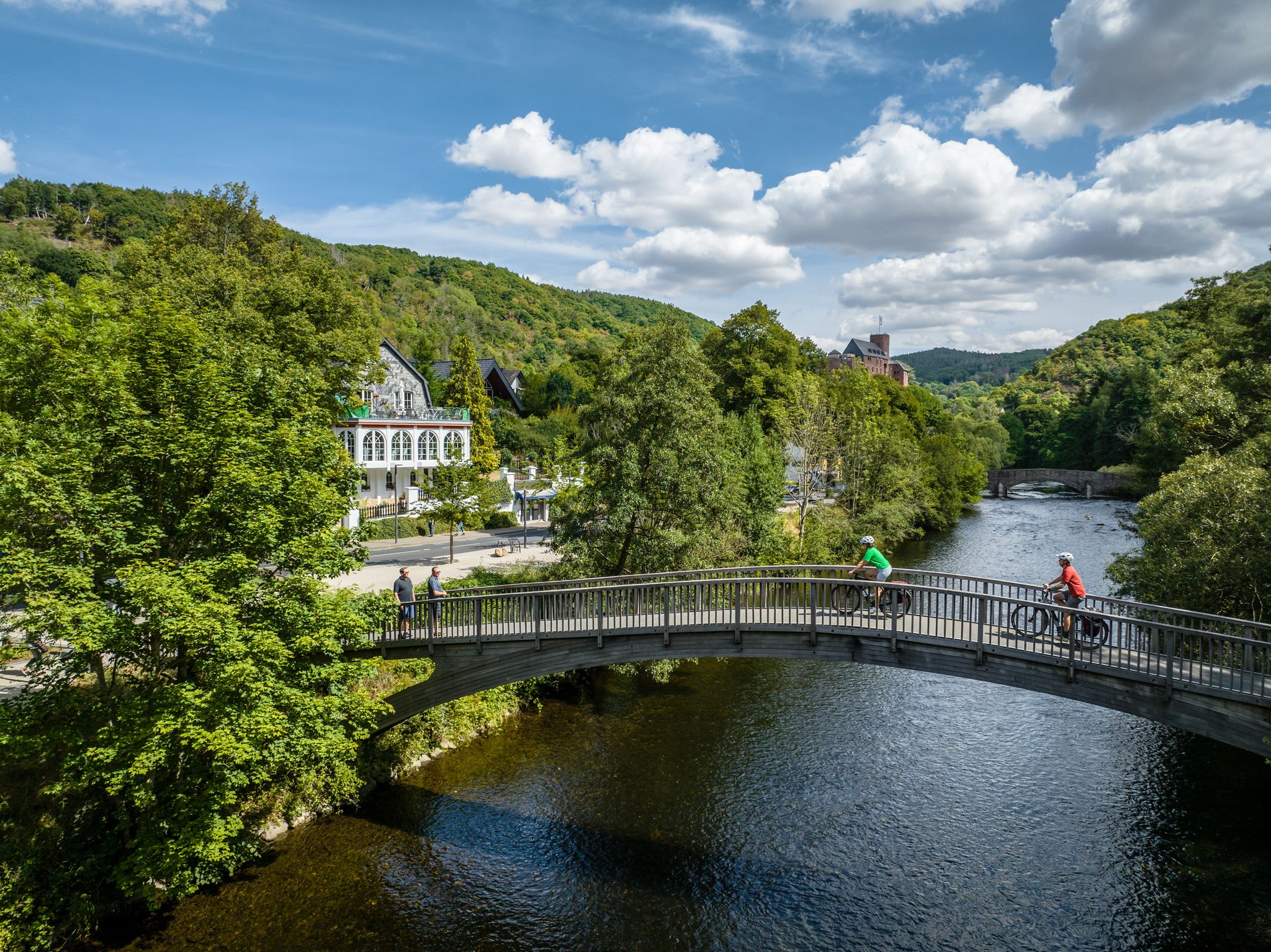
Heights, castles, moors – RURschleifen by bike
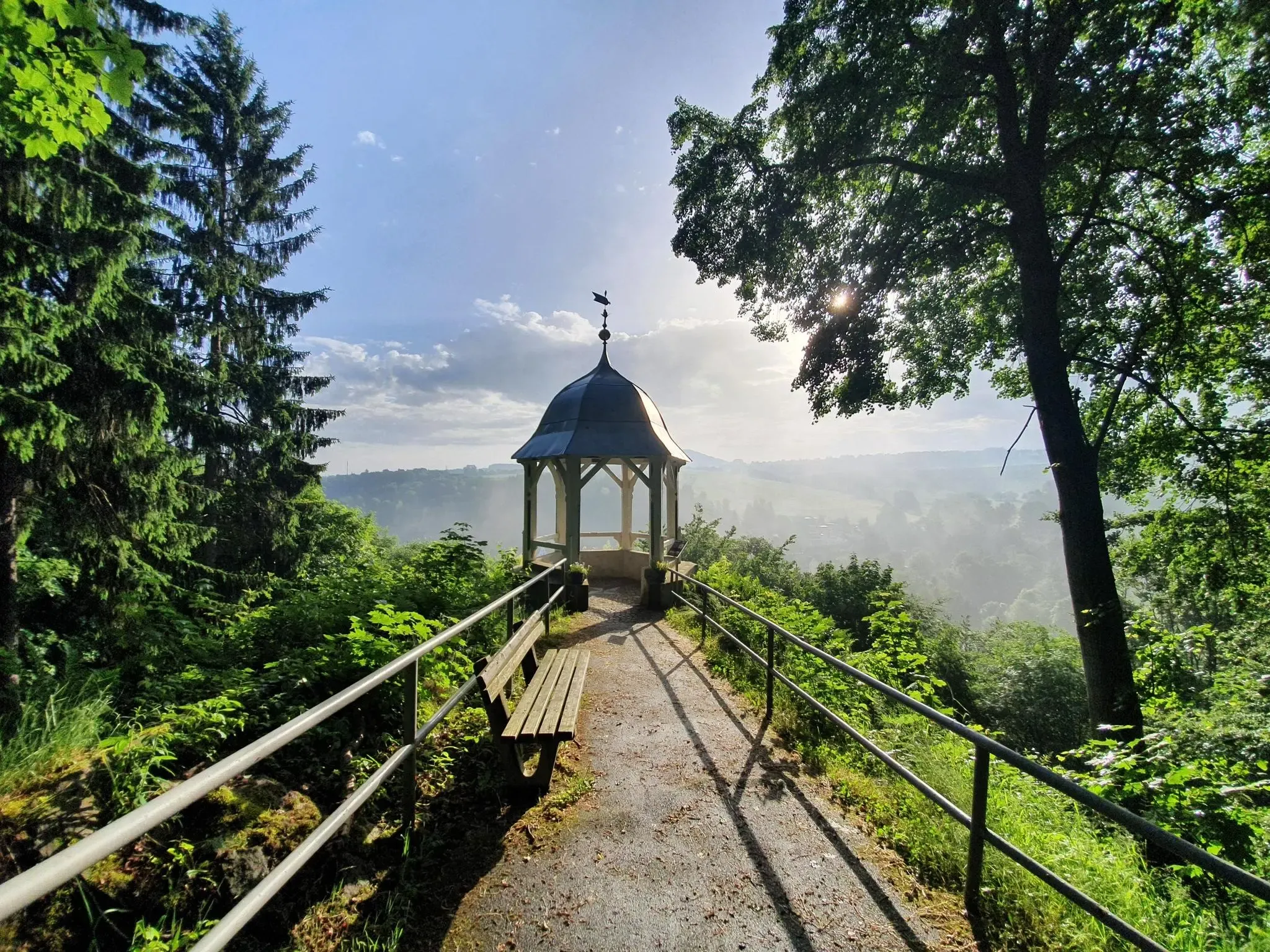
#GoFurther – discover the views of Germany!
Overnighter by bike – Aachen to Bonn

Cycling from Cologne to Brussels through three countries
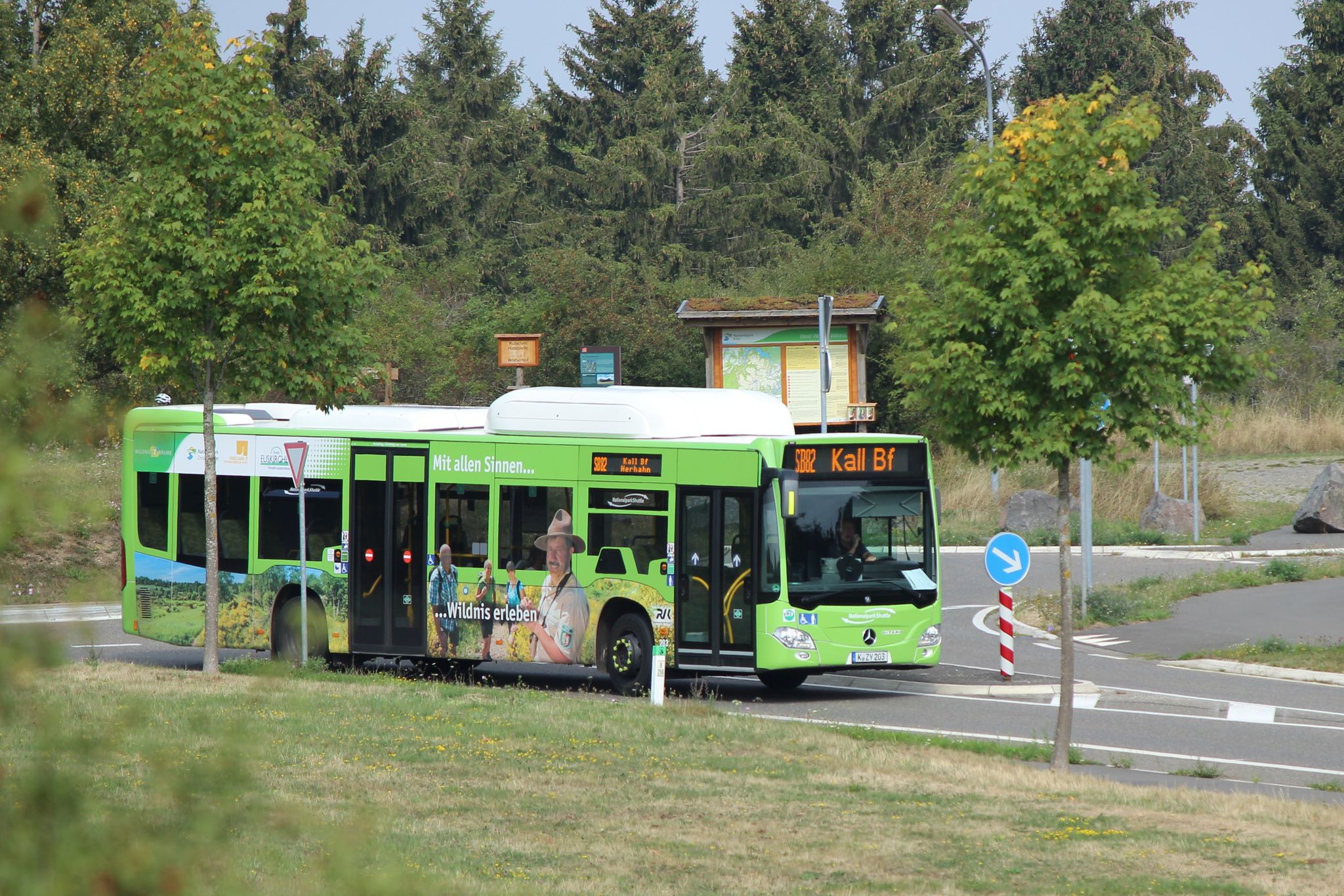
Next stop: Wilderness! – Germany’s Eifel National Park by public transport
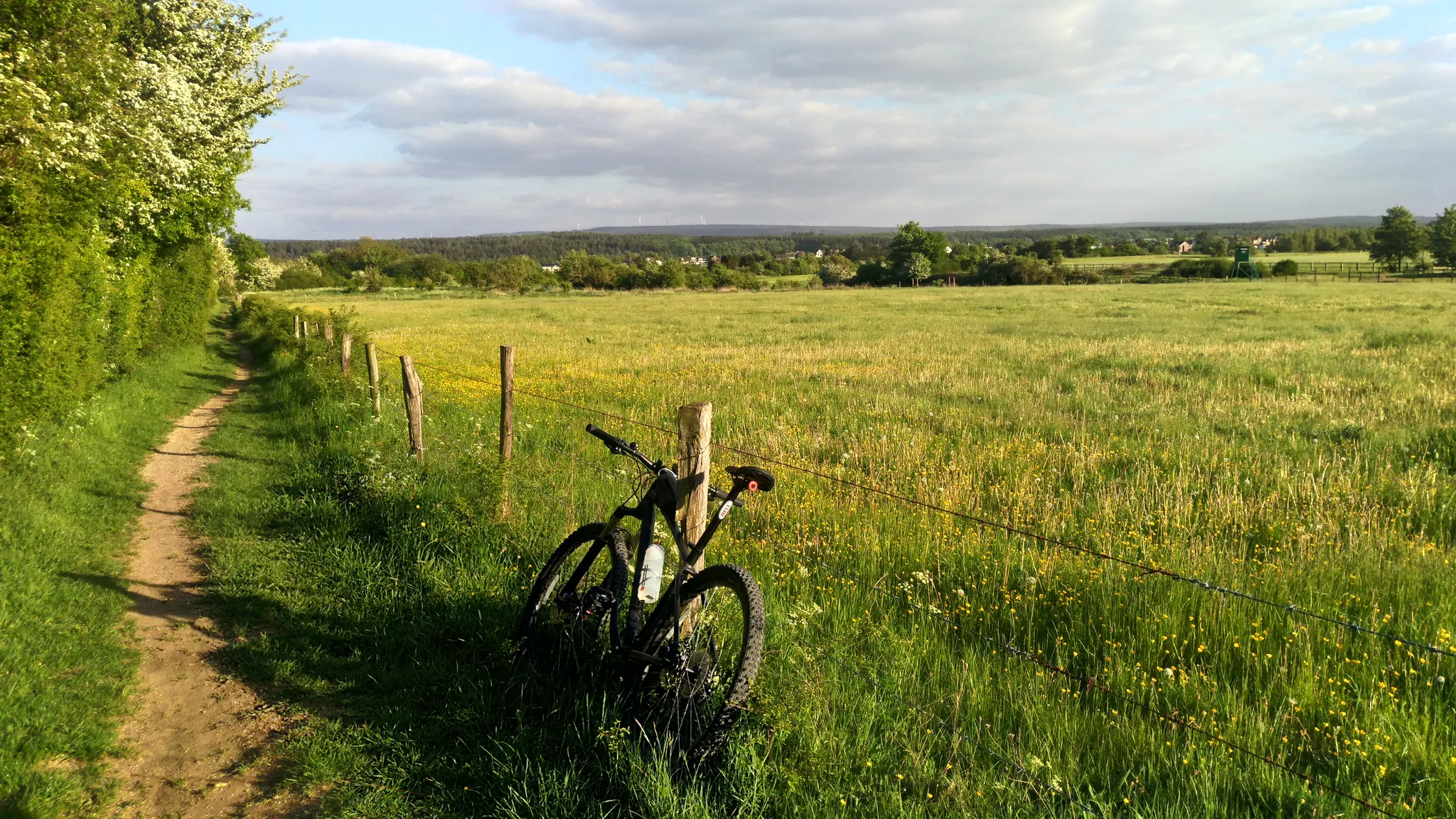
D-Route 7: Pilgrimage Route
D-Route 4: Mittelland Route
Other adventures around Kreis Düren


Tips from the Community

Bats hibernate from approximately November to March. During hibernation, their body temperature, heart rate, and respiration rates are drastically reduced to conserve energy. It's important not to disturb hibernating bats, as waking up is energy-consuming and can be life-threatening.
2
0

A real "bat cave". The bats, which are nocturnal animals, sleep in the cave during the day and hibernate in winter. The cave is closed so that this protected species cannot be disturbed.
4
0


The cave is called "Devil's Hole" and is a sight along the "Kufferather Mining Trail" themed trail.
1
0
The cave is no longer accessible. It was closed with bars.
1
1

Secret Place, I've been drawn there again and again since my childhood 😎🐻😎
0
0


When exactly this underground facility was built is not known. But from the 19th century it is known that a local brewery from nearby Gey used the corridor and vault system to cool their products. Hence the name Bierkeller. Today closed to the public as a home for bats.
4
0
Frequently Asked Questions
What types of underground sites can I explore in Kreis Düren?
Kreis Düren offers a variety of underground sites, primarily consisting of remnants from historical mining operations, such as old slate mines, and historical cellars. These locations often serve as important habitats for bats and provide insights into the region's industrial heritage and ecology. While extensive natural cave systems are not common, these sites offer a unique glimpse into the area's past and natural formations.
Are there any natural caves in Kreis Düren, or are they mostly man-made?
The underground sites in Kreis Düren are a mix of natural formations and man-made structures. Many are remnants of historical mining operations, like the Slate mine in Naturpark Hohes Venn-Eifel, or historical cellars, such as the Historic Beer Cellar Gey. However, there are also natural rock formations like the Teufelstritt Rock Formation, which is a natural monument.
What historical significance do the caves and underground sites in Kreis Düren hold?
The underground sites in Kreis Düren are rich in history. Many are former mining tunnels, reflecting the region's industrial past, particularly slate mining. Others, like the Historic Beer Cellar Gey, served as 19th-century brewery cellars and even air-raid shelters during World War II. These sites offer a tangible connection to the area's heritage and evolution.
Can I visit the <a href="https://www.komoot.com/highlight/901215" target="_blank" rel="noopener">Historic Beer Cellar Gey</a>?
The Historic Beer Cellar Gey is a significant historical site that once served as a brewery cellar and a WWII air-raid shelter. Today, it is closed to the public as it functions as a crucial winter quarter for bats. While direct entry is not permitted to protect the wildlife, its historical and ecological importance makes it a noteworthy site in the region.
What can I expect to see at the <a href="https://www.komoot.com/highlight/7148943" target="_blank" rel="noopener">Slate mine in Naturpark Hohes Venn-Eifel</a>?
The Slate mine in Naturpark Hohes Venn-Eifel features a small cave within slate rock, a remnant of historical slate mining. The site is particularly significant as a winter habitat for bats. While direct entry into bat-inhabited sections may be restricted, the surrounding area offers the 'Schiefergrubenwanderweg' (Slate Mine Hiking Trail) where you can explore old mine entrances and learn about the region's slate mining history. A permanent exhibition on slate mining is also available in the Schieferlandhalle Müllenbach.
Is the <a href="https://www.komoot.com/highlight/3234754" target="_blank" rel="noopener">Teufelsloch (Devil’s Hole) Cave</a> accessible to visitors?
The Teufelsloch (Devil’s Hole) Cave near Kreuzau is no longer accessible, as it has been sealed with grids. However, it remains a point of interest along the 'Kufferather Bergbauwanderweg' (Kufferath Mining Trail). Visitors can still appreciate the unique rock formations and the historical context of the area, even if direct entry into the cave is not possible.
Are there any unique rock formations to see in Kreis Düren?
Yes, Kreis Düren is home to intriguing rock formations. A notable example is the Teufelstritt Rock Formation, a natural monument with local folklore. Visitors have noted its unique appearance and the beautiful, winding paths around it. The Teufelsloch (Devil’s Hole) Cave and Rock Formations also offers interesting geological features along the Kufferather Mining Trail.
Are the caves in Kreis Düren suitable for families?
While many of the underground sites in Kreis Düren are historical or ecological in nature and may have restricted access for preservation, the surrounding areas often offer family-friendly activities. For example, the 'Schiefergrubenwanderweg' near the Slate mine in Naturpark Hohes Venn-Eifel provides an educational hiking experience. The Marian grotto at St. Urban Church Titz-Mündt is also listed as family-friendly.
What outdoor activities can I combine with a visit to the caves in Kreis Düren?
The region around Kreis Düren is excellent for various outdoor activities. You can explore numerous hiking trails, such as those mentioned in the Mountain Hikes around Kreis Düren guide, or enjoy cycling routes from the Cycling around Kreis Düren guide. For mountain biking enthusiasts, there are also challenging MTB Trails around Kreis Düren. Many of these routes pass by or near the historical and natural sites, allowing for a combined experience.
What do visitors enjoy most about the underground sites in Kreis Düren?
Visitors appreciate the unique blend of history, nature, and local folklore associated with the underground sites in Kreis Düren. Many enjoy the historical context of the old mining operations and cellars, as well as the ecological significance of these sites as bat habitats. The intriguing rock formations and the opportunity to explore them via hiking trails are also highly valued by the komoot community.
Are there any sites where I can see bats in Kreis Düren?
Yes, several underground sites in Kreis Düren are important bat habitats. The Historic Beer Cellar Gey and the Slate mine in Naturpark Hohes Venn-Eifel are known as crucial winter quarters for bats. While these areas are often closed to the public to protect the wildlife, their ecological role is a significant aspect of the region's natural heritage. The Bat Cave is also specifically designated for bat protection.
What is the best time to visit the areas around the caves in Kreis Düren?
The best time to visit the areas around the caves and underground sites in Kreis Düren largely depends on the outdoor activities you plan to combine with your visit. Spring and autumn offer pleasant temperatures for hiking and cycling, with beautiful natural scenery. Winter can also be atmospheric, especially for those interested in the bat habitats, though access to specific sites might be restricted to protect hibernating bats.
Most popular routes around Kreis Düren
Most popular attractions around Kreis Düren

Get inspired with the komoot mobile app


Didn’t find what you were looking for?
Discover more caves around Kreis Düren region by region:
Explore more
Extend your search for the best caves by checking out these guides of the top ones around Kreis Düren:
