Top 5 Caves around Kreis Gütersloh
Caves around Kreis Gütersloh offer a blend of natural geological formations and historical mining sites within the Teutoburg Forest region. This area, while not known for extensive natural cave systems, features notable underground locations. These sites provide insight into the region's geological past and its industrial heritage, particularly concerning coal and ore mining. Visitors can explore natural fissures and historical adits that reflect local history and natural processes.
Best caves around Kreis Gütersloh
- The most popular caves is Katharinen Adit…
Last updated: June 25, 2026
Pfaffenkammer Cave
Highlight • Cave
According to internet research, this is a fissure cave made …
Translated by Google •
Tip by

Katharinenstollen
Highlight • Historical Site
This permit resulted in …
Translated by Google •
Tip by

Sign up now to discover places like this
Get recommendations on the best single tracks, peaks, & plenty of other exciting outdoor places.
Sign up for free
Katharinen Adit (United Arminius Mine)
Highlight • Historical Site
Translated by Google •
Tip by

Ratharigenstollen
Highlight • Cave
Unfortunately, the tunnel is very overgrown by the vegetation and hardly recognizable.
Translated by Google •
Tip by

Start today with a free account
Your next adventure awaits.
Login or Signup
Popular around Kreis Gütersloh
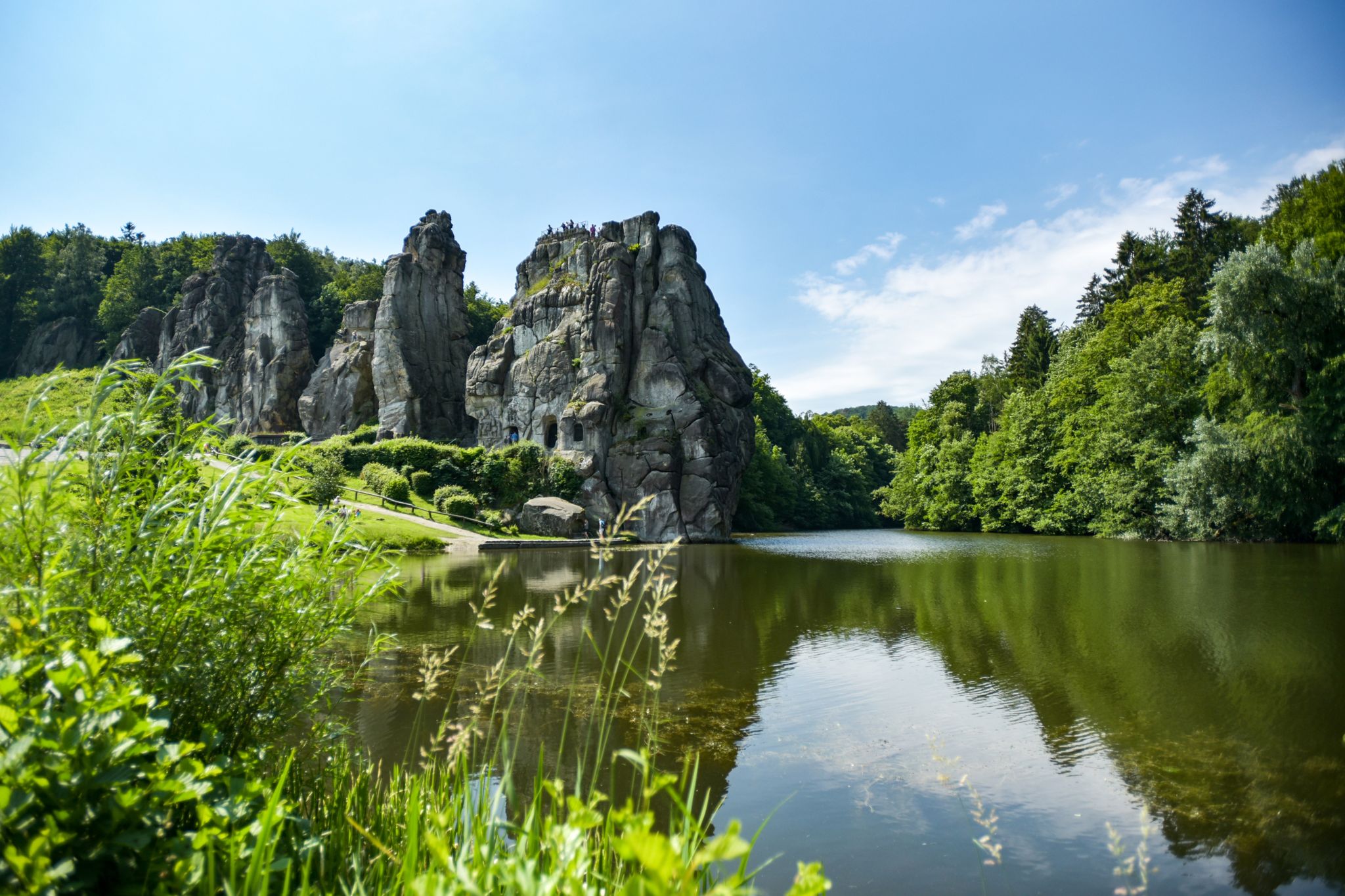
Hiking Germany's Hermannsweg – In the footsteps of the Cheruscan
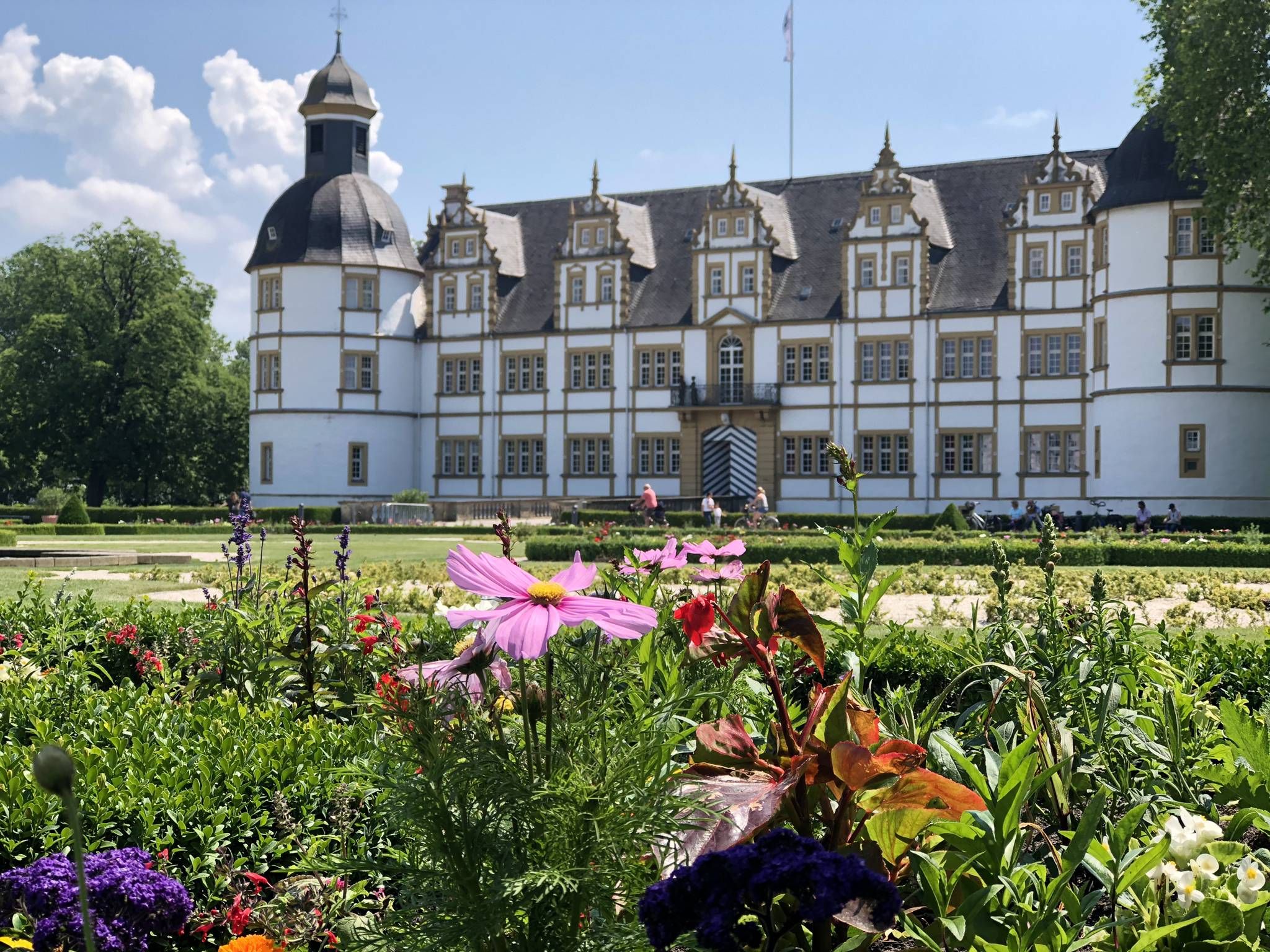
LandesGartenSchau Route – Westphalian Dream Parks
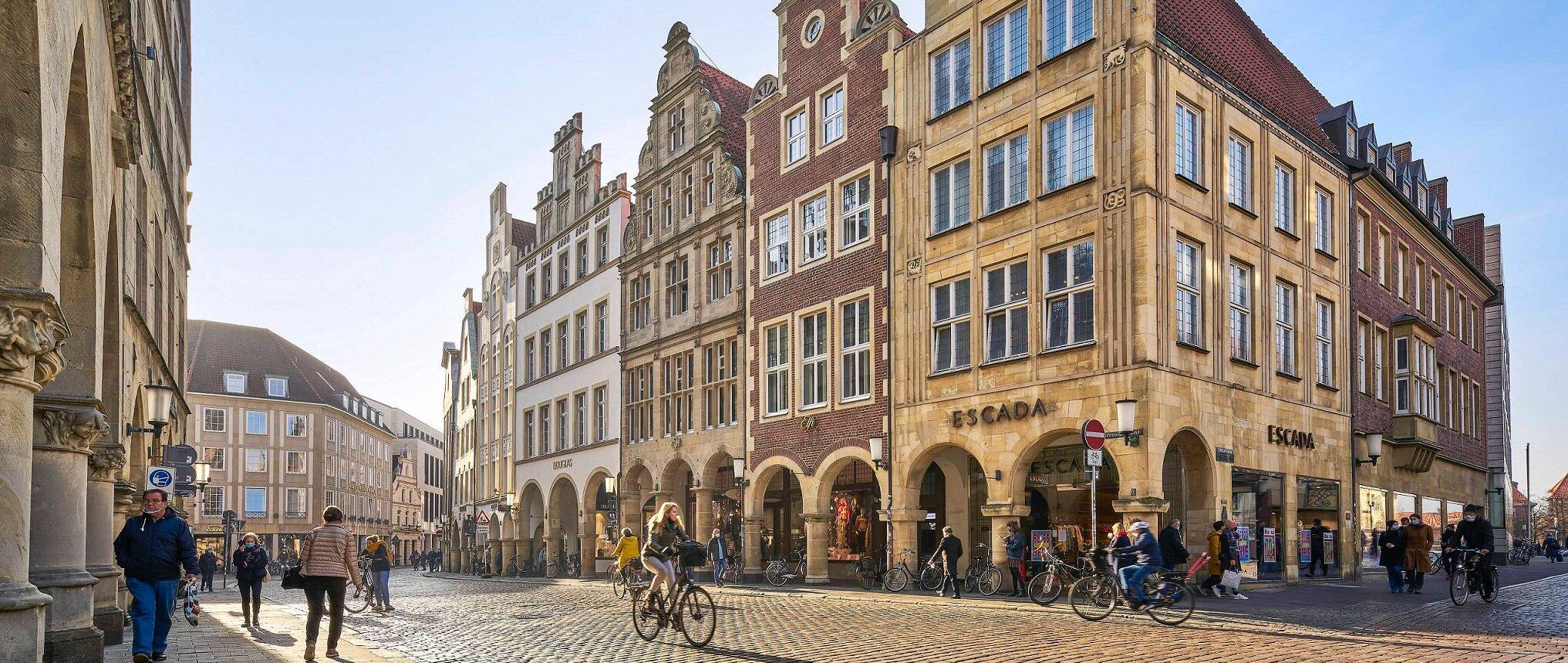
Germany's Westphalian City Tour — linking historic town centres
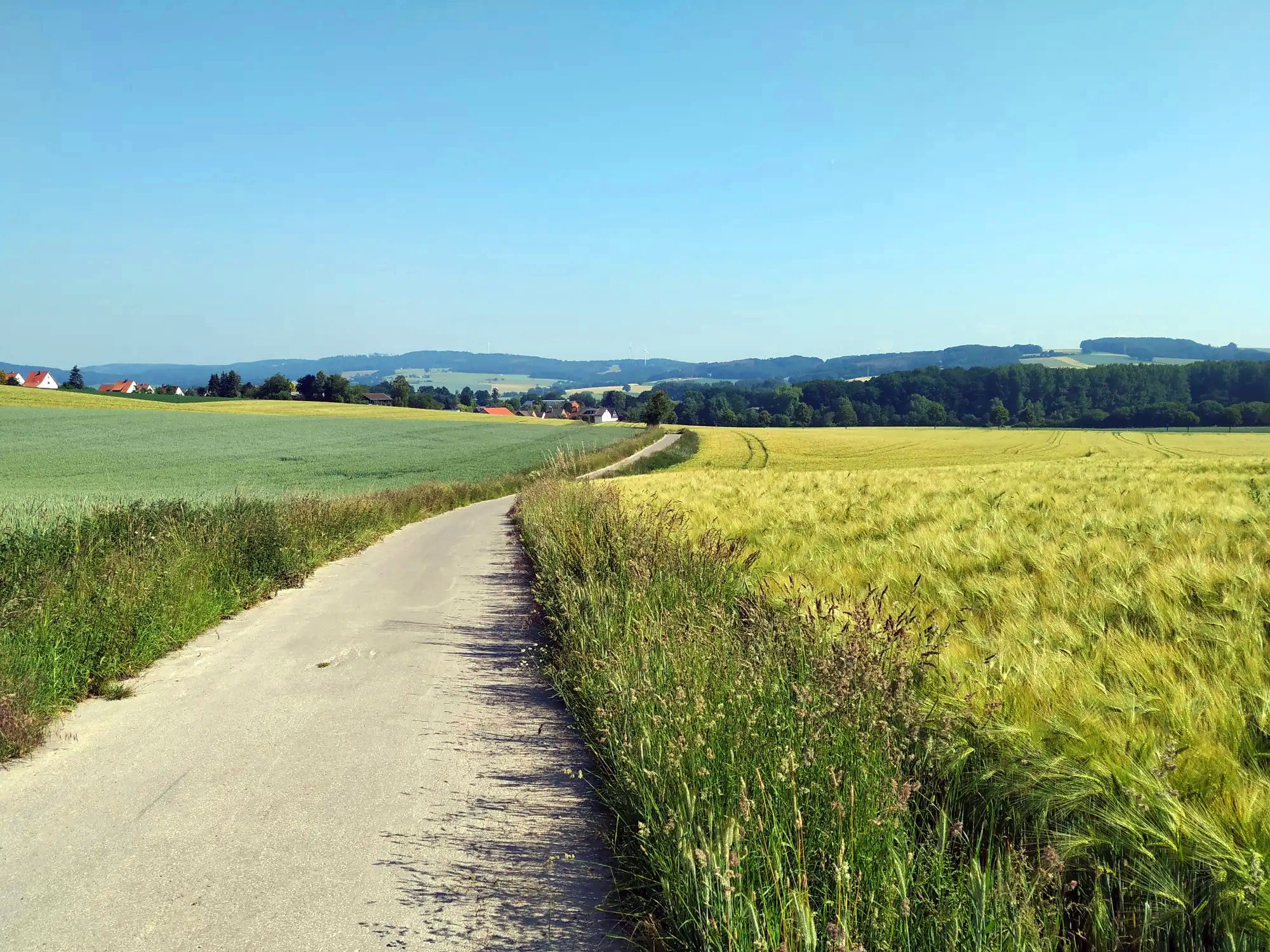
Hellweg-Weser railway cycle route – Ride through western Germany
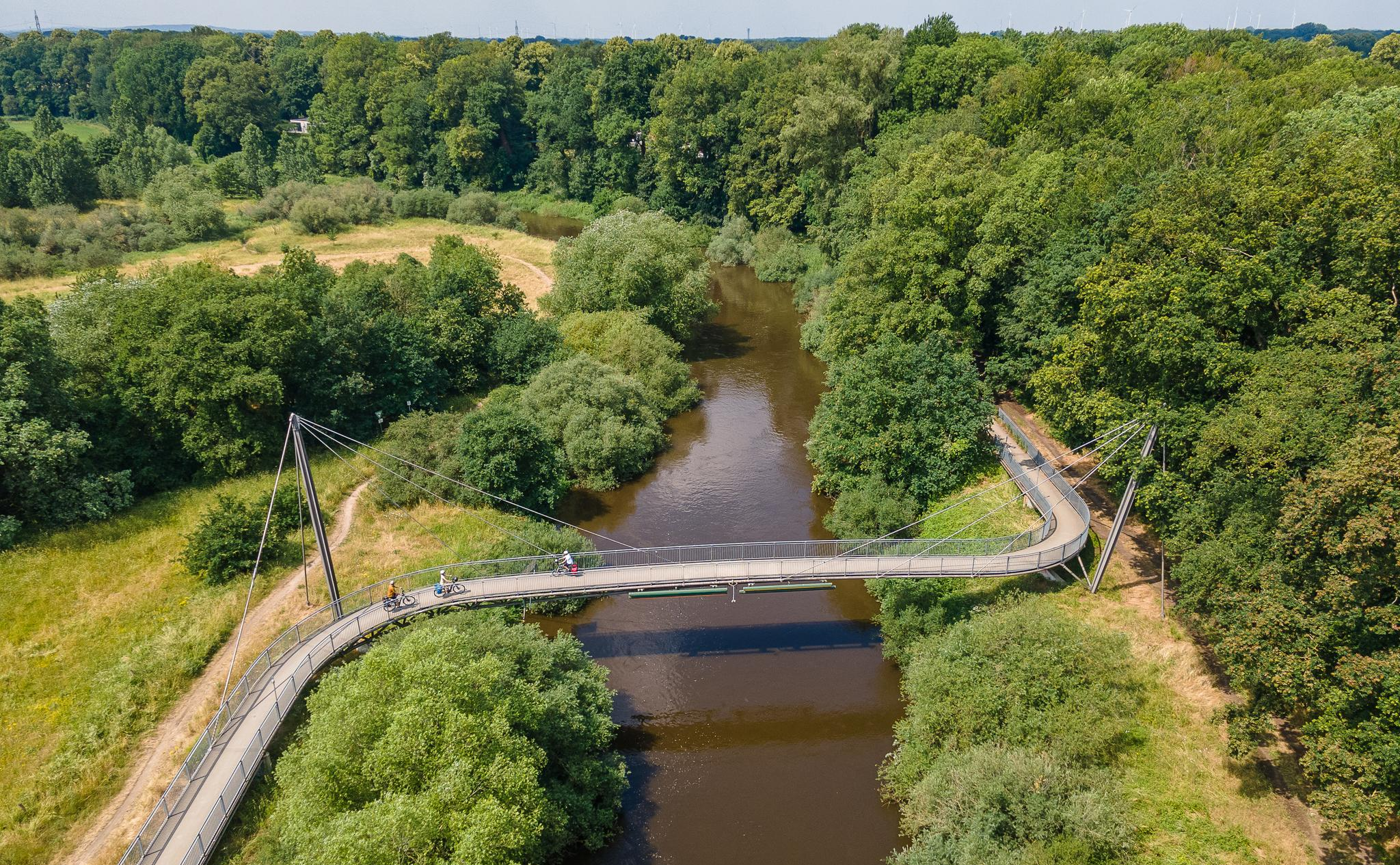
The Ems Cycle Route – in 7 stages from the Senne to the North Sea

Historic Town Centres cycling route
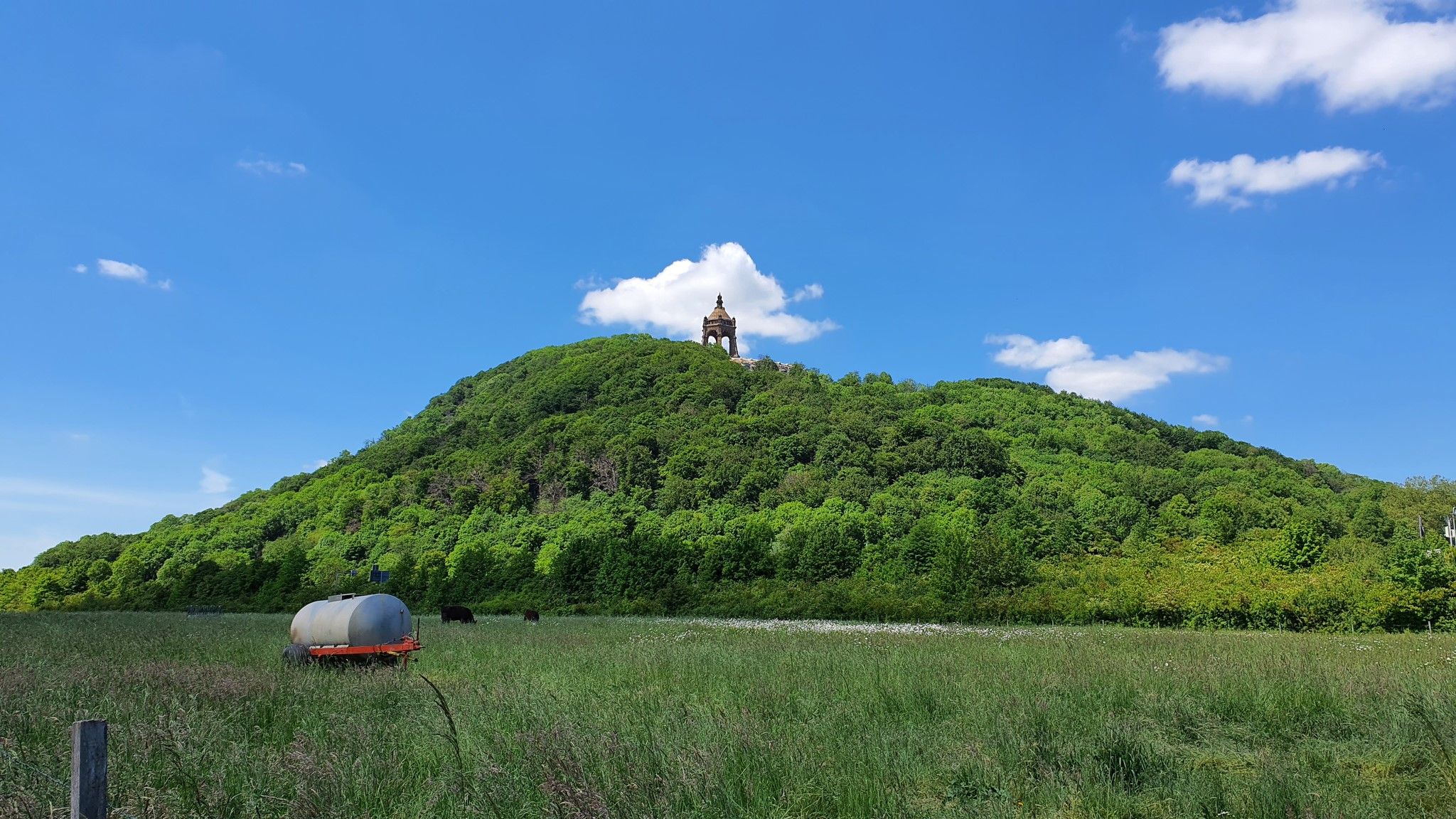
Quick through OWL - Where Emperor Wilhelm waves to the Pader
#GoFurther – discover the views of Germany!
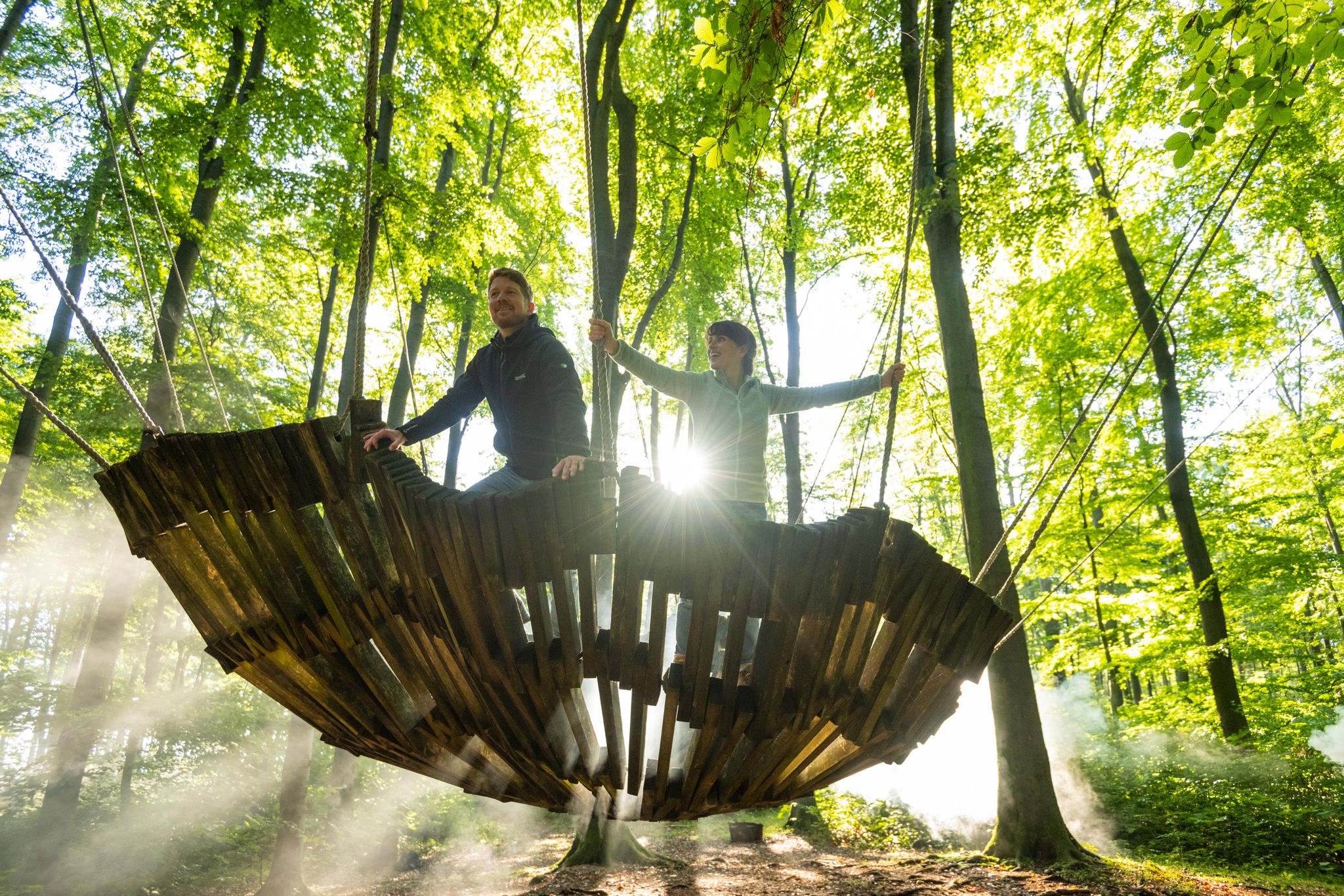
Experience art and history – Germany’s Teutoburg Forest trails
Town, country and river hiking – Germany’s Teutoburg Forest trails
Other adventures around Kreis Gütersloh


Tips from the Community

A bit hidden in the undergrowth: the old Katharinenstollen of the former "Vereinigte Arminius" mine. Last active during the French occupation of the Ruhr in the 1920s.
0
0

The Pfaffenkammer is a small karst cave in the Teutoburg Forest near Borgholzhausen. The gap cave is located within the Johannisegge-Schmstein nature reserve. The natural monument is listed in the list of archaeological monuments in Borgholzhausen.
0
0

At this point you will find an old mine that was closed down in 1925. There are still some remains of buildings and a barred tunnel entrance to see. The access is somewhat hidden through a small forest from the north via Thenhauser Straße.
0
0

The Katharinenstollen looks very old and used. Something like that attracts me visually.
1
0

A little hole in the mountain, but I didn't crawl in.
0
0

Entrance to an underground path on the Hollandskopf mountain. Accessible via a narrow path on the mountain slope. Surefootedness required. According to internet research, this is a fissure cave made of limestone. According to a legend, it was used by the first Christians in this area to protect themselves from attacks by the pagans. It seems to be the entrance to a long tunnel to Herford (?).
1
0

Here is an entrance to an old tunnel, the Katharinenstollen. Unfortunately, the tunnel is very overgrown by the vegetation and hardly recognizable.
0
0

In 1505, Duke William IV of Jülich-Berg allowed his governor Count Philip II of Waldeck, among others, in the office Ravensberg to build mines. This permit resulted in some four hundred years of coal and ore mining in the community. The first pit was probably located in today's border area between Halle and Werther. In the middle of the 17th century, coal was also mined in Eggeberg (at the Düfelsiek farm). On the crest of the Teutoburg Forest one searched for near-surface ores. Wood for the expansion of the pits was abundant in the Teutoburg Forest. By the middle of the 18th century, coal mining was profitable due to high timber prices and the problems of importing cheaper coal. At the time of the mining boom in the 19th century, there were excavations in and around hall 23 for coal and 24 for near-surface iron ore. The excavations were closed in 1883, as could be supplied by the increasing importance of the trunk line of the Cologne-Minden railway company coal cheaper from the Ruhr. In 1923, a tunnel was briefly put back into operation due to the occupation of the Ruhr area by French troops.
2
0
Frequently Asked Questions
What types of caves can I find in Kreis Gütersloh?
Kreis Gütersloh features a mix of natural geological formations and historical mining sites. You can explore natural fissure caves, like the Pfaffenkammer Cave, and historical mining adits, such as the Katharinen Adit (United Arminius Mine), which reflect the region's past industrial heritage.
Are there any natural caves to explore in the region?
Yes, the most prominent natural cave is the Pfaffenkammer Cave on the Hollandskopf mountain in Borgholzhausen. It's a limestone fissure cave accessible via a narrow path, requiring surefootedness. Local legends also surround this site.
What is the historical significance of the caves in Kreis Gütersloh?
Many sites, like the Katharinenstollen and the Katharinen Adit (United Arminius Mine), are historical mining adits. They date back to an era of coal and ore mining in the region, with origins tracing to a permit granted in 1505. These sites offer a glimpse into the area's industrial past.
Are the caves in Kreis Gütersloh suitable for families or beginners?
The caves in Kreis Gütersloh are generally not developed as show caves for broad public access. Sites like the Pfaffenkammer Cave require surefootedness due to narrow paths. The historical adits are often overgrown or have barred entrances. They are more suited for those interested in geological formations and local history rather than recreational caving for beginners or young children.
What is the difficulty level for exploring these caves?
Exploring sites like the Pfaffenkammer Cave is rated as intermediate, primarily due to the narrow and potentially uneven paths leading to the entrance. The historical mining adits, such as Ratharigenstollen, are often overgrown and may not offer easy access or exploration opportunities.
What outdoor activities can I do near the caves in Kreis Gütersloh?
The region offers various outdoor activities. You can find easy hikes, such as 'The romantic Furlbach Valley' or 'Haller tracks', which explore art and history in the Teutoburg Forest. For more challenging options, there are MTB trails like 'Donoper Pond – Wading pool at Sachsenquelle loop' or gravel biking routes. You can find more details on these activities in the easy hikes, MTB trails, and gravel biking guides for Kreis Gütersloh.
Are there hiking trails that lead to or near the caves?
Yes, many of the caves and historical adits are situated within the Teutoburg Forest, making them accessible via hiking paths. For instance, the Pfaffenkammer Cave is located on the Hollandskopf mountain and can be reached via a narrow path on the mountain slope. You can explore nearby hiking routes in the easy hikes around Kreis Gütersloh guide.
What is the best time of year to visit the caves in Kreis Gütersloh?
The caves and historical adits are generally accessible year-round, though conditions can vary. Spring and autumn offer pleasant weather for hiking to these sites. During winter, paths might be slippery or covered in snow, especially for sites requiring surefootedness like the Pfaffenkammer Cave. Summer provides good visibility, but some historical adits might be more overgrown.
What should I wear when visiting these sites?
Given that many sites involve walking on natural paths and potentially narrow or uneven terrain, sturdy hiking shoes with good grip are recommended. Dress in layers suitable for the weather, as temperatures can vary, especially inside any accessible cave sections. For historical adits, long pants and sleeves might be advisable due to overgrown vegetation.
Are there any less crowded cave sites in Kreis Gütersloh?
The caves in Kreis Gütersloh are generally not heavily trafficked tourist attractions compared to larger show caves elsewhere. Sites like the Ratharigenstollen or the Katharinenstollen are often described as overgrown and less developed, suggesting they offer a more secluded experience for those interested in local history and nature.
What do visitors appreciate most about the caves in Kreis Gütersloh?
Visitors appreciate the blend of natural geological formations and the rich historical context, particularly the industrial heritage of mining. The Pfaffenkammer Cave is valued for its natural beauty and local legends, while the historical adits like the Katharinen Adit (United Arminius Mine) offer a unique glimpse into the region's past.
Most popular routes around Kreis Gütersloh
Most popular attractions around Kreis Gütersloh

Get inspired with the komoot mobile app


Didn’t find what you were looking for?
Discover more caves around Kreis Gütersloh region by region:
Explore more
Extend your search for the best caves by checking out these guides of the top ones around Kreis Gütersloh:
