Top 20 Caves in the Mostviertel
Caves in the Mostviertel region of Austria feature a variety of underground formations, from natural dripstone caves to historical cave dwellings. This area is characterized by its geological diversity, offering insights into natural processes and past human habitation. The landscape includes significant natural parks and valleys where these subterranean features are found. The Mostviertel provides opportunities to explore unique natural monuments and historical sites within its varied terrain.
Best caves in the Mostviertel
- The most popular caves include Waterfall Cave…
Last updated: August 19, 2026
Pauline Cave
Highlight • Cave
Translated by Google •
Tip by

Restored Cave Dwelling in the Vineyards of Lower Traisental
Highlight • Cave
In the middle of the vineyards you will find this restored cave dwelling from earlier times. You can …
Translated by Google •
Tip by

Sign up now to discover places like this
Get recommendations on the best single tracks, peaks, & plenty of other exciting outdoor places.
Sign up for free
Prollinger Cave and Tannhäuser Cave
Highlight (Segment) • Cave
A "picnic table" has been prepared in …
Translated by Google •
Tip by

Innerebengrotte
Highlight • Cave
Translated by Google •
Tip by

Prasdorfer Sandlöcher
Highlight • Cave
Translated by Google •
Tip by

Cave Mini Bar
Highlight • Cave
Translated by Google •
Tip by

Roman Caves
Highlight • Cave
Translated by Google •
Tip by

Karner Cave
Highlight • Cave
Translated by Google •
Tip by

Waterfall Cave
Highlight • Cave
Translated by Google •
Tip by

Cave with bench
Highlight • Cave
Translated by Google •
Tip by
Sign up for free to discover even more caves in the Mostviertel.
Sign up for free
Already have an account?
Start today with a free account
Your next adventure awaits.
Login or Signup
Popular around Mostviertel
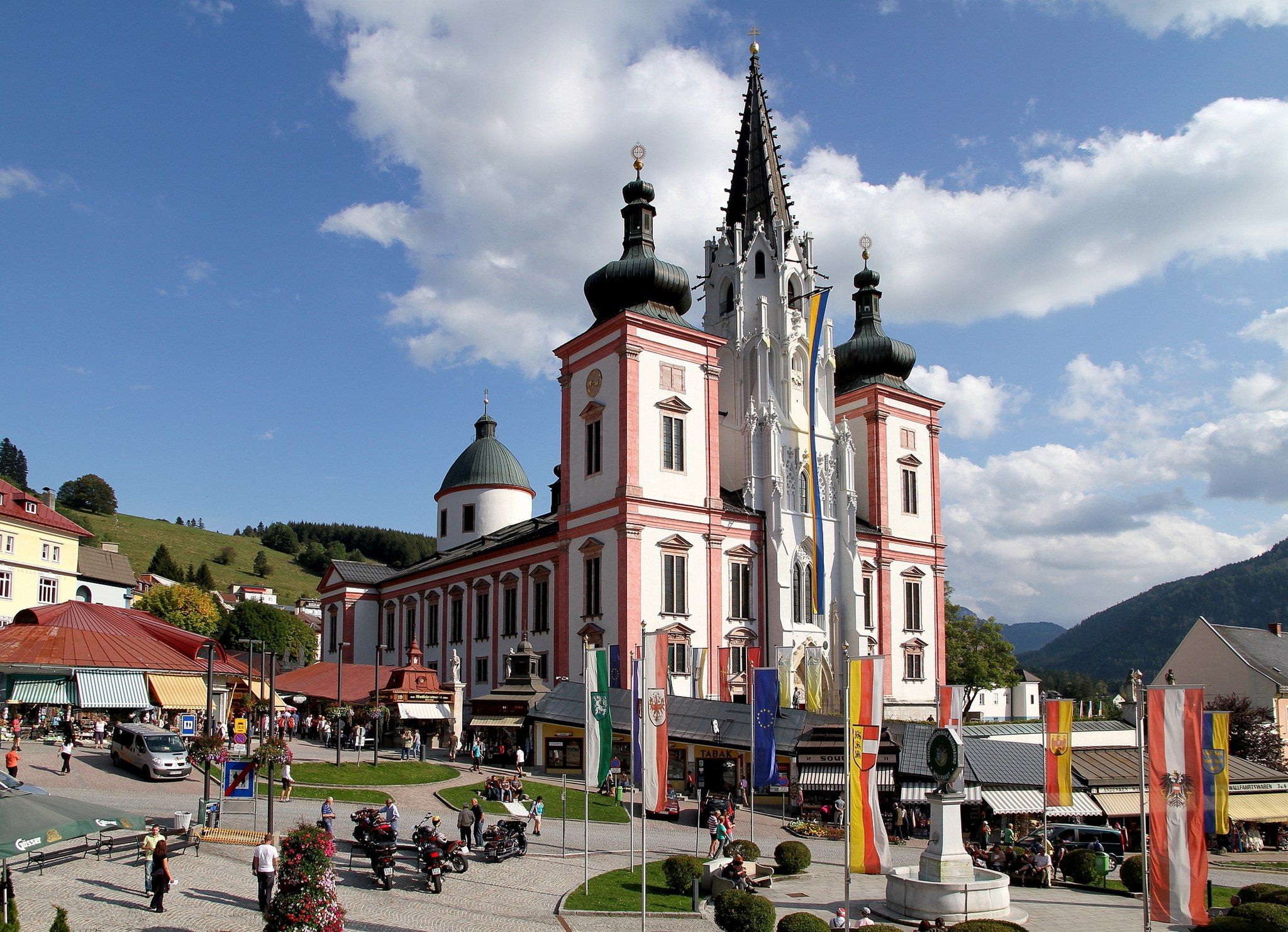
Wiener Wallfahrerweg 06 – A pilgrimage through Lower Austria
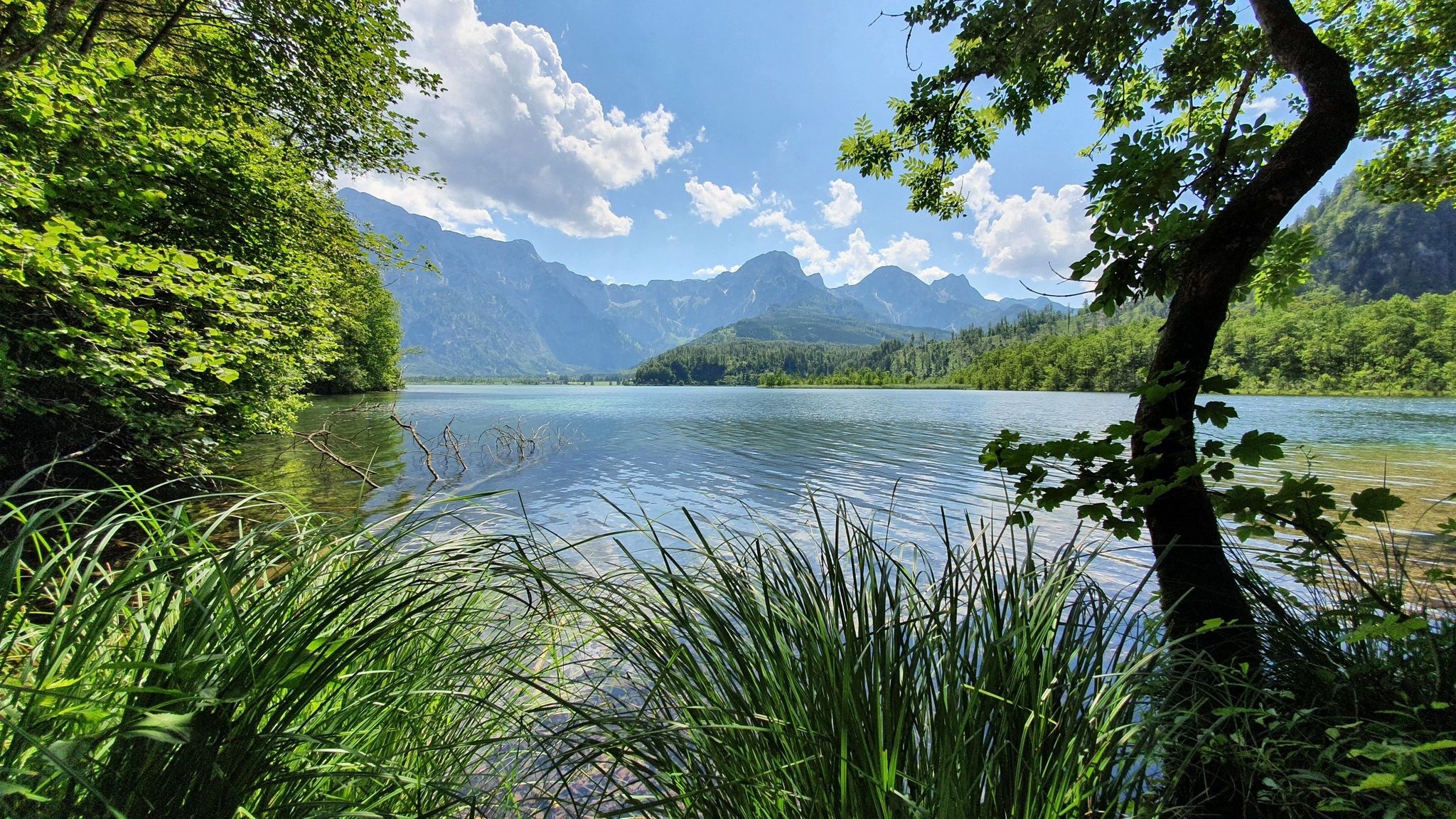
Voralpenweg 04 – From Vienna to Bad Reichenhall
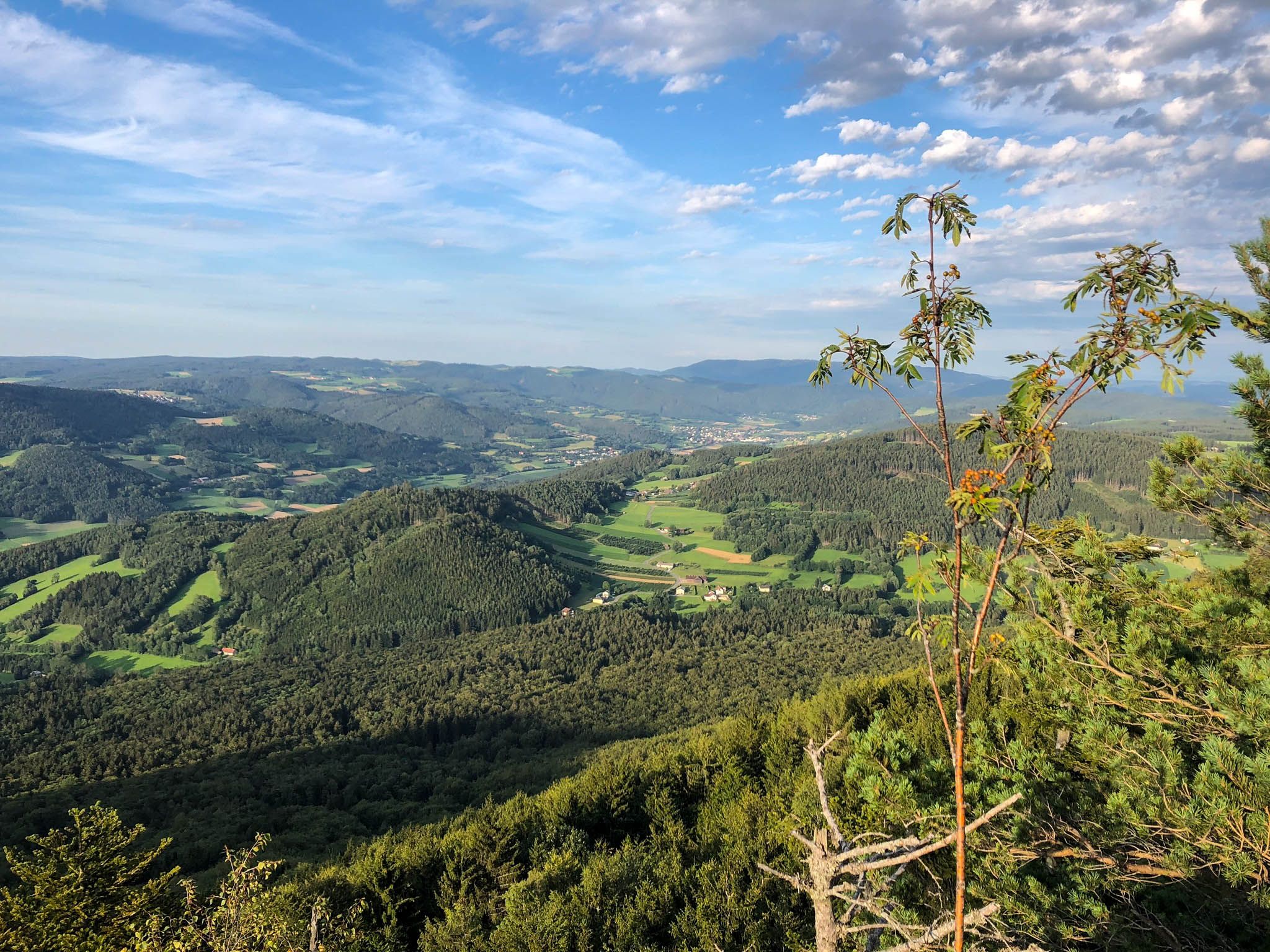
Ysper-Weitental circular hiking trail – Unwind in Austria
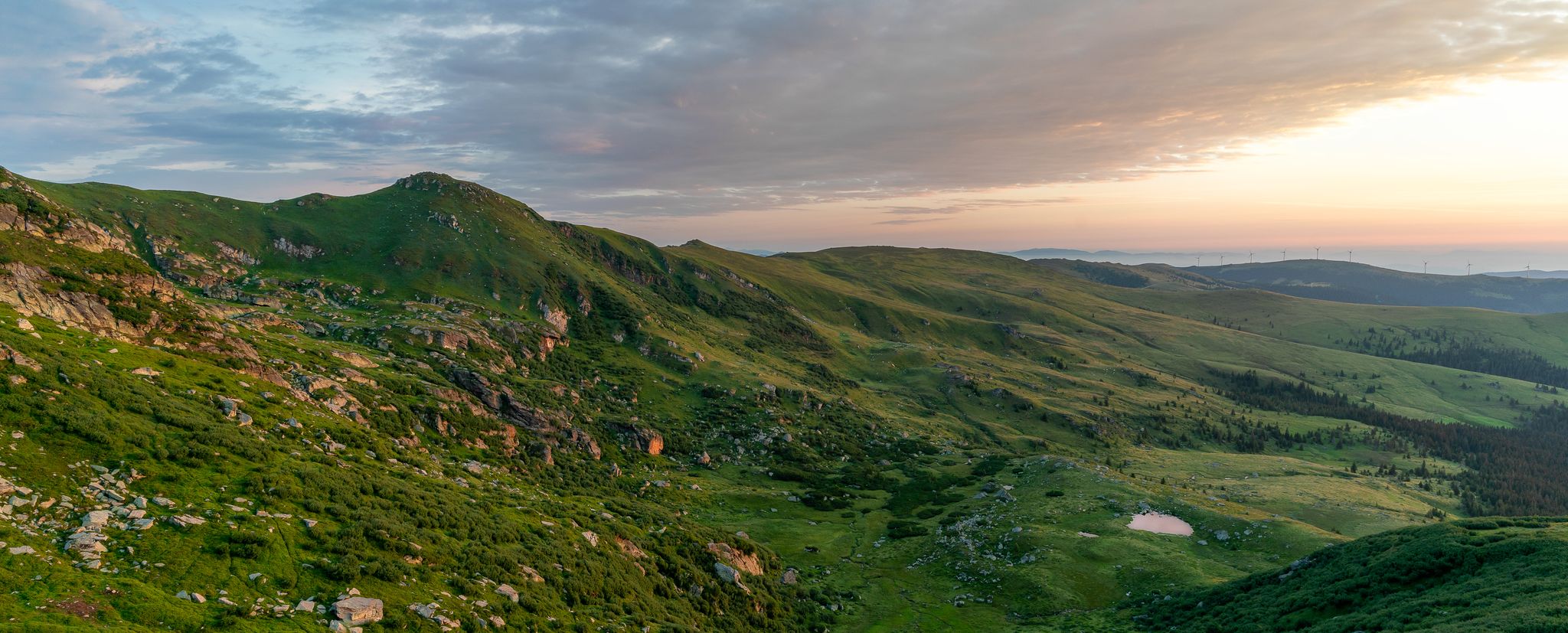
North-South Trail through Austria – Small country, big paths!
Via Sacra – hiking along holy paths from Vienna to Mariazell
The Path of Life — A (spiritual) hike through northeastern Austria
Eisenwurzen Trail – Hiking through Austria from north to south
The Traisental cycle path – on a pilgrimage through the Mostviertler Alps
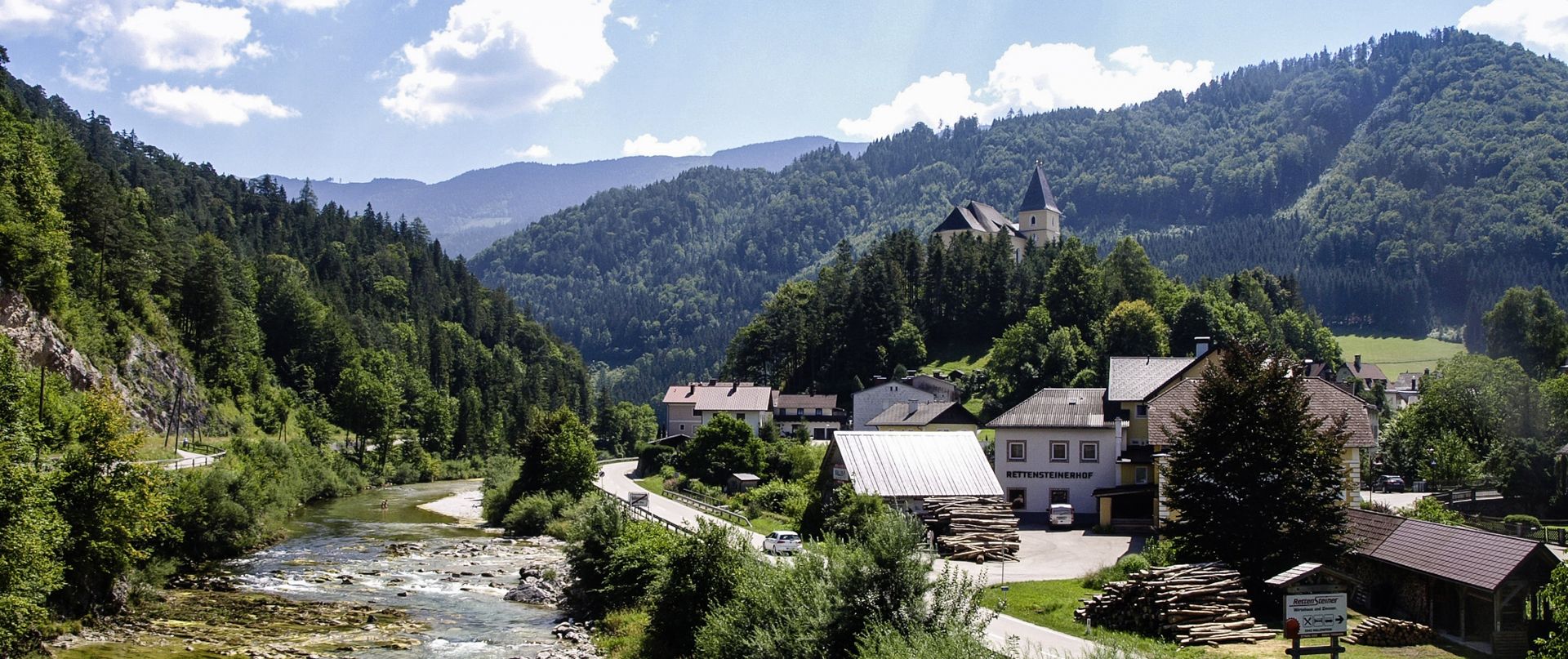
Ybbs Valley Cycle Path – Follow the tracks of the "Schafkäs-Express"
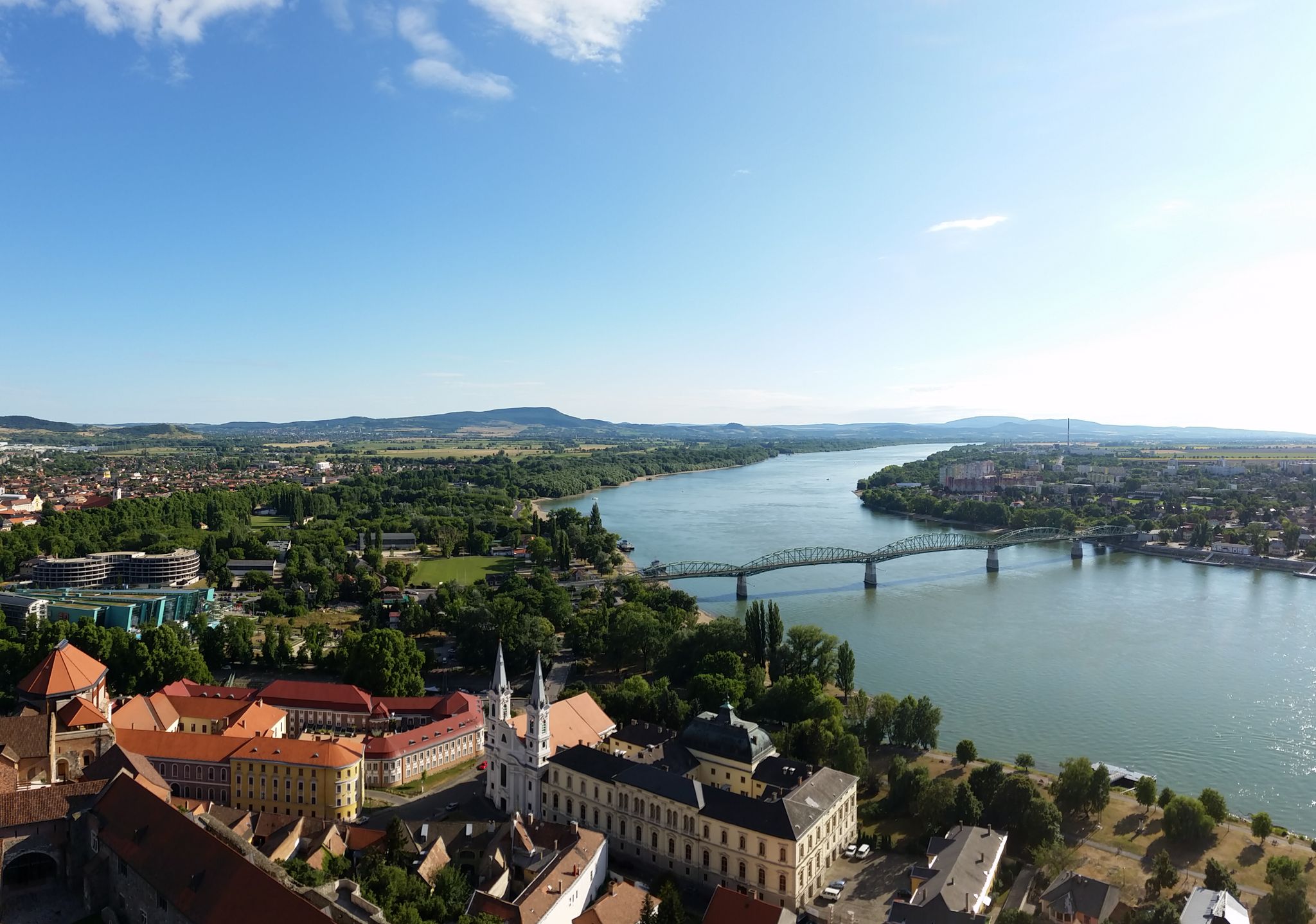
The Danube Cycle Path – From Donaueschingen to Budapest
Other adventures in the Mostviertel


Tips from the Community


Stairs are not slippery and can also be used by dogs
0
0

This is how some poor people had to live in the past! In the middle of the vineyards you will find this restored cave dwelling from earlier times. You can also go inside and look at the furnishings. You can also buy drinks inside for a fee. There is also a beautiful view over the lower Traisental.
2
0
Some people used to have to live like this! You have to see it to see it, because it doesn't look all that uncomfortable.
1
0
A very interesting place, you should take enough flashlights with you to explore and don't forget that it can be quite cold in there even in midsummer, so be sure to take a jacket, etc. with you.
0
1


interesting cave, headlamp required, floor is slippery and sloping downwards - so tread carefully :)
0
0
Frequently Asked Questions
What are the most impressive show caves to visit in the Mostviertel?
The Mostviertel region features two particularly notable show caves: the Ötscher Tropfsteinhöhle and the Nixhöhle. The Ötscher Tropfsteinhöhle, located in the Ötscher-Tormäuer Nature Park, is known for its diverse stalactite formations and an underground lake. The Nixhöhle near Frankenfels is famous for its unique white mountain milk formations and extensive passages.
Are there family-friendly caves in the Mostviertel?
Yes, several caves in the Mostviertel are suitable for families. The Nixhöhle, for example, features electric lighting and well-maintained paths, making it an exciting adventure for all ages. Additionally, the Restored Cave Dwelling in the Vineyards of Lower Traisental is considered family-friendly and offers a historical insight with a great view.
What kind of natural features can I expect to see in the Mostviertel caves?
The caves in the Mostviertel showcase a variety of natural wonders. The Ötscher Tropfsteinhöhle features impressive stalagmites and stalactites, including formations like the 'Hoher Dom' and 'Märchenhalle', along with an underground lake. The Nixhöhle is characterized by its unique 'Nix' (mountain milk) formations and beautifully named dripstones such as 'Madonna' and 'Kaskadenfall'. You can also find a Waterfall Cave in the region.
What is the best time of year to visit the show caves in the Mostviertel?
The Ötscher Tropfsteinhöhle is typically open from May to October. While specific opening times for all caves vary, this period generally offers favorable conditions for exploring the region's underground attractions.
What should I wear when visiting caves in the Mostviertel?
Caves maintain a consistently cool temperature, often around 6 degrees Celsius, even in summer. Therefore, warm clothing is recommended. Sturdy footwear is also advisable due to potentially uneven or wet paths, especially in caves like the Nixhöhle which involves 531 steps.
Are there historical caves or cave dwellings in the Mostviertel?
Yes, the Mostviertel has historical cave sites. The Prollinger Cave and Tannhäuser Cave are historical sites with local legends. You can also visit a Restored Cave Dwelling in the Vineyards of Lower Traisental, which offers a glimpse into past human habitation. The Roman Caves also hold historical significance.
What outdoor activities can I combine with a cave visit in the Mostviertel?
The Mostviertel region offers various outdoor activities. You can find numerous hiking trails, including waterfall hikes, or explore MTB trails and gravel biking routes. The Ötscher Tropfsteinhöhle is located within the Ötscher-Tormäuer Nature Park, providing ample opportunities for nature exploration.
Are there any unique or unusual cave experiences in the Mostviertel?
Beyond natural formations, the Mostviertel offers unique cave experiences. For instance, the Cave Mini Bar provides cool drinks available via a trust box, maintaining refreshing temperatures year-round. Some caves also serve as habitats for bats in winter, adding to their ecological interest.
Are there caves in the Mostviertel that are dog-friendly?
Yes, the Waterfall Cave is noted as being dog-friendly, with stairs that are not slippery and can be used by dogs. No special equipment is required for visiting this site.
What are some less crowded or hidden caves in the Mostviertel?
For those seeking a more secluded experience, the Prasdorfer Sandlöcher are hidden in the forest and offer an impressive, artistic sand wall. A flashlight is recommended for exploration. The Pauline Cave also offers a more challenging and natural monument experience.
What kind of accessibility can I expect in the Mostviertel's show caves?
Show caves like the Ötscher Tropfsteinhöhle and Nixhöhle are generally well-equipped for visitors. They feature electric lighting and well-maintained pathways. However, be prepared for steps; the Nixhöhle, for example, involves 531 steps in one direction. Some caves, like the Prollinger Cave and Tannhäuser Cave, require a short, steep climb.
Most popular routes in the Mostviertel
Most popular attractions in the Mostviertel

Get inspired with the komoot mobile app


Didn’t find what you were looking for?
Discover more caves in the Mostviertel region by region:
Explore more
Extend your search for the best caves by checking out these guides of the top ones in the Mostviertel:
