Top 10 Caves in the Weinviertel
Best caves in the Weinviertel offer a unique subterranean experience within Lower Austria's largest wine region. This area is characterized by its rolling hills, loess soil formations, and a rich history reflected in its underground structures. Visitors can explore both natural caves and extensive man-made cellars, providing insights into the region's geological and cultural heritage. The Weinviertel's landscape provides a diverse setting for exploring these hidden depths.
Best caves in the Weinviertel
- The most popular caves is Hermit's Cave,…
Last updated: September 29, 2026
Swedish Caves
Highlight • Cave
Translated by Google •
Tip by

Lourdes Grotto Falkenstein
Highlight • Religious Site
Translated by Google •
Tip by
Sign up now to discover places like this
Get recommendations on the best single tracks, peaks, & plenty of other exciting outdoor places.
Herrnbaumgarten Cave Dwellings
Highlight • Cave
Free to visit, shady place in the cellar alley.
Translated by Google •
Tip by

Hermit's Cave
Highlight • Cave
Translated by Google •
Tip by

Kapellenberg With Erdstall and Cellar Lane
Highlight • Historical Site
Translated by Google •
Tip by

Erdstall Museum Althöflein
Highlight • Cave
Translated by Google •
Tip by

Wullersdorf Brick Museum and Medieval Escape Tunnels
Highlight • Historical Site
Translated by Google •
Tip by

Klafterbrunner Cave
Highlight • Cave
Translated by Google •
Tip by

View of Caves and Huts in the Vineyard
Highlight • Viewpoint
Translated by Google •
Tip by

Start today with a free account
Your next adventure awaits.
Popular around Weinviertel
Beyond the pavement – explore Austria's wild nature on a gravel bike
EuroVelo 9 – The Amber Route from the Baltic to Adriatic Sea
To the Weinviertel! – joyous cycling on Vienna's doorstep
Cliffs, a gorge and vineyards – day hikes in the Waldviertel
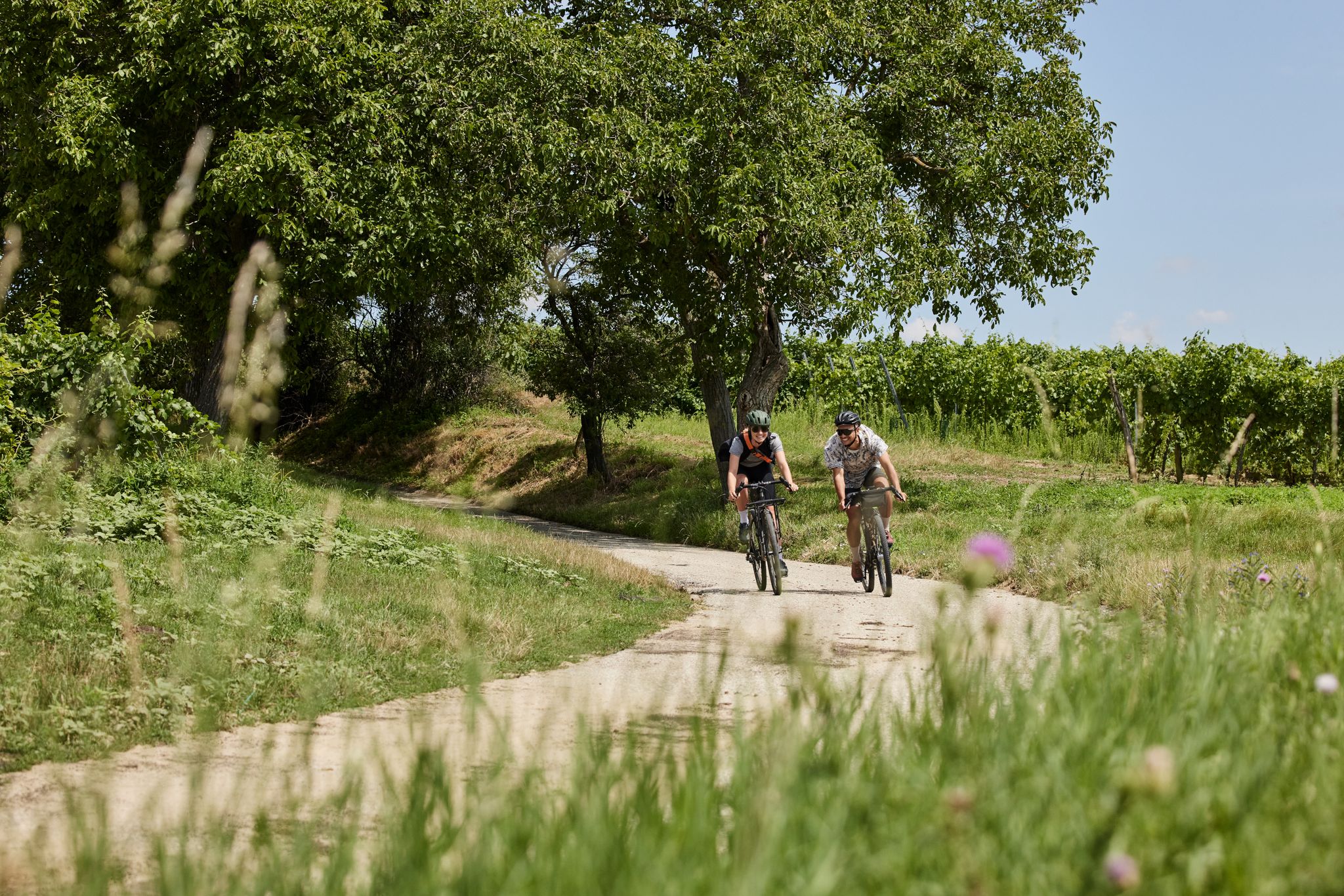
Cycling between the vines – wine routes in the Weinviertel
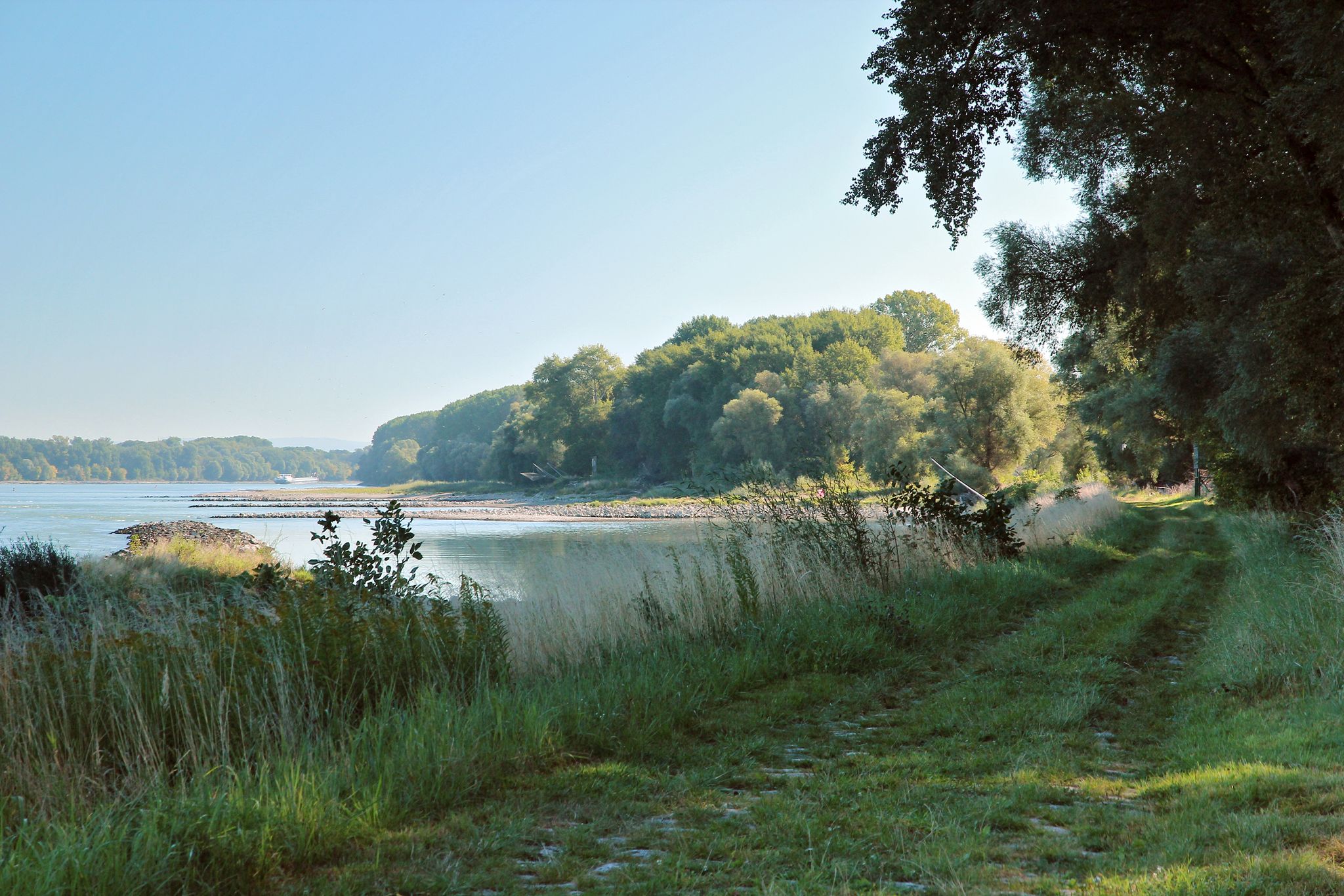
From Vienna to the state border at Hainburg - Tours in the National Park Donau-Auen
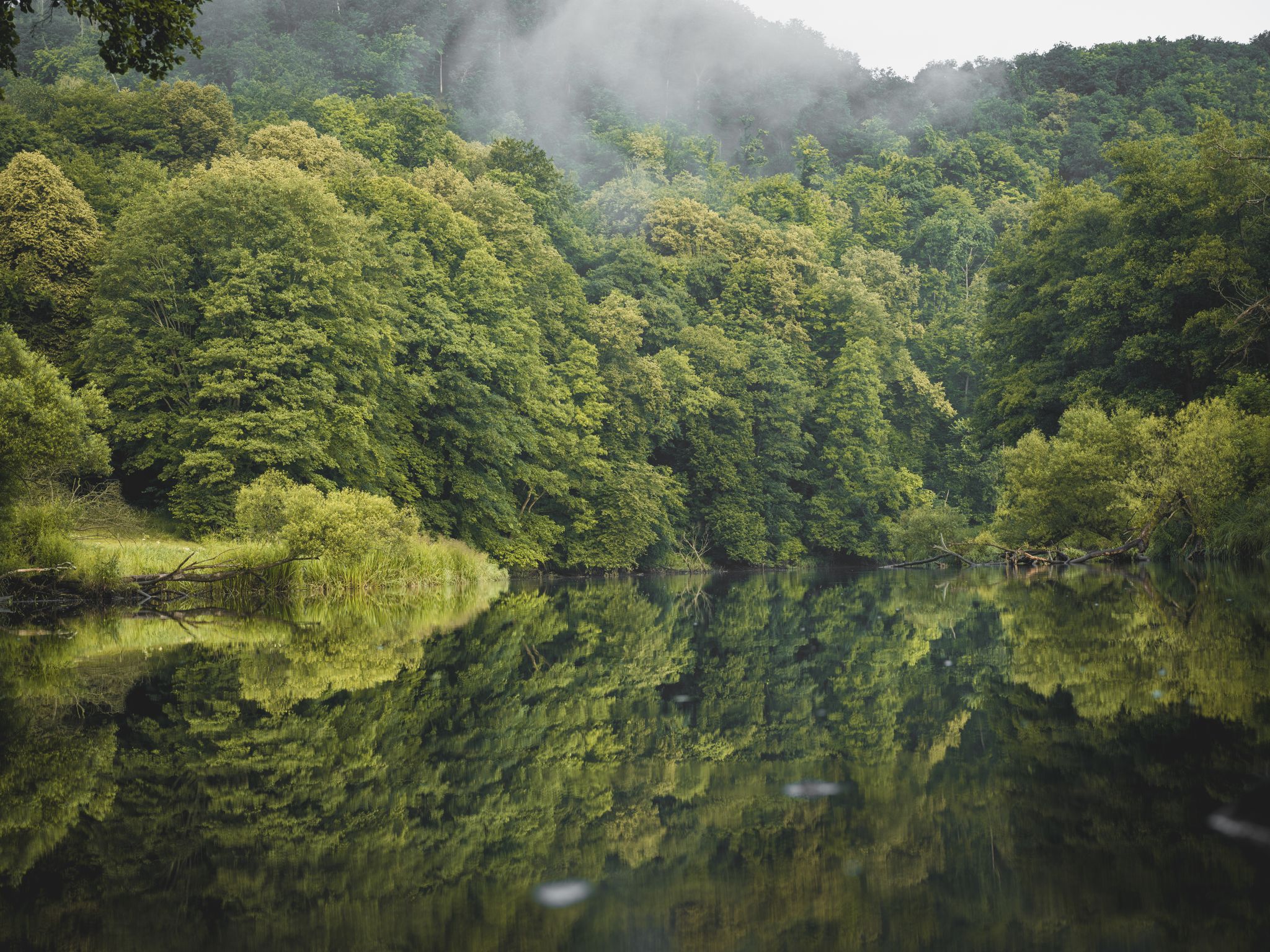
Discover the Thayatal National Park
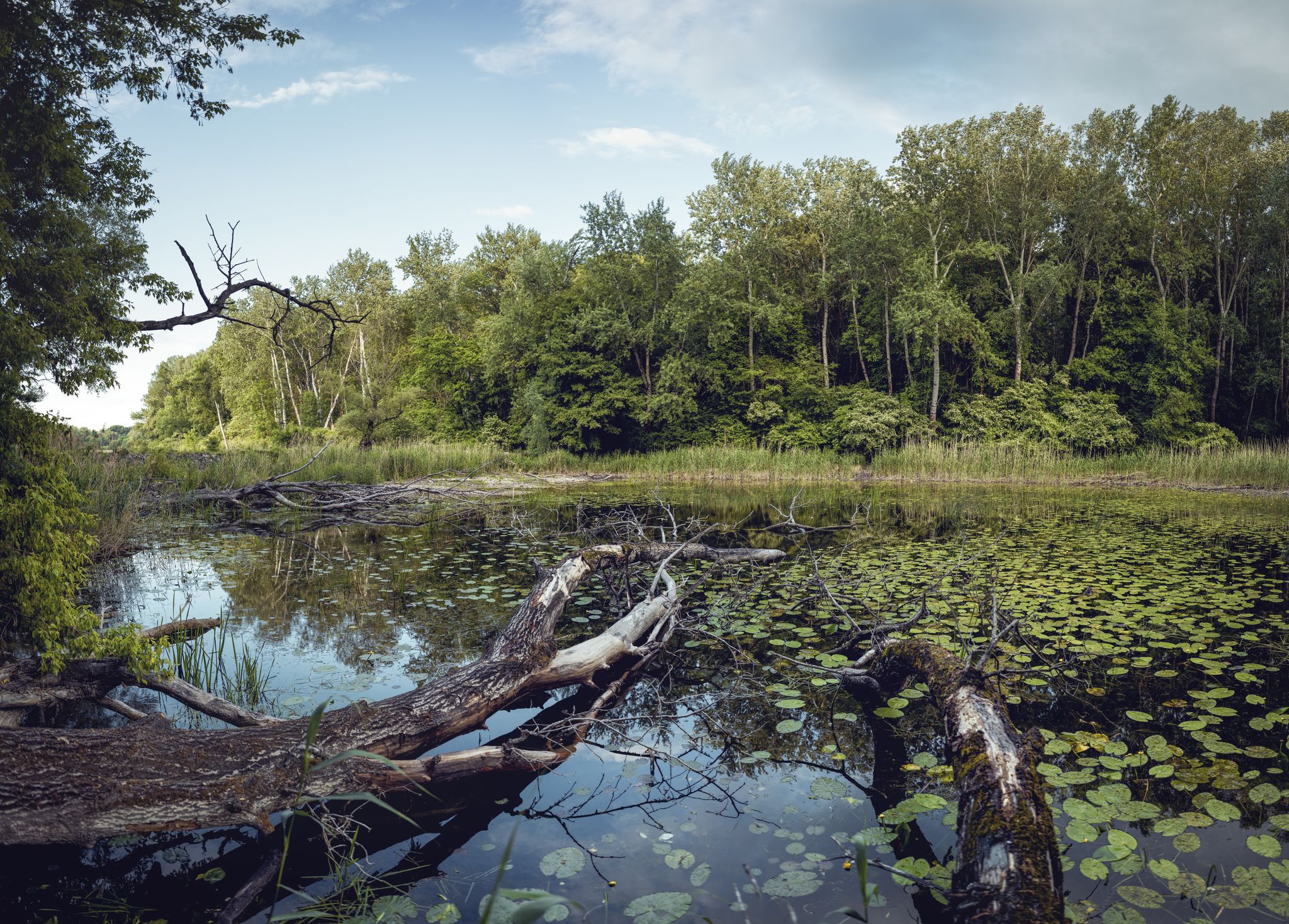
Discover the Donau-Auen National Park
The most beautiful bike discovery Tours in Lower Austria
Cycling away from the crowds – Austria’s Kamp-Thaya-March Cycle Route
Other adventures in the Weinviertel


Tips from the Community

Mysterious cave systems In Kapellenberg near Althöflein, something mysterious is hidden: so-called Erdställe, an artificially created cave system by humans of approx. 270 m length. Tunnels and chambers are located on several levels, which are connected to each other. The underground passages can be visited during the opening hours of the Erdstall Museum, which tells about the complex.
0
0

These huts used to serve as shelter for the vineyard keepers, who guarded the valuable grapes from theft.
1
0

Info view and insight, with rest bench under the tree.
3
0

The Wullersdorf Brick Museum has an exhibition about regional bricks and their importance for the region. In addition to explaining the craft processes and techniques used to make them, historical bricks, tools and equipment for making bricks can be seen. The museum is housed in the Fertinantkeller and is also the entrance to the medieval escape complex on Wullersdorf's main square. https://www.noemuseen.at/museum/detail/wullersdorfer-ziegelmuseum/
0
0

Unique arrangement with circular path and "border" with cellar lane.
0
0

The story behind it is rather sad.
1
0
The Mariengrotte is a 15-meter-high half-cave beneath the Falkenstein castle ruins, which was designed as a Lourdes grotto in 1889. The larger-than-life statues - of the Mother of God and St. Bernadette - are the work of Theodor Haf from Pfronten, a sculptor in Munich.
1
0

The Klafterbrunnerhöhle is a 28 m long cave in a quarry of the Ernstbrunner limestone breccia with 3 and, since a ceiling collapsed in 1998, 4 entrances
0
0
Frequently Asked Questions
What makes the caves in the Weinviertel region unique?
The Weinviertel region offers a distinctive mix of natural caves, historical man-made shelters, and extensive cellar systems. Many of these are carved into the region's characteristic loess soil, providing insights into both geological formations and the cultural heritage of the area, such as the historic Schwedenhöhlen and the vast Retzer Erlebniskeller.
Are there historical caves to explore in the Weinviertel?
Yes, the Weinviertel is rich in historical subterranean sites. You can visit the Swedish Caves, a network of man-made tunnels believed to have served as shelters during the Thirty Years' War. Another notable site is the Herrnbaumgarten Cave Dwellings, which are free to visit and offer a glimpse into past living conditions. Additionally, the Wullersdorf Brick Museum and Medieval Escape Tunnels combine historical exhibits with underground exploration.
Which caves are suitable for families with children?
Several caves in the Weinviertel are family-friendly. The Swedish Caves and Herrnbaumgarten Cave Dwellings are good options. The Lourdes Grotto Falkenstein, a religious and natural monument, is also suitable for families. For a unique experience, consider the Wullersdorf Brick Museum and Medieval Escape Tunnels.
What kind of natural cave formations can I see?
The Weinviertel features several natural cave formations. The Hermit's Cave is a natural monument known for its formations, though access can be challenging. The Lourdes Grotto Falkenstein is a 15-meter-high half-cave. You can also visit the Klafterbrunner Cave, another natural monument.
Are there any challenging caves for experienced explorers?
Yes, for those seeking a more challenging experience, the Hermit's Cave is noted for its challenging access and natural formations. Visitors should be cautious as there is no backup for climbing.
What outdoor activities can I do near the caves in the Weinviertel?
The Weinviertel offers various outdoor activities. You can find numerous easy hikes, running trails, and road cycling routes. For hiking, explore options like the Stopfenreuther Danube Round or the Hardegg circular hiking trail. Cyclists can enjoy routes such as the Greifenstein Danube Oxbow. You can find more details on these activities in the easy hikes, running trails, and road cycling routes guides for the Weinviertel.
What should I wear when visiting caves in the Weinviertel?
Temperatures inside caves, especially extensive cellar systems like the Retzer Erlebniskeller, can be consistently cool, often around 10 °C (50 °F), even in summer. It's advisable to wear layers and bring a light jacket or sweater. Comfortable, sturdy shoes with good grip are also recommended, as surfaces can be uneven or damp.
What is the best time of year to visit the caves?
Many caves and cellar systems, like the Retzer Erlebniskeller, maintain a constant cool temperature year-round, making them suitable for visits in any season. Historical sites like the Swedish Caves are accessible through marked entrances, but their stability can be affected by weather and erosion, so checking local conditions is recommended, especially after heavy rain or during winter.
Are there any unique underground museums or experiences?
Yes, the Weinviertel offers unique underground experiences. The Retzer Erlebniskeller, Austria's largest historic cellar, provides guided tours through 20 kilometers of tunnels. The Erdstall Museum Althöflein focuses on medieval underground passages, offering another historical perspective. Additionally, the Wullersdorf Brick Museum and Medieval Escape Tunnels combines a museum with exploration of escape tunnels.
What do visitors enjoy most about the caves in the Weinviertel?
Visitors appreciate the combination of historical intrigue and natural exploration. The hushed atmosphere inside sites like the Swedish Caves allows for imagining the lives of those who sought refuge. The Herrnbaumgarten Cave Dwellings are noted for being interesting and free to visit, with useful information boards. The Hermit's Cave is valued for its natural beauty and the story behind it.
Can I find viewpoints near the caves?
Yes, some cave locations offer scenic viewpoints. For instance, the View of Caves and Huts in the Vineyard provides a picturesque perspective of the landscape, combining natural features with the region's viticultural heritage.
Most popular routes in the Weinviertel
Most popular attractions in the Weinviertel

Get inspired with the komoot mobile app


Didn’t find what you were looking for?
Discover more caves in the Weinviertel region by region:
Explore more
Extend your search for the best caves by checking out these guides of the top ones in the Weinviertel:
