Top 20 Caves in the Waldviertel
Best caves in the Waldviertel offer a diverse range of natural and historical underground formations. This region in Lower Austria is characterized by its untouched nature and unique geological features. Visitors can explore various cave types, from ancient rock shelters to granite formations. The Waldviertel provides opportunities to discover significant archaeological sites and impressive natural monuments.
Best caves in the Waldviertel
- The most popular caves include Steinerner Saal Rock Shelter and Cairns, a cave that features a 30-meter-wide and…
Last updated: September 29, 2026
Gudenus Cave
Highlight • Cave
Translated by Google •
Tip by

Fleischbank Rock Formation
Highlight • Natural Monument
Translated by Google •
Tip by

Sign up now to discover places like this
Get recommendations on the best single tracks, peaks, & plenty of other exciting outdoor places.
Lohnbachfall – Steinerne Stube
Highlight • Waterfall
Translated by Google •
Tip by

Steinerner Saal Rock Shelter and Cairns
Highlight • Cave
Translated by Google •
Tip by

Grasel Cave
Highlight • Cave
Translated by Google •
Tip by

Stone cave
Highlight • Cave
Translated by Google •
Tip by

Lower Hackelstein Rock Shelter
Highlight • Natural Monument
Translated by Google •
Tip by

Luagalucka Cave Dwellings
Highlight • Cave
Translated by Google •
Tip by

Luaga Lucka Granite Cave
Highlight • Cave
Translated by Google •
Tip by

Muschelhöhle (Shell Cave)
Highlight • Cave
Translated by Google •
Tip by

Sign up for free to discover even more caves in the Waldviertel.
Already have an account?
Start today with a free account
Your next adventure awaits.
Popular around Waldviertel
Ysper-Weitental circular hiking trail – Unwind in Austria
North-South Trail through Austria – Small country, big paths!
Nordwaldkamm trail – Hiking between the Czech Republic and Austria
The Path of Life — A (spiritual) hike through northeastern Austria
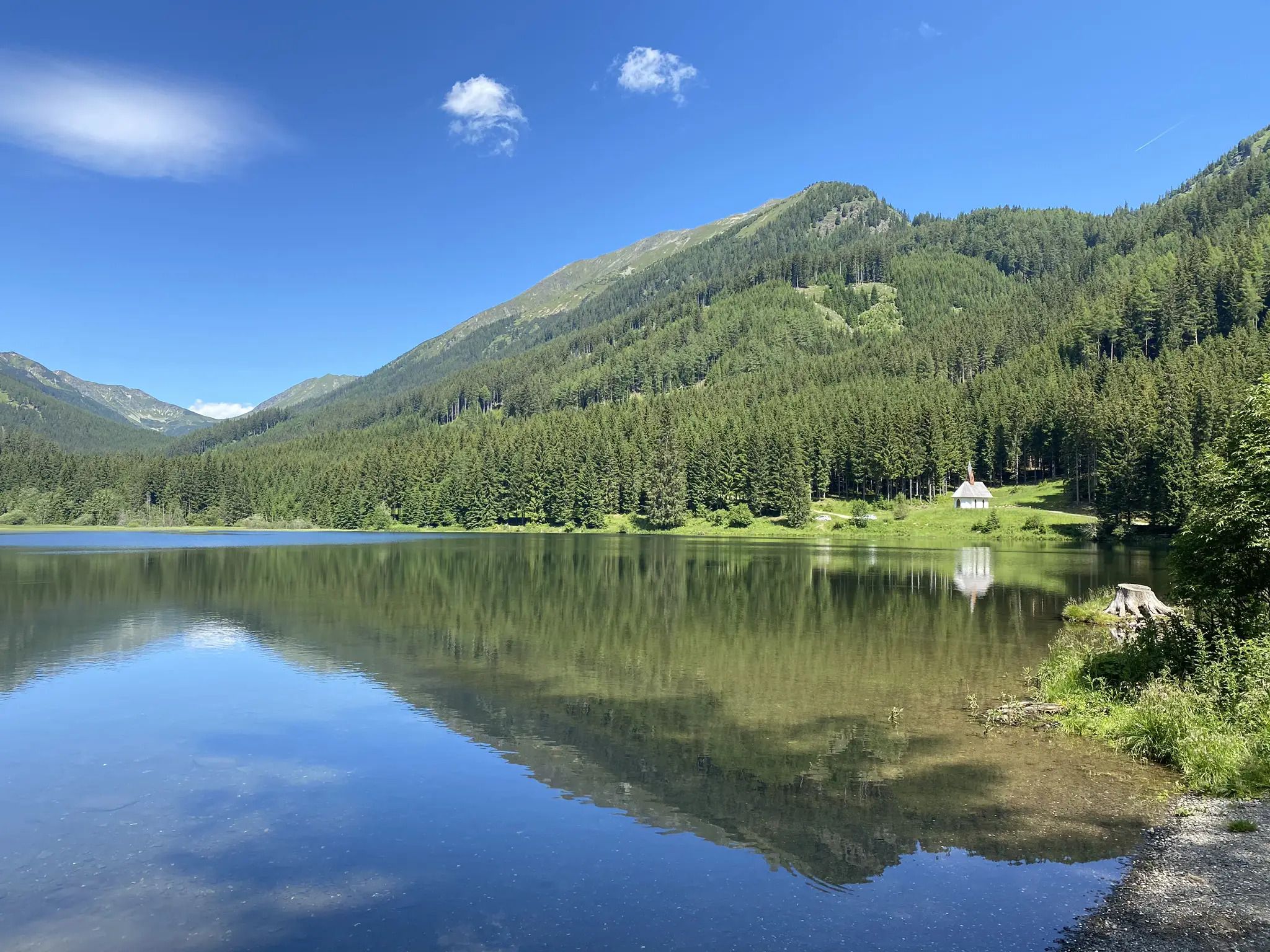
Eisenwurzen Trail – Hiking through Austria from north to south
Kremstal Trail — Hiking along rivers through Lower Austria
Where history meets nature at its finest – trekking along the river Lainsitz
Hiking with a view – certified hiking villages in Lower Austria
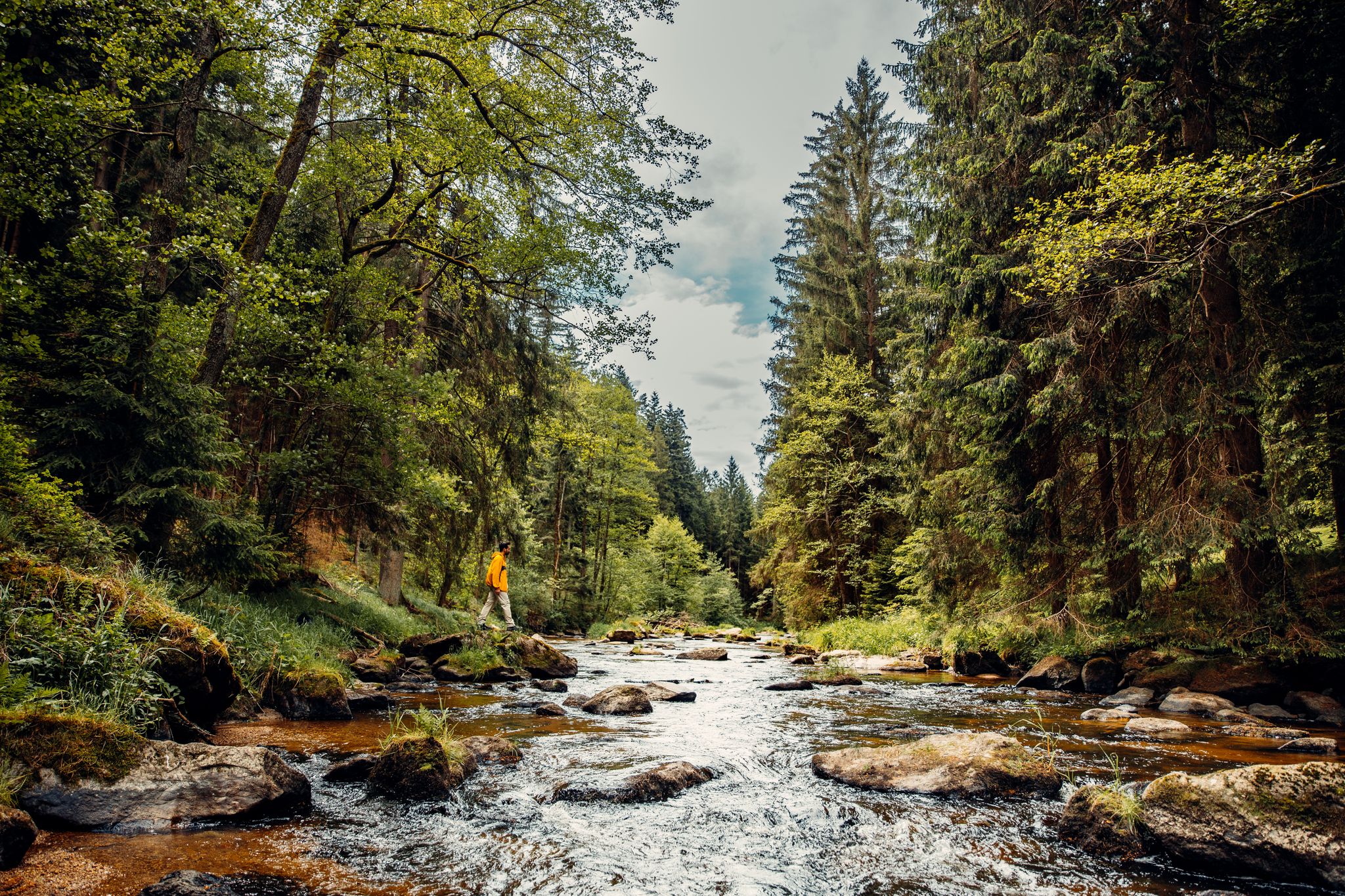
Cliffs, a gorge and vineyards – day hikes in the Waldviertel
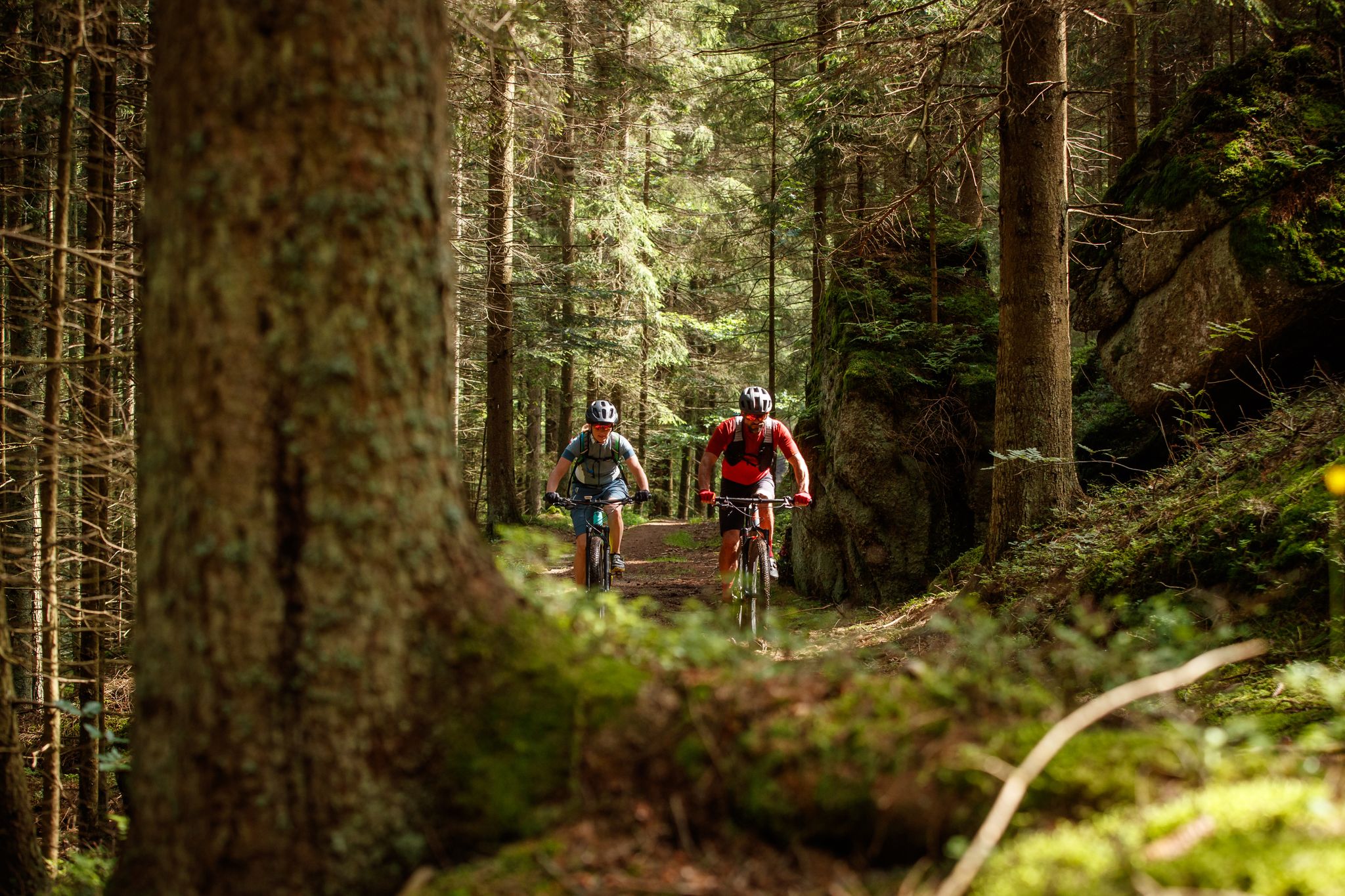
Between bizarre rocks and pristine forests – MTB in the Waldviertel
Other adventures in the Waldviertel


Tips from the Community

In the cool Fleischbankhöhle cave, food (meat) was stored in the past
0
0

Very impressive rock formation that lies directly along the mountain bike trail. You should plan a little time, there is a lot to discover here. A visit is definitely worthwhile.
0
0

The Luaga Lucka is an impressive rock formation and a natural granite cave formed by layered boulders, offering cavities such as the “Kuchl” or the “Liegestatt”.
2
0

Please do not deface it!!! Below Hartenstein Castle lies the Gudenus Cave, which was carved out of the riverbank and inhabited by Neanderthals during the Stone Age. Traces of settlement dating back almost 100,000 years were discovered there, including hand axes and other tools. Due to historical preservation, the bridge could no longer be rebuilt unless the cave was sealed.
0
0
An impressive natural monument. The climb, approximately 15 minutes and 85 meters in elevation, is well worth it. The Stone Hall is part of the Kremstal Canyon, a region with other interesting caves such as the Gudenus Cave and the Eichmayer Cave. A 30-meter-wide and eight-meter-high rock roof. This sheltered site was frequented by Ice Age hunters. Neanderthal stone tools from the Middle Paleolithic and the end of the last Ice Age were found here.
0
0

A beautiful natural monument. Those with a certain amount of surefootedness can enjoy the unspoiled nature of the Lohnbach Falls, which are made up of stones, roots, and wooden steps.
0
0

The entrance to the cave is overgrown, which is a pity.
0
0

Unfortunately, the cave is in very poor condition and access is restricted.
0
0
Frequently Asked Questions
What types of caves can I explore in the Waldviertel region?
The Waldviertel offers a diverse range of underground formations, including ancient rock shelters, granite formations, and historically significant archaeological sites. You can find everything from natural monuments to caves with evidence of prehistoric human activity.
Are there any caves in the Waldviertel with significant historical or archaeological importance?
Yes, several caves in the Waldviertel are rich in history. The Gudenus Cave is particularly notable for its archaeological finds, including artifacts from Neanderthals and the oldest musical instrument in Austria, a bone flute. The Steinerner Saal Rock Shelter and Cairns also features evidence of Ice Age hunters and Neanderthal tools. Additionally, the Einhornhöhle (Unicorn Cave) is known for cave bear remains and prehistoric settlement evidence.
Which caves in the Waldviertel are suitable for families with children?
For families, the Stone cave is a great option, featuring an S-shaped passage and Stone Age images painted inside, which can be fun for children. The Grasel Cave is also listed as family-friendly. When planning a visit, it's always good to check specific accessibility for younger children.
What natural features can I expect to see in and around the Waldviertel caves?
Beyond the caves themselves, the region is known for its untouched nature. You can find impressive rock formations like the Fleischbank Rock Formation, and natural monuments such as the Lohnbachfall – Steinerne Stube, which combines a waterfall with a cave. Many caves are nestled within forests, offering scenic surroundings.
What is the best time of year to visit the caves in the Waldviertel?
The Einhornhöhle is generally open from Easter Monday to the end of September. For other natural caves and rock shelters, spring to autumn typically offers the most pleasant weather for exploring the surrounding areas and trails. It's advisable to check specific opening hours and accessibility for individual caves, as some may have limited seasons.
Are there any unique or 'hidden gem' caves in the Waldviertel?
The Luaga Lucka Granite Cave is an impressive granite rock formation with several small accessible rooms, believed to have been used as a shelter. The Haidl-Keller in Thaya, a large cellar-cave, is unique because it can now be navigated by boat due to its connection with an old well.
What outdoor activities can I do near the caves in the Waldviertel?
The Waldviertel region is excellent for outdoor enthusiasts. You can find various routes for gravel biking, mountain biking, and mountain hikes. For example, you can explore gravel biking routes like the Langenlois and Gföhl Gravel Tour, or tackle MTB trails such as the Weinstein Tour. There are also challenging mountain hikes, including the Dürnstein Castle Ruins loop.
What should I wear when visiting caves in the Waldviertel?
Cave temperatures are consistently cool, even in summer. It's recommended to wear warm layers and sturdy, closed-toe shoes with good grip. Some caves may have uneven or wet surfaces, so appropriate footwear is essential for safety and comfort.
Are there any caves in the Waldviertel that are particularly challenging to access?
Some natural rock shelters and caves, like the Lower Hackelstein Rock Shelter, may require climbing a few stones to access. The Steinerner Saal Rock Shelter and Cairns involves an arduous climb, though visitors find the impressive natural monument well worth the effort. Always check the difficulty ratings for specific highlights if you're looking for a challenge.
What do visitors enjoy most about exploring the caves and rock shelters in the Waldviertel?
Visitors frequently highlight the impressive natural monuments and the historical significance of the sites. Many appreciate the unique geological formations, the sense of discovery, and the opportunity to connect with ancient history. The peaceful and scenic surroundings, often within forests, also contribute to a memorable experience.
Are there guided tours available for any of the caves?
Yes, guided tours are available for some of the more developed caves. For instance, the Einhornhöhle offers guided tours that showcase its stalactites, stalagmites, and cave bear remains. It's best to check the specific cave's website or local tourism information for tour schedules and booking requirements.
Most popular routes in the Waldviertel
Most popular attractions in the Waldviertel

Get inspired with the komoot mobile app


Didn’t find what you were looking for?
Discover more caves in the Waldviertel region by region:
Explore more
Extend your search for the best caves by checking out these guides of the top ones in the Waldviertel:
