Top 10 Caves in the Burgenland
Best caves in the Burgenland are found in Austria's easternmost state, offering a selection of natural caves and rock formations. The region features geological interests and opportunities for exploring hidden natural wonders. Many sites are protected natural monuments, some with historical or archaeological significance. These locations provide insights into the area's natural history and past human activities.
Best caves in the Burgenland
- The most popular caves is Kürschnergrube Cave and Quarry, a cave that is approximately 120 meters long,…
Last updated: June 25, 2026
Kürschnergrube Cave and Quarry
Highlight • Cave
Translated by Google •
Tip by

Grafenlucke (Gypsy Cave)
Highlight • Cave
Translated by Google •
Tip by

Sign up now to discover places like this
Get recommendations on the best single tracks, peaks, & plenty of other exciting outdoor places.
Sign up for free
Bear Cave (Winden am See)
Highlight • Cave
Translated by Google •
Tip by
Teufelsloch
Highlight • Cave
Translated by Google •
Tip by
Mithras Grotto
Highlight • Cave
Showing Translation
Tip by

Johannesgrotte
Highlight • Cave
Translated by Google •
Tip by
Hankohöhle Rock Carvings
Highlight • Cave
Translated by Google •
Tip by

Wood Carvings Park Opposite Grafenlucke Cave
Highlight • Structure
Translated by Google •
Tip by

Natural Cave in the Forest
Highlight • Cave
Translated by Google •
Tip by

Natural Caves and Rock Formations
Highlight (Segment) • Cave
Translated by Google •
Tip by
Start today with a free account
Your next adventure awaits.
Login or Signup
Popular around Burgenland
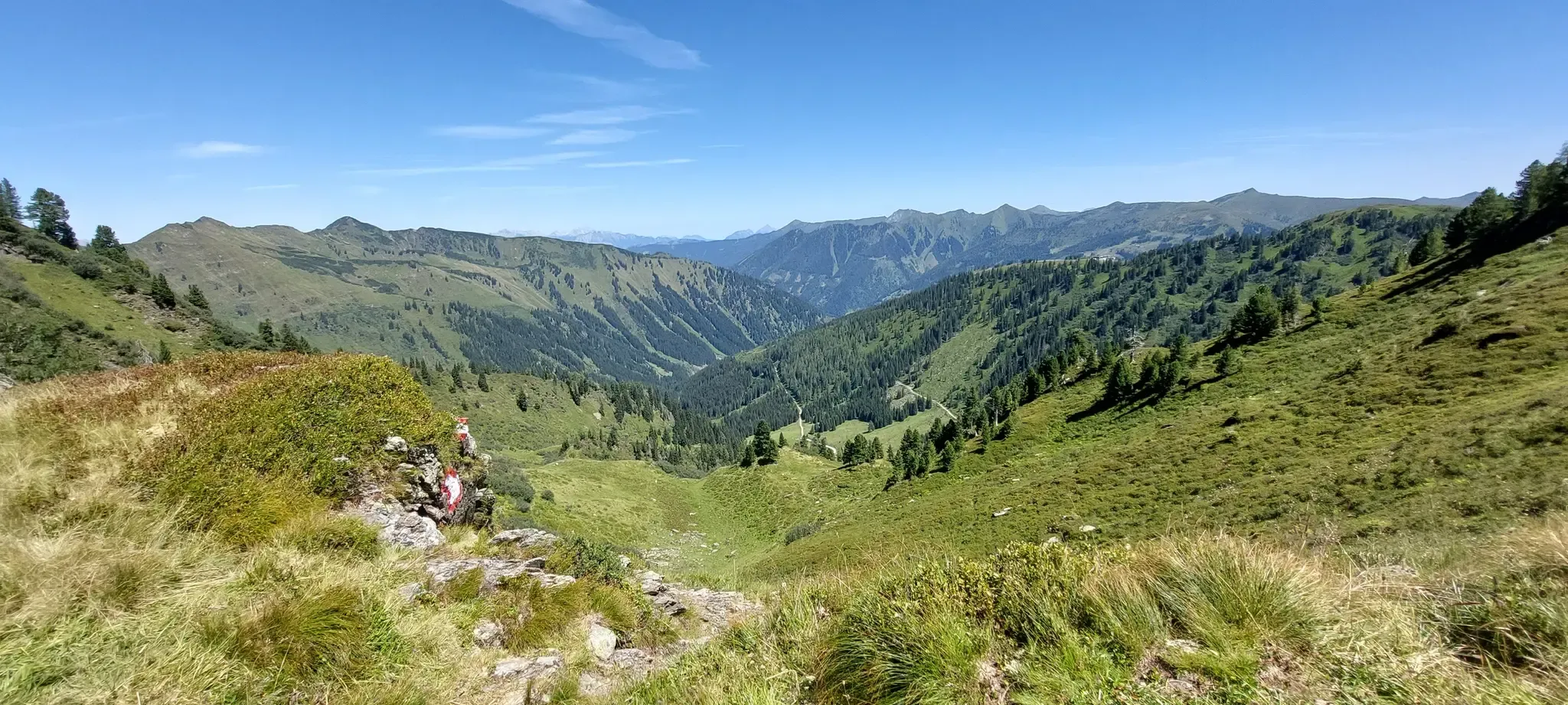
Central Alps Trail Eastern Section – Discover Austria
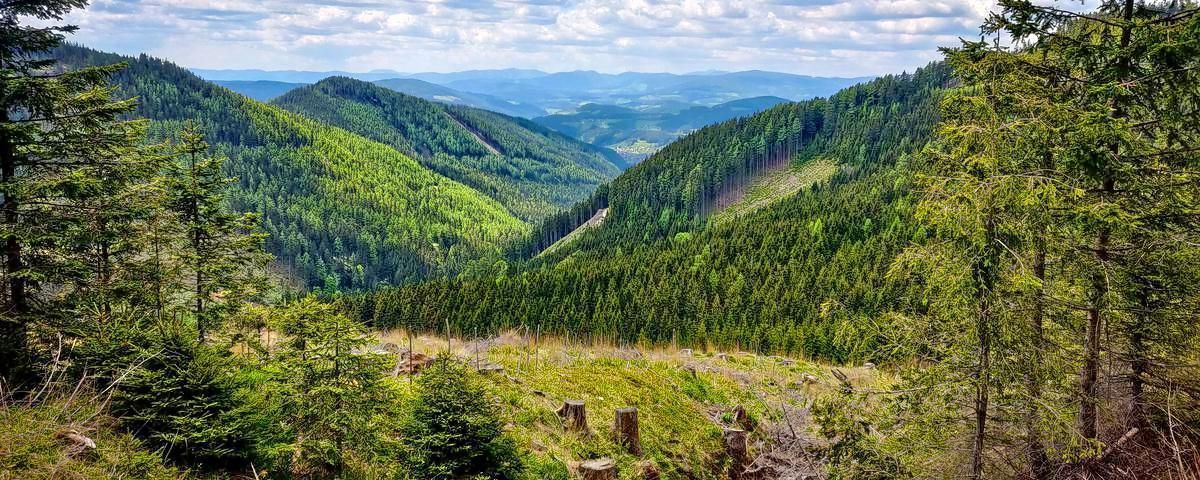
Alpannonia – Crossing borders from Austria to Hungary
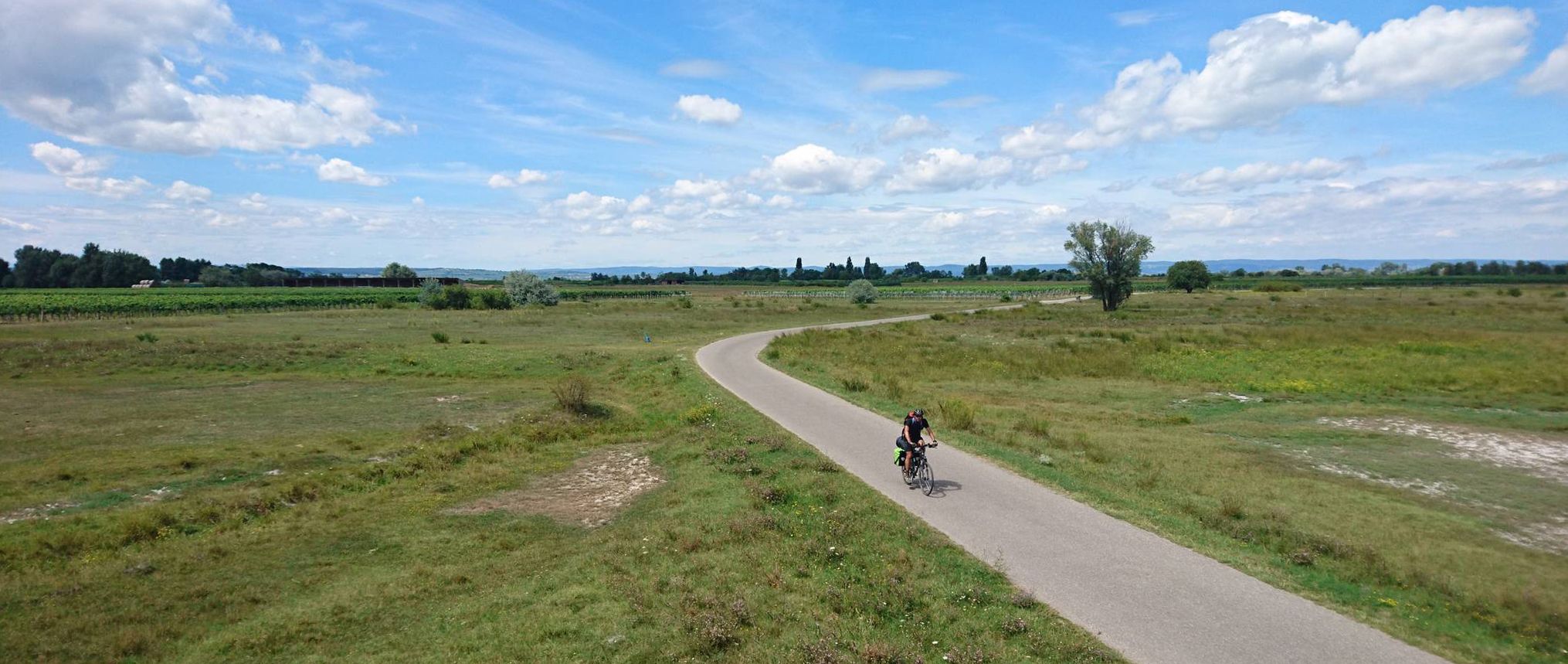
Lake Neusiedl cycle path — three days, two countries, one lake
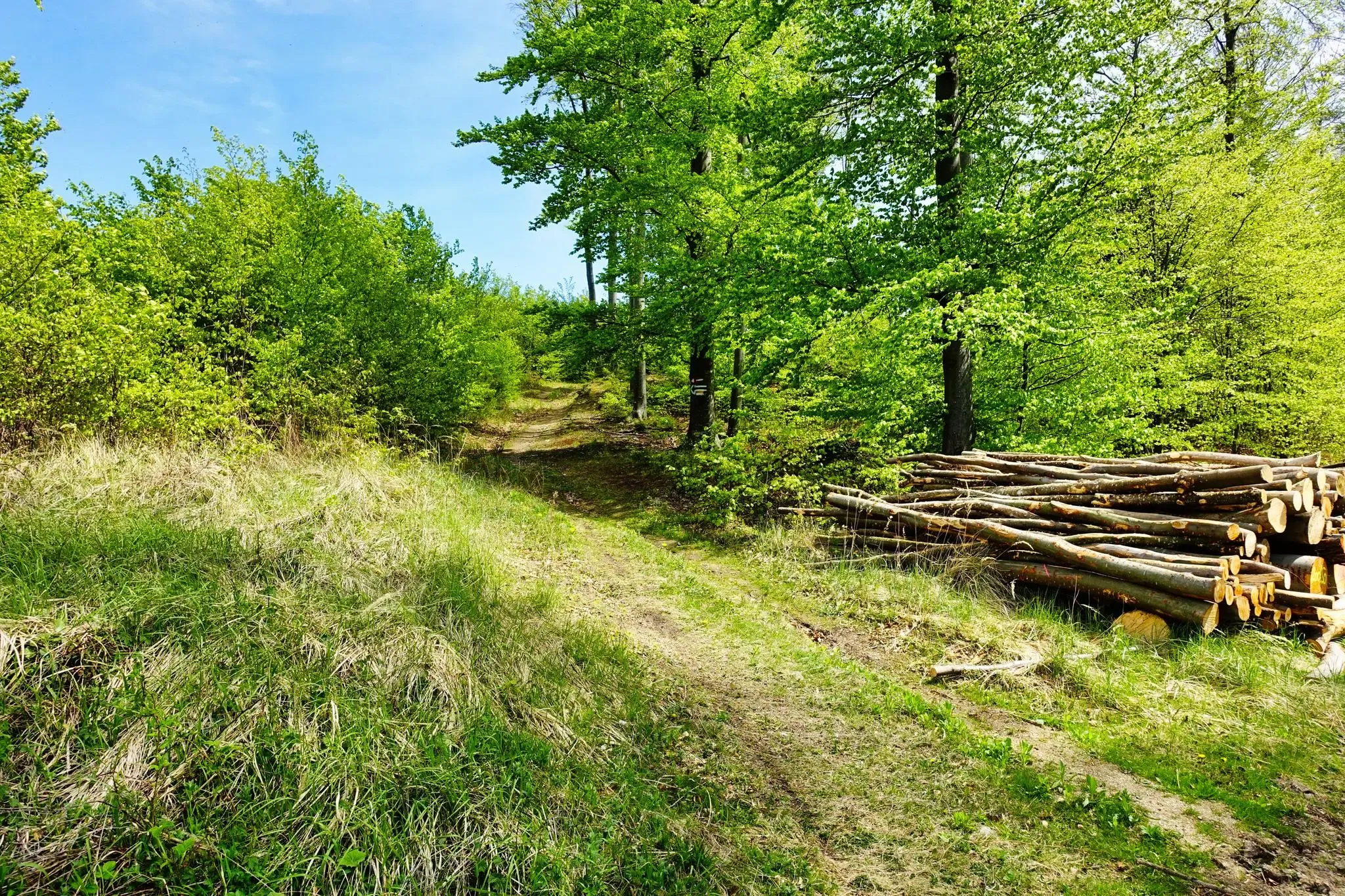
Rosalia Trail Challenge – Running on wonderful Forest paths
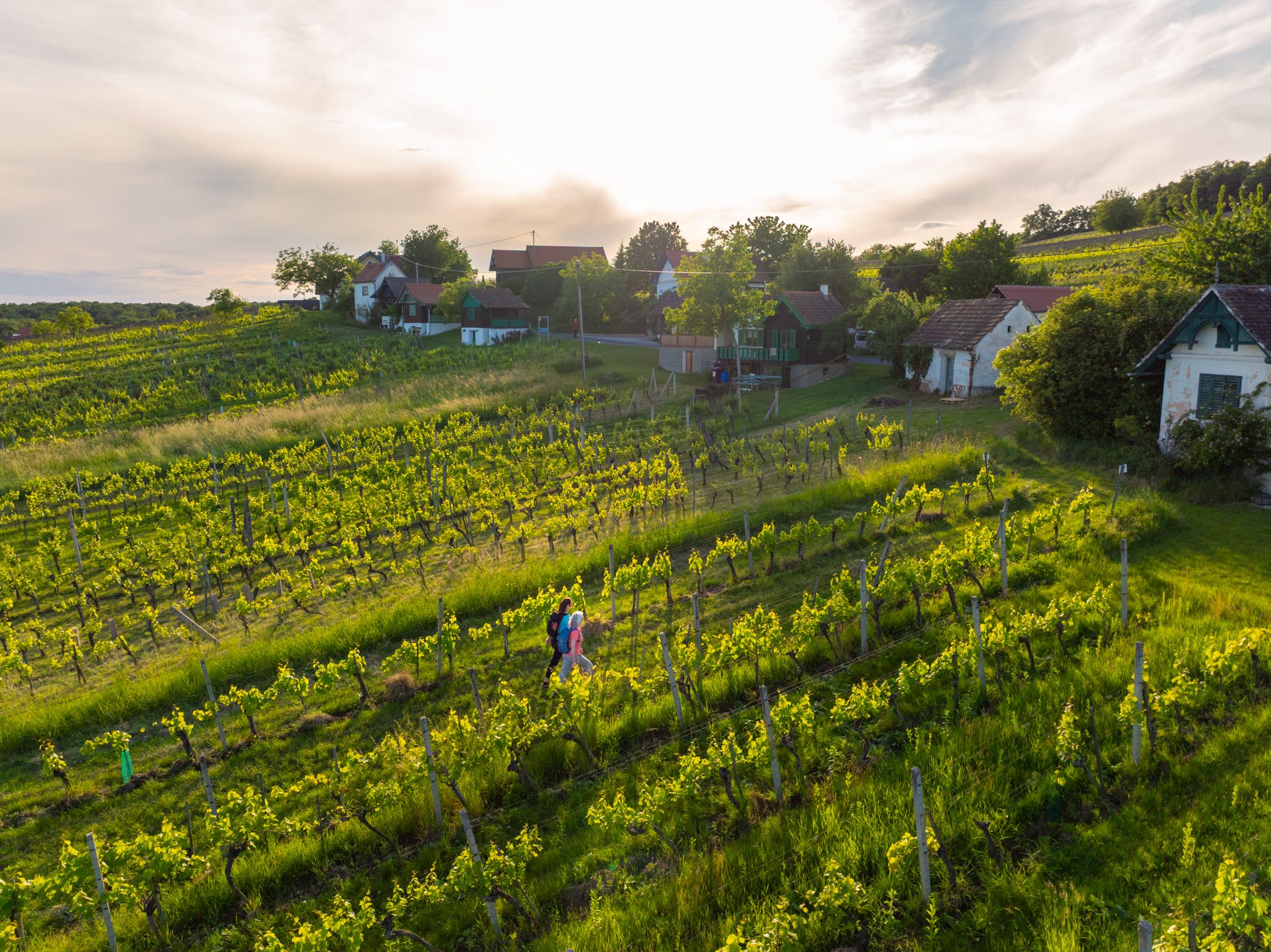
Wine, forests and vistas – pleasure trails through Südburgenland
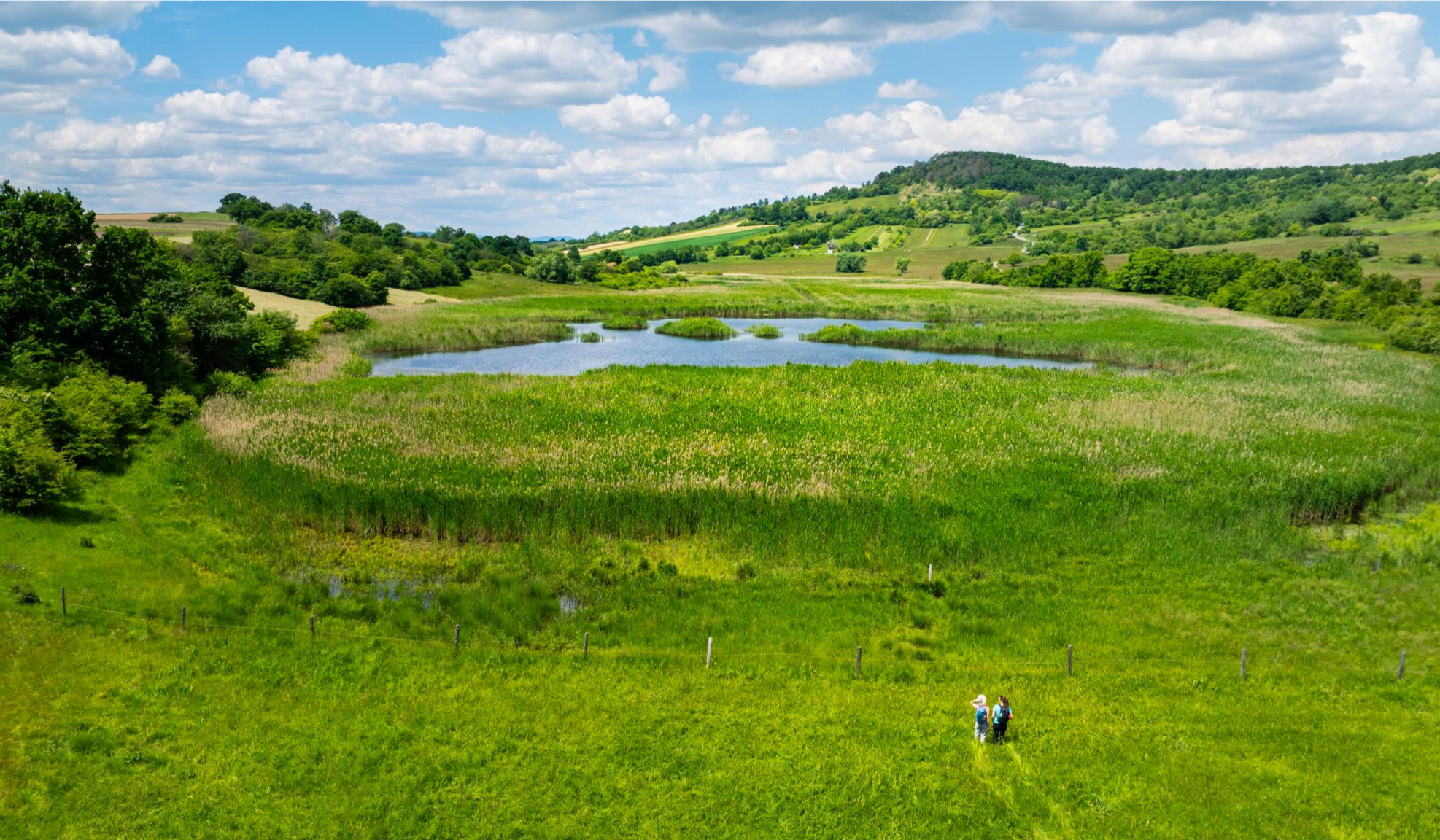
Pure enjoyment – hiking in the Mittelburgenland-Rosalia region
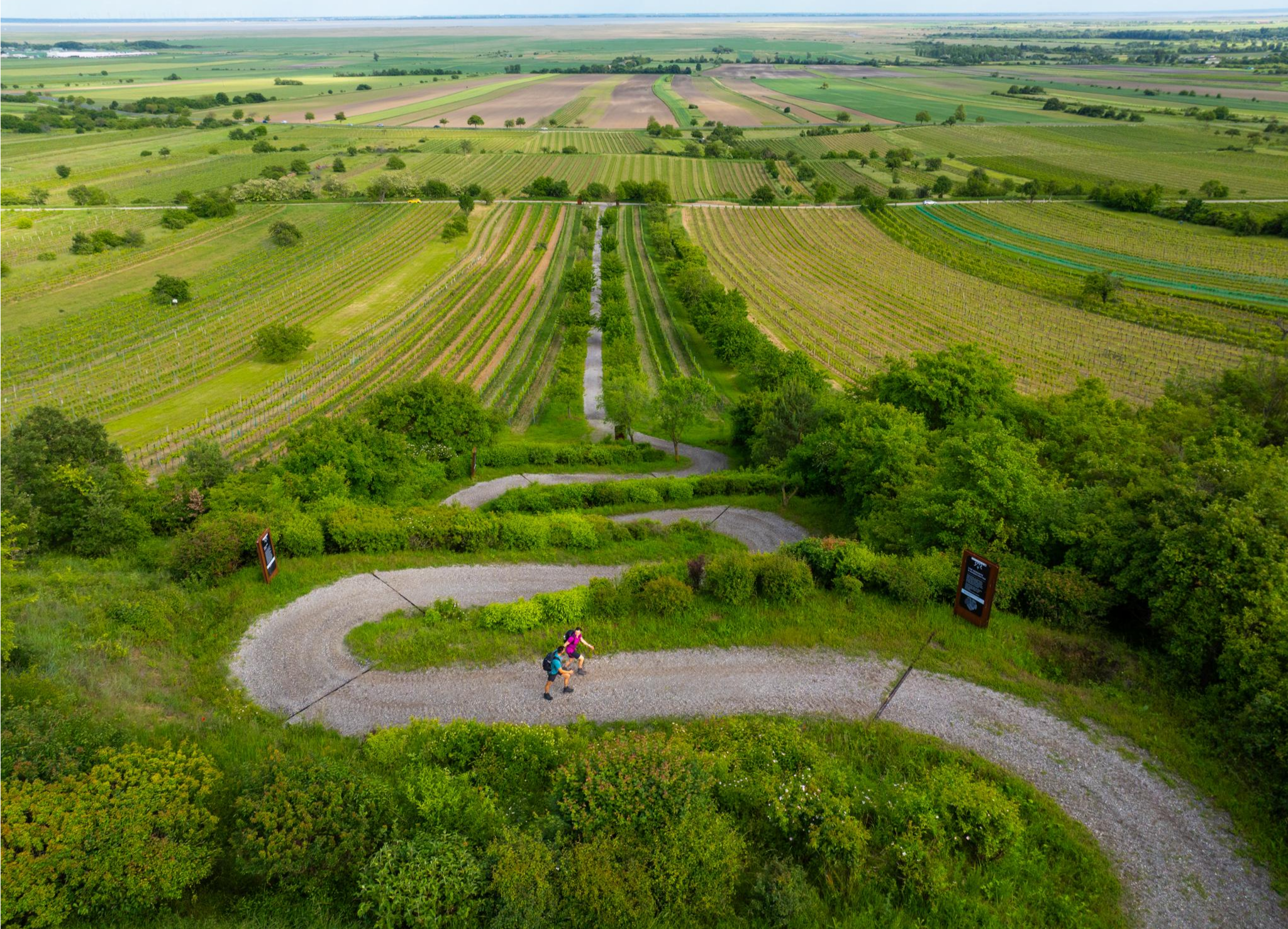
Wine and wide vistas – hiking in Nordburgenland
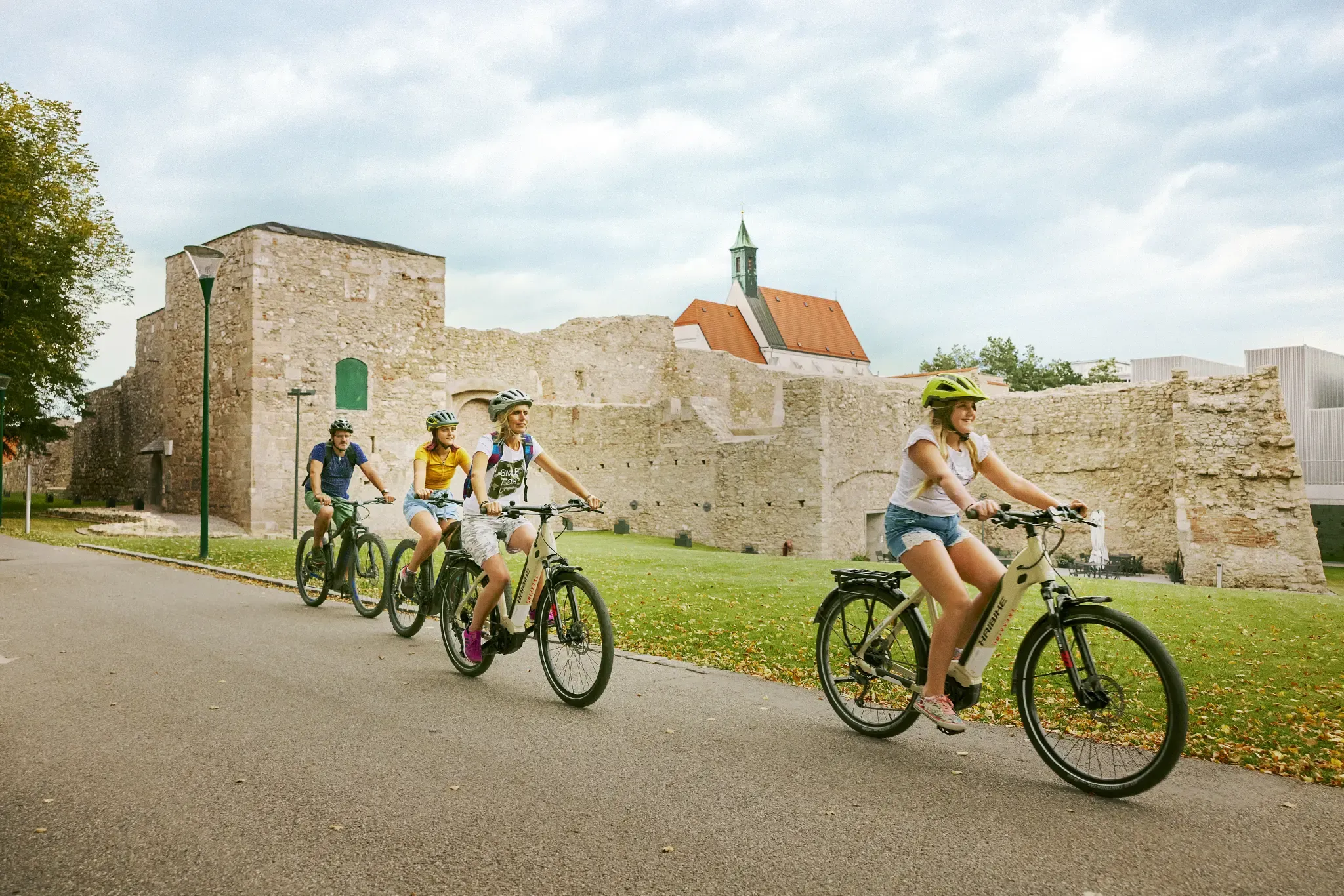
In all directions – bike rides out from Wiener Neustadt
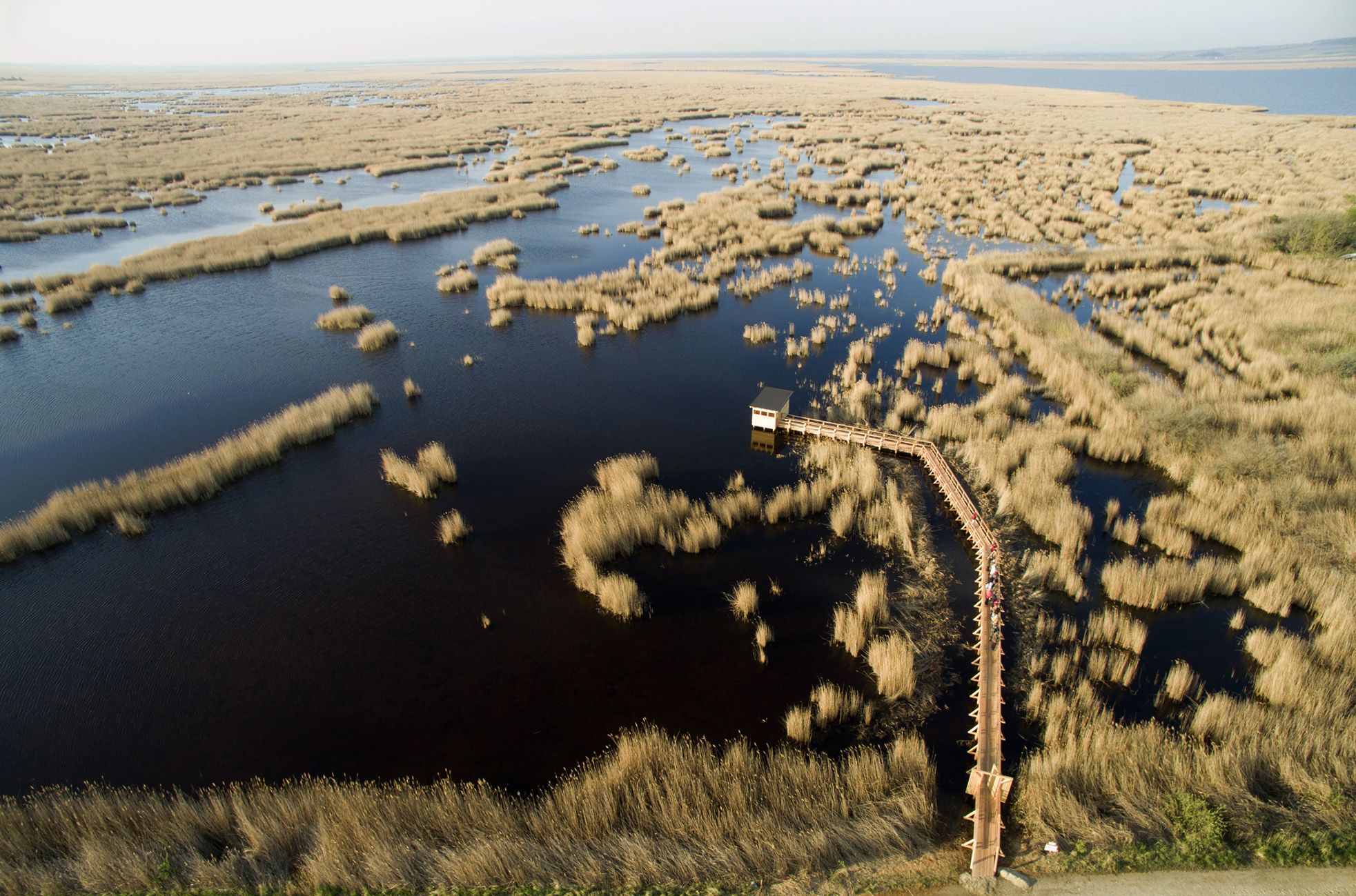
Discover the Neusiedler See-Seewinkel National Park – between Austria and Hungary
Jubiläumsradweg cycle path through Burgenland
Other adventures in the Burgenland


Tips from the Community

Beautiful landscape around the lake
3
0

Opposite the Grafenlucke cave is this small nature reserve with some tree carvings. Unfortunately, access is not permitted, as it is private!
2
0

The cave in the Kürschnergrube (120m x 40m x 6m) is about 23 m long and 11 m deep.
2
0
The limestone cave is 17 meters long and is located about a 30-minute walk north of Eisenstadt.
0
0

You can see interesting rock carvings.
0
0


The Kürschnergrube is a long-abandoned quarry with an adjoining cave. Experience prehistory and enjoy the peace and quiet Special feature Abandoned quarry with rock grotto. Cave, fossils, Leitha limestone
5
1
Up a few steps and then you can take a look at the 2 locked gates!
3
0
Frequently Asked Questions
What kind of natural features can I expect in Burgenland's caves?
Burgenland's caves are primarily natural geological features, often rock crevices and fissure caves. While not known for large, developed show caves with extensive stalactite formations, they offer unique insights into the region's geology. For example, the Kürschnergrube Cave and Quarry is a significant geological site, and many others are protected natural monuments.
Do any caves in Burgenland have historical or archaeological significance?
Yes, several caves in Burgenland are historically significant. The Bear Cave (Winden am See), also known as Ludlloch, is notable for Ice Age cave fauna findings, including cave bear remains. The Grafenlucke (Gypsy Cave) has historical human use, having been inhabited by Roma and Sinti people. The Teufelsloch served as a hiding place during the Russian occupation. Additionally, the Mithras Grotto and Hankohöhle Rock Carvings also hold historical interest.
Are the caves in Burgenland generally accessible or challenging to explore?
The accessibility and challenge level vary. Many natural caves and rock formations in Burgenland, especially those in rugged terrain, may require a degree of physical ability to explore. Some, like the Bear Cave, have barred entrances due to their protected status, meaning they are not open for general exploration. Others, like the Grafenlucke, are more open half-caves.
Are there family-friendly caves in Burgenland?
While Burgenland doesn't feature large, developed show caves typically designed for families, some sites offer easier access and historical context that can be interesting for older children. The Grafenlucke (Gypsy Cave), for instance, has a forecourt suitable for picnics and is part of a small natural park with tree carvings, which can be a pleasant stop for families.
When is the best time to visit the caves in Burgenland?
Burgenland's caves are natural formations, and many are outdoors or have open entrances. Therefore, visiting during milder weather, typically spring to autumn, would be most comfortable. Some caves, like the Grafenlucke, are noted to have bats in spring and autumn, which might influence your visit if you wish to avoid disturbing them or are interested in wildlife observation.
What outdoor activities can I combine with a visit to the caves?
The Burgenland region offers a variety of outdoor activities that can be combined with cave visits. You can find numerous cycling routes, including Road Cycling Routes, Gravel Biking, and general Cycling routes. Many caves are situated in natural areas, making them suitable starting points for walks or hikes, though specific hiking routes directly to each cave might vary.
What is unique about the Bear Cave (Winden am See)?
The Bear Cave (Winden am See), also known as Ludlloch, is considered the only natural cave in Burgenland with significant findings of Ice Age cave fauna. Archaeological excavations uncovered bone remains of Ice Age cave bears, brown bears, cave hyenas, and wolves. It is a protected natural monument and serves as a habitat for bats, including the large mouse-eared bat.
Can I explore the caves freely, or are there restrictions?
Many caves in Burgenland are protected natural monuments, and some have restrictions. For instance, the entrances to the Bear Cave (Winden am See) have been barred since 1978 to protect the site and its bat population. It's advisable to check local regulations or signage before attempting to enter any natural cave, as some may be closed for conservation or safety reasons.
Are there any caves known for rock carvings in Burgenland?
Yes, the Hankohöhle Rock Carvings are mentioned as a notable point of interest in the region, specifically known for its rock carvings. This highlights the historical and artistic aspects that can be found within Burgenland's cave systems.
What is the Johannesgrotte, and what can I expect there?
The Johannesgrotte is a natural cave, approximately 17 meters long, located in a forest. It is described as a fascinating and very quiet place, often used as a rest area. While the exact reason for its name is not widely known, it offers a peaceful natural setting for visitors.
Are there any caves in Burgenland that were used as hiding places?
Yes, the Teufelsloch, also known as the Sulzberg cave, gained historical significance as a hiding place. During the Russian occupation in World War II, part of the local population from Stotzingen hid there for 14 days, making it a site of historical interest and reflection.
Most popular routes in the Burgenland
Most popular attractions in the Burgenland

Get inspired with the komoot mobile app


Didn’t find what you were looking for?
Discover more caves in the Burgenland region by region:
Explore more
Extend your search for the best caves by checking out these guides of the top ones in the Burgenland:
