Top 13 Caves in the Mühlviertel
Best caves in the Mühlviertel offer a diverse range of natural and historical subterranean experiences. The region is characterized by its unique granite formations, which have shaped numerous caves, rock shelters, and gorges. These sites often blend natural beauty with local folklore and historical significance, providing insights into both geological processes and human history. Visitors can explore a variety of cave types, from natural rock shelters to man-made passages.
Best caves in the Mühlviertel
- The most popular caves is Stillensteinklamm, a gorge that features an underground cave system where the Gießenbach river flows. One cave within the gorge is up to 8 meters high and extends over 100 meters deep, with two entrances. The gorge is named "Stillenstein" because the Gießenbach becomes "still" as it disappears underground into these caves.
- Another must-see spot is Gypsy Wall Rock Formation, a natural monument with impressive rock formations and small cave-like faults. This site offers scenic beauty and provides seating for visitors to pause and observe the landscape.
- Visitors also love Pfaffenhaus Cave, a 20-meter-high rock colossus forming a large natural cave. It is described as one of the legendary rocks along the Stoanaweg, historically serving as a shelter.
- Mühlviertel is known for natural rock shelters, historical hideouts, and unique granite formations. The region offers a variety of caves to see and explore, including those with historical anecdotes and spiritual significance.
- The caves in the Mühlviertel are appreciated by the komoot community, with more than 325 upvotes and over 360 photos shared across 13 highlights.
Last updated: August 19, 2026
Stillensteinklamm
Highlight (Segment) • Gorge
Translated by Google •
Tip by

Flehlucka Cave (Erdstall)
Highlight • Cave
The usage was probably likely to be diverse. There are many possibilities: e.g. Hiding from the enemy, pantry, escape, cult use, (disease magic, rebirth magic, death cult, sacrificial customs).
Translated by Google •
Tip by

Sign up now to discover places like this
Get recommendations on the best single tracks, peaks, & plenty of other exciting outdoor places.
Sign up for free
Lourdes Grotto Mühlviertel
Highlight • Religious Site
Translated by Google •
Tip by

Gypsy Wall Rock Formation
Highlight • Natural Monument
Translated by Google •
Tip by
Drucker-Franzl cave
Highlight • Cave
Translated by Google •
Tip by

Pfaffenhaus Cave
Highlight • Cave
served as a shelter for the clergymen who fled from the Hussites (around 1427).
Translated by Google •
Tip by

Lourdes Grotto Behind Riedegg Castle
Highlight • Religious Site
A nice tranquil place, good for a rest.
Translated by Google •
Tip by

Maria Protection Grotto
Highlight • Religious Site
Translated by Google •
Tip by

Hüllstein Rock Formation
Highlight • Natural Monument
(Pagan ancestors probably used it as an offering table)
Translated by Google •
Tip by
Russian Hideout on the Mystical Trail Gutau
Highlight • Cave
Translated by Google •
Tip by

Sign up for free to discover even more caves in the Mühlviertel.
Sign up for free
Already have an account?
Start today with a free account
Your next adventure awaits.
Login or Signup
Popular around Mühlviertel
Salt Trail — On old paths through Upper Austria
Austria's Mühlviertel Cycle Path — A hilly idyll
Ruperti Trail – Hike from Austria's Bohemian Forest to the Carnic Alps
Castles & Palaces Trail – Discover the mystical Mühlviertel in Austria
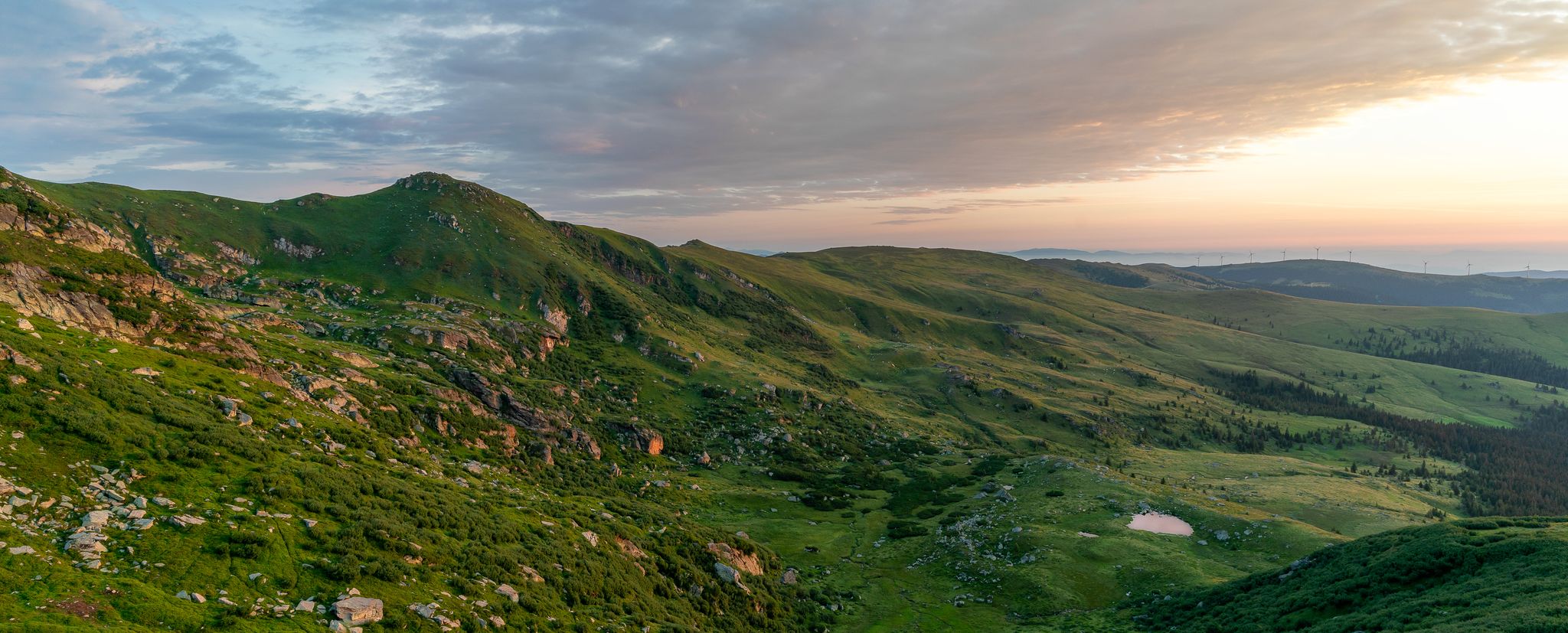
North-South Trail through Austria – Small country, big paths!
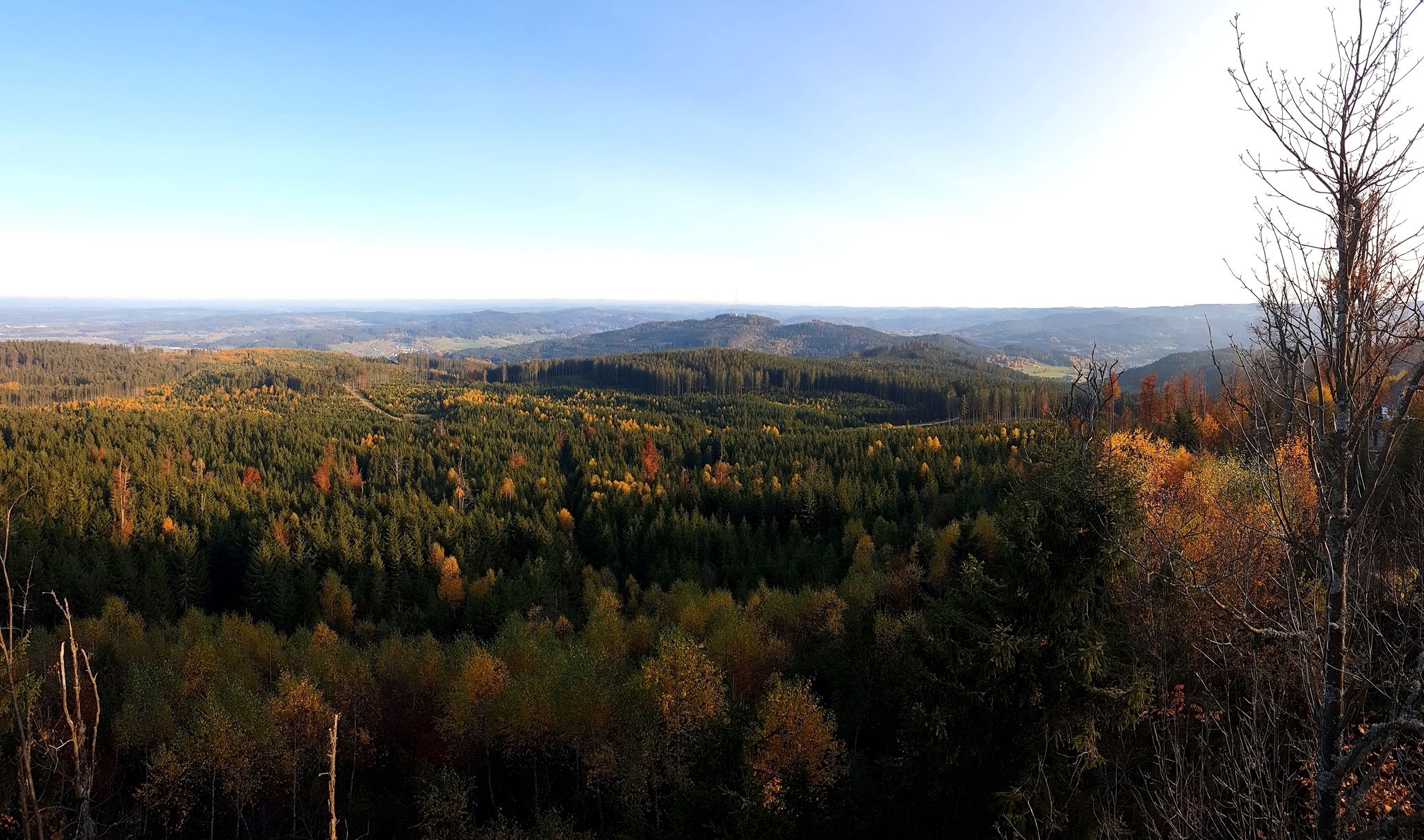
Nordwaldkamm trail – Hiking between the Czech Republic and Austria
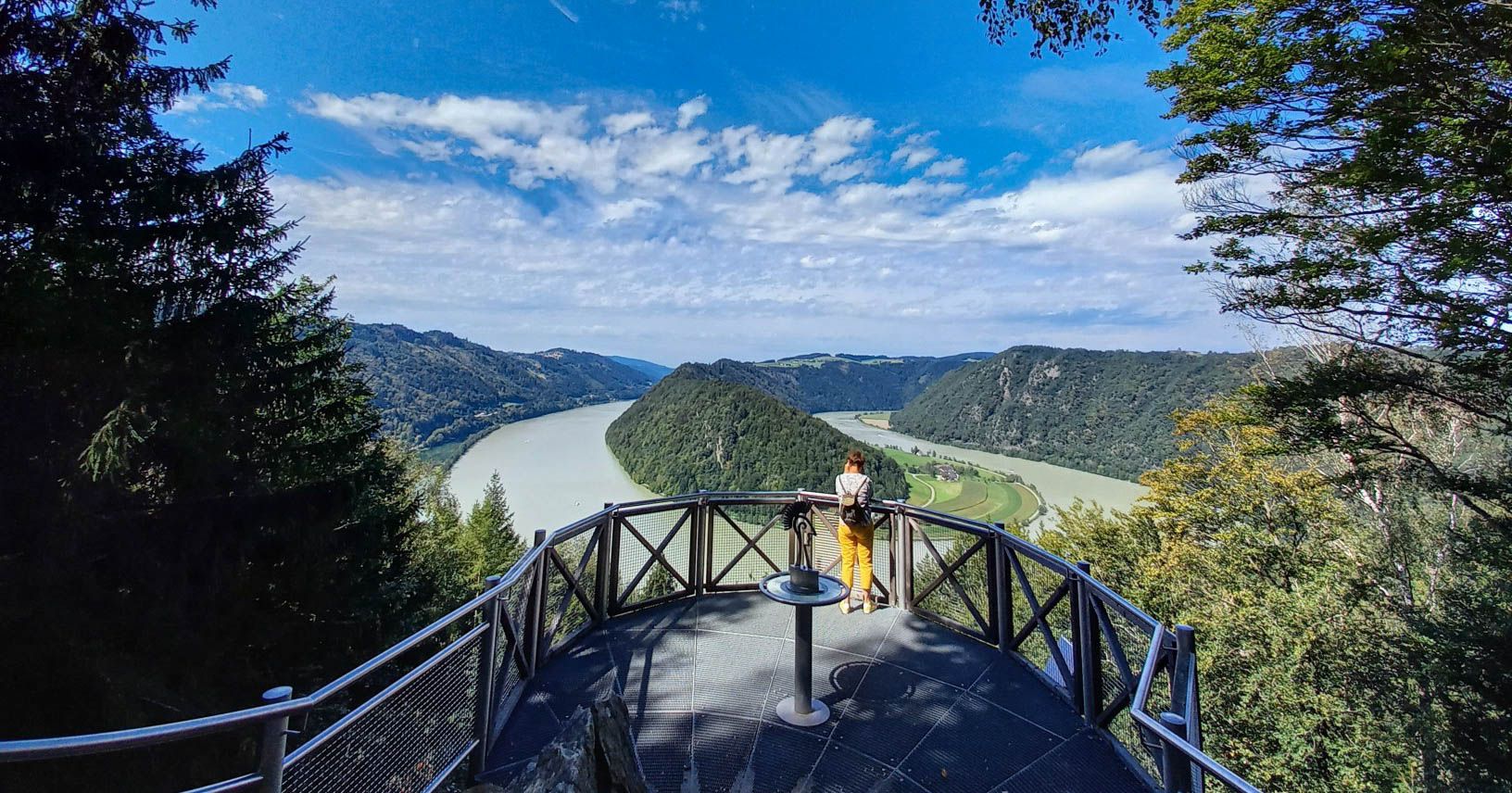
Danube Trail – Legendary long-distance hiking along the Danube River
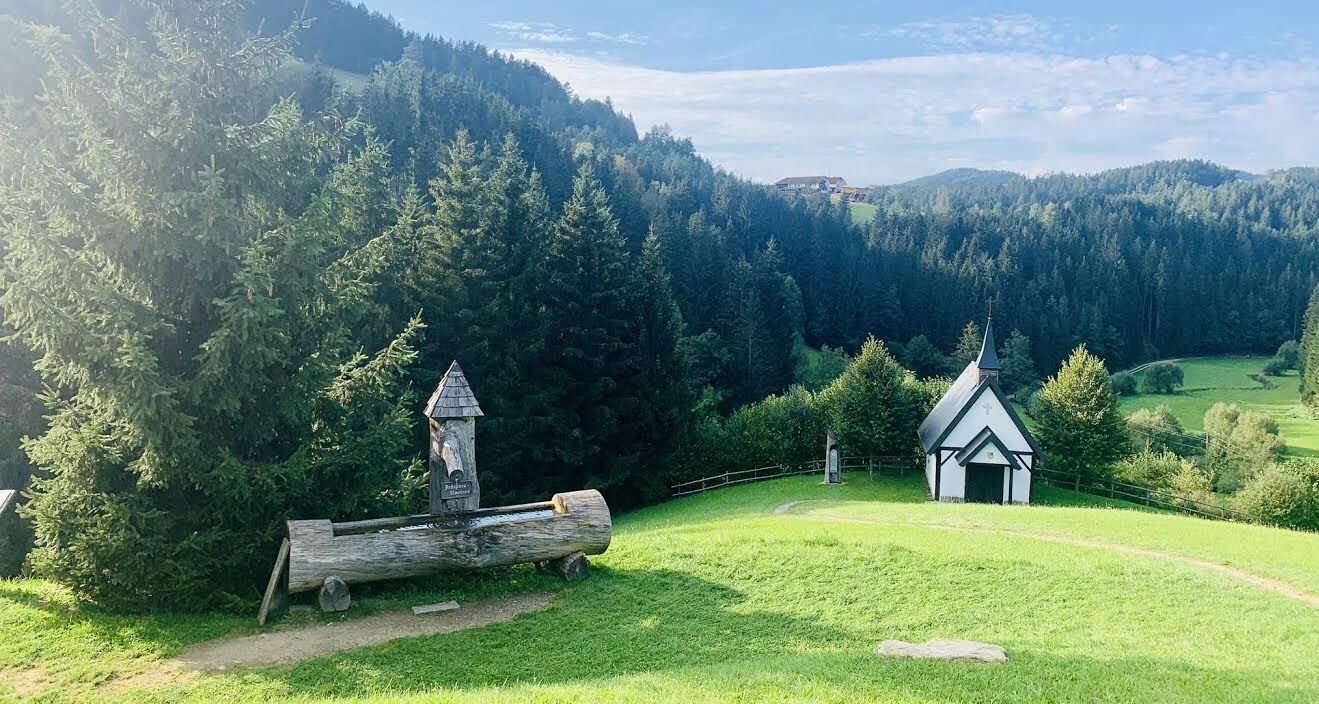
St. John's Pilgrimage Route – A spiritual path through Austria's Mühlviertel
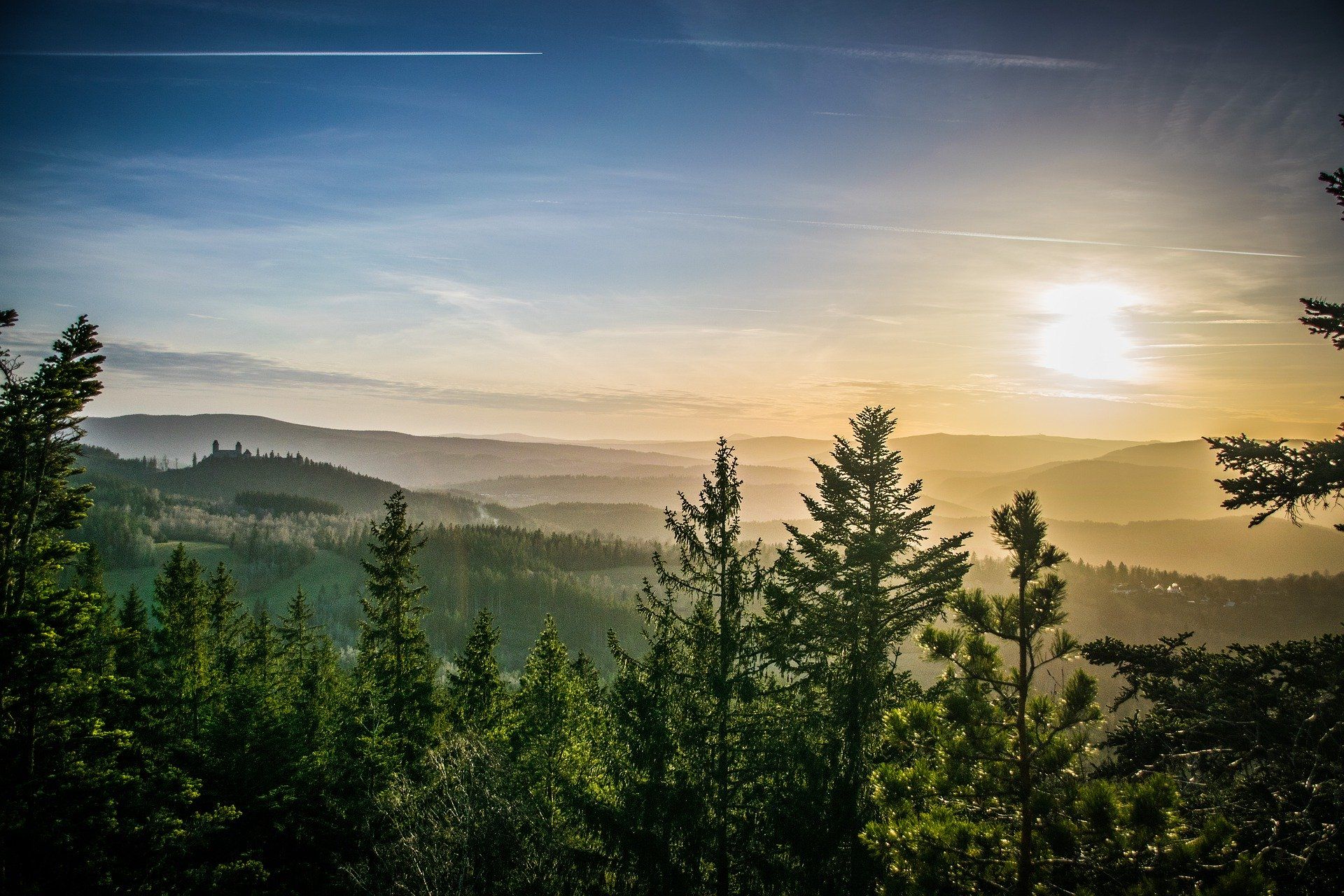
The Path of Deceleration – hiking through the Bohemian Forest
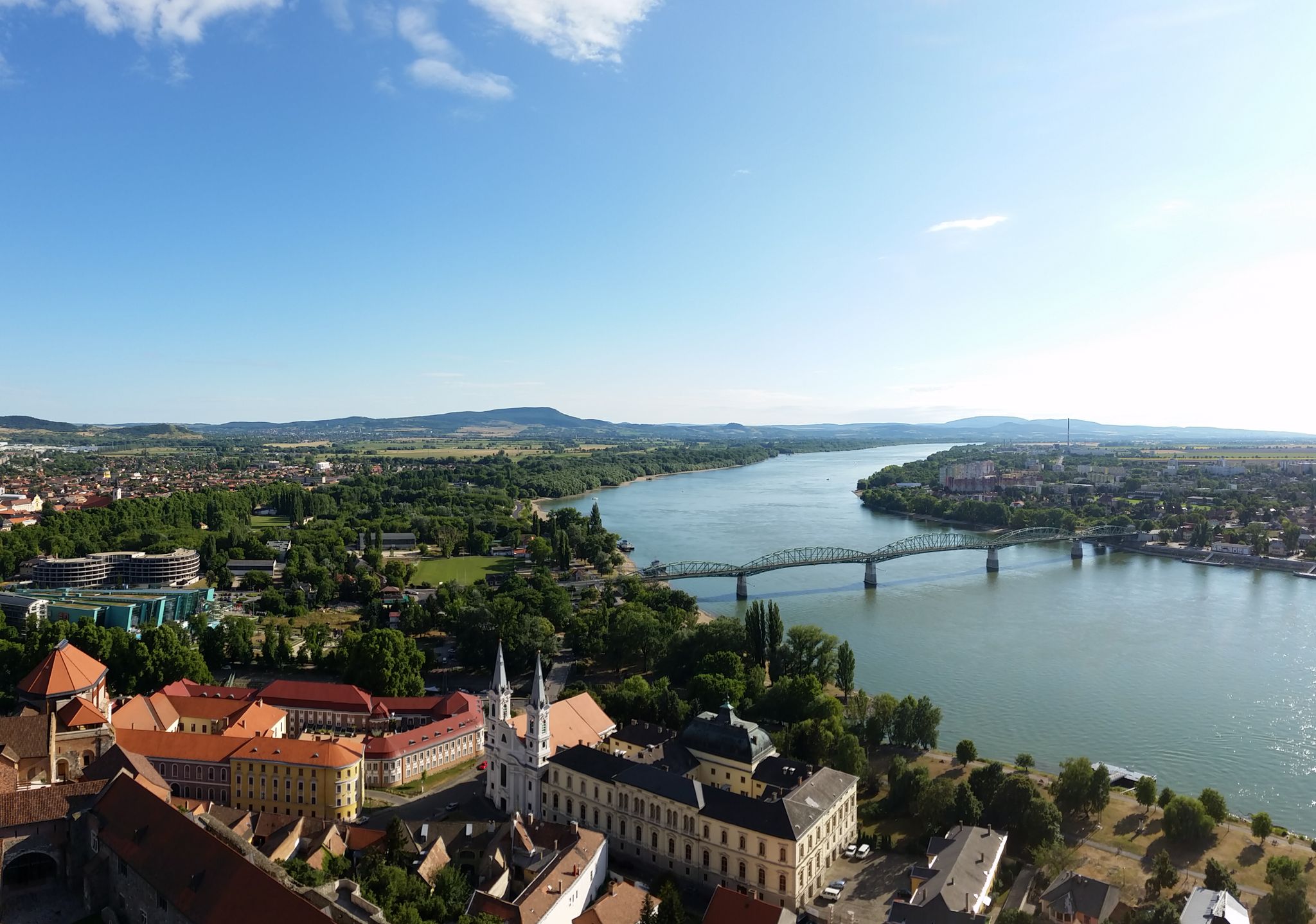
The Danube Cycle Path – From Donaueschingen to Budapest
Other adventures in the Mühlviertel


Tips from the Community

The grotto was erected in 1975 by Father Hanus. It features a replica of Mary with the message "I am the Immaculate Conception" and is located on the St. John's Pilgrimage Trail and the Cultural Trail, not far from the Bründl Chapel.
0
0

The escape hole, or Flehlucka, has been closed for 1 1/2 years due to storm damage. It's not yet known when access will be reopened. This information comes from a local.
0
1

If you come quickly from above along the panoramic path, the turn-off is hardly visible, but from the opposite side it is well signposted
0
0

After World War II, three women and two soldiers sought protection from Russian soldiers in a hiding place under the magnificent rocks. They were provided with food by a local.
1
0

The Lourdes Grotto is located near the Bründl Chapel with beautiful rock formations.
1
0

A very beautiful, impressive gorge.😍
3
0
One of the "legendary" rocks on the Stoanaweg behind the Lourdes Chapel near Stratberg
0
0

90m worthwhile detour. small cave, great place
0
0
Frequently Asked Questions
Which caves in the Mühlviertel are most popular with visitors?
Visitors frequently enjoy the Stillensteinklamm, a gorge with an impressive underground cave system where the Gießenbach river flows. Other favorites include the Gypsy Wall Rock Formation, known for its scenic beauty and cave-like faults, and the Pfaffenhaus Cave, a large natural cave with historical significance.
Are there family-friendly caves to visit in the Mühlviertel?
Yes, several caves and rock formations in the Mühlviertel are suitable for families. The Stillensteinklamm is described as a wonderful destination for young and old. The Gypsy Wall Rock Formation also offers seating to pause and marvel, making it pleasant for families. Additionally, the Robber's Cave is listed as family-friendly.
What unique geological features can I expect to see in the Mühlviertel caves?
The Mühlviertel is characterized by its unique granite formations. You'll find sites like the Kohlerlucka Cave with its gigantic accumulation of granite rocks and a walkable crevice. The Luaga Lucka Granite Cave near Königswiesen features interesting granite formations with small caves accessible by ladders. The Bucklwehluck'n Stone is another notable granite block with a split, steeped in local tradition.
Are there any caves in the Mühlviertel with historical significance or legends?
Absolutely. The Drucker-Franzl cave is named after a notorious smuggler and robber from the 1700s who used it as a hiding place. The Russian Hideout on the Mystical Trail Gutau provided refuge during WWII. The Pfaffenhaus Cave historically served as a shelter for clergymen. The Gypsy Walls are also associated with legends of the robber chief Graßl, and the Burgstallmauer is fabled to hold gold and precious stones.
What should I know before visiting the Stillensteinklamm cave system?
The Stillensteinklamm features a cave system where the Gießenbach river flows underground. One cave is over 100 meters deep with two entrances. If you wish to explore inside, remember to bring a flashlight. It's crucial to note that the cave should not be entered during thunderstorms or heavy rain due to safety concerns.
What kind of equipment should I bring for exploring caves in the Mühlviertel?
For caves like the Stillensteinklamm, a flashlight is essential if you plan to venture inside. Generally, sturdy footwear is recommended for navigating rocky terrain and potentially damp or uneven surfaces. Depending on the specific cave and weather, a light jacket might also be useful.
What is the best time of year to visit the caves in the Mühlviertel?
The caves and gorges in the Mühlviertel are generally best visited during drier periods. For example, the Stillensteinklamm cave should not be entered during thunderstorms or heavy rain. Spring, summer, and early autumn typically offer more favorable weather conditions for exploration, allowing for comfortable hiking and safer access to cave entrances.
Are there any spiritual or devotional sites among the Mühlviertel's rock formations?
Yes, the region has several such sites. The Lourdes Grotto Behind Riedegg Castle and the Maria Protection Grotto are examples of rock grottoes that serve as peaceful resting and devotional places. The Pfaffenhaus Cave is also located along the Stoanaweg behind the Lourdeskapelle near Stratberg, adding to its legendary appeal.
What outdoor activities can I combine with a visit to the Mühlviertel caves?
The Mühlviertel region offers a variety of outdoor activities. You can find numerous hiking trails, including waterfall hikes, or explore the area on two wheels with mountain biking and gravel biking routes. For more detailed information on routes, you can check out guides like Waterfall hikes in the Mühlviertel, MTB Trails in the Mühlviertel, and Gravel biking in the Mühlviertel.
Are there hiking trails near the caves in the Mühlviertel?
Many caves and rock formations in the Mühlviertel are integrated into hiking trails. For instance, the Stillensteinklamm itself is a five-kilometer-long gorge perfect for hiking. The Pfaffenhaus Cave is a worthwhile detour along the Stoanaweg. You can find more hiking options, including waterfall hikes, in the Waterfall hikes in the Mühlviertel guide.
What do visitors particularly enjoy about the caves and rock formations in the Mühlviertel?
Visitors appreciate the blend of natural beauty, historical anecdotes, and unique geological features. Many enjoy the impressive rock formations, the sense of discovery in exploring hidden hideouts, and the peaceful atmosphere of sites like the Mariengrotte. The region's granite formations, often intertwined with local folklore, offer insights into both natural processes and human history, making each visit a unique experience.
Are there any man-made caves or unique rock structures in the Mühlviertel?
Yes, beyond natural formations, the Mühlviertel also features man-made caves known as Erdställe, created during medieval colonization. An example can be found at the Gasthaus zum Feuchten Eck in Bad Zell. The Hüllstein Rock Formation is also notable, featuring a large granite stone resting on two rock bases with a cave underneath, which pagan ancestors may have used as an offering table.
Most popular routes in the Mühlviertel
Most popular attractions in the Mühlviertel

Get inspired with the komoot mobile app


Didn’t find what you were looking for?
Discover more caves in the Mühlviertel region by region:
Explore more
Extend your search for the best caves by checking out these guides of the top ones in the Mühlviertel:
