Top 7 Caves in the Vogelsberg Mountains
Caves in the Vogelsberg Mountains are primarily natural basaltic rock formations or historically significant man-made structures. This region, Central Europe's largest basalt formation, was shaped by extensive volcanic activity around 19 million years ago. Its unique geological characteristics and rich folklore offer insights into the area's history and culture. Visitors can explore both natural features and historical underground structures.
Best caves in the Vogelsberg Mountains
- The most popular caves is Dreifaltigkeitskirche Dauernheim and Historic Rock Cellars, a collection of…
Last updated: May 13, 2026
Dreifaltigkeitskirche Dauernheim and Historic Rock Cellars
Highlight • Religious Site
Translated by Google •
Tip by

Riedmann Ice Cellar
Highlight • Cave
In winter, ice floes from the ice pond south of the city were stored in it in order to be able …
Translated by Google •
Tip by

Sign up now to discover places like this
Get recommendations on the best single tracks, peaks, & plenty of other exciting outdoor places.
Sign up for free
Railway tunnel with mushroom cultivation and a World War II bat bunker
Highlight • Structure
If the negotiations with the owner are successful, the new cycle path between Laubacher Wald and Freienseen will go through one of the two tunnels.
That’s definitely a highlight!
Translated by Google •
Tip by

Dragon's Hole
Highlight • Cave
Translated by Google •
Tip by

Old Riedmann Tunnel
Highlight • Cave
Translated by Google •
Tip by

Frau Holle Cave
Highlight • Cave
Translated by Google •
Tip by

Wildholl-Loch Cave
Highlight • Cave
On the western slope of the Hirtenstein, about 500 m east of …
Translated by Google •
Tip by
Hopfenhöhle Bärensteine
Highlight • Cave
Translated by Google •
Tip by

Start today with a free account
Your next adventure awaits.
Login or Signup
Popular around Vogelsberg Mountains
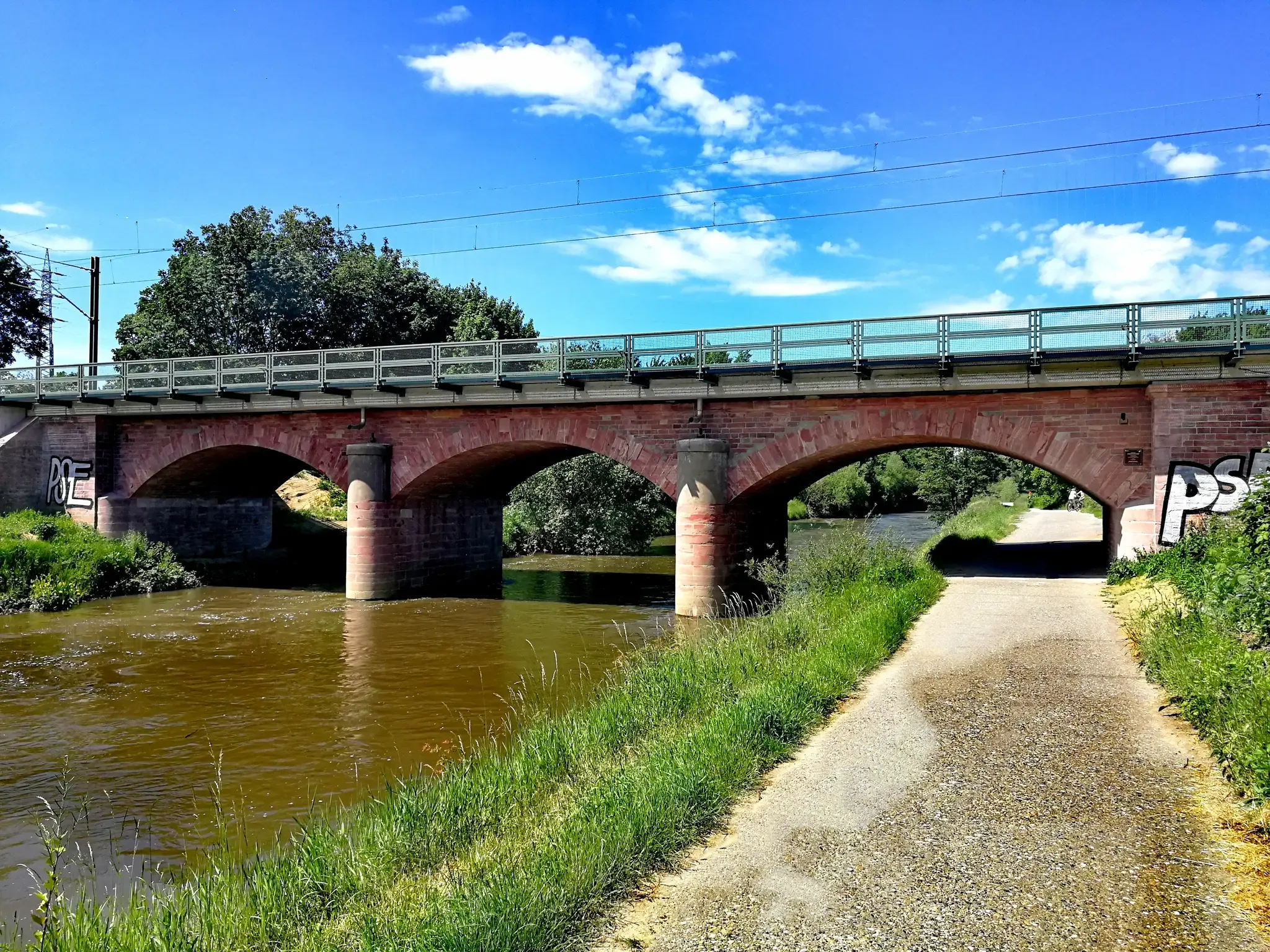
Nidda Cycle Path – Riding through nature on Frankfurt's doorstep
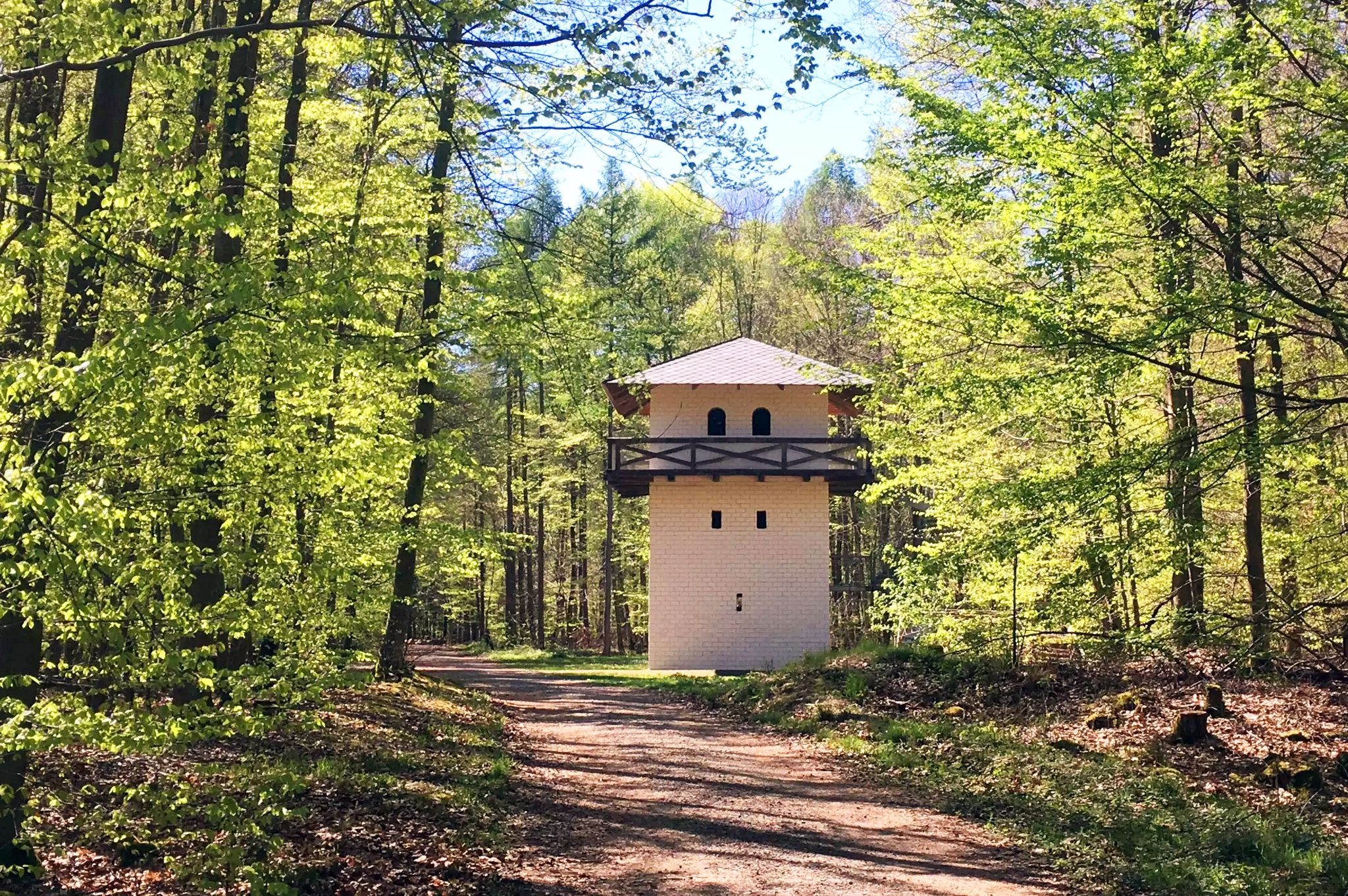
German Limes Cycle Path – Riding from the Rhine to the Danube
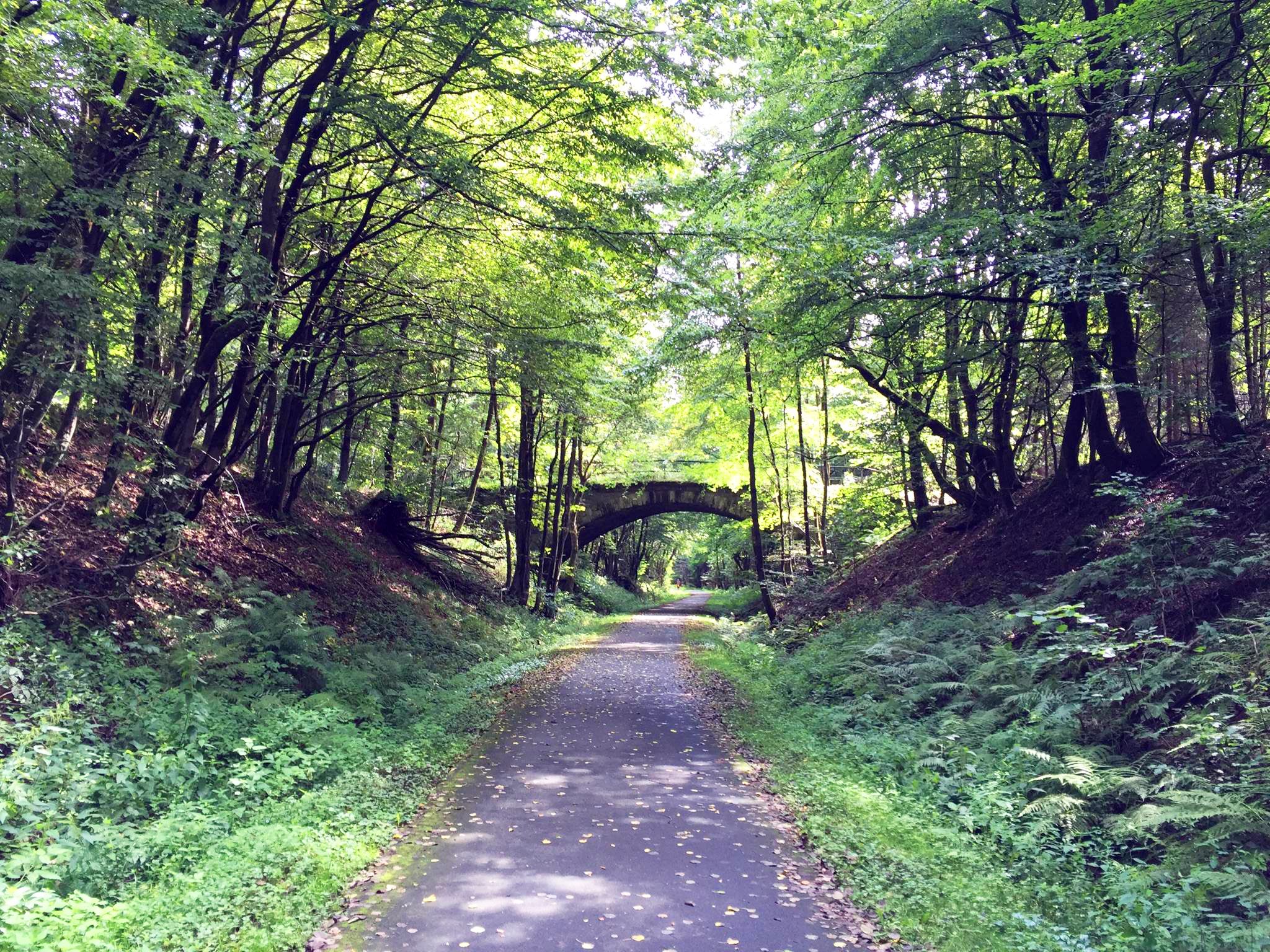
Volcano Cycle Path — from the Vogelsberg to the Wetterau region
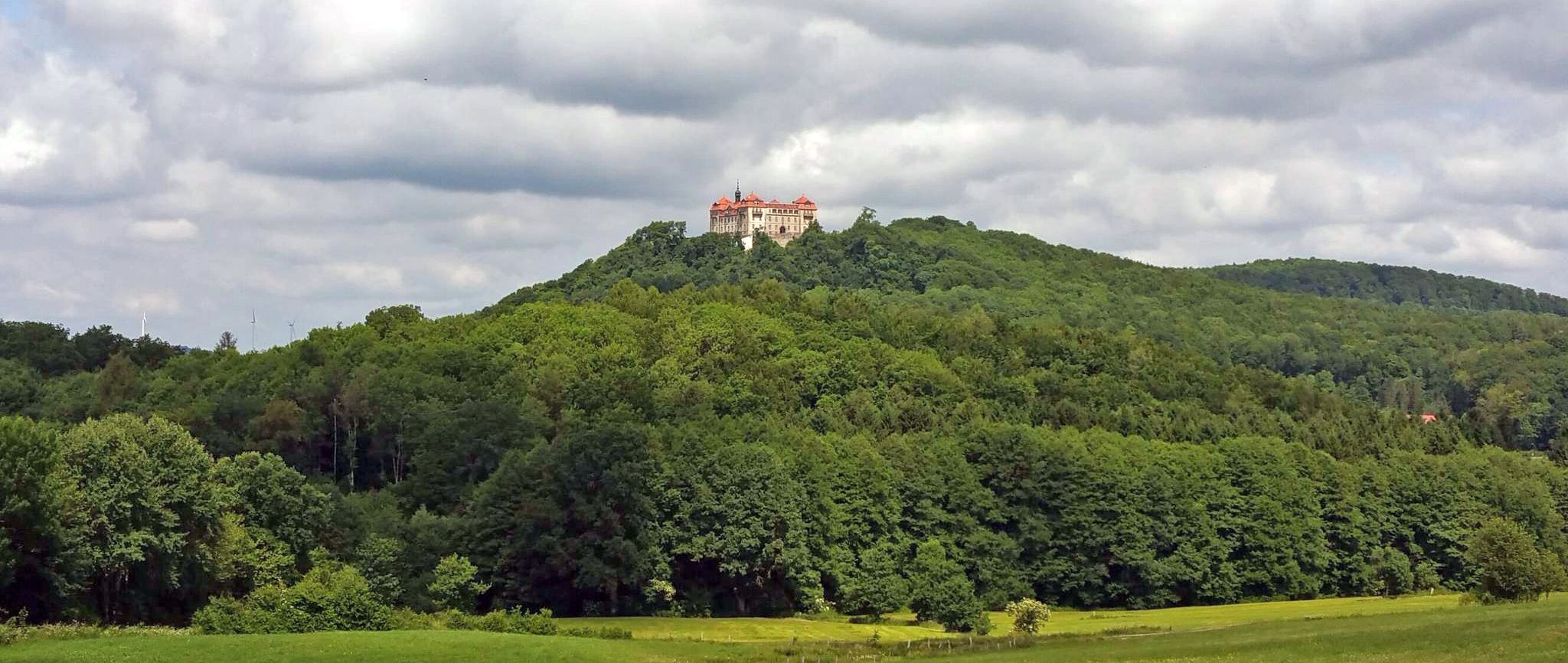
BahnRadweg Hessen — castles, palaces & beautiful nature
Autumn views: to the most beautiful vantage points in the RMV area
The National Natural Landscapes in Hessen
Forest, Water and Views – Western Vogelsberg's Hiking Paradise
Geotours in the Vogelsberg Volcanic Region
Where trails give you strength: Your hiking getaway in Vogelsberg

Winter adventures by public transport – hikes for the whole family
Other adventures in the Vogelsberg Mountains


Tips from the Community

🏗️ Tunnel History: From Railway Tunnel to Mushroom Farm The Freienseener Tunnel was completed in 1903 as part of the expansion of the Friedberg–Mücke railway line. The original tube was 146 meters long and formed part of the single-track connection between Laubach and Freienseen. In 1938/39, a second, 196-meter-long tube was built parallel to the first, but was never used for regular rail traffic. This second tube was used during World War II for a so-called "U-Verlagerung" (underground relocation) – an underground relocation of armaments production to camouflage it from air raids. From 1943 onwards, aircraft speedometers and parts for the V1 and V2 rockets were produced here, among other things. Approximately 1,200 forced laborers, prisoners of war, and inmates from a branch of the Heddernheim labor education camp were involved in this production. After the war, the tunnel was used for various civilian purposes. Today it houses a mushroom farm.
0
0

Here is the website https://www.hopfenhoehle-baerensteine.de, I would be pleased about a guestbook entry
0
0

drove past and found it beautiful
0
0
The two railway tunnels near Freienseen bear witness to a turbulent history that goes far beyond rail traffic. One of the tunnels was once built for the planned railway line through the Vogelsberg Mountains – but trains never ran through it. The project remained unfinished. During World War II, the remote location was exploited: rocket parts, possibly also V1 and V2 components, were reportedly temporarily stored and guarded in surrounding bunkers. Today, the tunnels serve peaceful purposes: One tunnel houses a mushroom farm, the other is sealed and a protected refuge for bats. Therefore, it's clear: there will be no passage through them – whether on foot or by bike. Nature and current use are paramount. The railway line remains history. I was lucky on my railway line bike tour because, just as we were there, mushroom seeds and straw were delivered, and I was able to take a look inside. Great. YouTube Mushroom Farm Freienseen.
1
0

The Protestant church in Dauernheim was built in 1252 and stands above the impressive rock cellars.
3
0

In front of the church there are rock cellars along the main street, some of which have existed there for centuries.
3
1

Unfortunately there were no more drinks left. A cool non-alcoholic pilsner would have been just the thing! ;)
5
0
Especially in earlier times, before there were “refrigerators” for everyone, these rock cellars were very important and valuable.
4
0
Frequently Asked Questions
What makes the caves in the Vogelsberg Mountains unique?
The 'caves' in the Vogelsberg Mountains are distinctive because they are primarily natural basaltic rock formations, a result of the region's volcanic past, or historically significant man-made structures. Unlike typical limestone caves, you'll find features shaped by lava flows and human ingenuity, rather than stalactites and stalagmites.
Are there any caves in the Vogelsberg Mountains with historical significance?
Yes, several sites offer a glimpse into the region's history. The Dreifaltigkeitskirche Dauernheim and Historic Rock Cellars, for example, are man-made underground structures, some dating back to the 16th century, originally used for storing wine. Another historical site is the Riedmann Ice Cellar, an old tunnel carved into the rock that was historically used to store ice for cooling drinks.
Can I find caves in the Vogelsberg Mountains associated with local folklore?
Absolutely. The Frau Holle Cave is steeped in legends surrounding the mythical figure of Frau Holle. Similarly, the Wildholl-Loch Cave also holds legendary significance, potentially linked to ancient religious worship.
Are there any family-friendly caves or activities in the Vogelsberg Mountains?
While many of the caves are natural formations or historical sites, exploring them can be an engaging family activity. The folklore associated with sites like the Frau Holle Cave can spark imagination. For broader family activities in the region, consider exploring the diverse hiking and cycling trails available.
What kind of geological features can I expect to see in the Vogelsberg Mountains' caves?
The region's volcanic past means you'll encounter unique basalt formations. The Wildholl-Loch Cave, for instance, is remarkable for its extremely bubble-rich basalt, with unusually large, empty bubbles up to 5 cm in size, clearly indicating its formation as part of a lava flow.
What outdoor activities can I do near the caves in the Vogelsberg Mountains?
The Vogelsberg Mountains offer a wide range of outdoor activities. You can find numerous hiking trails, including those featured in the Waterfall hikes in the Vogelsberg Mountains guide. For cyclists, there are options for gravel biking and MTB trails throughout the region.
Is there a cave in the Vogelsberg Mountains that has been repurposed?
Yes, the Railway tunnel with mushroom cultivation and a World War II bat bunker near Freienseen is a notable example. Originally a railway tunnel, it now houses a mushroom farm and serves as a protected refuge for bats, showcasing its adaptability and ecological relevance.
What do visitors enjoy most about the caves in the Vogelsberg Mountains?
Visitors appreciate the unique blend of geological interest, rich folklore, and historical insights. Many find the man-made rock cellars and tunnels fascinating for their historical uses, while natural formations like the Dragon's Hole intrigue with their local legends.
Are there any lesser-known or 'hidden gem' caves worth exploring?
Beyond the more prominent sites, the region holds several intriguing spots. The Hopfenhöhle Bärensteine is one such natural basalt formation that offers a quieter exploration experience, often appreciated by those looking for less crowded natural monuments.
What is the best time of year to visit the caves in the Vogelsberg Mountains?
The caves and surrounding areas are generally accessible year-round. However, spring and autumn offer pleasant temperatures for exploring the outdoor formations and combining your visit with hiking or cycling. Summer is also popular, while winter can provide a unique, serene atmosphere, though some paths might be less accessible depending on snow conditions.
Are there cafes or places to eat near the caves?
The Vogelsberg Mountains region has various small towns and villages where you can find local cafes and pubs. While not directly adjacent to every cave, you'll typically find options within a short drive, especially in larger towns like Nidda or Schotten, or along popular hiking and cycling routes.
How accessible are the caves in the Vogelsberg Mountains?
Accessibility varies by site. Many natural basalt formations, like the Frau Holle Cave, involve walking on natural terrain. Man-made structures like the Historic Rock Cellars might have steps or narrow passages. It's advisable to check specific details for each highlight if you have particular accessibility needs.
Most popular routes in the Vogelsberg Mountains
Most popular attractions in the Vogelsberg Mountains

Get inspired with the komoot mobile app


Explore more
Extend your search for the best caves by checking out these guides of the top ones in the Vogelsberg Mountains:
