Top 8 Caves in Pesaro e Urbino
Best caves in Pesaro e Urbino are found within a province characterized by its varied landscape, from the Adriatic coast to the Apennine mountains. This region in the Marche offers a range of natural and historical subterranean sites. The area features natural arches, ancient cave systems, and locations with religious significance. It provides diverse opportunities for exploring geological formations and historical human interaction with caves.
Best caves in Pesaro e Urbino
- The most popular caves is Balza Forata (Madonna's Arch)…
Last updated: July 9, 2026
Fondarca Arch
Highlight • Natural Monument
The entrance to path no. 20 is found at the entrance to …
Translated by Google •
Tip by

Sanctuary of Santa Maria in Val d'Abisso
Highlight • Religious Site
very hard path if not trained like me, follow the track because although Nero has paths of all possible and imaginable types and wonderful views it is very …
Translated by Google •
Tip by

Sign up now to discover places like this
Get recommendations on the best single tracks, peaks, & plenty of other exciting outdoor places.
Sign up for free
Balza Forata (Madonna's Arch)
Highlight • Natural Monument
Translated by Google •
Tip by

Grain Cave
Highlight • Cave
Translated by Google •
Tip by

Sanctuary of Our Lady of the Caves
Highlight • Religious Site
Translated by Google •
Tip by

Grotta del Borghetto
Highlight • Cave
Tip by

Cave of the Five Lakes
Highlight • Cave
Showing Translation
Tip by

Santa Lucia Cave
Highlight (Segment) • Cave
Translated by Google •
Tip by

Start today with a free account
Your next adventure awaits.
Login or Signup
Popular around Pesaro e Urbino
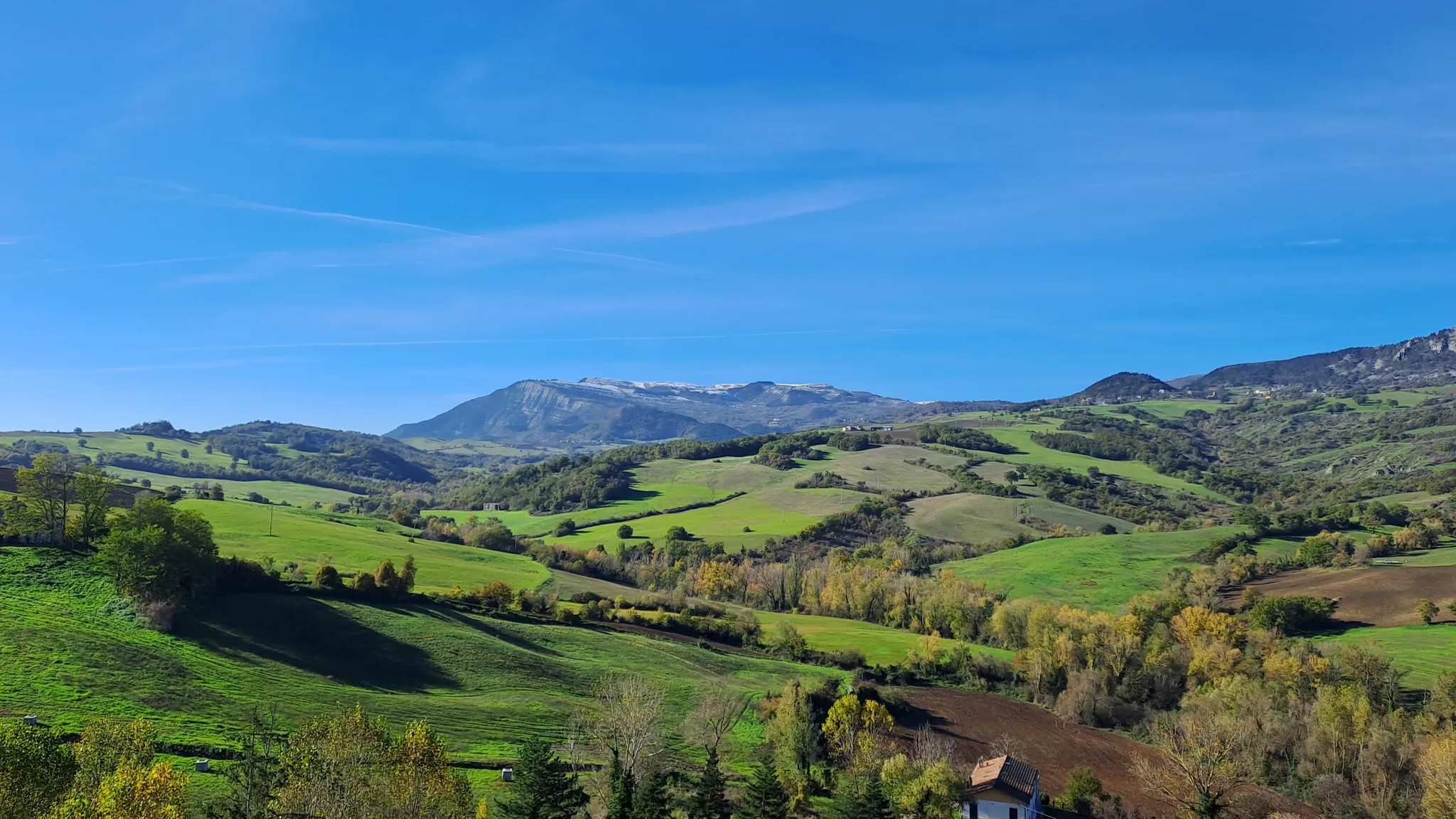
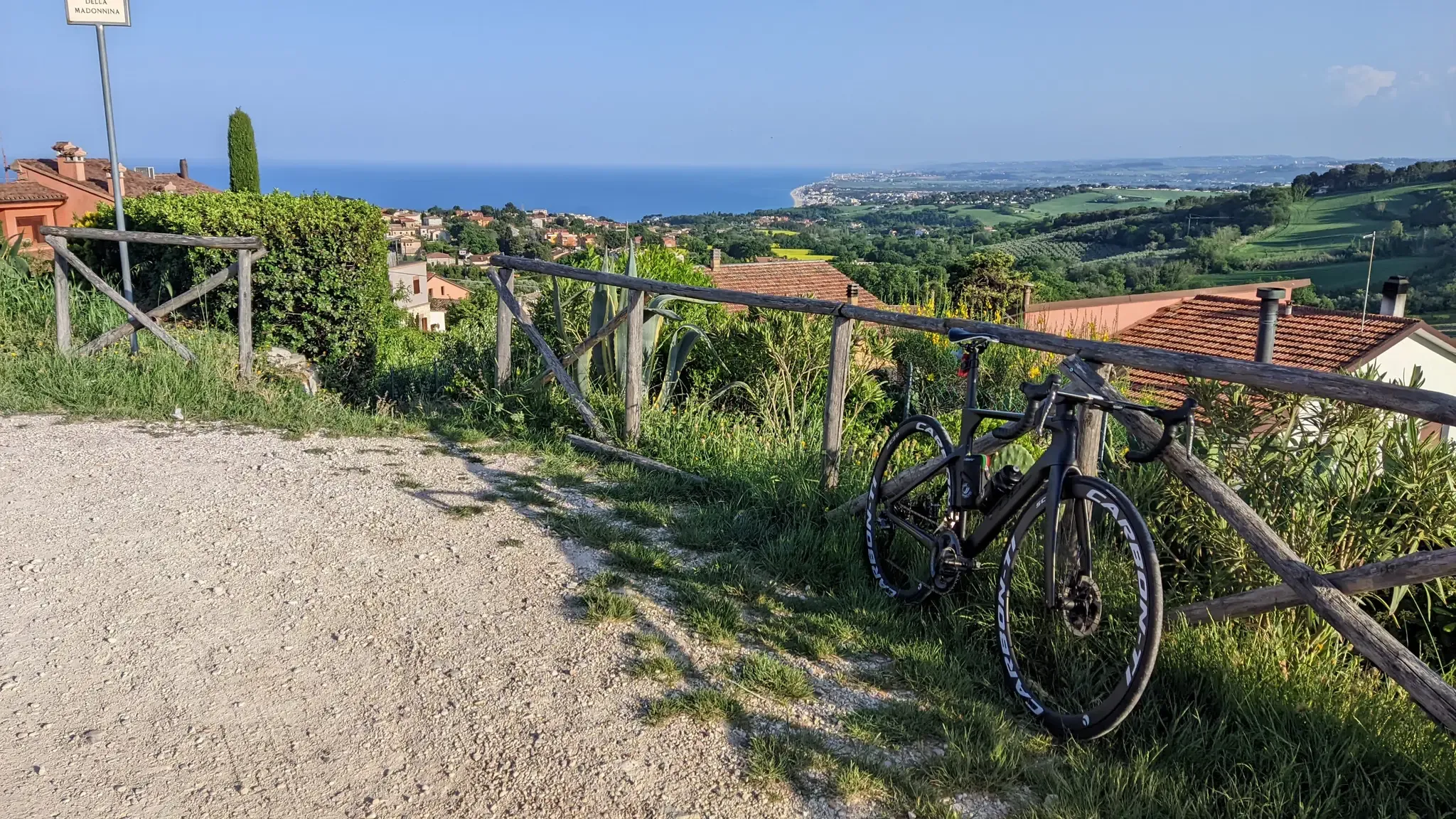
Cycling the Marche – sea to the mountains, among villages and hills
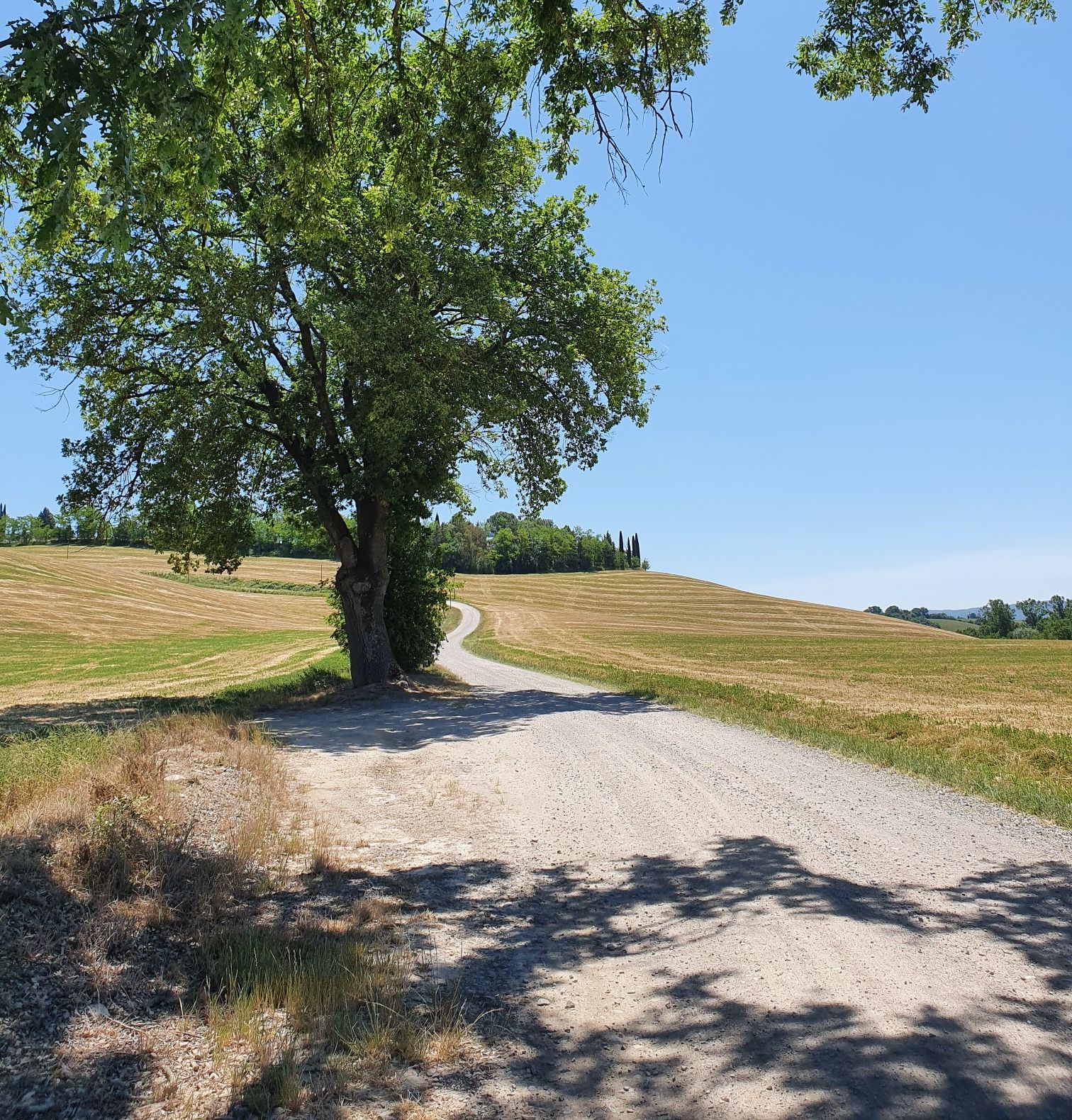
Ciclovia dei due mari - By bike from the Tyrrhenian Sea to the Adria
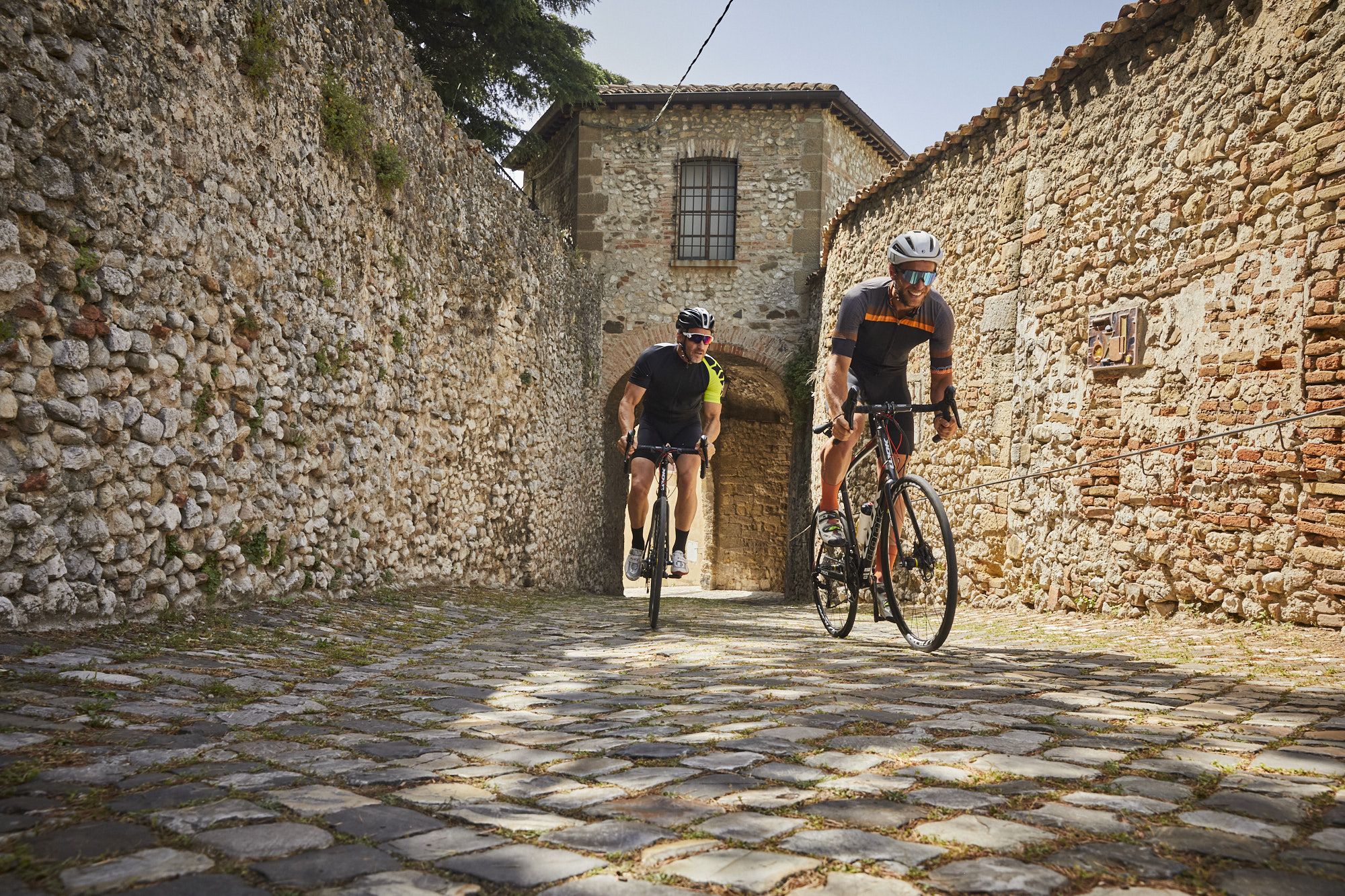
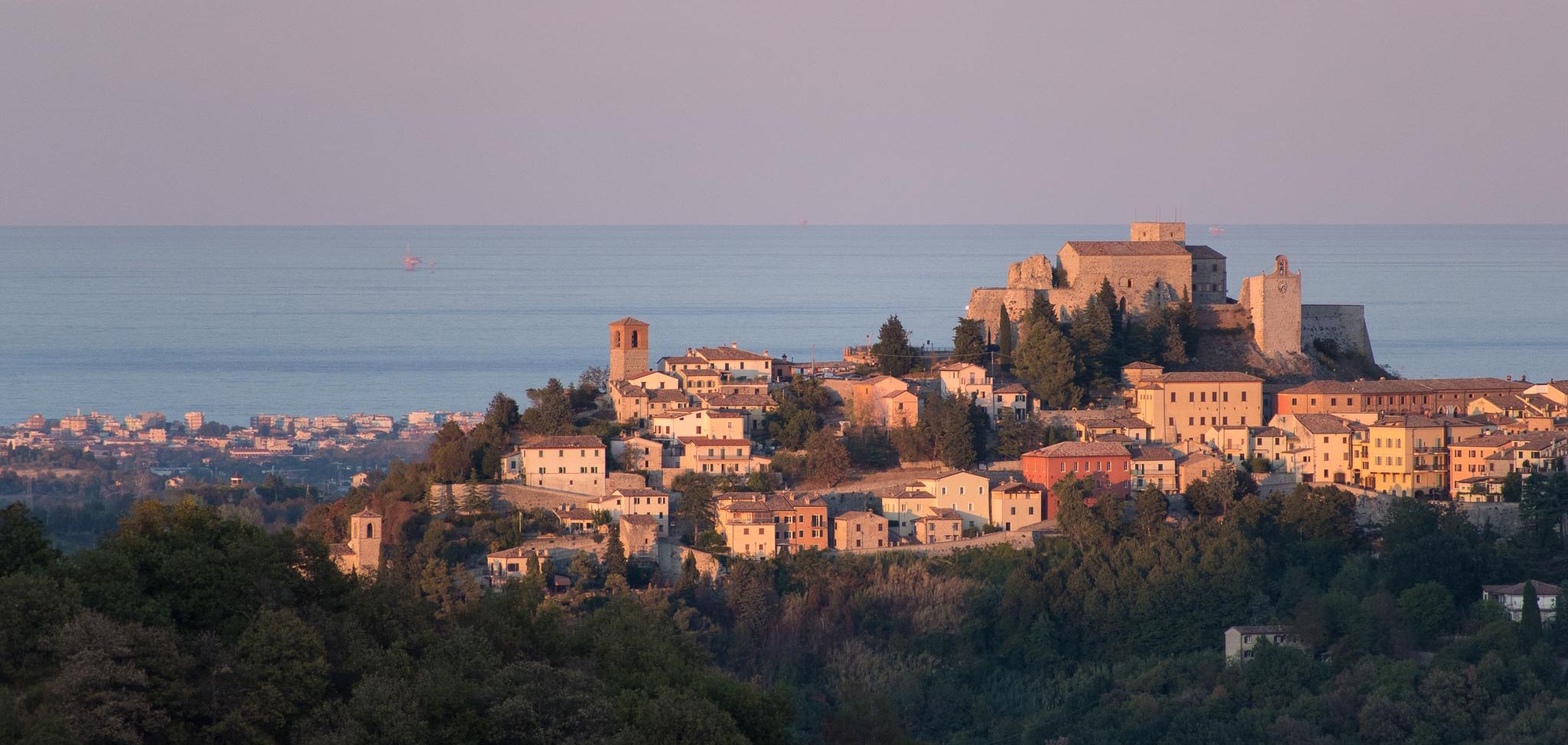
Adriatic Riviera and San Marino – cycle amid the sea and the Apennines
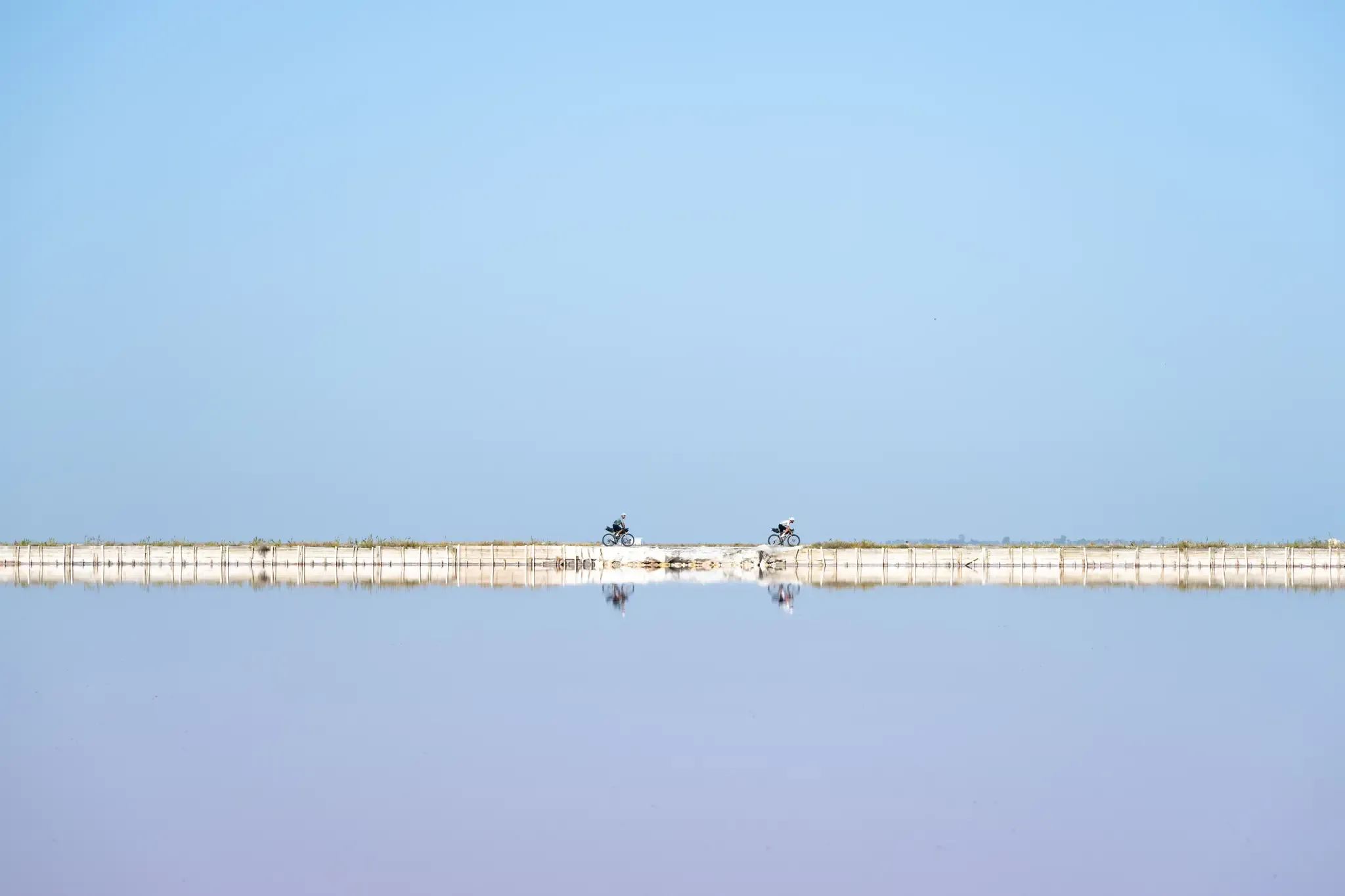
Trieste to Santa Maria di Leuca – the Adriatic Cycle Route
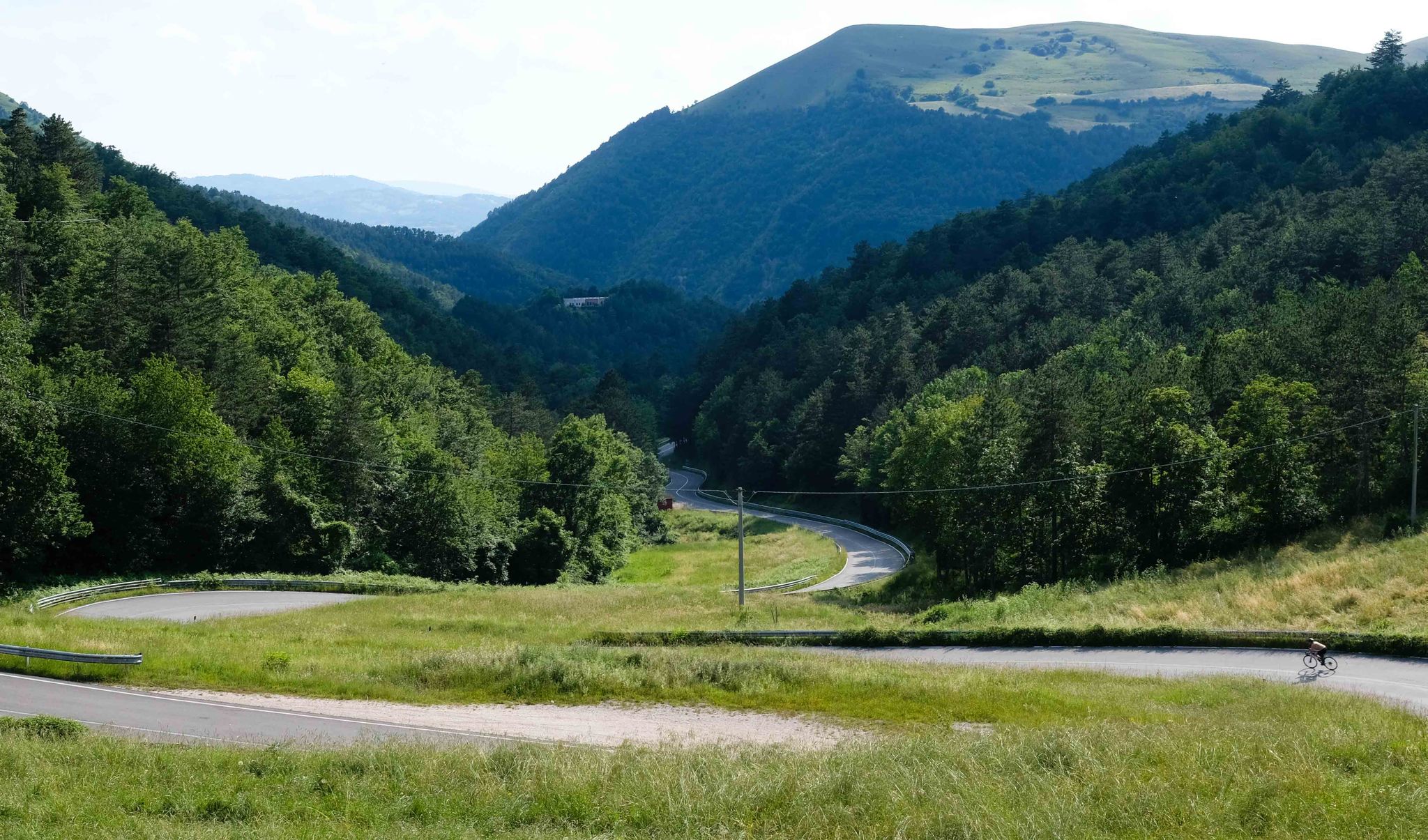
Between mountains and sea — road cycling in Italy’s Marche
Italy’s Coast to Coast – pedalling from the Adriatic to Tyrrhenian Sea
In the quiet backcountry of the Adriatic — cycling in Emilia Romagna
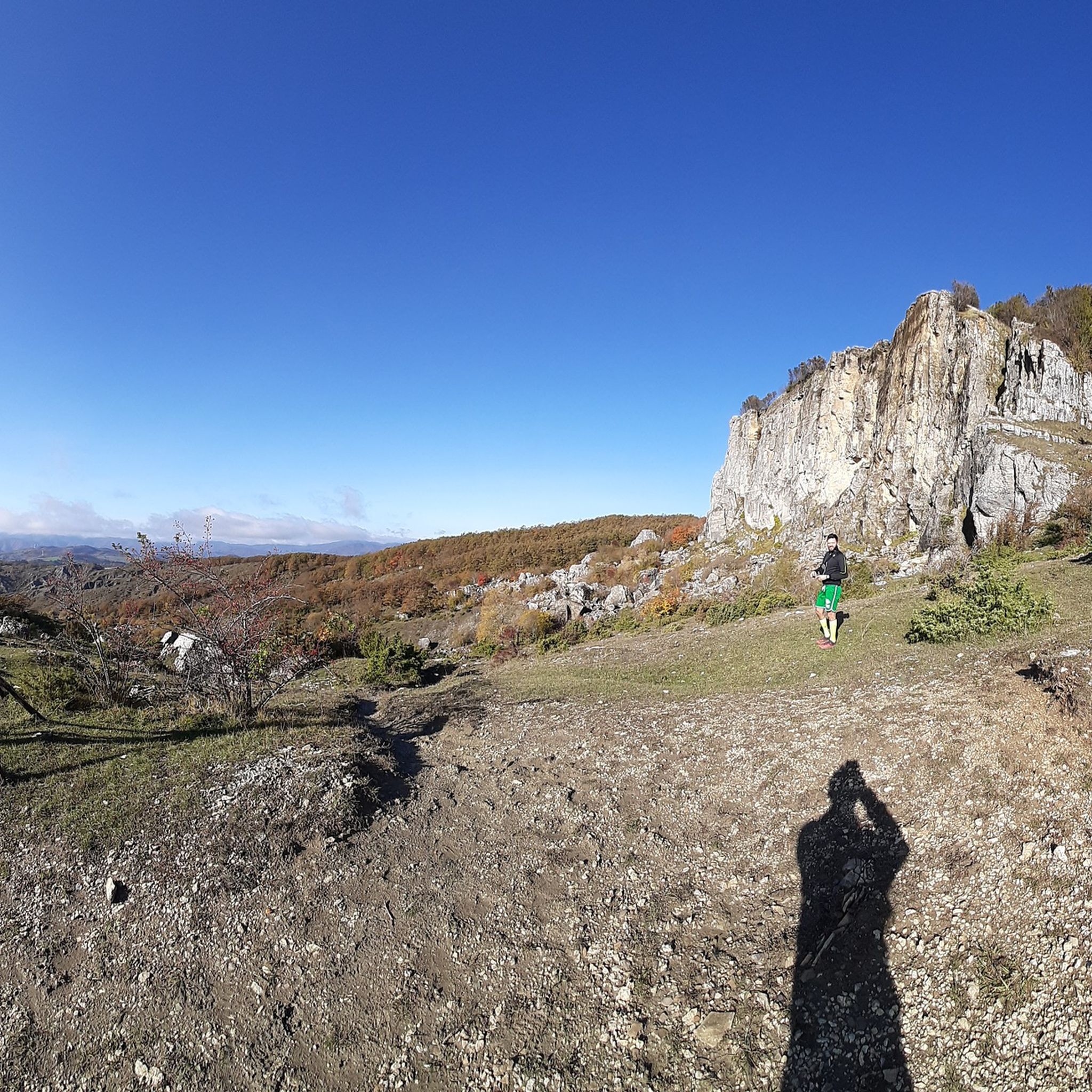
Hiking in Pesaro e Urbino
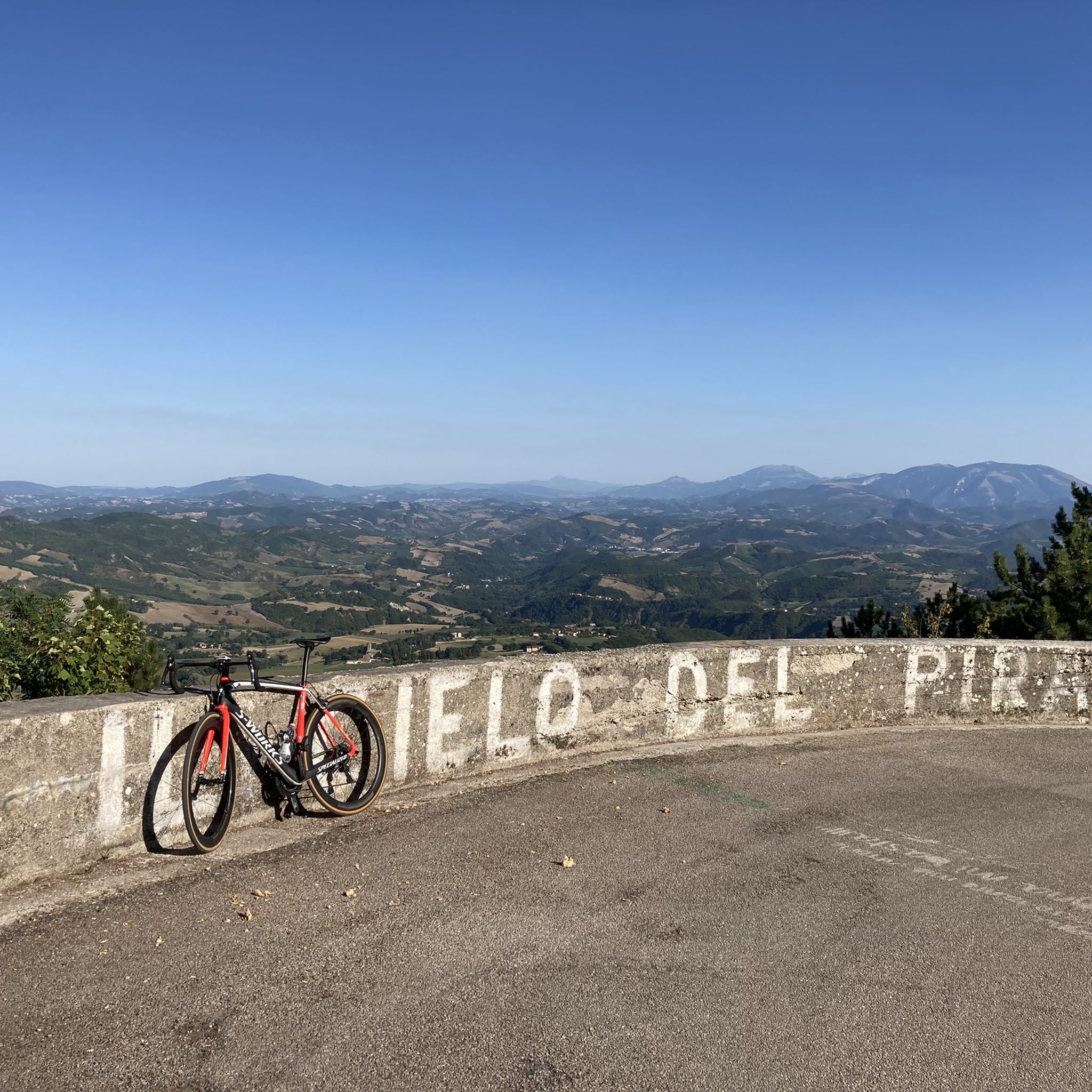
Road Cycling Routes in Pesaro e Urbino
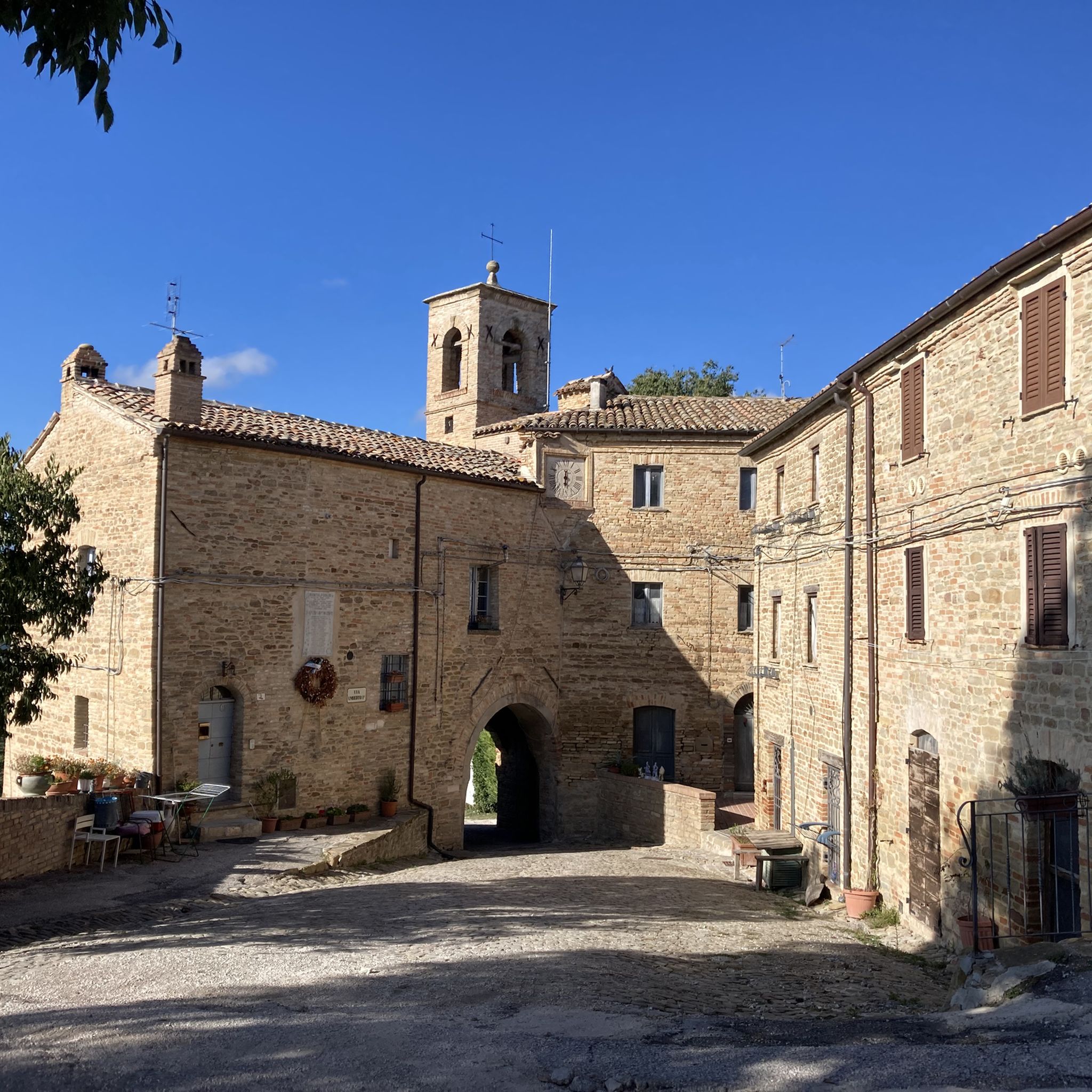
MTB Trails in Pesaro e Urbino
Other adventures in Pesaro e Urbino


Tips from the Community

More or less from this point the trail becomes very steep and treacherous, you need to be careful. I do not recommend descending to Piobbico via this trail for families.
1
0

208th hike | Monte Nerone area | Loop from Piobbico via Balza Forata and the Corsini Refuge ═════════════ 👇 Short 👇 https://youtube.com/shorts/fPGWn-J8DIU
0
0

Cave that sweats on you if there is water. Nice garno
0
0

The Grotta del Grano is located on the left of the Gola del Furlo and is marked by an explanatory sign. It is a fascinating place for nature and history lovers, and offers breathtaking views of the rock walls and the Candigliano river.
0
0
The Balza Forata, also called Foro della Madonna, represents a classic itinerary of Monte Nerone.
1
0
The Sanctuary of Santa Maria in Val d'Abisso is a Catholic place located near Piobbico, at the foot of Monte Nerone. According to tradition, shepherds found an image of the Madonna and Child in a cave on Mount Nero, perhaps left by one of the hermits who lived in the area.
0
0


Spectacular window along the rock face, it represents a classic stopping point along the demanding climb of the Infernaccio gorge, being about halfway along the route that leads to the summit of Monte Nerone
0
0
Frequently Asked Questions
Beyond the most popular ones, what other notable caves can I explore in Pesaro e Urbino?
While Balza Forata (Madonna's Arch) and Fondarca Arch are well-known, you can also visit the Grain Cave in Gola del Furlo, known for its natural beauty and historical significance. The Grotta del Borghetto offers a unique hydrological feature. For a historical perspective, consider the Grotta ipogeo di Piagge, an intricate hypogeum cave with potential Neolithic origins, or the Grotte del Baburillo, a former quarry used during WWII.
Are there any religious or historical caves in the region?
Yes, the region has several sites with religious or historical significance. The Sanctuary of Santa Maria in Val d'Abisso near Piobbico is built around a cave where an image of the Madonna and Child was traditionally found. Similarly, the Sanctuary of Our Lady of the Caves is another important religious site. Historically, the Grotta ipogeo di Piagge might have been used for various purposes since the Neolithic period, and the Grotte del Baburillo served as a quarry and a WWII shelter.
What are some spectacular cave systems near Pesaro e Urbino that are worth visiting?
While slightly outside the immediate province, the wider Marche and Umbria regions offer truly spectacular caves. The Grotte di Frasassi in Ancona are Italy's most extensive caverns, renowned for their breathtaking geological formations like 'The Cathedral' and 'The Ancona Abyss'. The Grotte di Monte Cucco in the Umbria-Marche Apennines offer vast halls and intricate labyrinths, with options for both tourist and speleological tours. Additionally, the Grotte di Onferno in Rimini is a significant gypsum cave system and a UNESCO World Heritage site, home to a large bat colony.
Are there family-friendly options for exploring caves in the Pesaro e Urbino area?
For families, natural arches like Fondarca Arch and Balza Forata (Madonna's Arch) offer scenic and accessible outdoor experiences, often involving moderate walks. The Grain Cave in Gola del Furlo is also easily identifiable and offers captivating views. For a more structured cave experience, the nearby Grotte di Frasassi provide guided tours suitable for all ages, with well-maintained paths and lighting.
What kind of natural features can I expect to see in the caves and surrounding areas?
The region's caves and their surroundings showcase diverse natural features. You'll find impressive natural rock arches like Fondarca Arch and Balza Forata, which are remnants of ancient collapsed cave systems. The Gola del Furlo area, where the Grain Cave is located, features stunning rock formations and the Candigliano river. Deeper cave systems like the Grotte di Frasassi and Grotte di Monte Cucco boast towering stalactites, delicate stalagmites, crystal-clear pools, and vast underground chambers.
What is the best time of year to visit caves in Pesaro e Urbino and the wider region?
Generally, spring and autumn offer pleasant temperatures for exploring both the outdoor natural arches and the entrances to caves. For the larger, more developed cave systems like Grotte di Frasassi, Grotte di Monte Cucco, and Grotte di Onferno, which maintain a constant cool temperature year-round, any season is suitable. However, checking their specific opening hours and tour availability, especially during off-peak seasons, is advisable.
Are there hiking trails or other outdoor activities near the caves?
Yes, the areas around many caves, especially those on Monte Nerone and in the Gola del Furlo, are popular for hiking. For instance, Balza Forata is part of a classic itinerary on Monte Nerone. You can find various hiking routes in the region, ranging from easy to difficult. Explore options like the 'Capuchin Way - Stage 1: Furlo Gorge' or 'From Piobbico to Balza Forata' by checking the Hiking in Pesaro e Urbino guide. There are also road cycling routes available, such as the 'San Bartolo Panoramic Route', detailed in the Road Cycling Routes in Pesaro e Urbino guide.
What should I wear when visiting caves in the Pesaro e Urbino area?
For outdoor natural arches and cave entrances, comfortable hiking shoes and weather-appropriate clothing are recommended. If you plan to visit larger, developed cave systems like Grotte di Frasassi or Grotte di Monte Cucco, be aware that temperatures inside are consistently cool (around 14°C or 57°F), even in summer. A light jacket or sweater and comfortable walking shoes with good grip are advisable. For adventure tours in caves like Monte Cucco or Onferno, specialized equipment like helmets and headlamps are often provided or required.
Are there guided tours available for the caves in the region?
For the more extensive and spectacular cave systems like Grotte di Frasassi, Grotte di Monte Cucco, and Grotte di Onferno, guided tours are standard and highly recommended. These tours provide valuable insights into the geology, history, and wildlife of the caves. For some of the smaller, less developed caves or natural arches within Pesaro e Urbino, self-guided exploration is common, though local guides might be available for specific routes or speleological excursions.
Can I find accommodation or places to eat near the caves?
Yes, the Pesaro e Urbino region offers various accommodation options, including agriturismos, hotels, and B&Bs, particularly near popular areas like Gola del Furlo and Monte Nerone. You'll also find cafes and restaurants in nearby towns and villages where you can enjoy local cuisine. For the larger cave systems outside the province, such as Grotte di Frasassi, Grotte di Monte Cucco, and Grotte di Onferno, there are usually visitor centers with amenities, and surrounding towns offer a range of services for tourists.
What is the difficulty level for exploring the caves and natural arches in Pesaro e Urbino?
The difficulty varies. Natural arches like Fondarca Arch often involve intermediate hiking trails. Balza Forata (Madonna's Arch) is considered a challenging climb. Many cave entrances or smaller grottoes might be accessible via easy to intermediate paths. For the larger, developed cave systems like Grotte di Frasassi, the tourist routes are generally easy and accessible, while Grotte di Monte Cucco offers both accessible tourist routes and more challenging speleological adventure paths.
Are there any caves in the region known for unique geological formations or wildlife?
Absolutely. The Grotte di Frasassi are world-renowned for their monumental stalactites and stalagmites, including formations like 'The Cathedral' and 'The Ancona Abyss'. The Grotte di Onferno, a gypsum cave system, features unique 'mammelloni' formations on its ceilings and is home to the largest bat colony in the region, with over 8,000 individuals of eight protected species. Within Pesaro e Urbino, the Fondarca Arch area also includes the Grotta delle Nottole (Cave of the Owls), suggesting local wildlife.
Most popular routes in Pesaro e Urbino
Most popular attractions in Pesaro e Urbino

Get inspired with the komoot mobile app


Didn’t find what you were looking for?
Discover more caves in Pesaro e Urbino region by region:
Explore more
Extend your search for the best caves by checking out these guides of the top ones in Pesaro e Urbino:
