Top 6 Caves around Sant Pere De Torelló
Best caves around Sant Pere De Torelló are found in a region characterized by its mountainous landscapes and extensive forests. While the municipality itself does not prominently feature natural caves, the broader area offers unique subterranean experiences. The region is known for its diverse natural monuments and historical sites, providing a rich backdrop for exploration.
Best caves around Sant Pere De Torelló
- The most popular caves is Els Bufadors de Beví, a natural monument featuring unique geological formations. These…
Last updated: August 19, 2026
Salt del Molí Bernat
Highlight • Waterfall
Translated by Google •
Tip by

Els Bufadors de Beví
Highlight • Natural Monument
Translated by Google •
Tip by

Sign up now to discover places like this
Get recommendations on the best single tracks, peaks, & plenty of other exciting outdoor places.
Sign up for free
Oratory of Mare de Déu de les Olletes
Highlight • Religious Site
Translated by Google •
Tip by
Cave of the Pixarelles
Highlight • Cave
Considered one of the oldest …
Translated by Google •
Tip by

Bandoleros' Mine
Highlight • Cave
Translated by Google •
Tip by

Sign up for free to discover even more caves around Sant Pere De Torelló.
Sign up for free
Already have an account?
Start today with a free account
Your next adventure awaits.
Login or Signup
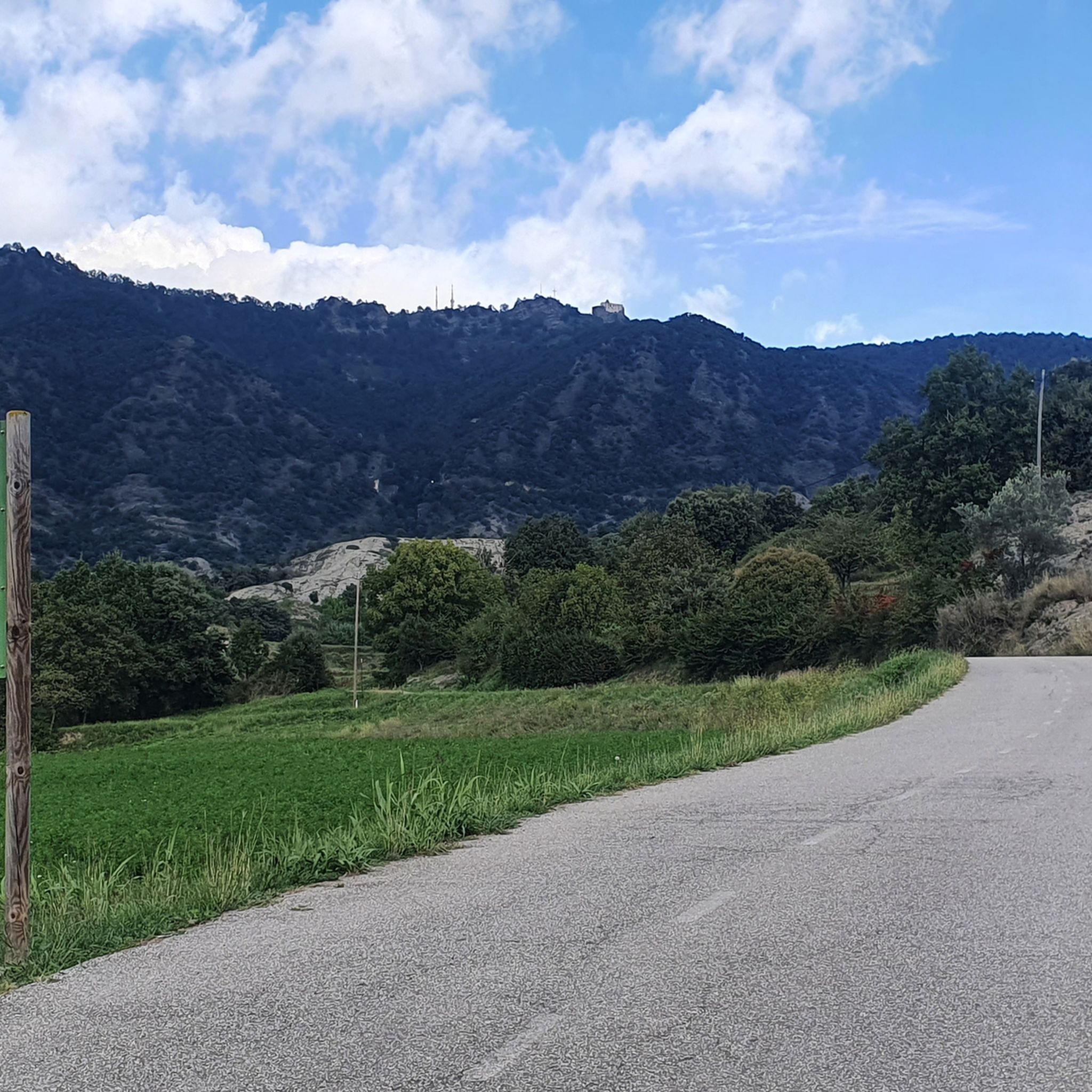
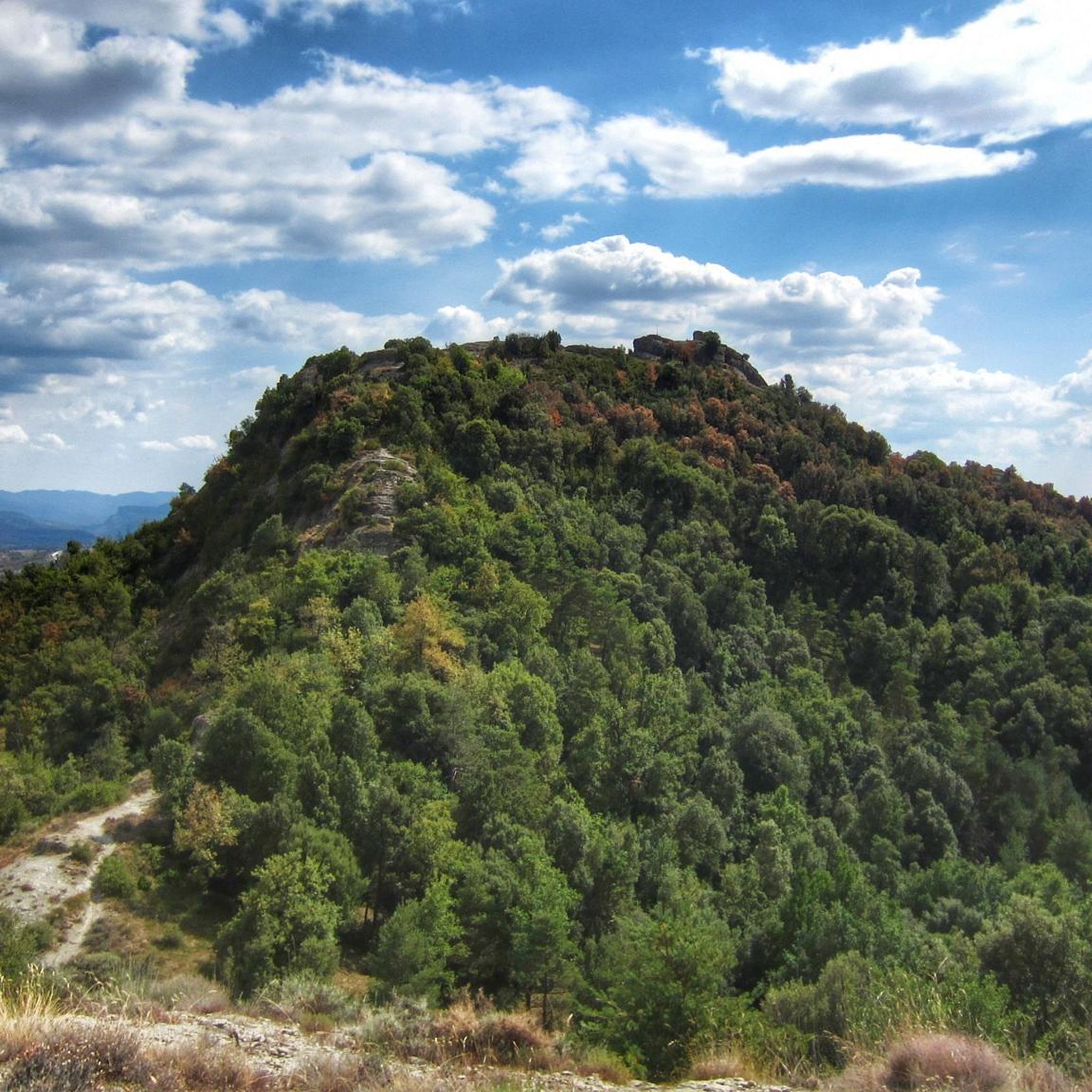
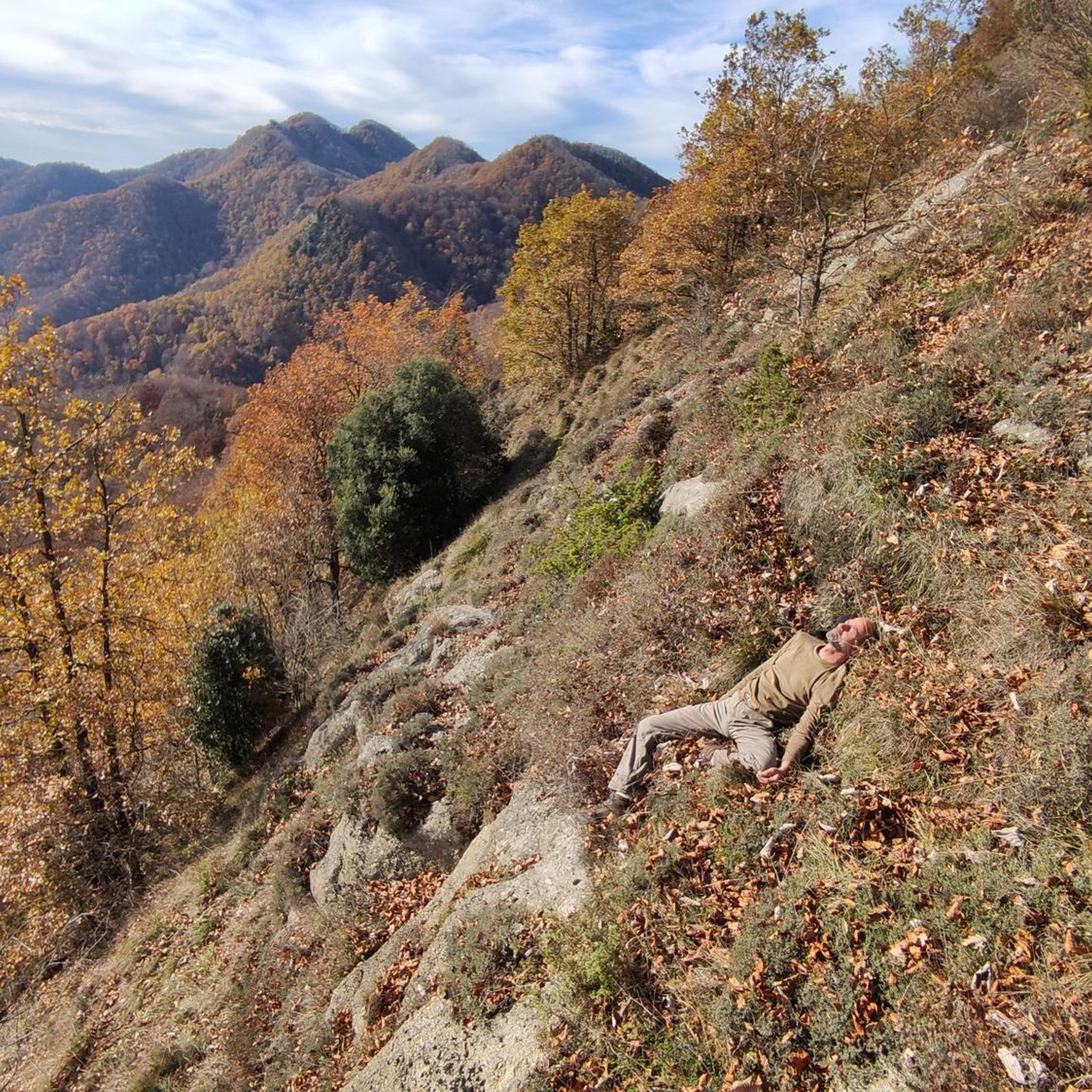
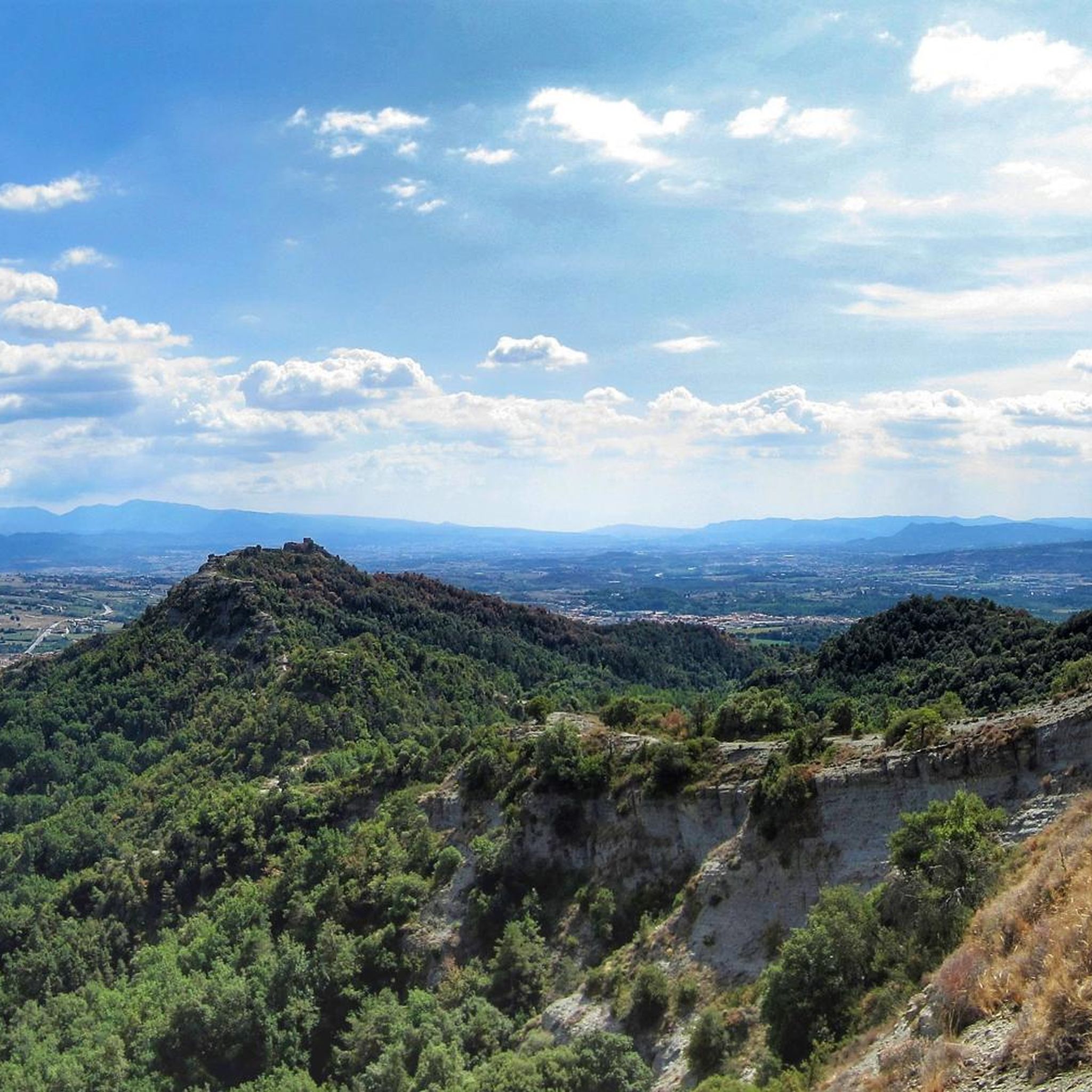

Tips from the Community

We were here in April 2026. Unfortunately, the hiking trail is not in good condition. The descent to the waterfall is quite steep but passable. The paths to the stairs of the Riscos de la Perereda are all overgrown, and only a shortened path past an old mill back to the parking lot is passable.
0
0

The Salt del Molí Bernat is one of the most impressive waterfalls in the country with a 50 meter drop, it belongs to the Gorgàs stream, from the Sot de Balà. The whole of the balma, the jump and the remains of the mill make up one of the most attractive and unique places in the region. If you want to see the jump in all its glory, we recommend doing the route after rains, despite the added difficulty because of the mud you can find on the way down, but seeing the water fall from inside the balma is really impressive .
2
1

Caves that during the Neolithic and until the Iberian period had been a lookout and hunting settlement (complementary to the town of Pla del Castell). Considered one of the oldest documented stable occupations, dating from the year 3100 to 900 before our era. Although no human remains have been found, the discovery in this lower level of a prehistoric home and a fauna deposit (with the supposed remains of a wild boar half consumed by the ancient settlers) will help to study what life was like in this space six years ago. a thousand years.
1
1
The blowers are holes or slits through which a current of air comes out. It is worth the walk through the wonderful place where the holes are located, since its location in the lower part of the Sierra dels Bufadors creates a special microclimate, with large boulders covered in moss and a very particular flora. It is not a very large area, elongated and more or less narrow. We have to look at the holes in the floor. If we approach it we will notice that the air coming out is cold. Sometimes you can hear it whistling inside, hence the name blowers. As we progress we will find more holes. Some of them have been reviewed by speleological experts. Here the ground is unstable and it is not advisable to enter the blowers. It is a place of great beauty that has a magical air.
3
0
It is a small oratory 5 meters high, 8 meters deep and 4 meters wide, dug into the rock and closed by a gate. It houses a Baroque alabaster image of the Virgin Mary, about 50 cm. height, a copy of the original, which is preserved in the town's parish church. Next to it and rising above the road are the remains of the building where the objects needed for the worship of the chapel were kept. Its origin can be traced back to the beginning of the 17th century, when, according to traditional references, an image of the Virgin Mary was found in a small depression in the ground, that is, in a "pot", which has given its name to the oratory This hole is a few steps away, on a support of the cliff, which has been retouched in order to be able to put a fence. When the image from this corner was moved to the chapel, one of the Virgin Mary of Núria was placed in its place. pot-shaped cavities found around
0
1

The passage of the waterfall is internal but there is a chain to hold onto in case of moisture.
6
1

Espectacular area of rocks and nature! Specifically in autumn!
2
0
Frequently Asked Questions
What kind of 'caves' can I expect to find around Sant Pere De Torelló?
The area around Sant Pere De Torelló is known more for its unique natural monuments, rock shelters, and historical sites carved into rock rather than deep geological caves. You'll discover formations like the 'blowers' at Els Bufadors de Beví, a waterfall with a rock shelter passage at Salt del Molí Bernat, and historical rock dwellings.
Are there any significant natural caves in the broader region near Sant Pere De Torelló?
Yes, for those seeking a true natural cave experience, the **Cave of the Serrat del Vent** in the Tavertet cliffs area is a notable example. Located about 20-30 kilometers from Torelló, it is recognized as the largest sandstone cave in the world. However, access is restricted and regulated by the Catalan Federation of Speleology, and visits are not permitted during June, July, and August.
What historical or cultural 'cave' sites can I visit?
You can explore the Oratory of Mare de Déu de les Olletes, a religious building carved into the rock dating back to the 17th century. Another historical site is the Cave of the Pixarelles, which served as a Neolithic and Iberian lookout and hunting settlement.
Are there any family-friendly 'cave' experiences in the area?
Many of the sites, such as Els Bufadors de Beví with its unique air currents and moss-covered boulders, offer an engaging experience for families. The historical sites like the Salt del Molí Bernat waterfall with its rock shelter passage can also be exciting for children, though some paths may be challenging.
What are the geological highlights to look out for?
The most prominent geological feature is Els Bufadors de Beví, where you can experience 'blowers' – holes in the ground from which cold air emerges, sometimes with whistling sounds. This creates a unique microclimate with distinct flora. The Salt del Molí Bernat waterfall also features an impressive rock shelter (balma).
What is the best time to visit these 'cave' attractions?
Autumn is particularly recommended for places like Els Bufadors de Beví due to the spectacular natural colors. For waterfalls like Salt del Molí Bernat, visiting after rains ensures you see the waterfall in its full glory, though paths might be muddier. Note that access to the Cave of the Serrat del Vent is restricted in summer (June, July, August).
What outdoor activities can I do near these 'caves'?
The region offers various outdoor activities. You can find numerous hiking trails, including routes like 'Puigsacalm and Puig dels Llops' or 'Forest of La Grevolosa'. There are also road cycling and gravel biking routes available. For more details, explore the hiking guide, road cycling guide, and gravel biking guide for Sant Pere De Torelló.
Are there hiking trails that incorporate these 'cave' sites?
Yes, many local hiking routes will lead you to or near these attractions. For instance, trails often pass by Els Bufadors de Beví, offering a walk through its unique natural setting. You can find detailed routes in the hiking guide for Sant Pere De Torelló.
What do visitors enjoy most about the 'caves' around Sant Pere De Torelló?
Visitors frequently highlight the unique natural beauty and the sense of discovery. The special microclimate and whistling sounds at Els Bufadors de Beví are often mentioned, as is the impressive experience of seeing the Salt del Molí Bernat waterfall from within its rock shelter. The historical significance of sites like the Cave of the Pixarelles also captivates many.
Is there a 'cave' with a unique story or legend?
The Bandoleros' Mine is a crevice with a rich history. Local stories suggest it was a hiding place for bandits due to its strategic location next to the Camino Real from Vic to Olot, making it a valuable hideout for criminals.
What is the difficulty level for exploring these 'cave' attractions?
The difficulty varies. Sites like Els Bufadors de Beví and the Oratory of Mare de Déu de les Olletes are generally considered intermediate. The path to Salt del Molí Bernat is rated as challenging, especially after rain when it can be muddy. Always check route descriptions for specific difficulty ratings.
Are there any 'hidden' or less-known 'caves' to discover?
While not strictly 'hidden' in the sense of being undiscovered, places like the Bandoleros' Mine offer a more secluded and historically intriguing experience away from the most popular spots. The unique geological formations at Els Bufadors de Beví also provide a sense of stepping into a magical, less-trodden natural space.
Most popular routes around Sant Pere De Torelló
Most popular attractions around Sant Pere De Torelló

Get inspired with the komoot mobile app


Explore more
Extend your search for the best caves by checking out these guides of the top ones around Sant Pere De Torelló:
