Top 6 Lakes in Deurnsche Peel & Mariapeel
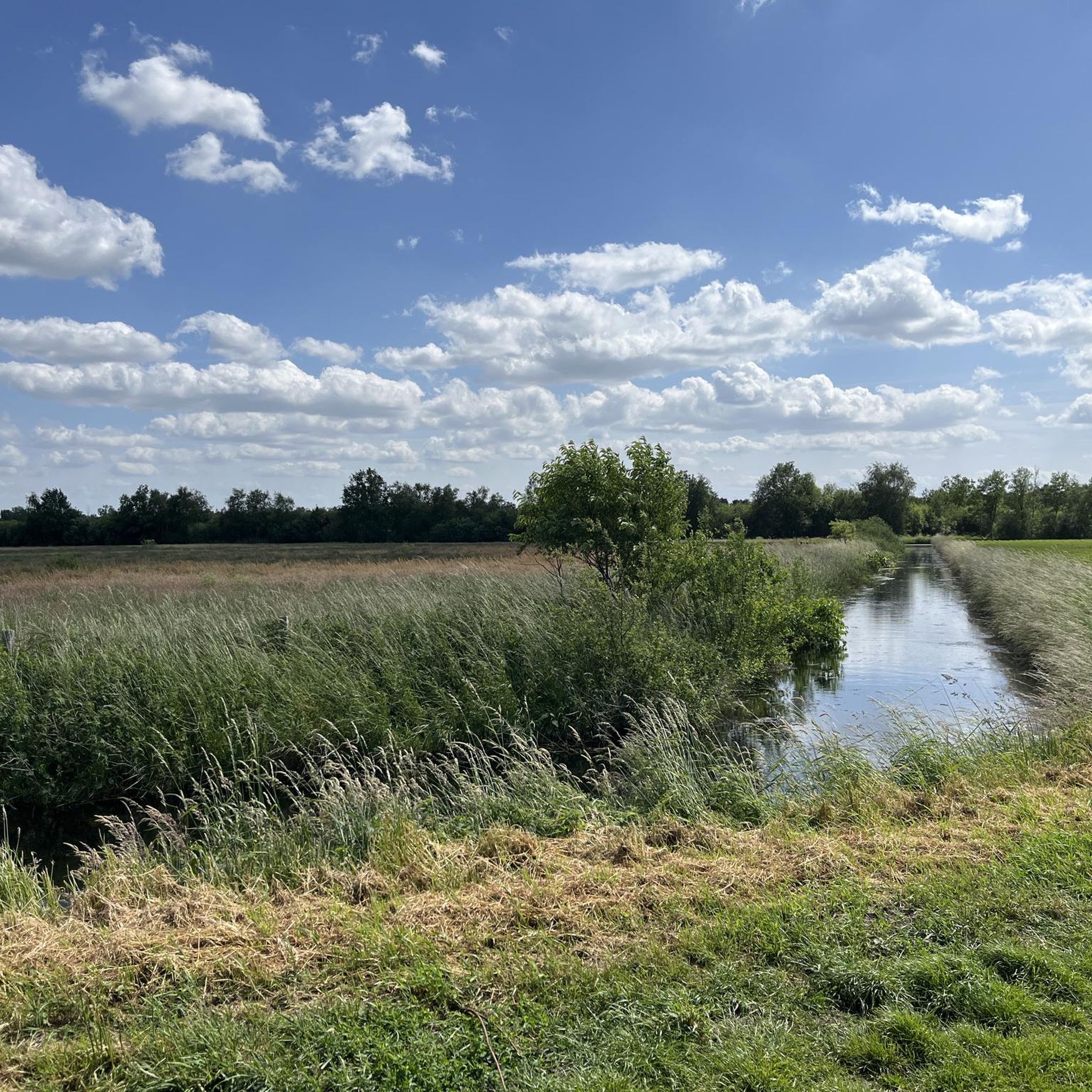
Lakes in Deurnsche Peel & Mariapeel are primarily characterized by a network of peat pits, ponds, ditches, and canals, which are remnants of historical peat extraction. This protected Natura 2000 area in the Netherlands features a unique ecosystem of restored raised bog landscapes. These water bodies are crucial for the region's hydrology, supporting diverse plant and animal life, and contribute to its value as an Important Bird Area.
Best lakes in Deurnsche Peel & Mariapeel
- The most popular lakes is Deurnsche Peel and Mariapeel, an other natural area known for its diverse landscape. This nature reserve offers beautiful paths, including gravel and sandier sections, suitable for cycling and hiking.
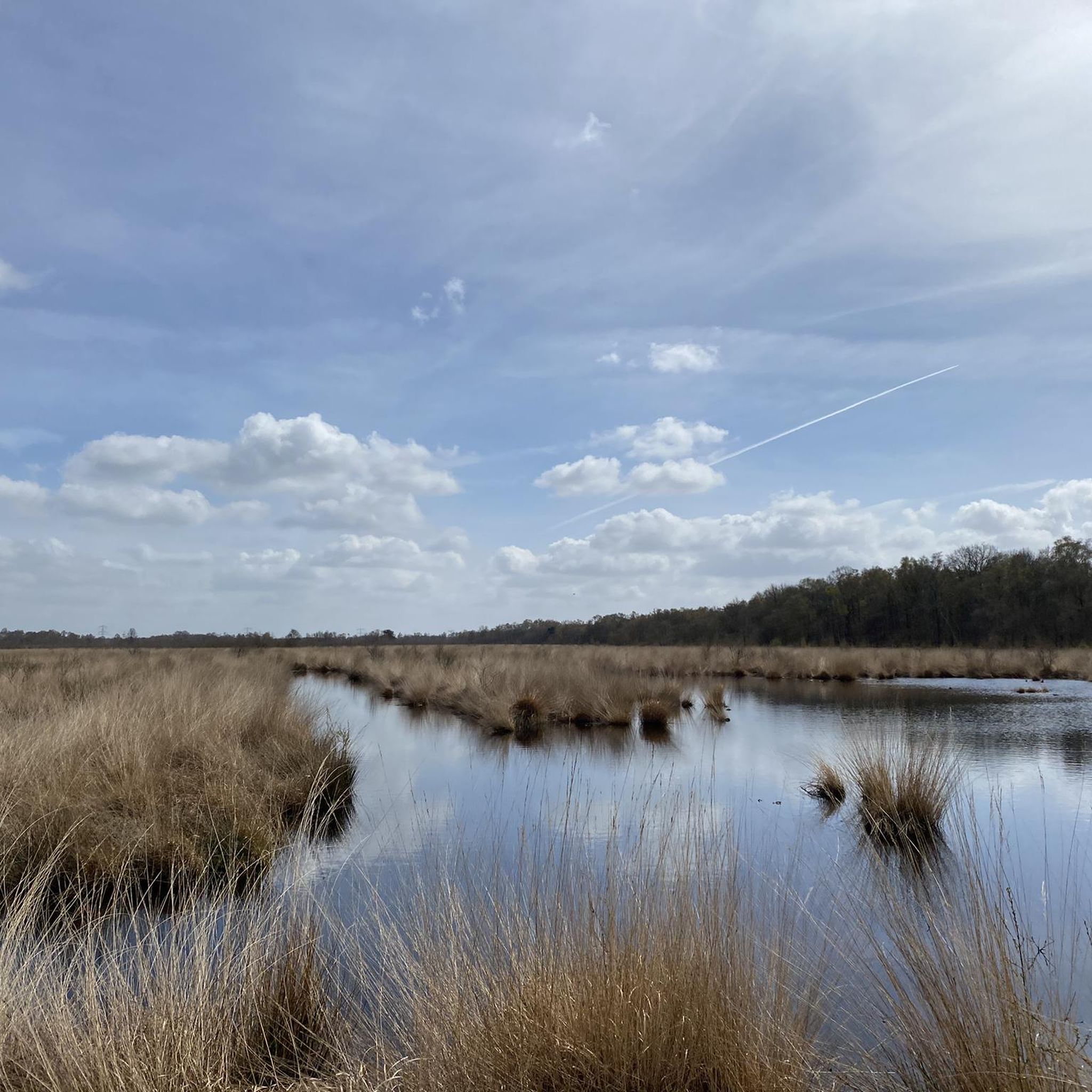
- Another must-see spot is Peat Bog in Mariapeel, an other natural area with varied landscapes. This area features impenetrable peat bogs, ponds, open heathlands, and sand ridges, supporting countless special plants and making it one of Western Europe's richest bird areas.
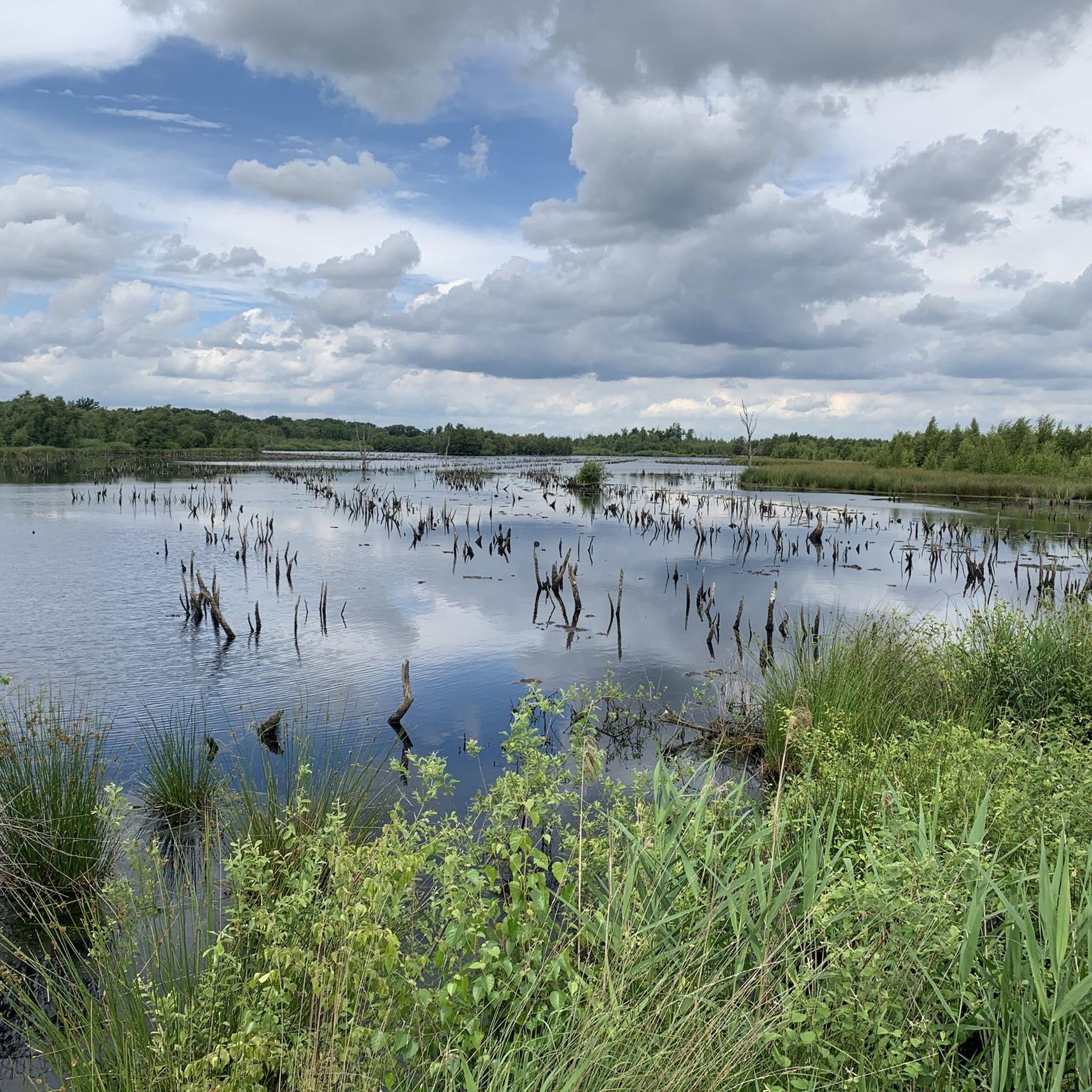
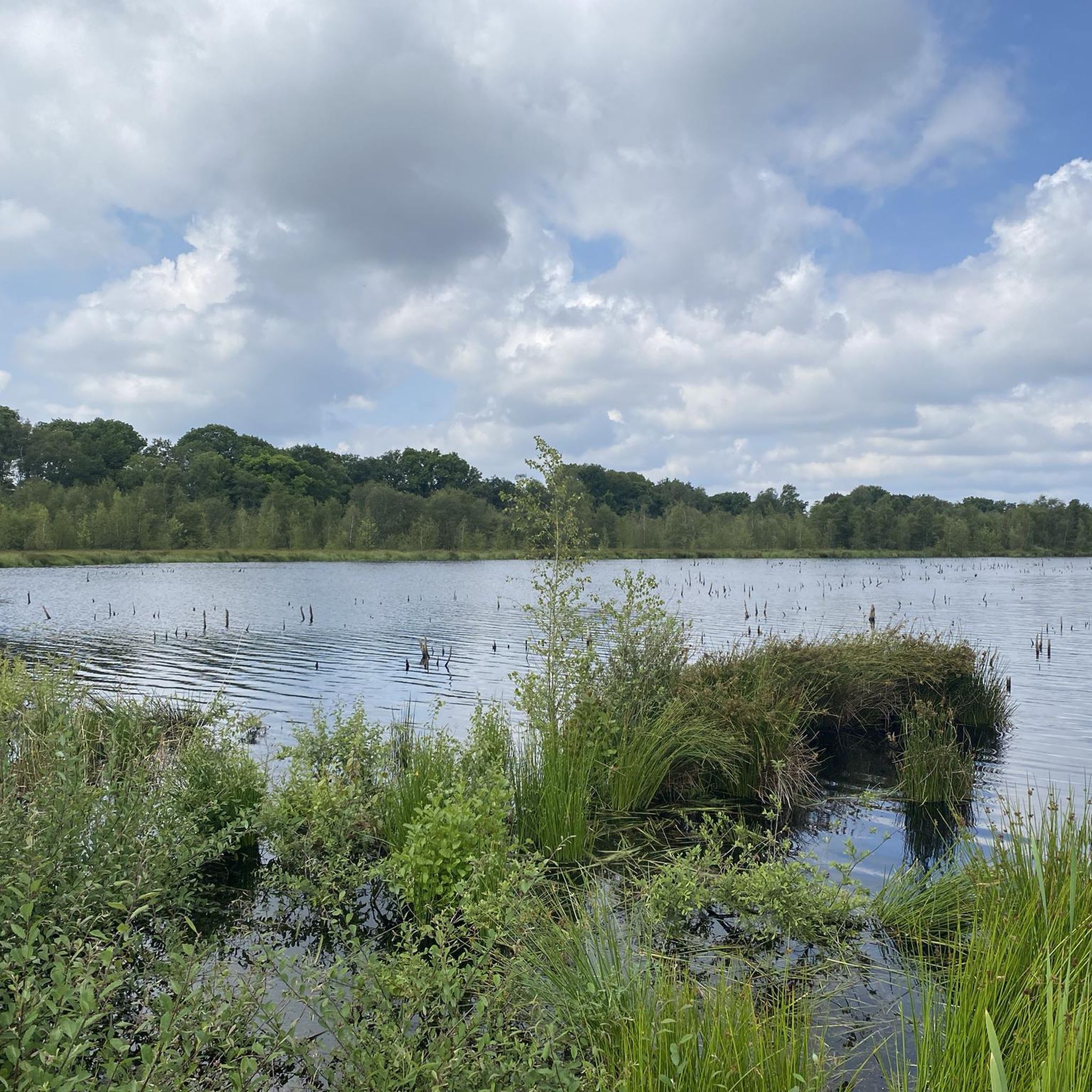
- Visitors also love Gravel Path Along the Peelven, a trail offering views of a lake. This path provides a perspective of the Peelven, where tree stumps are visible, and is suitable for walking.
- Deurnsche Peel & Mariapeel is known for its peat pits, ponds, and canals. These water bodies contribute to a diverse landscape that includes wet heathlands, marshy sections, and various types of forests.
- The lakes in Deurnsche Peel & Mariapeel are appreciated by the komoot community, with 5 highlights and more than 40 upvotes.
Last updated: May 11, 2026
Peat Bog in Mariapeel
Highlight • Natural
Countless special plants grow in this varied landscape of impenetrable peat bogs, ponds, open heathlands, plains, bushes and sand ridges. Moreover, it is one of the richest bird areas in Western Europe.
This nature reserve, with all its wealth, is a paradise for hikers.
Translated by Google •
Tip by

Mariapeel Nature Reserve
Highlight • Natural
The Mariapeel forms a virtually integral whole with the Grauwveen and the extensive Deurnese Peel on the other side of the border with the province of Brabant. It is therefore often referred to as the Deurnese Peel-Mariapeel complex. The relatively small Peel remnant, the Grauwveen, lies north of the Helmond-Venlo railway line. The peat colonies of Helenaveen and Griendtsveen lie on the edge of the area. Along with the Groote Peel, the Deurnese Peel-Mariapeel area is the most important remaining nature reserve in the Peel region. It was originally a raised bog.
Translated by Google •
Tip by
Sign up now to discover places like this
Get recommendations on the best single tracks, peaks, & plenty of other exciting outdoor places.
Sign up for free
Deurnsche Peel and Mariapeel
Highlight • Natural
Translated by Google •
Tip by

Mariaveen Wetlands
Highlight • Natural
Translated by Google •
Tip by

Gravel Path Along the Peelven
Highlight • Trail
Translated by Google •
Tip by
Sign up for free to discover even more lakes in Deurnsche Peel & Mariapeel.
Sign up for free
Already have an account?
Start today with a free account
Your next adventure awaits.
Login or Signup
Tips from the Community

The Mariapeel consists of the Mariaveen, Driehonderd Bunder and Horster Driehoek complexes.
0
0
The Mariapeel is a raised bog-like nature reserve in the municipality of Horst aan de Maas in the Dutch province of Limburg. It covers approximately 1,400 hectares and is managed by the Dutch Forestry Commission (Staatsbosbeheer). Together with the Deurnese Peel and the Grauwveen, it has been a protected wetland since 1993. As a Natura 2000 area, it is known as Deurnsche Peel & Mariapeel. It is designated as a Bird Directive Area and a Habitat Directive Area. The Mariapeel forms a virtually integral whole with the Grauwveen and the extensive Deurnese Peel on the other side of the border with the province of Brabant. It is therefore often referred to as the Deurnese Peel-Mariapeel complex. The relatively small Peel remnant, the Grauwveen, lies north of the Helmond-Venlo railway line. The peat colonies of Helenaveen and Griendtsveen lie on the edge of the area. Along with the Groote Peel, the Deurnese Peel-Mariapeel area is the most important remaining nature reserve in the Peel region. It was originally a raised bog.
0
0

Very beautiful especially in this weather
0
0

Beautiful nature reserve. You drive on it via a hard gravel path. The paths on the area itself are somewhat sandier. Left or right does not matter, all directions are beautiful.
1
0
Beautiful open nature. Beautiful white sand path that is easy to ride with a gravel bike, at least in the wetter months. I don't know what it's like in the summer. Really away from the highway, wonderfully quiet.
1
0

Beautiful and quiet nature reserve
0
0

Beautiful lake in the peel where you can see the tree stumps very well. beware if the path is muddy it can be very slippery.
3
0
Beautiful friends. Doesn't matter what season you come. Cycling is allowed. New is the monument to the pilots who died here in the Second World War. Beautiful memorial site.
4
0
Frequently Asked Questions
What kind of 'lakes' can I expect in Deurnsche Peel & Mariapeel?
The Deurnsche Peel & Mariapeel region is unique; its 'lakes' are primarily a network of peat pits, ponds, ditches, and canals. These water bodies are remnants of historical peat extraction and are integral to the area's restored raised bog landscape, rather than large natural lakes.
What natural features are prominent around the water bodies in Deurnsche Peel & Mariapeel?
Around the water bodies, you'll find a diverse landscape including vast plains of peat moss, wet heathlands, marshy sections, and various types of forests. The Peat Bog in Mariapeel, for instance, features impenetrable peat bogs, open ponds, heathlands, and sand ridges, supporting special plants like common heather, cranberry, and various sphagnum mosses.
Is Deurnsche Peel & Mariapeel a good place for birdwatching?
Yes, the Deurnsche Peel & Mariapeel is recognized as an Important Bird Area and a Natura 2000 site. Its unique water features and peat bog habitats provide essential environments for numerous bird species, including wintering and transit birds like common cranes, tundra bean geese, and white-fronted geese. The Peat Bog in Mariapeel is particularly noted as one of Western Europe's richest bird areas.
Are there historical aspects related to the water bodies in the region?
Yes, the water bodies, especially the canals, are deeply tied to the region's history of peat extraction. Villages like Helenaveen and Griendtsveen, former peat colonies, are surrounded by canals historically used for transporting peat. These canals, some tree-lined, offer a glimpse into the area's industrial past and were designed for efficient peat removal.
What outdoor activities can I do near these water bodies?
The region offers various outdoor activities. You can enjoy hiking on trails like the Mariaveen Heathland loops, or explore the area by mountain bike or gravel bike. There are dedicated guides for these activities, such as Hiking in Deurnsche Peel & Mariapeel, MTB Trails in Deurnsche Peel & Mariapeel, and Gravel biking in Deurnsche Peel & Mariapeel.
Are there family-friendly walking trails around the water features?
Yes, the Mariapeel Nature Reserve is categorized as family-friendly. Many paths throughout the Deurnsche Peel & Mariapeel are suitable for walks, offering easy to moderate terrain. For specific family-friendly routes, you can check the hiking guide for the region.
What is the best time to visit Deurnsche Peel & Mariapeel for enjoying the water landscapes?
The region offers beauty year-round. In autumn and winter, the vast plains of peat moss, swamp forests, open ponds, and reed beds can create a mystical atmosphere, especially when mists occur. Spring and summer offer lush greenery and opportunities for birdwatching. The Deurnsche Peel and Mariapeel is beautiful in any season.
What kind of terrain can I expect on trails near the water bodies?
The terrain varies. You'll find hard gravel paths, sandier sections, and paths through peat bogs, heathlands, and forests. For example, the Deurnsche Peel and Mariapeel offers both gravel and sandier sections, while the View of the Vennen area features mostly sandy roads.
Can I see unique plant life around the water bodies?
Absolutely. The restored raised bog landscape and peat pits, such as the 'Ronde Kuilen' (Round Pits) in Liesselse Peel, are home to rich high bog vegetation. You can spot species like common heather, cross-leaved heath, cranberry, common cottongrass, and various sphagnum mosses, which thrive in these wet peatland conditions.
Are there viewpoints to observe the water features?
Yes, there are several spots offering views of the water features. The Gravel Path Along the Peelven provides a perspective of the Peelven, where tree stumps are visible in the water. Additionally, the View of the Vennen offers beautiful vistas of the natural landscape, including its water elements.
What do visitors enjoy most about the water bodies in Deurnsche Peel & Mariapeel?
Visitors frequently appreciate the tranquility and natural beauty of the area. The varied landscape, with its unique peat bogs, ponds, and canals, offers a serene escape. Many enjoy the well-maintained paths for cycling and hiking, and the opportunity to observe diverse plant life and rich bird populations.
Most popular routes in Deurnsche Peel & Mariapeel
Most popular attractions in Deurnsche Peel & Mariapeel

Get inspired with the komoot mobile app


Explore more
Still not found your perfect lake in Deurnsche Peel & Mariapeel? Check out the guides of these regions to see even more beautiful places.
