Top 5 Lakes in Westerschelde & Saeftinghe
Best lakes in Westerschelde & Saeftinghe are characterized by dynamic tidal environments rather than traditional freshwater lakes. This region, located in the southwestern Netherlands, features estuaries, extensive salt marshes, mudflats, and a network of creeks and water channels. These areas are ecologically significant, offering unique natural experiences and diverse habitats. Key areas include the Drowned Land of Saeftinghe and the Waterdunen nature and recreation area, both influenced by the Westerschelde estuary.
Best lakes in Westerschelde & Saeftinghe
- The most popular…
Last updated: May 11, 2026
Drowned Land of Saeftinghe Nature Reserve
Highlight • Natural
Tip by

Sint Jacobspolder Nature Reserve
Highlight • Natural
Translated by Google •
Tip by

Sign up now to discover places like this
Get recommendations on the best single tracks, peaks, & plenty of other exciting outdoor places.
Sign up for free
Westerschelde & Saeftinghe
Highlight • Natural
Translated by Google •
Tip by

Hoedekenskerkepolder Nature Reserve
Highlight • Natural
Translated by Google •
Tip by

Pond in Natuurreservaat Rammekenshoek
Highlight • Lake
Every now and then you have a beautiful view of the lakes.
If you do a full lap, you have to …
Translated by Google •
Tip by

Sign up for free to discover even more lakes in Westerschelde & Saeftinghe.
Sign up for free
Already have an account?
Start today with a free account
Your next adventure awaits.
Login or Signup
Popular around Westerschelde & Saeftinghe
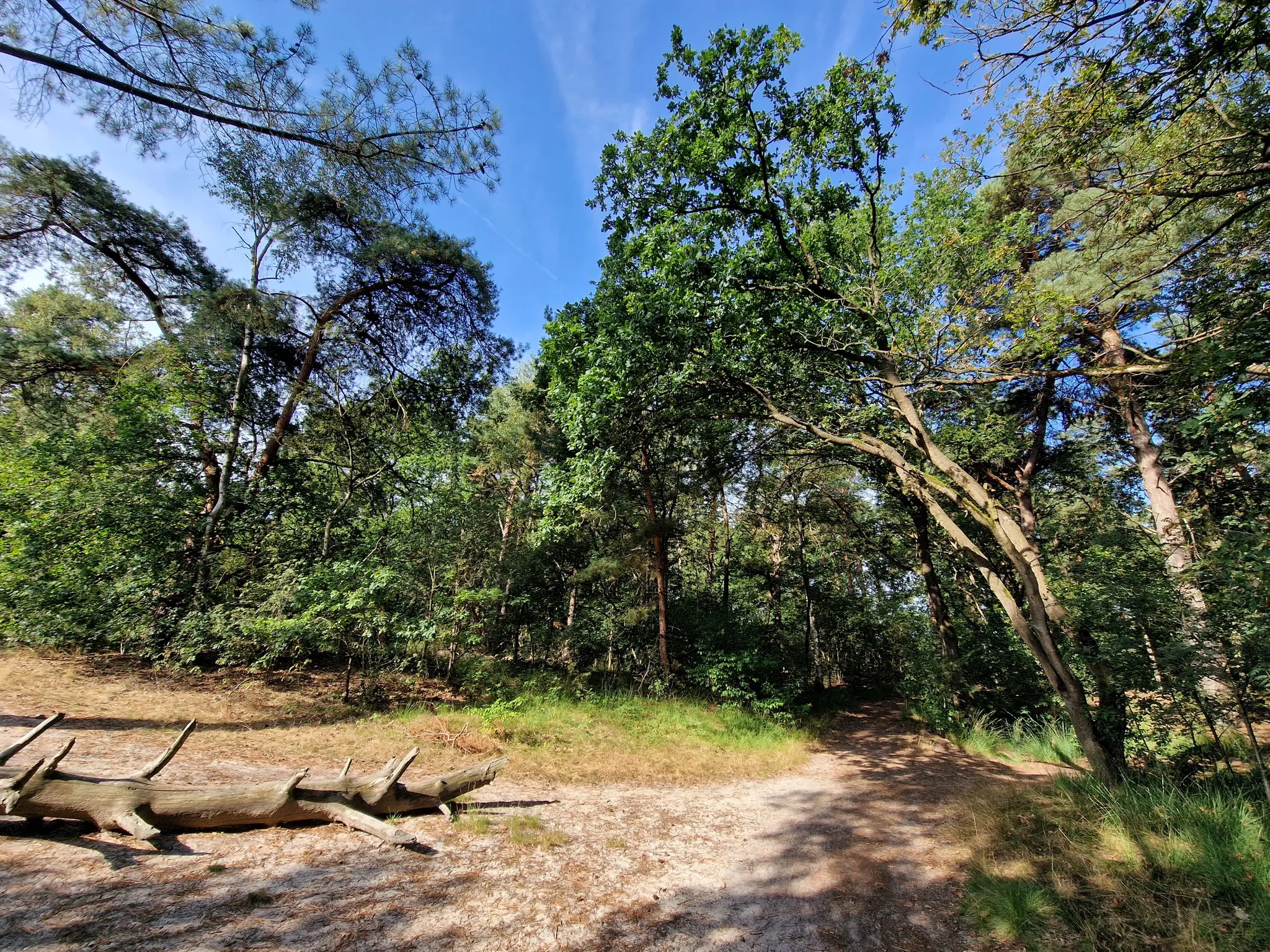
Along the border between the Netherlands and Belgium – the Grenslandpad
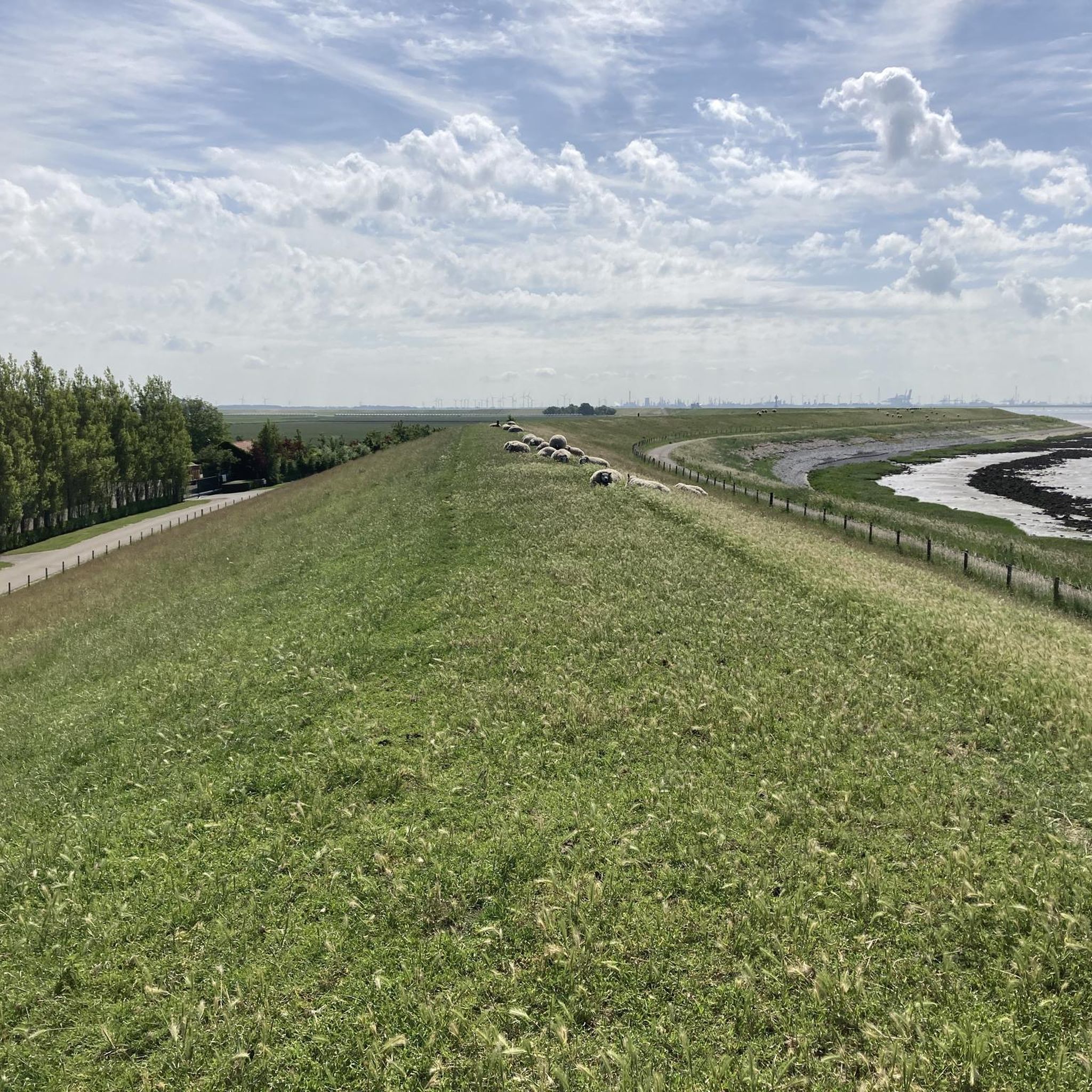
Cycling in Westerschelde & Saeftinghe
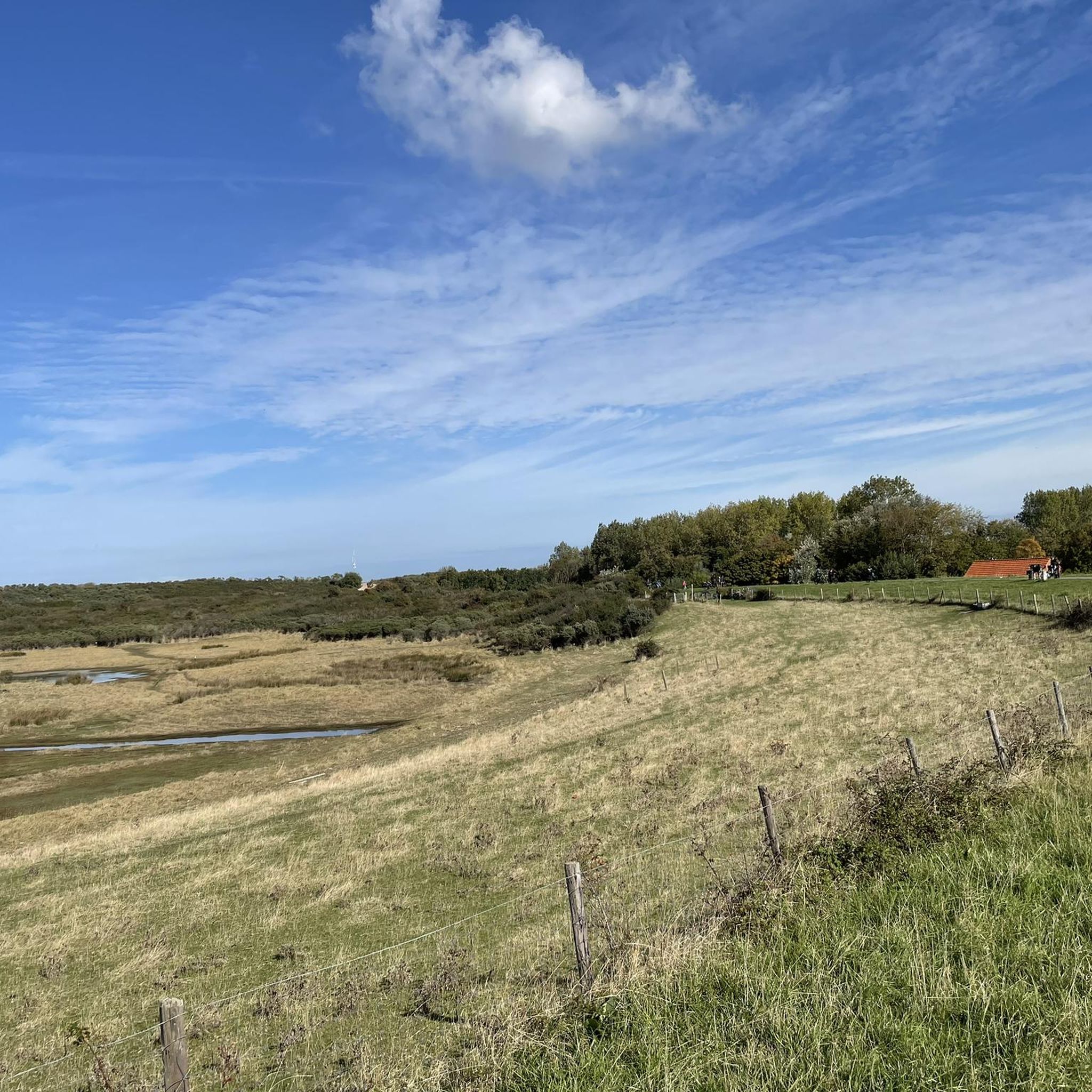
Hiking in Westerschelde & Saeftinghe

Gravel biking in Westerschelde & Saeftinghe
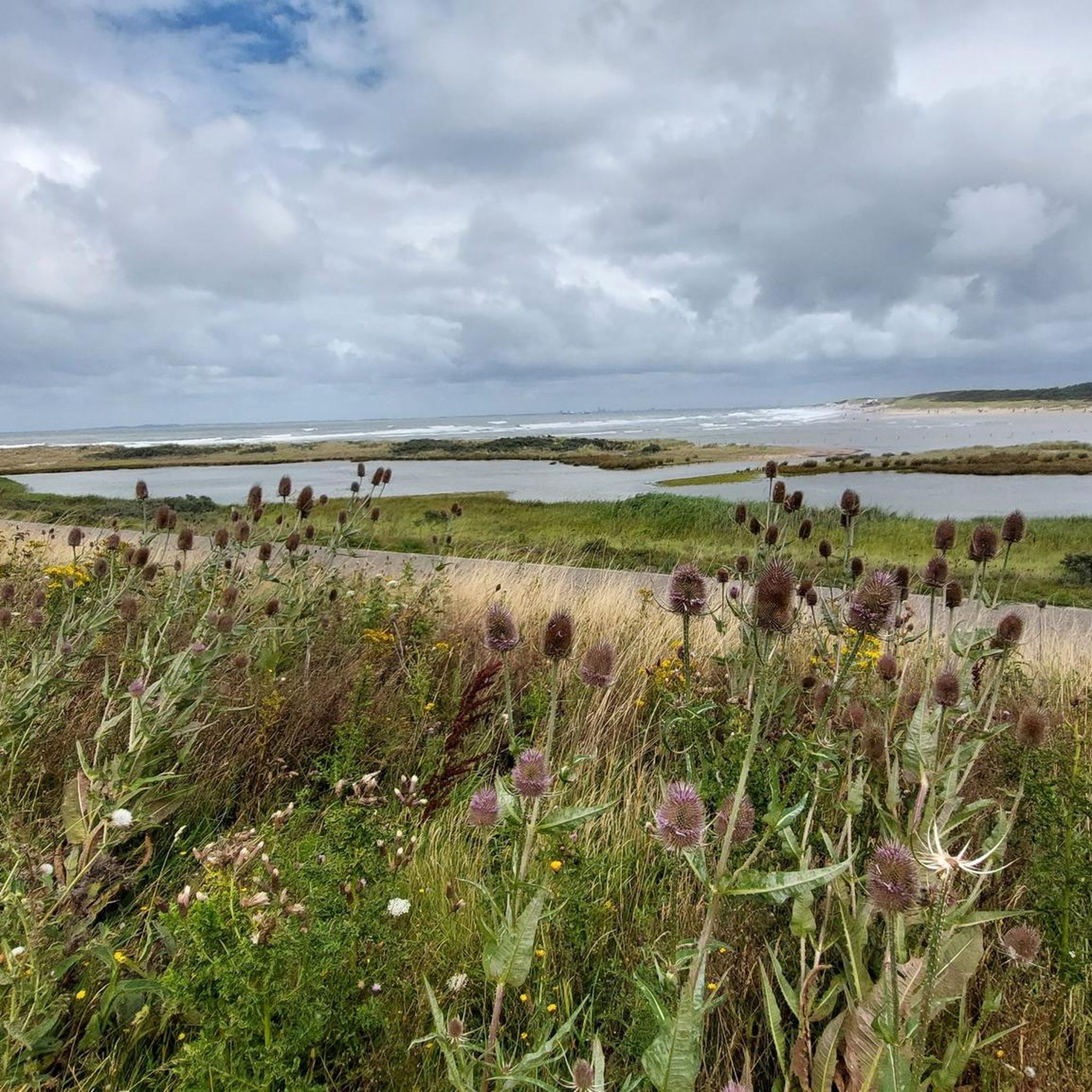
Running Trails in Westerschelde & Saeftinghe
Road Cycling Routes in Westerschelde & Saeftinghe
MTB Trails in Westerschelde & Saeftinghe
Other adventures in Westerschelde & Saeftinghe

Tips from the Community

beautiful bird area. Many species of waterfowl and waders.
0
0

Great route directly on the Schelde on brand new smooth asphalt.
1
0

On the southern edge of Zuid-Beveland, near Baarland, a new nature reserve was created in 2007. This was done to compensate for the nature that is being lost due to the deepening of the Western Scheldt. The deepening increases the current and the nature outside the dike on the Western Scheldt is crumbling. The two most important goals in the creation of this area were to provide a high-water refuge for wading birds and a breeding area for coastal breeding birds. The area is used extensively by coastal breeding birds. Birds such as ringed plovers, ringed plovers and avocets are extensively searching for worms, crustaceans and cockles. In the spring of 2009, the nests were counted and it turned out that more than 110 pairs of avocets were breeding. The young are currently leaving the nest. Wherever you look, you can see this beautiful creature wading through the area. The ranger also counted a small colony of breeding black-headed gulls, a few Kentish plovers, a few little ringed plovers and three pairs of ringed plovers. You can take a look at this nursery. The area is right next to the Scheldeoord campsite in the south of Baarland. You can look out over the area from the Zeedijk. This area falls under Natura 2000
0
0

Nice beach at the nuclear power plant 🙈
0
0
Mussel bank, many and beautiful large mussels
0
0

In the Western Scheldt, the fresh water of the Scheldt river and the salt water of the North Sea come together. On the left bank of the Western Scheldt you will find the largest brackish water marsh in Europe, the 36 km2 Verdronken Land van Saeftinghe. The mudflats and salt marshes of this area attract many bird species. So be sure to bring binoculars to this area to see which species you spot.
0
0

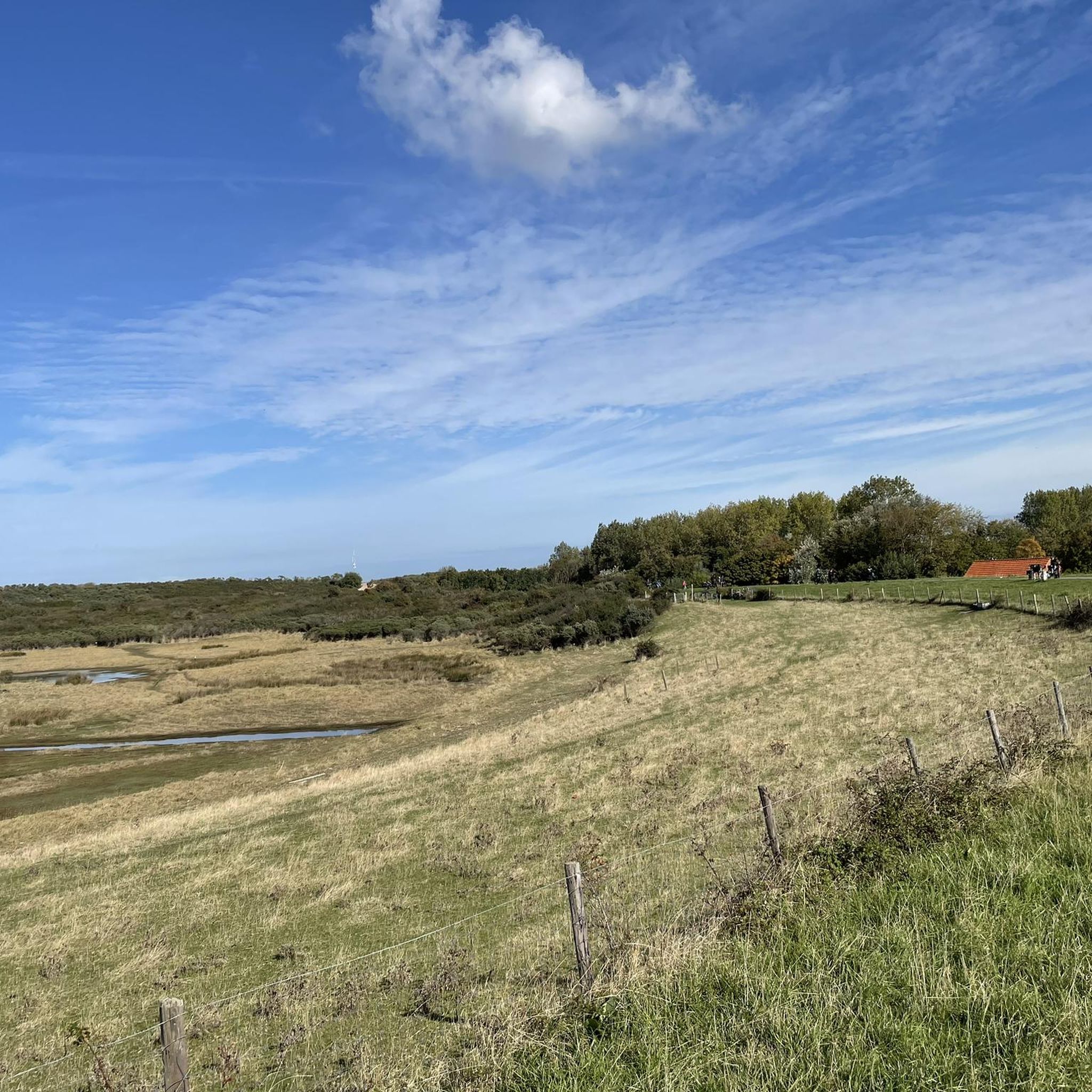
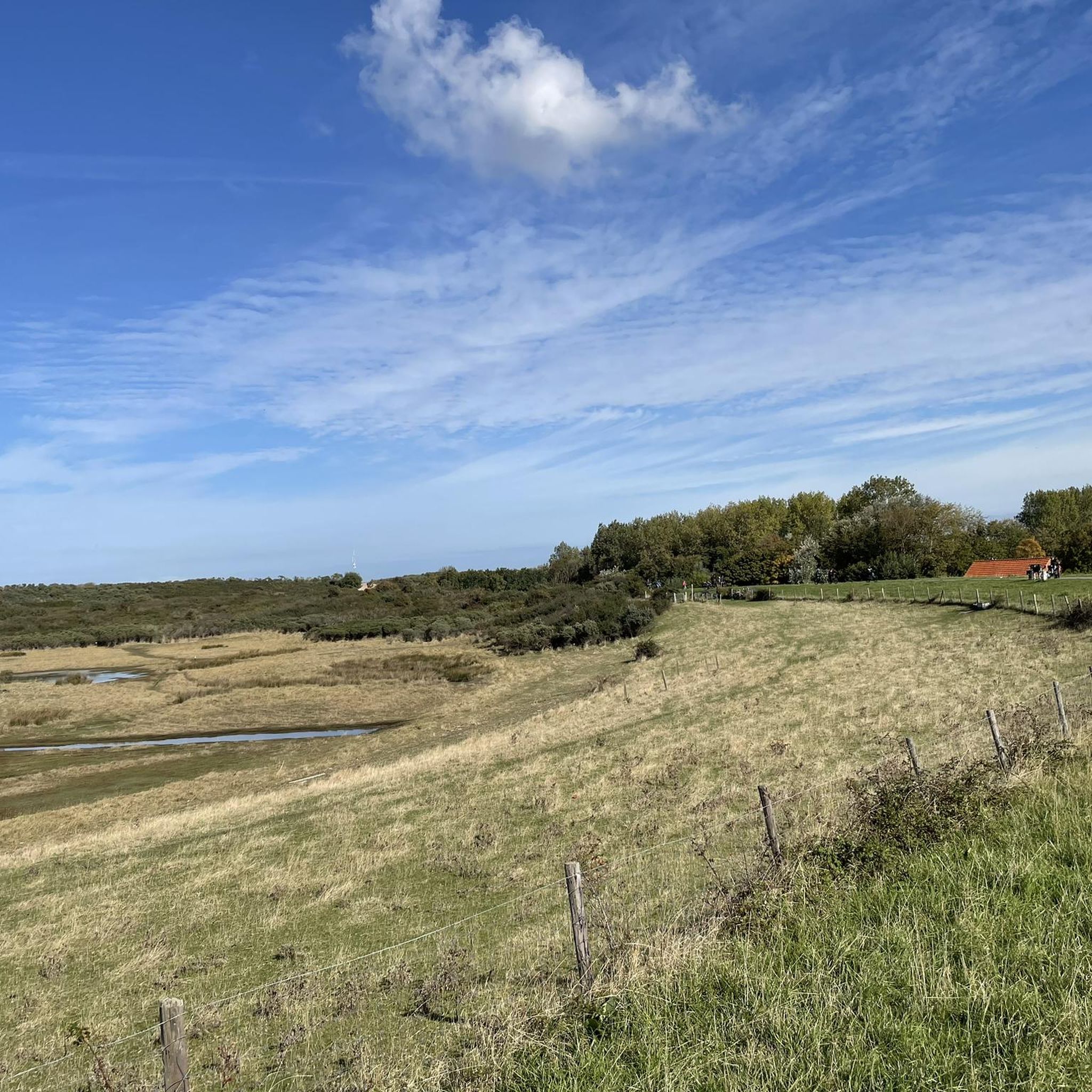
The Hoedekenskerke is an open area with low vegetation. Grassland and low-lying saline, barren parts alternate. This makes the area ideal for coastal, water and meadow birds. Waders and ducks fly from the Western Scheldt to this polder, mainly to rest. In the spring, shorebirds breed mainly in the barren salty areas; meadow birds prefer to breed on the grasslands. Info: panel at polder
1
0
Beautiful water feature where water birds feel at home. Don't forget your binoculars and enjoy the scenery. Every season you have different protagonists here. It's up to you to recognize it.
1
0
Frequently Asked Questions
What kind of aquatic environments can I expect in the Westerschelde & Saeftinghe region?
The Westerschelde & Saeftinghe region is characterized by dynamic tidal environments rather than traditional freshwater lakes. You'll find estuaries, extensive salt marshes, mudflats, and a network of creeks and water channels, all influenced by the tides of the Westerschelde estuary. These areas offer unique natural experiences and are ecologically significant.
Which are some of the most notable natural areas to visit in the region?
Key areas include the Drowned Land of Saeftinghe Nature Reserve, Europe's largest brackish-water marsh known for its dynamic tidal landscape and rich biodiversity. Another significant spot is Sint Jacobspolder Nature Reserve, created as a high-water refuge and breeding ground for coastal birds. The Hoedekenskerkepolder Nature Reserve also offers excellent bird observation opportunities within its dikes.
What kind of wildlife can I spot in the Westerschelde & Saeftinghe region?
The region is a haven for diverse flora and fauna. You can expect to see a wide variety of birdlife, including thousands of coastal birds like herring gulls, oystercatchers, and avocets. Rare species such as bearded reedlings and marsh harriers also utilize the reed beds. During autumn, it's an important stop for migrating birds like greylag geese and spoonbills. The Westerschelde estuary itself is home to seals and porpoises, which can sometimes be spotted in its waters and on sandbanks.
Are there family-friendly natural areas or activities in Westerschelde & Saeftinghe?
Yes, areas like Sint Jacobspolder Nature Reserve and Hoedekenskerkepolder Nature Reserve are noted as family-friendly. Waterdunen, a nature and recreation area near Breskens, is also designed with visitors in mind, featuring accessible trails, viewpoints, and bird hides suitable for families. For specific family-friendly walks, you can explore the easy hikes guide.
What is the best way to explore the Drowned Land of Saeftinghe?
Due to its treacherous nature, exploring the Drowned Land of Saeftinghe Nature Reserve without an experienced guide is not recommended. Guided tours offer a safe way to experience this unique environment, providing insights into the tides, brackish water ecology, and its rich history. The Visitor Center Verdronken Land van Saeftinghe serves as a starting point for excursions and offers an exhibition.
What kind of historical significance does the Drowned Land of Saeftinghe hold?
The Drowned Land of Saeftinghe has a dramatic history. It was once fertile polder land with prosperous villages and a castle that were lost to storm tides and warfare in the 14th and 16th centuries. This history contributes to its unique character as a 'drowned land'.
Can I go hiking or cycling near these natural areas?
Absolutely. The region offers various routes for outdoor activities. For hiking, you can find options in the Easy hikes in Westerschelde & Saeftinghe guide, including trails around Rammerkenshoek Lake and the Drowned Black Polder. For cycling, explore the Cycling in Westerschelde & Saeftinghe guide, which features routes like 'The Drowned Zwarte Polder – View of the North Sea Dunes'.
Are there any dog-friendly trails in the Westerschelde & Saeftinghe region?
Yes, the Pond in Natuurreservaat Rammekenshoek is noted as dog-friendly. While dogs are generally allowed in many areas, it's often required to keep them on a leash, especially in nature reserves to protect wildlife.
What is the best time of year to visit the Westerschelde & Saeftinghe region?
The region is dynamic year-round. Spring and autumn are particularly good for birdwatching due to migration periods. Summer offers pleasant weather for walking and cycling. The unique tidal landscape is a constant feature, but always check local weather conditions and tide tables, especially if planning to visit areas like Saeftinghe.
What makes the Westerschelde Estuary unique?
The Westerschelde is unique as it's the only direct route for the Scheldt river to the North Sea and was not closed off by dams as part of the Delta Works. This maintains its natural tidal character, creating a complete salinity gradient from salt to fresh water. It features extensive tidal flats, mudflats, and salt marshes, making it a vital and dynamic ecosystem and part of the Natura 2000 network.
Where can I find a forest area with views of the water?
The Pond in Natuurreservaat Rammekenshoek offers a larger forest area ideal for walks, with beautiful views of the water. If you complete a full loop, you'll walk along the dike, providing scenic views over the sea.
Most popular routes in Westerschelde & Saeftinghe
Most popular attractions in Westerschelde & Saeftinghe

Get inspired with the komoot mobile app


Explore more
Still not found your perfect lake in Westerschelde & Saeftinghe? Check out the guides of these regions to see even more beautiful places.
