Naturpark Hohe Mark - Westmünsterland
Naturpark Hohe Mark - Westmünsterland
Top 6 Caves in Naturpark Hohe Mark - Westmünsterland
Caves in Naturpark Hohe Mark - Westmünsterland offer insights into the region's geological past and industrial heritage. This nature park features diverse landscapes, including forests and cultural sites. The area's caves range from natural sandstone formations to historical mining tunnels. These sites provide a glimpse into both natural processes and human history within the Westmünsterland region.
Best caves in Naturpark Hohe Mark - Westmünsterland
- The most popular caves is Brotmann Cave, a cave that originated from the extraction of…
Last updated: July 8, 2026
Anholt Ice Cellar
Highlight • Historical Site
Translated by Google •
Tip by

Brotmann Cave
Highlight • Cave
Translated by Google •
Tip by

Sign up now to discover places like this
Get recommendations on the best single tracks, peaks, & plenty of other exciting outdoor places.
Sign up for free
Mariengrotte (Lourdes Grotto) on Annaberg
Highlight • Religious Site
Translated by Google •
Tip by

Barbarastollen Zeche Wald II
Highlight • Structure
An old mine tunnel and in the gallery the patron saint of miners
Translated by Google •
Tip by

Historic Mining Tunnel and Shrine in Naturpark Hohe Mark
Highlight • Monument
Translated by Google •
Tip by

Start today with a free account
Your next adventure awaits.
Login or Signup
Popular around Naturpark Hohe Mark - Westmünsterland
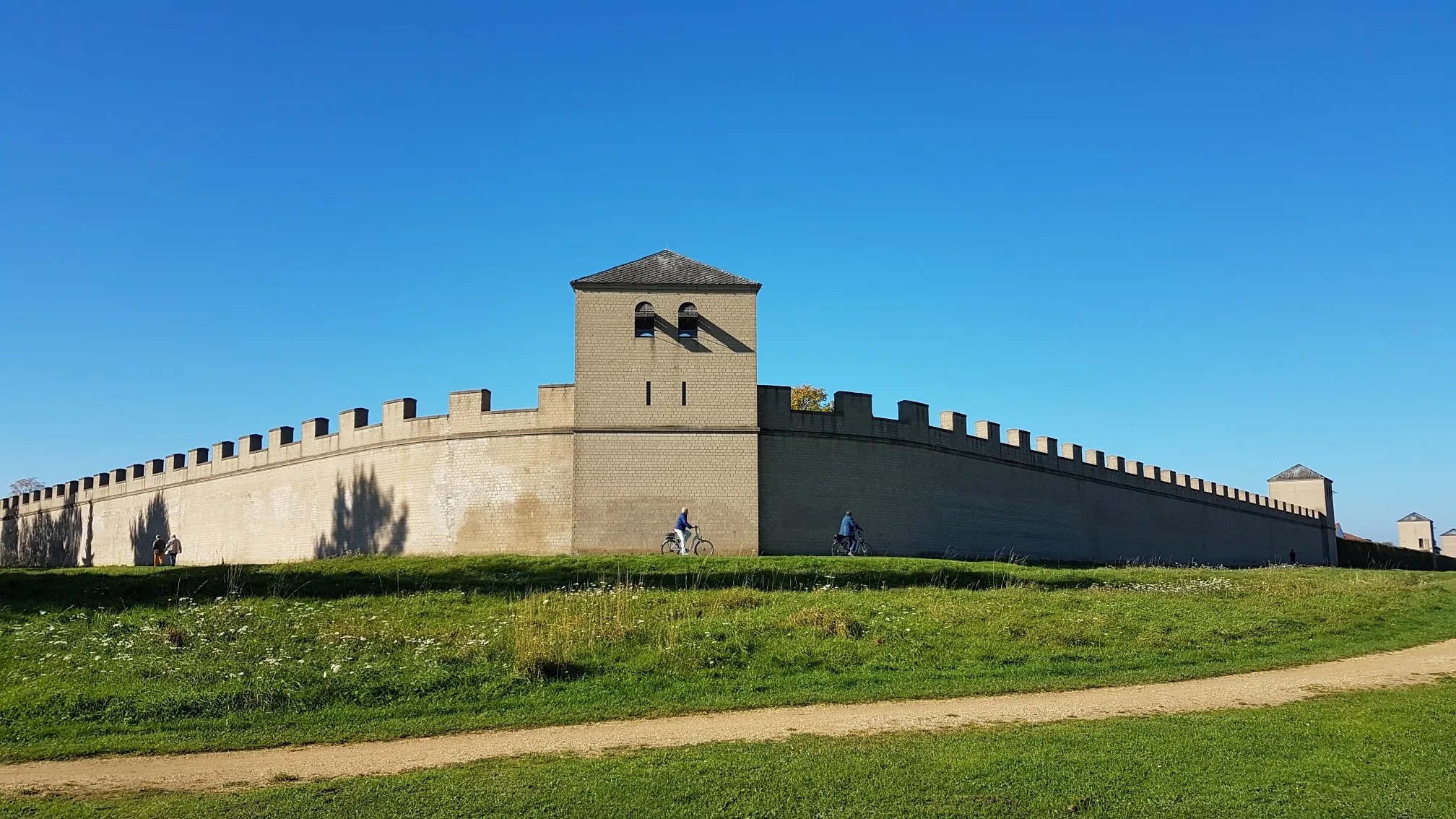
Römer‑Lippe Route – Water and history – 6 days
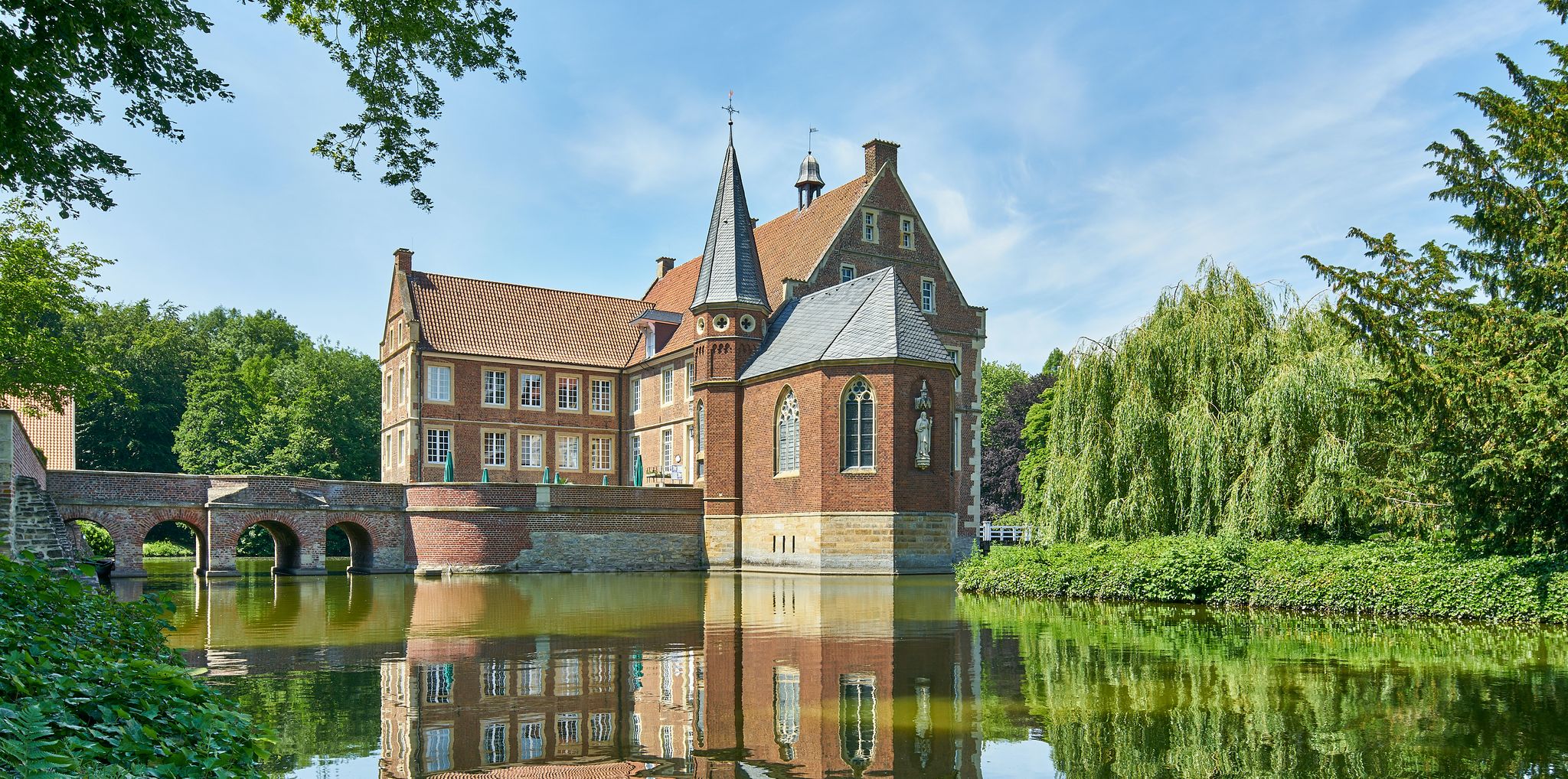
100 Castles Route – Discover the historical treasures of Münsterland by bike
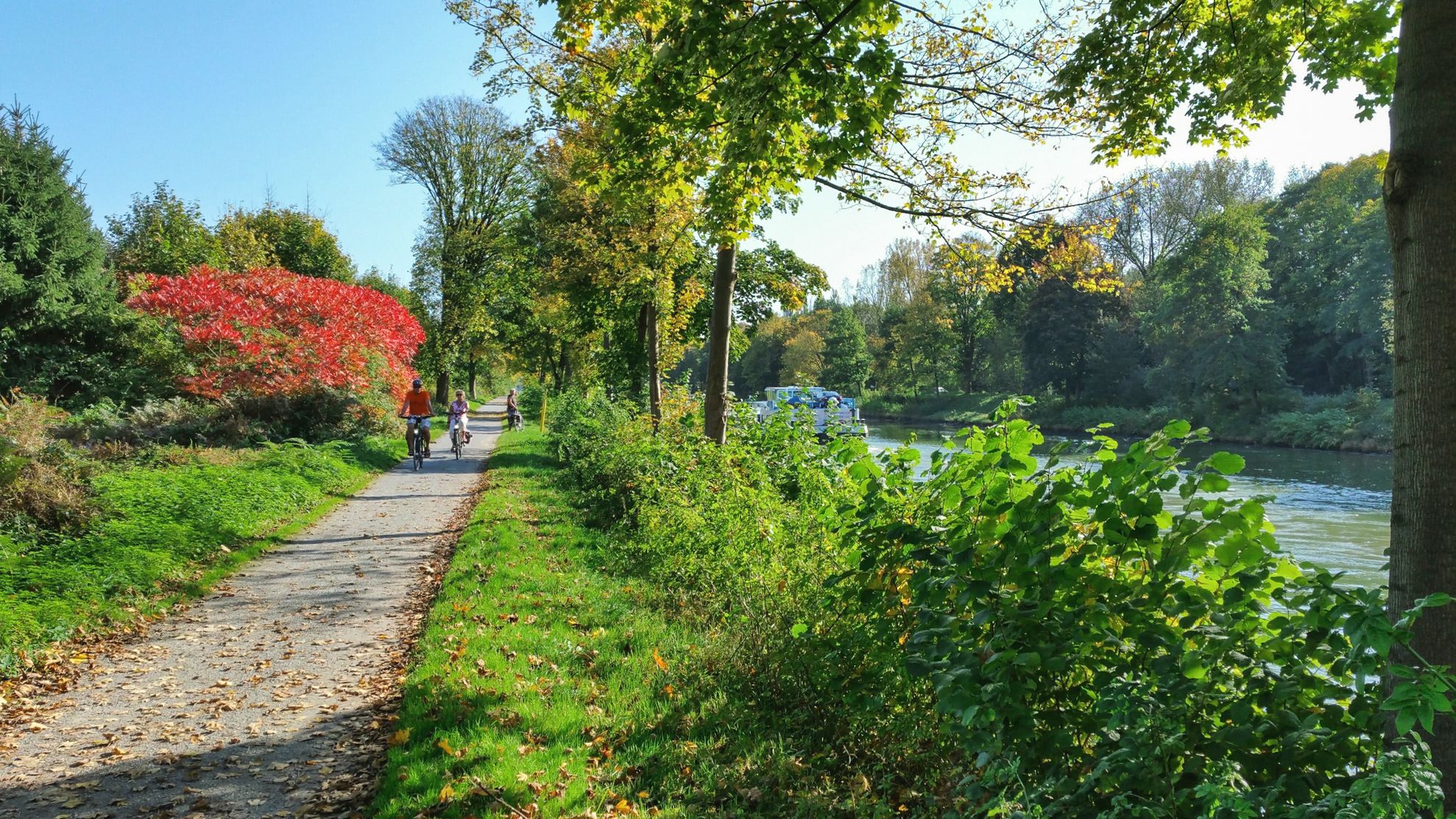
Römer‑Lippe Route – Water & history, 6 days
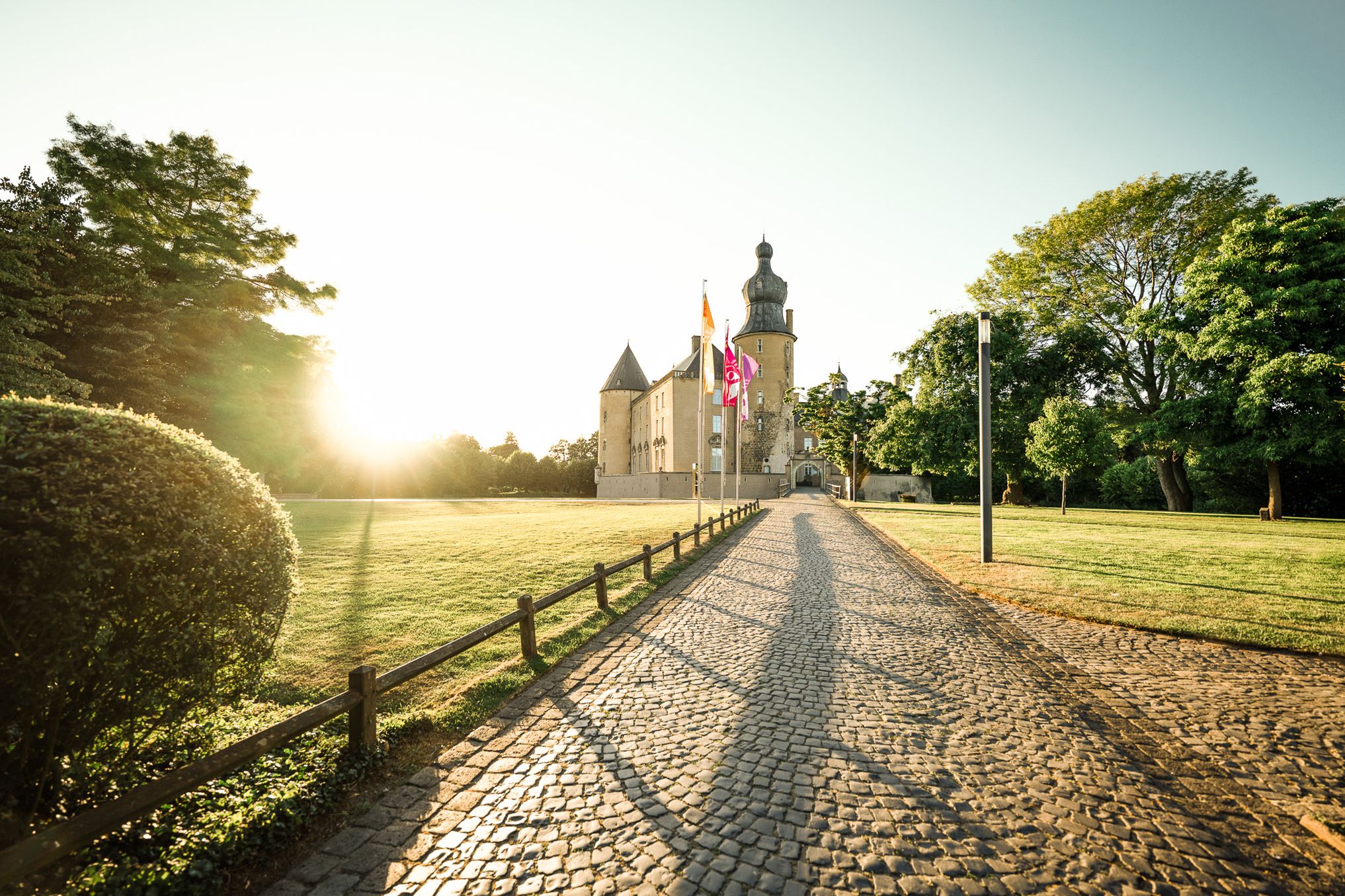
Castles, wild horses and lots of nature – cycling around Reken
Of castles and smugglers – the Bocholt Star Tours
Long live the break – bike tours with beer gardens & culinary delights
The National Natural Landscapes in Nordrhein-Westfalen
Castles, parks and wildlife – cycling around Bocholt
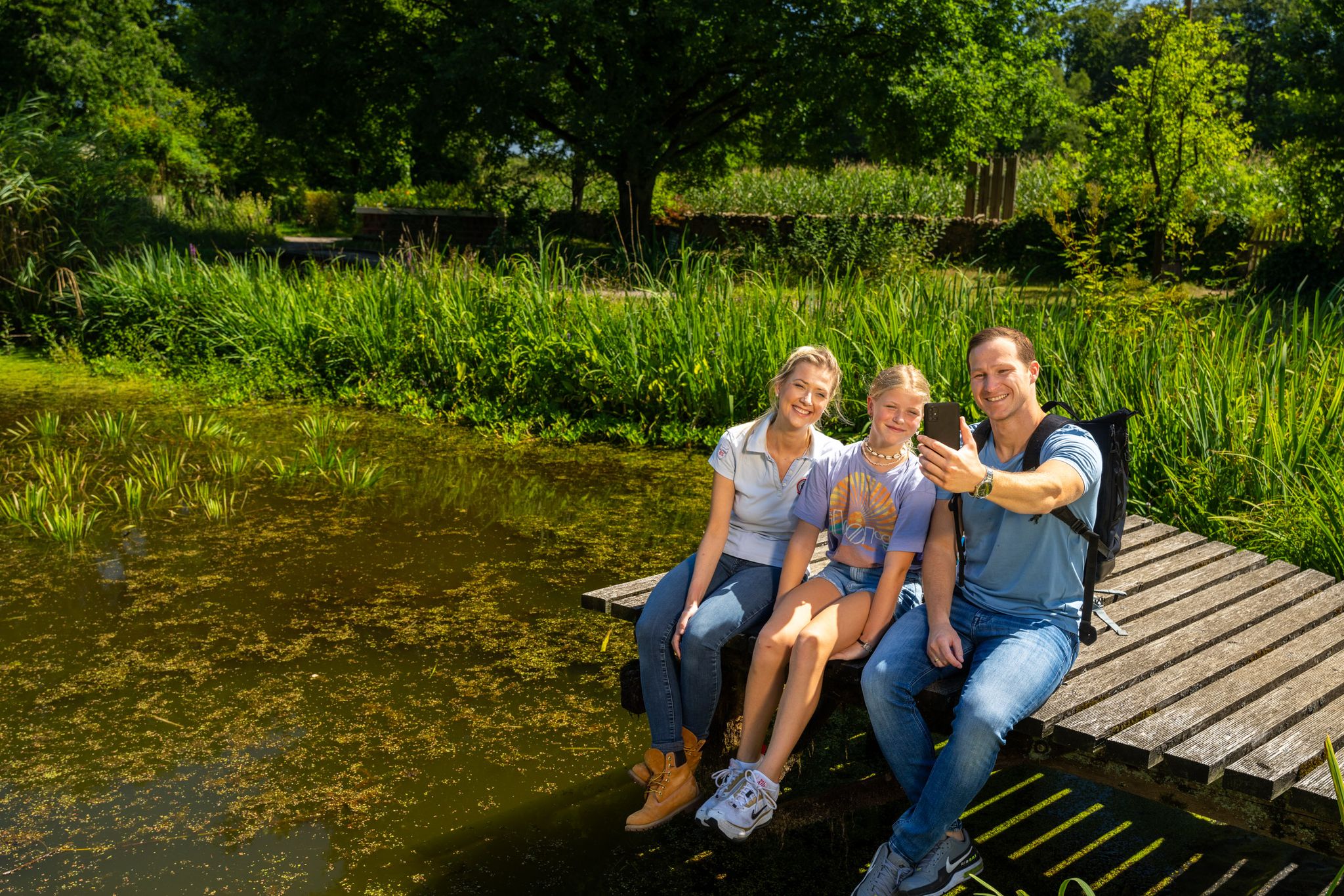
Hiking and discoveries – family walks in the Hohe Mark Nature Park
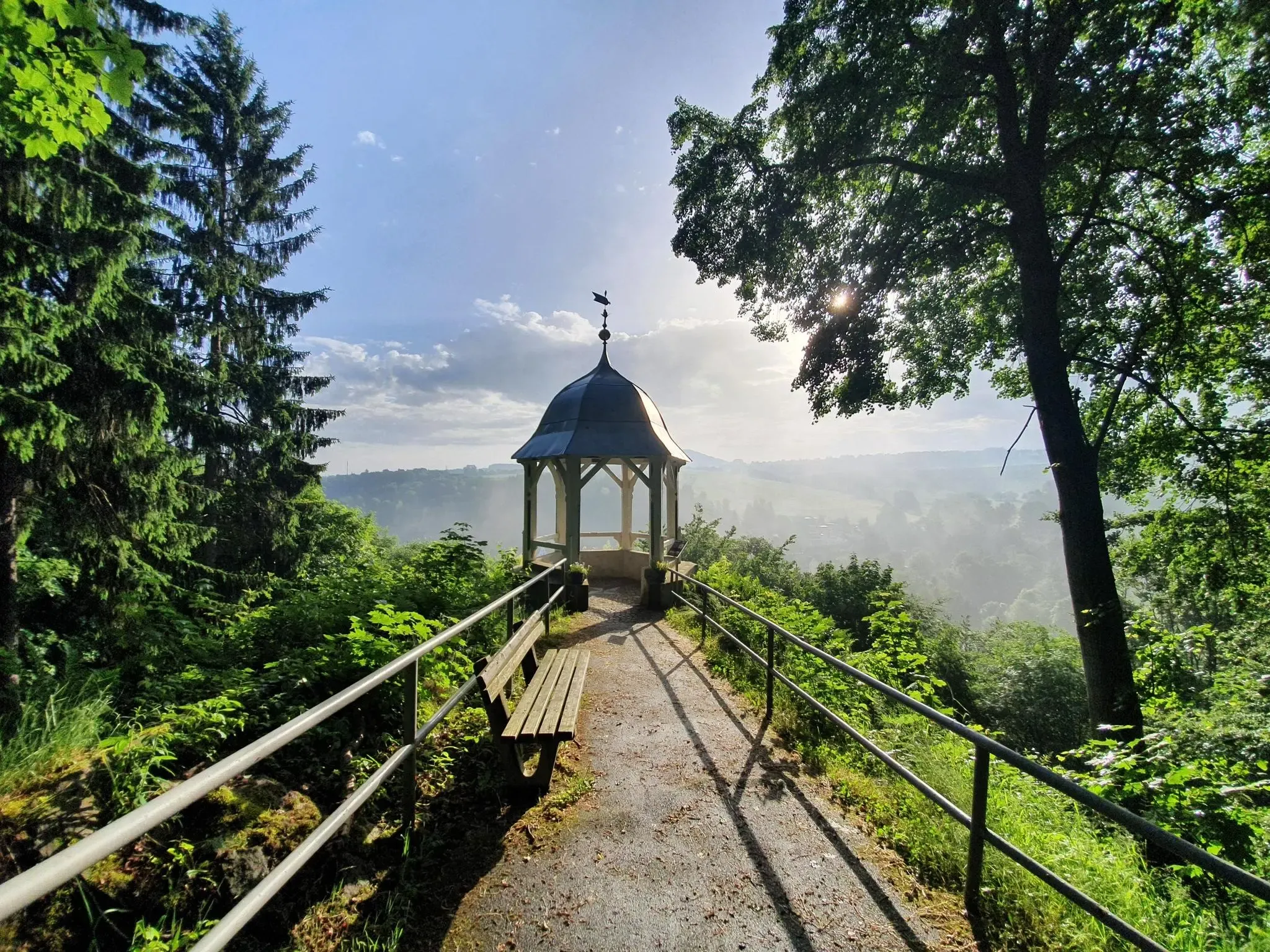
#GoFurther – discover the views of Germany!
Other adventures in Naturpark Hohe Mark - Westmünsterland


Tips from the Community

Former tunnel of the Waldzeche 2 mine
0
0

The ice cellar is the foundation of a former defensive tower of the city fortifications dating back to the 16th century. The defensive tower was demolished in the 19th century, and only then was the new entrance, as we know it today, built and intended to serve as an ice cellar. It is not known that it ever stored ice. TOWN FORTIFICATION: In 1349, Dietrich II of Zuylen (Zuilen/Sulen) and of Anholt granted the inhabitants town charter. This also included the right, or rather the obligation, to surround the settlement with a wall, rampart, and ditch. For this purpose, approximately 5,000 m³ of earthwork was carried out. Around the middle of the 15th century, the old fortifications were reinforced and expanded. The rampart was raised and widened, the ditch was deepened and expanded into a moat, and the city wall was provided with turrets and loopholes. At the same time, the city gates toward Isselburg at the market (called the Kerkpoort) and Vehlingen (called the Clev'se Poort) were reinforced. A keep was built at the weakest point of the fortifications (in the north), directly next to the parish church. Below it is the "ice cellar," which served as the foundation. Some rumors claim there was a secret passage from the castle to the ice cellar/defensive tower. However, there is no evidence for this.
2
0


You can't get right up close, but you can still get a good view of the deserter's old home from the path 🙂
0
0

The cave is located in a generally beautiful area. Tours are worthwhile
0
0


A sign pointing to the Barbarastollen has now been installed on the main path. This makes it much easier to find!
3
0

The pit, popularly known as "Brotmann's Cave", was initially created by the mining of sandstone, which formed here on 80 million year old sea sand and was planed free by the glaciers of the Ice Age. The pit was deepened by Werner Kempken, who hid here from 1865 to 1875 while fleeing military service. His father helped him. Since he regularly did unskilled bread work for the farmers in the area, he was called the bread man. With the help of good people, he was finally able to escape to the United States. What cold and troubles did he suffer here for 10 years and how much nicer than the battlefield was the chirping forest? Let's be happy that we can live so comfortably and peacefully today.
1
0
Frequently Asked Questions
What types of caves can I explore in Naturpark Hohe Mark - Westmünsterland?
The Naturpark Hohe Mark - Westmünsterland features a variety of cave types, including natural sandstone formations, historical mining tunnels, and artificial grottoes. These sites offer insights into both the region's geological past and its industrial and cultural heritage.
Which caves are most popular with visitors in Naturpark Hohe Mark - Westmünsterland?
Among the most popular are Brotmann Cave, known for its unique historical narrative and geological origins from 80-million-year-old sea sand. Another highly regarded site is Barbarastollen Zeche Wald II, a historical mining tunnel and memorial that reflects the region's industrial past.
Are there any family-friendly caves to visit in the region?
Yes, Barbarastollen Zeche Wald II is considered family-friendly, offering a chance to show children a piece of historical mining heritage. Additionally, the Mariengrotte (Lourdes Grotto) on Annaberg is also categorized as family-friendly, providing a peaceful and culturally significant site.
What historical insights do the caves in Naturpark Hohe Mark - Westmünsterland offer?
The caves provide a rich historical context. Brotmann Cave tells the story of Werner Kempken, who hid there from military service in the 19th century. Barbarastollen Zeche Wald II and the Historic Mining Tunnel and Shrine serve as memorials to the region's significant mining activities and industrial heritage.
What geological features can be observed in the caves of Naturpark Hohe Mark - Westmünsterland?
The Brotmann Cave is a prime example, originating from the extraction of sandstone that formed from 80-million-year-old sea sand and was later shaped by Ice Age glaciers. This highlights the natural processes that have sculpted the landscape over millennia.
Are there hiking trails near the caves in Naturpark Hohe Mark - Westmünsterland?
Yes, the caves are often situated within areas popular for hiking. For instance, Brotmann Cave is considered a highlight for hikers. You can find various hiking routes in the region, including easy and moderate options. Explore more at the Easy hikes in Naturpark Hohe Mark - Westmünsterland guide or the general Hiking in Naturpark Hohe Mark - Westmünsterland guide.
What other outdoor activities can I do near the caves?
Beyond exploring the caves, the Naturpark Hohe Mark - Westmünsterland offers diverse outdoor activities. You can find mountain hikes, such as the 'Flaesheim Quarry Lake – Shelter at Dachsberg loop', or explore various other trails. For more details, refer to the Mountain Hikes in Naturpark Hohe Mark - Westmünsterland guide.
What do visitors appreciate most about the caves in this region?
Visitors appreciate the unique blend of natural beauty and historical significance. The personal story associated with Brotmann Cave and the poignant reminder of industrial heritage at Barbarastollen Zeche Wald II are frequently highlighted. The peaceful and reflective atmosphere of sites like the Mariengrotte is also highly valued.
Are there any religious or spiritual sites among the caves?
Yes, the Mariengrotte (Lourdes Grotto) on Annaberg is a significant religious site. It is an artificially created stone grotto modeled after the Lourdes Grotto, featuring many crosses and devotional objects that reflect the piety of its visitors.
Are the caves easily accessible or are they hidden gems?
Some caves, like Barbarastollen Zeche Wald II, are described as 'hidden places' in the Haard, though a sign has been installed to make it easier to find. The Historic Mining Tunnel and Shrine is also somewhat hidden but only a short distance from the main path, adding to their charm as discoveries.
What should I bring when visiting the caves in Naturpark Hohe Mark - Westmünsterland?
While specific gear isn't always necessary for all sites, comfortable walking shoes are recommended, especially if you plan to combine your visit with hiking. For sites like the mining tunnels, a flashlight might enhance your exploration, though many are accessible from paths.
Can I visit the caves during bad weather?
Many of the cave sites, particularly the grottoes and mining tunnel entrances, are accessible even in less ideal weather conditions. However, paths leading to them might be muddy, so appropriate footwear is advisable. Always check local weather forecasts before your visit.
Most popular routes in Naturpark Hohe Mark - Westmünsterland
Most popular attractions in Naturpark Hohe Mark - Westmünsterland

Get inspired with the komoot mobile app


Explore more
Extend your search for the best caves by checking out these guides of the top ones in Naturpark Hohe Mark - Westmünsterland:
