Top 19 Castles in Naturpark Hirschwald
Best castles in Naturpark Hirschwald offer a journey through history amidst a landscape of deep forests and gentle valleys. This region, known for its historical significance in iron ore processing, features numerous castles and ruins. These sites provide insight into medieval life, territorial disputes, and the architectural heritage of the Bavarian Jura. The natural park provides a captivating backdrop for exploring these ancient structures.
Best castles in Naturpark Hirschwald
- The most popular castles is Schweppermannsburg castle ruins, Pfaffenhofen, a…
Last updated: May 11, 2026
Oberes Schloss Schmidmühlen (Town Hall)
Highlight • Castle
Translated by Google •
Tip by

Kastl Monastery Castle
Highlight • Castle
Translated by Google •
Tip by

Sign up now to discover places like this
Get recommendations on the best single tracks, peaks, & plenty of other exciting outdoor places.
Sign up for free
Ziegeltor, Amberg
Highlight • Monument
The Gothic tower was raised in 1581, it is flanked by two semicircular battery towers, and was repaired again in 1888.
Today it is the headquarters of a youth organization.
Translated by Google •
Tip by

Schweppermannsburg castle ruins, Pfaffenhofen
Highlight • Castle
Translated by Google •
Tip by

Rossstein Castle Ruins
Highlight • Castle
Roßstein is located near Schmidmühlen and Hohenburg in the middle of the lonely Taubenbacher Forest.
Chunrad Oerelheimer named himself after the castle for the first time in 1331, …
Translated by Google •
Tip by

Sign up for free to discover even more castles in Naturpark Hirschwald.
Sign up for free
Already have an account?
Start today with a free account
Your next adventure awaits.
Login or Signup
Popular around Naturpark Hirschwald
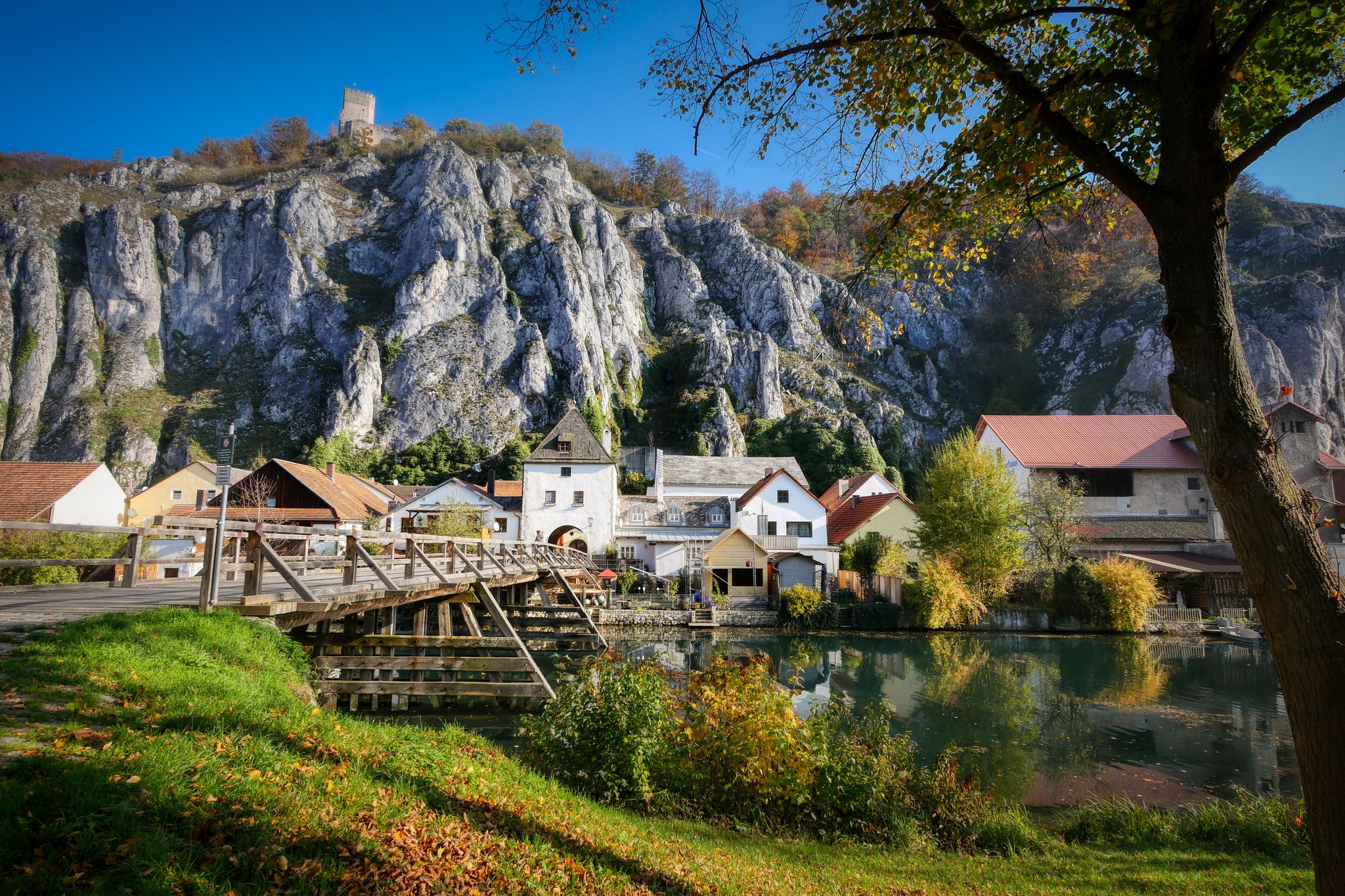
Jurasteig — hiking in the heart of Bavaria
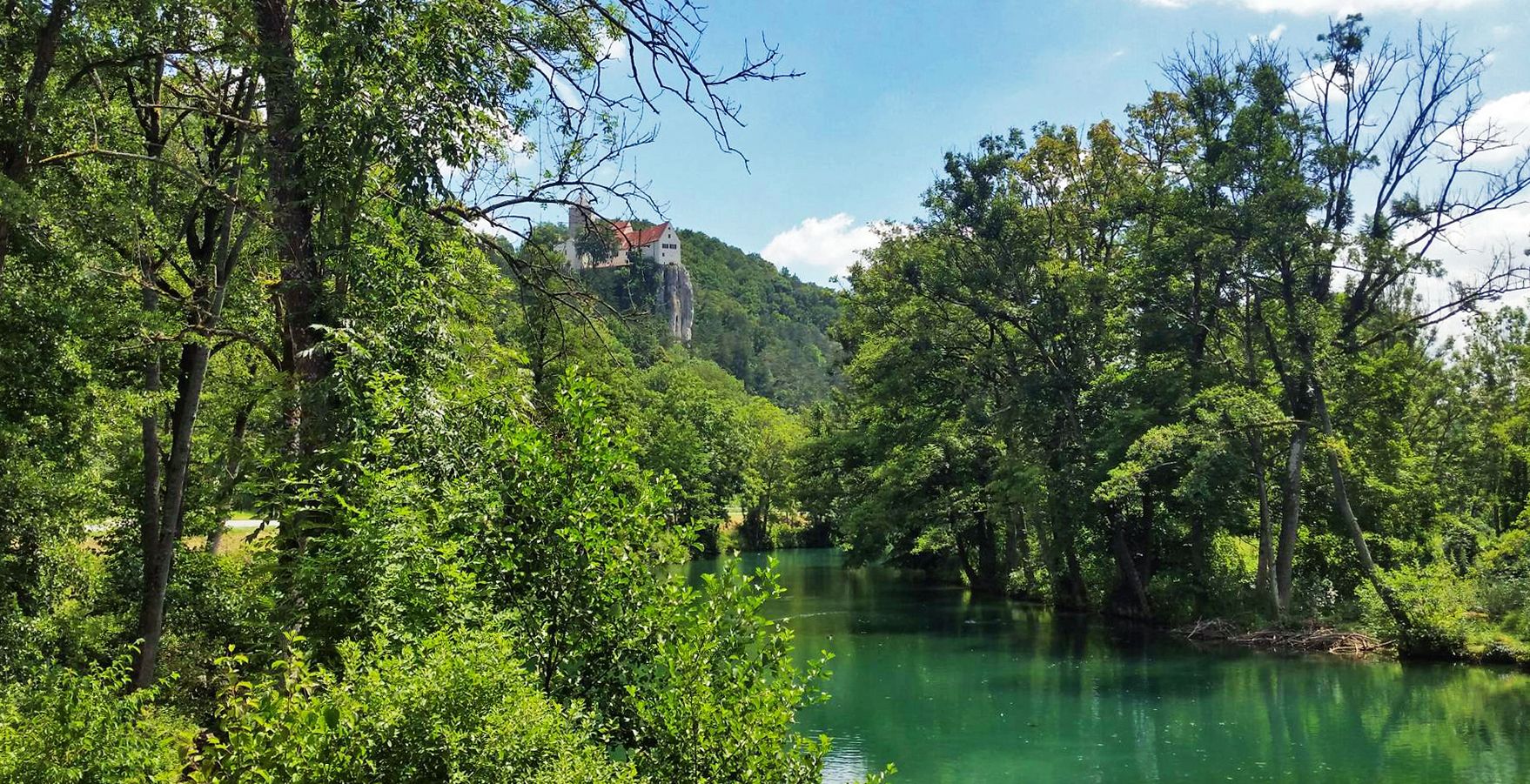
Five Rivers Cycle Path — 5 stages along Bavaria's most beautiful rivers
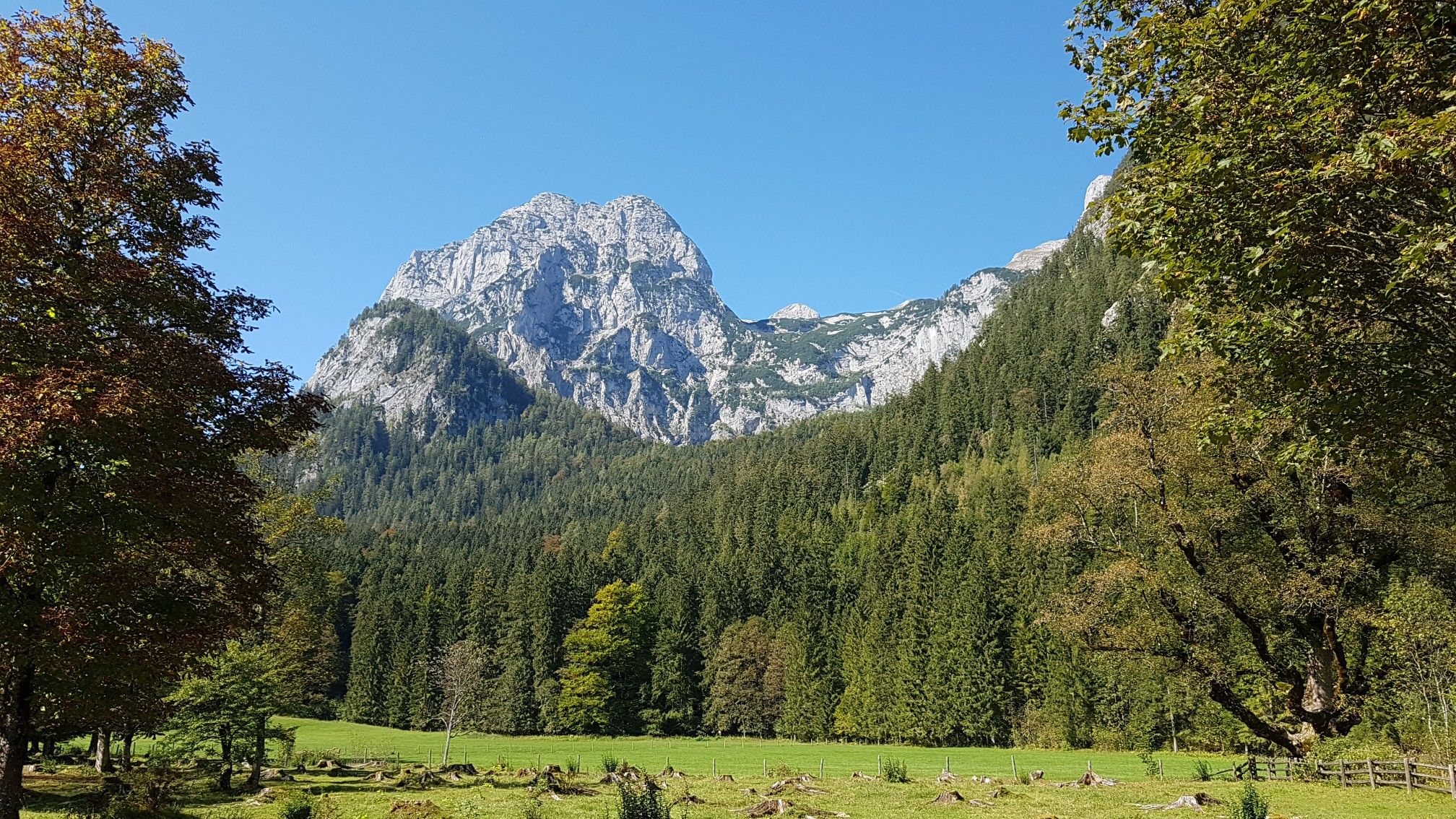
The National Natural Landscapes in Bavaria
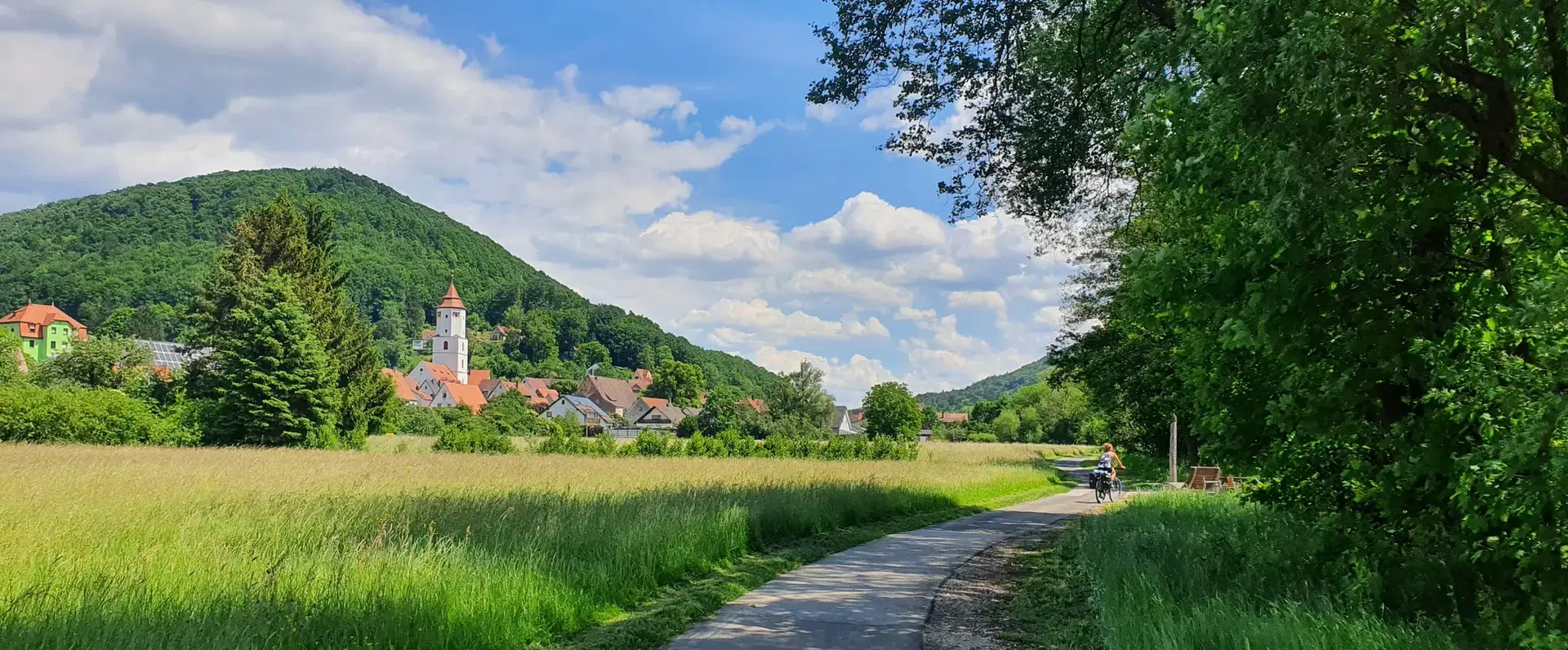
Cycling through the Nuremberg metropolitan region – nature & enjoyment
City, country, lake – VGN leisure tips 2025
11 Days on the Erzweg Quality Hiking Trail
VGN presents 8 cycling day trips around Nuremberg
Culinary delights on the road – VGN Pleasure Tours
Auf dem Erzweg im Naturpark Hirschwald
Tauche in die Geschichte ein! – Stadtrundgänge in Bayern
Other adventures in Naturpark Hirschwald


Tips from the Community

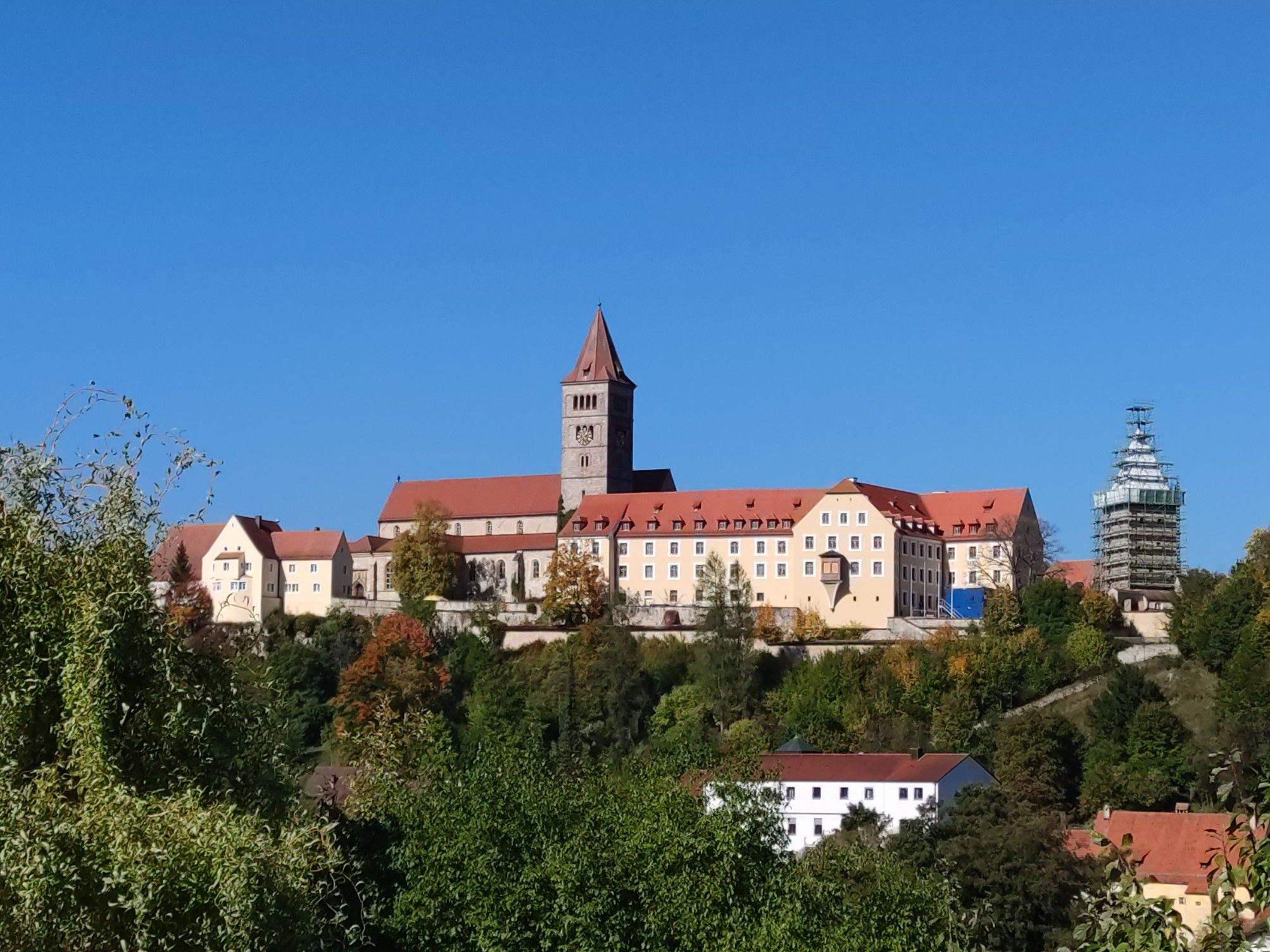
An old hilltop castle, long used as a monastery by various religious orders. Today it houses the police academy. It lies on a dolomite spur above the valley. This is also where the "Hochholz Trail" begins, which is not to be missed.
0
0

The Kastl castle complex has towered over the Lauterach Valley since the 10th century. In 1098, it was decided to convert the castle into a monastery. Description: It was founded in 1103, and the choir and St. Egidius Chapel were consecrated in 1129. Construction of the monastery church was completed at the end of the 12th century. Through constant renovations and expansions, the church acquired its present appearance. In 1782, it became the property of the Knights of Malta. The basilica has been used as a parish church since 1808. A late Gothic main portal, a four-bay barrel vault, the alternating support of columns and pillars in the nave, and the Gothic stone tomb in the vestibule, which was once the tomb of the deceased Princess Anna, make the church a true gem. Princess Anna was the daughter of King Ludwig the Bavarian and died in 1319. The mummy of the one-and-a-half-year-old "Kastl Child" was preserved until the end of 2013 and can be viewed again. The antechamber also houses the sarcophagus of General Schweppermann. [ Source: https://www.ostbayern-tourismus.de/attraktionen/klosterburg-kastl-fd22a56fae ]
1
0

Very beautiful monastery castle currently serves as a police training center
0
0


Great monastery castle with an amazing view - be sure to take the small juniper hiking trail!
0
0

The Schweppermannsburg (also called Pfaffenhofen Castle) is a castle ruin in Pfaffenhofen, a district of the market town of Kastl (Lauterachtal) in the Upper Palatinate district of Amberg-Sulzbach in Bavaria. The complex is listed as an archaeological monument under the file number D-3-6635-0121 in the Bavaria Atlas as "archaeological findings in the area of the castle ruin "Schweppermannsburg" in Pfaffenhofen, hilltop settlements from the late Hallstatt/early La Tène period and the early Middle Ages". It is also listed as a listed building monument in Pfaffenhofen under the file number D-3-71-132-63. The outer bailey of the spur castle is freely accessible at all times, the main castle with the keep is not. The construction time of the complex is undated. Excavations in 2004 showed extensive building work in the 13th century and a few ceramic finds from the castle area indicate settlement activity as early as the 9th/10th - 11th/12th centuries. Pfaffenhofen was part of the original equipment of the Kastl monastery and has a settlement continuity that probably goes back to the 8th/9th century. Pfaffenhofen Castle was first mentioned in a document in the House Contract of Pavia in 1329, in which half of the complex went to the Duke of Bavaria, Ludwig the Bavarian. From 1335 to 1352, Hartung the Schweppermann, a son of Seyfried Schweppermann, can be proven to have been (partially) the owner of the castle. At the end of the 14th century, Ulrich the Sweppermann finally appears as the lord of the castle. The Schweppermann family subsequently gave the castle its name. In the 17th century, the complex was destroyed by Swedish troops during the Thirty Years' War and then hastily rebuilt. The castle complex fell into disrepair in the early 19th century and was only included in a renovation plan towards the end of the 20th century. Since October 24, 2007, the castle has been owned by the chairman of the Amberg section of the German Alpine Association, who purchased it from the Free State of Bavaria Source: Wikipedia
2
0
Kastl Abbey Castle is the largely preserved hilltop castle and later Kastl Monastery, located on a long dolomite peak above the Lauterach Valley, high above Kastl in the Amberg-Sulzbach district of Bavaria. It is listed as an architectural monument under the file number D-3-71-132-21. "Archaeological findings from the Middle Ages and the early modern period in the area of the former Benedictine Abbey of Kastl" are also listed as an archaeological monument under the file number D-3-6636-0070. The castle complex was probably founded in the Carolingian period. In 954, Margrave Luitpold of Austria is said to have received Kastl Castle as a fief. In the same year, Luitpold owned the entire Heubischgau region, including Kastl, Habsberg, Illschwang, and Sulzbach. In 1098, the castle had three owners: Count Berengar of Sulzbach, Frederick I of Habsberg-Kastl with his son Count Otto of Habsberg-Kastl, and Luitgard of Zähringen, wife of Margrave Diepold II of Vohburg. Between 1098 and 1102, the owners agreed to convert the castle into a Benedictine monastery.[1] On May 12, 1102, Pope Paschal II confirmed the founding of the monastery. Source: Wikipedia
3
0

The Ziegeltor is the northeastern city gate of Amberg.
4
0
Frequently Asked Questions
What types of castles can I explore in Naturpark Hirschwald?
Naturpark Hirschwald offers a diverse range of historical structures, from well-preserved monastery castles to romantic castle ruins integrated into the landscape. You can find impressive Romanesque monastery castles like Kastl Monastery Castle, and significant ruins such as Schweppermannsburg castle ruins and Rossstein Castle Ruins. The region also features former aristocratic residences, like the three castles in Schmidmühlen.
Are there any family-friendly castles to visit in the region?
Yes, several castles in Naturpark Hirschwald are suitable for families. Kastl Monastery Castle is listed as family-friendly and offers a cafe. The Oberes Schloss Schmidmühlen, which now houses the town hall, is also noted as family-friendly and wheelchair accessible, with parking available nearby. The historical circular route around Kastl also makes for an engaging family outing.
What historical insights do the castles of Naturpark Hirschwald offer?
The castles provide a deep dive into the region's rich history, from medieval trade and territorial disputes to daily life. For instance, Kastl Monastery Castle showcases Benedictine architecture and houses the mummy of Princess Anna. The castles in Schmidmühlen, including the Oberes Schloss and Hammerschloss, reflect the area's industrial heritage tied to iron ore processing. Schweppermannsburg has ties to a famous 14th-century field captain.
Which castles offer the best viewpoints or natural features?
Many castles are set in picturesque natural surroundings. Rossstein Castle Ruins are nestled in the Taubenbacher Forest, offering a blend of historical intrigue and natural beauty, especially in spring when surrounded by liverworts and periwinkle. Kastl Monastery Castle majestically overlooks Kastl, shaped by the Bavarian Jura landscape, with juniper slopes and diverse flora. From Burgruine Lichtenegg, visitors can enjoy magnificent long-distance views on clear days.
Are there hiking trails near the castles in Naturpark Hirschwald?
Absolutely. Many castles are integrated into the region's hiking network. Rossstein Castle Ruins are directly on the Jakobsweg (St. James's Way) and are a rewarding stop for hikers. A historical circular route leads around Kastl and up to Kastl Monastery Castle. You can find numerous routes, including those around Kastl Monastery Castle, in the Hiking in Naturpark Hirschwald guide.
What outdoor activities can I combine with a castle visit?
Naturpark Hirschwald offers a variety of outdoor activities. Besides hiking, you can explore the region by road cycling or gravel biking. There are several routes that pass by or near historical sites. For example, you can find routes in the Road Cycling Routes in Naturpark Hirschwald and Gravel biking in Naturpark Hirschwald guides.
What is the accessibility like for castles in Naturpark Hirschwald?
Accessibility varies by castle. The outer bailey of Schweppermannsburg castle ruins is freely accessible, though the main castle is usually not. Burgruine Lichtenegg is freely accessible. Oberes Schloss Schmidmühlen is noted as wheelchair accessible. For ruins, paths can be uneven, so appropriate footwear is recommended.
Are there any amenities like cafes or accommodation near the castles?
Yes, some locations offer amenities. Kastl Monastery Castle has a cafe. The town of Schmidmühlen, where the three castles are located, is a recognized climatic health resort and offers cozy accommodation and a good selection of inns. For other castles, it's advisable to check nearby towns for services.
What is the best time to visit the castles in Naturpark Hirschwald?
The spring season is particularly appealing for visiting castle ruins like Rossstein Castle Ruins, as it's surrounded by a carpet of liverworts and periwinkle. Generally, spring to autumn offers pleasant weather for exploring the outdoor sites and combining visits with hiking or cycling. Some castles, like Schweppermannsburg, even host annual castle festivals, typically in May or June.
What makes the castles in Schmidmühlen unique?
Schmidmühlen is unique for its concentration of three distinct castles within the town center: the Oberes Schloss (now the town hall), the Hammerschloss, and the Zieglerschloss. These castles offer insight into different social strata and economic activities that shaped the region, from aristocratic residences to structures tied to the area's industrial heritage and even an unusual origin story for the Zieglerschloss, built by a brickyard owner who made his fortune manufacturing snuff boxes.
What do visitors enjoy most about the castles in Naturpark Hirschwald?
Visitors appreciate the blend of historical intrigue and natural beauty that the castles offer. The komoot community has shared over 220 photos and given more than 590 upvotes across 17 highlights, indicating a strong appreciation for these sites. Many enjoy the opportunity to step back in time while surrounded by the deep forests and gentle valleys of the Naturpark Hirschwald, often combining castle visits with hiking.
Can I visit the interior of all castle ruins?
No, access to castle interiors varies. For example, while the outer bailey of Schweppermannsburg castle ruins is freely accessible, the main castle with its keep is usually not. For specific access information, especially for main castle interiors, it's best to check with local information centers or the managing organizations, such as the German Alpine Club for Schweppermannsburg.
Most popular routes in Naturpark Hirschwald
Most popular attractions in Naturpark Hirschwald

Get inspired with the komoot mobile app


