Top 10 Castles in Chránená Krajinná Oblasť Malé Karpaty
Best castles in Chránená Krajinná Oblasť Malé Karpaty are situated within the Little Carpathians mountain range, a protected landscape area in western Slovakia. This region features forested hills, limestone formations, and a history of medieval settlements. The area is characterized by its natural landscape and historical sites, offering opportunities for exploration.
Best castles in Chránená Krajinná Oblasť Malé Karpaty
- The most popular castles is Pajštún Castle Ruins, a castle and historical site. These medieval ruins are located on the…
Last updated: July 7, 2026
Biely Kameň Castle Ruins
Highlight • Castle
Since 2021, the citizens' association Castrum Sancti Georgii has been committed to the preservation of the …
Showing Translation
Tip by

Pajštún Castle Ruins
Highlight • Castle
Translated by Google •
Tip by

Sign up now to discover places like this
Get recommendations on the best single tracks, peaks, & plenty of other exciting outdoor places.
Sign up for free
Čachtice Castle
Highlight • Castle
Translated by Google •
Tip by

Ostrý Kameň Castle Ruins
Highlight • Castle
Translated by Google •
Tip by

Plavecký Castle Ruins
Highlight • Castle
Tip by

Sign up for free to discover even more castles in Chránená Krajinná Oblasť Malé Karpaty.
Sign up for free
Already have an account?
Start today with a free account
Your next adventure awaits.
Login or Signup
Popular around Chránená Krajinná Oblasť Malé Karpaty
Hiking in Chránená Krajinná Oblasť Malé Karpaty
Road Cycling Routes in Chránená Krajinná Oblasť Malé Karpaty
Running Trails in Chránená Krajinná Oblasť Malé Karpaty
MTB Trails in Chránená Krajinná Oblasť Malé Karpaty
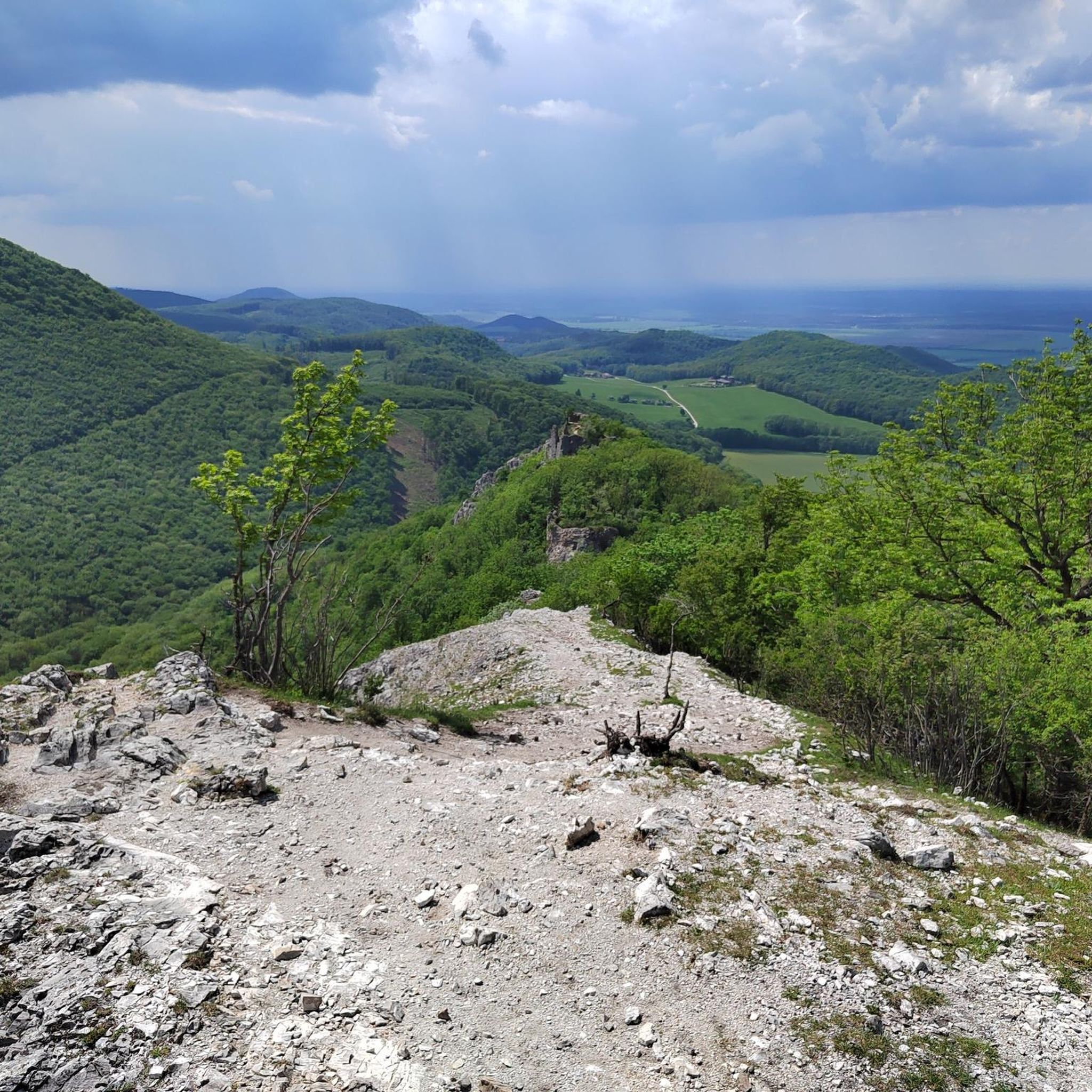
Cycling in Chránená Krajinná Oblasť Malé Karpaty
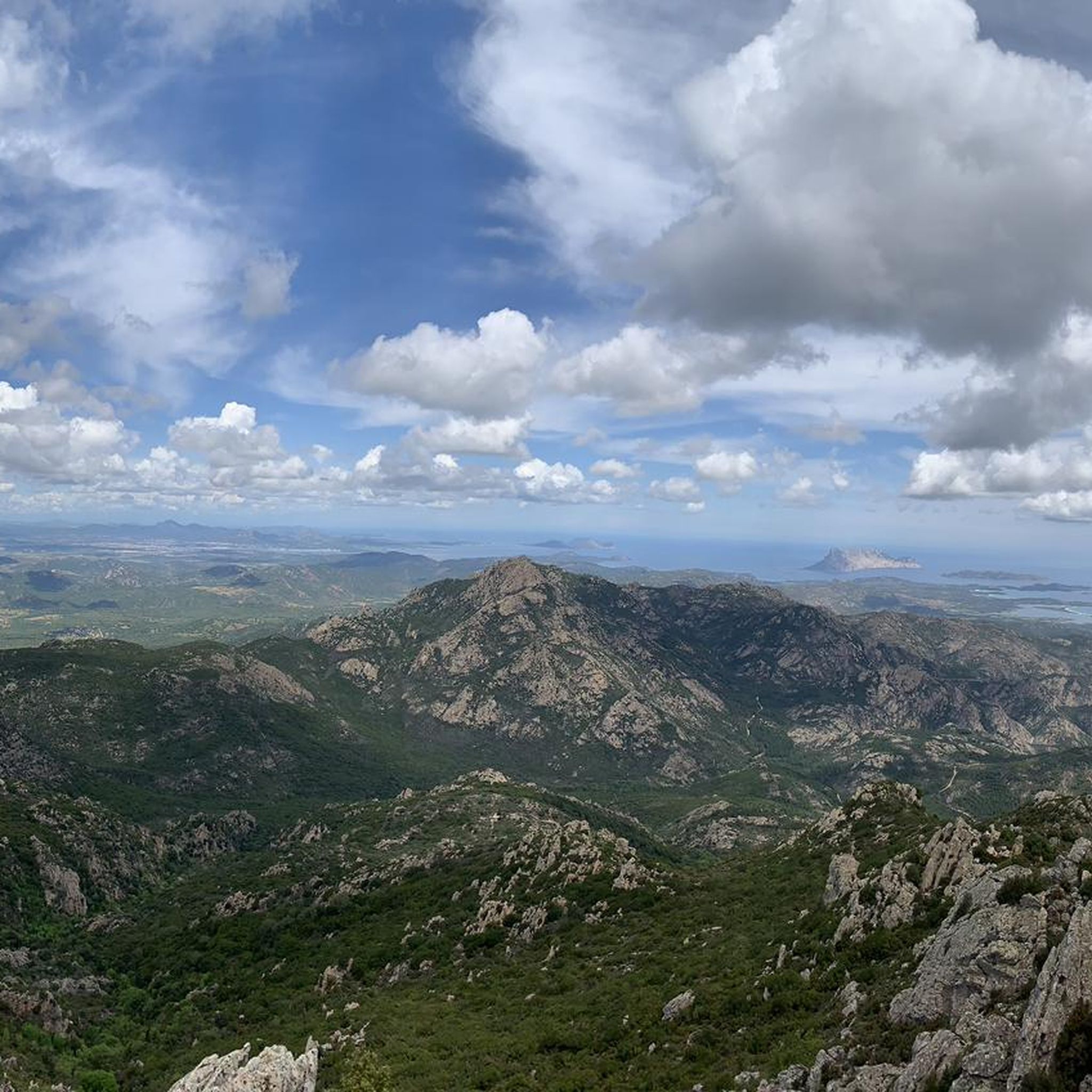
Gravel biking in Chránená Krajinná Oblasť Malé Karpaty
Tips from the Community

The Ranogien Castle was built after the Tatar invasion of 1241/42 by the local counts of Sveti Jur and Pezinok, the Hunt-Poznanovci. The castle, first documented in 1271, gradually took over the settlement and guard function of the Great Moravian castle (fortress) on the opposite side of the valley and became the center of a growing estate. It was part of the Little Carpathians system. After a reconstruction in the 14th century, the castle consisted of an inner and an outer part. The entrance led over a drawbridge across a dry moat that surrounded the castle along with a rampart. The inner castle comprised palace buildings with two residential buildings, one of which served as a prison. In addition to the living quarters for the count's household, the palace housed a tavern, chambers, cellars, kitchens, and a bakery. The outer castle had three towers, including a water tower. The fresh water supply was provided by a system of ceramic pipes and a cistern. The castle also had a bailey enclosed by defensive walls. The remains of the vaults date from the time of the Renaissance reconstruction. With the construction of the manor house by Katarína Pálffyová and her husband Štefan Illésházy, the successors of the counts of Svätý Jur and Pezinok, in 1609, the seat of the estate was permanently moved to the town. As a result, the castle lost its original function and gradually fell into disrepair. During the Turkish uprising, it offered refuge and temporary accommodation to the surrounding population. After the devastating attack by the Turks in 1663, it finally fell into ruin. In 2002, Biely Kamen Castle was declared a national cultural monument. The finds from the excavation site can be visited at the Museum of Literature and Local History in Svätý Jur – a branch of the Museum of the Little Carpathians in Pezinky. Did you know that Biely Kamen Castle was located on an important trade route from Bratislava to Trnava? It also controlled the mountain road to Stupava and Lozorno.
1
0
The ruin is currently being renovated with extensive voluntary work by a citizens' initiative. Since 2021, the citizens' association Castrum Sancti Georgii has been committed to the preservation of the castle ruins. Volunteers cleared the walls of ivy and overgrown trees, built access paths, benches for visitors, and stairs for greater safety. They cleaned the impressive vaulted room measuring 17 x 6.5 m. The association had the ruin geodetically surveyed and a 3D model of the castle created. Subsequently, a static assessment of the individual objects and an architectural-historical study of the monument were carried out. Based on the developed restoration concept, the association began the renovation of the most endangered parts of the castle. First, the half-destroyed, dominant western defensive tower was restored. You can follow the progress of the restoration on the website www.hradbielykamen.sk. You can support the work of the citizens' association Castrum Sancti Georgii in restoring the castle with a voluntary donation.
1
0

Challenging climb to arrive to that castle. Nice gravel road until there. The path from here leads inside the forest in a single track.
0
0

You should definitely go up there if you are nearby. It is best to go up the road from Cachtice and then down some of the single trails.
0
0

Starting from Borinka near the church, Ballenstein Castle can be easily reached in about half an hour with a few meters in altitude. The climb is worth it. The ruin is completely accessible and you have a great view from there.
0
0

Beautiful landscape from an old castle, the hike to reach this place is pretty good too!
0
0

These ruins are in quite good shape. Walking around is possible. The paths create a maze inside of the ruins which is exciting and at the same time confusing.
0
0
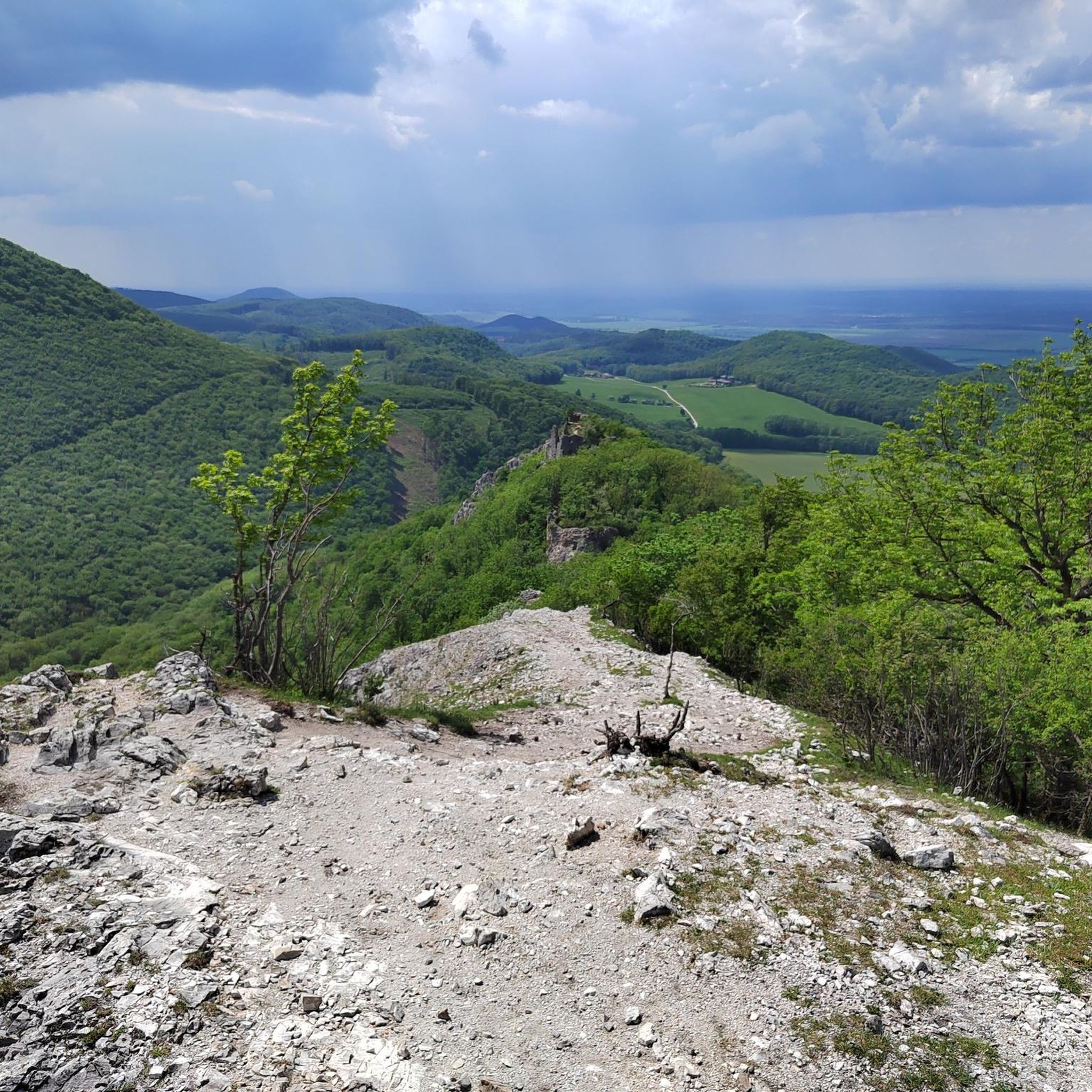
Pajštún Castle is a ruined medieval castle. It is located on the western edge of the Little Carpathians. https://en.wikipedia.org/wiki/Paj%C5%A1t%C3%BAn_Castle Very nice place with awesome view. During nice sunny weather you can see even Devin TV tower in Bratislava. Took us only 50 min from Borinka.
0
0
Frequently Asked Questions
What are the most popular castle ruins to visit in Chránená Krajinná Oblasť Malé Karpaty?
Among the most popular castle ruins are Pajštún Castle Ruins, known for its views, and Ostrý Kameň Castle Ruins, which offers an accessible exploration and a great viewpoint along ridge paths. Plavecký Castle Ruins are also highly regarded for their well-preserved structure and maze-like interior.
Are there any family-friendly castles or viewpoints in the Malé Karpaty region?
Yes, the View of Smolenice Castle is noted as family-friendly. While the castle itself is often used for conferences, its romantic appearance and surrounding park make for a pleasant visit, especially during July and August when it's open to the public.
What kind of outdoor activities can I do near the castles in Chránená Krajinná Oblasť Malé Karpaty?
The region offers various outdoor activities. You can find numerous hiking trails, including easy loops like the Dúbravská Hlavica – Devínska Kobyla Observation Tower loop. For cyclists, there are gravel biking and road cycling routes, some of which pass by castle viewpoints.
Which castles offer the best views in the Malé Karpaty?
Pajštún Castle Ruins provides excellent views of the surrounding area, including Bratislava's Devin TV tower on clear days. Ostrý Kameň Castle Ruins also offers a great viewpoint, ideal for a break along ridge paths. Plavecký Castle Ruins is known for its beautiful landscape views.
Are there challenging climbs to reach any of the castles?
Yes, reaching Čachtice Castle involves a challenging climb. While there's a gravel road from Čachtice, the final path leads into the forest on a single track, making it a more demanding ascent.
What is the best season to visit the castles in Chránená Krajinná Oblasť Malé Karpaty?
The castles are generally accessible year-round, but spring and autumn offer pleasant temperatures for hiking and exploring the ruins. Summer (July and August) is when Smolenice Castle is open to the public. Winter visits can be picturesque, but trails might be more challenging due to snow or ice.
Can I explore the interiors of the castle ruins?
Many of the castle ruins, such as Plavecký Castle Ruins, are well-preserved enough to allow visitors to walk through their interiors. Ostrý Kameň Castle Ruins is also accessible for exploration.
What should I wear when visiting the castle ruins?
Given that many castles are ruins located on hills or within forested areas, sturdy hiking shoes are recommended. Dress in layers suitable for the weather, as conditions can change, especially at higher elevations or exposed viewpoints. Some paths, like those near Ostrý Kameň, require sure-footedness.
Are there any castles with historical significance or interesting stories?
Čachtice Castle is particularly known for its rich history and the stories and rumors surrounding it, making it a fascinating visit for those interested in local legends. Smolenice Castle, though rebuilt, has a history dating back to the 14th century, protecting border passes and the Bohemian Way.
How long does it typically take to visit a castle ruin?
The duration of a visit varies. For ruins like Pajštún Castle Ruins, the hike to and from the site, plus exploration time, can take a few hours. For more extensive ruins like Plavecký Castle Ruins, you might spend an hour or more exploring the structure itself, in addition to travel time.
Are there any cafes or refreshment stops near the castle ruins?
While specific cafes directly at the ruins are rare, many routes leading to the castles pass through or near villages where you can find refreshment options. For example, the area around Smolenice Castle offers amenities in the nearby town.
Are there any circular walks that include castle ruins?
Yes, many of the trails in the Malé Karpaty region are designed as loops or can be combined to form circular routes that include castle ruins. For instance, you can find easy hiking loops that incorporate viewpoints or historical sites, allowing for a return to your starting point.
Most popular routes in Chránená Krajinná Oblasť Malé Karpaty
Most popular attractions in Chránená Krajinná Oblasť Malé Karpaty

Get inspired with the komoot mobile app


