Top 8 Lakes in Diersfordter Wald
Best lakes in Diersfordter Wald are situated within a diverse landscape of forests, moors, and wetlands near Wesel. This nature reserve features notable water bodies like the Schwarzes Wasser, a distinctive heath lake formed in a glacial depression. The area offers varied habitats, including open sandflächen, dune slopes, and heath, contributing to its rich biodiversity. Visitors can explore these natural features through various hiking routes and observation points.
Best lakes in Diersfordter Wald
- The most popular lakes is Oak Forest…
Last updated: July 1, 2026
Oak Forest at Schwarzes Wasser
Highlight • Forest
The forest around it looks very natural.
Most fallen trees are left lying and you can see how nature dismantles these trees.
Translated by Google •
Tip by

Schwarzes Wasser
Highlight • Lake
Translated by Google •
Tip by

Sign up now to discover places like this
Get recommendations on the best single tracks, peaks, & plenty of other exciting outdoor places.
Sign up for free
Diersfordter Waldsee
Highlight • Lake
Translated by Google •
Tip by

Water route and gravel mining 🤨
Highlight (Segment) • Lake
When cycling past, the fenced-in water areas on the left and right of the route look great for some. But hardly …
Translated by Google •
Tip by

Bellinghover Meer Conservation Area
Highlight (Segment) • Natural
Not yet well known, so not so crowded on sunny weekends.
Translated by Google •
Tip by

Sign up for free to discover even more lakes in Diersfordter Wald.
Sign up for free
Already have an account?
Start today with a free account
Your next adventure awaits.
Login or Signup
Popular around Diersfordter Wald
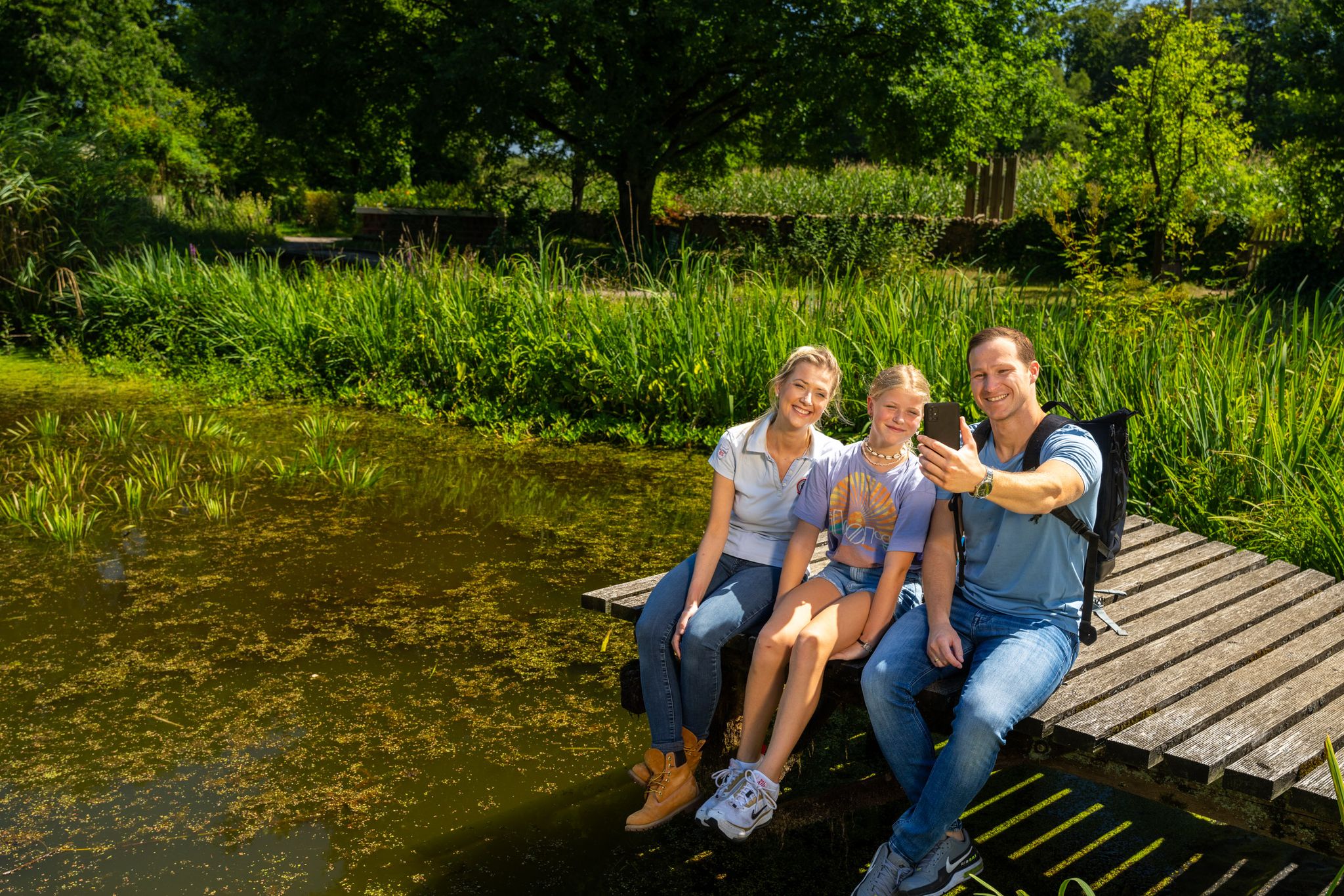
Hiking and discoveries – family walks in the Hohe Mark Nature Park
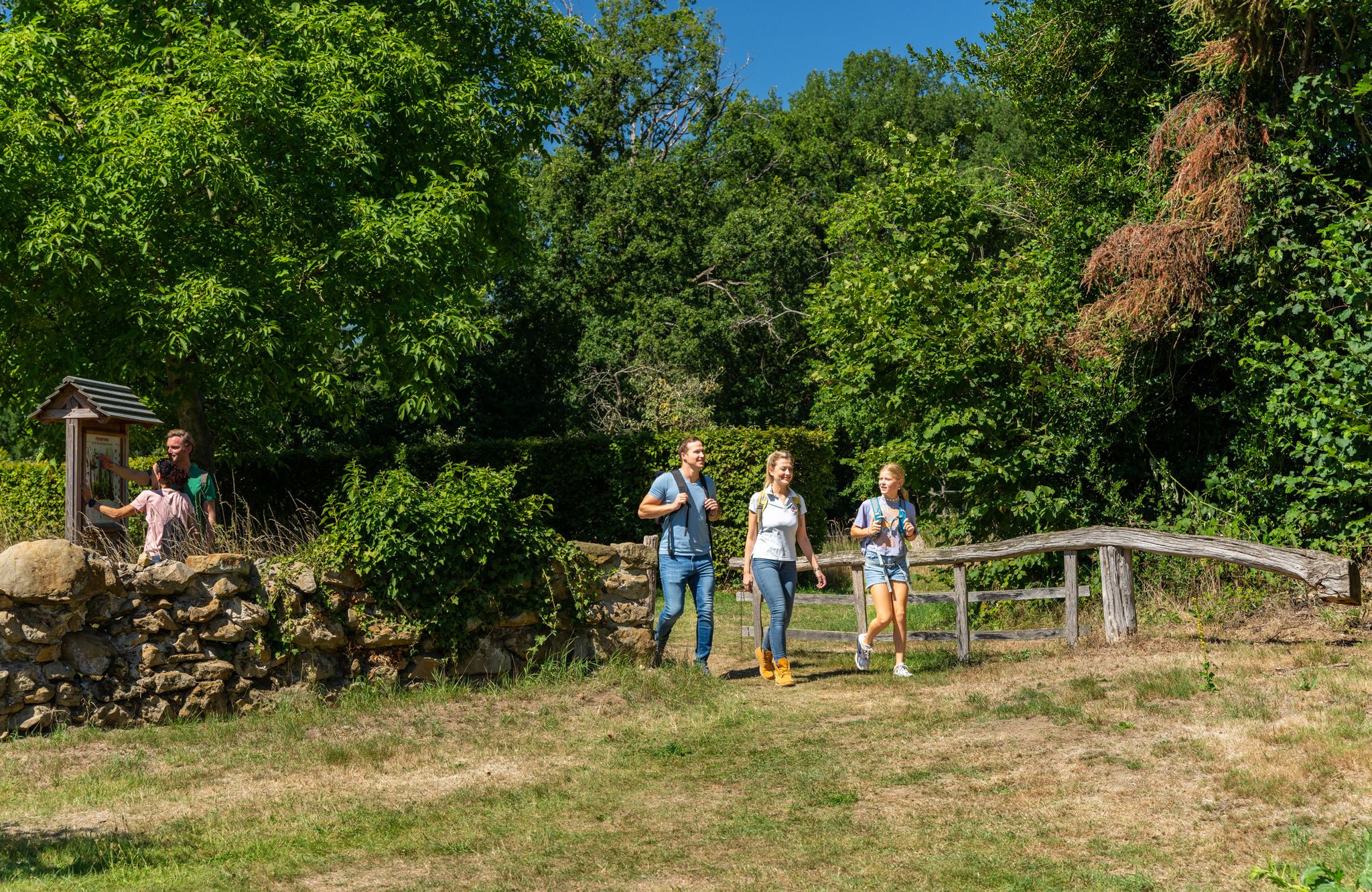
LandStreifer – circular hiking trails to Germany’s Hohe Mark Steig
Hiking in Diersfordter Wald
Cycling in Diersfordter Wald
Road Cycling Routes in Diersfordter Wald
Running Trails in Diersfordter Wald

Gravel biking in Diersfordter Wald
MTB Trails in Diersfordter Wald

Tips from the Community

Absolutely worth a visit for hiking, cycling or relaxing from the stress of everyday life.
0
0

The Diersfordter Waldsee is an quarry lake in the Diersfordt district of Wesel. It has been used for gravel mining since 1961 until probably 2030 and will continue to be expanded until then. Over the last 30 years, various projects have been implemented at Diersfordter Waldsee with the aim of recultivation. These are supported by the Holemans Group, which is also responsible for gravel mining. In 1987, an eight-hectare island was created, complete with a protective ditch for the forest, on which beavers were settled. Controlled sheep grazing also takes place there, as long as it is not used by ground-nesting birds for breeding. In 1996, another 15 hectare island was created, on which beavers were also settled. The shore and structure of the island were modeled in such a way that sand martins and common terns find an ideal nesting place there. Work has been underway since 2005 on a ring-shaped island, which will be completed in 2020 and will be 20 hectares in size by then. This should include an 80 meter wide protective ditch to keep foxes away. In contrast to the other islands, sheep grazing should take place all year round and no artificial flora should be created so that it can develop on its own. Tourists can take a visitor boat to the lake and view the artificially created biotopes from the boat. According to the Holemans Group, 2,500 people take part in this tour every year. The lake can also be used for sailing and paddling. A jetty and a barbecue hut were built on the south bank. Since 2006, a cycling and hiking trail has led directly along the banks of the Diersfordter Waldsee. There are covered viewing platforms, toilet facilities and information boards along the way. Since 2016, there have been houseboats on the lake intended for tourist use. Source and link to the full article: https://de.wikipedia.org/wiki/Diersfordter_Waldsee
0
0

Beautifully situated small lake with many vantage points to observe the local wildlife.
5
1

Most of the water areas are fenced and can be entered 😖
3
0

Still topic: Weseler water route and the gravel mining When cycling past, the fenced-in water areas on the left and right of the route look great for some. But hardly any water surface is accessible to the public, quite apart from the negative consequences for the landscape and groundwater. Here is a little film to explain: https://www.eden-niederrhein.de/film-fotos/film The Dutch are smarter and protect their landscape. The cheap gravel is excavated on the Lower Rhine and transported to the Netherlands by truck convoys on our roads 😔
4
0

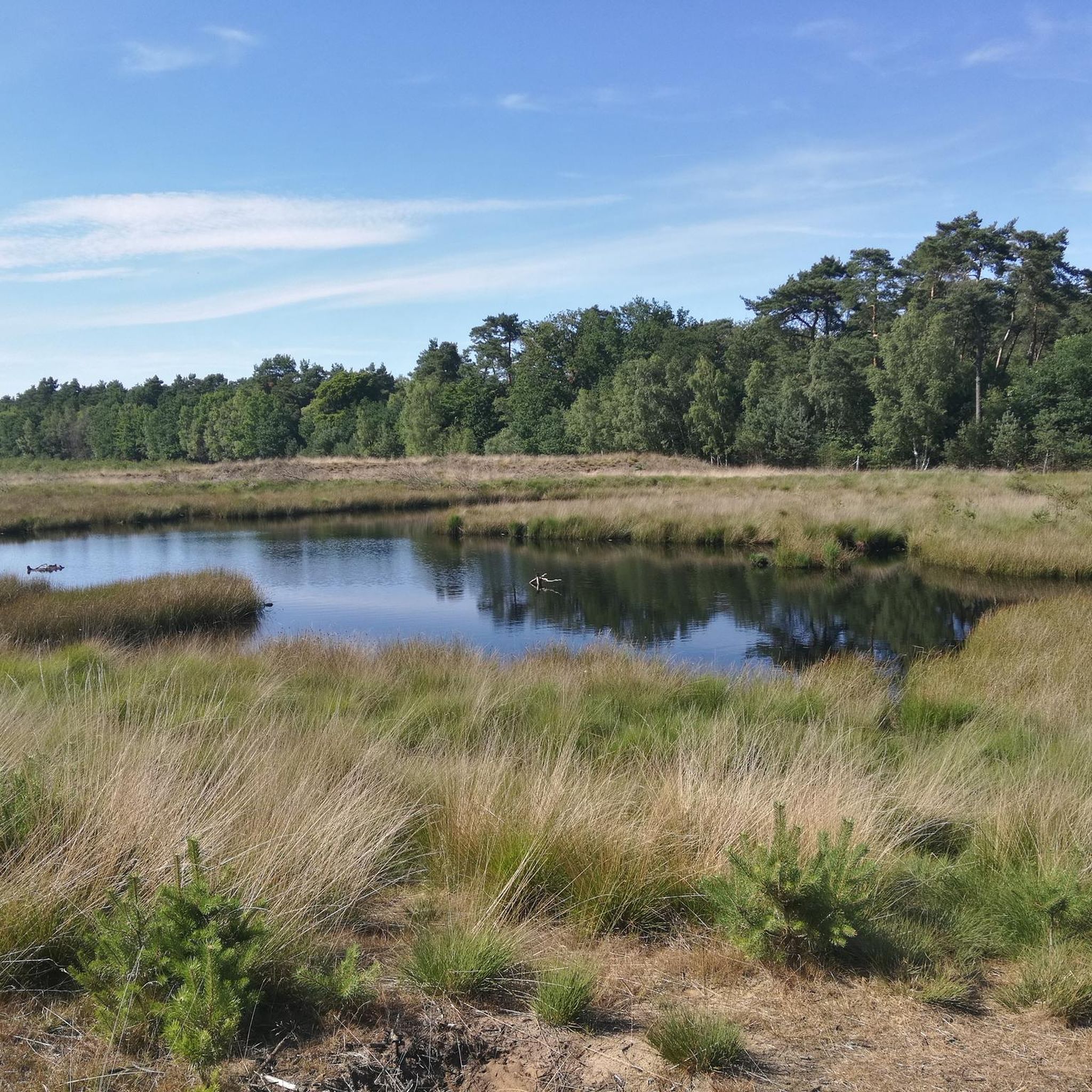
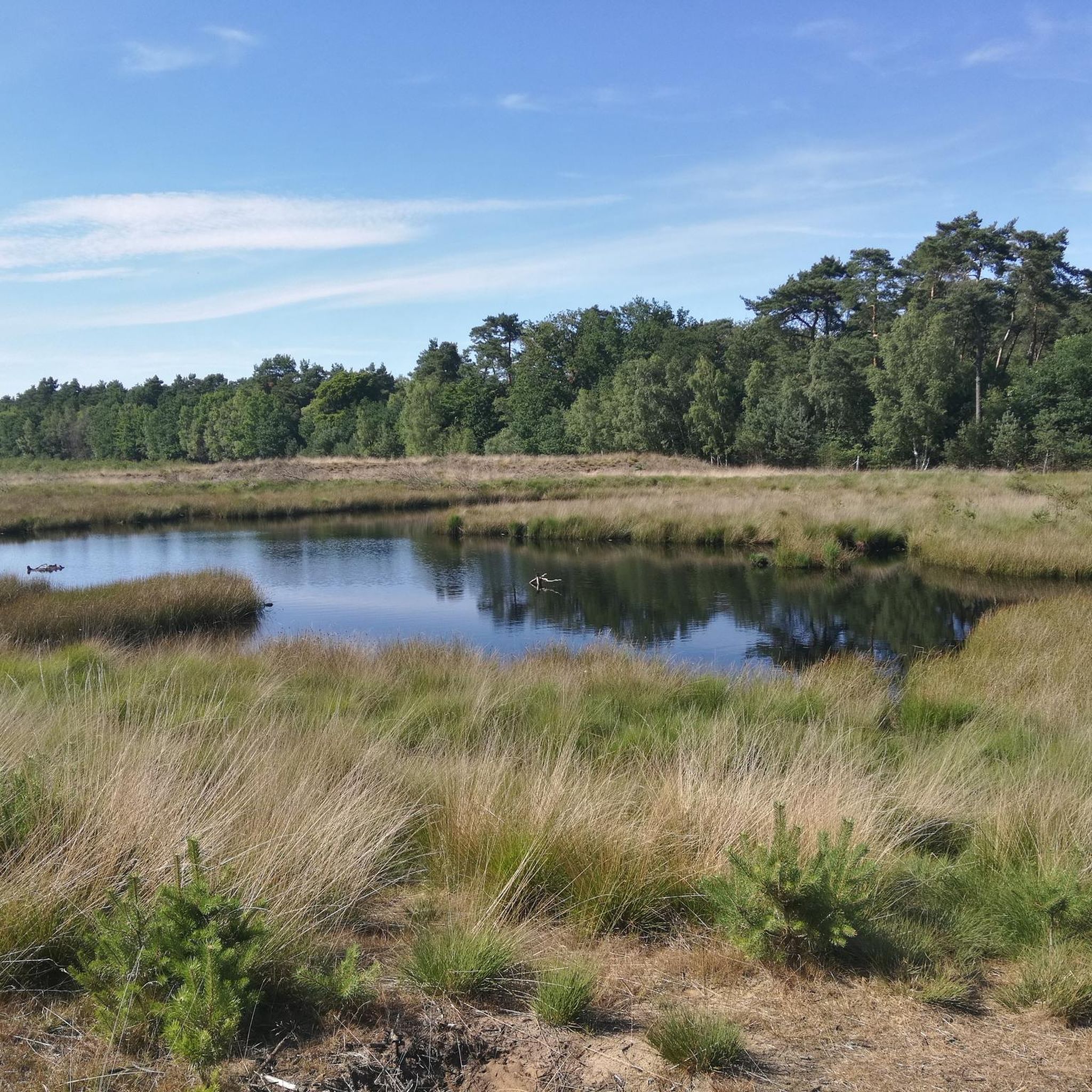
In the midst of the local recreation area Diersfordter Wald lies the heath pond "Schwarzes Wasser" - a hidden gem and the oldest nature reserve in Wesel. It is scenically situated in a hollow surrounded by wooded dunes. Its name comes from the dark color of the water, which is caused by the humic substances in the moor vegetation. www. Wesel-tourismus.de
8
0

beautiful nature reserve with many fens. When we were there they were full of frogs that made themselves heard.
4
0

Great trip to relax... to escape from everyday life and stress 🎨📸💚🌊
2
0
Frequently Asked Questions
What are the unique natural features of the lakes in Diersfordter Wald?
The lakes in Diersfordter Wald are characterized by their diverse origins and surrounding ecosystems. The Schwarzes Wasser, for instance, is a distinctive heath lake formed in a glacial depression, known for its dark water and surrounding ancient oak, red beech, and Scots pine trees. The area also features varied habitats like open sandflächen, dune slopes, and heath, supporting a rich biodiversity of plants, insects, and amphibians. The nearby Große Veen is a unique heath moor accessible via a wooden boardwalk, home to rare plant species like sundew and the moor frog.
Are there family-friendly activities around the lakes in Diersfordter Wald?
Yes, several areas around the lakes are suitable for families. The Oak Forest at Schwarzes Wasser is considered family-friendly, offering vantage points for wildlife observation. The Diersfordter Waldsee also offers activities like visitor boat tours to view artificially created biotopes, and has a cycling and hiking trail along its banks with viewing platforms and information boards. The View of the gravel lakes and the Rhine meadows is another family-friendly spot for watching ships and birds.
Can I go hiking or walking around the lakes in Diersfordter Wald?
Absolutely. The Diersfordter Wald offers numerous hiking and walking opportunities around its lakes. For example, a smaller circular path specifically goes around the Schwarzes Wasser. The Diersfordter Waldsee has a dedicated cycling and hiking trail along its banks. You can find various routes, including easy walks and moderate trails, in the area. For more detailed options, explore the Hiking in Diersfordter Wald guide, which includes routes like the 'LandStreifer Wesel – Diersfordter Wald' and 'Dune landscape – Black Water, Wesel loop'.
What is the Schwarzes Wasser lake known for?
The Schwarzes Wasser is renowned as an impressive heath lake nestled in a forest clearing. It's characterized by its dark, moor-like appearance, which gives it its name. Surrounded by ancient oak, red beech, and Scots pine trees, it formed in a depression between glacial sand dunes. Visitors appreciate its tranquil scenery, opportunities for wildlife observation from various vantage points, and the presence of rare plant species adapted to nutrient-poor heath and moor soils.
Is the Große Veen accessible for visitors?
Yes, the Große Veen, a significant heath moor within Diersfordter Wald, is accessible via a wooden boardwalk. This boardwalk allows visitors to traverse its wet areas without disturbing the delicate ecosystem, offering expansive views and close-up observation of its distinct flora and fauna. Informational signs along the Moor-Erlebnisweg (Moor Experience Path) provide insights into the wetlands' plant and animal life.
Are there any specific trails recommended for beginners or easy walks around the lakes?
Yes, there are several easy walking options. A smaller circular path specifically around the Schwarzes Wasser is great for nature observation. The Diersfordter Waldsee also features an accessible cycling and hiking trail along its banks. For more options, the Easy hikes in Diersfordter Wald guide lists routes such as the 'Schwarzes Wasser – View of the Schwarzes Wasser loop' which is only about 2.2 km long and rated easy.
What is the best time of year to visit the lakes in Diersfordter Wald?
The Diersfordter Wald lakes offer beauty throughout the year, but many visitors find the afternoon or early evening particularly nice for the Oak Forest at Schwarzes Wasser. Autumn walks are also popular, as the forest's diverse trees provide vibrant colors. Spring brings new growth and active wildlife, while summer allows for longer days to explore. The unique moor landscapes like Große Veen are interesting in all seasons due to their distinct flora.
Are dogs allowed on trails around the lakes?
While the guide doesn't explicitly state dog policies for every trail, Diersfordter Wald is generally a nature reserve where dogs are often welcome on leash. It's always best to check local signage for specific restrictions, especially in sensitive ecological areas or game enclosures. Many hiking trails in the region are suitable for walks with dogs.
Can I swim in the lakes of Diersfordter Wald?
The guide does not mention wild swimming as an activity in the lakes of Diersfordter Wald. The Schwarzes Wasser is a heath lake, and the Große Veen is a delicate moorland, both primarily for nature observation and conservation. The Diersfordter Waldsee, a quarry lake, is used for sailing and paddling, but public swimming is not specified. It's advisable to respect local regulations and conservation efforts, as many of these areas are protected.
What kind of wildlife can I expect to see around the lakes?
The Diersfordter Wald is exceptionally biodiverse. Around the Schwarzes Wasser, you can observe local wildlife from various vantage points. The Große Veen is home to rare species like the moor frog and the large emerald dragonfly. The wider forest area is known for its largest population of the rare stag beetle in the region, and larger mammals such as red deer, fallow deer, wild boar, and mouflon can be spotted within the forest's game enclosure. Birdwatchers might also spot gray herons near the gravel lakes and Rhine meadows.
Are there any viewpoints offering scenic perspectives of the lakes?
Yes, there are several excellent viewpoints. The Schwarzes Wasser has an observation dune with benches, offering tranquil views. The View of the gravel lakes and the Rhine meadows is a popular spot for observing the surrounding water bodies, ships, and birds. Along the cycling and hiking trail at Diersfordter Waldsee, you'll find covered viewing platforms.
How can I reach the lakes in Diersfordter Wald by public transport?
While the Diersfordter Wald is primarily accessed by car, public transport options to the general Wesel area exist. From Wesel, local buses might connect to areas closer to the forest. However, direct public transport to the specific lake areas within the Diersfordter Wald is limited. It's recommended to check local bus schedules from Wesel or consider cycling from nearby towns for better access to the trails and lakes.
What makes the Diersfordter Waldsee unique compared to other lakes in the area?
The Diersfordter Waldsee is unique as a quarry lake that has undergone extensive recultivation efforts since 1961. It features artificially created islands with protective ditches to support wildlife like beavers, sand martins, and common terns. It's also notable for its tourist infrastructure, including visitor boat tours, a jetty, a barbecue hut, and houseboats for tourist use, making it a blend of natural recovery and recreational development.
Most popular routes in Diersfordter Wald
Most popular attractions in Diersfordter Wald

Get inspired with the komoot mobile app


Explore more
Still not found your perfect lake in Diersfordter Wald? Check out the guides of these regions to see even more beautiful places.
