Top 8 Castles in Schwarzenberg
Best castles in Schwarzenberg offer a blend of historical significance and scenic landscapes. The region is known for its historic structures, including castles with origins tracing back to the 12th century. These sites are often situated amidst natural surroundings, providing opportunities for exploration. The area's castles reflect centuries of architectural evolution and cultural importance.
Best castles in Schwarzenberg
- The most popular castles is Hohenschwangau Castle, a castle that offers a good view from the street. This very beautiful, impressive…
Last updated: May 20, 2026
Hohenschwangau Castle
Highlight • Castle
Translated by Google •
Tip by

View of Neuschwanstein Castle
Highlight • Castle
Translated by Google •
Tip by

Sign up now to discover places like this
Get recommendations on the best single tracks, peaks, & plenty of other exciting outdoor places.
Sign up for free
View of St. Mang's Abbey and Hohes Schloss in Füssen
Highlight • Viewpoint
Translated by Google •
Tip by

Neuschwanstein Castle, Hohenschwangau Castle and Lake Alpsee
Highlight • Castle
Translated by Google •
Tip by

Steep climb to Neuschwanstein Castle
Highlight (Segment) • Trail
Translated by Google •
Tip by

Sign up for free to discover even more castles in Schwarzenberg.
Sign up for free
Already have an account?
Start today with a free account
Your next adventure awaits.
Login or Signup
Popular around Schwarzenberg
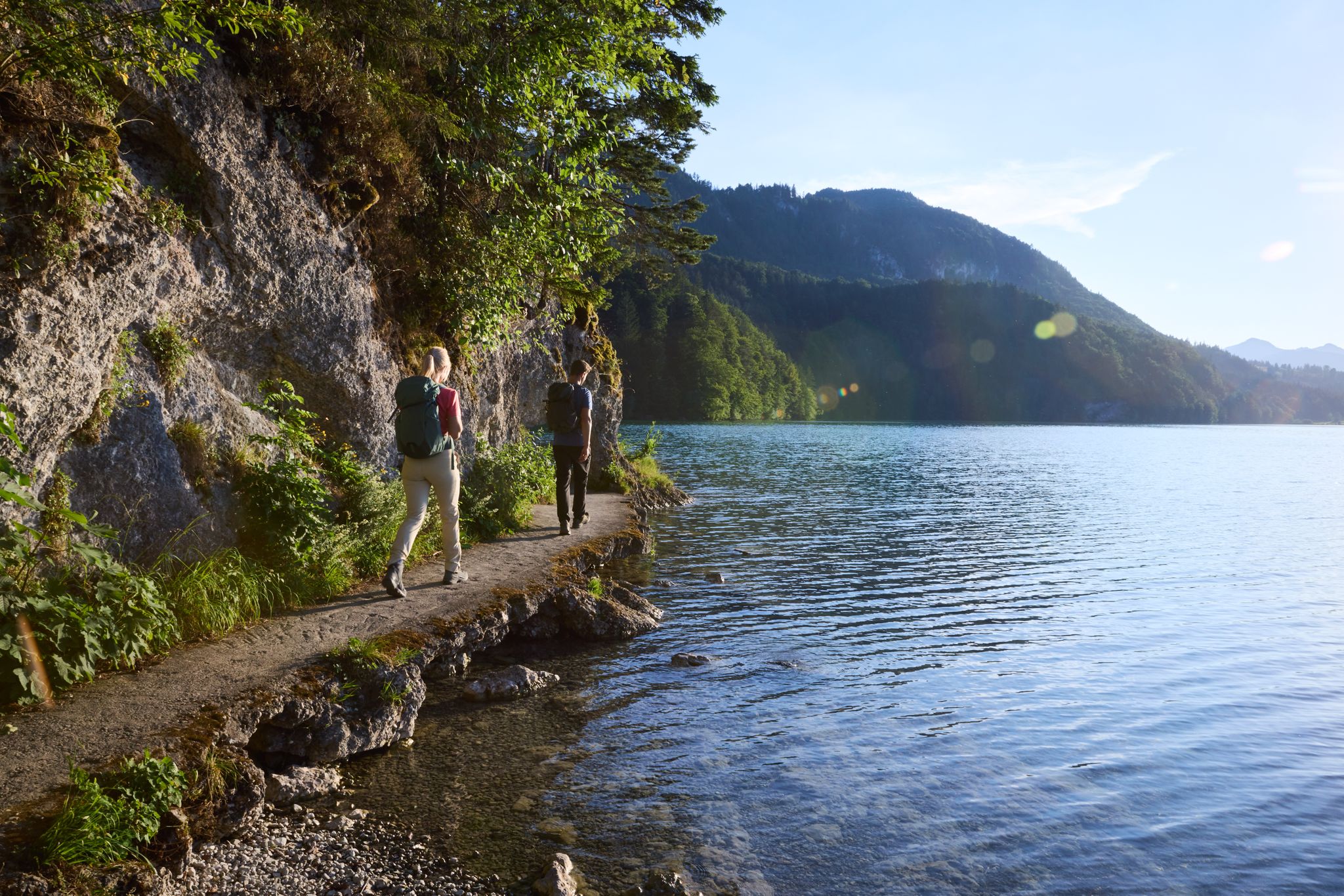
Lechloops – wonderful hiking along the wild Lech
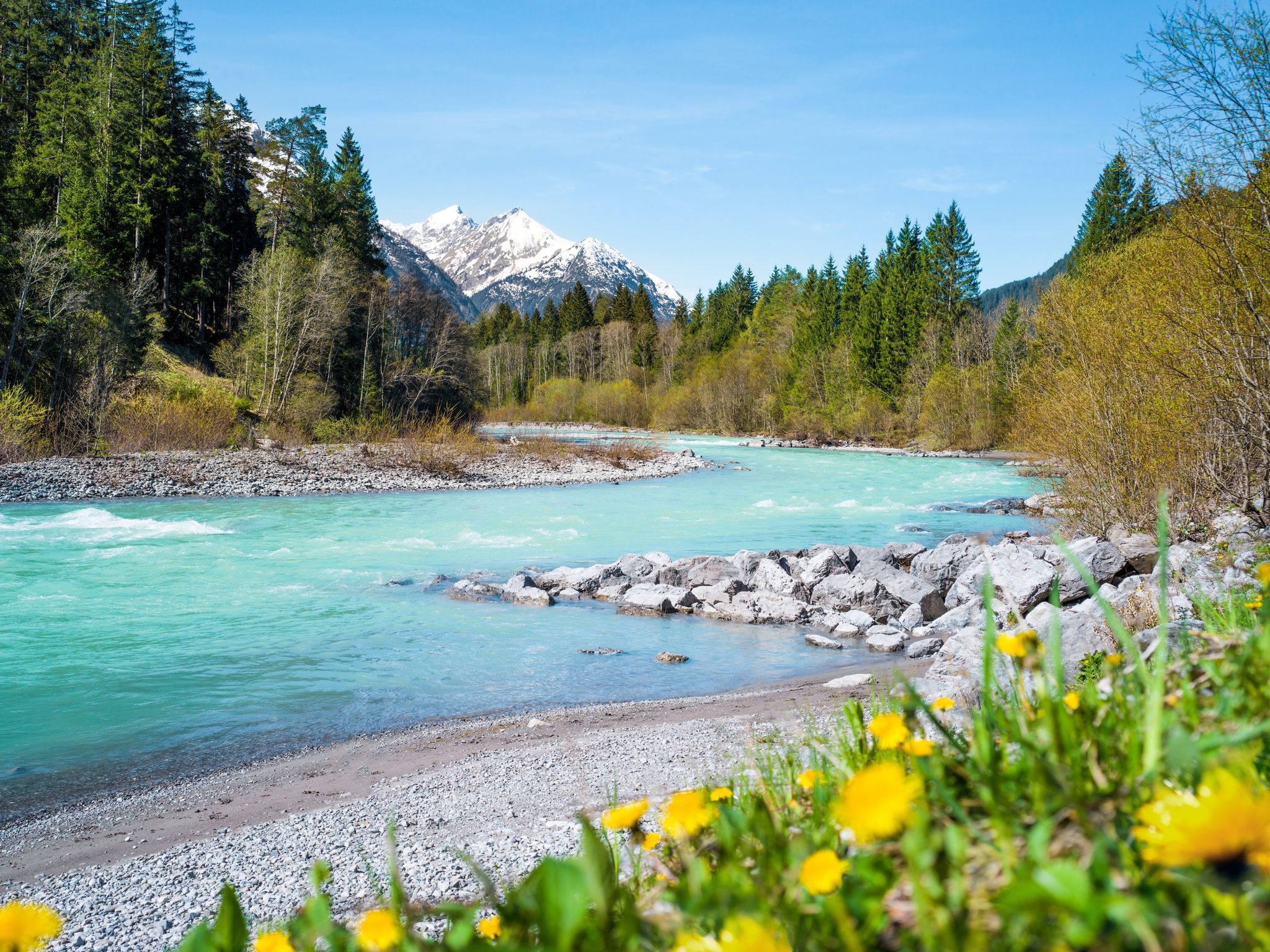
Multi-day hiking against the flow – the Lechweg in reverse
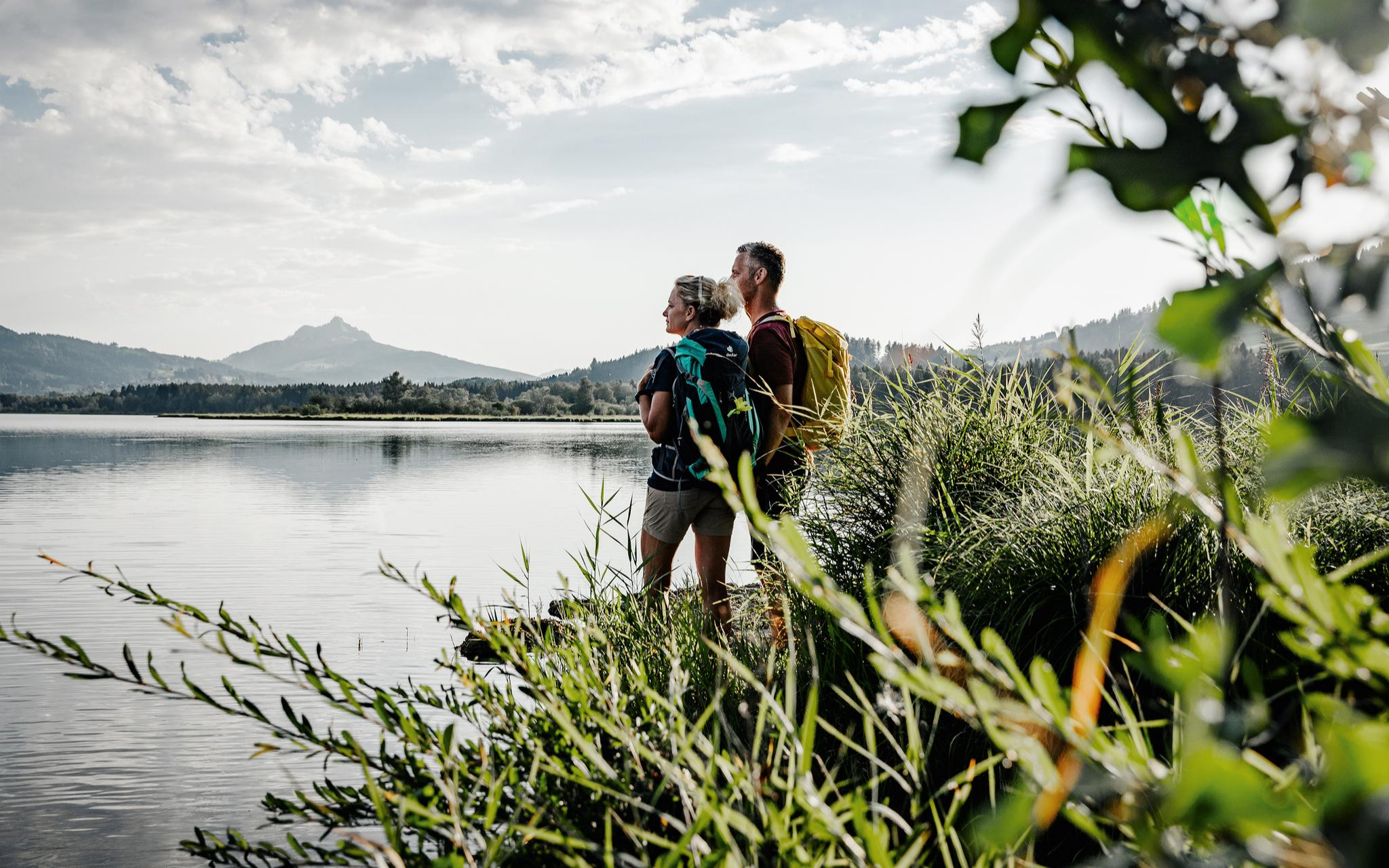
Fresh summer fun – half and full day hikes in Allgäu
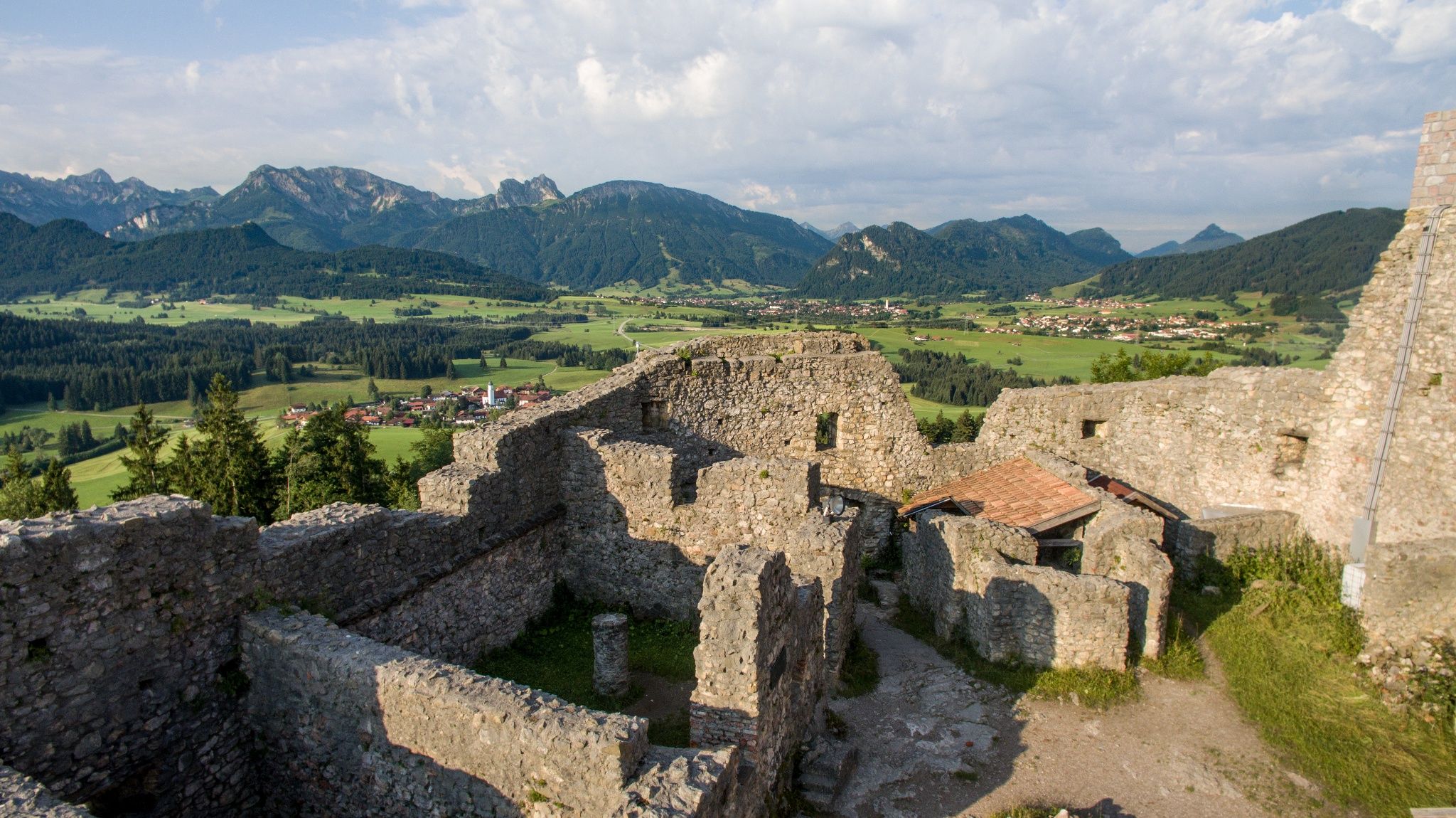
A feast for your eyes – hike in Germany’s beautiful Ostallgäu
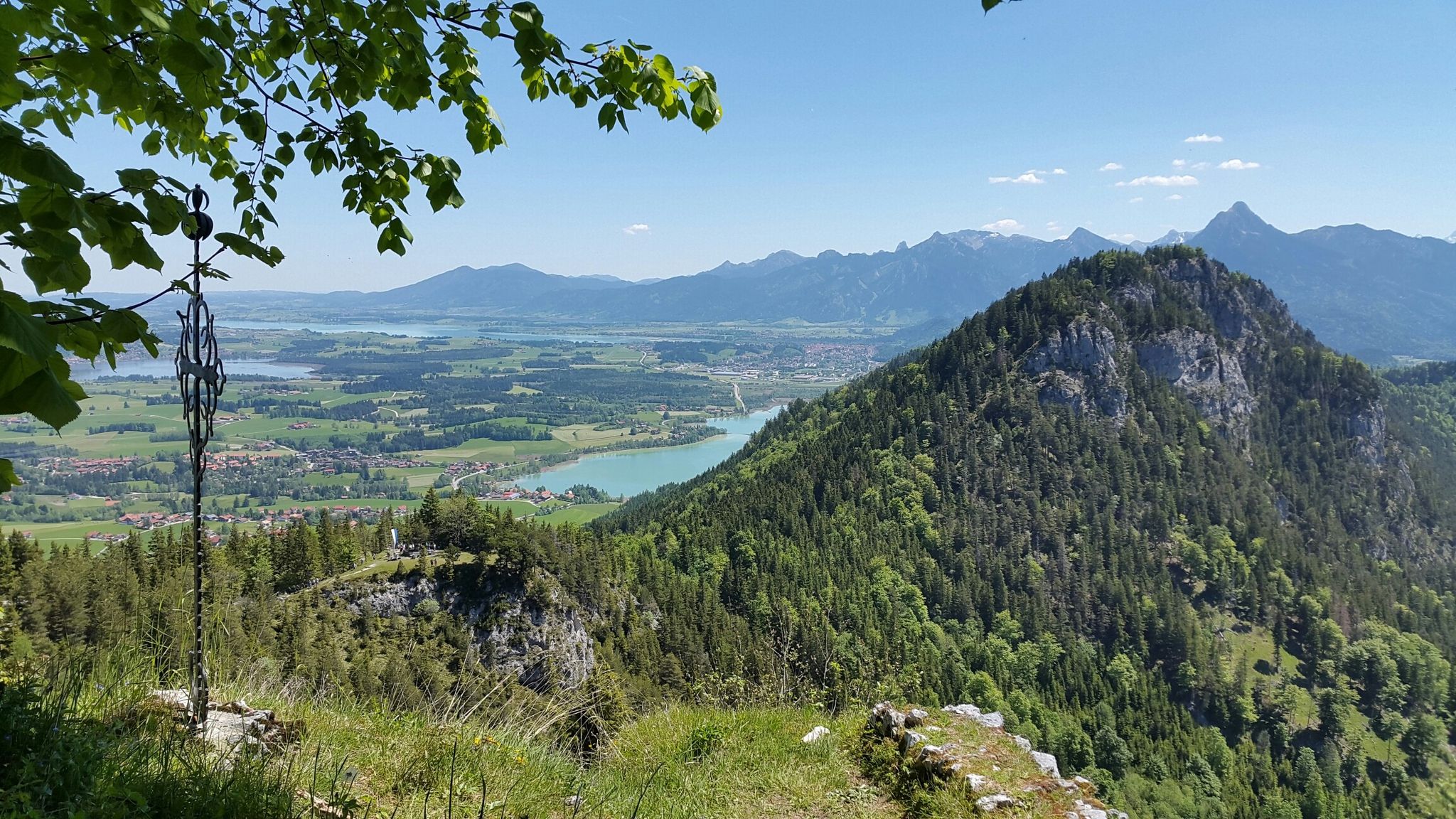
Stories, summits and enjoyment – Allgäu Castle Park
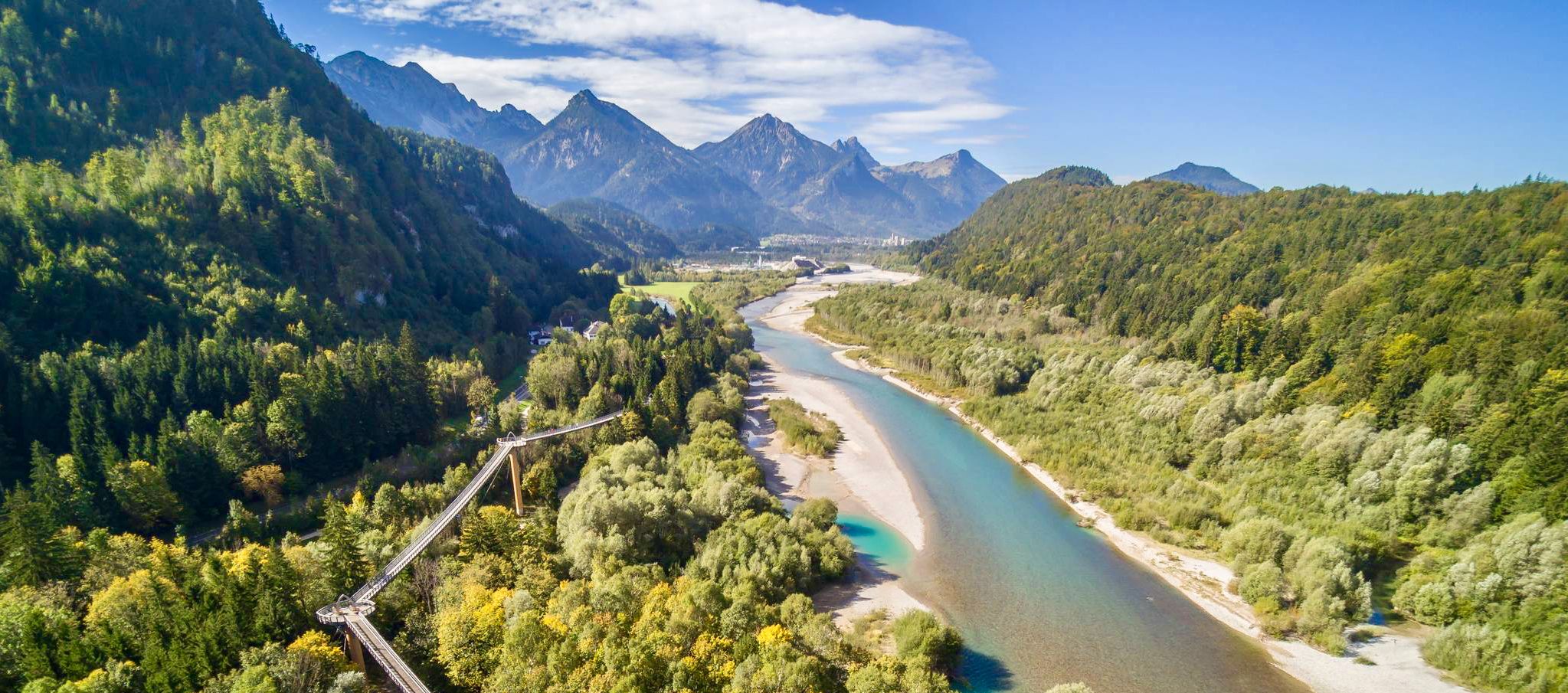
The top tree top walks in the south
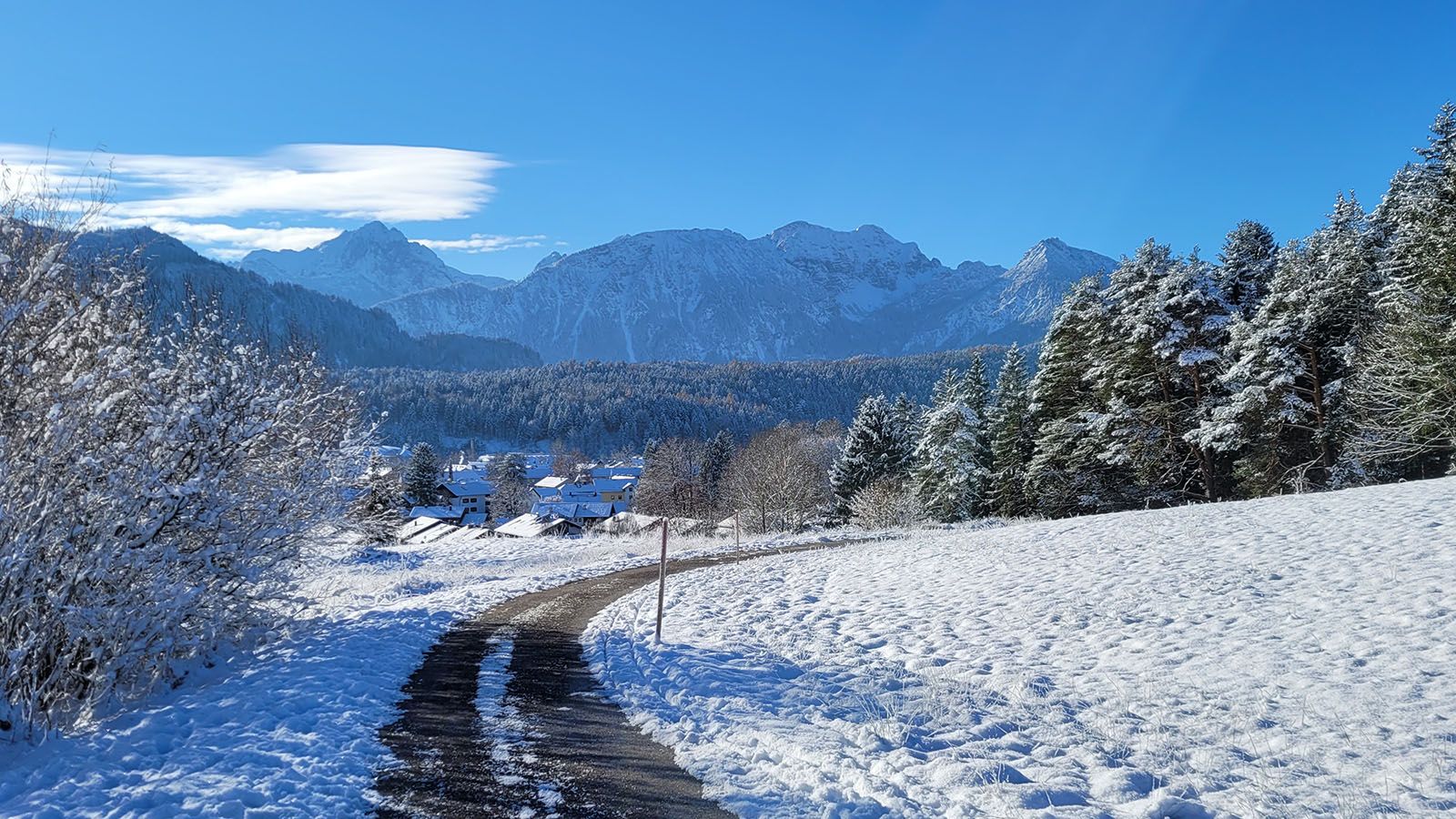
Winter im Ostallgäu – mit und ohne Schnee immer ein Erlebnis
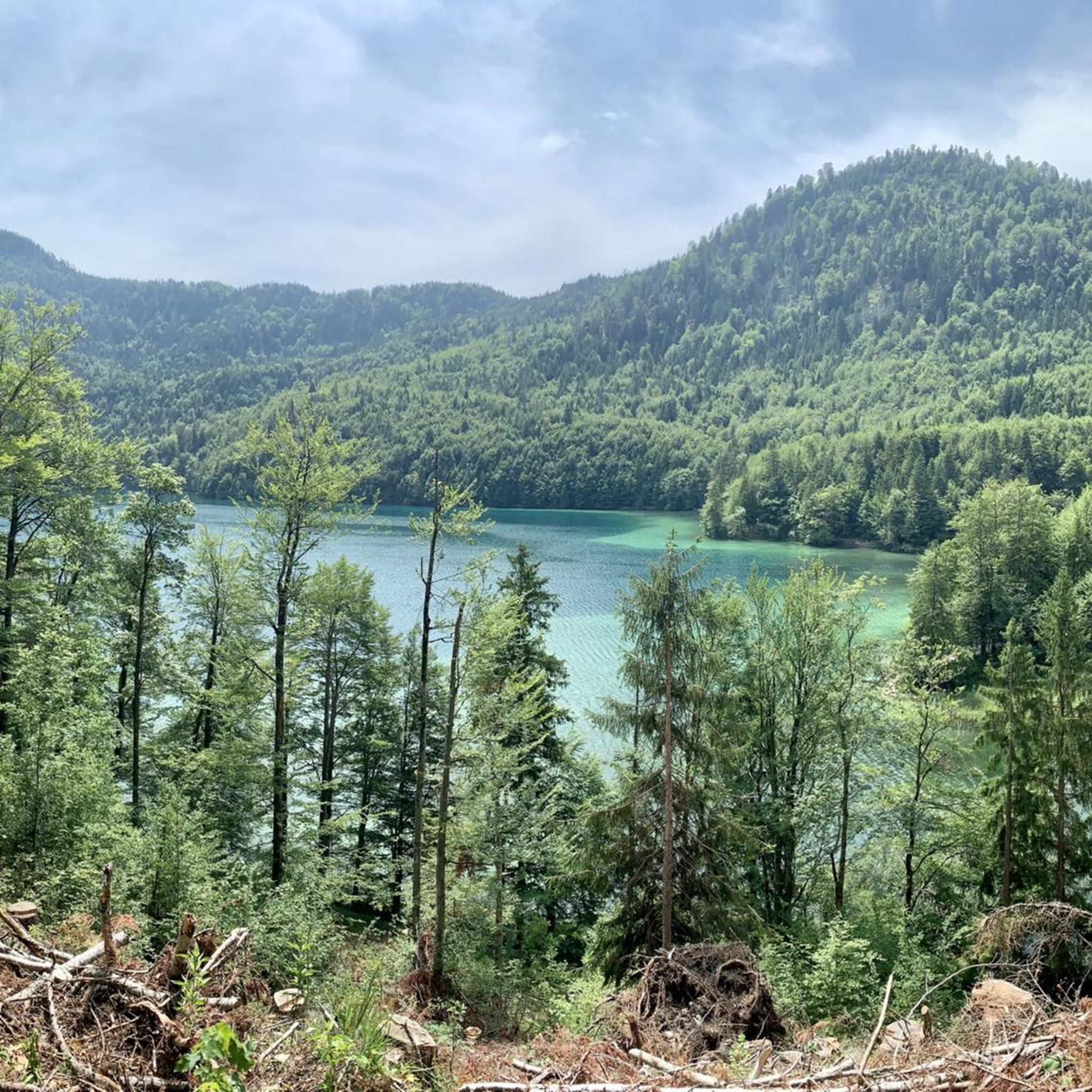
Hiking in Schwarzenberg
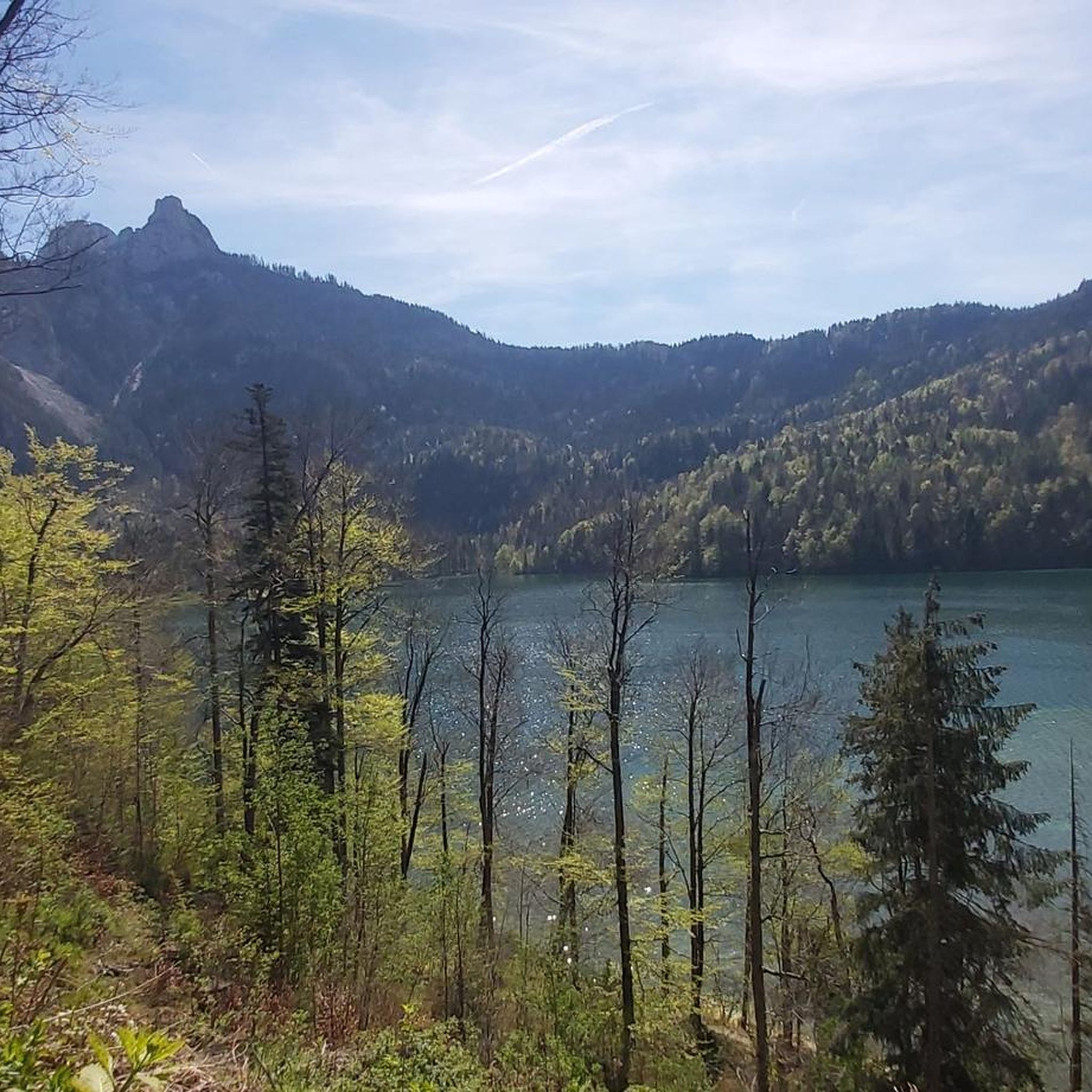
Cycling in Schwarzenberg
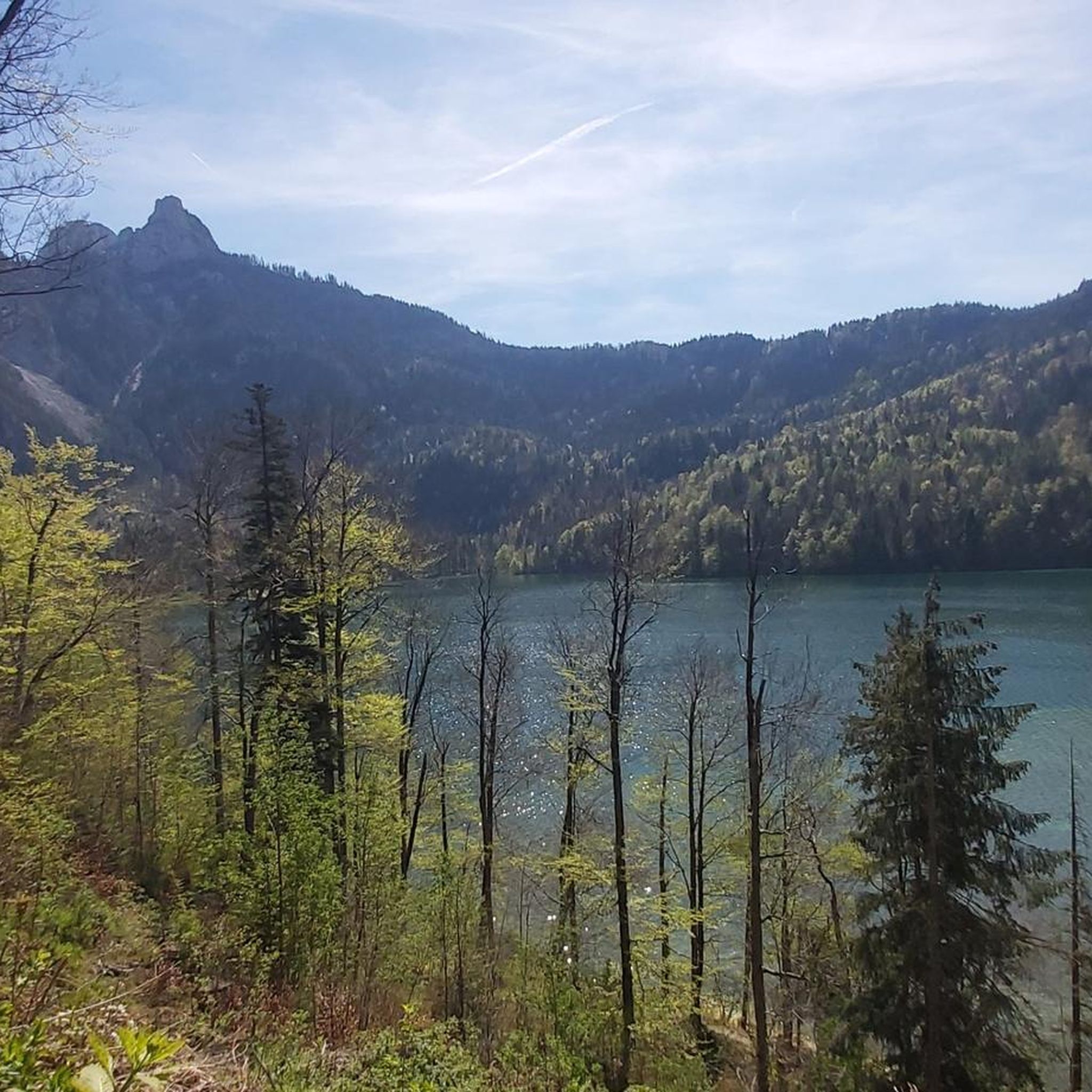
MTB Trails in Schwarzenberg
Other adventures in Schwarzenberg


Tips from the Community

Discover the fascinating history of the former St. Mang Monastery, which dates back to an 8th-century cell of St. Magnus. For centuries, the Benedictine abbey was an important religious, cultural, and economic center of the region—from the mid-9th century until its secularization in 1802. High above the picturesque banks of the Lech River rises the magnificent Baroque monastery complex, built at the beginning of the 18th century under the direction of the renowned architect Johann Jakob Herkomer.
0
1

This is just beautiful.
0
2

The wonderfully preserved castle palace sits enthroned on a central hill above the old town of Füssen and still displays (more or less) the results of the extensive expansion of the complex from 1489 to 1504. With its magnificently representative roof, facade, and tower designs, its fabulous illusionist paintings, and its exemplary Zwinger design, it is one of the most significant secular buildings of the German Late Gothic period. It served as a summer residence for the Prince-Bishops of Augsburg until secularization. Afterward, it became the property of Bavaria and was subsequently used as a district court, a tax office, and a museum, which houses several impressive paintings from the Bavarian State Gallery, as well as a few works of primarily local interest from the municipal picture gallery.
5
1

"...The former Benedictine monastery of St. Mang was founded in the 9th century on the initiative of the then Bishop of Augsburg. However, the founder of the monastery is considered to be Saint Magnus of Füssen, whose mission was to evangelize and who built a hermitage here in the 8th century. In the 18th century, Johann Jakob Herkomer redesigned the medieval monastery complex..." Find out more about the sights of Füssen at: https://www.netreisetagebuch.de/fuessen-sehenswuerdigkeiten/
0
1

From the Lech Bridge you have a beautiful view of the St. Mang Monastery and Hohe Schloss.
0
1

Very steep climb. Puzzle at the end taken as a reminder ♥️
3
0

Slightly steep and difficult path
4
1

A predecessor building, "Schwanstein", was first mentioned in documents in 1397. Over the centuries, the castle was badly damaged. In 1832, Crown Prince Maximilian acquired the castle and had it converted into the palace we see today. After his death, his son, King Ludwig II, took over the property and had it decorated according to his preferences.
5
0
Frequently Asked Questions
What are the most popular castles in the Schwarzenberg area?
The most popular castles include Hohenschwangau Castle and Neuschwanstein Castle. Hohenschwangau offers impressive views from the lake and surrounding areas, while Neuschwanstein is famous for its extravagant architecture, providing one of Germany's best-known postcard motifs.
Are there family-friendly castles to visit?
Yes, several castles in the area are considered family-friendly. Neuschwanstein Castle, Hohenschwangau Castle and Lake Alpsee is specifically highlighted as a family-friendly destination, combining historical sites with natural beauty. The View of St. Mang's Abbey and Hohes Schloss in Füssen is also noted as family-friendly.
What kind of historical significance do these castles hold?
The castles in this region, such as Hohenschwangau and Neuschwanstein, are significant for their architectural evolution and cultural importance. While the provided region research details Schwarzenberg Castle in Saxony as a site for manorial and sovereign mining administration, the castles listed in the guide, like Neuschwanstein, are renowned for their royal history and unique design, representing a crucial part of Bavarian heritage.
What do visitors enjoy most about the castles in this area?
Visitors frequently praise the stunning views and impressive architecture. For instance, Hohenschwangau Castle is admired for its beautiful location and views from the lake and above. Neuschwanstein Castle is celebrated as an extravagant and beautiful landmark, offering iconic photo opportunities despite often being crowded.
Can I find good viewpoints near the castles?
Absolutely. The area is rich with viewpoints. The View of Neuschwanstein Castle is a prime example, offering one of Germany's most famous postcard views. Additionally, the View of St. Mang's Abbey and Hohes Schloss in Füssen provides a wonderful perspective of the historic town and its structures.
Are there hiking opportunities near the castles?
Yes, the region offers various hiking opportunities. You can explore routes like the 'Alpsee – The Schwansee loop from Füssen' or the 'Lech riverbank on the Auwaldpfad – Lechfall loop from Schwangau'. For more options, check out the Mountain Hikes in Schwarzenberg guide or the Waterfall hikes in Schwarzenberg guide.
What cycling routes are available near the castles?
For cyclists, there are gravel biking routes such as the 'View of the Alpsee – Hohenschwangau Castle loop from Ulrichsbrücke-Füssen' and the 'Hohenschwangau Castle – View of Neuschwanstein Castle loop from Ulrichsbrücke-Füssen'. More details can be found in the Gravel biking in Schwarzenberg guide.
What natural features can I see around the castles?
Beyond the castles themselves, the area is known for its beautiful natural surroundings. You can find stunning lakes like Lake Alpsee, which is part of the Neuschwanstein Castle, Hohenschwangau Castle and Lake Alpsee highlight, offering picturesque views and opportunities for walks.
Is there a specific castle named Schwarzenberg Castle in the region?
While the guide focuses on castles in the broader Schwarzenberg area (referring to the region around Füssen where Hohenschwangau and Neuschwanstein are located), there is a historic Schwarzenberg Castle in Saxony, Germany. This castle, dating back to the 12th century, served as a hunting lodge and a center for mining administration. It now functions as a museum. For more information on this specific castle, you can visit castlesworld.com or Wikipedia.
Are there other significant castles or historical sites nearby besides Hohenschwangau and Neuschwanstein?
Yes, the Hohes Schloss in Füssen, along with St. Mang's Abbey, is another significant historical site. The castle palace, enthroned above the old town of Füssen, is a wonderfully preserved example of German Late Gothic architecture and served as a summer residence for Prince-Bishops.
What is the best way to experience the castles and their surroundings?
Many visitors recommend taking your time to explore both the castles and the natural landscape. Combining castle visits with walks around the lakes or along hiking trails offers a comprehensive experience. For instance, the Hohenschwangau Castle can be reached on foot from Schwansee via the Fischersteig, offering a beautiful circular route around Alpsee.
Most popular routes in Schwarzenberg
Most popular attractions in Schwarzenberg

Get inspired with the komoot mobile app


Explore more
Looking for the best castles somewhere else? Discover other guides in Schwarzenberg:
