Top 4 Castles around Afife
Best castles around Afife include ancient fortified settlements and historical military structures. Located on Portugal's northern coast, Afife is characterized by its Atlantic shoreline and surrounding hills. The region holds significant historical value, with evidence of human presence dating back to the Iron Age, notably through its "castros" or fortified villages. These sites offer insights into early defensive strategies and community life in the area.
Best castles around Afife
- The most popular castles is Paçô Castle 🏰, a castle…
Last updated: August 24, 2026
Paçô Castle 🏰
Highlight • Castle
Tip by

Fort of Santiago da Barra
Highlight • Historical Site
Translated by Google •
Tip by

Sign up now to discover places like this
Get recommendations on the best single tracks, peaks, & plenty of other exciting outdoor places.
Sign up for free
Vila Praia de Âncora
Highlight • Beach
Translated by Google •
Tip by

Forte da Vinha
Highlight • Historical Site
Translated by Google •
Tip by

Clock Tower 🏰 and information ℹ️
Highlight • Monument
Tip by
Sign up for free to discover even more castles around Afife.
Sign up for free
Already have an account?
Start today with a free account
Your next adventure awaits.
Login or Signup

Tips from the Community

Old castle, but it was unfortunately closed.
0
0

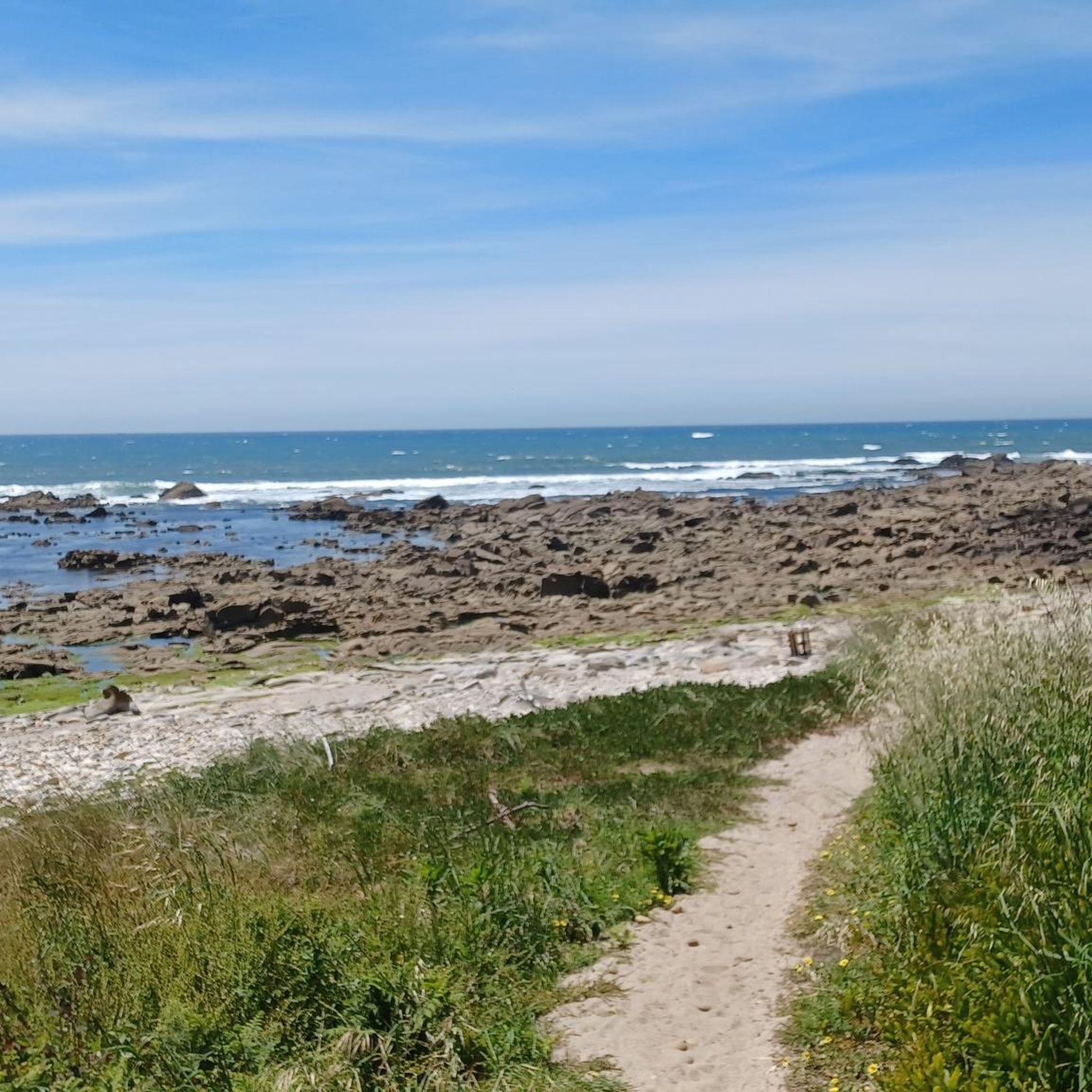
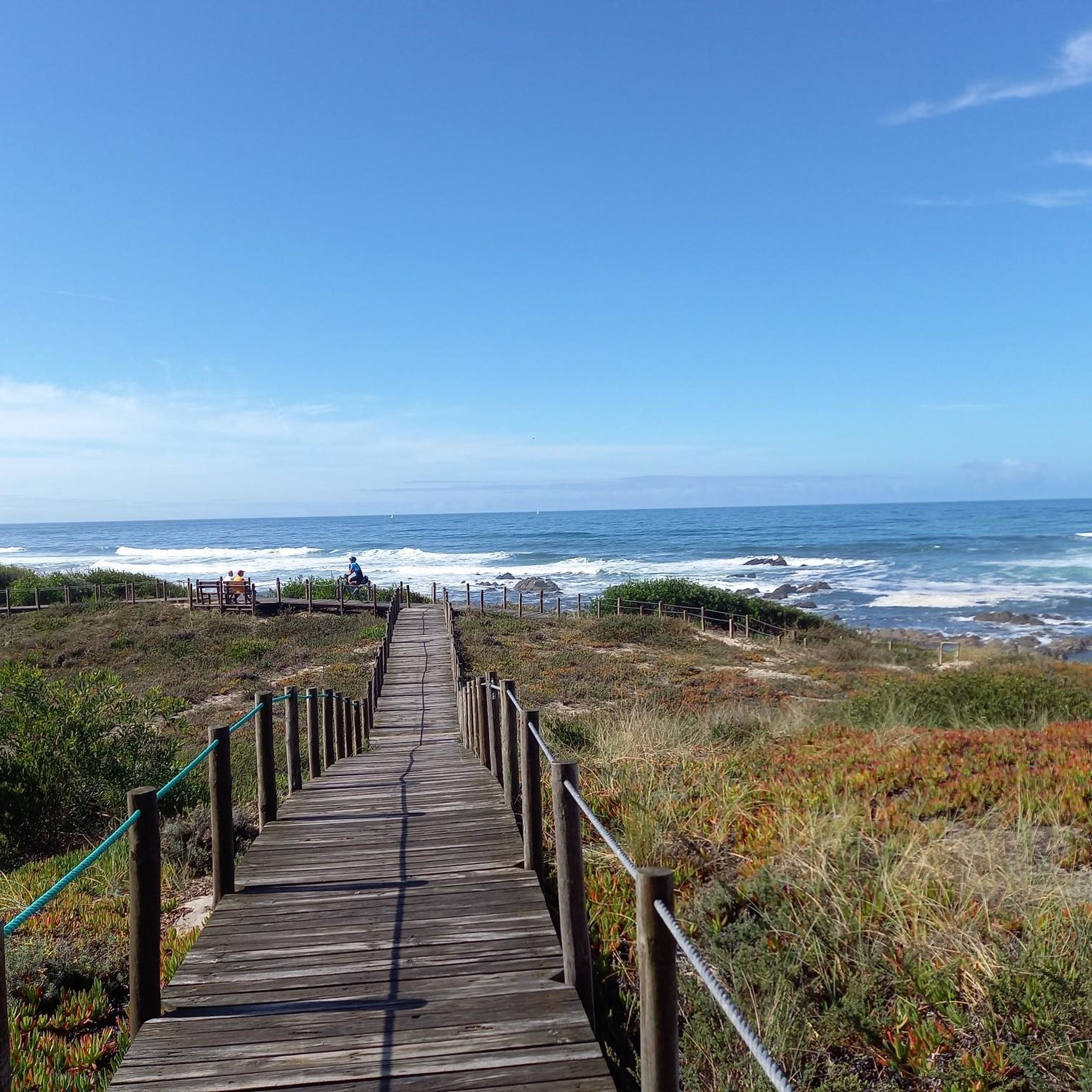
Visit and Accessibility Access: Access to the site is free and open 24 hours a day. Trails and Hiking: The fort is part of the PR7 - Paçô Fort Trail, a pedestrian route that coincides with part of the Camino de Santiago da Costa and allows you to explore the area of the Viana do Castelo Coastal Geopark, passing through landscapes of dunes and cliffs. Beach: Paçô Beach, adjacent to the fort, is a beach with a wide sandy area and rock formations that form natural pools at low tide. Accessibility: There is wheelchair accessible parking nearby.
2
0
Main Characteristics Military Architecture: The fort was built for the purpose of defending the Atlantic coast against maritime attacks. It has a characteristic star-shaped plan and small dimensions. Location: It is located directly on the beach, a few meters from the sea, which can reach its walls during the winter. Its location offers scenic views of the coastline. Current State: The fort is currently in ruins, without functional rehabilitation, and it is not possible to enter the structure. However, the surrounding area is accessible for public visitation.
2
0
The Paçô Fort, also known as the Montedor Fort, is a historic 17th-century coastal fortification located in the parish of Carreço, near Paçô Beach, in the municipality of Viana do Castelo, Portugal.
2
0

A very pretty little town on the Atlantic. A worthwhile stop on the Camino Portuguese!
0
0

The complex is surprisingly large. You can walk along the entire fortress wall, offering new views every time. There's no admission charge.
0
0
A very simple complex. Just a walled square. Nevertheless, it's interesting to stroll past.
0
0

It's a shame it was closed today.
1
2
Frequently Asked Questions
What types of historical fortifications can I explore around Afife?
Around Afife, you can explore a range of historical fortifications, from Iron Age 'castros' to 17th-century military architecture. Notable examples include ancient fortified settlements like the Cividade de Âncora, and later coastal defense structures such as Paçô Castle 🏰 and the Fort of Santiago da Barra.
Are there any family-friendly historical sites or 'castles' near Afife?
Yes, several sites are considered family-friendly. The Paçô Castle 🏰, a 17th-century fort picturesquely located on the beach, offers an easy and engaging visit for families. The Caminha Historic Centre 🏰, with its traffic-calmed streets and historical buildings, is also a great option for all ages to explore.
What is the historical significance of the Cividade de Âncora?
The Cividade de Âncora, also known as Cividade de Afife, is an Iron Age fortified settlement (castro) dating back to the 2nd Century BCE. It played a crucial role in controlling access to tin and gold resources in the Santa Luzia and Arga mountain ranges. Visiting this site offers a unique glimpse into the sophisticated defensive and community structures of the Castro culture in Portugal. You can find more information about its history on Wikipedia.
Can I find any historical sites with good viewpoints near Afife?
Absolutely. The Cividade de Âncora, located on Monte da Suavidade, offers impressive views of the surrounding landscape. Additionally, the Caminha Historic Centre 🏰 provides scenic views of its medieval urban evolution, and Paçô Castle 🏰 is situated directly on the beach, offering Atlantic Ocean vistas.
What outdoor activities can I do near these historical sites?
The region around Afife offers various outdoor activities. You can find numerous cycling routes, such as the 'Ecovia Litoral Norte 🚲' trails, or mountain biking trails like the 'Montedor Viewpoint – Santa Luzia Hillside loop'. There are also running trails, including the 'Cividade de Afife-Âncora loop'. For more details and routes, explore the cycling, MTB, and running guides around Afife.
What is special about the <a href="https://www.komoot.com/highlight/5041800" target="_blank" rel="noopener">Fort of Santiago da Barra</a>?
The Fort of Santiago da Barra is a significant military fortress with a polygonal plan and trapezoidal walls, featuring a 15th-century tower (Roqueta Tower) and commissioned during the reign of Philip I. It includes a chapel and was part of the region's coastal defense system.
Are there any other ancient fortified settlements besides Cividade de Âncora?
Yes, besides the Cividade de Âncora, the region also features the **Castro Morro dos Mouros**, another significant 'castro' structure within Afife. These sites highlight Afife's long history of human settlement dating back to the Neolithic period.
What can I expect to see at the <a href="https://www.komoot.com/highlight/412315" target="_blank" rel="noopener">Caminha Historic Centre 🏰</a>?
The Caminha Historic Centre 🏰 is a monument-protected area characterized by narrow streets and historical buildings showcasing Roman influences and medieval urban evolution. Its traffic-calmed center, with the neo-Manueline fountain on Praça Concelheiro Silva Torres and street cafes, is a major attraction.
What is the <a href="https://www.komoot.com/highlight/1992835" target="_blank" rel="noopener">Clock Tower 🏰 and information ℹ️</a> in Caminha?
The Clock Tower 🏰 and information ℹ️ is the main tower of Caminha's medieval walls, providing access to the historic center. It's the only remaining tower of the Caminha castle and houses the Museum of the Historic Centre of Caminha, detailing the town's urban evolution.
What makes <a href="https://www.komoot.com/highlight/412439" target="_blank" rel="noopener">Paçô Castle 🏰</a> a unique visit?
Paçô Castle 🏰, also known as Fort Montedor, is a 17th-century military structure picturesquely located directly on the beach. It served as an old fort from the medieval coastal defense system and offers a unique combination of historical architecture with stunning Atlantic Ocean views, making it a pleasant spot to linger.
Are there any historical estates in the Afife region that are not 'castles'?
Yes, while not a traditional castle, **Quinta de Cabanas** in Afife is a historical estate with origins as a 12th-century Benedictine monastery, later restored in 1720. It features architectural elements like a cloister, chapel, and vaulted stone ceilings, offering a glimpse into a different aspect of the region's historical architecture and aristocratic life.
Most popular attractions around Afife

Get inspired with the komoot mobile app


Explore more
Looking for the best castles somewhere else? Discover other guides around Afife:
