Top 4 Castles around Maia
Castles around Maia offer insights into the region's historical significance and defensive past. While Maia is a modern city, its proximity to the coast and the Douro River estuary has led to the development of several fortifications. These structures provide a glimpse into Portugal's maritime defense history and medieval heritage. The area features a mix of coastal forts and inland historic sites.
Best castles around Maia
- The most popular castles is Fort of Saint Francis Xavier (Cheese Castle), a…
Last updated: May 19, 2026
Fort of Saint Francis Xavier (Cheese Castle)
Highlight • Castle
Translated by Google •
Tip by

Fort of Our Lady of the Snows
Highlight • Castle
Translated by Google •
Tip by

Sign up now to discover places like this
Get recommendations on the best single tracks, peaks, & plenty of other exciting outdoor places.
Sign up for free
Fort of Saint Francis Xavier
Highlight • Castle
Translated by Google •
Tip by

Forte de Leça or Castelo de Matosinhos
Highlight • Castle
Translated by Google •
Tip by
Fort of St. John the Baptist
Highlight • Castle
A fine example of military architecture, the original …
Translated by Google •
Tip by

Start today with a free account
Your next adventure awaits.
Login or Signup

Tips from the Community

Ordered to be built at the end of the 16th century to defend the coast and the entrance to the Douro River. A fine example of military architecture, the original structure was augmented by modern bastions (17th century) and the entrance gate to the fort (18th century). Currently, the Porto Regional Delegation of the National Defense Institute is located there. It has been classified as a property of Public Interest since June 6, 1967.
0
0

Beautiful old fort with a museum inside. The interplay of old and new in the background is also wonderful.
0
0

Unspectacular, but beautiful view from above.
9
1

Great Fortress
10
0
Large fortress
7
0

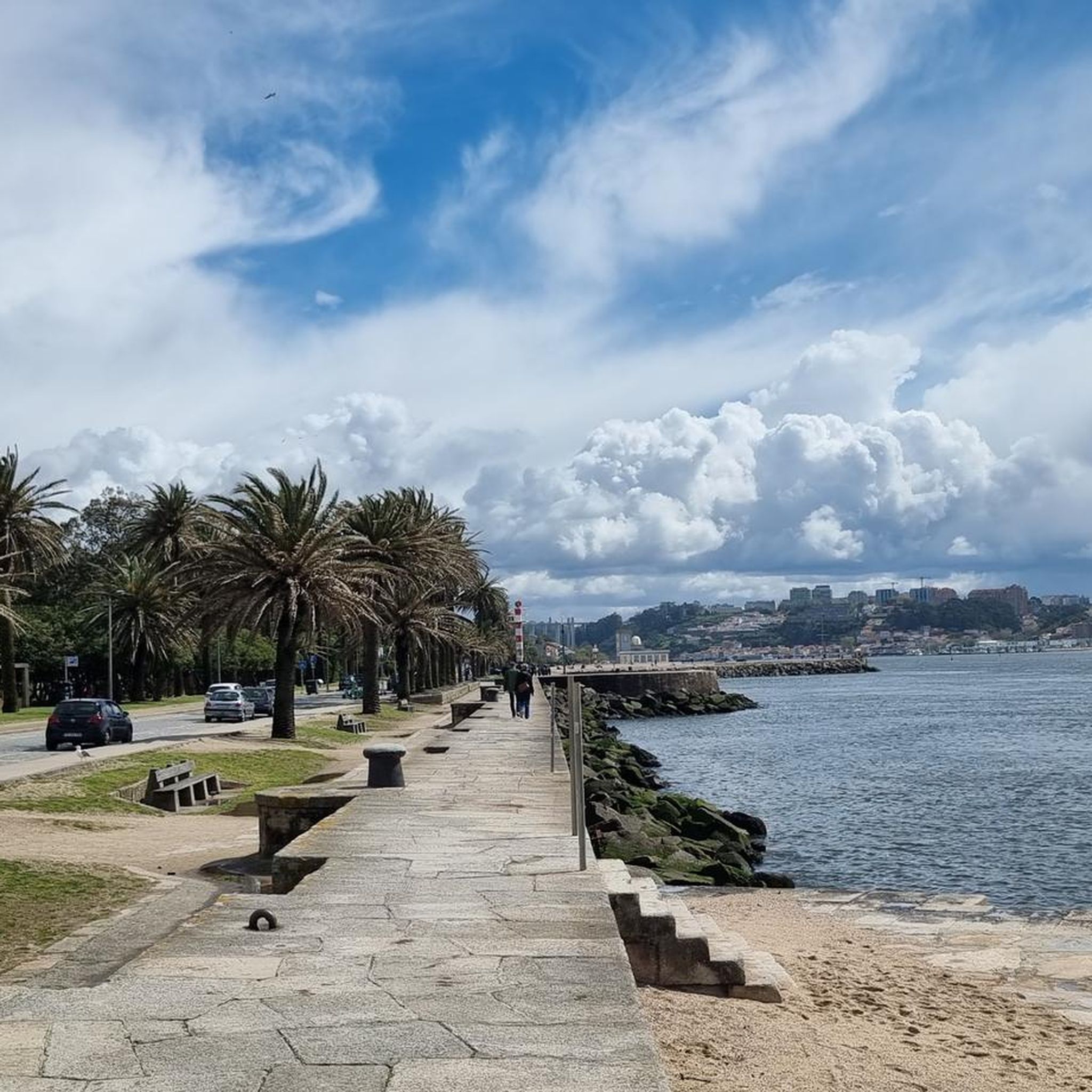
Fort on the way from Foz to Matosinhos. It's easy to walk around the fort, but it's nothing special.
12
2
The Nossa Senhora das Neves Fort is also known as the Leça da Palmeira Fort or Matosinhos Castle. Its construction began during the Philippine Dynasty in 1638 or 1639, by order of D. João Rodrigues Sá e Menezes, 1st Count of Penaguião, on the site of Santa Catarina, with the aim of defending that port against threats from pirates and corsairs. After the Restoration of Portuguese Independence, considering its great strategic importance for the defense of the bar, in 1642, the officials of the Porto City Council asked the King to complete the works as soon as possible. A Report from 1701 states that the fortification was still incomplete, although it was armed with four guns and manned by eight soldiers under the command of a lieutenant. It is believed that the fort was completed in 1720.
1
0
Fort of Our Lady of the Snows
1
0
Frequently Asked Questions
What are the most historically significant castles and forts near Maia?
The region around Maia is rich in history. The Fort of Saint Francis Xavier (Cheese Castle), founded in 1661 or 1662, and the Forte de Leça or Castelo de Matosinhos, built in 1651, were crucial parts of Porto's defensive line. The Fort of Our Lady of the Snows also dates back to 1638, built to protect against corsairs and pirates. Additionally, the Castelo da Maia boasts Roman and medieval archaeological remains, and the Torre dos Alcoforados is a restored 14th-century fortified manor house.
Are there any family-friendly castles to visit near Maia?
Yes, several castles and forts are suitable for families. The Castelo da Maia is considered suitable for children, offering ramparts to walk and grounds to explore. The Fort of Saint Francis Xavier (Cheese Castle) is also a great spot for families, with its unique coastal location and historical significance. The nearby beach allows for relaxation after exploring the fort.
What kind of natural features can I expect to see at these castles?
Many of the castles around Maia offer stunning natural views, especially those along the coast. The Fort of Saint Francis Xavier (Cheese Castle), for example, is located in a dominant position over the Atlantic Ocean, offering beautiful sea views and a nearby beach. The Castelo da Maia provides panoramic views of Maia and the surrounding landscape from its historic ramparts.
What outdoor activities can I do near the castles around Maia?
The region offers various outdoor activities. You can find numerous hiking trails, such as those listed in the Easy hikes around Maia guide or the broader Hiking around Maia guide. For cycling enthusiasts, there are also MTB Trails around Maia. Many of these routes allow you to combine castle visits with exploring the natural surroundings.
Are there any castles or forts that are particularly good for photography?
The Fort of Saint Francis Xavier (Cheese Castle) is highly photogenic, especially with its unique location on a rounded granite rock overlooking the Atlantic Ocean. The historic ramparts of Castelo da Maia also offer great photo opportunities with panoramic views. The Torre dos Alcoforados, with its restored architecture and local art, provides a unique backdrop for pictures.
What is the best way to get to the Fort of Saint Francis Xavier (Cheese Castle) using public transport?
The Fort of Saint Francis Xavier (Cheese Castle) is located near the mouth of the Douro River, close to Porto. While specific public transport routes from Maia aren't detailed here, it's generally accessible via public transport from Porto. You would typically take a bus or metro to a stop near the coast and then walk a short distance.
Is there parking available at Forte de Leça or Castelo de Matosinhos?
While specific parking details for Forte de Leça or Castelo de Matosinhos are not provided, it is located in Matosinhos, a developed area. Visitors can usually find public parking options in the vicinity, though it may involve a short walk, especially during peak times.
Can I visit the Castelo da Maia archaeological site?
Yes, the Castelo da Maia is a historic fortress with ancient walls and archaeological remains. Visitors can walk along the historic ramparts and explore the interior grounds. It offers a peaceful escape and a chance to discover remnants of past settlements. A typical visit takes around one to two hours.
What makes the Torre dos Alcoforados unique among the castles in the region?
The Torre dos Alcoforados stands out as an imposing 14th-century fortified manor house that has undergone impressive restoration. It showcases wooden stairs and floors within its interior and uniquely houses a mini art gallery featuring pictures and sculptures by local artists, blending history with contemporary culture.
Are there any coastal forts besides the Cheese Castle that I can visit?
Yes, in addition to the Fort of Saint Francis Xavier (Cheese Castle), you can visit the Forte de Leça or Castelo de Matosinhos, which was also a crucial part of Porto's defensive line. The Fort of Our Lady of the Snows and the Fort of St. John the Baptist are further examples of coastal fortifications in the area, offering insights into maritime defense history.
What do visitors enjoy most about the castles around Maia?
Visitors appreciate the historical insights and defensive past these structures offer. The unique coastal locations of forts like the Fort of Saint Francis Xavier (Cheese Castle) are particularly popular for their scenic views and the blend of nature and history. The community has shared over 146 photos and given more than 390 upvotes, highlighting the visual appeal and historical value of these sites.
Are there cafes or pubs near the castles for refreshments?
Many of the castles, especially those closer to urban areas like the coastal forts near Porto (e.g., Fort of Saint Francis Xavier and Forte de Leça), are located in areas with various cafes, restaurants, and pubs nearby. For Castelo da Maia and Torre dos Alcoforados, which are in more local settings, you can typically find local establishments in the surrounding villages.
Most popular attractions around Maia

Get inspired with the komoot mobile app


Explore more
Looking for the best castles somewhere else? Discover other guides around Maia:
