Top 3 Castles around Szczecin
A visit to a castle — whether you stumble over one during a hike outdoors or walk your way around the grounds with a guide — is always something special, and you’ve got 3
beautiful castles to choose from around Szczecin. Just browse our list to find your top castle , and add some history to your next adventure!
Last updated: June 30, 2026
Castle of the Pomeranian Dukes (Szczecin)
Highlight • Castle
Translated by Google •
Tip by

Old Town Hall (Ratusz Staromiejski), Szczecin
Highlight • Historical Site
Translated by Google •
Tip by
Sign up now to discover places like this
Get recommendations on the best single tracks, peaks, & plenty of other exciting outdoor places.
Sign up for free
Koszewo Palace
Highlight • Castle
Translated by Google •
Tip by

Seven Cloaks Tower (Baszta Siedmiu Płaszczy)
Highlight • Historical Site
Translated by Google •
Tip by
View of Szczecin Castle
Highlight • Viewpoint
More information at: zamek.szczecin.pl
Translated by Google •
Tip by

Start today with a free account
Your next adventure awaits.
Login or Signup
Popular around Szczecin
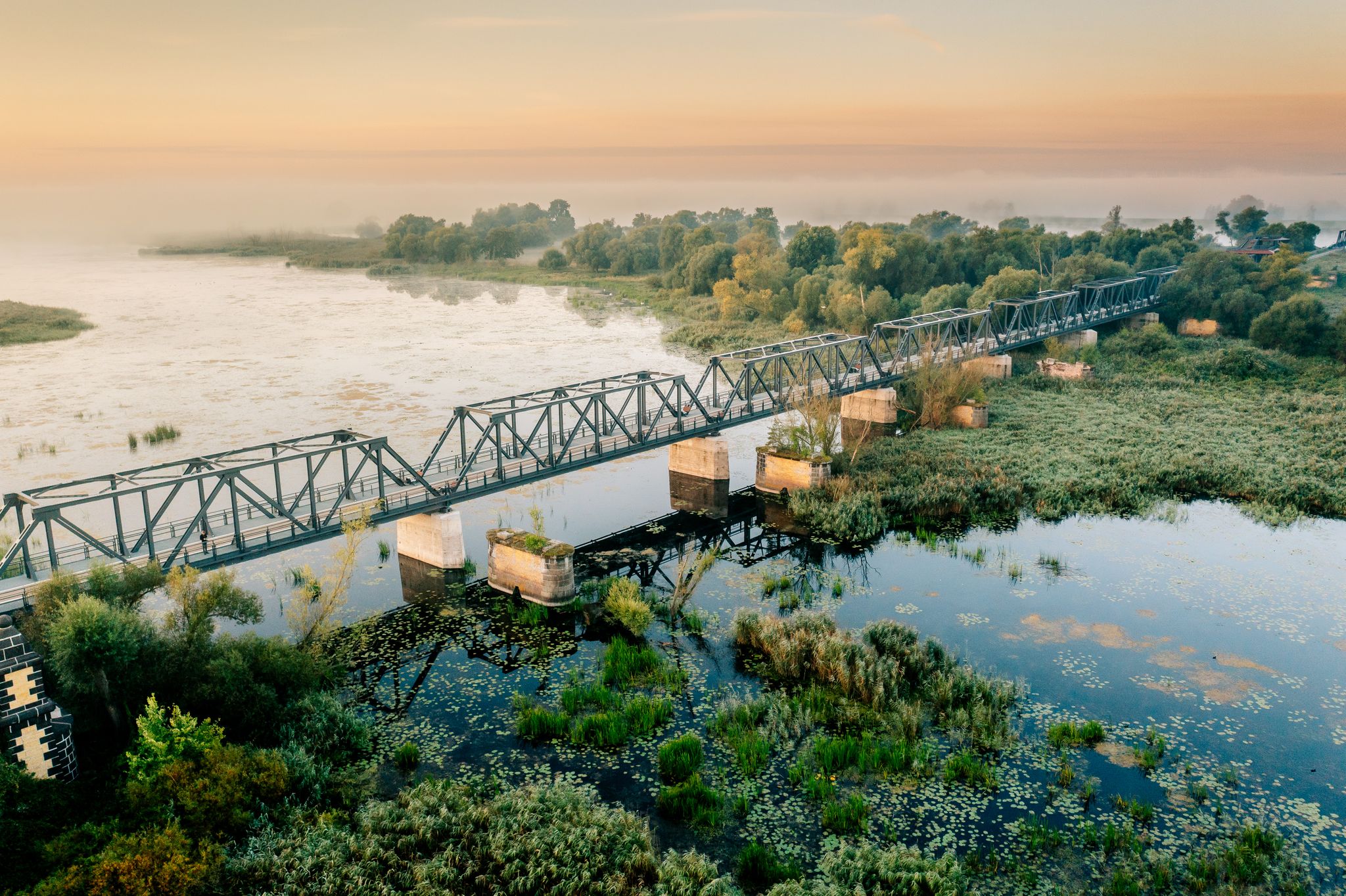
Outdoor Poland Part 1 – cycling in West Pomerania
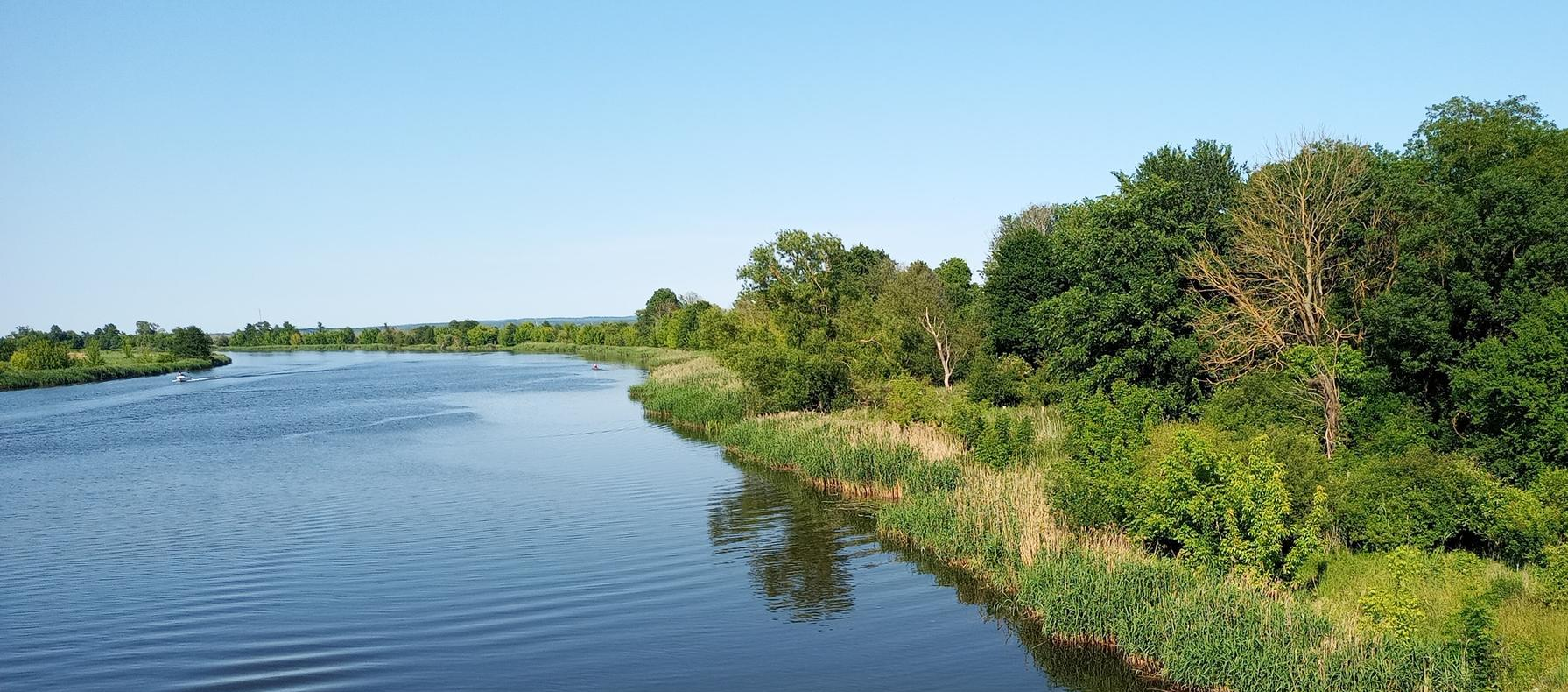
From The Baltic to The Oder River – Blue Velo

Relax amidst waters, forests and silence – Route Around the Szczecin Lagoon
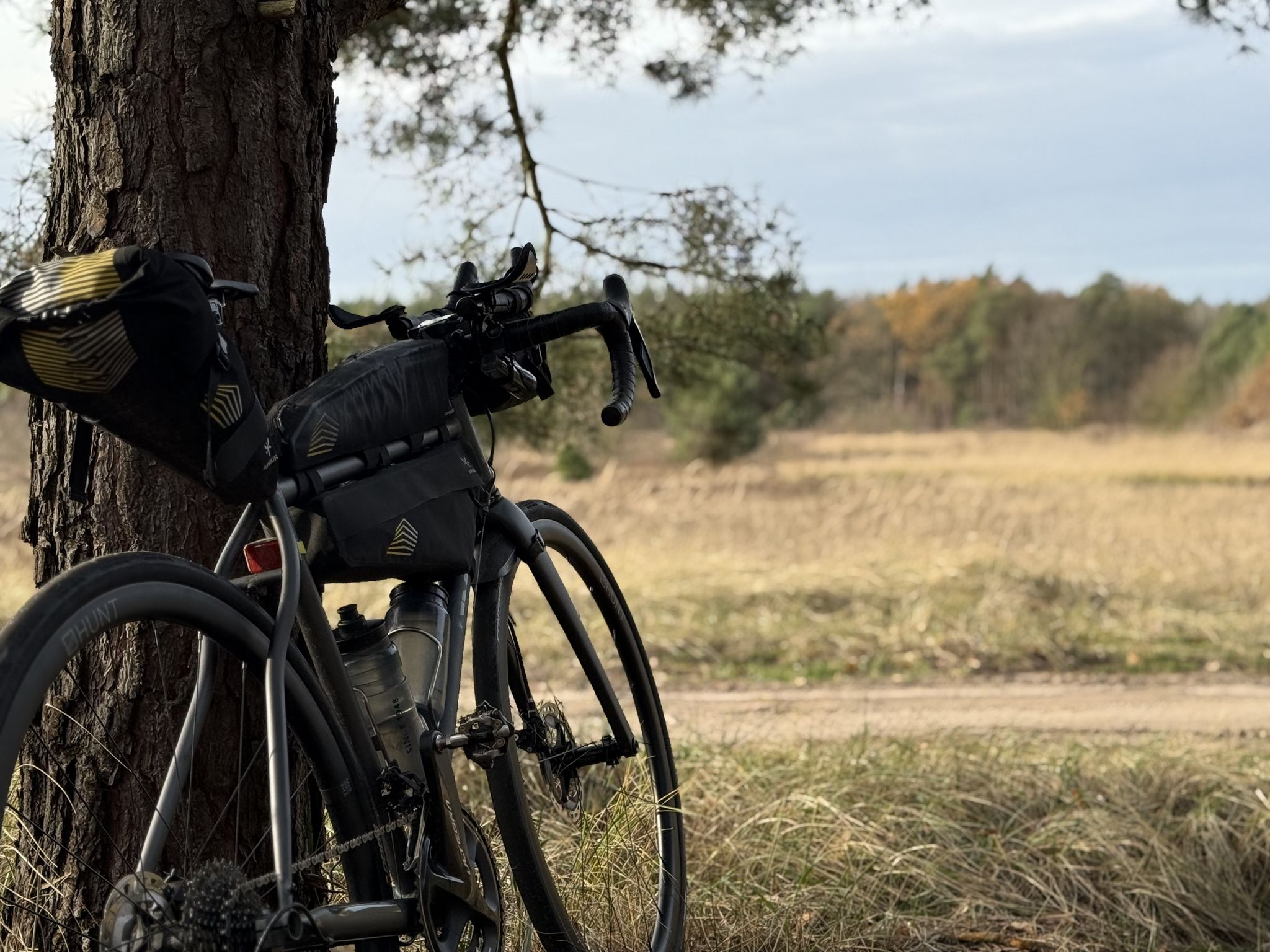
Winter bikepacking along the Pommersche Küste
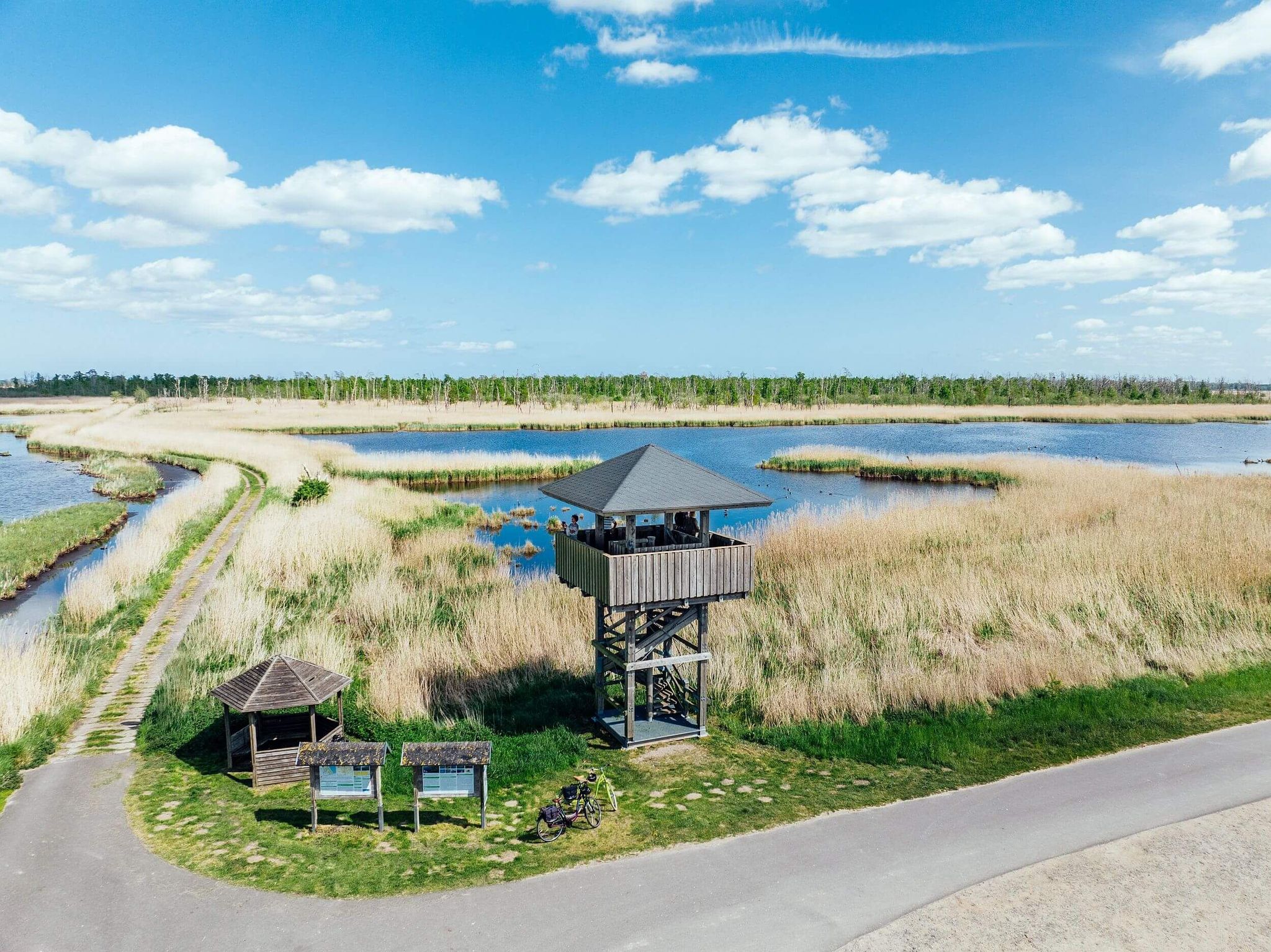
Stettiner Haff-Rundweg
Cycling around Szczecin
Hiking around Szczecin
Road Cycling Routes around Szczecin
Running Trails around Szczecin
MTB Trails around Szczecin
Other adventures around Szczecin


Tips from the Community

The castle is worth a visit, and it's open daily from 10 a.m. to 6 p.m. More information at: https://zamek.szczecin.pl/
2
0

The Seven Coats Tower, also known as the Maidens' Tower, is the only preserved tower from the city fortifications. The monument was most likely built before 1462 as a two-storey structure. At the beginning of the 19th century, the building was not demolished like the other towers, but adapted as utility rooms. After 1850, residential rooms were built on top of the tower and the tower became an outbuilding of the building at Frauenstraße 910. In this form, the tower survived until 1944, until the Allied bombings. The remains of the ruins of the buildings that were located around the tower were demolished in 1956, thus uncovering the walls of the tower. In the mid-1960s, reconstruction and reconstruction of the damaged parts of the tower were undertaken. There are two legends associated with the Maidens' Tower, which explain the name of the monument. The first tells of a wealthy prince who had seven daughters. He wanted to marry each of them off to equally wealthy men. Unfortunately, each daughter fell in love with a poor knight. The father decided to teach the disobedient daughters a lesson and ordered them to be locked in the tower until they got smarter. As a sign of protest, they ordered black cloaks to be sewn for themselves, which they wore day and night. Months passed, and then years, and one day it was noticed that the food that was pushed through the crack in the wall was not being collected. The frightened prince ordered the walls of the tower to be torn apart, and when they did, it turned out that there was no one inside. Apart from the hanging cloaks. From that time on, the tower has been called the Tower of Seven Cloaks, or the Maiden's Tower, and what happened to the daughters of the wealthy prince who were unhappily in love? No one knows to this day. The second legend tells the story of the court tailor of Duke Bogusław X. When the Duke was going on a pilgrimage to the Holy Land, he ordered seven coats to be made from a very rare and expensive material. The tailor carried out the task as instructed, but he cut out the coats so cleverly that he had a few scraps of material left. The matter came to light when one day the Duke saw a woman in a dress made from the same material as his coats. It quickly turned out to be the tailor's wife. As punishment, the dishonest craftsman was locked in the tower, which has since borne the above-mentioned names. Unfortunately, two legends most likely do not correspond to the true source of the tower's name. According to historians, it was the tailors' guild that funded the construction of the building, and they were also supposed to defend it in the event of a siege.
0
0

The Renaissance castle is a former residence of the Dukes of Pomerania, which until its destruction in World War II was the best preserved castle of the Griffin Dukes who died out during the Thirty Years' War. After reconstruction, the Duke's castle is now one of the largest cultural centers in the West Pomeranian Voivodeship.
5
0
The brick Gothic building dates back to the 13th century and was destroyed in World War II. It was rebuilt in 1975 in the form it had in the 15th century, taking into account some later Baroque elements. Today the building houses the City Museum of Szczecin's history. There is a restaurant in the Gothic cellars. The town hall is part of the European Route of Brick Gothic.
4
0

The Old Town Hall is the second brick building to be built on this site and a symbol of the independence of Szczecin's citizens. It was built in the 15th century on the remains of an older building from the previous century. After being destroyed in World War II, it was rebuilt in 1968. And—let's face it—the columns below are crooked...
4
0

The old town hall directly at the Heumarkt. There is a rustic brewery in the building's vaulted cellar - highly recommended.
4
0

After the destruction in World War II, the castle was rebuilt in the years up to 1985. In 2014-15 the castle was modernized. https://zamek.szczecin.pl/en/page/castle-modernization/
8
0
After being destroyed in World War II, the old town hall was rebuilt in 1968. Photos of the city's reconstruction can be viewed in the museum. https://www.eurob.org/item/szczecin_rathaus/
6
0
Most popular routes around Szczecin
Most popular attractions around Szczecin

Get inspired with the komoot mobile app


