Top 5 Castles around Radziechowy-Wieprz
Best castles around Radziechowy-Wieprz are found in the scenic Żywiec Basin, nestled within the Beskid Śląski and Beskid Żywiecki mountain ranges. This area is characterized by its rural atmosphere and rich cultural heritage, including historic churches. While the immediate municipality is known for its natural beauty, several historical castles are accessible in the surrounding region, offering insights into the area's past. These sites provide a glimpse into the architectural and historical landscape of the region.
Best castles around Radziechowy-Wieprz
- The most popular castles is Łodygowice Palace, a castle located in a park on the Żylica river. Built in the 17th century, it was originally a defensive fortress with ramparts, a moat, and bastions.
- Another must-see spot is Presidential Castle in Wisła, a modernist palace built in 1929-1930. This site has served as a residence for the President of the Republic of Poland since 1931.
- Visitors also love Habsburg Palace in Żywiec, a castle built in the Baroque style. This historical site includes reconstructed outbuildings.
- Radziechowy-Wieprz is known for historical palaces and defensive structures. Visitors can explore sites that range from 17th-century fortresses to modernist presidential residences.
- The castles around Radziechowy-Wieprz are appreciated by the komoot community. There are over 40 upvotes and 14 photos showcasing these historical sites.
Last updated: June 30, 2026
Łodygowice Palace
Highlight • Castle
The castle has a neo-gothic style. In the park surrounding the castle, you can still come across the still visible old fortifications, i.e. the remains of earth bastions, embankments and moats. The castle has two storeys. The entrance to the castle leads through arcades with a balcony above them.
lodygowice.pl/kompleks-palacowo-parkowy-
pl.wikipedia.org/wiki/Dw%C3%B3r_w_%C5%81odygowicach
Translated by Google •
Tip by

Presidential Castle in Wisła
Highlight • Castle
A modernist palace in Wisła, erected in 1929–1930 according to the design of Adolf Szyszko-Bohusz for the President of the Republic of Poland, Ignacy Mościcki; in the years 1931-1952 and since 2002 the residence of the President of the Republic of Poland.
Habsburg hunting lodge
In 1906, the Archduke of Cieszyn, Frederick Habsburg, delighted with the richness of the Beskid forests, ordered a hunting lodge to be erected on the slope of Zadni Groń. A one-story, larch building in the Carpathian-Tyrolean style was designed by the archduke builder Ernest Altmann, and it was built by the well-known company of Eugeniusz Fulda from Cieszyn. The facility consisted of two wings folded in the shape of the letter "L", each 37 m long.
They came here mainly to hunt in the forests of Barania Góra: in the spring to the grouse breeding ground, and in the autumn to the deer rutting ground. The guests of Archduke Frederick and his wife Princess Isabella von Croÿ-Dülmen were, among others, in 1915 German Emperor Wilhelm II with General Hindenburg, also Charles I, Emperor of Austria with General Hötzendorf.
pl.wikipedia.org/wiki/President_Castle_of_the_Republic of Poland_w_Wi%C5%9Ble
Translated by Google •
Tip by
Sign up now to discover places like this
Get recommendations on the best single tracks, peaks, & plenty of other exciting outdoor places.
Sign up for free
Lower Castle in Wisła
Highlight • Castle
An outstanding Krakow architect, prof. Adolf Szyszko-Bohusz, who in the years 1929–1931 designed a complex of modernist buildings. In the place of the former hunting palace, the so-called The Lower Castle, intended for the presidential entourage.
The Lower Castle and the Gajówka, apart from the periods when the President of the Republic of Poland or his guests stay in the residence, serve as hotel and conference rooms and are open to the public.
Already in the early 1930s, the castle was powered by electricity, had its own drinking water intake, central heating and its own two-chamber sewage treatment plant.
pl.wikipedia.org/wiki/President_Castle_of_the_Republic of Poland_w_Wi%C5%9Ble
Translated by Google •
Tip by
Habsburg Palace in Żywiec
Highlight • Castle
Translated by Google •
Tip by

View of Lake Wisła and the President's Castle
Highlight • Viewpoint
Translated by Google •
Tip by

Start today with a free account
Your next adventure awaits.
Login or Signup

Tips from the Community

Nice place, but the access is terrible.
0
0
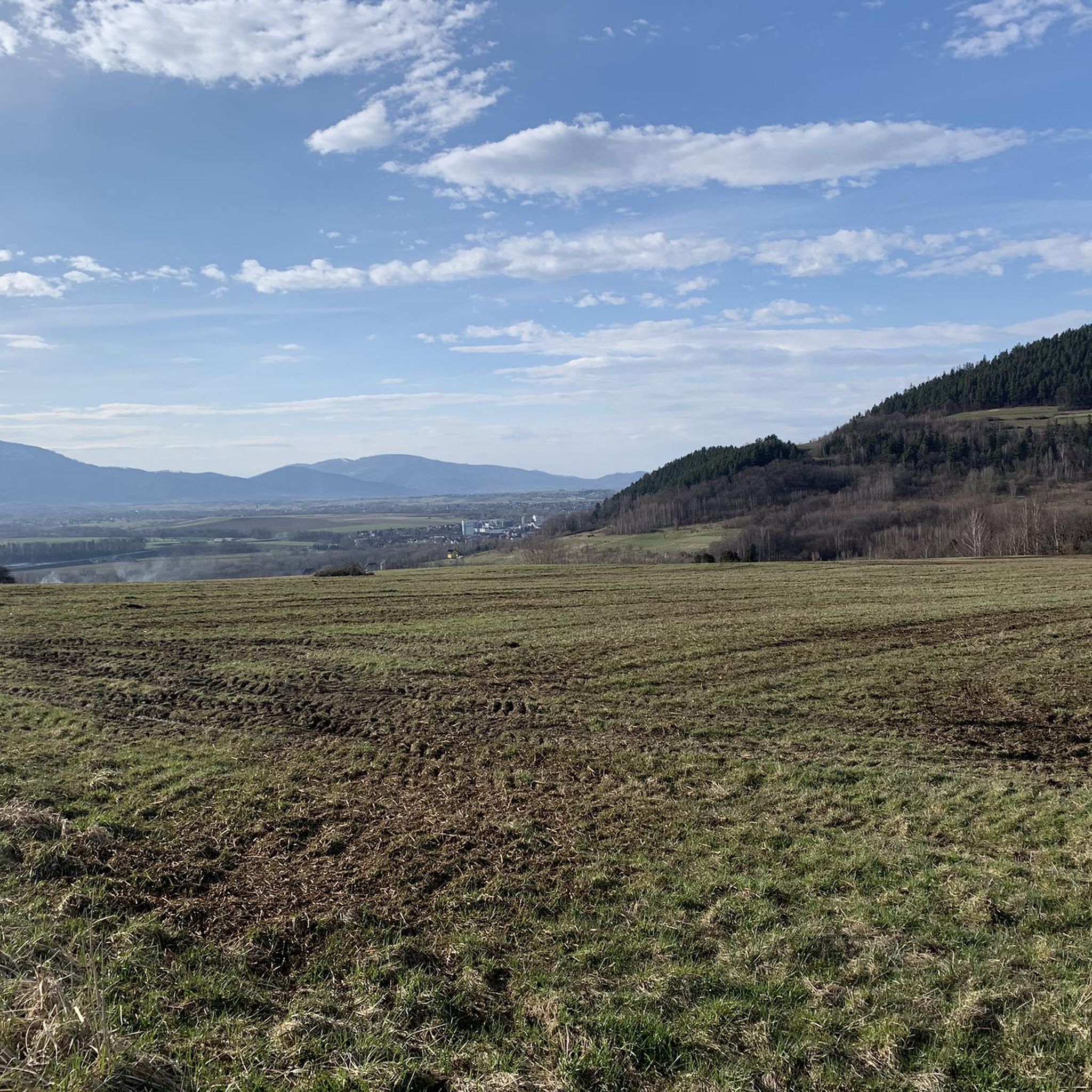
View of the Lagoon and the President's Castle. Until 2024, there was an observation deck here, but it was demolished for safety reasons.
1
0

The fortifications that 🅆🄸🅃⭕ 🇵🇱 writes about are particularly clearly visible on the north-eastern side of the park surrounding the palace, where the outlines of two bastions and the curtain wall between them have been preserved. The western bastion is also quite well preserved, but the curtains adjoining it have been flattened.
0
0

After the fire in the palace, the Silesian Sejm decided to build a new, more representative building for the purpose of a holiday residence for the President of the Republic of Poland as a gift from Silesia and the Silesians for the head of state. An outstanding Krakow architect, prof. Adolf Szyszko-Bohusz, who in the years 1929–1931 designed a complex of modernist buildings. In the place of the former hunting palace, the so-called The Lower Castle, intended for the presidential entourage. The Lower Castle and the Gajówka, apart from the periods when the President of the Republic of Poland or his guests stay in the residence, serve as hotel and conference rooms and are open to the public. Already in the early 1930s, the castle was powered by electricity, had its own drinking water intake, central heating and its own two-chamber sewage treatment plant. https://pl.wikipedia.org/wiki/President_Castle_of_the_Republic of Poland_w_Wi%C5%9Ble https://www.youtube.com/watch?v=y_WQ2ZJLZpM
0
0
The Castle of the President of the Republic of Poland in Wisła (popularly: Zameczek) - a modernist palace in Wisła, built in 1929-1930 according to the design of Adolf Szyszko-Bohusz for the President of the Republic of Poland Ignacy Mościcki; in the years 1931-1952 and since 2002 the residence of the President of the Republic of Poland. A modernist palace in Wisła, erected in 1929–1930 according to the design of Adolf Szyszko-Bohusz for the President of the Republic of Poland, Ignacy Mościcki; in the years 1931-1952 and since 2002 the residence of the President of the Republic of Poland. Habsburg hunting lodge In 1906, the Archduke of Cieszyn, Frederick Habsburg, delighted with the richness of the Beskid forests, ordered a hunting lodge to be erected on the slope of Zadni Groń. A one-story, larch building in the Carpathian-Tyrolean style was designed by the archduke builder Ernest Altmann, and it was built by the well-known company of Eugeniusz Fulda from Cieszyn. The facility consisted of two wings folded in the shape of the letter "L", each 37 m long. They came here mainly to hunt in the forests of Barania Góra: in the spring to the grouse breeding ground, and in the autumn to the deer rutting ground. The guests of Archduke Frederick and his wife Princess Isabella von Croÿ-Dülmen were, among others, in 1915 German Emperor Wilhelm II with General Hindenburg, also Charles I, Emperor of Austria with General Hötzendorf. https://pl.wikipedia.org/wiki/President_Castle_of_the_Republic of Poland_w_Wi%C5%9Ble https://www.youtube.com/watch?v=1bP8FsknQtg&pp=ygUzWmFtZWsgUHJlenlkZW50YSBSemVjenlwb3Nwb2xpdGVqIFBvbHNraWVqIHcgV2nFm2xl
1
0
The castle in Łodygowicach is located in the surroundings of a park on the river Żylica. Built in the 17th century by the castellan of Kraków, Jerzy Zbaraski. Previously, a wooden manor house of the Komorowski family, who owned the surrounding area from the mid-16th century, stood in its place. Over the next years, the castle changed both its owners and appearance many times. Originally it was a defensive castle, surrounded by an earthen rampart, a moat and bastions in the corners, which made it a fortress difficult to get. In 1866. the castle was purchased by Klementyna Primovesi de Weber, wife of Adolf Klobus, an Austrian major. They thoroughly rebuilt the fortress for their own needs. As a result of the reconstruction, the castle lost its military significance, and part of the fortifications was pulled down. The Klobus family owned Łodygowice with its adjoining areas until the death of the last descendant of Otto Klobus in 1942. In 1939, the staff of the German army was stationed in the castle, and in 1945 the castle's equipment was stolen. Currently, the castle building has been converted into a cultural institution. The castle has a neo-gothic style. In the park surrounding the castle, you can still come across the still visible old fortifications, i.e. the remains of earth bastions, embankments and moats. The castle has two storeys. The entrance to the castle leads through arcades with a balcony above them. http://www.lodygowice.pl/kompleks-palacowo-parkowy- https://pl.wikipedia.org/wiki/Dw%C3%B3r_w_%C5%81odygowicach https://www.youtube.com/watch?v=yHZ3746RrCo
1
0

The Habsburg Castle in Zywiec was built in the Baroque style with the reconstruction of outbuildings. After the Second World War, the complex of wood and forest schools was built there.
0
0
Frequently Asked Questions
Are there any castles directly within the municipality of Radziechowy-Wieprz?
No, the municipality of Radziechowy-Wieprz itself does not have notable castles. The area is more known for its natural landscapes, religious sites, and cultural heritage. However, several historical castles are accessible in the surrounding region.
Which castles near Radziechowy-Wieprz are suitable for families?
Several castles in the surrounding area are considered family-friendly. These include Łodygowice Palace, the Lower Castle in Wisła, and the Habsburg Palace in Żywiec. These sites offer historical exploration that can be engaging for visitors of all ages.
What kind of historical sites can I expect to see near Radziechowy-Wieprz?
Beyond castles, the region offers a rich historical context. You can explore sites like the historic Church of St. Martin in Radziechowy, dating back to 1390, and the Church of the Visitation of the Blessed Virgin Mary in Juszczyna, an example of wooden sacral architecture. The castles themselves, such as the 17th-century Łodygowice Palace and the modernist Presidential Castle in Wisła, also provide significant historical insights.
Are there any viewpoints near the castles where I can get scenic photos?
Yes, you can find scenic viewpoints. For instance, the View of Lake Wisła and the President's Castle offers picturesque views of the lake and the presidential residence. While the observation deck was recently demolished for safety, the area still provides good photo opportunities.
What outdoor activities are available near the castles around Radziechowy-Wieprz?
The region is excellent for outdoor activities. You can find numerous hiking and cycling routes. For hiking, consider options like the Malinowska Skała loop or routes around Węgierska Górka, which you can explore further in the Easy hikes around Radziechowy-Wieprz guide. Cycling enthusiasts can find routes like the 'Road to Glinka Pass' or 'Wooden Church of Łodygowice – Shore of Lake Żywiec loop' in the Road Cycling Routes around Radziechowy-Wieprz guide.
Can I visit the Presidential Castle in Wisła?
The Presidential Castle in Wisła has served as a residence for the President of the Republic of Poland since 1931. While it is a significant historical site, access for visitors can be restricted, especially when the President or guests are in residence. The nearby Lower Castle in Wisła, part of the same complex, often serves as hotel and conference rooms and is more frequently open to the public.
What is unique about Łodygowice Palace?
Łodygowice Palace, built in the 17th century, was originally a defensive fortress with ramparts, a moat, and bastions. Over time, it was rebuilt and lost its military significance, transforming into a neo-Gothic style palace. You can still see remnants of its original fortifications, such as earth bastions and moats, in the surrounding park.
What is the Habsburg Palace in Żywiec known for?
The Habsburg Palace in Żywiec is a castle built in the Baroque style. It is known for its historical significance and includes reconstructed outbuildings, offering a glimpse into the architectural heritage of the region.
Are there any easy walking trails near the castles?
While specific easy walking trails directly *around* each castle aren't detailed, the broader Radziechowy-Wieprz area offers many easy hiking options. You can find routes like the 'Hiking loop from Twardorzeczka' or 'Soła River Near Cisiec loop' in the Easy hikes around Radziechowy-Wieprz guide, which are suitable for leisurely walks.
What do visitors generally appreciate about the castles in this region?
Visitors appreciate the historical depth and architectural variety of the castles, ranging from defensive fortresses to modernist presidential residences. The komoot community has shown significant interest, with over 40 upvotes and 14 photos showcasing these historical sites, highlighting their visual appeal and historical value.
Is there public transport available to reach these castles?
While specific public transport routes to each castle are not detailed, the castles are generally accessible from the surrounding towns. It's advisable to check local bus schedules or consider driving, as many are located in scenic, sometimes less urbanized, areas.
Can I find cafes or restaurants near these castles?
Information on specific cafes directly adjacent to each castle is not available. However, the castles are located near towns like Wisła and Żywiec, where you will find various dining options and amenities. It's recommended to plan your visit to include stops in these towns for refreshments.
Most popular routes around Radziechowy-Wieprz
Most popular attractions around Radziechowy-Wieprz

Get inspired with the komoot mobile app


Explore more
Looking for the best castles somewhere else? Discover other guides around Radziechowy-Wieprz:
