Top 7 Castles around Piekary Śląskie
Best castles around Piekary Śląskie are found in the broader Silesian region, as Piekary Śląskie itself is known for its spiritual heritage and industrial past. The city is located in southern Poland, offering access to historical sites within the wider area. While Piekary Śląskie features landmarks like the Basilica of St. Mary and St. Bartholomew and the Liberation Mound, notable standing castles are situated in nearby localities.
Best castles around Piekary Śląskie
- The most popular castles is Kawaler Palace, a castle built in the French neo-baroque style. This palace was constructed between 1903 and 1906, designed by Ernest von Ihne, architect of Emperor Wilhelm II.
- Another must-see spot is Będzin Castle, a medieval defensive stronghold. Erected in the mid-14th century by Casimir the Great, it was part of the Eagles' Nests system.
- Visitors also love Będzin Castle, an example of a 14th-century fortified building. It houses one of the largest collections of weapons and armaments in Poland.
- Piekary Śląskie is known for medieval strongholds, renaissance castles, and neo-baroque palaces. Visitors can explore a variety of historical fortifications and residences in the surrounding area.
- The castles around Piekary Śląskie are appreciated by the komoot community, with more than 190 upvotes and 30 photos shared.
Last updated: June 30, 2026
Kawaler Palace
Highlight • Castle
Thinking about the guests visiting the Donnersmarck family, in the years 1903-1906, near the "Little Versailles", another building, enchanting with its taste and modernity, was created, called the Cavalier's Palace. The Cavalier's Palace was equipped with, among others in Istrian marble floors, American "Royal" bathtubs made of one piece of earthenware, paintings by masters, etc. The main reason for its creation was the frequent visits of the Emperor of Germany, Wilhelm II, who came here to hunt. The Knight's Palace in the French neo-baroque style was designed by Ernest von Ihne, architect of Emperor Wilhelm II. The Kawalera Palace was built on a plan similar to a square. The brick facade of the building is made in two colors: red walls and white corners. In the central part of the building there is a representative, oval hall with a marble-mirror staircase. On the front of the palace there is an inscription "Memento vivere" (Remember about life), which was supposed to encourage visiting guests and bachelors (especially) to have fun.
slaskie.travel/poi/3416/palac-kawalera-w-swierklancu
Translated by Google •
Tip by

Castle in Stare Tarnowice
Highlight • Castle
In 1820, count Karol Łazarz Henckel von Donnersmarck from Świerklaniec bought from Gottlieb von Büttner the castle along with the surrounding goods. Tarnowice goods, including together with the Repecki family, they were transformed by Count Guido into a fideicomis for his younger son Kraft, who inherited them in 1916. However, he did not live in the castle, but chose a new palace built near Rept as his seat.
pl.wikipedia.org/wiki/Zamek_w_Starych_Tarnowicach
komplekszamkowy.pl
Translated by Google •
Tip by
Sign up now to discover places like this
Get recommendations on the best single tracks, peaks, & plenty of other exciting outdoor places.
Sign up for free
Będzin Castle
Highlight • Castle
is an example of a 14th-century fortified building. It was built during the reign of King Casimir the Great. The castle is located on a high embankment on the left bank of the Czarna Przemsza and was an important link in the defense system of Poland's western border against invasions from Silesia and the Czech Republic. The castle also ensured the security of water and land trade routes, among other things. Trade route from Silesia to Kraków. The complex houses one of the largest collections of weapons and armaments in Poland.
Translated by Google •
Tip by

Sielecki Castle.
Highlight • Castle
Translated by Google •
Tip by

Oskar Schön Palace in Sosnowiec
Highlight • Historical Site
During the First Silesian Uprising, in 1919, the palace building housed the headquarters of the uprising command with the headquarters of the plebiscite defense command, preparing for the Third Silesian Uprising in 1921.
The fire of the spinning mill in 1907 and World War I contributed to the deterioration of the family's financial situation, as a result of which the palace was leased for the needs of the court. In 1923, the building was adapted for the needs of the court. During the German occupation, it housed the Deutsches Haus. Since 1945, it has again served as the seat of the court.
Translated by Google •
Tip by

Sign up for free to discover even more castles around Piekary Śląskie.
Sign up for free
Already have an account?
Start today with a free account
Your next adventure awaits.
Login or Signup
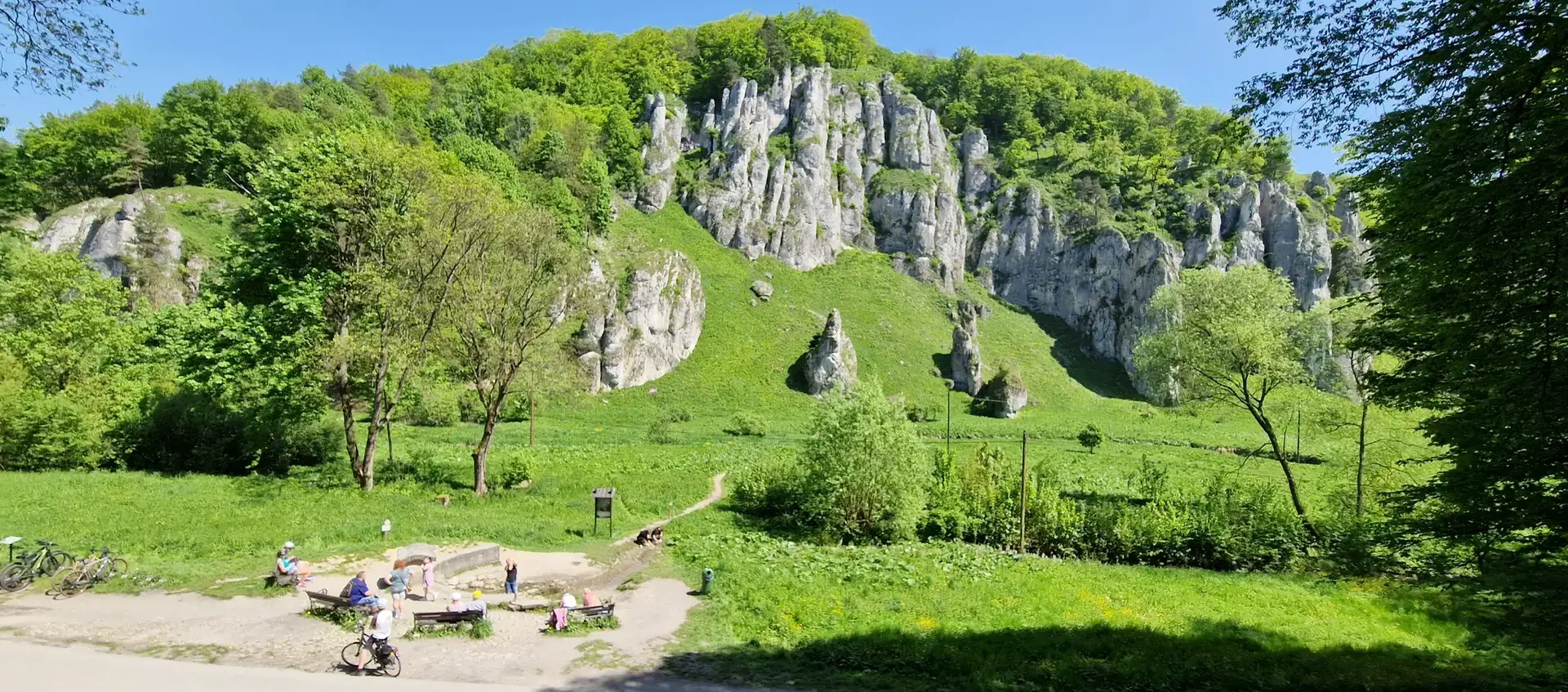
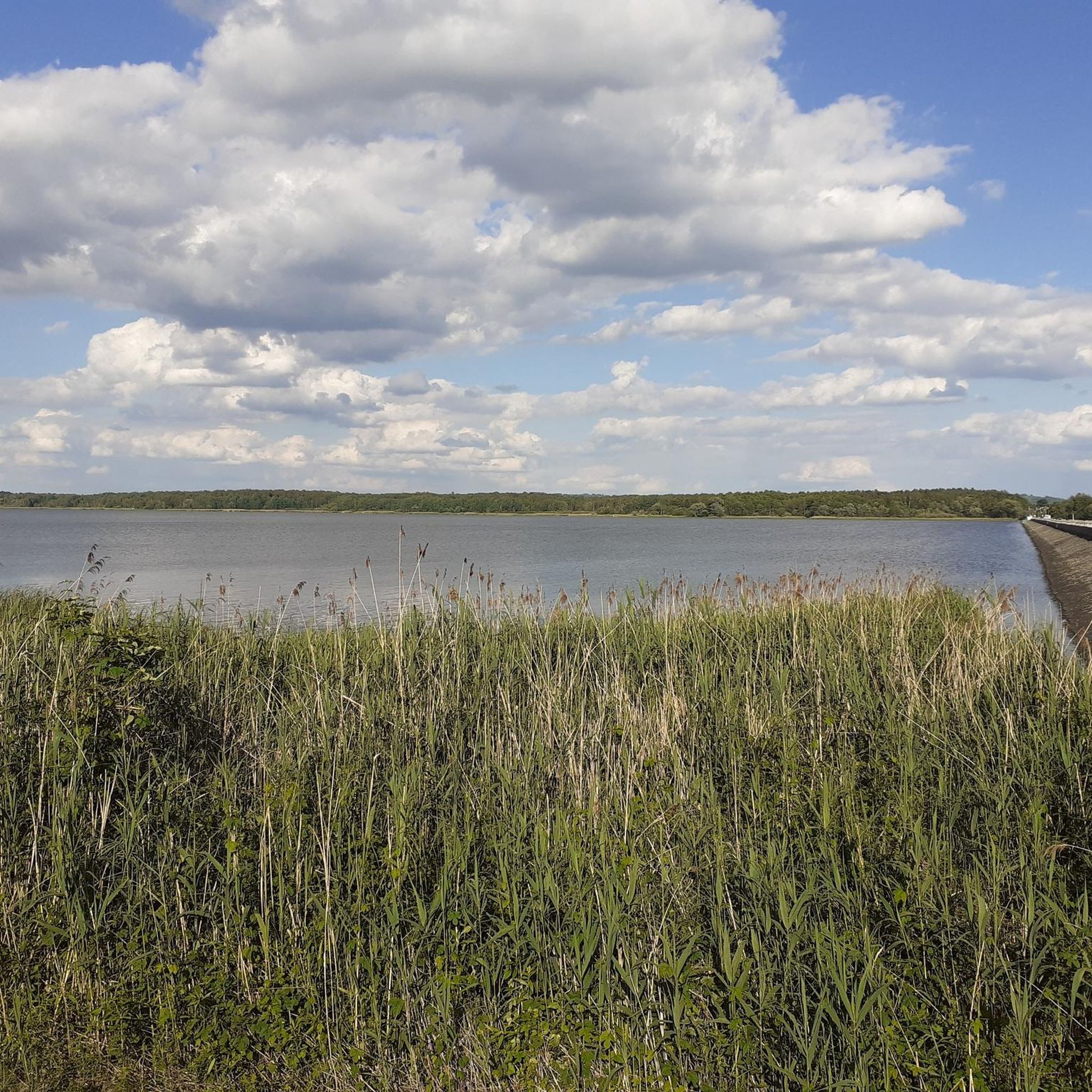
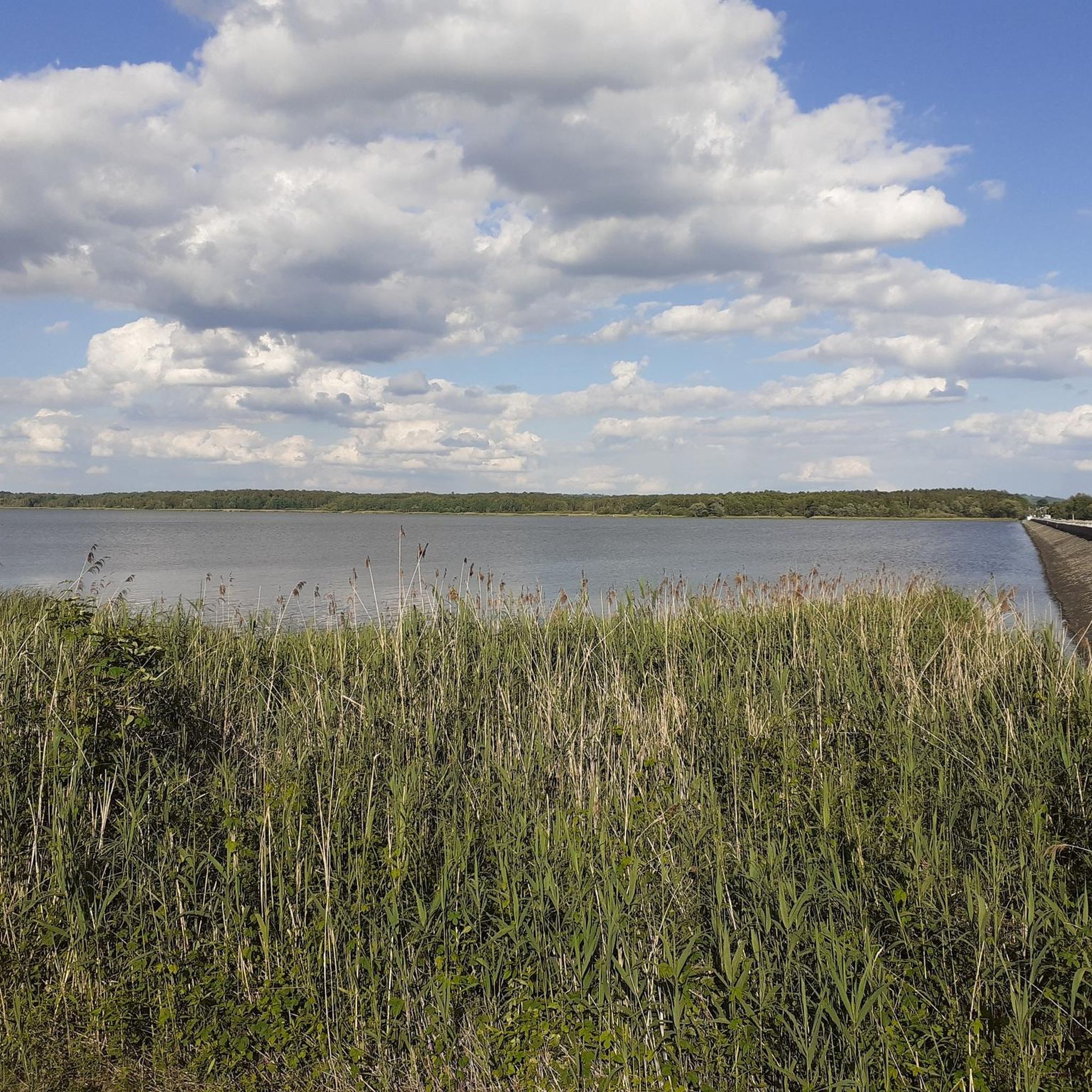
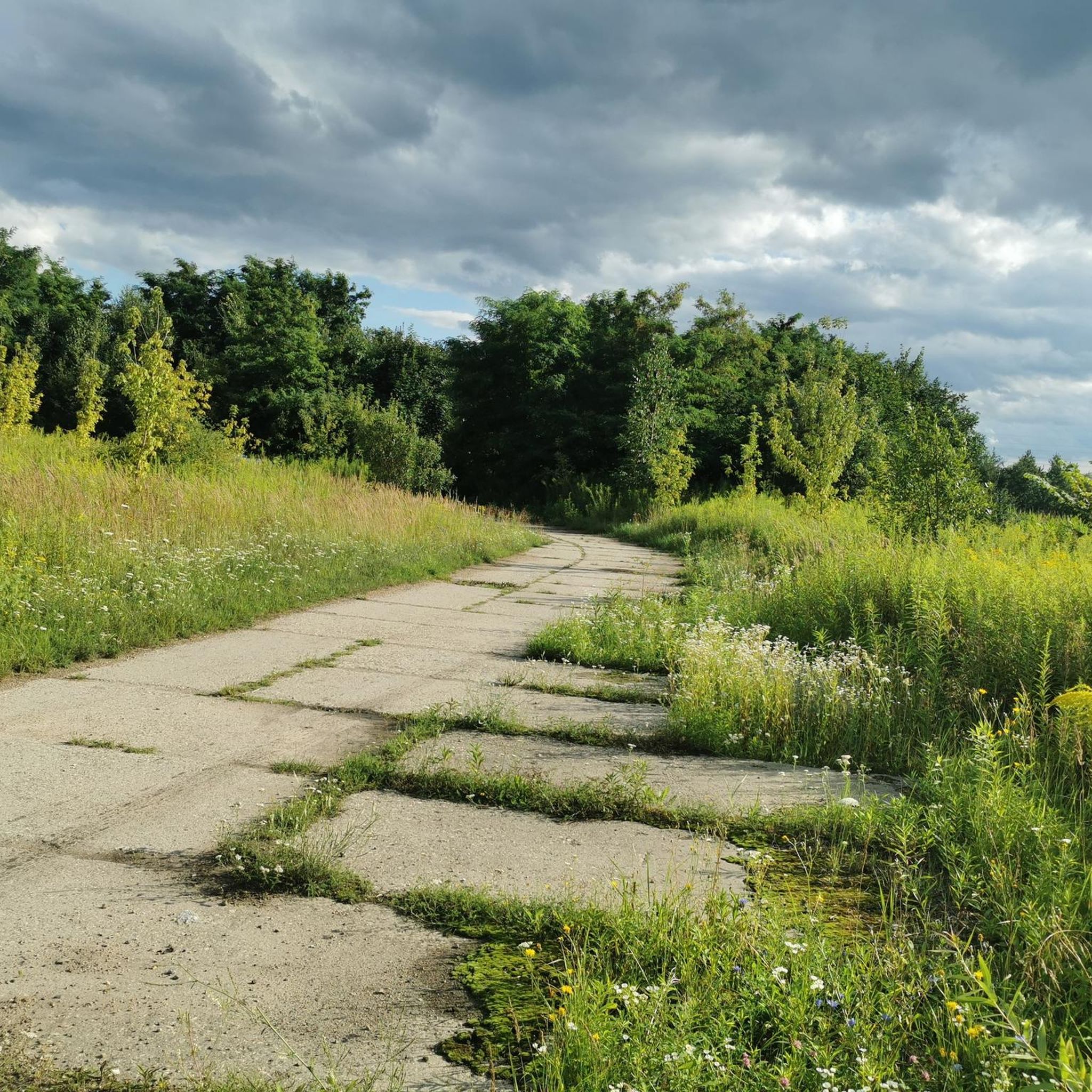

Other adventures around Piekary Śląskie

Tips from the Community

A beautiful building preserved in excellent condition.
0
0
An interesting historic site in Tarnowskie Góry
0
0

The courthouse that is located here is moving after 102 years.
0
0

because it's nice and old and stuff like that
0
0

The oldest building in Sosnowiec. It was originally believed that the castle was built in 1620, but archaeological work has shown that the first fortification was built at the end of the Middle Ages and in 1620 the castle building was expanded. Currently, it houses the Sosnowiec Art Center.
0
0

one of the two residences of the Schön family. The palace was built in the settlement of Kuźnica, later incorporated into the city, located between the villages of Ostra Górka and Sielec, on the left bank of the Czarna Przemsza. Built in the years 1900–1903. During the First Silesian Uprising, in 1919, the palace building housed the headquarters of the uprising command with the headquarters of the plebiscite defense command, preparing for the Third Silesian Uprising in 1921. The fire of the spinning mill in 1907 and World War I contributed to the deterioration of the family's financial situation, as a result of which the palace was leased for the needs of the court. In 1923, the building was adapted for the needs of the court. During the German occupation, it housed the Deutsches Haus. Since 1945, it has again served as the seat of the court.
2
0

Będzin Castle is an example of the narrowness of medieval stone castles. The thick and high walls form an imposing silhouette from the outside, but the remaining interior is rather modest. The palace is small on the inside, reminiscent of modern semi-detached houses with three staircases and two rooms per floor. The round keep looks large and powerful from the outside, but the walls are so thick that there is literally no living space left. The low entrance to the keep was carved into the base of the tower in modern times. You have to climb 57 steps to get to the original entrance. This entrance was at a safe height and could only be reached from the outside via a ladder. In case of danger, this ladder was pulled down. There was no spiral staircase, of course. You had to climb ladders from one floor to the next. It was all very cramped and laborious. Będzin Castle is a typical example of a medieval castle.
4
0
The medieval Będzin Castle is an example of a 14th-century fortified building. It was built during the reign of King Casimir the Great. The castle is located on a high embankment on the left bank of the Czarna Przemsza and was an important link in the defense system of Poland's western border against invasions from Silesia and the Czech Republic. The castle also ensured the security of water and land trade routes, among other things. Trade route from Silesia to Kraków. The complex houses one of the largest collections of weapons and armaments in Poland.
4
0
Frequently Asked Questions
What kind of historical sites and castles can I expect to find around Piekary Śląskie?
While Piekary Śląskie is known for its spiritual heritage, the broader Silesian region offers a variety of historical sites. You can explore medieval strongholds, Renaissance castles, and neo-baroque palaces. These include defensive fortifications and grand residences from different eras.
Are there any castles directly within Piekary Śląskie?
Piekary Śląskie itself does not feature grand, well-preserved castles that are major tourist attractions. Historical records mention archaeological relics of a castle, but the notable standing castles and palaces are situated in nearby localities within the wider Silesian region.
Which castles near Piekary Śląskie are particularly popular with visitors?
Visitors frequently enjoy Kawaler Palace in Świerklaniec, a French neo-baroque palace built for Emperor Wilhelm II's visits. Another popular choice is Będzin Castle, a medieval defensive stronghold that was part of the Eagles' Nests system and houses a significant collection of weapons.
Are there family-friendly castles to visit near Piekary Śląskie?
Yes, several castles in the area are considered family-friendly. Kawaler Palace, Będzin Castle, and Sielecki Castle are all categorized as family-friendly, offering engaging experiences for all ages.
What is the best time of year to visit the castles around Piekary Śląskie?
The best time to visit is generally during the spring, summer, and early autumn months (April to October) when the weather is mild and pleasant for exploring both the castles and their surrounding parks. Many sites have extended opening hours during this period. Some castles may have limited access or hours during winter, so it's advisable to check specific opening times if planning a visit then.
What outdoor activities can I do near these castles?
The region around Piekary Śląskie offers various outdoor activities. You can find numerous hiking trails, including moderate routes like the 'Franciszek Kachel Park – Świerklaniec Park Pond loop'. There are also cycling routes and road cycling routes, such as the 'Chechło–Nakło Reservoir loop' near Kawaler Palace.
Can I visit the castles using public transport from Piekary Śląskie?
Public transport options are available to reach some of the castles. For example, Kawaler Palace in Świerklaniec is accessible by public transport from Piekary Śląskie. It is recommended to check local bus or tram schedules for specific routes and timings to your chosen destination.
Are there parking facilities available at the castles?
Yes, parking is generally available at the major castle attractions. For instance, there are parking facilities near Kawaler Palace in Świerklaniec. It's always a good idea to check the specific castle's website for detailed parking information before your visit.
How long should I plan for a visit to a castle in this area?
The duration of a visit can vary depending on the castle and your interest. For a site like Będzin Castle, which includes a museum and a tower with views, you might spend 2-3 hours. For a palace with extensive grounds like Kawaler Palace, you could easily spend half a day exploring the building and its surrounding park.
What are some natural features or viewpoints near the castles?
Many castles are situated in scenic locations. Będzin Castle, for example, offers a great viewpoint from its tower. The area around Kawaler Palace is part of Świerklaniec Park, which features a pond and is connected to various hiking and cycling routes, providing opportunities to enjoy nature.
Are dogs allowed at the castles or in their surrounding parks?
Policies regarding dogs can vary by location. While some parks, like Świerklaniec Park surrounding Kawaler Palace, may allow dogs on leashes in outdoor areas, entry into the castle buildings themselves is typically restricted. It's best to check the specific dog policy for each castle or park you plan to visit.
Where can I find cafes, pubs, or accommodation near the castles?
Many of the towns hosting these castles, such as Świerklaniec (near Kawaler Palace) and Będzin (near Będzin Castle), have local cafes, pubs, and accommodation options. For a wider selection, you can also look for amenities in larger nearby cities like Tarnowskie Góry or Sosnowiec.
Most popular routes around Piekary Śląskie
Most popular attractions around Piekary Śląskie

Get inspired with the komoot mobile app


Explore more
Looking for the best castles somewhere else? Discover other guides around Piekary Śląskie:
