Top 9 Castles around Ryjewo
Best castles around Ryjewo are found in a region historically shaped by the Teutonic Knights, offering a rich landscape of medieval fortresses. The area, situated in northern Poland, features a mix of historical sites and natural surroundings, including lakes and rivers. These castles primarily date back to the 13th and 14th centuries, reflecting the strategic importance of the Vistula River basin. The region provides opportunities for exploring significant architectural heritage and understanding the historical context of the Teutonic Order.
Best…
Last updated: June 30, 2026
Kwidzyn Castle
Highlight • Castle
Translated by Google •
Tip by

Gniew Castle
Highlight • Castle
Translated by Google •
Tip by
Sign up now to discover places like this
Get recommendations on the best single tracks, peaks, & plenty of other exciting outdoor places.
Sign up for free
Castle Gate of Sztum
Highlight • Castle
Translated by Google •
Tip by

Old Ferry Landing – View of the Castle in Gniew and the Vistula
Highlight • Viewpoint
Translated by Google •
Tip by

Co-Cathedral of St. John the Evangelist in Kwidzyn
Highlight • Religious Site
Translated by Google •
Tip by

Sign up for free to discover even more castles around Ryjewo.
Sign up for free
Already have an account?
Start today with a free account
Your next adventure awaits.
Login or Signup

Tips from the Community

The castle in Kwidzyn is an impressive Gothic stronghold from the 14th century, the former seat of the Pomesanian chapter. Its massive walls and characteristic sanitary-defense tower, connected to the castle by the longest covered porch in the world, are a symbol of medieval defensive architecture in these areas. The castle was not only a religious and administrative center, but also played an important role in the Polish-Teutonic conflicts and in the Priests' War. Rebuilt and adapted many times over the centuries, today it houses a museum and is one of the most important historical attractions in the region.
3
0
The castle in Gniew is one of the most powerful Teutonic strongholds on the left bank of the Vistula, built at the turn of the 13th and 14th centuries. For centuries, it played an important military and administrative role in the Teutonic state, and after being incorporated into Poland, it became the seat of royal starosts. In the 17th century, it was associated with the figure of Jan Sobieski. The castle played an important role during the Polish-Teutonic wars and the so-called War for the Vistula Mouth. Today, the castle is beautifully restored and is a tourist attraction with numerous historical events, such as knight tournaments and battle reenactments. Visitors can see the recreated interiors and spend the night in the castle apartments.
2
0


The Co-Cathedral of St. John the Evangelist in Kwidzyn is a Gothic temple from the 14th century, which is part of the former castle of the Pomesanian Chapter. It is distinguished by its monumental defensive architecture and a characteristic 60-meter tower. The crypt houses the mausoleum of the Pomeranian princes and the Teutonic Grand Masters. The cathedral is one of the most important monuments on the Gothic Castle Trail.
0
0


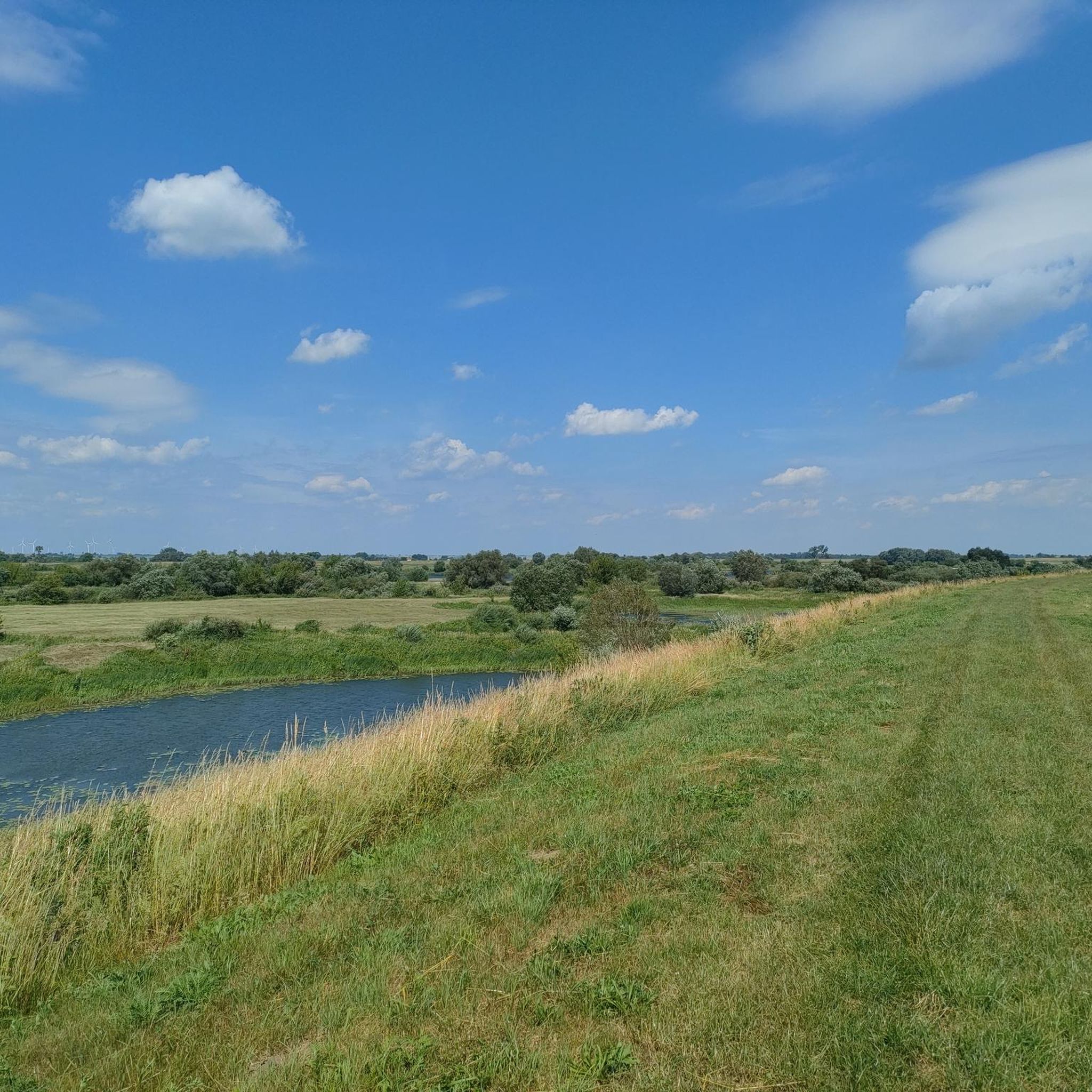
A beautiful place by the lake which, after visiting the castle, can be cycled or taken for a walk
0
0

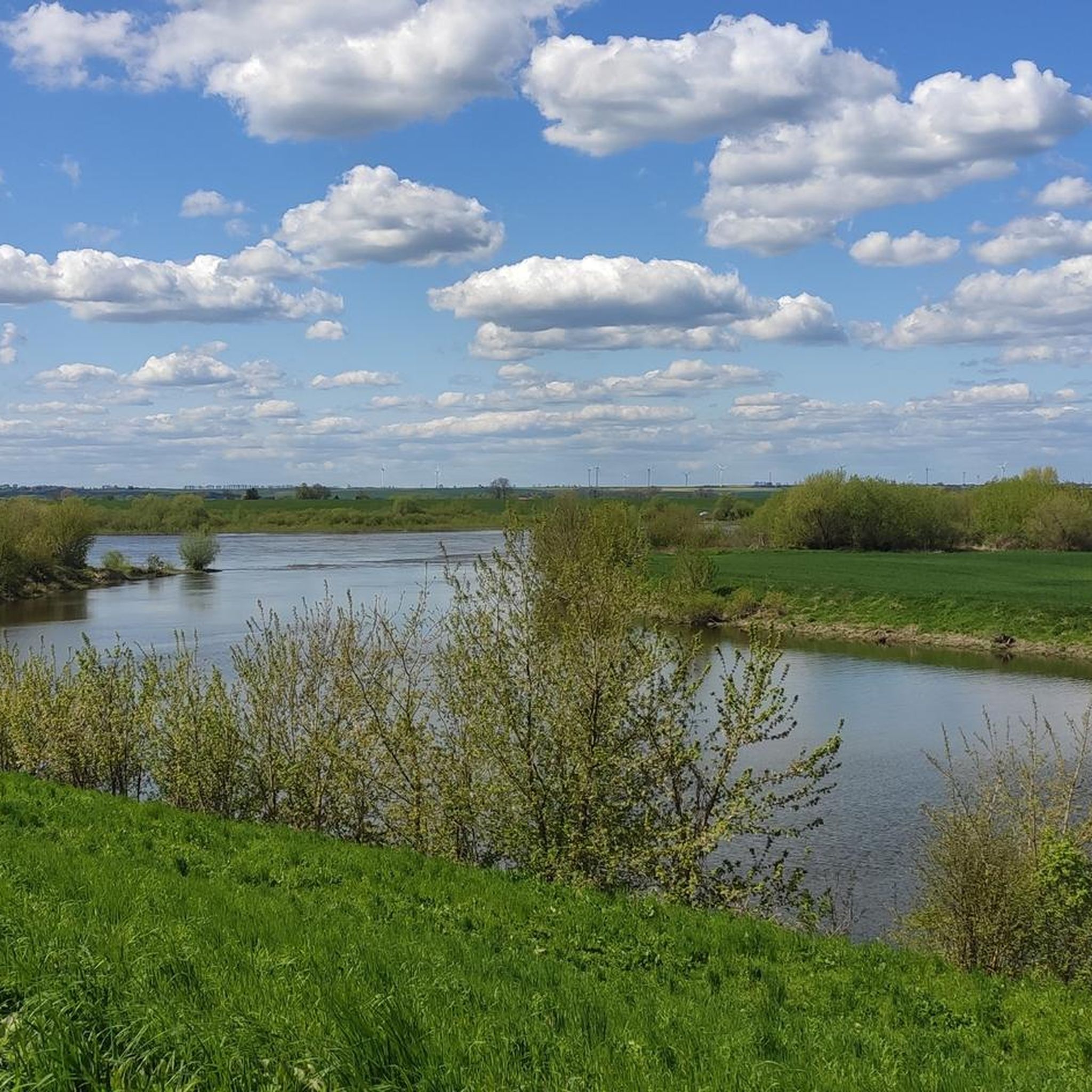
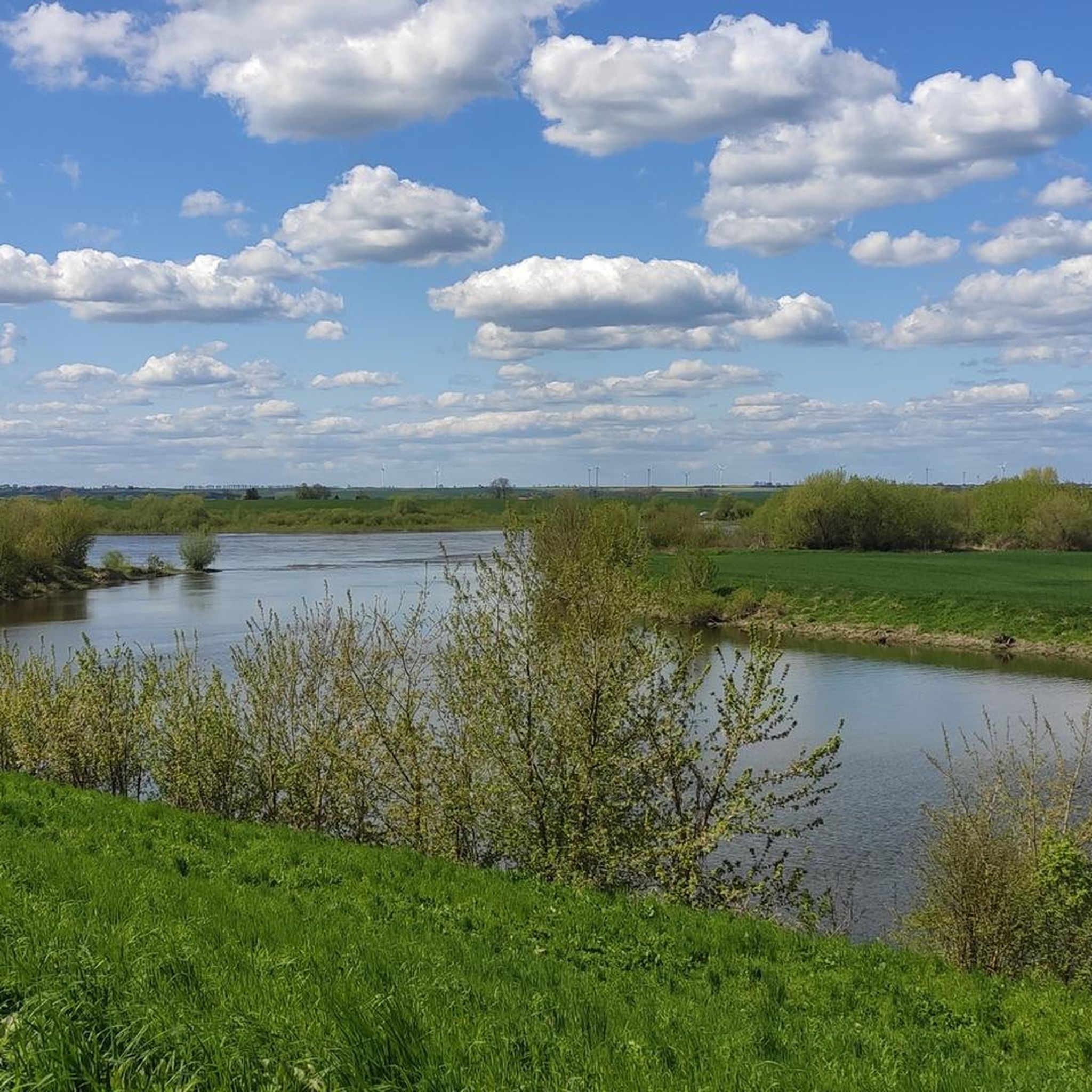
A place worth visiting due to its history and a nice view of the Vistula Valley
1
1
Frequently Asked Questions
What kind of historical castles can I expect to find around Ryjewo?
The region around Ryjewo is rich in medieval fortresses, primarily dating back to the Teutonic Knights' era in the 13th and 14th centuries. These castles are notable examples of Brick Gothic architecture and reflect the strategic importance of the Vistula River basin during that period.
Which are the most historically significant castles near Ryjewo?
Among the most historically significant is Malbork Castle, a UNESCO World Heritage Site and the largest castle in the world by land area. Other notable castles include Kwidzyn Castle, known for its unique integrated cathedral and castle complex, and the Teutonic Castle in Sztum, which served as a summer residence for Grand Masters.
What makes Malbork Castle a must-visit attraction?
Malbork Castle is a massive Brick Gothic fortress, offering an awe-inspiring journey through medieval history. Its sheer scale, three main sections (High, Middle, and Lower Castles), and extensive museum collections of medieval artifacts, amber wares, and weaponry make it a fascinating visit. It's considered a masterpiece of Gothic architecture.
Are there any unique architectural features at Kwidzyn Castle?
Yes, Kwidzyn Castle is distinctive for its integrated cathedral and castle complex, a rarity in medieval architecture. It also features a monumental medieval 'dansker' (latrine tower) connected to the main building by a 56-meter-long covered porch, considered the largest of its kind.
What can I expect to see at the Teutonic Castle in Sztum?
The Teutonic Castle in Sztum, accessible via the Castle Gate of Sztum, provides insight into the Teutonic Order's military and administrative power. It was also a luxurious summer residence for Grand Masters. Today, it houses the Sztum Cultural Center, with historical and ethnographic exhibitions. The Brotherhood of the Knights of the Sztum Region often organizes knight tournaments and historical shows here.
Are there family-friendly activities at the castles around Ryjewo?
Many castles, including Kwidzyn Castle and Gniew Castle, are considered family-friendly. Kwidzyn Castle features ethnographic and nature exhibitions, while Gniew Castle hosts historical events like knight tournaments and battle reenactments, bringing history to life for all ages.
What outdoor activities can I do near these castles?
The region offers various outdoor activities. You can find easy hikes and longer hiking routes around Ryjewo, including trails near Sztum and Kwidzyn. For cycling enthusiasts, there are gravel biking routes, some of which are quite challenging, around Kwidzyn. You can explore options like 'Lido Sztum – St. Anne's Church, Sztum loop' for hiking or 'Kwidzyn Castle – Forest Picnic Area loop' for gravel biking. Find more details on easy hikes, general hiking, and gravel biking routes.
What is the best time of year to visit the castles near Ryjewo?
The best time to visit is generally during the warmer months, from spring to early autumn (May to September), when the weather is pleasant for exploring the castle grounds and surrounding areas. This period also often coincides with more historical events and longer opening hours.
How long should I allocate for visiting the castles?
For a comprehensive visit to a major site like Malbork Castle, you should allocate at least half a day, if not a full day, due to its immense size and extensive museum. For Kwidzyn Castle or the Teutonic Castle in Sztum, 2-4 hours should be sufficient to explore the main attractions and exhibitions.
Are there natural features to enjoy around the castles?
Yes, the castles are often situated amidst natural beauty. For instance, the Teutonic Castle in Sztum is located on Lake Sztum, offering scenic views and opportunities for walks. The region also features lakes and rivers, providing a pleasant backdrop to the historical sites.
Can I find places to eat or drink near the castles?
Yes, you can typically find cafes and restaurants in the towns where the castles are located. For example, near Gniew Castle, there's a nice restaurant with regional beer. These establishments often cater to visitors exploring the historical sites.
Is public transport available to reach the castles from Ryjewo?
While Ryjewo itself is a smaller locality, the major castles like Malbork, Kwidzyn, and Sztum are accessible by public transport, typically involving regional bus or train services from larger nearby towns. It's advisable to check local schedules in advance for the most convenient routes.
Are there any viewpoints to get a good perspective of the castles?
Yes, for Gniew Castle, there's a specific highlight called Old Ferry Landing – View of the Castle in Gniew and the Vistula which offers a nice vantage point. Another highlight, Castle view, provides a good perspective of the castle from the small district of Mareza.
Most popular attractions around Ryjewo

Get inspired with the komoot mobile app


Explore more
Looking for the best castles somewhere else? Discover other guides around Ryjewo:
