Top 16 Gorges around Jelenia Góra
Best canyons around Jelenia Góra are found in a region characterized by a basin surrounded by mountain ranges, including the Karkonosze National Park. This area features natural formations such as carved rock, steep slopes, and flowing water. The landscape includes dramatic rock formations and deep river valleys, offering geological formations and opportunities for hiking. These locations provide diverse natural features for exploration.
Best canyons around Jelenia Góra
- The most popular canyons is Snowy Cauldrons, a gorge that offers views…
Last updated: June 30, 2026
Snowy Cauldrons
Highlight • Gorge
Translated by Google •
Tip by

Bílé Labe Valley
Highlight (Segment) • Gorge
Translated by Google •
Tip by

Sign up now to discover places like this
Get recommendations on the best single tracks, peaks, & plenty of other exciting outdoor places.
Sign up for free
Riesengrund ascent to Schlesierhaus
Highlight (Segment) • Trail
Translated by Google •
Tip by

Obří Důl (Giant Gorge)
Highlight (Segment) • Gorge
Translated by Google •
Tip by

Path along the Kochel Stream to the Waterfall
Highlight (Segment) • Trail
Definitely worth going through there.
Translated by Google •
Tip by

Sign up for free to discover even more gorges around Jelenia Góra.
Sign up for free
Already have an account?
Start today with a free account
Your next adventure awaits.
Login or Signup
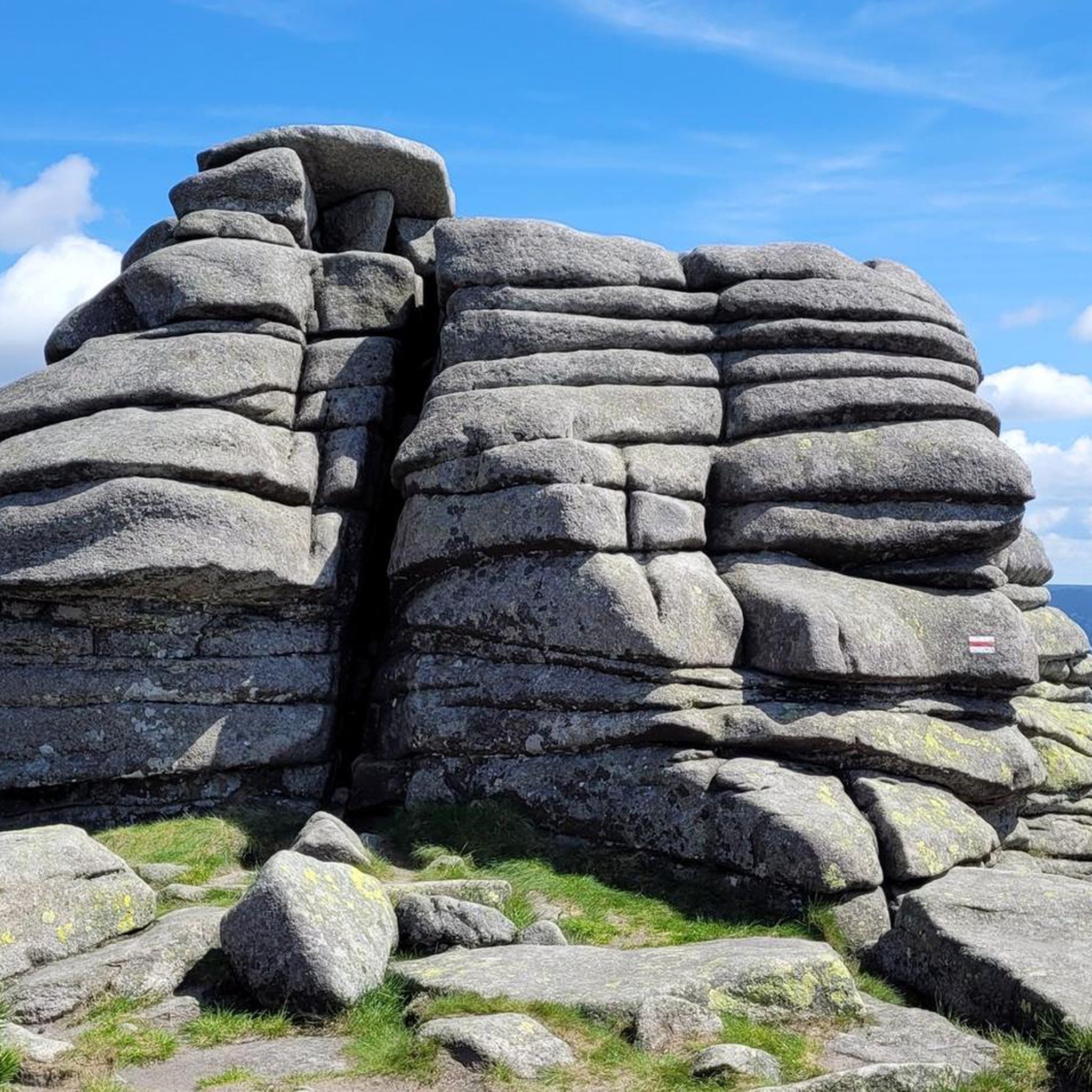
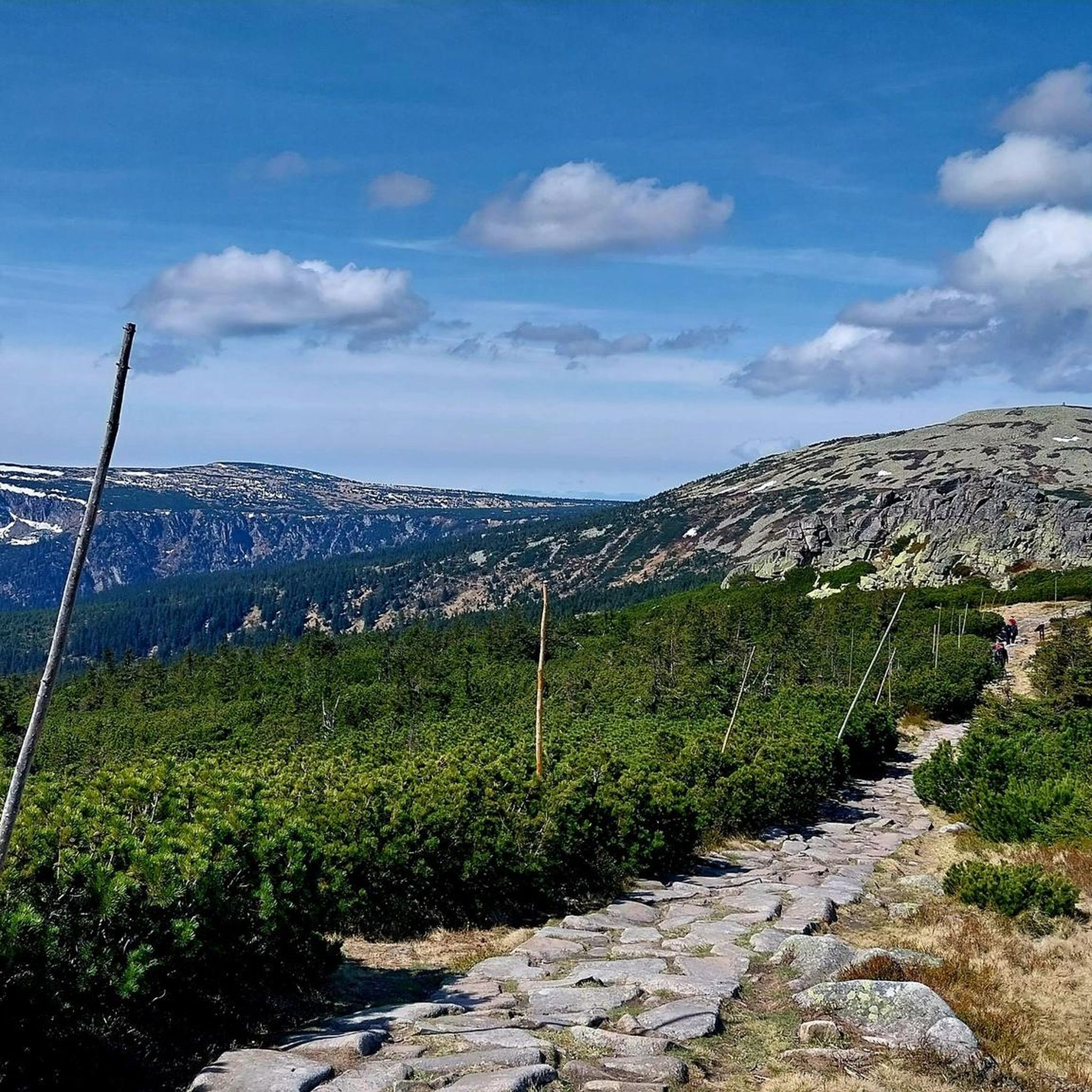
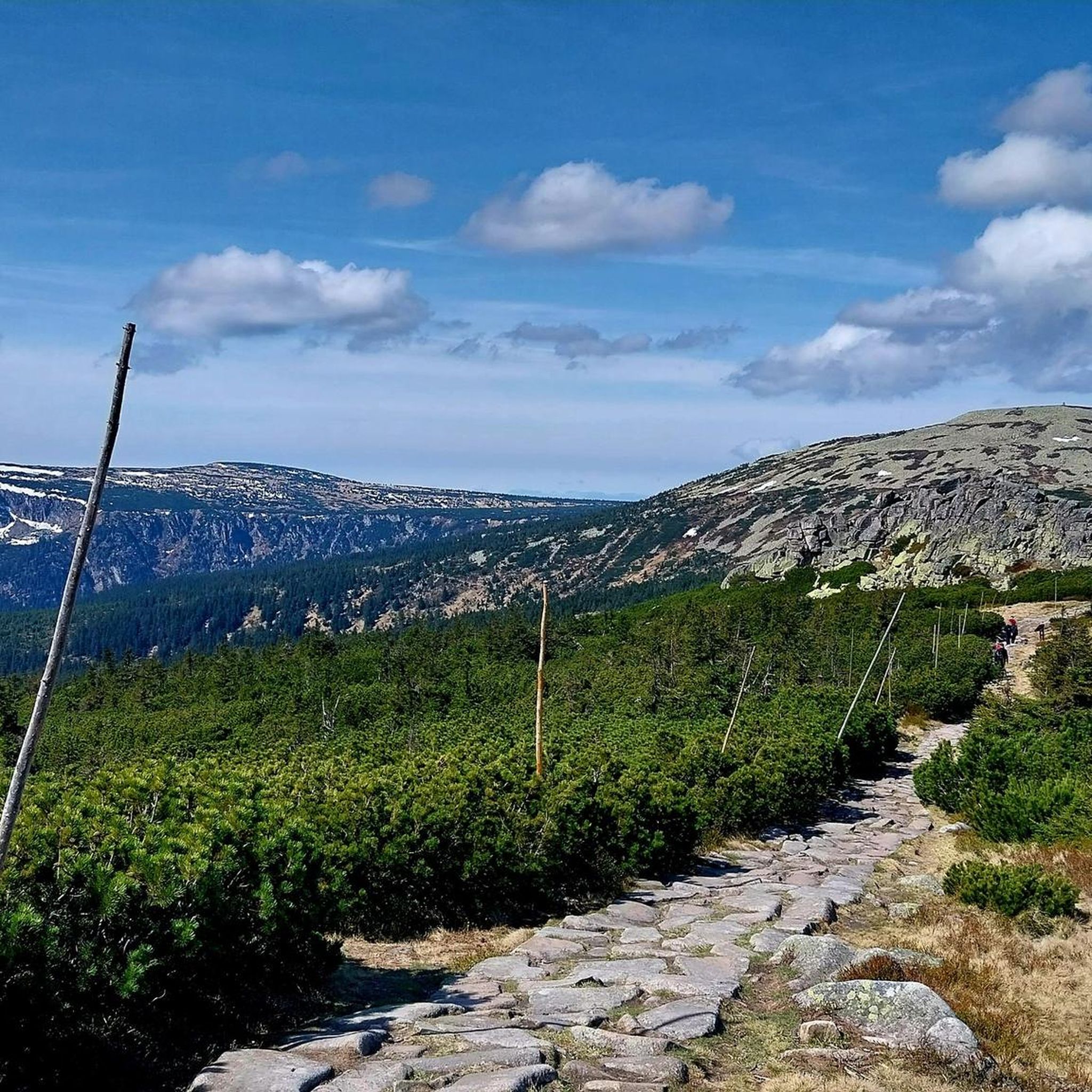
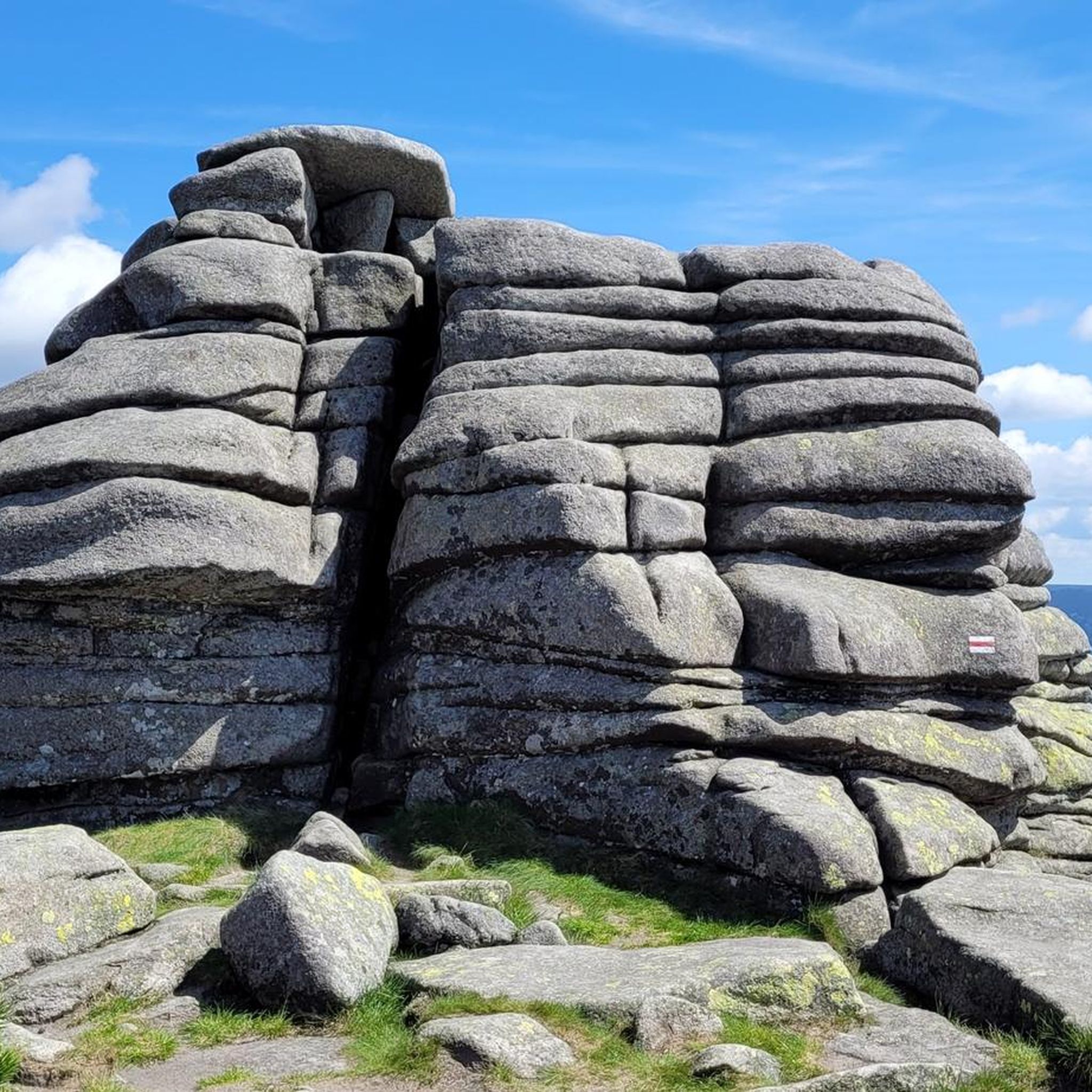

Tips from the Community

Beautiful hiking trail up to the Snezka. I really enjoyed it.
0
0

The Snow Pits (Polish: Śnieżne Kotły) in the Giant Mountains are an impressive natural wonder that delights both hikers and nature lovers. They consist of two glacial cirques, the Great Snow Pit (Wielki Kocioł Śnieżny) and the Small Snow Pit (Mały Kocioł Śnieżny), located at an altitude of approximately 1,200 to 1,300 meters. These steep and deep rock faces were formed by glaciers and provide a breathtaking backdrop. The walls of the Snow Pits drop almost vertically to a height of up to 100 meters, making them one of the most spectacular places in the Giant Mountains. Rare flora and fauna: Due to the special microclimate, plant species normally found only in arctic regions thrive here. On the ridge above the Snow Pits stands the historic Snow Pit Hut (Polish: Schronisko na Śnieżnych Kotłach), a building that formerly served as a meteorological station.
0
0

I recommend walking towards the center of town either very early or later. Not on holidays or weekends. It's super crowded. You feel like you’ve been “swept through”. You rarely meet hikers - more like “city hikers”. Czech side much more relaxed
0
0

gigantic view and actually still snow at the end of May
1
0

We hiked in May 2023 in the most beautiful sunshine on the Reifträger and off we went and stood an hour later in thick fog at the Schneegruben. The hike must definitely be repeated.
2
0

Rocky path. Be sure to use sturdy shoes and enjoy the wonderful view.
3
0

Well-developed path to the Schneekoppe or down into the Riesengrund. By the way, the Czech roads are better than the Polish ones...
1
0
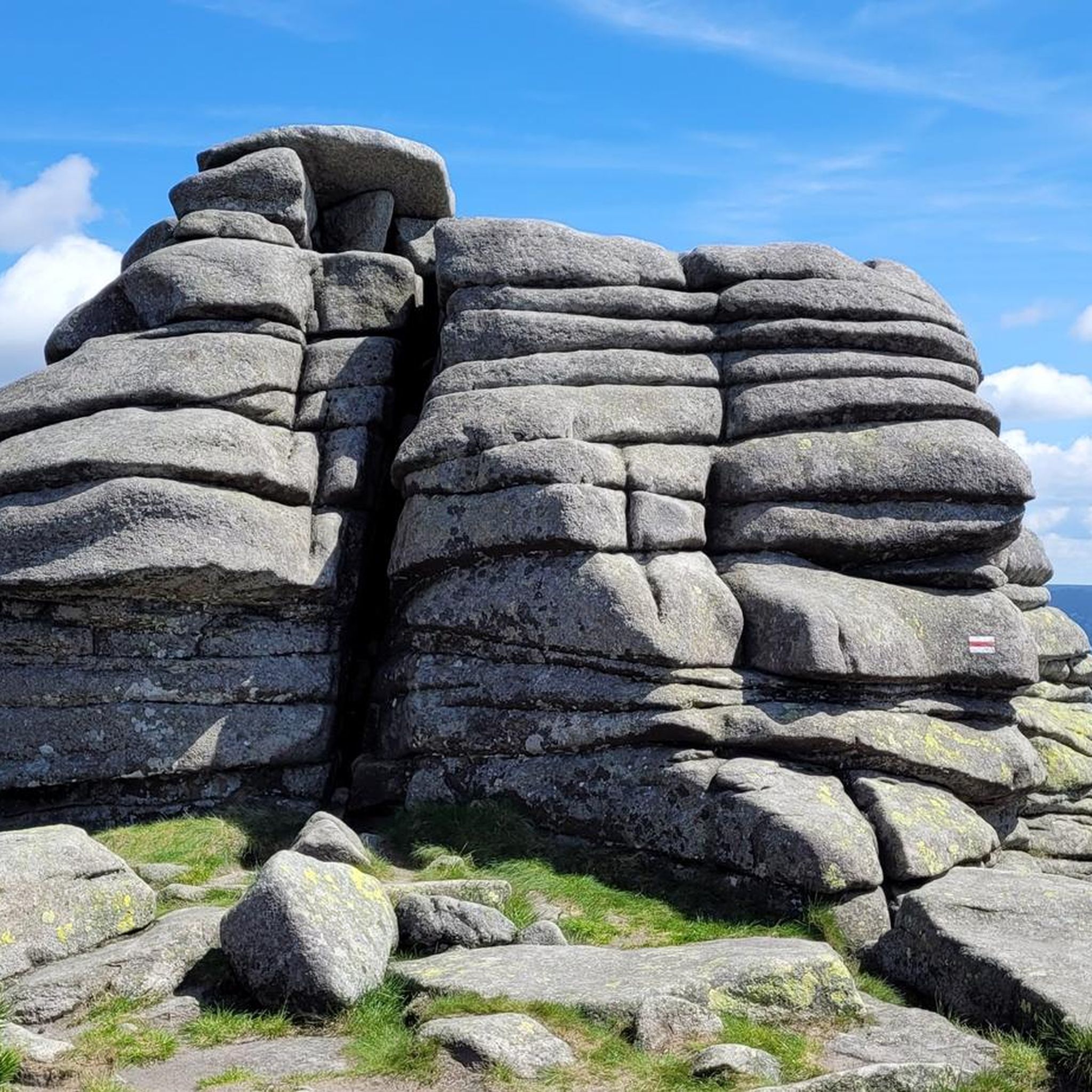
What a view! The rocks fall vertically up to 100m, the bottom of the cirque is 200m lower! The double cirque originated from Ice Age glaciers, hence the two lakes (Kochelseen) and the end moraine below.
3
1
Frequently Asked Questions
What natural features can I expect to see in the canyon-like areas around Jelenia Góra?
The region around Jelenia Góra offers dramatic landscapes with carved rock, steep slopes, and flowing water. You can explore impressive geological formations such as the rugged abysses of Snowy Cauldrons, deep river gorges like Labský Důl (Elbe Valley Gorge), and beautiful waterfalls in areas like Mumlava Valley and Bílé Labe Valley. The Karkonosze National Park, which borders the area, is rich in such natural wonders.
Are there any impressive rock formations to explore near Jelenia Góra?
Yes, the Giant Mountains (Karkonosze) bordering Jelenia Góra feature notable rock formations. These include the block-shaped weathered rock blocks known as Dívčí Kameny (Maiden Stones) and Mužské Kameny (Men's Stones), which offer spectacular views. Additionally, the Snowy Cauldrons themselves are a significant geological feature with unique formations.
What are some of the most scenic river valleys or gorges in the area?
The area boasts several scenic river valleys and gorges. The Labský Důl (Elbe Valley Gorge) is a 300-meter deep gorge, considered the most massive sandstone canyon in Europe. The Mumlava Valley is popular for its waterfall and pleasant walks. The Valley of Wilczy Potok (Wolf Creek) within the Karkonosze National Park also offers beautiful insights into mountain streams carving rocky ground.
What kind of hiking trails can I find in the canyon-like areas?
You'll find a variety of hiking trails, ranging from easy to challenging. Many trails follow riverbeds, ascend steep slopes, or lead to viewpoints. For example, the Bílé Labe Valley offers a rocky path requiring sturdy shoes, while the Riesengrund ascent to Schlesierhaus is a great climb to a ridge. Trails often provide educational insights into local flora, fauna, and geology.
Are there family-friendly options for visiting the gorges and valleys?
Absolutely. The Mumlava Valley is known for its family-friendly trail and waterfall. The Szklarka Waterfall Path is also highly accessible, even adapted for disabled visitors with a viewing platform for wheelchairs, making it suitable for families with young children or strollers.
What is the best time of year to visit the canyon-like areas around Jelenia Góra?
The safest and most pleasant time to visit is typically from April to October. During these months, trails are generally clear of snow and ice, and the weather is more favorable for hiking and exploring the natural beauty of the region.
Are there accessible paths for visitors with disabilities?
Yes, the Szklarka Waterfall Path is specifically adapted for disabled visitors. It features a viewing platform that is wheelchair-accessible, allowing everyone to enjoy the impressive Szklarka Waterfall and the surrounding natural environment.
What outdoor activities can I do near these canyon-like features?
Beyond exploring the gorges and valleys themselves, the region offers extensive opportunities for outdoor activities. You can find numerous hiking trails, including those leading to mountain peaks, general hiking routes, and waterfall hikes. The Elbe River in Labský Důl can be explored on foot, by bike, or by boat.
What do visitors enjoy the most about the canyon-like areas around Jelenia Góra?
Visitors frequently praise the stunning views and the unique geological features. The rugged abysses and alpine-like terrain of Snowy Cauldrons are often described as unbelievable. The peaceful atmosphere of places like Mumlava Valley and the beauty of mountain streams carving through rock in the Valley of Wilczy Potok are also highly appreciated.
How long do typical hikes in these canyon-like areas take?
Hiking times vary depending on the specific trail and your pace. For instance, the Szklarka Waterfall Path is relatively short, taking about 7 to 20 minutes in one direction. The educational trail through the Valley of Wilczy Potok is approximately 3.5 km and can take between 1.5 to 2.5 hours to complete.
Are there any specific tips for visiting the Karkonosze National Park areas?
When visiting areas within the Karkonosze National Park, such as the Szklarka Waterfall Path or the Valley of Wilczy Potok, it's advisable to wear sturdy shoes, especially on rocky paths like those in Bílé Labe Valley. During peak season, especially in summer, popular spots like Mumlava Valley can get crowded, so consider visiting earlier in the morning.
Can I bring my dog on trails in the canyon-like areas?
While specific regulations for every trail vary, generally, dogs are allowed on many trails in the Karkonosze National Park, often on a leash. It's always best to check local signage or park regulations for the specific area you plan to visit to ensure it's dog-friendly.
Most popular routes around Jelenia Góra
Most popular attractions around Jelenia Góra

Get inspired with the komoot mobile app


