Top 6 Lakes in Mount Evans Wilderness
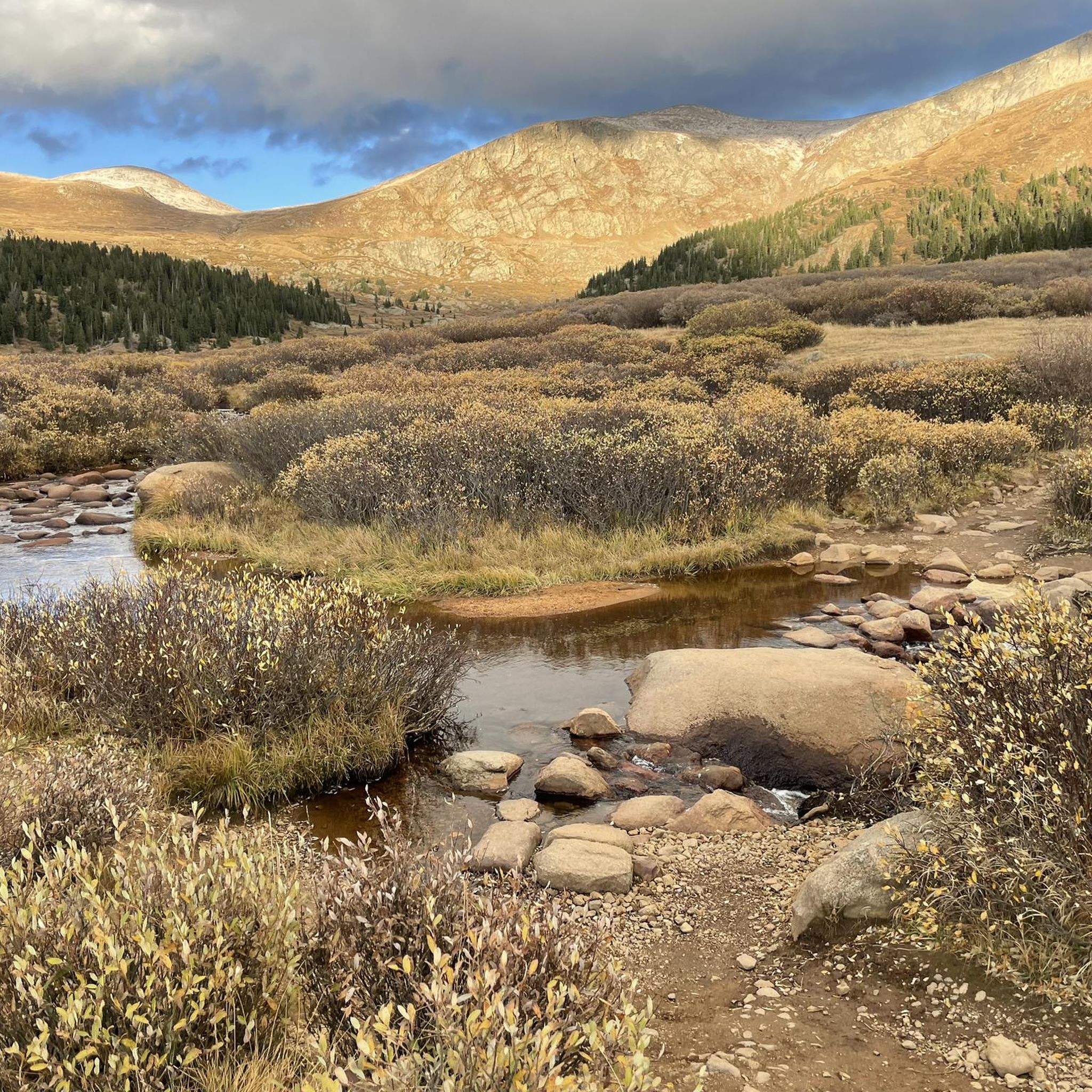
Best lakes in Mount Evans Wilderness are characterized by rugged beauty and high-alpine environments. This region features classic glacial landforms, including steep headwalls forming cirques and U-shaped valleys. The area is popular for hiking and backpacking, offering a range of experiences from accessible spots to remote wilderness. These lakes provide opportunities to observe natural landscapes and diverse ecosystems.
Best lakes in Mount Evans Wilderness
- The most popular lakes include Helms Lake, a lake resting just over treeline at 11,735…
Last updated: May 18, 2026
Abyss Lake
Highlight • Lake
Tip by

Lincoln Lake
Highlight • Lake
Tip by
Sign up now to discover places like this
Get recommendations on the best single tracks, peaks, & plenty of other exciting outdoor places.
Sign up for free
Helms Lake
Highlight • Lake
Tip by
Upper & Lower Chicago Lakes
Highlight (Segment) • Lake
Tip by
Hell's Hole Alpine Pool
Highlight (Segment) • Lake
Tip by
Sign up for free to discover even more lakes in Mount Evans Wilderness.
Sign up for free
Already have an account?
Start today with a free account
Your next adventure awaits.
Login or Signup
Tips from the Community

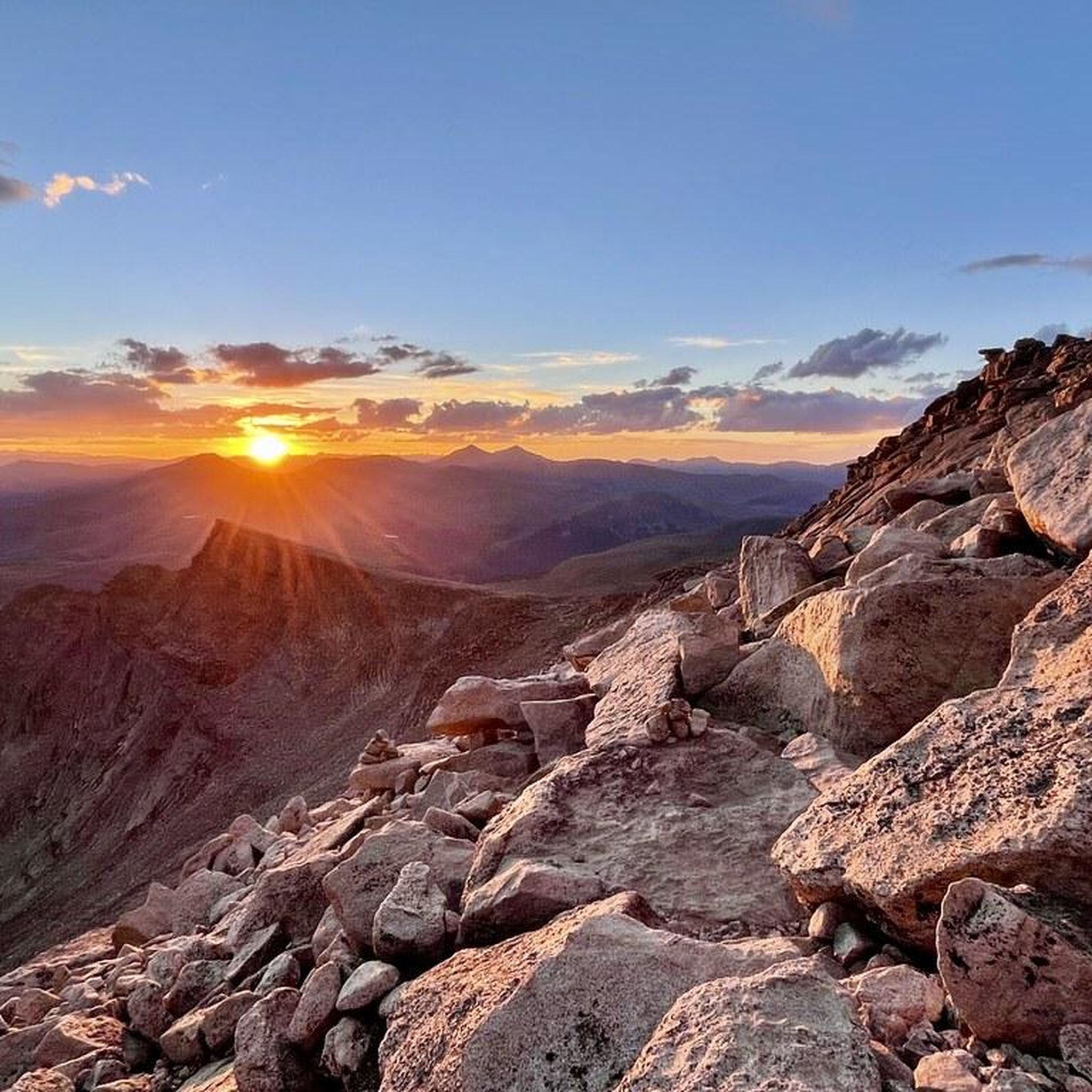
Abyss Lake is one of the highest alpine lakes in Colorado, sitting at 12,680 feet. The lake itself doesn't seem too many visitors due to its remoteness, but the two 14,000-foot peaks making up its basin walls see lots of crowds. This lake provides a wilderness feel that many of the wilderness trails in the area can not match.
0
0
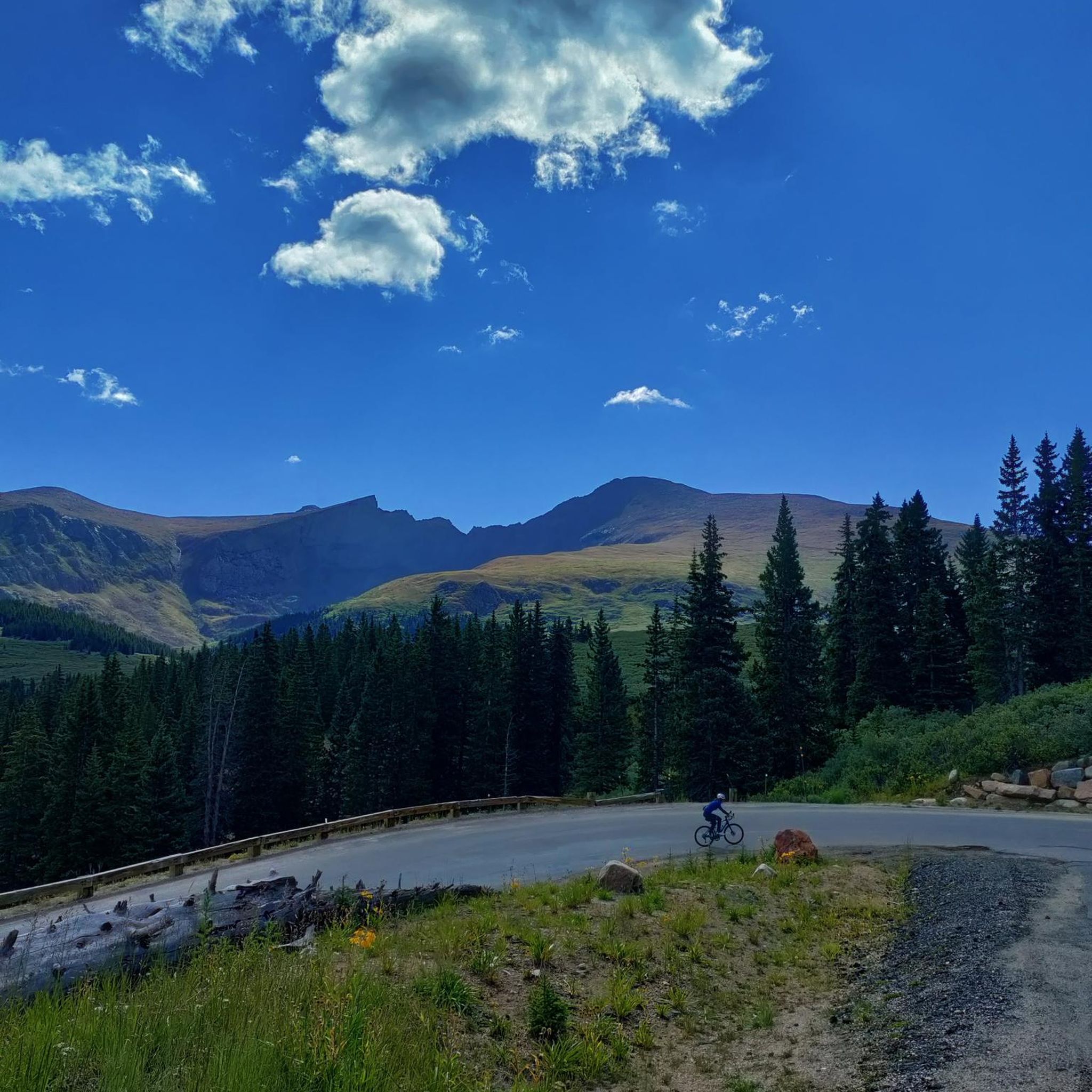
Helms Lake rests just over treeline at 11,735 feet. The alpine pool is about 2,300 feet lower than Mount Bierstadt, which makes for a great backdrop. There is some camping near the lake with wilderness area LNT principles governing the sites.
0
1
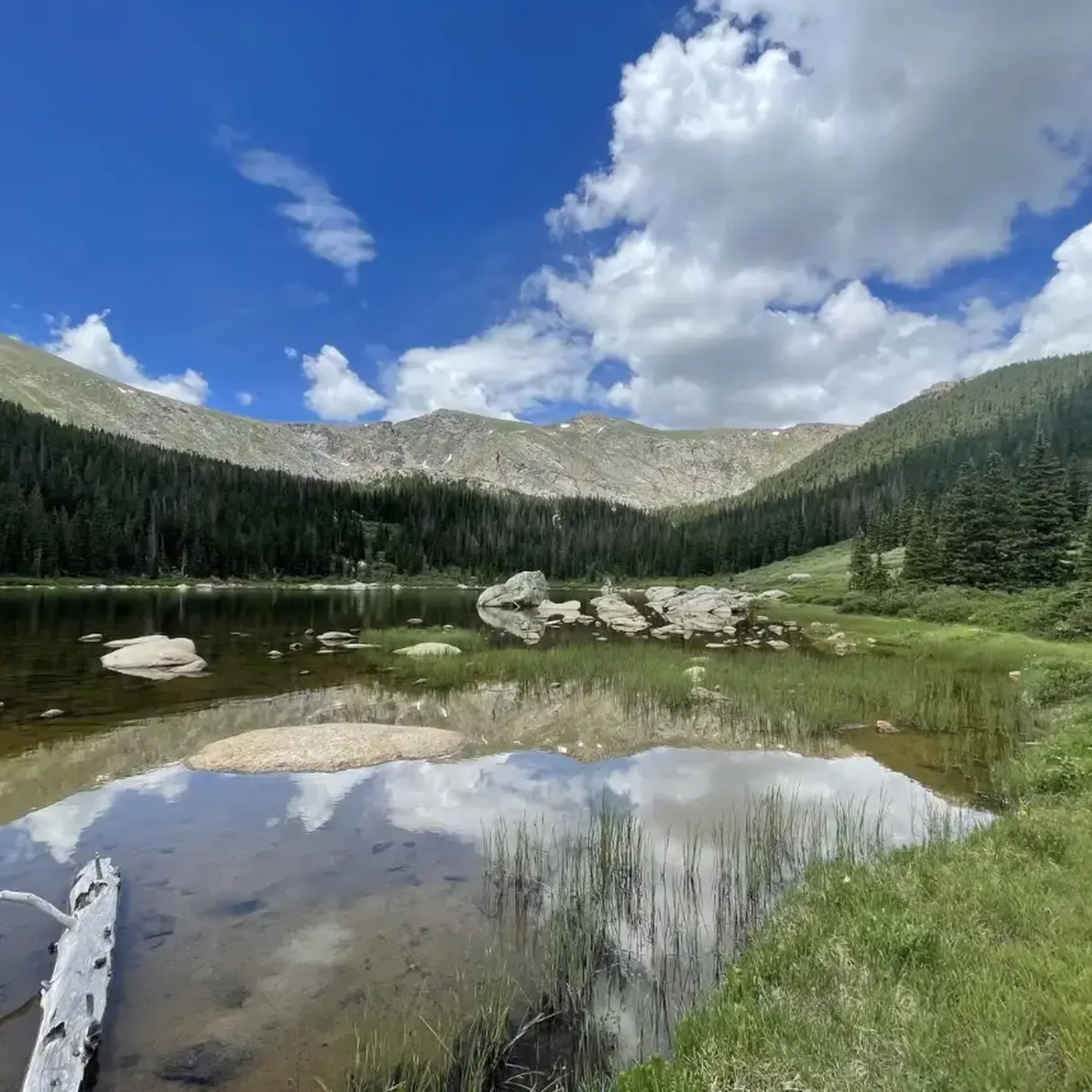
Lincoln Lake sits at 11,624 feet and has one of the best backdrops an alpine lake can ask for. The small basin the lake sits in looks out into the Mount Evans Wilderness, with various 13,000 foot peaks poking up behind. There is a popular bouldering area just west of the lake.
0
0
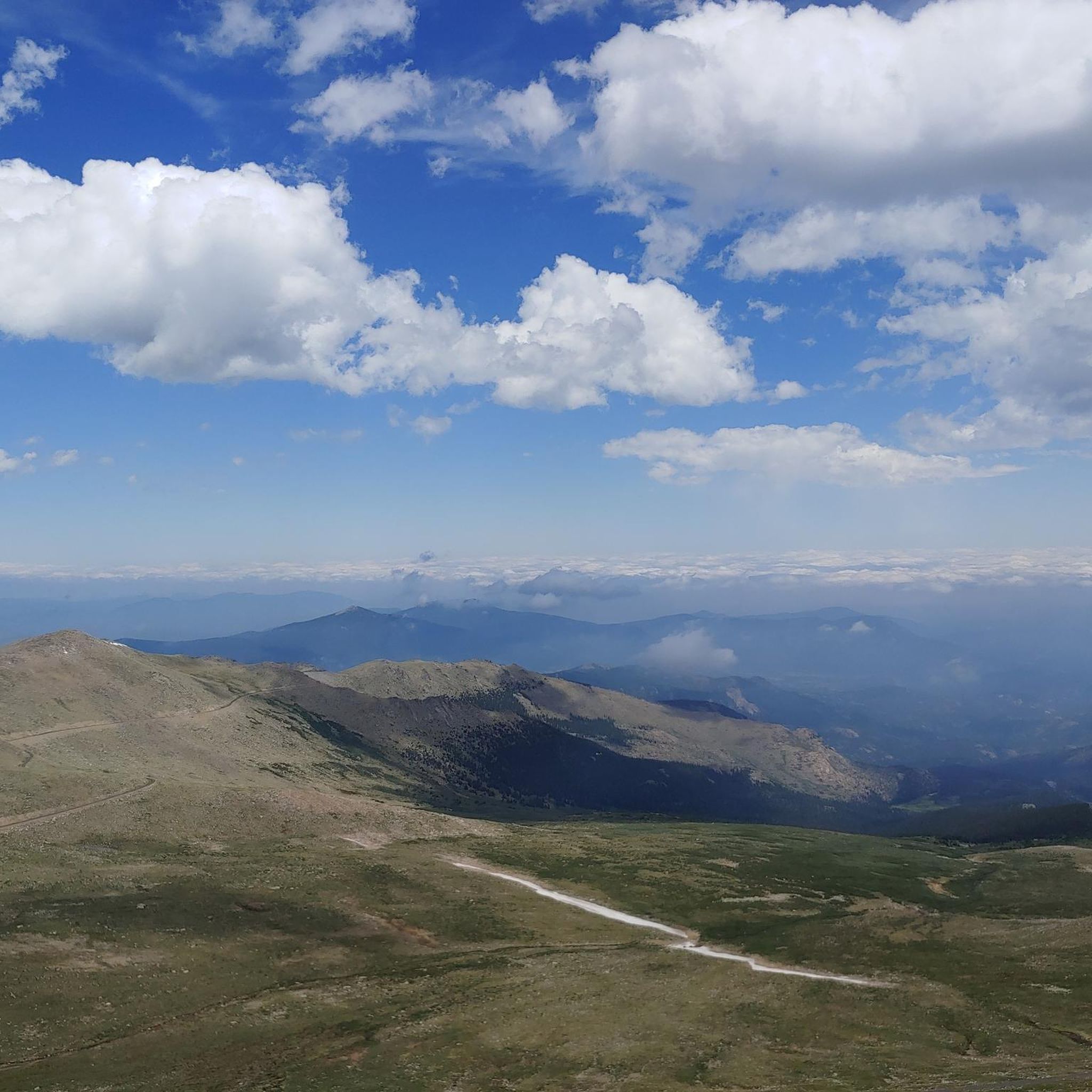
Hell's Hole Trail travels up this glacial basin to a small alpine pool. The views of the cirque's walls from the upper meadows are amazing, and this trail is usually less crowded than other trails about the same distance from Denver.
0
0
Abyss Lake is one of the highest alpine lakes in Colorado, sitting at 12,680 feet. The lake itself doesn't seem too many visitors due to its remoteness, but the two 14,000-foot peaks making up its basin walls see lots of crowds. This lake provides a wilderness feel that many of the wilderness trails in the area can not match.
0
0
Helms Lake rests just over treeline at 11,735 feet. The alpine pool is about 2,300 feet lower than Mount Bierstadt, which makes for a great backdrop. There is some camping near the lake with wilderness area LNT principles governing the sites.
0
0
Lincoln Lake sits at 11,624 feet and has one of the best backdrops an alpine lake can ask for. The small basin the lake sits in looks out into the Mount Evans Wilderness, with various 13,000 foot peaks poking up behind.
0
0
Both the upper and lower lake offer great views of the surrounding peaks in the Mount Evans Wilderness. The lower lake is situated right around treeline and is much easier to get to than the upper lake. While the route to the upper lake is straightforward, the trail disappears at times and is very steep.
0
0
Frequently Asked Questions
What are some popular hiking trails to lakes in Mount Evans Wilderness?
Many lakes in the Mount Evans Wilderness are accessible via hiking trails. For instance, the challenging hike to Upper & Lower Chicago Lakes starts from Echo Lake. Another popular option is the long day-hike to Abyss Lake from the Abyss Trailhead on Guanella Pass Road. You can find more hiking options, including the Rosalie Trail to Helms Lake, on the Hiking in Mount Evans Wilderness guide.
What kind of natural features can I expect to see around the lakes?
The lakes in Mount Evans Wilderness are set amidst rugged, high-alpine environments, showcasing classic glacial landforms like steep headwalls forming cirques and U-shaped valleys. You'll encounter diverse ecosystems, from treeline areas around lakes like Helms Lake to alpine tundra at higher elevations. The region is also known for ancient Bristlecone pines and unique arctic tundra features.
Are there any challenging or remote lake hikes for experienced hikers?
Yes, for a more secluded wilderness experience, consider the hike to Abyss Lake. It's a long day-hike of about 18 miles round trip, situated at 12,550 feet. The Upper Chicago Lake also requires a steeper ascent where the trail can be faint at times, offering a more challenging experience than its lower counterpart. The Beartrack Lakes and Roosevelt Lakes also offer strenuous hiking deeper within the wilderness.
What is the best time of year to visit the lakes in Mount Evans Wilderness?
Given the high-alpine environment, the best time to visit the lakes in Mount Evans Wilderness is typically during the summer and early fall months. During this period, trails are generally clear of snow, and the weather is more favorable for hiking and outdoor activities. Some areas, like the Beartrack Lakes trailhead, have restricted public access from after Labor Day until mid-June due to their location within a wildlife area.
Are there family-friendly lakes or easier trails in the area?
While many trails are challenging, Echo Lake offers a delightful mountain park experience just outside the wilderness boundary, with picnic areas and scenic views, making it suitable for families. The Lower Chicago Lake is also generally easier to access than the Upper Lake, situated around the treeline. Lincoln Lake, at 11,624 feet, also provides a beautiful backdrop and is considered an intermediate hike.
What kind of wildlife can I expect to see around the lakes?
The Mount Evans Wilderness is home to diverse wildlife. Visitors often have the chance to spot bighorn sheep and mountain goats, especially in the higher alpine areas. The unique arctic tundra ecosystems around lakes like Summit Lake also host specialized species adapted to these high-altitude environments.
Can I go camping near the lakes in Mount Evans Wilderness?
Yes, backcountry camping is possible in designated areas within the wilderness. For example, there are camping sites near Helms Lake, where Leave No Trace (LNT) principles govern the sites. The Beartrack Lakes area also offers good backcountry camping opportunities. Always check for specific regulations and permit requirements for overnight stays in the wilderness.
Are there opportunities for fishing at these lakes?
Yes, some lakes in the Mount Evans Wilderness are known for fishing opportunities. The Chicago Lakes, for instance, are popular among anglers. Always ensure you have the necessary Colorado fishing license and are aware of any specific regulations for the body of water you plan to fish.
What other outdoor activities can I do near the lakes?
Beyond hiking and backpacking, the Mount Evans Wilderness offers various outdoor activities. You can find challenging running trails, including the Abyss Lake Trail, detailed in the Running Trails in Mount Evans Wilderness guide. Road cycling routes, such as the scenic Echo Lake to Mount Blue Sky (Evans) Summit, are available in the Road Cycling Routes in Mount Evans Wilderness guide. There's also a popular bouldering area just west of Lincoln Lake.
Are permits required to access certain lakes or areas?
Access to certain areas or lakes may require permits. For example, the Idaho Springs Reservoir, while accessible by foot, typically requires a permit only offered to Idaho Springs residents for road access. For general wilderness access and overnight camping, it's always advisable to check with the local Forest Service office for current regulations and any required permits.
Which lakes offer the most impressive scenic views?
Many lakes provide stunning vistas. Abyss Lake is notable for its impressive views, particularly across the lake toward the Sawtooth Ridge connecting Mount Evans and Mount Bierstadt. Lincoln Lake offers a fantastic backdrop of the Mount Evans Wilderness with various 13,000-foot peaks. The Upper & Lower Chicago Lakes also provide great views of the surrounding peaks.
What is Hell's Hole Alpine Pool and how can I reach it?
Hell's Hole Alpine Pool is a small lake located in a glacial basin, accessible via the Hell's Hole Trail. This trail travels up the basin, offering amazing views of the cirque's walls from the upper meadows. It's often less crowded than other trails of similar distance from Denver, providing a more tranquil experience.
Most popular routes in Mount Evans Wilderness
Most popular attractions in Mount Evans Wilderness

Get inspired with the komoot mobile app


Explore more
Still not found your perfect lake in Mount Evans Wilderness? Check out the guides of these regions to see even more beautiful places.
