Top 6 Lakes around Fairfield
Best lakes around Fairfield are found in a region offering diverse natural landscapes and recreational opportunities. The area features both man-made lakes within city limits and larger natural lakes a short drive away. These bodies of water provide settings for various outdoor activities, from tranquil walks to watersports. The surrounding environment includes rolling foothills and diverse wildlife, making it a notable destination for nature enthusiasts.
Best lakes around Fairfield
- The most popular lakes is Peña Adobe/Lagoon Regional Park 🏚️ Vacaville…
Last updated: August 18, 2026
Peña Adobe/Lagoon Regional Park 🏚️ Vacaville
Highlight • Historical Site
Tip by

Lagoon Valley Park Ridge Trail
Highlight (Segment) • Trail
Tip by
Sign up now to discover places like this
Get recommendations on the best single tracks, peaks, & plenty of other exciting outdoor places.
Sign up for free
Lake Herman Park
Highlight • Lake
Tip by

Blue Rock Springs Park and Lake Island
Highlight • Lake
Tip by
Grey Goose Lake
Highlight • Lake
Tip by

Start today with a free account
Your next adventure awaits.
Login or Signup
Tips from the Community

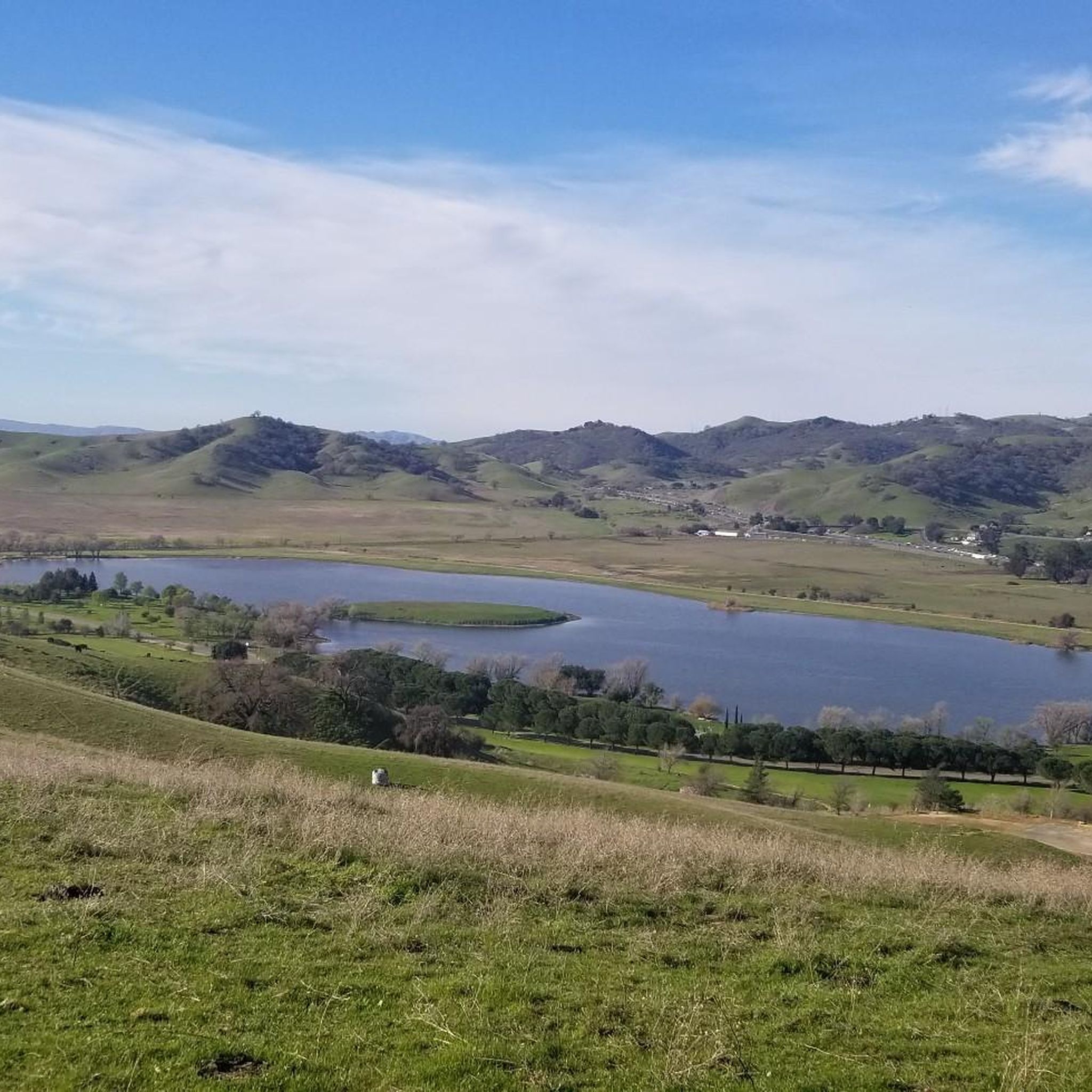
Large park with picnic areas, tables, shade trees, extensive lawns, restrooms, drinking water fountains, and a lake with two bridges connecting to the island in the middle.
1
0

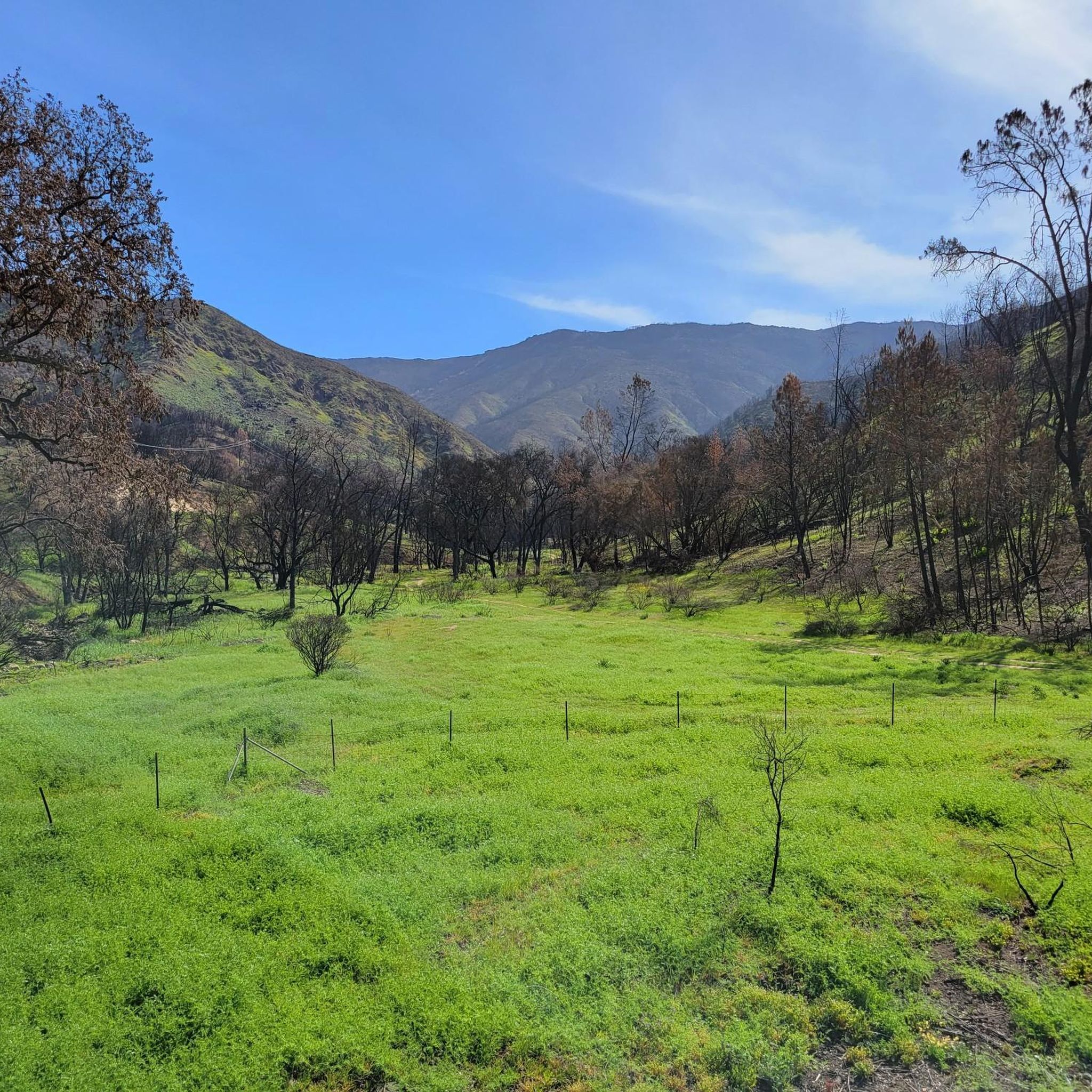
This is a fantastic small park with beautiful Lake Herman as its main feature. There are restrooms, picnic tables, and a paved trail leading to Benicia Community Park, where you can connect to the Rollye Wilkerson Trail. It is a beautiful place to relax and enjoy the scenery.
0
0
This is a fantastic small park with beautiful Lake Herman as its main feature. There are restrooms, picnic tables, and a paved trail leading to Benicia Community Park, where you can connect to the Rollye Wilkerson Trail. This location is ideal for beginning and ending a run, with plenty of places to rest and enjoy the scenery.
0
0

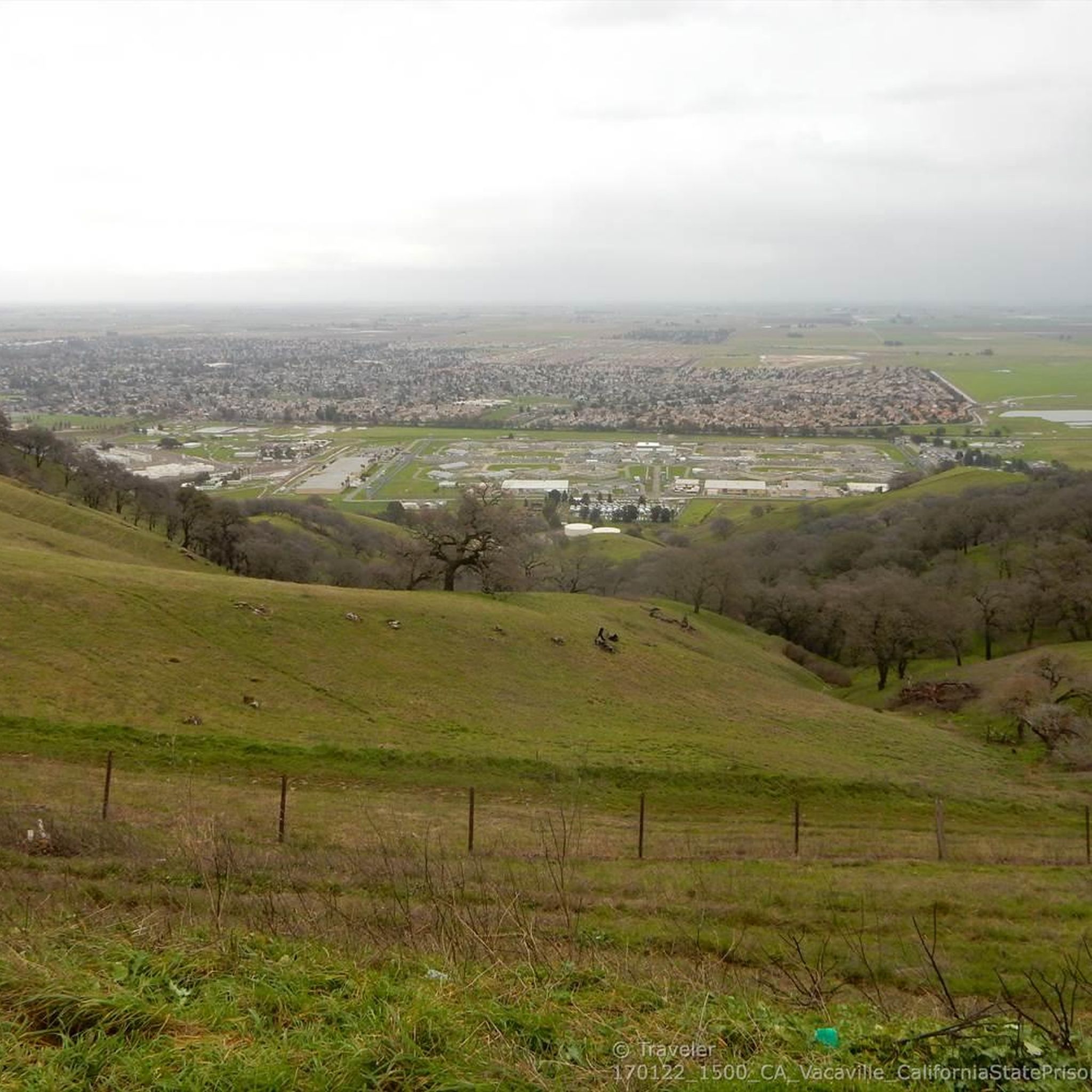
This lake is at the center of Rockville Hills Regional Park, with trails encircling it and providing stunning views from every vantage point. Wildlife, such as ducks, other birds, and even some cows, are commonly seen around this area.
0
0
Large leafy park in the hills south above Benicia
0
0
Some of the first settlers to arrive in Solano County were the families of Juan Manuel Vaca and Juan Felipe Peña. The Peña family included Juan Felipe Peña, his wife Isabella Gonsalves, five sons and one daughter. Having previously lost his wife in 1839, the Vaca family consisted of Juan Manuel Vaca and his eight children. The Vaca and Peña families traveled from the New Mexico region to California following the Old Spanish Trail which terminated at Pueblo de Los Angeles. Arriving in southern California after their two month journey on November 15, 1841, they met General Mariano Vallejo, who maintained his headquarters in Sonoma, following Mexico’s independence from Spain. He told them of fertile land in the north called the Laguna Valley, and agreed to grant them a vast amount of this land if they fulfilled the requirement to build homes, plant trees and pasture livestock within one year. The families continued north on the El Camino Real through Santa Barbara to Monterey arriving, in what later became, the Vaca Valley. The Peña Adobe was erected in 1842. The simple adobe with its dirt floors and four windows still has the original hand-hewn redwood timbers which were cut in the hills near Napa. The walls are two feet thick and made of 23”x10”x3” adobe mud bricks. 25 Mission-trained Indians sun dried the adobe bricks and built both Vaca and Peña’s adobes. (The Vaca Adobe was built to the east of the Peña Adobe. It was destroyed by the earthquake of 1892.) When the families had satisfied Vallejo’s requirements, the 44,384 acre site named Rancho Los Putos, was officially granted to Vaca and Peña in 1845. The territory encompassed all of Lagoon Valley and stretched into Yolo County. Both families engaged in cattle ranching as hides and tallow were the principal source of trade and income. On August 21, 1850 Vaca sold a portion of his land to William McDaniel for three thousand dollars. The transaction included the specific condition that “…the said McDaniel is to lay off on any one square mile of said land a town to be called Vacaville”. Vacaville was founded the following year in 1851. Juan Felipe Peña died on March 15, 1863. Mrs. Peña lived in the Peña Adobe until her death in 1885 being cared for by her only daughter, Nestora. While all the Vaca land holdings were sold by 1880, Nestora Peña retained her inheritance until eighty years of age, and lived in the Peña Adobe until after the death of her husband in 1900. She later moved to Vacaville where she resided until her death in 1922. Having no children, she deeded her inheritance, consisting of the Adobe and 90 acres, to the two oldest Peña grandchildren, Maria Delores Peña Lyon, and her cousin Vidal Peña. The Adobe remained with their children until 1957, eventually becoming a Vacaville City park in 1965. http://www.penaadobe.org/about
1
1
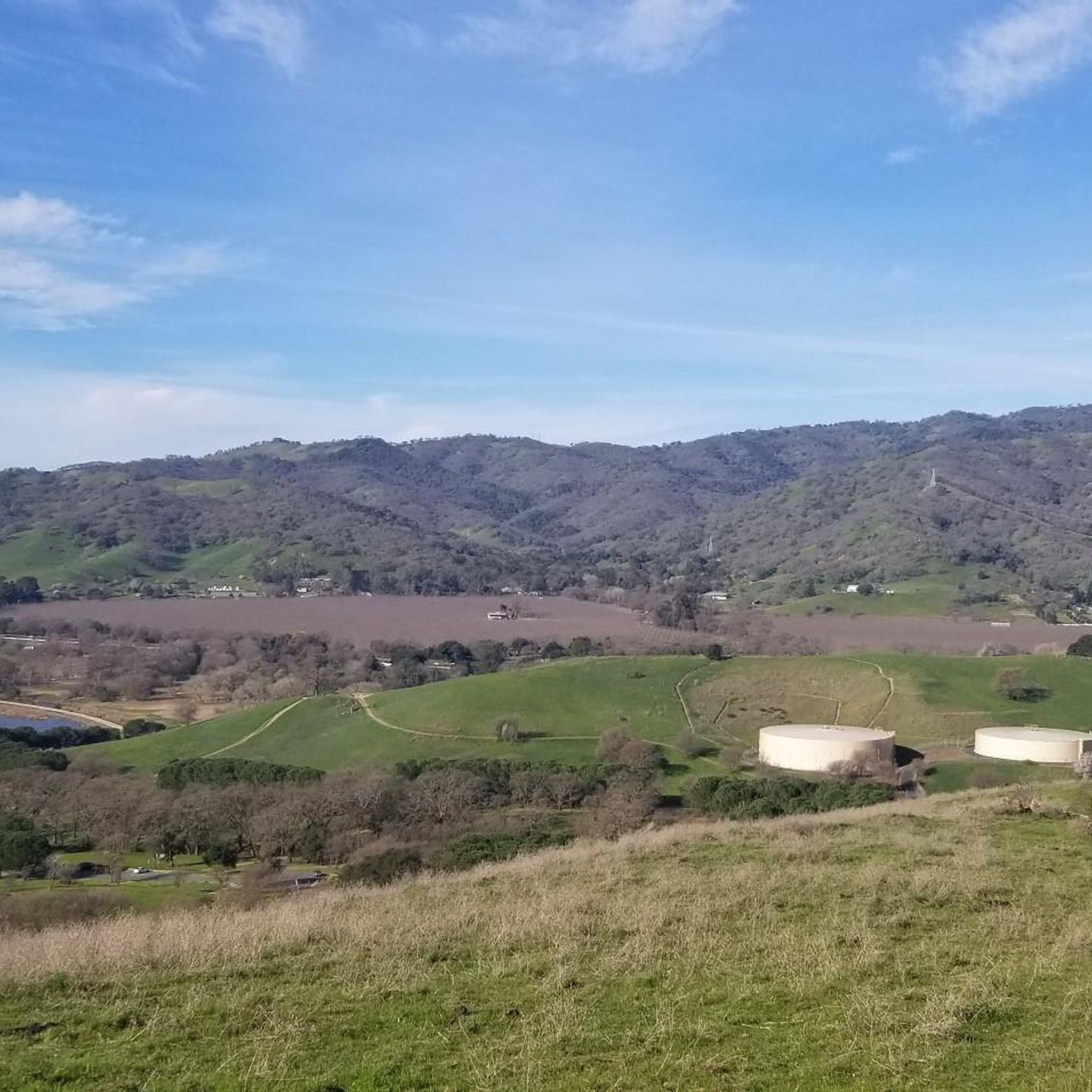
Wide gravel fire road leading to the top of the ridge with a radio tower, overlooking the entire valley, Vacaville, and the 470-acre park with the lagoon below. The adjacent Regional Park includes the historic Pena Adobe home. The Lagoon Valley Park has barbecue areas, horseshoe pit, multi-purpose field, bike trails, a small pond, excellent hiking, Lagoon Valley Lake for fishing and non-motorized boating. The park also features a 30,000 -square-foot fenced in dog park complete with trees, water and trash receptacles. http://www.cityofvacaville.com/index.aspx?page=100&recordid=59
2
0
Frequently Asked Questions
Which lakes near Fairfield are good for family outings?
Several lakes in the region are excellent for families. Peña Adobe/Lagoon Regional Park in Vacaville offers fishing and non-motorized boating, along with a historic site. Blue Rock Springs Park and Lake Island provides picnic areas, extensive lawns, and a lake with bridges to an island. Lake Herman Park is another great option with picnic tables and a paved trail. For a wider range of activities, Lake Berryessa and Del Valle Regional Park offer swimming beaches, boating, and camping, making them ideal for a full day out with kids.
Are there any lakes around Fairfield with historical significance?
Yes, Peña Adobe/Lagoon Regional Park is a notable historical site. It features the historic Peña Adobe home, one of the oldest structures in Solano County, offering a glimpse into the region's early settlement history.
Where can I find easy walking or circular trails around lakes near Fairfield?
For easy walks, the City of Fairfield Lake (One Lake) has trails perfect for walking and jogging. Lake Herman Park offers a paved trail suitable for a relaxed stroll. Grey Goose Lake at Rockville Hills Regional Park also has trails encircling it with stunning views. For more options, you can explore the easy hikes around Fairfield guide, which includes routes like the Lagoon loop and Peña Adobe Hill Trail.
Which lakes are best for fishing near Fairfield?
Lake Solano is considered one of the best fly fishing spots in the Sacramento Valley, known for brown and rainbow trout. Lake Berryessa is popular for both cold- and warm-water species including rainbow trout, bass, catfish, and crappie. Lake Chabot (Vallejo) is regularly stocked with hatchery rainbow trout during cooler months. Pardee Lake is also a popular spot for trout, black bass, and kokanee salmon, while New Hogan Lake offers striped bass, black bass, and catfish.
What kind of wildlife can I expect to see around the lakes?
Many lakes in the region are rich in wildlife. Lake Solano is known for diverse wildlife, including birds, black-tailed deer, and California quail. Around Grey Goose Lake, you can commonly spot ducks, other birds, and even cows. The natural settings of lakes like Lake Berryessa and Del Valle Regional Park also support various bird species and other local fauna.
Are there opportunities for water sports like kayaking or paddleboarding?
Absolutely. The City of Fairfield Lake (One Lake) is a convenient local spot for paddleboarding. Lake Solano is ideal for kayaking due to its calm and clear water. Lake Berryessa is a premier destination for a wide array of water activities, including kayaking, canoeing, paddleboarding, water skiing, and wakeboarding. Del Valle Regional Park also offers rentals for various boats, including kayaks and stand-up paddleboards.
Which lakes offer camping facilities near Fairfield?
Lake Solano, Lake Berryessa, Del Valle Regional Park, Lake Camanche, Pardee Lake, and New Hogan Lake all provide various camping options, ranging from basic sites to cabin rentals and equestrian camping. These lakes offer a great way to extend your visit and enjoy the outdoors overnight.
What are some hidden gem lakes near Fairfield?
Lake Solano is often described as a 'hidden gem' due to its peaceful retreat atmosphere, calm waters, and excellent fly fishing opportunities, away from larger crowds. It offers scenic views of rolling foothills and abundant wildlife, making it a tranquil escape.
Can I find cafes or amenities near the lakes around Fairfield?
Yes, the City of Fairfield Lake (One Lake) has a coffee shop nearby, making it convenient for a quick refreshment. Larger lakes like Lake Camanche offer amenities such as marinas, stores, and cafes on both their north and south shores. Many regional parks, such as Blue Rock Springs Park and Lake Herman Park, also provide picnic areas and restrooms.
What outdoor activities, besides visiting the lakes, can I do in the Fairfield area?
The Fairfield area offers a variety of outdoor activities. You can find numerous hiking trails, including those in Rockville Hills Regional Park, which offers routes like the Rockville Hills Lake Trails Loop. For cycling enthusiasts, there are road cycling routes around Lake Solano and Suisun Reservoir. Explore more options in the hiking around Fairfield guide or the road cycling routes around Fairfield guide.
Are there any lakes suitable for swimming near Fairfield?
Lake Berryessa is known for its warm waters, reaching up to 75 degrees Fahrenheit in the summer, making it perfect for swimming. Del Valle Regional Park also offers two sandy beaches with lifeguards during busy summer months. While swimming is prohibited in Pardee Lake itself to protect the drinking water supply, swimming pools are available at the park.
What do visitors enjoy most about the lakes around Fairfield?
Visitors appreciate the diverse opportunities for relaxation and recreation. Many enjoy the peaceful trails and wildlife viewing around lakes like Grey Goose Lake. The convenience of local spots like the City of Fairfield Lake for light recreation, and the extensive water sports and camping options at larger lakes like Berryessa and Del Valle, are also highly valued. The historical context at places like Peña Adobe/Lagoon Regional Park also adds to the appeal.
Most popular attractions around Fairfield

Get inspired with the komoot mobile app


Explore more
Still not found your perfect lake around Fairfield? Check out the guides of these regions to see even more beautiful places.
