Attractions and Places To See around Ardeuil-Et-Montfauxelles - Top 5
Attractions and places to see around Ardeuil-Et-Montfauxelles, a small commune in the Ardennes department, serve as a base for exploring the wider Grand Est region of France. The area is characterized by its historical significance, particularly related to World War I, and its natural landscapes. Visitors can find 5 notable attractions, offering insights into history and opportunities for outdoor exploration. The region combines tranquil rural settings with access to significant cultural and natural sites.
Best attractions and places to see…
Last updated: July 6, 2026
Hand of Massiges
Highlight • Viewpoint
Translated by Google •
Tip by

Sommepy Tahure
Highlight • Other
Translated by Google •
Tip by

Sign up now to discover places like this
Get recommendations on the best single tracks, peaks, & plenty of other exciting outdoor places.
Sign up for free
Harlem Hellfighters Memorial
Highlight • Monument
Translated by Google •
Tip by
Manre
Highlight • Settlement
Translated by Google •
Tip by
Saint Martin Church of Manre
Highlight • Religious Site
Translated by Google •
Tip by
Start today with a free account
Your next adventure awaits.
Login or Signup



Tips from the Community

On September 29, 1918, the village of Séchault was liberated by the 369th Infantry Regiment of the U.S. Army – better known as the Harlem Hellfighters. This African-American unit fought bravely on the Western Front and made history through their dedication and sacrifice. Today, a memorial in the village commemorates this event. It is a quiet place, but with deep historical significance. Ideal for a short stop during your drive along the front line of 14-18.
5
0
During the opening stages of the First World War, Manre was at the heart of the Battle of the Frontiers (August 1914), a series of bloody confrontations between French and German troops in the Ardennes. The region was severely affected by artillery fire and troop movements. Close to the front line, Manre experienced evacuations, destruction and military occupation. Today, it is a silent witness to the chaos of 1914, with traces of trenches and monuments in the area that recall the fierce fighting.
6
0
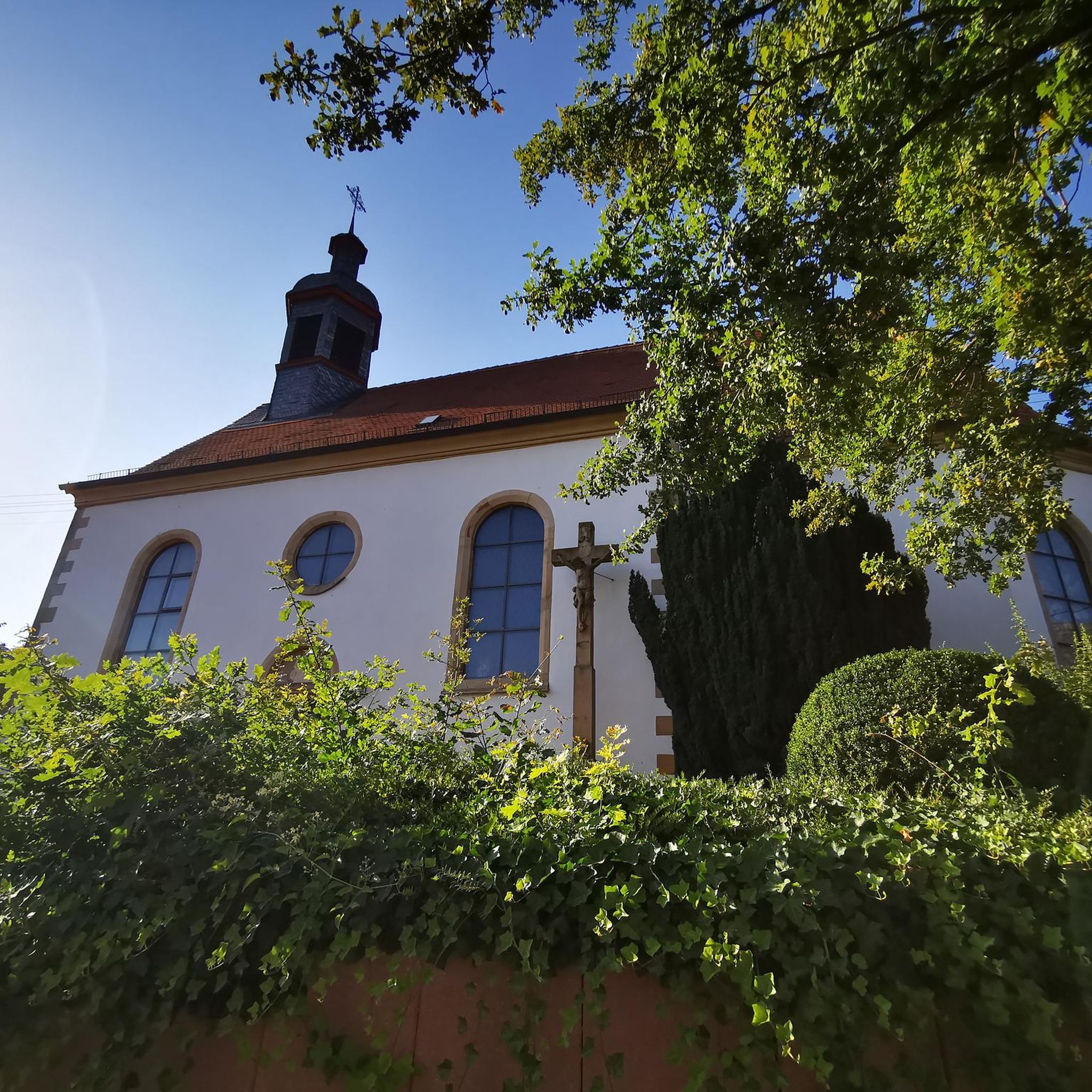
The Église Saint-Martin in Manre was rebuilt in the early 20th century, probably after the devastation of the First World War. The church is notable for its slender, neo-Gothic tower, which rises like a vertical marker above the open landscape of the Champagne-Ardennes. The architecture reflects the reconstruction style of the region, with its sober lines and understated elegance. Today, the tower serves as a visual beacon for those following the former front line.
6
0
The bakery closes at 12:30 and opens at 17:00
6
0
At the foot of the church plateau, along the Rue de l’Hôtel Dieu, there is a well-preserved German shelter (abri allemand). This concrete construction was used by the German troops as an observation and command post. Its location close to the church offered protection and an overview, which was crucial in this heavily contested sector of the front.
7
0
On the slope of the Église Saint-Martin opposite 32, Rue de l'Hôtel Dieu The church of Sommepy-Tahure, Église Saint-Martin, is located on a raised plateau in the centre of the village. During the First World War, this location had strategic importance, as it offered a view over the surrounding front area in Champagne. The church was badly damaged during the war and later rebuilt, but the area around it still bears the traces of the conflict.
7
0

La Main de Massiges is an exceptional place: It is a living archaeological site that you can visit and explore for free. It is also an extremely touching place of remarkable memory. These are German and French trench lines from the First World War. Excavations by archaeologists still take place, and bodies of soldiers from both countries are raised from the ground and returned to their families every year more than 100 years after their disappearance. By walking among these trenches you will relive the daily life of soldiers and their very difficult living conditions. The Suippes military camp happens to be very close, and shots of military training cannons echo in the silence of the place giving an even more poignant character to this extraordinary visit.
2
0
Frequently Asked Questions
What historical sites related to World War I can I visit near Ardeuil-Et-Montfauxelles?
The region around Ardeuil-Et-Montfauxelles is rich in WWI history. You can explore Hand of Massiges, a preserved trench system offering a poignant look into soldier life. The Harlem Hellfighters Memorial commemorates the liberation of Séchault. Additionally, Sommepy Tahure features the Église Saint-Martin and a well-preserved German shelter, both significant during the conflict. The village of Manre also bears silent witness to the Battle of the Frontiers.
Are there any natural features or viewpoints to explore in the area?
Yes, the region offers natural beauty and viewpoints. The Hand of Massiges, while a historical site, is also a viewpoint. Further afield, the Meuse Valley near Monthermé provides stunning vistas, and the Pointe de Givet is a nature reserve ideal for walks and environmental learning.
What kind of outdoor activities can I do near Ardeuil-Et-Montfauxelles?
The area is excellent for outdoor activities. You can find numerous hiking trails, including moderate loops like 'La Forge – Old Railway Lines' or 'Hand of Massiges loop'. For cycling enthusiasts, there are road cycling routes such as 'Canal des Ardennes – Montgon lock loop' and general cycling routes like 'Olizy-Primat loop'. You can find more details on these activities in the dedicated guides for hiking, road cycling, and cycling around Ardeuil-Et-Montfauxelles.
Are there family-friendly attractions around Ardeuil-Et-Montfauxelles?
Yes, there are family-friendly options. The Harlem Hellfighters Memorial is suitable for families interested in history. The village of Manre, with its historical significance, can also be an interesting stop. For a broader experience, the Argonne Discovery Park (Parc Argonne Découverte) offers opportunities to observe local wildlife and engage in various activities suitable for all ages.
What cultural landmarks are there beyond WWI sites?
Beyond the WWI sites, the wider Ardennes region offers significant cultural landmarks. You can visit the impressive Château de Sedan, one of Europe's largest medieval castles. Charleville-Mézières, the capital of the Ardennes, boasts the stunning Place Ducale. Fort Charlemont in Givet, built in 1555, offers historical insights and panoramic views, and the 16th-century Château de Hierges is also classified as a historical monument.
What is the best time to visit Ardeuil-Et-Montfauxelles for outdoor activities?
The Ardennes region is generally pleasant for outdoor activities from spring through autumn. These seasons offer mild weather ideal for hiking and cycling, allowing you to fully enjoy the historical sites and natural landscapes. Winter can be cold, but some activities may still be possible depending on conditions.
Are there any religious buildings of historical interest?
Yes, the Saint Martin Church of Manre is a notable religious building, rebuilt after WWI with a slender neo-Gothic tower. The Église Saint-Martin at Sommepy Tahure also holds historical significance, having been strategically important during the war and rebuilt afterwards.
What do visitors enjoy most about the attractions around Ardeuil-Et-Montfauxelles?
Visitors particularly appreciate the profound historical significance of the WWI sites, such as the Hand of Massiges, which offers a tangible connection to the past. The tranquility of the commune itself, combined with the opportunity to explore the rich history and natural beauty of the wider Ardennes, is also highly valued.
Can I find places for wildlife spotting near Ardeuil-Et-Montfauxelles?
While Ardeuil-Et-Montfauxelles itself is a small commune, the broader Ardennes region provides opportunities for wildlife spotting. The Argonne Discovery Park (Parc Argonne Découverte) is specifically designed for observing local wildlife. Additionally, nature reserves like Pointe de Givet offer environments where you can encounter local fauna.
Are there any challenging hiking trails in the area?
Most of the listed hiking routes around Ardeuil-Et-Montfauxelles are categorized as 'moderate' in difficulty, such as the 'La Forge – Old Railway Lines loop' or the 'Hand of Massiges loop'. While not explicitly 'challenging', these trails offer good distances and varied terrain for an engaging outdoor experience.
Is public transport available to reach attractions around Ardeuil-Et-Montfauxelles?
Ardeuil-Et-Montfauxelles is a small commune, and public transport options directly to all attractions may be limited. It is generally recommended to have personal transportation to explore the various historical sites and natural features scattered across the wider Ardennes region for maximum flexibility.
Are there any hidden gems or less-known spots worth visiting?
While the main attractions are well-documented, the charm of the region lies in its quiet villages and preserved historical traces. Exploring the smaller settlements like Manre, with its WWI history and rebuilt church, can offer a more intimate experience away from larger crowds. The preserved German shelter at Sommepy Tahure is also a fascinating, less-prominent historical detail.
Most popular routes around Ardeuil-Et-Montfauxelles

Get inspired with the komoot mobile app


Explore more
Still not found the Highlight you’re looking for? See guides of the top attractions in other regions:
