Attractions and Places To See around Saint-Martin-L'Heureux - Top 10
Best attractions and places to see around Saint-Martin-L'Heureux include sites of historical significance, particularly related to the First World War. The region features former battlefields, memorials, and areas where nature has reclaimed military landscapes. Visitors can explore a variety of historical sites and natural spaces that reflect the area's past and present.
Best attractions and places to see around Saint-Martin-L'Heureux
- The most popular attractions is Beine-Nauroy, a historical site that was severely affected during the First World War. This…
Last updated: July 5, 2026
Beine-Nauroy
Highlight • Historical Site
Translated by Google •
Tip by

Sommepy-Tahure National Cemetery
Highlight • Other
Translated by Google •
Tip by
Sign up now to discover places like this
Get recommendations on the best single tracks, peaks, & plenty of other exciting outdoor places.
Sign up for free
Sommepy Tahure
Highlight • Other
Translated by Google •
Tip by
Camp de Moronvilliers
Highlight (Segment) • Historical Site
Translated by Google •
Tip by
The Poilu of Cornillet
Highlight • Other
Translated by Google •
Tip by
Sign up for free to discover even more attractions around Saint-Martin-L'Heureux.
Sign up for free
Already have an account?
Start today with a free account
Your next adventure awaits.
Login or Signup

Tips from the Community

One of the most notable figures buried here is Michel Coiffard, a French fighter pilot from the First World War. Originally an infantryman, he was declared unfit for service after an injury, but managed to re-enlist – this time in the air force. As a member of escadrille 154, he specialised in shooting down German observation balloons, an extremely dangerous mission due to the heavy anti-aircraft defences. Coiffard shot down no fewer than 33 balloons, an exceptional feat. On 28 October 1918, he was fatally hit during a mission, but managed to land his aircraft safely. He died of his injuries shortly afterwards. His grave can be found in this necropolis, under number 1027 (but that number is incorrect, check the register).
3
0
The bakery closes at 12:30 and opens at 17:00
6
0
At the foot of the church plateau, along the Rue de l’Hôtel Dieu, there is a well-preserved German shelter (abri allemand). This concrete construction was used by the German troops as an observation and command post. Its location close to the church offered protection and an overview, which was crucial in this heavily contested sector of the front.
7
0
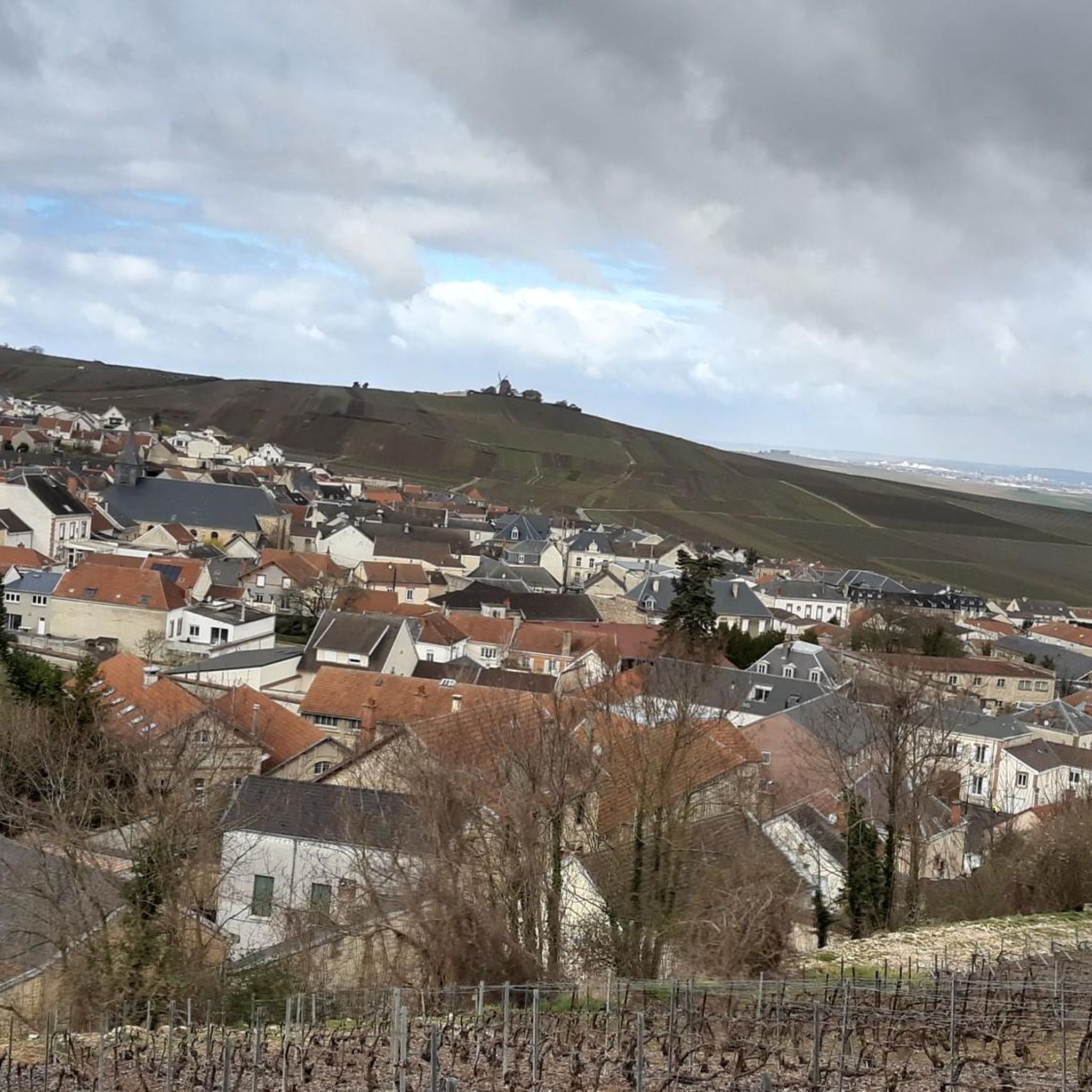
On the slope of the Église Saint-Martin opposite 32, Rue de l'Hôtel Dieu The church of Sommepy-Tahure, Église Saint-Martin, is located on a raised plateau in the centre of the village. During the First World War, this location had strategic importance, as it offered a view over the surrounding front area in Champagne. The church was badly damaged during the war and later rebuilt, but the area around it still bears the traces of the conflict.
7
0
This national cemetery, located on a hill near Sommepy-Tahure in the Marne, is a major site of remembrance for the First World War. It was built between 1920 and 1924 and contains the remains of 2,201 French soldiers, 721 of whom are in an ossuary. The site centralizes graves from several former battlefields in the region. The necropolis is located in an area that was heavily fought over during the Battles of Champagne. In 1918, the nearby village was liberated by French and American troops, including the 2nd American Infantry Division. The cemetery symbolizes not only the French military sacrifice, but also the Franco-American collaboration during the conflict.
7
0
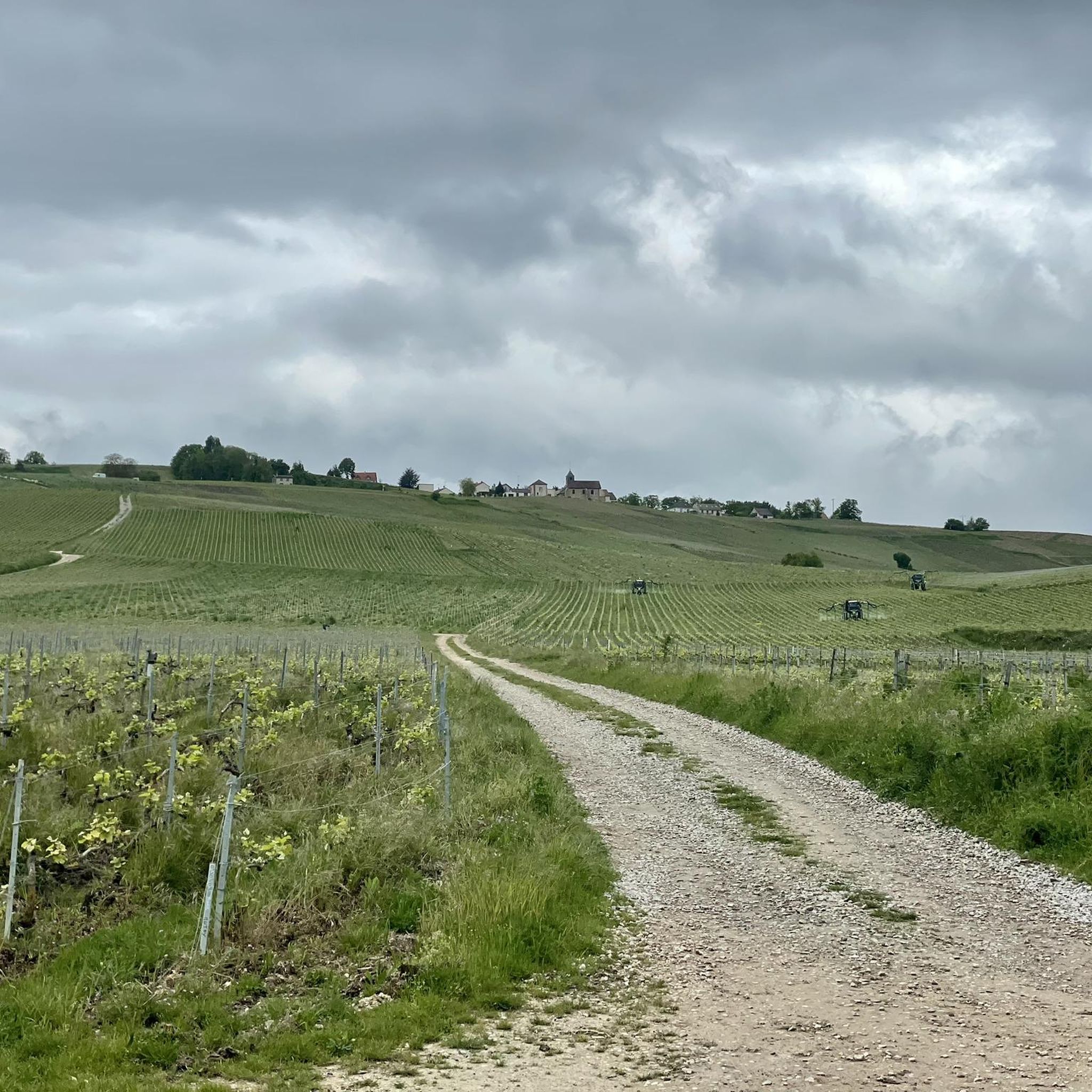
Where the village of Moronvilliers once stood, there is now a vast military training area. Managed by the French army, the site covers over 1,500 hectares and is used for target practice and military training. Despite its strategic function, it is also a protected Natura 2000 area, where rare calcareous grasslands (savarts) and chalk quarries are home to exceptional flora and fauna. Nature and military use exist here in a fragile balance – a landscape shaped by war, but today managed with an eye for ecology and heritage
5
0
In the heart of the lost village of Nauroy stands an impressive statue: Le Poilu du Cornillet. Created by artist Jean-François Guillaume, this metal soldier is made up of shrapnel from grenades – deadly fragments that once ravaged the landscape. The work embodies the French infantryman (“poilu”) and symbolises the sacrifices of the soldiers who fought and died here during the Battle of Mont Cornillet in 1917. Together with the nearby cenotaph for two French pilots, it is a powerful tribute to memory and the hope for peace
5
0
During the First World War, Beine-Nauroy was severely affected by the fighting on the Western Front. The nearby village of Nauroy was completely destroyed by bombardments and was not rebuilt after the war. In 1950, the name of Nauroy was officially added to Beine, creating the municipality of Beine-Nauroy. The region was a strategic point in the battle between French and German troops, with fierce fighting around Mont Cornillet, an important defensive position. Today, a war chapel and a monument made of shrapnel recall the destruction and loss that the war brought. The church is from the 12th/13th century.
5
0
Frequently Asked Questions
What historical sites can I visit around Saint-Martin-L'Heureux?
The region is rich in First World War history. You can explore Beine-Nauroy, a village severely affected by the war, featuring a war chapel and a shrapnel monument. Another significant site is Camp de Moronvilliers, a former battlefield now a military training area and a protected Natura 2000 site. Don't miss Sommepy Tahure, where the Église Saint-Martin and a well-preserved German shelter offer insights into the conflict.
Are there any memorials or remembrance sites related to the First World War?
Yes, the region holds several poignant remembrance sites. The Sommepy-Tahure National Cemetery is a major site containing the remains of 2,201 French soldiers and symbolizing Franco-American collaboration. You can also see The Poilu of Cornillet, an impressive metal statue made of shrapnel, honoring French infantrymen who fought in the Battle of Mont Cornillet.
What kind of natural landscapes can I explore in the region?
Beyond its historical significance, the area offers unique natural spaces. Camp de Moronvilliers, while a military training ground, is also a protected Natura 2000 area. Here, you can find rare calcareous grasslands (savarts) and chalk quarries, home to exceptional flora and fauna, showcasing a delicate balance between nature and history.
Are there family-friendly attractions around Saint-Martin-L'Heureux?
Yes, Beine-Nauroy is considered a family-friendly historical site. While focusing on WWI history, the war chapel and shrapnel monument can offer an educational experience for families, providing a tangible connection to the past in a respectful setting.
What outdoor activities can I do near these attractions?
The area around Saint-Martin-L'Heureux is suitable for various outdoor activities. You can find numerous routes for running and cycling. For running, explore options like the 'Running loop from Sommepy-Tahure' (4.37 km, easy) or the 'Running loop from Beine-Nauroy' (8.85 km, moderate). Cyclists can enjoy routes such as the 'Path through the vineyards. loop from Beine-Nauroy' (22 km, moderate) or longer tours like the 'Entre Verzenay et Verzy – Basilica of Saint-Remi loop from Val-de-Vesle' (50.71 km, moderate). Find more details on these activities in the Running Trails around Saint-Martin-L'Heureux and Cycling around Saint-Martin-L'Heureux guides.
Are there easy walks or beginner hiking trails available?
Yes, for those looking for easier outdoor experiences, there are several options. The 'Running loop from Sommepy-Tahure' is an easy 4.37 km route that can be enjoyed as a walk. For cycling, the 'Port of Sillery – Sillery National Necropolis loop from Val-de-Vesle' is an easy 15.98 km route. These provide accessible ways to explore the local landscape. You can find more walking and running routes in the Running Trails around Saint-Martin-L'Heureux guide.
What is the best time to visit Saint-Martin-L'Heureux for outdoor activities?
Spring and autumn generally offer the most pleasant conditions for outdoor activities in the region. The weather is typically milder, making it ideal for exploring historical sites and enjoying running or cycling routes without the intense heat of summer or the chill of winter. Autumn also brings beautiful foliage to the natural landscapes.
What do visitors enjoy most about the attractions in this area?
Visitors particularly appreciate the profound historical significance of the sites, especially those related to the First World War. The blend of poignant remembrance sites, such as the Sommepy-Tahure National Cemetery, with the unexpected natural beauty of areas like Camp de Moronvilliers, offers a unique and thought-provoking experience. The komoot community has upvoted these attractions and shared photos, highlighting their appeal.
Can I find circular walks or routes near Saint-Martin-L'Heureux?
Yes, many of the routes available in the area are designed as loops, perfect for circular walks or rides. For instance, you can find several 'Running loops' starting from various villages like Bétheniville, Beine-Nauroy, and Sommepy-Tahure. Cyclists also have options like the 'Path through the vineyards. loop from Beine-Nauroy'. These circular routes allow you to start and end in the same location. Explore more options in the Running Trails around Saint-Martin-L'Heureux and Cycling around Saint-Martin-L'Heureux guides.
Are there any specific historical figures associated with the sites?
Yes, the Sommepy-Tahure National Cemetery is the burial place of Michel Coiffard, a highly decorated French fighter pilot from the First World War. Known for shooting down numerous German observation balloons, his grave is a notable point of interest within the necropolis, symbolizing the bravery and sacrifice of individuals during the conflict.
What is the significance of Beine-Nauroy in the First World War?
Beine-Nauroy was a critical location on the Western Front, severely impacted by fighting. The nearby village of Nauroy was completely destroyed and never rebuilt. The area was a strategic point with fierce fighting around Mont Cornillet. Today, a 12th/13th-century church, a war chapel, and a monument made of shrapnel stand as reminders of the destruction and loss experienced there.

Get inspired with the komoot mobile app


Explore more
Still not found the Highlight you’re looking for? See guides of the top attractions in other regions:
