Attractions and Places To See around Boulogne-La-Grasse - Top 8
Best attractions and places to see around Boulogne-La-Grasse include historical landmarks and natural features within a wooded hillside setting. The village offers views over the Matz Valley and the Thiescourt Massif. Key sites range from a unique château to various historical churches and memorial sites. The area provides opportunities for exploring both local history and natural landscapes.
Best attractions and places to see around Boulogne-La-Grasse
- The most popular attractions is Château de Boulogne-la-Grasse, a castle that features architecture inspired…
Last updated: July 5, 2026
Château de Boulogne-la-Grasse
Highlight • Castle
Translated by Google •
Tip by

Nécropole militaire allemande de Lassigny
Highlight • Other
The cemetery was created in 1919 by the …
Translated by Google •
Tip by

Sign up now to discover places like this
Get recommendations on the best single tracks, peaks, & plenty of other exciting outdoor places.
Sign up for free
Church of the Assumption of Our Lady & war memorial
Highlight • Religious Site
Translated by Google •
Tip by
Église Saint-Jean-Baptiste in Plessis-de-Roye
Highlight • Religious Site
Translated by Google •
Tip by
Necropolis of Méry-la-Bataille
Highlight • Historical Site
Translated by Google •
Tip by

Sign up for free to discover even more attractions around Boulogne-La-Grasse.
Sign up for free
Already have an account?
Start today with a free account
Your next adventure awaits.
Login or Signup


Tips from the Community

Created in 1919, the Méry-la-Bataille national necropolis contains the remains of 1,538 soldiers who died for France during the Battle of Matz in June 1918. Adjacent to the municipal cemetery, it brings together the bodies exhumed from various temporary cemeteries in the Oise, of which 1,286 are buried in individual graves and 254 in two ossuaries. This memorial pays tribute to the soldiers who fell during one of the decisive offensives of the First World War, which helped halt the German advance towards Paris.
0
0

Each cross indicates the function of the warrior.
4
0
The Lassigny military cemetery is an impressive and sober memorial site where 1,777 German soldiers from the First World War are buried. The cemetery was created in 1919 by the French military authorities, initially as a Franco-German communal cemetery. Its origins lie in a mass grave from the summer of 1918, in which 55 unknown French soldiers were buried. In 1922, the French bodies were transferred to another cemetery, after which the site was converted into a German military cemetery. The fallen came from more than 27 municipalities in the region, up to 18 km away. In 1977, the cemetery took on its current form, with metal crosses bearing the names and dates of the fallen. A monolithic memorial marks the entrance to the site.
4
0
The Église Saint-Jean-Baptiste in Plessis-de-Roye is an exceptional example of reconstruction architecture with a deeply symbolic meaning. Originally built in the first half of the 15th century, the church was almost completely destroyed during the First World War. It was rebuilt between 1930 and 1932 by the architect André Collin, who deliberately chose to leave the nave unfinished. This gave the church the character of a small cloister — a powerful symbol of loss and remembrance of the devastation of war.
4
0
After the devastation of the First World War, a new church dedicated to Our Lady of the Assumption was built in Fresnières in 1929-1930. Its architecture reflects the spirit of the time: a combination of neo-Romanesque forms and Art Deco elements. The round arched windows and the barrel vault in the nave refer to the classical Romanesque style, while the mosaic portal and the straight lines of the bell tower clearly reveal the influence of Art Deco. Above the portal, a fresco with a historical inscription dating back to the time of Louis XIV is a subtle reminder of the long history of this place.
5
0

You made me want to take a trip there soon. Thanks Leo
2
0

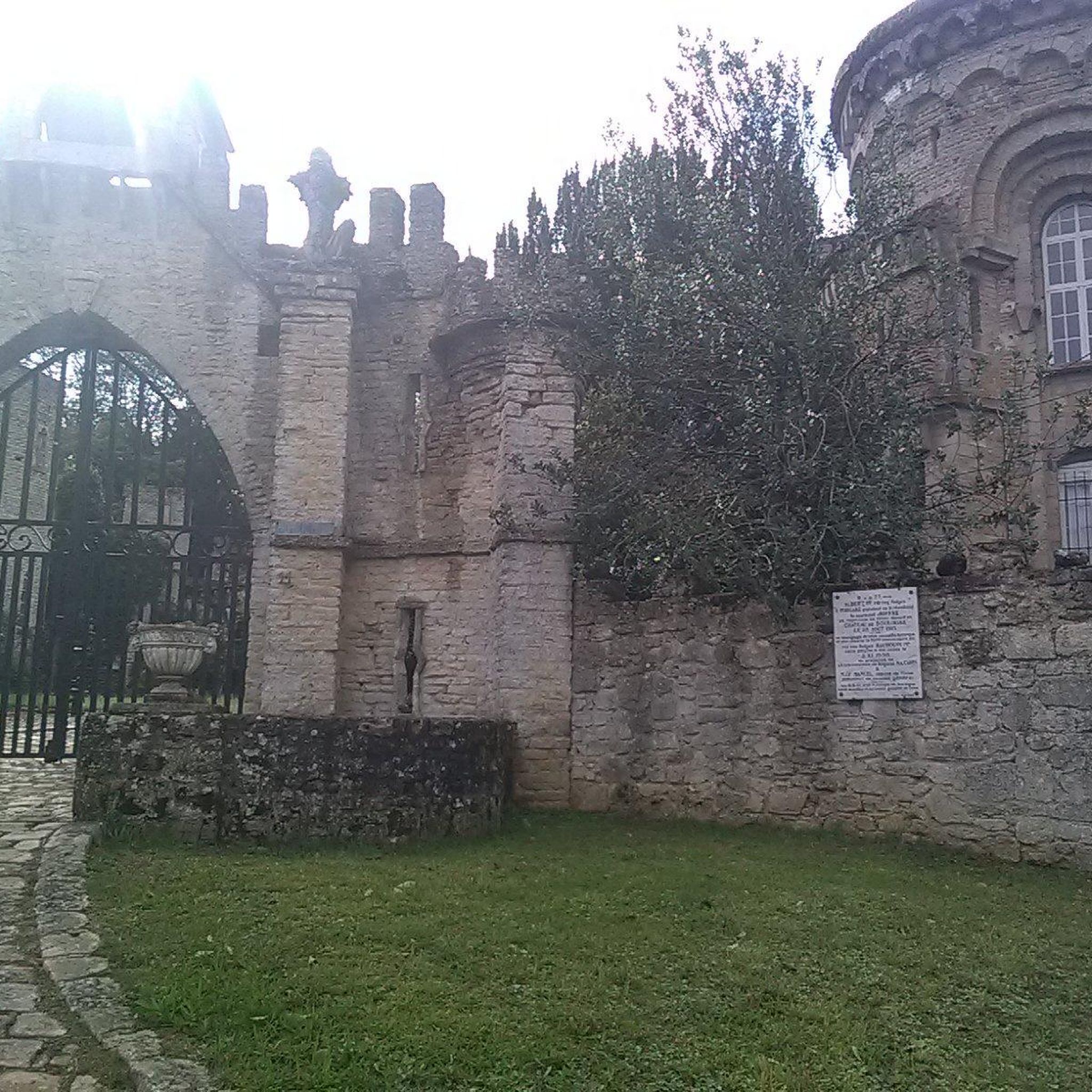
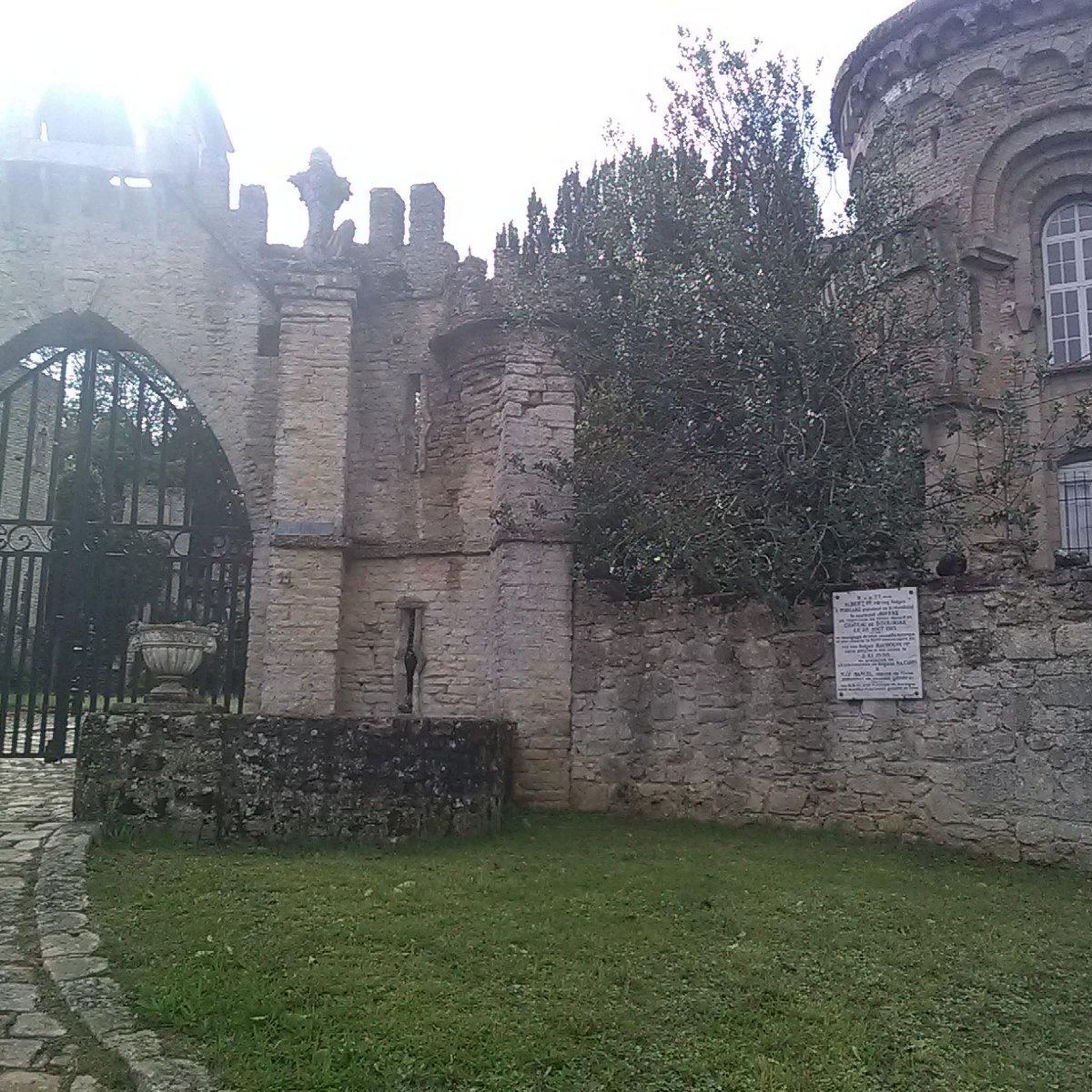
The Château de Boulogne is unlike any other. With an architecture drawing its inspiration from history and esotericism, it was born in the imagination of Charles de Boulogne (1864 - 1940), a rich Belgian landowner who purchased the title of Count and who undertook the construction of the castle in 1896 on the remains of the Lancry family castle. For 25 years, he put all his energy and his fortune into creating his 'Great Work', a philosopher's residence, a castle of Mysteries which unfortunately was largely destroyed during the Battle of Matz in 1918. For his fellow citizens, Count Charles de Boulogne was the builder of a spooky residence. An incomprehensible man, a little crazy, an “enlightened person”? And yet the sentence he had engraved on the portal gives us the key: “Sortis patiens esto nulli clauderis honesto” ("Be patient, nothing is closed to an honest man")
4
1
Frequently Asked Questions
What historical sites can I explore in Boulogne-la-Grasse?
Boulogne-la-Grasse is rich in history. The most prominent site is the Château de Boulogne-la-Grasse, known for its unique architecture and role in WWI. You can also visit the village church with its neo-Byzantine decoration, the old train station (now a library and guesthouse), and the site of the former Château des Bains, believed to have Roman origins. The village also hosted a telegraph relay in 1793.
Are there opportunities for outdoor activities like hiking or running near Boulogne-la-Grasse?
Yes, the area around Boulogne-la-Grasse offers several outdoor activity options. The village is situated on a wooded hillside with views over the Matz Valley and Thiescourt Massif. You can find various trails for hiking, running, and mountain biking. For specific routes, explore the hiking trails, running trails, and MTB trails guides for the region.
What is unique about the Château de Boulogne-la-Grasse?
The Château de Boulogne-la-Grasse is truly unique due to its distinctive architecture, which blends historical and esoteric inspirations. Built by Charles de Boulogne between 1890 and 1913, it was conceived as a 'philosopher's residence' or 'castle of Mysteries.' It also played a strategic role during World War I, serving as an observation post, and was partially reconstructed after being damaged in 1918. Its park and 'architectural folly' are also notable.
Are there any war memorials or sites of remembrance in the area?
Yes, the region has significant sites dedicated to remembrance from World War I. You can visit the Necropolis of Méry-la-Bataille, which contains the remains of 1,538 soldiers who died during the Battle of Matz in June 1918. Another important site is the Nécropole militaire allemande de Lassigny, an impressive memorial for 1,777 German soldiers. The Église Saint-Jean-Baptiste in Plessis-de-Roye also serves as a powerful symbol of remembrance, with its nave deliberately left unfinished after its WWI destruction.
What natural features or scenic views can I find near Boulogne-la-Grasse?
Boulogne-la-Grasse is set on a wooded hillside, offering superb views over the Matz Valley and the Thiescourt Massif. The Base Nature et Randonnée, located near the departmental forest massif of Thiescourt, is a 'Sensitive Natural Area' providing picnic spots and serving as a starting point for hiking trails. Additionally, La Butte de Coivrel, a protected natural site near Élincourt Sainte Marguerite, is about 10km away and offers more natural beauty.
Are there any family-friendly attractions or activities?
While the main attractions are historical, the natural surroundings offer family-friendly activities like hiking and picnicking. The Base Nature et Randonnée provides picnic spots and a paddock for horses, making it suitable for families to enjoy the outdoors. The Church of the Assumption of Our Lady & war memorial in Fresnières is also listed as family-friendly.
What is the best time of year to visit Boulogne-la-Grasse for outdoor activities?
The spring and summer months (April to September) are generally ideal for outdoor activities in Boulogne-la-Grasse, offering pleasant weather for hiking, running, and exploring the natural and historical sites. The wooded hillsides and valleys are particularly beautiful during these seasons.
Are there any other notable historical buildings besides the château?
Beyond the château, the village church of Boulogne-la-Grasse is notable for its sumptuous neo-Byzantine decoration, thanks to the generosity of Count Charles de Boulogne. The old train station, now housing the intercommunal library, is another historic building. Nearby, the Church of the Assumption of Our Lady & war memorial in Fresnières showcases a unique blend of neo-Romanesque and Art Deco architecture from the post-WWI reconstruction era.
Can I find places to eat or stay overnight in Boulogne-la-Grasse?
Boulogne-la-Grasse is a smaller village, but the old train station has been repurposed to offer guesthouse accommodations on its upper floor. For a wider selection of restaurants and accommodation, you might consider nearby towns such as Noyon or Compiègne.
Are there any easy hiking trails suitable for all skill levels?
Yes, the area around Boulogne-la-Grasse offers easy hiking options. For example, the 'Castle loop from Orvillers-Sorel' is an easy 4.3 km hike. The Base Nature et Randonnée also serves as a starting point for various trails, some of which are suitable for less experienced hikers. You can find more details in the hiking guide for the region.
What do visitors enjoy the most about Boulogne-la-Grasse?
Visitors are particularly drawn to the unique and mysterious Château de Boulogne-la-Grasse, appreciating its distinctive architecture and historical significance. The serene natural surroundings, including the wooded hillsides and scenic views, are also highly valued for outdoor activities and relaxation. The historical sites, especially the war memorials, offer a poignant and educational experience.
Are there any dog-friendly walking routes?
The natural areas and many of the hiking trails around Boulogne-la-Grasse are generally dog-friendly, especially those within the wooded hillsides and the Base Nature et Randonnée. It's always advisable to keep dogs on a leash and respect local regulations regarding protected natural areas. Specific dog-friendly routes can often be found within the broader hiking guides for the Oise department.
Most popular routes around Boulogne-La-Grasse

Get inspired with the komoot mobile app


Explore more
Still not found the Highlight you’re looking for? See guides of the top attractions in other regions:
