Attractions and Places To See around Bétheniville - Top 9
Best attractions and places to see around Bétheniville include historical landmarks, cultural sites, and natural features within the Marne department of northeastern France. The commune is traversed by the Suippe River and holds a history marked by medieval importance, archaeological findings, and significant events during World War I. This area offers a blend of historical context and natural landscapes for exploration.
Best attractions and places to see around Bétheniville
- The most popular attractions is Beine-Nauroy, a historical site severely affected by fighting on the Western Front. A war chapel and monument recall the destruction, and the church dates from the 12th or 13th century.
- Another must-see spot is Greenway Between Isles-sur-Suippe and Heutrégiville, a cycle way designed for bicycles and pedestrians. It traverses a lush forest crossed by the Suippe river, suitable for walking and enjoying natural surroundings.
- Visitors also love Camp de Moronvilliers, a historical site and military training area covering over 1,500 hectares. It is also a protected Natura 2000 area, featuring rare calcareous grasslands and chalk quarries that support exceptional flora and fauna.
- Bétheniville is known for its historical sites, military history, and natural features. The area offers a blend of historical landmarks, cultural sites, and natural beauty to see and explore.
- The attractions around Bétheniville are appreciated by the komoot community, with 4 photos and 3 upvotes.
Last updated: July 4, 2026
Beine-Nauroy
Highlight • Historical Site
Translated by Google •
Tip by

Greenway Between Isles-sur-Suippe and Heutrégiville
Highlight (Segment) • Cycleway
However, if you are a professional cyclist, this route is blocked by anti-2 and 4 motorized wheel barriers, at several crossings, which can break your average.
Translated by Google •
Tip by

Sign up now to discover places like this
Get recommendations on the best single tracks, peaks, & plenty of other exciting outdoor places.
Sign up for free
Camp de Moronvilliers
Highlight (Segment) • Historical Site
Translated by Google •
Tip by
The Poilu of Cornillet
Highlight • Other
Translated by Google •
Tip by
Moronvilliers, destroyed village
Highlight • Historical Site
Translated by Google •
Tip by
Sign up for free to discover even more attractions around Bétheniville.
Sign up for free
Already have an account?
Start today with a free account
Your next adventure awaits.
Login or Signup
Popular around Bétheniville
Tips from the Community

Where the village of Moronvilliers once stood, there is now a vast military training area. Managed by the French army, the site covers over 1,500 hectares and is used for target practice and military training. Despite its strategic function, it is also a protected Natura 2000 area, where rare calcareous grasslands (savarts) and chalk quarries are home to exceptional flora and fauna. Nature and military use exist here in a fragile balance – a landscape shaped by war, but today managed with an eye for ecology and heritage
5
0
Moronvilliers was a village in the Marne that was completely destroyed during the First World War. It was located in the zone rouge, an area that was so badly damaged by the fighting that reconstruction was considered impossible. After the war, the village was not rebuilt and today it is part of the Moronvilliers military training area. Its name lives on in Pontfaverger-Moronvilliers, and like other "destroyed villages", only a few traces remain as silent witnesses to the devastating battle.
4
0
In the heart of the lost village of Nauroy stands an impressive statue: Le Poilu du Cornillet. Created by artist Jean-François Guillaume, this metal soldier is made up of shrapnel from grenades – deadly fragments that once ravaged the landscape. The work embodies the French infantryman (“poilu”) and symbolises the sacrifices of the soldiers who fought and died here during the Battle of Mont Cornillet in 1917. Together with the nearby cenotaph for two French pilots, it is a powerful tribute to memory and the hope for peace
5
0
During the First World War, Beine-Nauroy was severely affected by the fighting on the Western Front. The nearby village of Nauroy was completely destroyed by bombardments and was not rebuilt after the war. In 1950, the name of Nauroy was officially added to Beine, creating the municipality of Beine-Nauroy. The region was a strategic point in the battle between French and German troops, with fierce fighting around Mont Cornillet, an important defensive position. Today, a war chapel and a monument made of shrapnel recall the destruction and loss that the war brought. The church is from the 12th/13th century.
5
0

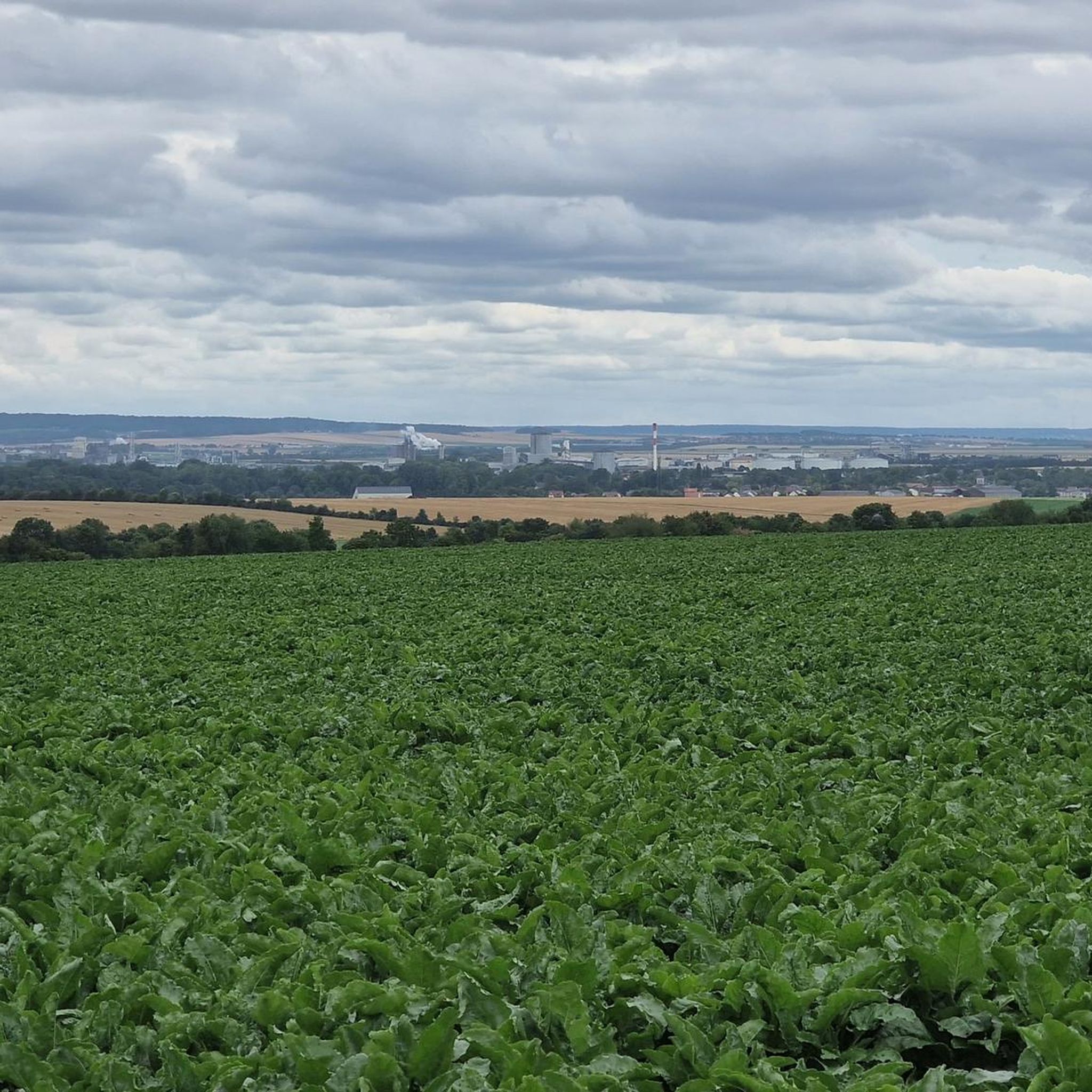
Lane designed for bicycles and pedestrians. Perfectly suited for walking on Sundays and sunny days, a short stretch is through a lush forest crossed by the Suippe river. Ideal for walking children and pets. However, if you are a professional cyclist, this route is blocked by anti-2 and 4 motorized wheel barriers, at several crossings, which can break your average.
0
0
Frequently Asked Questions
What historical sites can I explore around Bétheniville?
The region is rich in history, particularly from World War I. You can visit Beine-Nauroy, a site severely affected by fighting on the Western Front, where a war chapel and monument recall the destruction. Another significant location is Camp de Moronvilliers, a former village now a military training area, which also holds ecological importance as a Natura 2000 site. Don't miss The Poilu of Cornillet, an impressive statue made of shrapnel, symbolizing the sacrifices of soldiers.
Are there any natural features or green spaces to enjoy near Bétheniville?
Yes, the commune is traversed by the Suippe River, offering natural beauty. For a pleasant outdoor experience, explore the Greenway Between Isles-sur-Suippe and Heutrégiville, a cycle and pedestrian path that winds through a lush forest along the Suippe river. The Camp de Moronvilliers, while a historical site, is also a protected Natura 2000 area known for its rare calcareous grasslands and unique flora and fauna.
What kind of outdoor activities can I do near Bétheniville?
The area offers various outdoor activities. You can enjoy running on trails like the "Running loop from Bétheniville" or "La Suippe loop from Selles." For cycling, there are options such as the "Cycling Path Along the Suippe loop from Heutrégiville" or longer road cycling routes like "Rethel – Rethel loop from Juniville." Find more details on these and other routes in the Running Trails around Bétheniville, Road Cycling Routes around Bétheniville, and Cycling around Bétheniville guides.
Are there family-friendly attractions or activities in the Bétheniville area?
Absolutely. The Greenway Between Isles-sur-Suippe and Heutrégiville is ideal for families, offering a safe and scenic path for walking with children and pets. The historical sites like Beine-Nauroy can also offer an educational experience for older children interested in history.
What is the significance of Moronvilliers in the region?
Moronvilliers was a village completely destroyed during the First World War, located in the 'zone rouge' where reconstruction was deemed impossible. Today, it is part of the Camp de Moronvilliers military training area, with only a few traces remaining as silent witnesses to the devastating battles. The nearby Moronvilliers, destroyed village highlight offers more insight into its past.
Are there any religious or architectural landmarks to visit?
Within Bétheniville itself, the local Eglise de Bétheniville, dedicated to Sainte Marie Madeleine, is a significant historical church dating back to the 12th or early 13th century. Further afield, approximately 25 km away, the magnificent Reims Cathedral, Abbey, and Palace are major heritage attractions, particularly the Gothic architecture and rose windows of Notre-Dame of Reims.
What are some unique historical aspects of Bétheniville itself?
Bétheniville has a rich past, with archaeological digs revealing Gallic necropolises and a funerary enclosure. Historical records also indicate that the Templars once had possessions in the commune. You can also find the Croix Simonnet, a cross blessed in 1750, near the former royal customs office.
Can I visit any Champagne houses near Bétheniville?
Yes, the region is world-renowned for its Champagne production. While not directly in Bétheniville, major Champagne houses like Champagne Taittinger are located in nearby Reims, offering visits to their historic cellars and tastings.
What is there to see beyond the immediate Bétheniville area, within a short drive?
Beyond Bétheniville, you can visit the stunning Reims Cathedral, Abbey, and Palace, about 25 km away. The L'Epine Basilique Notre-Dame, a monument on French pilgrim routes, is approximately 36 km distant. For natural beauty, Lac de Bairon is about 39 km away. Many nearby villages, such as Baconnes and Mourmelon-le-Grand, are also recognized for their beautiful floral displays.
What do visitors enjoy most about the attractions around Bétheniville?
Visitors appreciate the blend of historical context and natural landscapes. The poignant reminders of World War I at sites like Beine-Nauroy and Camp de Moronvilliers offer a unique perspective. The peaceful Greenway Between Isles-sur-Suippe and Heutrégiville is also highly valued for leisurely walks and cycling amidst nature.
Are there any specific World War I sites to visit?
The area around Bétheniville was heavily impacted by WWI. Key sites include Beine-Nauroy, where a war chapel and monument stand as a testament to the conflict. The Poilu of Cornillet statue, made from shrapnel, powerfully symbolizes the sacrifices of soldiers. Additionally, the site of Moronvilliers, a destroyed village, offers a stark reminder of the war's devastation.
Most popular routes around Bétheniville

Get inspired with the komoot mobile app


Explore more
Still not found the Highlight you’re looking for? See guides of the top attractions in other regions:
