Top 8 Waterfalls around Disley
Best waterfalls around Disley are found in a region characterized by its proximity to the Peak District, offering a diverse natural landscape. The area features river valleys, cloughs, and country parks, providing varied settings for waterfalls. These cascades often exhibit a blend of natural beauty and historical human influence, particularly near former mill sites. The terrain ranges from tranquil, accessible spots to more rugged, steep-sided valleys.
Best waterfalls around Disley
- The most popular waterfalls is Ingersley Vale Waterfall (Waulkmill Waterfall)…
Last updated: May 19, 2026
Etherow Country Park Lake and Weir
Highlight • Natural Monument
Tip by

Deep Clough Waterfall
Highlight • Natural
Tip by

Sign up now to discover places like this
Get recommendations on the best single tracks, peaks, & plenty of other exciting outdoor places.
Sign up for free
Ingersley Vale Waterfall (Waulkmill Waterfall)
Highlight • Waterfall
Tip by

Snake Path and Black Ashop Moor Waterfalls
Highlight (Segment) • Waterfall
Tip by

Weir Waterfall, Etherow Country Park
Highlight • River
Tip by

Sign up for free to discover even more waterfalls around Disley.
Sign up for free
Already have an account?
Start today with a free account
Your next adventure awaits.
Login or Signup
Popular around Disley
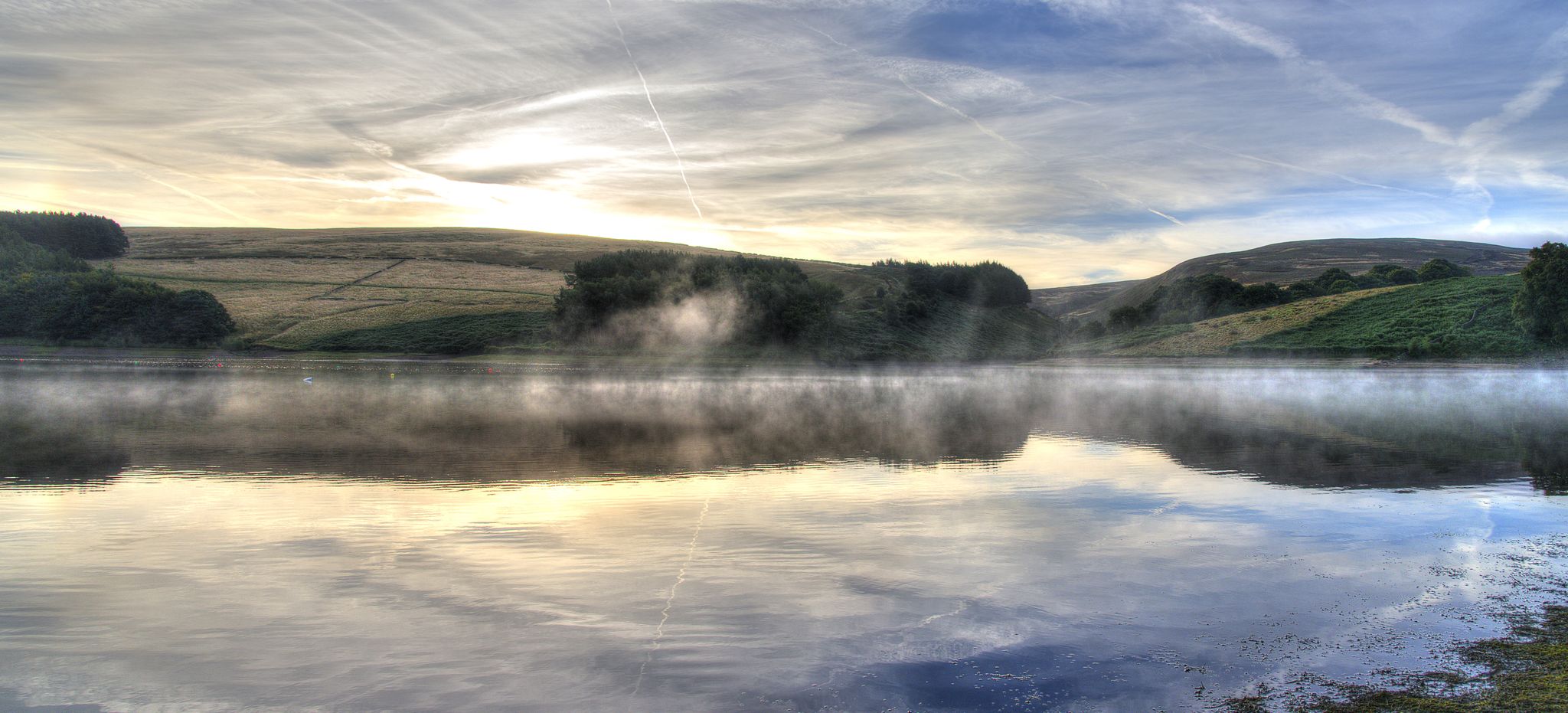
Midshires Way — An epic hike through England's rural heart
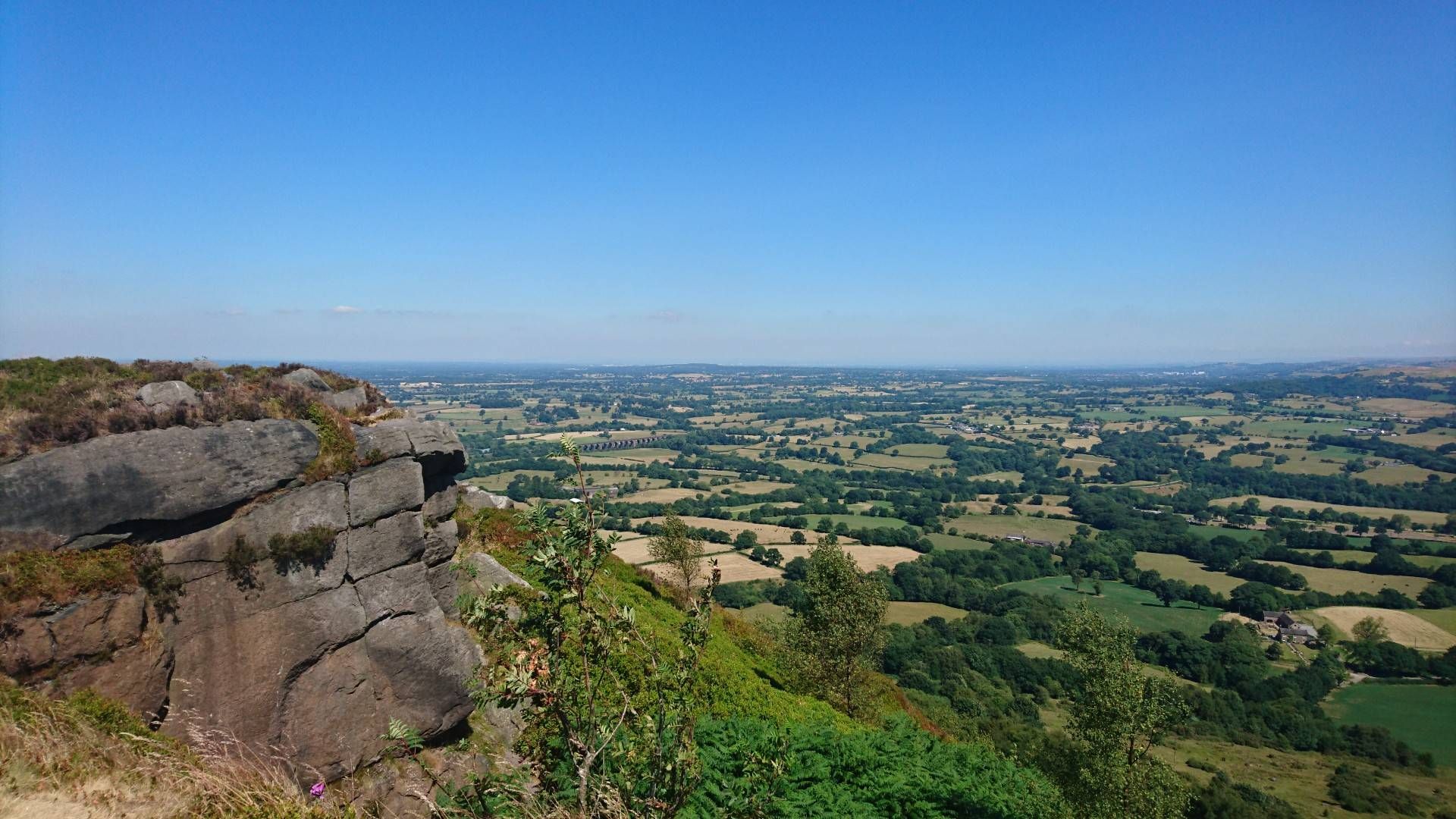
Gritstone Trail — A panoramic ridge hike through Cheshire's finest scenery
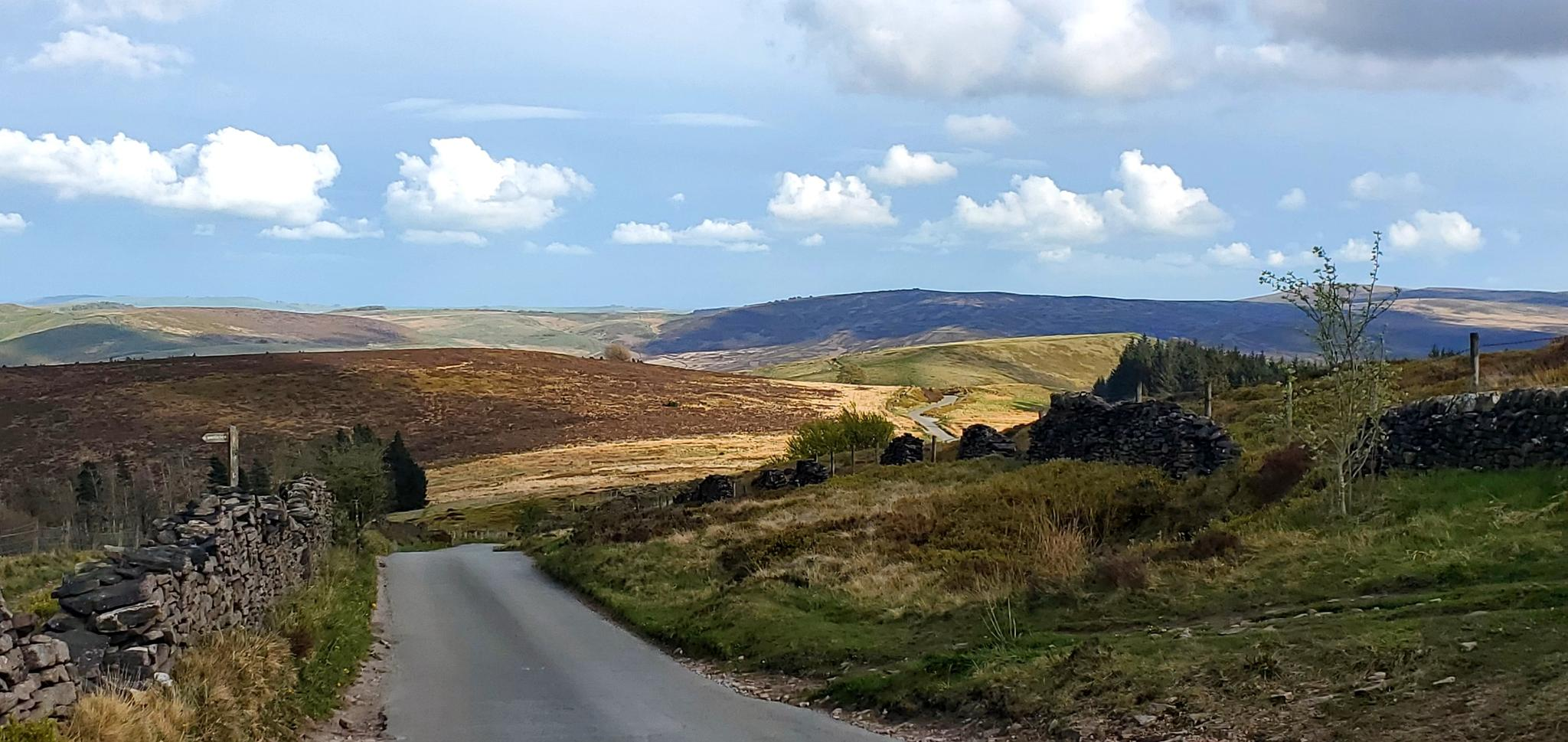
Ultimate White Peak cycling – explore the Peak District by train and by bike
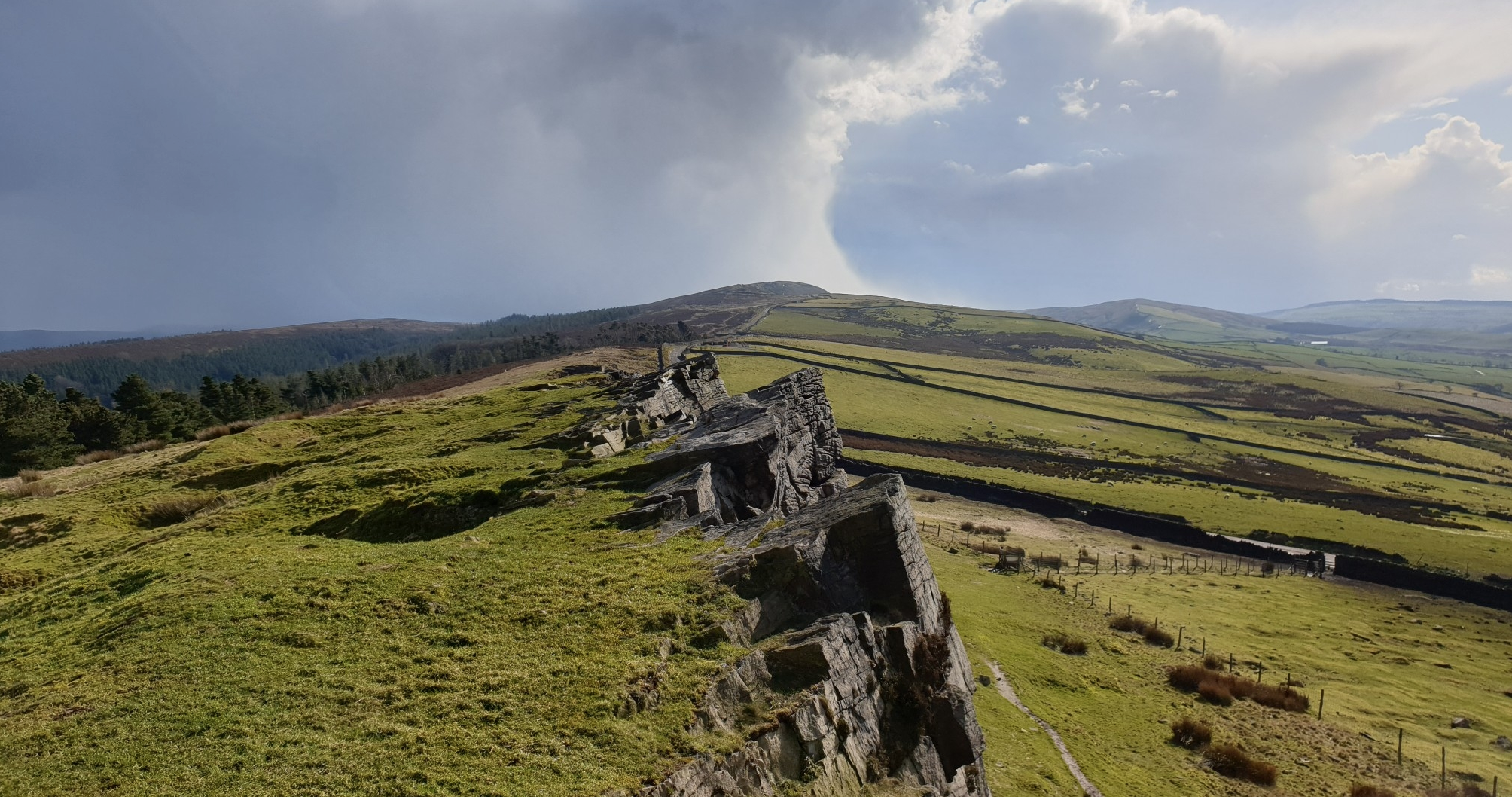
Grit, moors and trigs – hiking adventures on the Buxton Line
Hiking around Disley
Road Cycling Routes around Disley
Running Trails around Disley
MTB Trails around Disley
Cycling around Disley

Gravel biking around Disley
Other adventures around Disley


Tips from the Community

This isn’t a towering drop (about 2–3 meters high, with mossy steps), but it’s part of the classic Goyt Valley scenery, surrounded by ancient quarries and views of Errwood’s deep waters (up to 35m in places). It’s often encountered en route to Goytsclough Quarry, an old lime works turned nature spot.
0
0

This highlight is positioned at a viewing point for the waterfall. If you wish to actually stand next to the waterfall you would need to head down to the river, carefully cross the river and then carefully make your way along the river bank to the waterfall. When I did this we hadn't had much rainfall and so the water levels were very low. So, this access may vary depending on the water level of the river at any given time.
0
0

The streams in Deep Clough, Goyt's Clough and Berry Clough all flow into the River Goyt which then fills Errwood Reservoir. The streams are lively after rainfall and there are some good waterfalls to be found in the steep sided valleys.
0
0

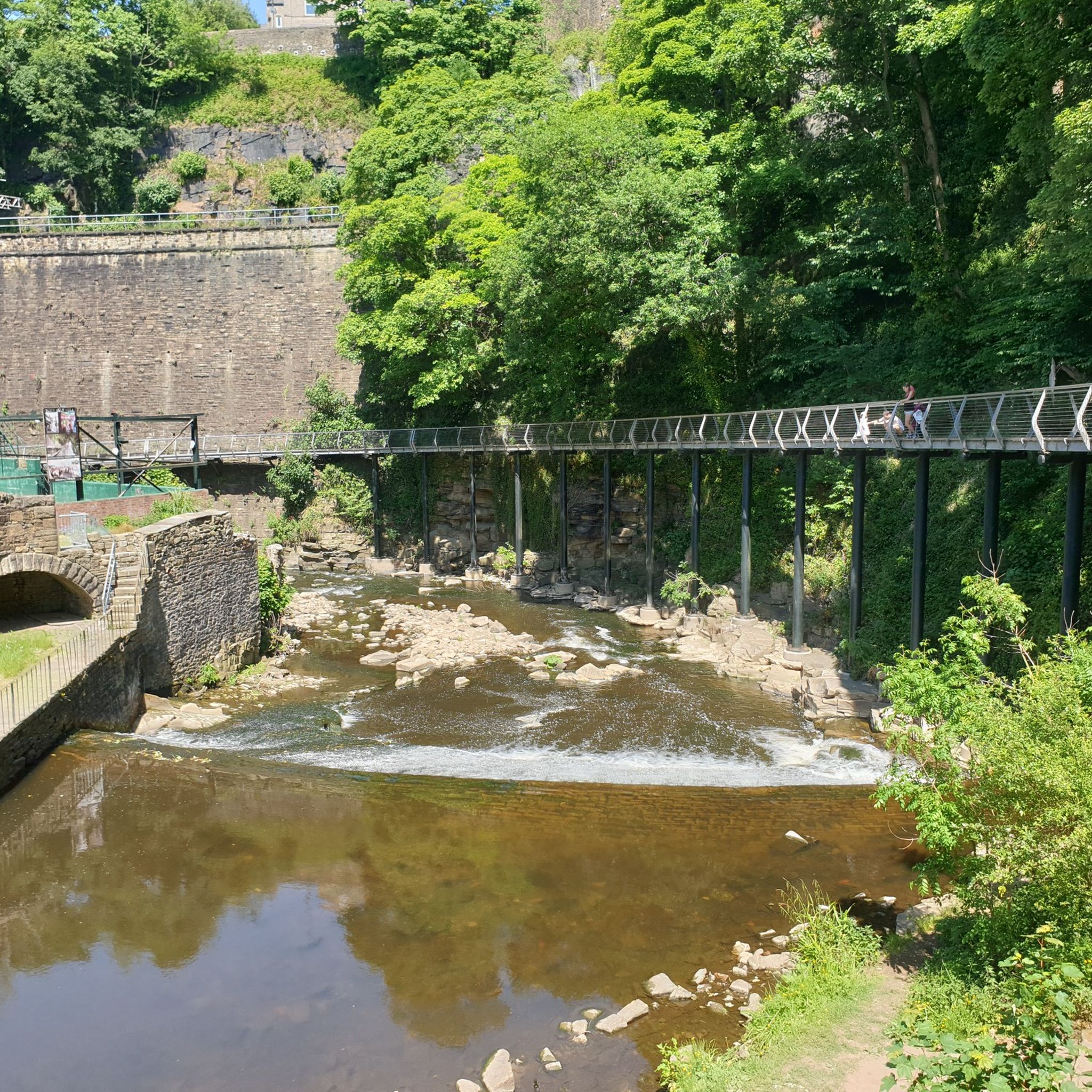
This is a small but impressive waterfall on the River Dean. It is in a beautiful setting at the lower end of Clough Pool. It has a certain amount of man-made influence, as the top of it appears to be built on to a natural waterfall to create the mill pond above it. It was used by Ingersley Clough Mill back in the nineteenth century. This is simply a delightful scenic spot.
2
0

Definitely not as frequented as some of the other paths in this area, this path is boggy and wet underfoot in places. It gives you a great view of the spectacular northern edge of Kinder Scout however.
2
0

The Park itself first of all started off as part of the “Andrews” estate originating in the 1820’s. At the time it incorporated a mine, a cotton mill and the lake. Later on in 1968 it became one of England’s first country parks, and now attracts over a quarter million visitors a year. They come to enjoy the natural beauty of ancient woodland along the river valley; in the foothills of the Peak District National Park. Mr George Andrew originally built the mill and made the man made lake (Canal). He also required a large workforce for the operation of the mill; so George also built a lot of the houses, along with the Church and School. Also a lot of the street names are named after members of the Andrew’s family. Etherow Country Park has steadily grown over the years, and now covers an area of around 200 acres. It lies at the heart of the Etherow-Goyt Valley, this is also the start of The Goyt Way, which is a 10 mile walk to Whaley Bridge. The River Etherow flows through the park which is the source for the lakes and was originally used as a reservoir to power the water wheel; which in turn provided motorized power for the cotton mill. Later on, they used the canal to transport coal for heating and keeping the cotton dry, via a horse drawn canal barge from further downstream. One of the water wheels (Big Lily) that powered the mill would use 50 million gallons of water per day; which would come down the canal and pass through what is now the car park to drive “Big Lilly”
0
0
The Park itself first of all started off as part of the “Andrews” estate originating in the 1820’s. At the time it incorporated a mine, a cotton mill and the lake. Later on in 1968 it became one of England’s first country parks, and now attracts over a quarter million visitors a year. They come to enjoy the natural beauty of ancient woodland along the river valley; in the foothills of the Peak District National Park. Mr George Andrew originally built the mill and made the man made lake (Canal). He also required a large workforce for the operation of the mill; so George also built a lot of the houses, along with the Church and School. Also a lot of the street names are named after members of the Andrew’s family. Etherow Country Park has steadily grown over the years, and now covers an area of around 200 acres. It lies at the heart of the Etherow-Goyt Valley, this is also the start of The Goyt Way, which is a 10 mile walk to Whaley Bridge. The River Etherow flows through the park which is the source for the lakes and was originally used as a reservoir to power the water wheel; which in turn provided motorized power for the cotton mill. Later on, they used the canal to transport coal for heating and keeping the cotton dry, via a horse drawn canal barge from further downstream.
0
0
Frequently Asked Questions
Are there easy and family-friendly waterfall walks around Disley?
Yes, for an easy and family-friendly experience, consider visiting Weir Waterfall, Etherow Country Park. This waterfall is part of a country park, offering a broader experience with flat roads and paths, making it suitable for families. Etherow Country Park itself is a local nature reserve and Site of Special Scientific Interest, providing a pleasant day out.
What kind of nature and wildlife can I expect to see near Disley's waterfalls?
The areas around Disley's waterfalls, particularly places like Etherow Country Park, are rich in wildlife. You can find over 200 species of plants and more than a hundred species of birds. The park's diverse habitats, including open water, reed swamp, and woodlands, support various flora like Dog's Mercury and Common Spotted Orchid, and provide hunting grounds for birds of prey like Tawny Owls. The ancient woodlands and moss-covered rocks of Padley Gorge also create a mystical atmosphere, home to varied plant life.
Do any waterfalls around Disley have historical significance?
Yes, Ingersley Vale Waterfall (Waulkmill Waterfall) has historical ties. Its upper section appears to have been built upon a natural waterfall to create a mill pond, historically used by Ingersley Clough Mill in the 19th century. Etherow Country Park, home to the Weir Waterfall, also has a rich history, originating as the Andrews Estate in the 1820s with a mine, mill, and mill pond.
What are some more challenging waterfall hikes near Disley?
For a more challenging experience, consider exploring the streams in Deep Clough. After rainfall, these streams become lively, revealing several good waterfalls within the steep-sided valleys. This area is ideal for those who enjoy exploring more rugged terrain. Another option is the Snake Path and Black Ashop Moor Waterfalls, which offers great views of the northern edge of Kinder Scout, though it can be boggy and wet underfoot in places.
Are there any hidden waterfalls near Disley worth exploring?
Yes, Ingersley Vale Waterfall (Waulkmill Waterfall) is often described as a 'hidden gem' tucked away on the slopes of Kerridge Hill, offering a tranquil paradise. Further afield in the Peak District, Middle Black Clough Waterfall is also considered a 'hidden Peak District gem' due to being less busy and offering a sense of discovering a secret oasis.
What outdoor activities can I do near the waterfalls around Disley?
Beyond waterfall viewing, the area around Disley offers various outdoor activities. You can find numerous hiking trails, including easy hikes like the View of the Cage and Lyme Park loop. For those interested in cycling, there are gravel biking routes such as the Peak Forest Canal – Hayfield Village loop. The wider Peak District also provides extensive opportunities for hiking and exploring.
What is the best time of year to visit the waterfalls around Disley?
Many waterfalls, especially those in cloughs like Deep Clough, become particularly lively and impressive after rainfall. Therefore, visiting after periods of heavy rain, often in autumn or winter, can offer a more dramatic experience. Kinder Downfall, for instance, is a spectacular sight after heavy rain, and strong westerly winds can even create a unique 'upside-down waterfall' effect.
Are there circular waterfall walks around Disley?
While specific circular routes directly featuring waterfalls are not explicitly detailed, many hiking trails in the region are circular and can incorporate waterfall viewing. For example, the Gritstone Trail Start (Disley) – The Cage at Lyme Park loop is a circular hike that can be combined with exploring nearby natural features. You can often find circular routes that pass by or near waterfalls like Ingersley Vale.
What makes Padley Gorge Waterfalls a unique place to visit?
Padley Gorge is described as a magical place and a paradise for photographers, families, and hikers, feeling like an enchanted forest. The trail follows the Burbage Brook, which features numerous waterfalls whose size varies with the weather. The gorge itself is a deep, narrow valley with ancient trees and moss-covered rocks, making it a truly unique and picturesque natural setting.
What do visitors enjoy most about the waterfalls around Disley?
Visitors appreciate the blend of natural beauty and tranquility offered by these waterfalls. Many enjoy the peaceful escape found at spots like Ingersley Vale Waterfall. The broader experience of country parks like Etherow, with its scenic water features and rich wildlife, is also highly valued. The dramatic sights of larger cascades like Kinder Downfall and the picturesque backdrops for hiking in areas like Deep Clough are also popular.
Where can I find parking for waterfall walks near Disley?
Parking is generally available at popular starting points for walks that include waterfalls. For example, Etherow Country Park, which features the Weir Waterfall, has dedicated parking facilities. For other trails, parking can often be found in nearby villages or designated car parks at trailheads, such as those for routes leading to Kinder Scout or within the Goyt Valley.
Most popular routes around Disley
Most popular attractions around Disley

Get inspired with the komoot mobile app


Explore more
Happy to travel a little further afield? Then browse these guides for the best waterfalls around Disley:
