Top 5 Gorges around Whitchurch
Best canyons around Whitchurch are primarily found in the Wye Valley, a region characterized by deep river gorges and steep-sided valleys carved into dolomitic limestone. This area, particularly near Whitchurch, Herefordshire, offers dramatic landscapes with sheer cliffs and ancient woodlands. The geological features here include significant river meanders and limestone caves, providing insights into prehistoric human occupation and natural history. The region is known for its diverse terrain, offering opportunities to explore its natural and historical elements.
Best canyons around…
Last updated: June 30, 2026
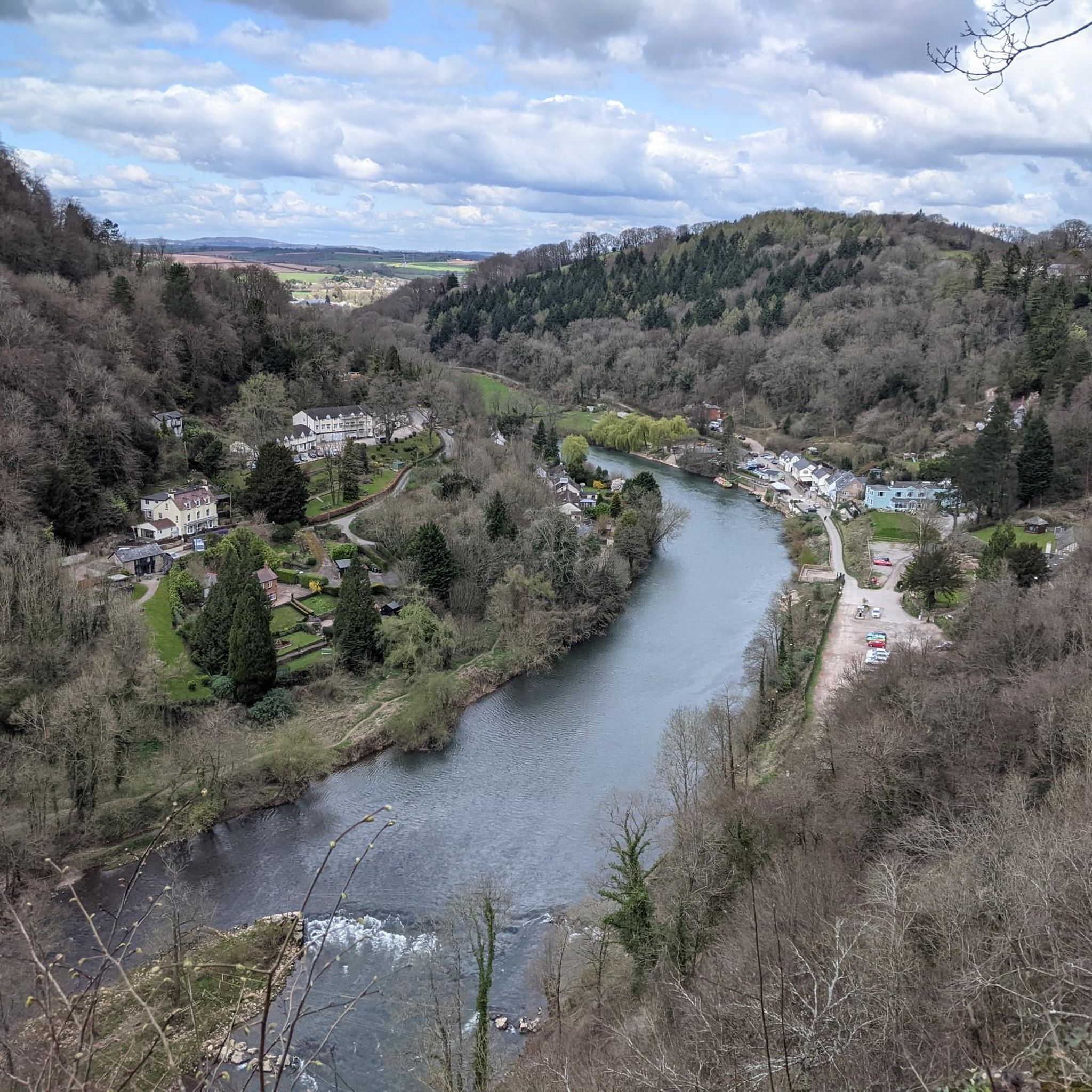
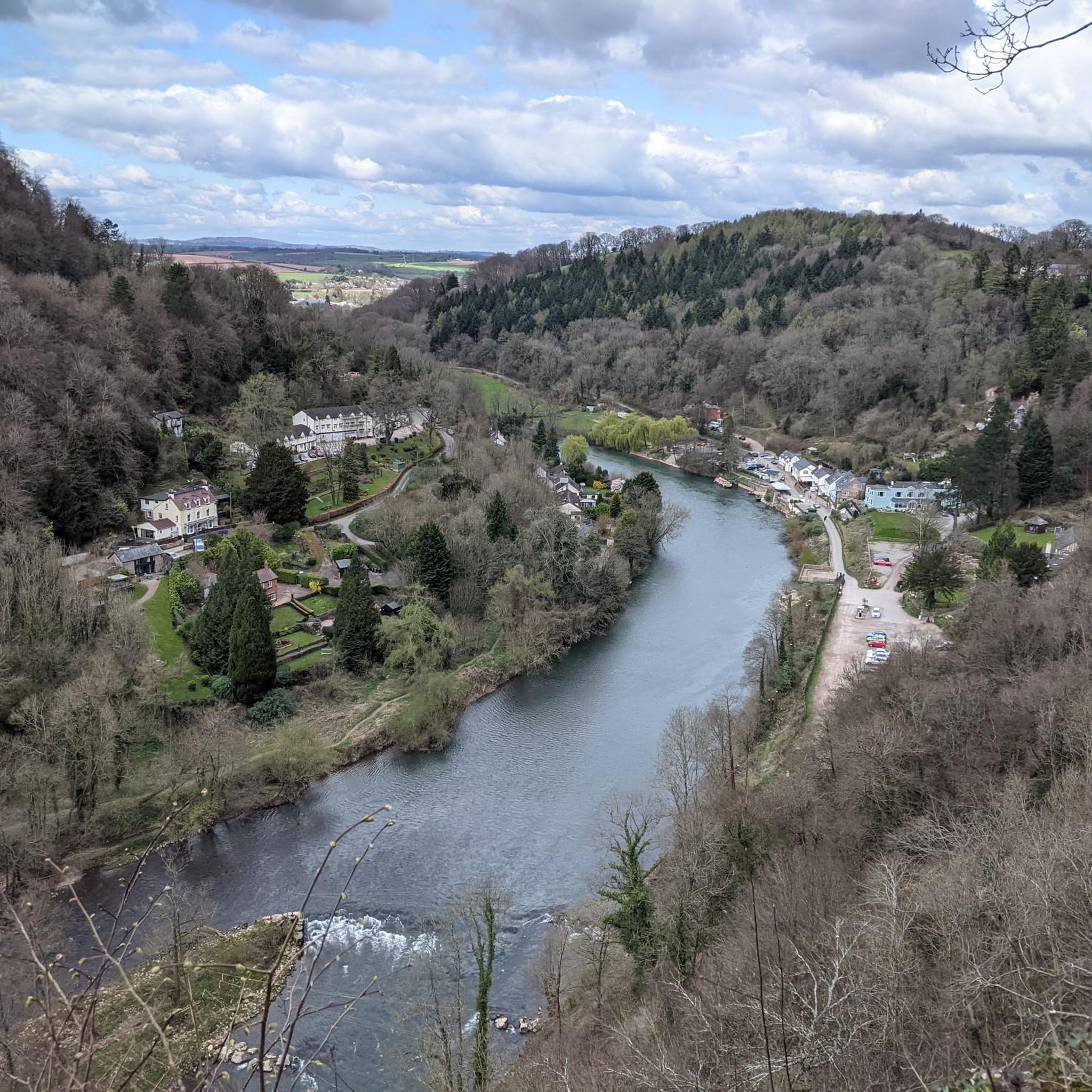
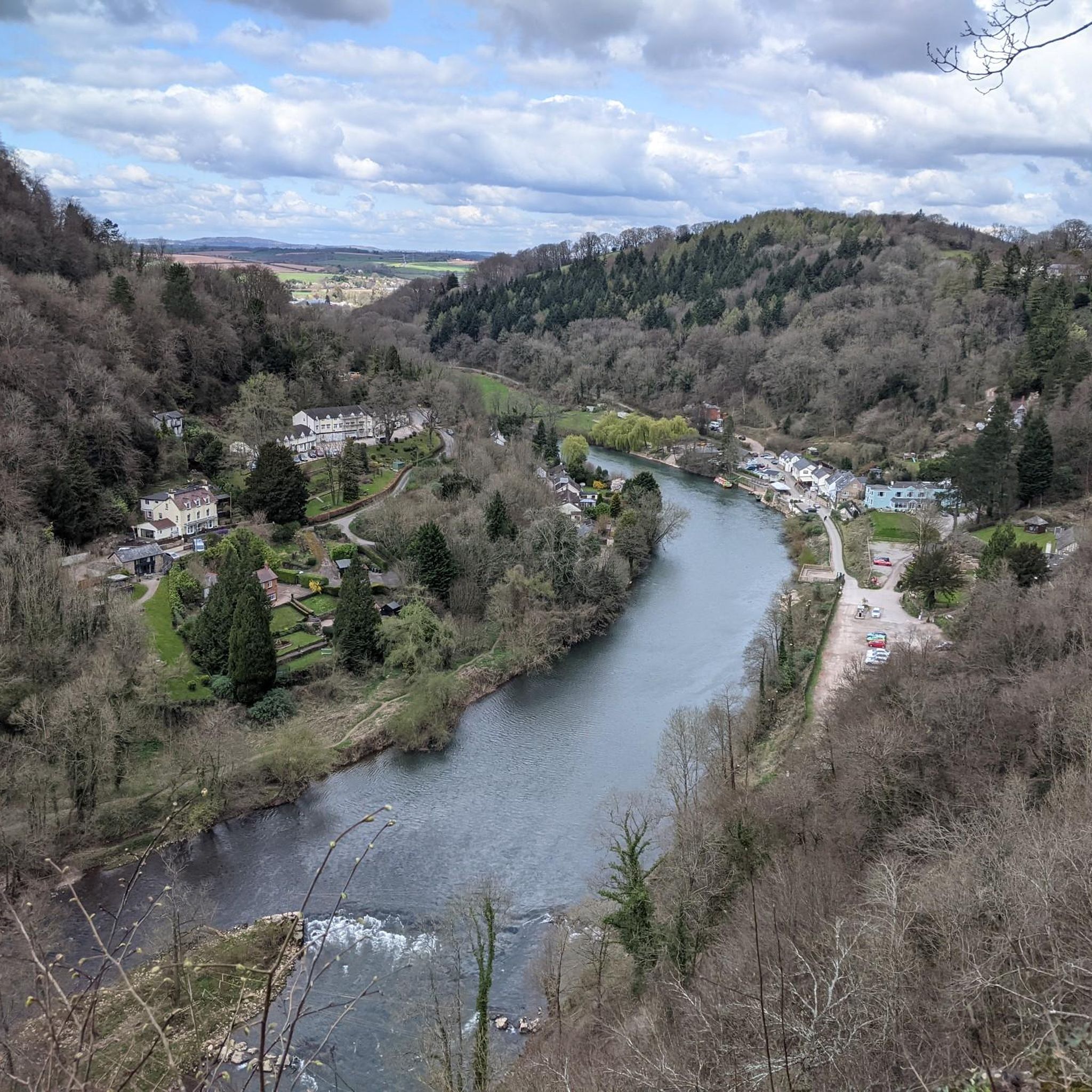
View over the Wye Valley from Caldwell Rocks
Highlight • Viewpoint
Tip by

Puzzlewood Walkways, Rocks and Caves
Highlight • Forest
Tip by

Sign up now to discover places like this
Get recommendations on the best single tracks, peaks, & plenty of other exciting outdoor places.
Sign up for free
Coldwell Rocks
Highlight • Gorge
Tip by

The Dropper Scowle
Highlight (Segment) • Gorge
Tip by

Whitebrook Valley
Highlight (Segment) • Viewpoint
Tip by
Sign up for free to discover even more gorges around Whitchurch.
Sign up for free
Already have an account?
Start today with a free account
Your next adventure awaits.
Login or Signup
Tips from the Community

This is the lesser known viewpoint around Symonds Yat, but just as with Symonds Yat this is a place to visit in the autumn when the trees are in full colour and the sun is on them to make them really shine.
0
0

Parking on side of the road for two cars. Although a steep climb their are lots of places stop and worth it for the views.
0
0

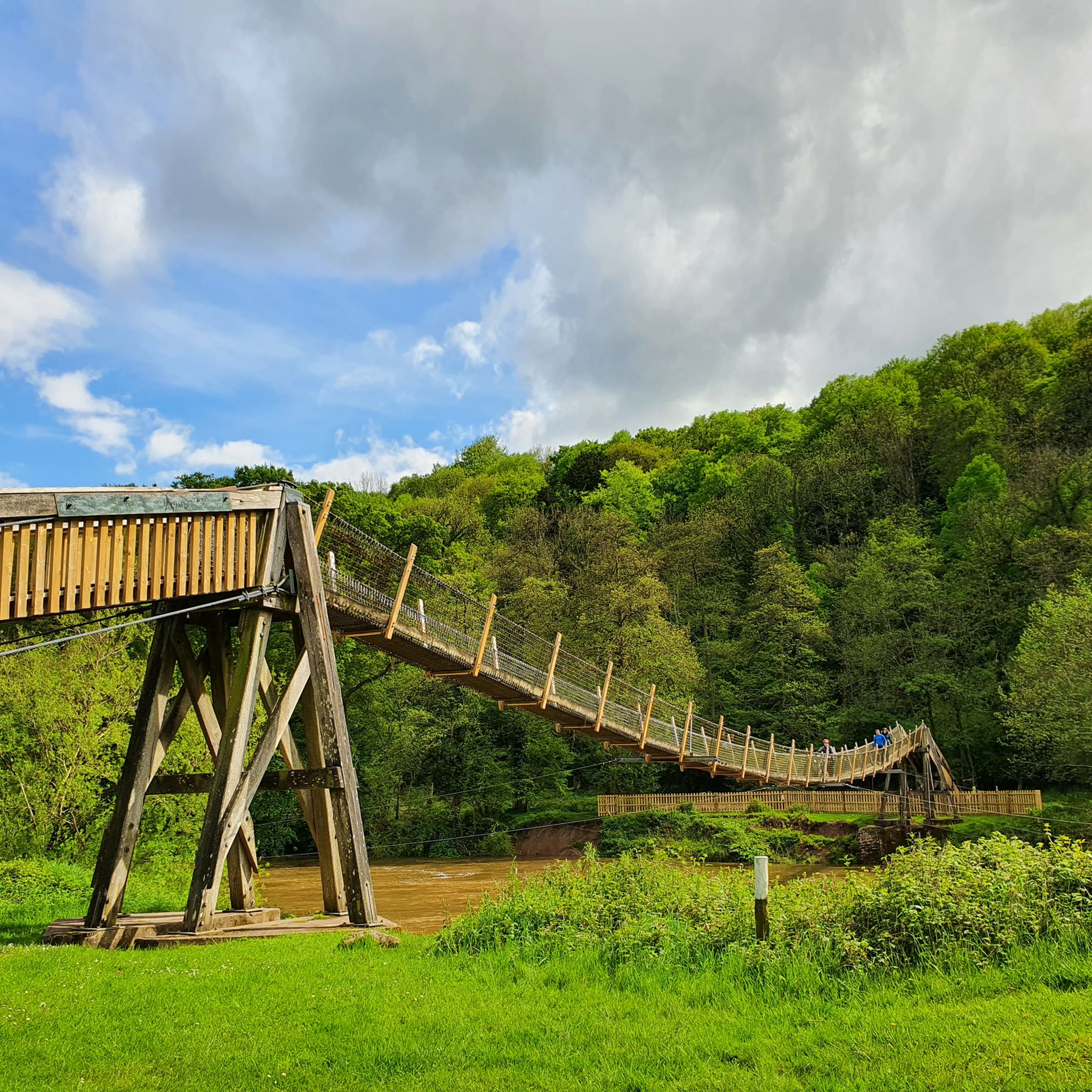
Whitebrook Valley a picturesque quiet Valley south of the river Wye, steep climb in parts, and narrow, so care needed when decending . You have a choice to ride the road or the bridleway that follows the brook. Stunning properties nestle the side of the length of lane.
0
0
An Old Byway, which sees little use. links the lower mailscot gravel track with the upper. It's a good climb but cuts the full mailshot loop a little shorter if preferred. Take a look at the large scowel "the dropper" halfway up, with small waterfall running.
0
0

From Caldwell Rocks, you get a magnificent view over the Wye Valley. It is also a great spot to watch peregrine falcons. Around this area, archaeologists have uncovered bones from hyenas, sabre-toothed cats and a mammoth.
1
0

Archaeologists have uncovered bones from hyenas, sabre-toothed cats and a mammoth in and around the caves of the valley and human habitation can be traced back to 12,000 years ago with findings of their tools and clothes. In the Iron Age the forts on the Great Doward and Yat Rock provided secure, defensible settlements for the local residents. During Roman times these forts became focal points in the region and the importance of the iron here and in the Forest of Dean made this a valuable prize for the conquerors. Offa's Dyke, built in the 8th century to separate England and Wales, runs close to Symonds Yat. The first recorded use of Symonds Yat in connection with the area is in a Patent Roll of 1256, where the place appears as Symundesyate and Symondesyate. This may contain the Old English personal name Sigemund or a very early surname deriving from it. Yat represents the Old English word geat (pronounced "yat"), meaning 'gate' and describing the gorge. Although a popular local belief, it is not true that the addition of Symonds was made in the 17th century in reference to Robert Symonds of Sugwas and Evesfield, High Sheriff of Herefordshire in 1685, who was indeed a member of the family who owned the lands from Wormelow near Hereford to the border regions in which surround the Yat. The area is also shown as Symons Yate on maps in 1665, Symons Yat in 1717 and Symmonds Gate in 1830. The Yat Gorge was mined for iron ore and remains of a smelting works are located down stream of the Symonds Yat Rapids.[3] The ironworks at New Weir date from the 1590s and were operated by the White family until 1753, when George White leased the site to John Partridge, an ironmonger from Ross on Wye. Partridge combined the ironworks at New Weir with his forge at Lydbrook which smelted pig iron from his furnace at Bishopswood. The works closed when the lease ran out in 1798 and the adjacent weir and lock buildings were demolished and the lock filled in 1814. The ferry at Symonds Yat has always played a huge part in the life here. In 1800 there were 25 hand ferries between Ross and Chepstow just like those outside Ye Old Ferrie Inn and the Saracen's Head today. They were introduced in Roman times to link the forts of the Doward and the Yat and have served military, civilian, tourist and horse traffic over the years.
1
0

Lots to explore at puzzlewood, interacting app you can download.
0
0
We visited on a very wet rainy day so our trip was short but was be try enjoyable as we only ever saw one other person. Great place to enjoy for everyone.
1
0
Frequently Asked Questions
What kind of geological features are referred to as 'canyons' around Whitchurch?
Around Whitchurch, particularly in Herefordshire, the term 'canyons' refers to the dramatic river gorges and steep-sided valleys carved by the River Wye. These are characterized by deep meanders, dolomitic limestone cliffs, and ancient woodlands, offering spectacular natural scenery rather than arid canyon formations.
What are some of the most popular gorges and viewpoints to visit near Whitchurch?
Visitors highly recommend the View over the Wye Valley from Caldwell Rocks for its magnificent perspective and opportunities to spot peregrine falcons. Another popular spot is Coldwell Rocks, which offers expansive views after a steep climb.
Are there any family-friendly natural attractions or walks around Whitchurch?
Yes, Puzzlewood Walkways, Rocks and Caves is a great family-friendly option. It's a unique forest area with natural monuments, caves, and trails that offer various exploration opportunities within its distinctive geological formations.
What historical or archaeological sites can be found within the gorges near Whitchurch?
The area is rich in history. Around Caldwell Rocks, archaeologists have uncovered bones from prehistoric animals like hyenas, sabre-toothed cats, and mammoths, with human habitation traced back 12,000 years. Additionally, King Arthur's Cave, located in the Doward area within Whitchurch parish, is a significant archaeological site with evidence of Upper Palaeolithic human occupation. You can learn more about it at King Arthur's Cave Nature Reserve.
What outdoor activities can I do near the gorges around Whitchurch?
The Wye Valley offers numerous outdoor activities. You can find excellent hiking trails, including the Peregrine Path and Biblins Bridge Loop. There are also dedicated MTB trails and cycling routes that allow you to explore the dramatic landscape.
Are there any challenging routes or viewpoints for experienced hikers?
Yes, the climb to Coldwell Rocks is noted as steep but rewarding. For those seeking more rugged terrain, the The Dropper Scowle is an old byway with a good climb and a small waterfall, offering a more challenging ascent.
What is the best time of year to visit the gorges around Whitchurch?
The Wye Valley gorges are beautiful year-round. Spring brings lush greenery and wildflowers, while autumn offers spectacular foliage. Summer is ideal for longer days and water activities, and even in winter, the dramatic landscapes have a unique charm, though some paths might be muddy.
What kind of wildlife can I expect to see in the Wye Valley gorges?
The Wye Valley is known for its rich wildlife. From viewpoints like Caldwell Rocks, you might spot peregrine falcons. The ancient gorge woodlands are important habitats for various species, including horseshoe bats, and the river itself supports diverse aquatic life.
Is there a distinction between 'canyons' in Whitchurch, Herefordshire and 'canyoning' activities in Whitchurch, Shropshire?
Yes, there is a key distinction. The 'canyons' discussed in this guide refer to the natural geological gorges in the Wye Valley near Whitchurch, Herefordshire. In contrast, 'canyoning' as an organized recreational activity, involving navigating waterways by jumping, climbing, and swimming, is offered near Whitchurch, Shropshire, which is a different location and type of experience.
Where can I find picturesque valleys or viewpoints beyond the main attractions?
Consider exploring the Whitebrook Valley, a picturesque and quiet valley south of the River Wye. It features steep climbs in parts and narrow paths, offering stunning views and a choice between riding a road or a bridleway that follows the brook.
Are there any circular walking routes that explore the geological features?
Many trails in the Wye Valley offer circular options. For example, the 'Peregrine Path and Biblins Bridge Loop' is an easy hike that allows you to experience the river and woodland scenery. You can find more options for easy hikes around Whitchurch that often incorporate circular paths.
Most popular routes around Whitchurch
Most popular attractions around Whitchurch

Get inspired with the komoot mobile app


Explore more
Already discovered everything in this region? See additional gorges around Whitchurch for your next adventure:
