Top 5 Castles around Allesley
Best castles around Allesley include the historical remains of Allesley Castle, a significant motte-and-bailey site within the district of Coventry. This area offers a glimpse into medieval history through its prominent earthworks and historical fortifications. While Allesley Castle itself is primarily an earthen mound, the broader region features several notable castles. These sites provide opportunities for exploring medieval defensive strategies and the evolution of historical estates.
Best castles around Allesley
- The most popular castles is Kenilworth Castle, a castle…
Last updated: October 3, 2026
Kenilworth Castle Ruins
Highlight • Castle
Tip by

Tiltyard Dam at Kenilworth Castle
Highlight (Segment) • Monument
Tip by

Sign up now to discover places like this
Get recommendations on the best single tracks, peaks, & plenty of other exciting outdoor places.
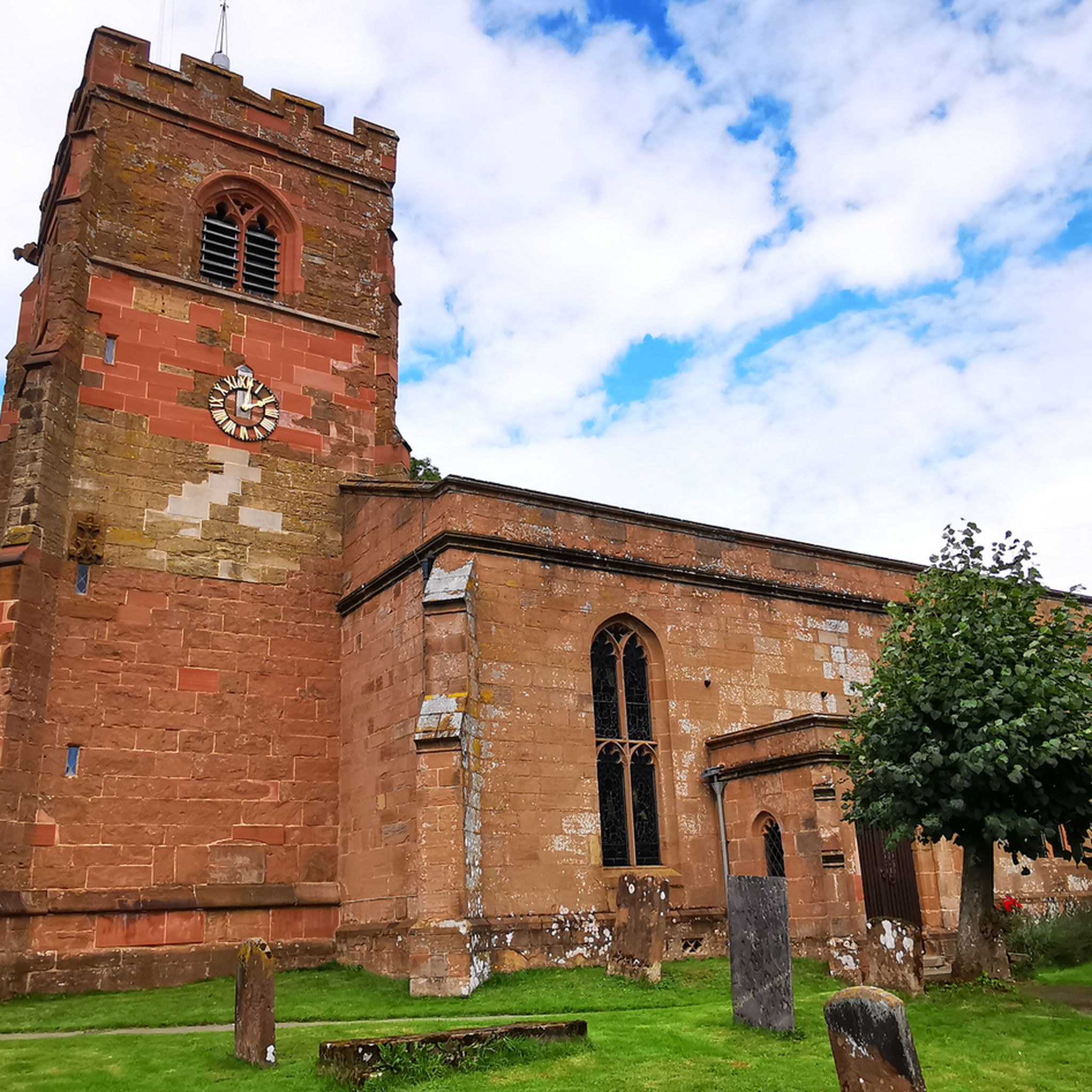
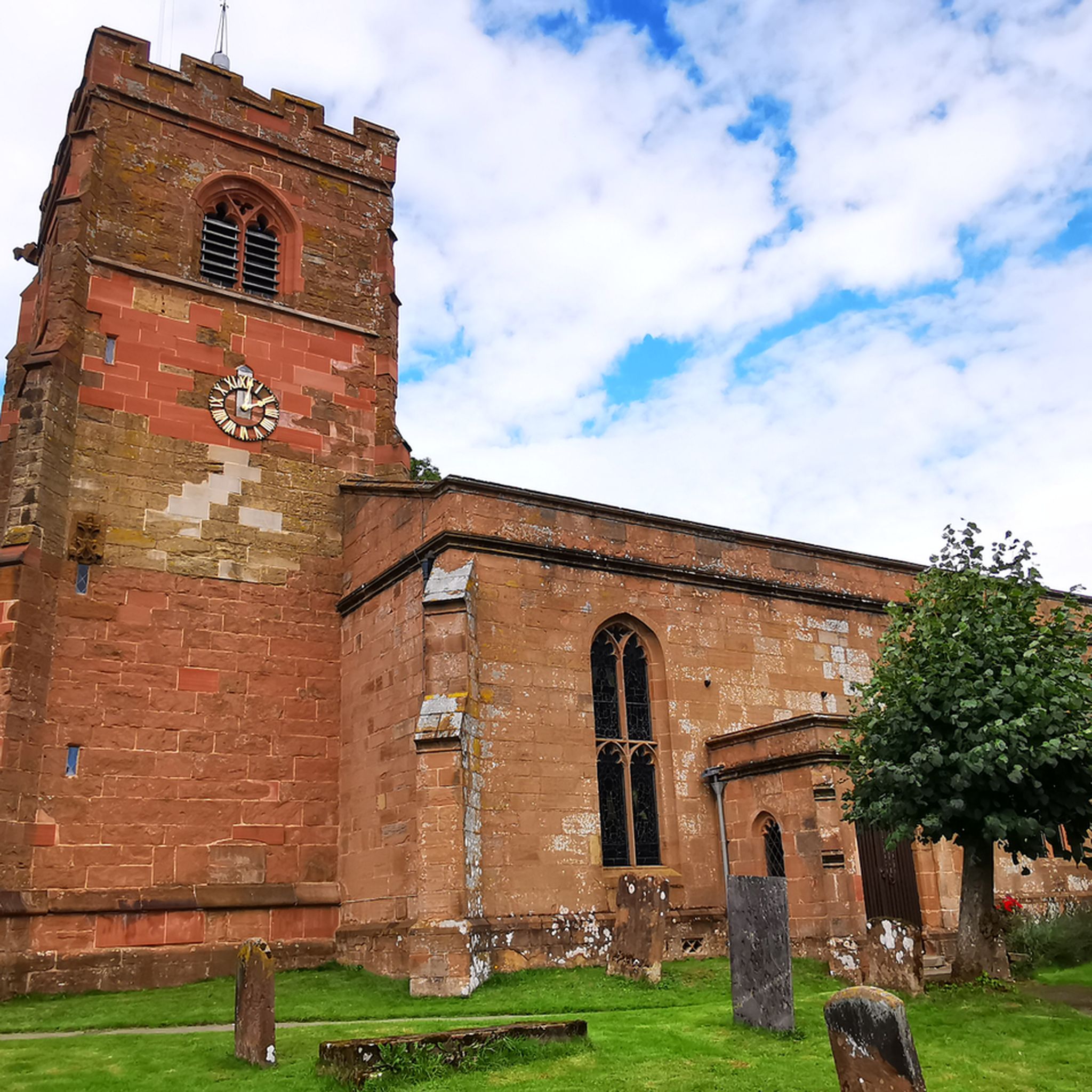
Astley Church and Castle
Highlight • Historical Site
Tip by

Bagot's Castle
Highlight • Castle
Tip by
Kenilworth Castle Keep
Highlight • Historical Site
Tip by
Sign up for free to discover even more castles around Allesley.
Already have an account?
Start today with a free account
Your next adventure awaits.

Tips from the Community

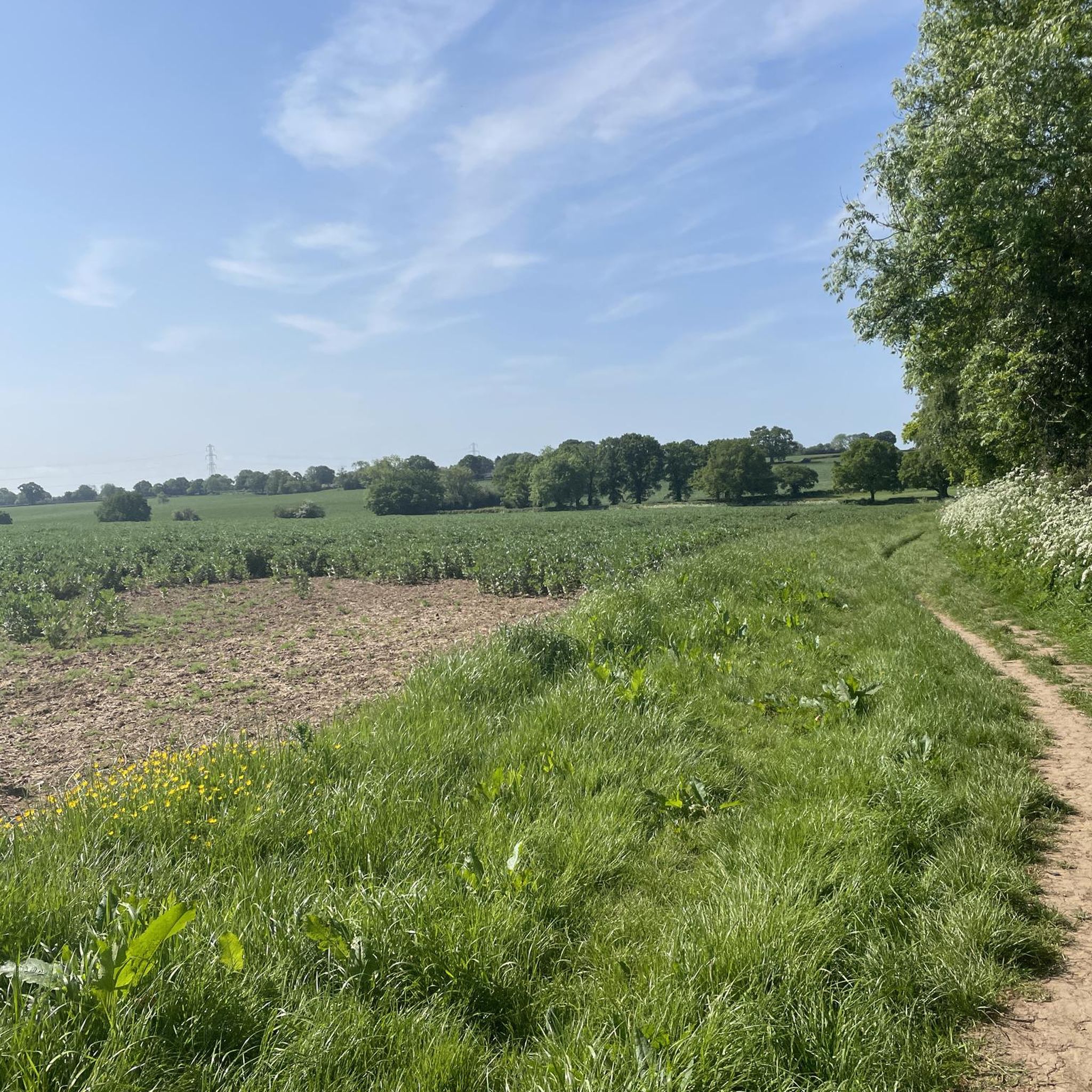
Hard to tell if how far you can investigate. There are information boards, footpath arrows and no "private signs" but I quickly got hollered at by cleaners as I got close to the ruins. There is a sign saying "Please respect the Residents Privacy" It is now a holiday let and the ladies doing the hollering were the cleaning crew. There are open days, you can book through the web site - which also confusing details where you can and cannot go. Be prepared for a hollering - as its worth a close look.
1
0

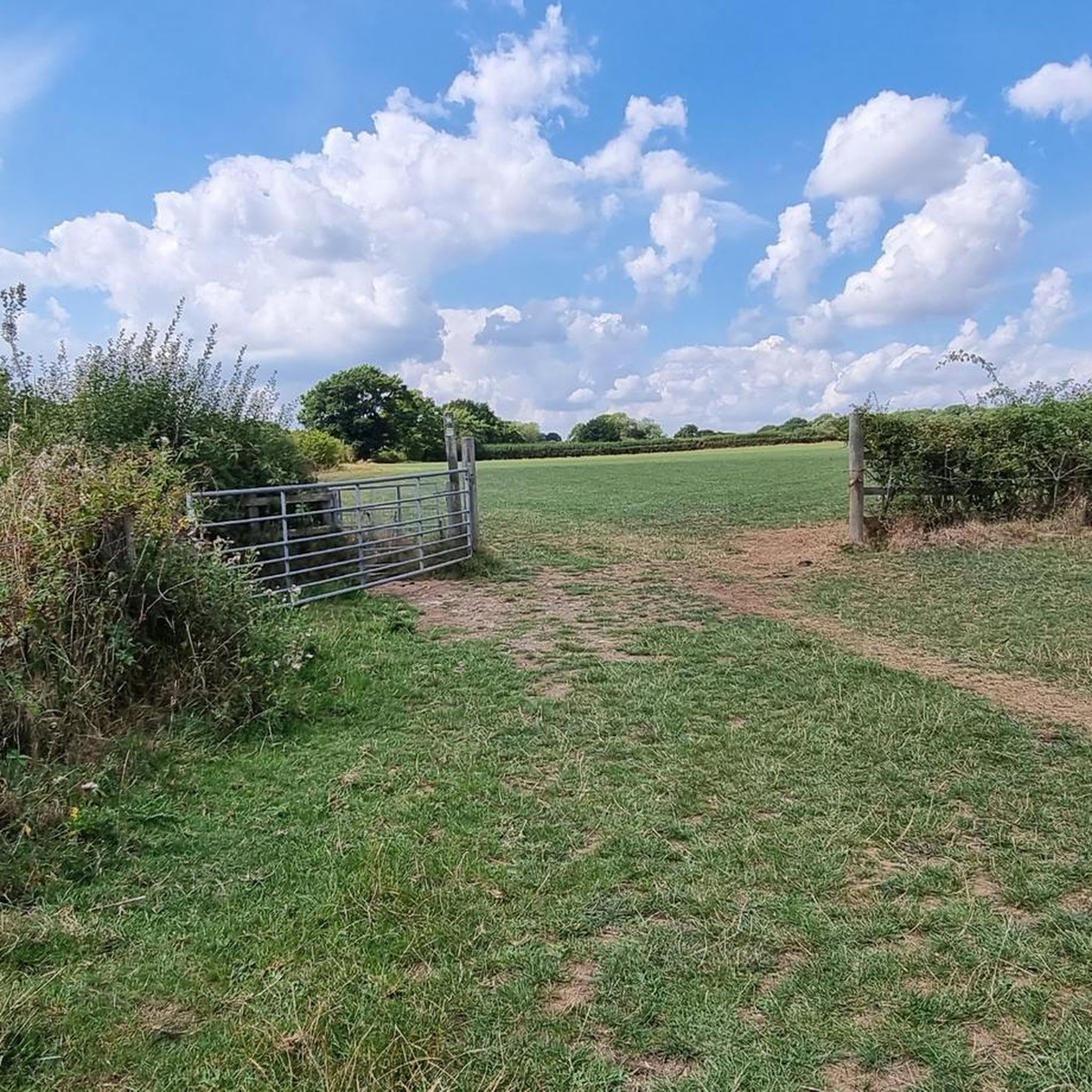
The area surrounding Castle Green offers picturesque views of the castle ruins and a greenery for visitors interested in England's rich history and architecture
0
0

Robert Langham (C16) - "The Castle has the name of Killingwoorth, but if truth grounded upon faithful story, Kenelwoorth [Kenilworth]. It stands in Warwickshire, a 74 mile North-West from London, and as it were in the navel of England, four mile somewhat South from Coventry a proper city, and a like distance from Warwick, a fair Shire town on the North. In air sweet and wholesome, raised on an easy-mounted hill, is set evenly coasted with the front straight into the East, has the tenants and town about it, that pleasantly shifts from dale to hill, sundry wherewith sweet springs burst forth; and is so plentiful and well sorted on every side into arable, meadow, pasture, wood, water, and good air, as it appears to have need of nothing that may pertain to living or pleasure."
1
0
On the north side is the massive sandstone keep or great tower, the defensive heart of the castle as well as the main residence during the 12th century. The two main floors were probably built in the 1120s, most of the top stage being added by King John about 1210–15. Robert Dudley, Earl of Leicester, introduced the large grid windows on the first floor in about 1570–71 to light a great room for entertaining. The north wall was demolished in 1649–50. On the west side is the forebuilding, which Dudley remodelled as an approach to the privy garden.
0
0
The dam was probably constructed in three phases; initially circa 1125, then subsequently raised by King John and lastly the western lane and bridge possibly 17th century. It is not known when the castle’s great defensive lake, created by the dam, was first called a Mere nor when the breach, shown here being repaired in 1964, was first called Hawkesworth’s Gap. At the end of the Civil War in 1649, Cromwell’s Parliamentarians were determined to ensure that the former Royalist strongholds would never again provide a safe haven for those who opposed the new republican parliament’s powers. So, Colonel Joseph Hawkesworth, MP was appointed to ‘slight’ or damage the castle beyond repair and it is said he breached the Tiltyard to drain the mere as part of the slighting.
0
0

Although much of it is still in ruins, it is definitely worth the visit, very accessible from the centre and with a good car park (paid) next to it. The castle, which was built between the beginning of Norman rule in England and the Tudor period, played a significant role in history.
1
0

Owned by English Heritage it has an interesting history
2
0

Fantastic Castle, and a quick walk around the outside of the battlements at the start of this walk allows you to see what an imposing fortification this really is. Putting yourself in the place of someone laying siege to this Castle, its easy to see how much of a disadvantage you would be at even today. We didn't go inside the Castle, but it looks to be well run and lots of families were enjoying the Castle activities.
1
0
Frequently Asked Questions
What is the historical significance of Allesley Castle?
Allesley Castle is a significant motte-and-bailey site, offering a glimpse into medieval history and Norman feudal control following the Norman Conquest. While its precise construction date is debated, it holds value for understanding early medieval defensive strategies. It is recognized as a scheduled historical monument.
What can visitors expect to see at Allesley Castle today?
Today, Allesley Castle consists mainly of a large earthen mound, known as the motte, surrounded by a defensive ditch. Visitors can explore these prominent earthworks and imagine the castle's past. It's a peaceful site for those interested in local history and medieval fortifications.
Beyond Allesley Castle, what other notable castles are in the region?
The broader region around Allesley features several significant castles. Highly recommended are Kenilworth Castle, known for its impressive Norman keep and historical importance, and Bagot's Castle, a 14th-century ruin undergoing conservation. Astley Castle is also a lovely treasure, best accessed by foot.
What is Kenilworth Castle known for?
Kenilworth Castle is renowned for its impressive 12th-century Norman keep, which was the heart of castle life for 500 years. It played an important role in the War of the Roses and hosted Queen Elizabeth I. The castle also features the Tiltyard Dam, a man-made monument that was part of its defensive lake system.
Are there family-friendly castles to visit near Allesley?
Yes, several castles in the region are considered family-friendly. Kenilworth Castle is a great option, often hosting jousts, re-enactments, and themed days. Bagot's Castle also has an education visitor centre and picnic area, making it suitable for families.
What outdoor activities can I do near these castles?
The area around Allesley offers various outdoor activities. You can find numerous road cycling, touring cycling, and hiking routes. For example, there are several hiking loops like the 'ACW Circular Walk 19: Ancient Arden' or cycling routes such as 'Kenilworth Greenway – Old Railway Tunnel loop'. You can explore more options on the hiking guide or cycling guide for Allesley.
Are there hiking trails near the castles around Allesley?
Yes, there are several hiking trails available. For instance, you can explore the 'ACW Circular Walk 19: Ancient Arden' (12.3 km, moderate) or shorter loops like 'Hiking loop from Corley Moor' (6.4 km, easy). These trails often pass by or offer views of historical sites. Find more details in the Hiking around Allesley guide.
What natural features can be found near the castles?
Near Allesley Castle, the motte's preservation within what was once a deer park highlights the evolution of medieval sites into later aristocratic estates and public spaces. At Kenilworth Castle, the Tiltyard Dam created a large defensive lake, known as a 'mere', which is a significant man-made natural feature.
What is the best time to visit castles near Allesley?
While specific opening times vary, visiting during spring or autumn often provides pleasant weather for exploring the outdoor grounds and earthworks. Summer can also be ideal for events and longer daylight hours. For sites like Kenilworth Castle, checking their official website for current opening hours and event schedules is recommended, especially for winter visits.
Are there options for food and drink near the castles?
Yes, many of the larger castle sites, such as Kenilworth Castle, have on-site cafes and facilities. Additionally, the villages and towns surrounding these castles, including Allesley itself, offer local pubs and cafes where visitors can find refreshments.
How accessible are the castles near Allesley by public transport?
While Allesley Castle itself is within the district of Coventry, reaching other regional castles like Kenilworth Castle or Bagot's Castle often involves a combination of public transport (buses) and potentially some walking from the nearest stops. It's advisable to check local bus routes and schedules for specific castle destinations.
What do visitors enjoy most about the castles around Allesley?
Visitors appreciate the variety of castle types, from ancient earthworks like Allesley Castle to more intact medieval structures. The historical depth, the opportunity to imagine past eras, and the peaceful exploration of these sites are frequently highlighted. The komoot community has shared over 75 photos and given more than 190 upvotes, indicating a strong appreciation for the area's historical offerings.
Most popular routes around Allesley
Most popular attractions around Allesley

Get inspired with the komoot mobile app


Explore more
Looking for the best castles somewhere else? Discover other guides around Allesley:
