Top 11 Lakes around Allesley
Best lakes around Allesley are found outside the immediate residential and historic parkland areas of this West Midlands location near Coventry, England. Allesley itself does not feature natural lakes directly within its boundaries. To explore notable lakes, one typically needs to venture into the wider West Midlands region. These surrounding areas offer various bodies of water for outdoor activities.
Best lakes around Allesley
- The most popular lakes is Shustoke Reservoir, a lake that was completed in 1884 to supply…
Last updated: May 19, 2026
Shustoke Reservoir
Highlight • Lake
Tip by

Abbey Fields Park
Highlight • Settlement
Tip by

Sign up now to discover places like this
Get recommendations on the best single tracks, peaks, & plenty of other exciting outdoor places.
Sign up for free
Oxpen Meadow Lake
Highlight • Natural
Tip by

Barston Lake
Highlight • Lake
Tip by

Blythe Waters
Highlight • Rest Area
Tip by
Sign up for free to discover even more lakes around Allesley.
Sign up for free
Already have an account?
Start today with a free account
Your next adventure awaits.
Login or Signup

Tips from the Community

Formerly a fishpond belonging to the Abbey of St Mary up until the dissolution, Robin Leach dates its draining to become the oxpen meadow as c1650. The meadow was first flooded for skating in 1879, and re-flooded as a wartime water supply in 1940. By 1948 it was drained again and used for an agricultural show. The decision to flood the meadow permanently came in 1997.
0
0
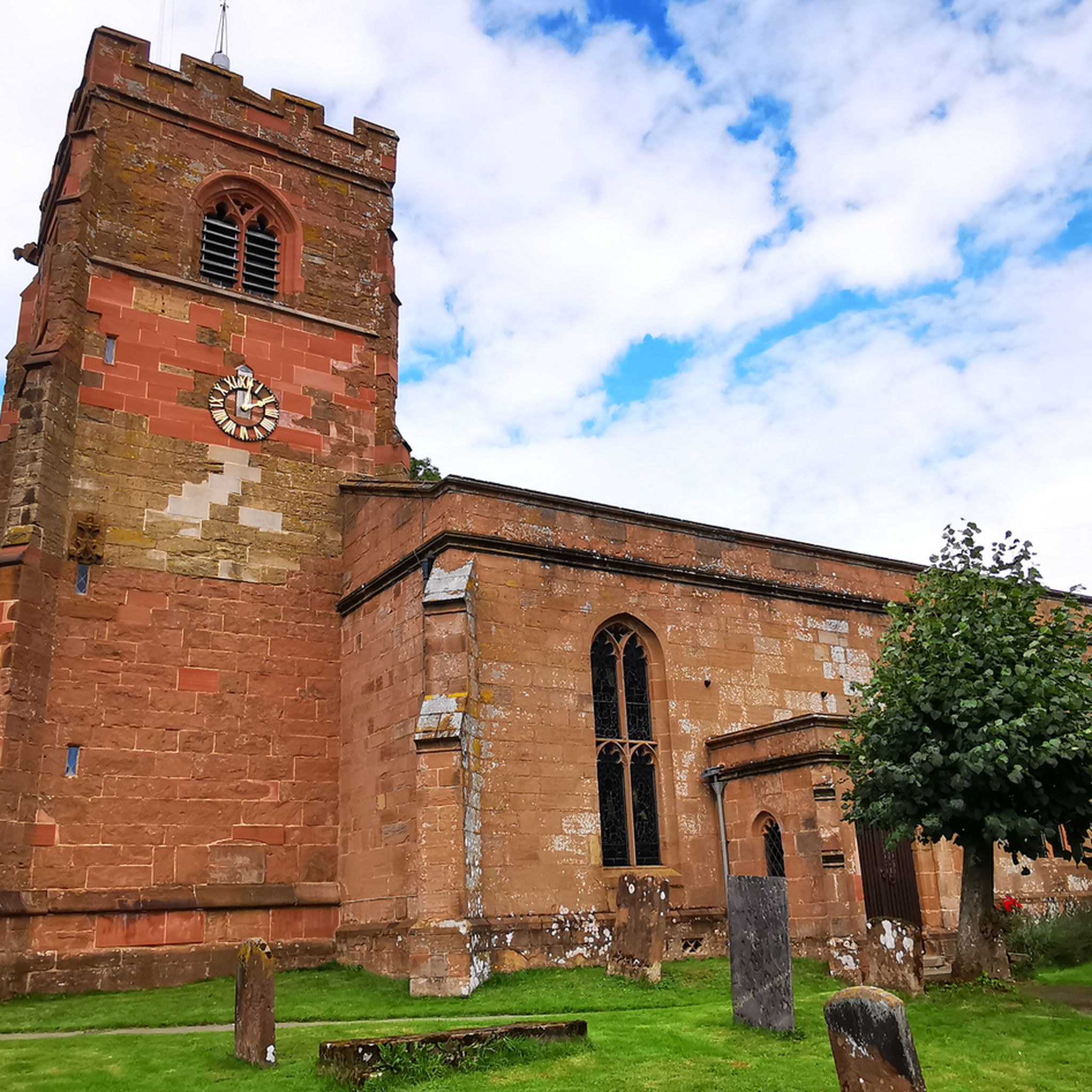
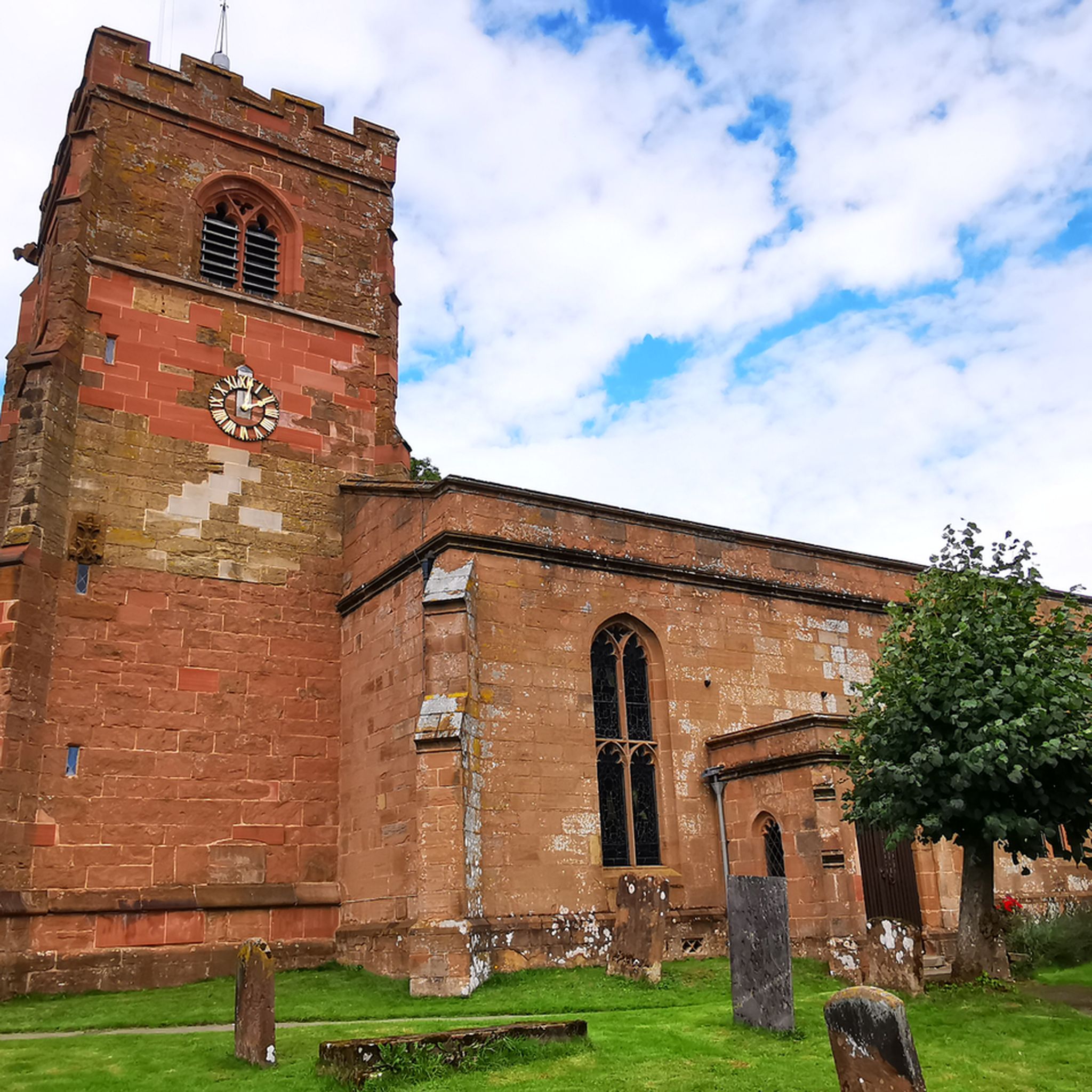
Abbey Fields is set in the dramatic valley of the Finham Brook and enjoys views of the historic town and Kenilworth castle. Grassy slopes, a lake, historic buildings and veteran trees recall Abbey Fields’ past as the farmland of St Mary’s Abbey, whose ruins adjoin the park. Because of its important heritage, Abbey Fields is a Scheduled Ancient Monument.
0
0

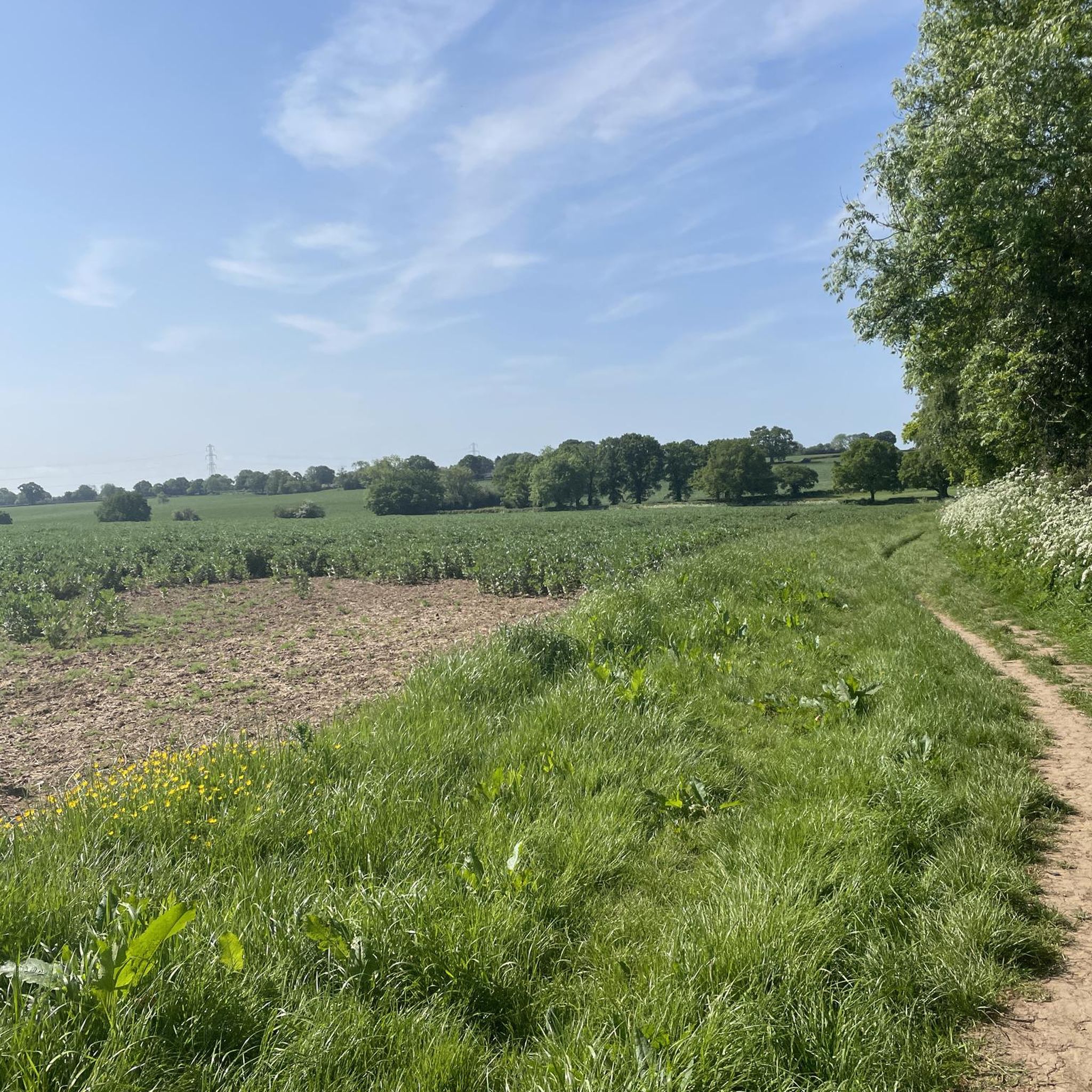
Shustoke Reservoir is managed by Severn Trent. The reservoir was completed in 1884 to provide water for Birmingham. Nowerdays the reservoir supplies Nuneaton and the surrounding area.
1
0


The history of Shustoke Why were the reservoirs created here? In 1870 the Industrial Revolution was in full swing, as was the birthrate and the need for clean water was becoming more pressing. The Birmingham Water Works Company therefore applied to Parliament for permission for water to be taken from the Rivers Bourne and Blythe, whose gathering grounds in rural areas to the East of Birmingham were declared to be away from pollution, and to impound the water from the Bourne in a reservoir which was built at Shustoke. A pumping station, filter beds and another small reservoir was also constructed at Whitacre. What was here before? Before the reservoir was built, the land was occupied by Whitacre Lodge which was part of the Hams Estate. This was sold by Lord Norton in 1879, for the building of Shustoke Reservoir. How long did it take to build the Reservoirs? The time-scale granted for this work was 10 years and although most of the work at Whitacre was completed in the time scheduled, an extension of five years was applied for in 1879 as the reservoir at Shustoke had hardly been started; the eventual completion was around 1884. What is the Reservoirs role in the water supply network? When the reservoirs were built they were to supply water to the nearby Whitacre Treatment Works, which was to provide 28 million litres of water daily to Birmingham. As the city grew this soon became inadequate and with the completion of the Elan Valley scheme in 1904 Whitacre was relegated to standby duty. In 1908 Whitacre was recommissioned to supply water to Coventry to supplement the local borehole supplies. In the 1050’s Whitacre also started to supply Nuneaton and now about 10% of the water from Shustoke supplies Coventry with the rest going to Nuneaton and the surrounding districts of Bedworth and Atherstone. Where does the water come from? The water is gravity fed by the nearby River Bourne which runs along the north of the two reservoirs. How deep and big are the reservoirs? The reservoirs consist of a settling pool of 7.8 acres and a storage reservoir of 92 acres. Combined they have a capacity of around 460,000,000 gallons.
0
0

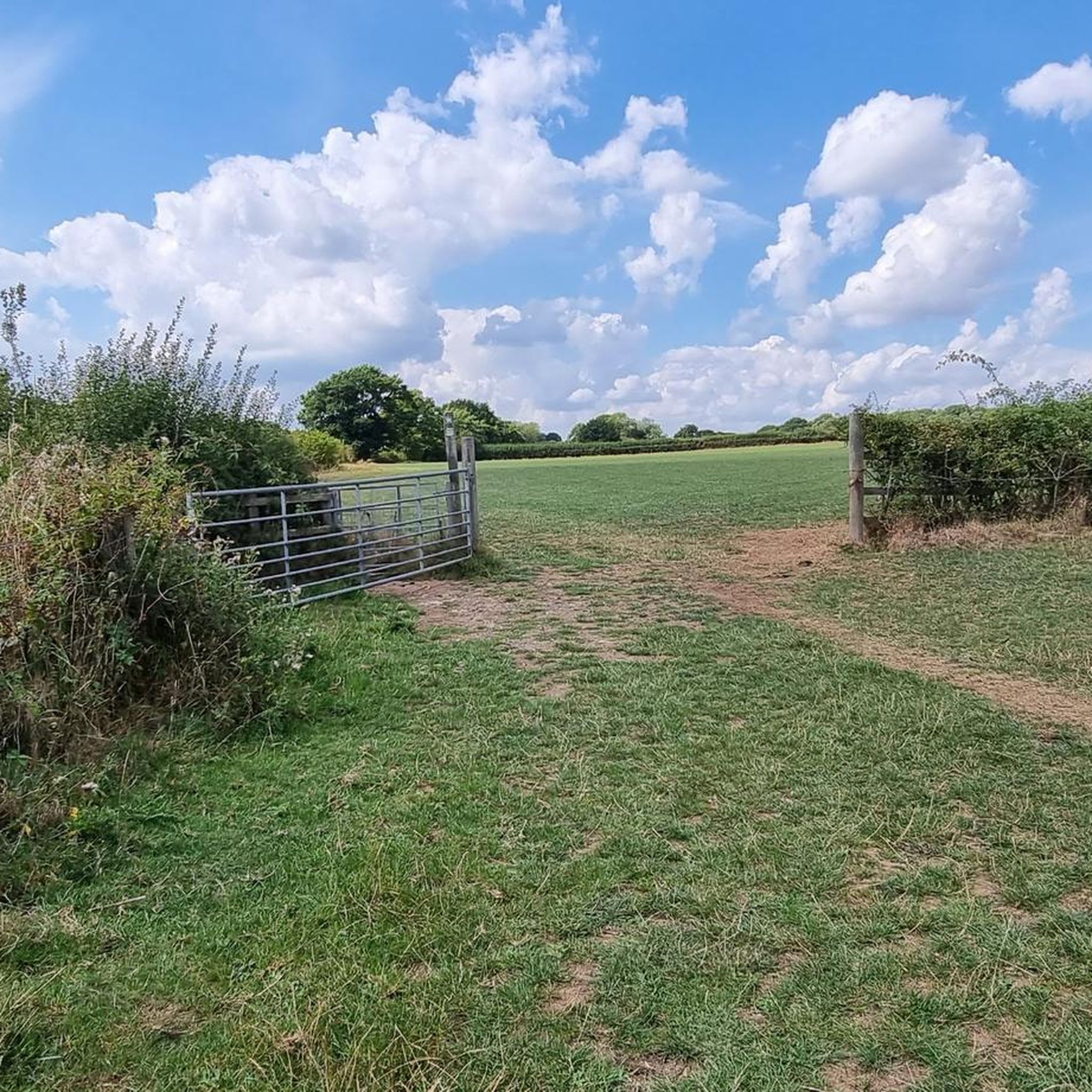
Lake and caravan park, public allowed in if they open the gates for you... goes down onto the canal path as well...
0
0

Lovely park with a great view over lake in the centre of old Kenilworth
1
0
Frequently Asked Questions
What kind of lakes can I expect to find near Allesley?
While Allesley itself doesn't have natural lakes, the wider West Midlands region offers a variety of lakes, including historic reservoirs like Shustoke Reservoir, lakes within parkland settings such as Abbey Fields Park, and spots popular for fishing and other recreational activities like Barston Lake.
Are there family-friendly lakes around Allesley?
Yes, several lakes in the area are suitable for families. Abbey Fields Park, Barston Lake, Oxpen Meadow Lake, and Blythe Waters are all noted as family-friendly, offering space for walks and enjoying the outdoors.
What historical or natural features can I explore near these lakes?
You can discover rich history and natural beauty. Abbey Fields Park, for instance, offers views of Kenilworth Castle and features veteran trees, recalling its past as farmland for St Mary’s Abbey. Shustoke Reservoir has a fascinating history as a water supply completed in 1884, while Oxpen Meadow Lake was historically a fishpond belonging to St Mary's Abbey.
What outdoor activities can I do around the lakes near Allesley?
The lakes and surrounding areas provide opportunities for various outdoor activities. You can enjoy walking, fishing, and horseback riding at places like Barston Lake. The wider region also offers numerous hiking and mountain biking routes. For more details on routes, you can explore the Hiking around Allesley guide or the MTB Trails around Allesley guide.
Are there easy walking trails around lakes near Allesley?
Yes, there are several easy walking options. Many of the lakes within parkland settings, such as Abbey Fields Park, offer accessible paths suitable for leisurely strolls. For more easy hiking routes in the general area, you can refer to the Easy hikes around Allesley guide.
What do visitors enjoy most about the lakes near Allesley?
Visitors appreciate the serene environments for walking and observing local wildlife. Places like Barston Lake are popular for fishing, while Abbey Fields Park is loved for its scenic views and historical context, including glimpses of Kenilworth Castle.
Can I find dog-friendly walks around the lakes?
Many of the public parklands and reservoir areas around Allesley are dog-friendly, though specific rules may apply regarding leashes or restricted areas. It's always best to check local signage at each location. Generally, areas with walking paths around lakes are suitable for walks with dogs.
Are there any lakes with amenities like cafes or pubs nearby?
While specific cafes or pubs directly on the lake shores are not universally available, many lakes are located within or near towns and villages where such amenities can be found. For example, Abbey Fields Park is situated in Kenilworth, offering easy access to town facilities.
What is the best time of year to visit the lakes near Allesley?
The lakes can be enjoyed year-round. Spring and summer offer lush greenery and warmer weather ideal for longer walks and outdoor activities. Autumn provides beautiful foliage, and even winter can be picturesque for crisp walks, though paths might be muddy. Always check local conditions before your visit.
Is there parking available at the lakes?
Parking availability varies by location. Larger sites like Shustoke Reservoir typically have dedicated parking facilities. For other lakes, parking might be available in nearby public car parks or on-street, especially if they are part of a park or village. It is advisable to check specific location details before traveling.
Are there any lakes accessible by public transport?
Accessibility by public transport depends on the specific lake's location. Lakes closer to towns, such as Abbey Fields Park in Kenilworth, are generally better served by bus routes. For more remote locations like Shustoke Reservoir, public transport options might be limited, and driving is often the most convenient way to access them.
What is <a href="https://www.coventry.gov.uk/directory-record/57112/allesley-park" target="_blank" rel="noopener">Allesley Park</a> like, and does it have a lake?
Allesley Park is a picturesque historic green space with a walled garden, located within Allesley. While it offers beautiful scenery and recreational opportunities, it does not feature a natural lake directly within its boundaries. For lakes, you would need to explore the wider region.
Most popular routes around Allesley
Most popular attractions around Allesley

Get inspired with the komoot mobile app


Explore more
Still not found your perfect lake around Allesley? Check out the guides of these regions to see even more beautiful places.
