Top 10 Lakes around Whitcombe
Lakes around Whitcombe, a village in Dorset, England, offer diverse natural features and recreational opportunities. The area is characterized by its proximity to significant water bodies, including Britain's largest tidal lagoon and various nature reserves. These locations provide opportunities for nature observation, walking, and exploring the local landscape. The region's geography includes coastal paths, chalk downs, and tranquil wetlands.
Best lakes around Whitcombe
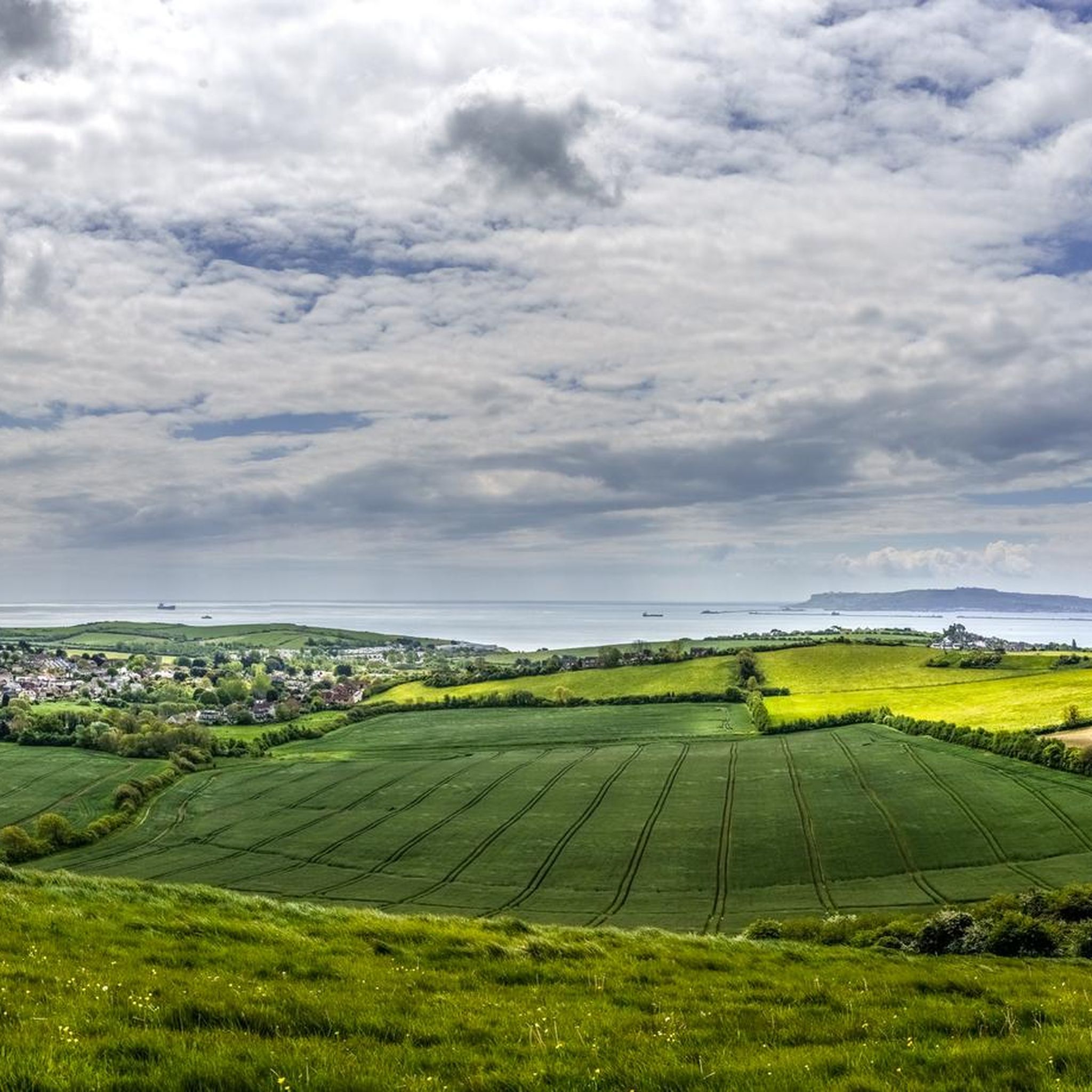
- The most popular lakes is The Fleet Lagoon, a viewpoint that is Britain's largest tidal lagoon,…
Last updated: June 30, 2026
The Fleet Lagoon
Highlight • Viewpoint
Tip by

Rushy Pond
Highlight • Lake
nationaltrust.org.uk/visit/dorset/hardys-cottage/things-to-see-and-do-at-hardys-cottage
Tip by

Sign up now to discover places like this
Get recommendations on the best single tracks, peaks, & plenty of other exciting outdoor places.
Sign up for free
Chaldon Herring Coastal Path and Pond
Highlight • Trail
Really …
Tip by

Radipole Lake Nature Reserve
Highlight • Natural Monument
Although renamed in October 1999 as a tribute to Diana, Princess of Wales
Beautifully maintained and offering year round interest with stunning summer bedding, shrubs, herbaceous …
Tip by

RSPB Radipole Lake Nature Reserve
Highlight • Natural
Tip by
Sign up for free to discover even more lakes around Whitcombe.
Sign up for free
Already have an account?
Start today with a free account
Your next adventure awaits.
Login or Signup

Tips from the Community

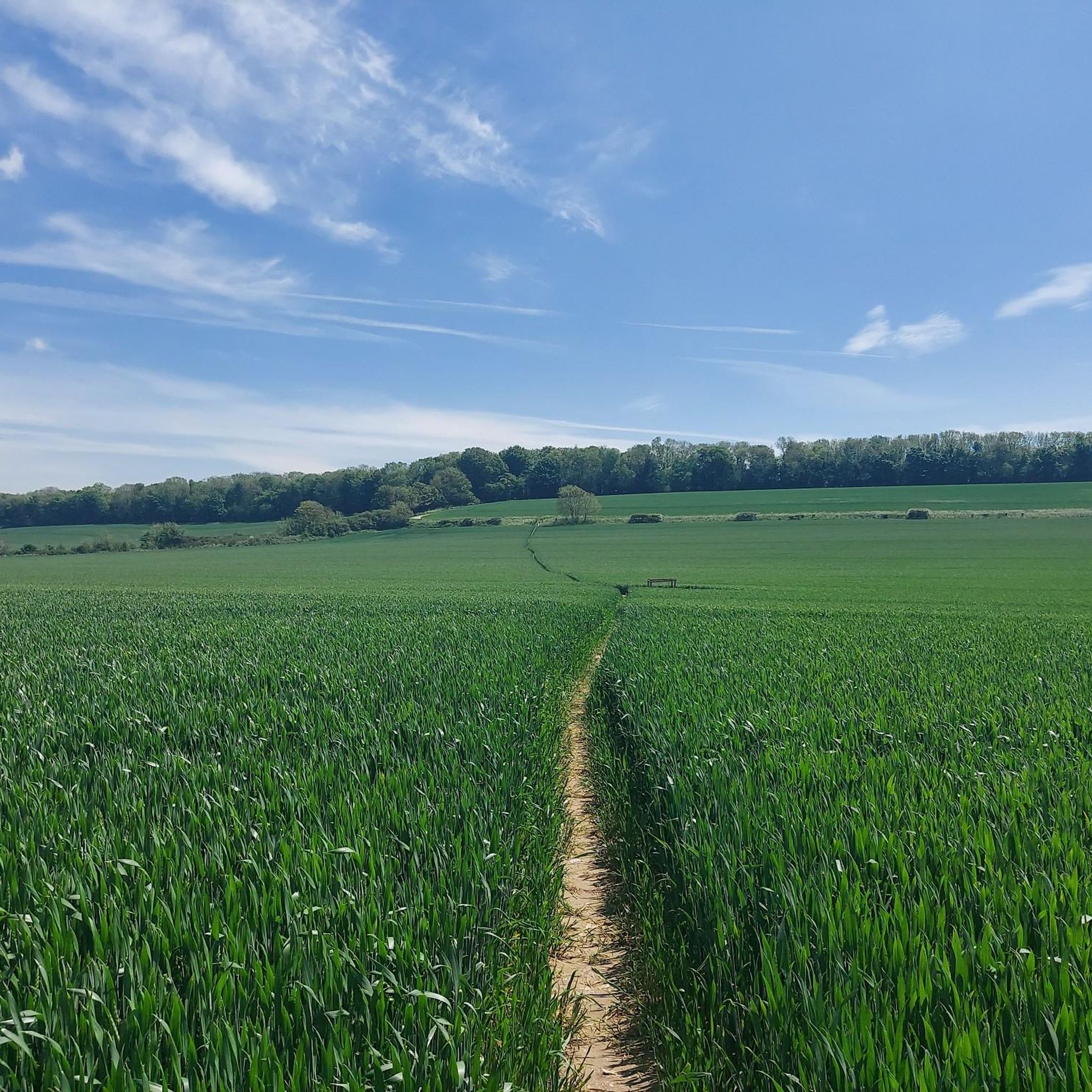
A picturesque trek, with relatively easy paths and very enjoyable.
0
0

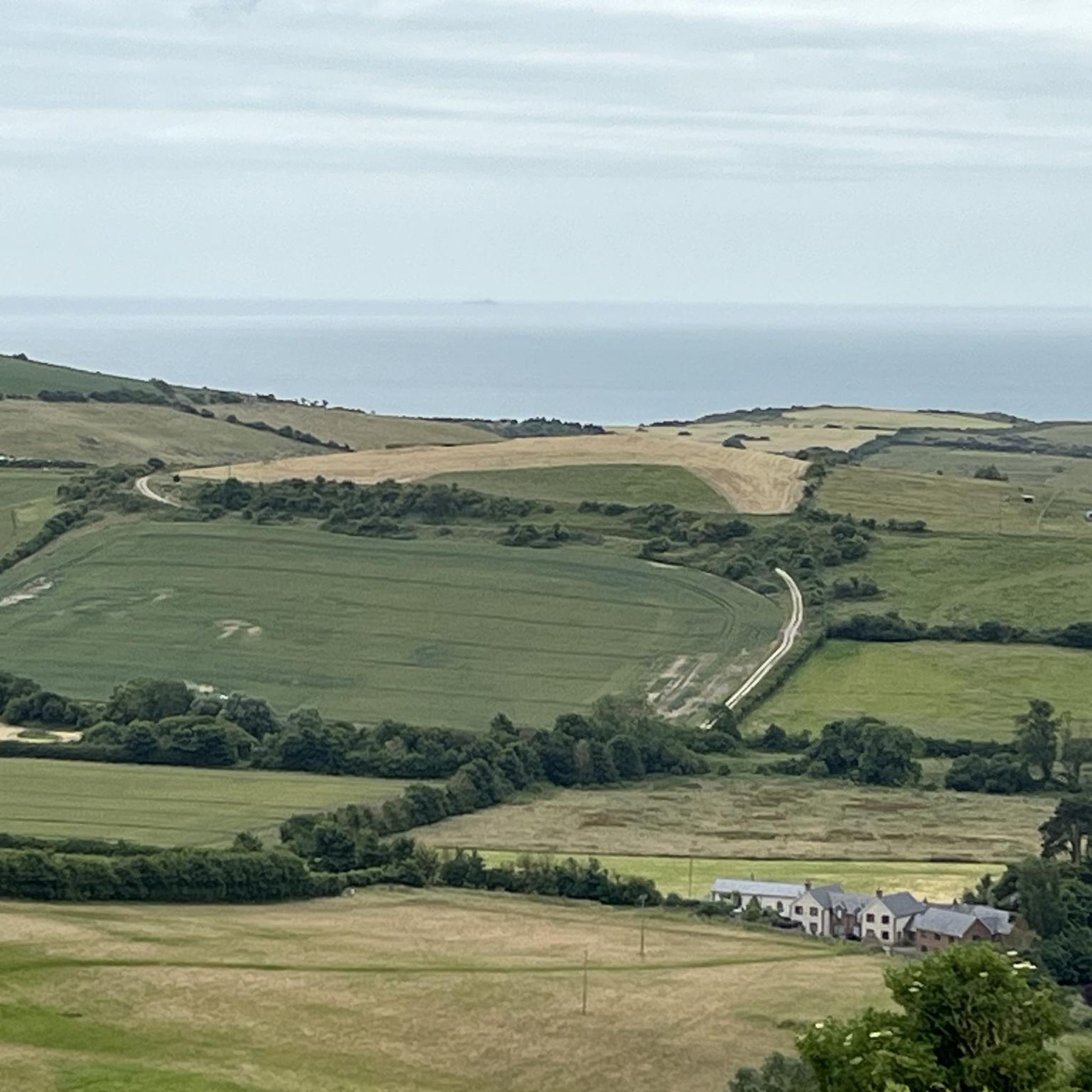
Lovely aspect whcih you can se in the great photo. Good spot when doing any number of walks in Puddletown forest and around. Harye's Cottace neatby - I think you have to book with he National Trust currently.
0
0

An important watering hole for wildlife and the resident Dartmoor ponies, Rushy Pond buzzes with dragonflies and damselflies, whilst the pond’s surface is often disturbed by a newt surfacing for air or a grass snake on the hunt. https://www.nationaltrust.org.uk/visit/dorset/hardys-cottage/things-to-see-and-do-at-hardys-cottage
3
0

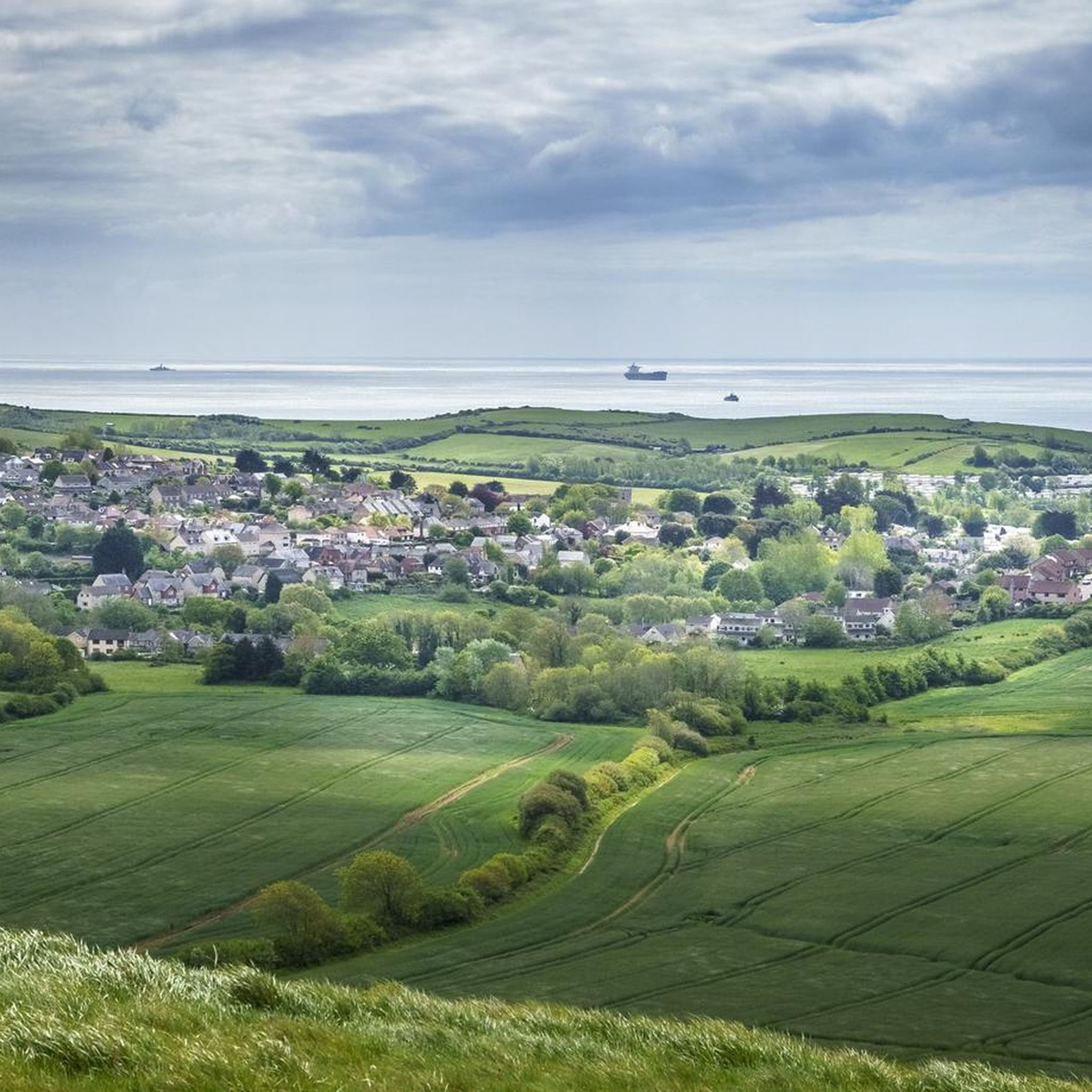
An extensive oasis of relative calm compared with the open sea across Chesil Beach, the Fleet Lagoon is a vital shelter and feeding area for wildlife. This long, shallow stretch of water is England’s largest lagoon at around 480 hectares. Home to the famous Abbotsbury Swannery and large numbers of over-wintering Brent geese, the Lagoon draws wildlife watchers to its shores. Visitors can also see other resident and migrant birds like little terns, wigeon, pochard, coots, even an occasional passing osprey. In addition to its birds, the Fleet Lagoon Marine Protected Area also protects numerous plants and animals. Several marine plants like seagrasses, stoneworts and salt marsh, and animals like lagoon sandworms, lagoon sand shrimps and the rare DeFolin’s lagoon snail all benefit from the Fleet’s status as an MPA. The Fleet Lagoon is also an important nursery area for several types of fish like bass, black bream, sand smelt, mullets and gobies. Commercial fishing does occur in the Fleet although it is tightly controlled and limited in its extent. Toward the seaward end, oysters are also farmed commercially.
0
0

Many birds can be observed here, it is a special place.
0
0

Great nature reserve effectively in the middle of Weymouth.
0
0

Radipole Lake is a nature reserve managed by the RSPB. The reed beds and water channels are home to a variety of birds and animals including kingfishers and otters.
0
0

Radipole Park and Gardens Although renamed in October 1999 as a tribute to Diana, Princess of Wales Beautifully maintained and offering year round interest with stunning summer bedding, shrubs, herbaceous perennials and bulbs. A variety of trees, as well as a walkway of Weeping Willows, makes this very peaceful
0
0
Frequently Asked Questions
What kind of wildlife can I expect to see around the lakes near Whitcombe?
The lakes around Whitcombe are rich in wildlife. At The Fleet Lagoon, you can observe a magnificent variety of birds, including overwintering Brent geese, little terns, wigeon, and even occasional ospreys. It's also home to various marine plants and animals like seagrasses and rare snails. Rushy Pond is known for its resident Dartmoor ponies, dragonflies, damselflies, newts, and grass snakes. Radipole Lake Nature Reserve is an excellent spot for birdwatching, with various waterfowl, kingfishers, and otters.
Are there good spots for birdwatching near Whitcombe?
Yes, the area offers excellent birdwatching opportunities. The Fleet Lagoon is a vital shelter and feeding area for numerous bird species, including large numbers of overwintering Brent geese. Radipole Lake Nature Reserve, managed by the RSPB, provides tranquil wetlands and paths specifically designed for viewing waterfowl like swans and ducks, as well as kingfishers.
Are there walking or hiking trails near the lakes around Whitcombe?
Absolutely. You can find various walking and hiking trails. The Chaldon Herring Coastal Path and Pond offers a combination of coastal scenery and quiet roads. For more extensive options, you can explore easy hikes like 'The Springhead Pub loop from Preston' or 'Dorchester Borough Gardens loop from Dorchester' which are part of the Easy hikes around Whitcombe guide. Radipole Lake Nature Reserve also features accessible paths for pleasant strolls.
What outdoor activities are available near the lakes around Whitcombe?
Beyond walking and birdwatching, the region offers diverse outdoor activities. You can find mountain biking trails, such as 'Dorset Singletrack Trail – Puddletown Forest loop,' detailed in the MTB Trails around Whitcombe guide. For runners, there are routes like 'Weymouth Bay Cycle Path – Greenhill Gardens loop' in the Running Trails around Whitcombe guide. The Fleet Lagoon is also an important nursery area for various fish species.
Are the lakes around Whitcombe suitable for families with children?
Yes, several spots are family-friendly. The Fleet Lagoon offers tranquil scenery and wildlife observation suitable for all ages. Rushy Pond is fascinating for children with its dragonflies, newts, and resident Dartmoor ponies. Radipole Lake Nature Reserve provides accessible paths and plenty of waterfowl to observe, making it a great outing for families.
Are there any accessible trails or areas for visitors with mobility needs?
Yes, Radipole Lake Nature Reserve is known for its accessible paths, making it suitable for visitors with mobility needs who wish to enjoy birdwatching and the serene natural setting.
What is the best time of year to visit the lakes around Whitcombe?
The best time to visit depends on your interests. For birdwatching, especially to see overwintering Brent geese, the cooler months are ideal for The Fleet Lagoon. In warmer months, Rushy Pond buzzes with dragonflies and damselflies. Generally, spring and summer offer pleasant weather for walks and observing diverse wildlife, while autumn provides beautiful scenery.
Are there places to eat or drink near the lakes?
Yes, you can find options for refreshments. In the village of Chaldon Herring, near the Chaldon Herring Coastal Path and Pond, there is a quaint pub called The Sailor's Return. Other pubs and cafes can be found in nearby towns and villages, offering places to relax after exploring the lakes.
What makes The Fleet Lagoon unique among the lakes in the area?
The Fleet Lagoon is unique as Britain's largest tidal lagoon, stretching 13 km (8 miles) and covering 480 hectares (1,186 acres). It is recognized as a Site of Special Scientific Interest (SSSI) due to its exceptional biodiversity, including rare marine plants and animals, and its importance as a habitat for numerous bird species.
What is special about Rushy Pond?
Rushy Pond is a significant watering hole for local wildlife, including resident Dartmoor ponies. It's particularly noted for its vibrant insect life, with abundant dragonflies and damselflies, and the chance to spot newts and grass snakes on or near its surface, making it a haven for wildlife enthusiasts.
Are there any historical aspects to the areas around the lakes?
Yes, the area around Chaldon Herring Coastal Path and Pond has a rich history. The village of Chaldon Herring, set within the South Dorset chalk downs, is known for its tales of smuggling goods from France into the UK, adding a historical dimension to your visit.
How can I get to the lakes around Whitcombe by public transport?
While specific public transport routes to each lake can vary, major hubs like Dorchester and Weymouth (near Radipole Lake Nature Reserve) are well-served by buses and trains. From these towns, local bus services or taxis can often connect you to the smaller villages and access points for the lakes. It's advisable to check local transport schedules for the most up-to-date information.
Is parking available at the lakes?
Parking availability varies by location. For popular spots like Radipole Lake Nature Reserve, designated parking areas are typically available. For smaller, more remote locations like Rushy Pond or access points to The Fleet Lagoon, you might find small car parks or roadside parking. Always check local signage and be mindful of private land.
Most popular attractions around Whitcombe

Get inspired with the komoot mobile app


Explore more
Still not found your perfect lake around Whitcombe? Check out the guides of these regions to see even more beautiful places.
