Top 5 Castles around Clonlum
Best castles around Clonlum are situated near Slieve Gullion in the Newry, Mourne and Down District Council area, encompassing parts of County Armagh and County Down. While Clonlum itself is known for archaeological sites like the Clonlum South Cairn, the surrounding region offers a diverse array of historically significant castles. These structures provide insights into various periods of Irish history and architectural styles.
Best castles around Clonlum
- The most popular castles is Narrow Water Castle, a castle that was…
Last updated: August 9, 2026
Castle Roche
Highlight • Castle
Tip by

Narrow Water Castle
Highlight • Other
tripadvisor.com/Attraction_Review-g736883-d7071009-Reviews-Narrow_Water_Keep_and_Castle-Warrenpoint_County_Down_Northern_Ireland.html
Narrow Water Keep/Tower House:
Wikipedia (Narrow Water Castle (Irish: Caisleán an Chaoil), 2022-09-25):
en.m.wikipedia.org/wiki/Narrow_Water_Castle
The actual Narrow Water Castle itself can be …
Tip by

Sign up now to discover places like this
Get recommendations on the best single tracks, peaks, & plenty of other exciting outdoor places.
Sign up for free
Moyry Castle
Highlight • Historical Site
Tip by

Bagenal's Castle
Highlight • Castle
Original features still surviving are the wground floor entrance to the kitchen, original jambs on some windows and a corbel from the machicolation which protected the doorway.
Tip by
Killeavy Castle
Highlight • Other
It features a pre-Victorian style with towers, Tudor windows, …
Tip by
Start today with a free account
Your next adventure awaits.
Login or Signup
Tips from the Community

Unfortunately, the castle was under scaffolding at the time of our visit.
0
0

On my way through County Armagh, I came across Moyry Castle, a ruined castle perched on a small hill overlooking the historic Moyry Pass - the so-called 'Gap of the North'. It is fascinating to think of how this strategic route was once crucial in securing control of the region. The castle's massive, weathered walls still speak of the turbulent times of the 17th century when it was built by the 1st Earl of Devonshire, Charles Blount. What struck me most was the atmosphere up here: a mixture of isolation and history. The small rectangular structure with its distinctive curves just has a different feel - not ostentatious or over-the-top, but rather functional and robust. The location offers sweeping views over the rolling hills and the Belfast-Dublin railway line that winds through the landscape. It's quiet up here, with only the gentle sound of the wind and the occasional train passing by in the distance. It's definitely worth a quick stop if you're looking for a place steeped in history that's not too crowded. The site is easily accessible and is well worth a detour from the main route. The surrounding meadows also offer a lovely spot for a little break - perfect for taking in the surroundings.
2
2
Moyry Castle stands over the Moyry Pass, also known as "The Gap of the North" - a strategically important crossing that has played an important role for centuries. The small, rectangular castle with its three floors and thick stone walls gives you an idea of the challenges that the defenders once had to overcome. It was built in 1601 by Charles Blount, 1st Earl of Devonshire, to secure the pass and control access to Ulster. As you explore the old fortress, you can see the surrounding landscape, which alternates between rolling hills and forests. It feels like you have been transported back in time, as the walls silently tell of long-ago conflicts. Just a short distance away is the Belfast-Dublin railway line, which shows you how this place has changed over time without losing its historical character. A visit to the castle not only gives you a sense of the country's history, but also of the strategic importance of the Moyry Pass, which has been the link between the north and south of Ireland for centuries.
1
2

Perfectly placed on the beautiful Shores of Carlingford Lough, this was a 13th century Norman keep, a replacement tower house and bawn was built at Narrow Water in the 16th century. The replacement structure, built in the 1560's, was a typical example of the tower houses built throughout Ireland at the time. The castle was damaged during the Irish Rebellion of 1641, and sold to the Hall family in the 1670's. It was occupied by the Hall family until they built an "Elizabethan revival style" mansion in the early 19th century. This Mansion is also called Narrow Water Castle.
0
0


Due to its privileged location, this incredible Anglo-Norman castle can be seen from miles around. It is believed to have been built in the first half of the 13th century by Lady Rohesia de Verdun after her husband's death. According to legend, she promised to marry the architect who built her a castle in Roche. When this happened and the architect claimed her hand, she threw him from one of the windows, which is known as the 'murder window.'
1
1
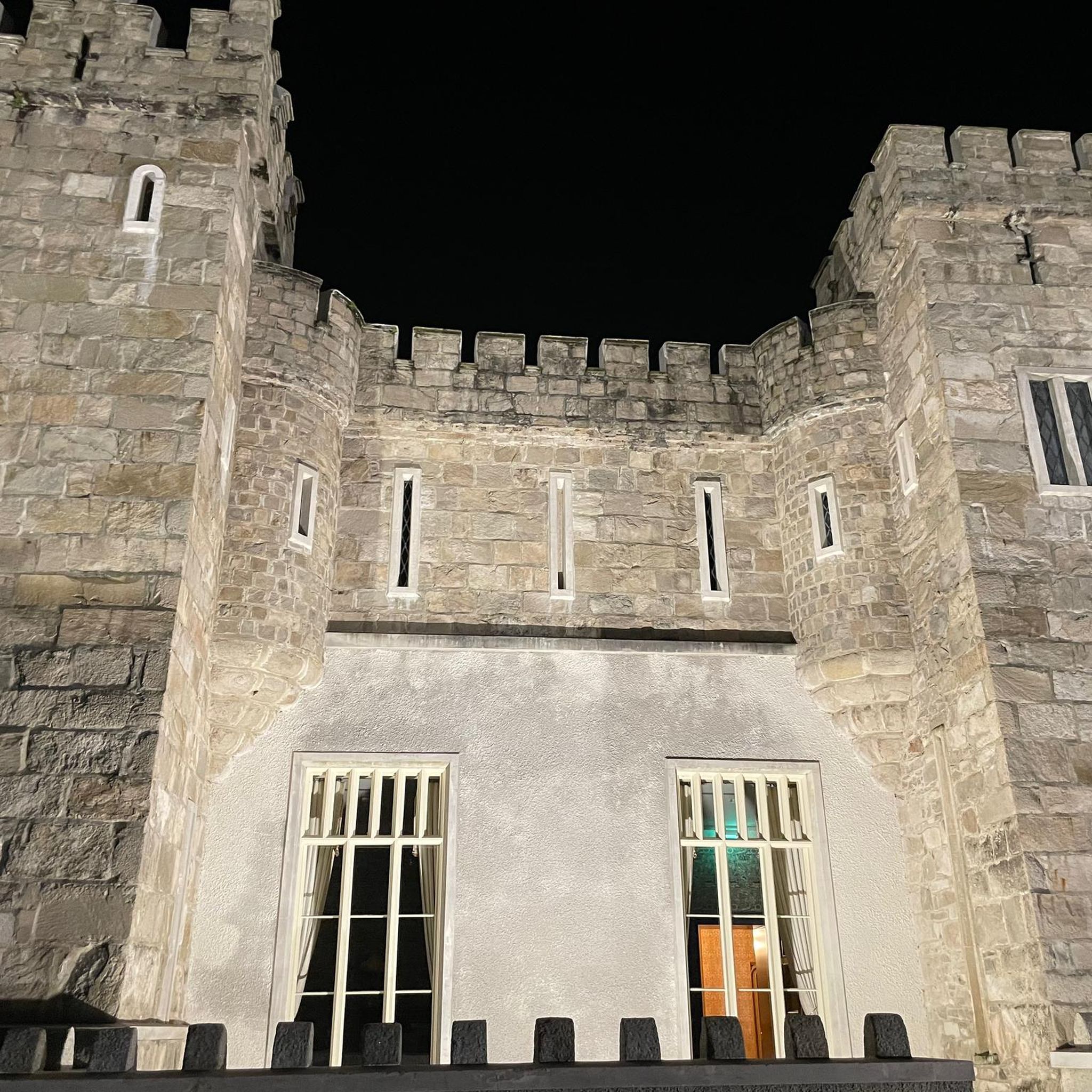
Formerly known as Killeavy Lodge, this Grade A listed historical building was constructed in the first half of the 19th century. It features a pre-Victorian style with towers, Tudor windows, and a medieval-style door. It currently operates as a restaurant, hotel, and events venue.
1
0
An example of a fortified house, Bagenal's Castle was built in the 1560s. Original features still surviving are the wground floor entrance to the kitchen, original jambs on some windows and a corbel from the machicolation which protected the doorway.
1
0
Frequently Asked Questions
What types of historical castles can I explore near Clonlum?
The area around Clonlum offers a diverse range of historical castles, from 13th-century royal strongholds to 16th-century fortified houses and 19th-century country estates. These structures provide insights into medieval defense, strategic routes, and later architectural styles, reflecting various periods of Irish history.
Are there any castles near Clonlum that offer a luxurious experience or accommodation?
Yes, Killeavy Castle, a 19th-century country house located at the base of Slieve Gullion, operates as a restaurant, hotel, and events venue. It offers a luxurious experience within a historic setting and features extensive woodlands to explore. You can learn more about it here.
Which castles near Clonlum are known for their strategic historical importance?
Moyry Castle, a 17th-century tower house built in 1601, is historically significant for defending the Moyry Pass, also known as 'The Gap of the North,' a crucial strategic route between Dublin and Ulster. Another is Narrow Water Castle, a 16th-century tower house strategically built to protect the Newry River. You can find more details about Moyry Castle here and Narrow Water Castle here.
Are there any castles near Clonlum that also function as museums or cultural centers?
Yes, Bagenal's Castle in Newry is a 16th-century fortified house that now serves as the home for the Newry and Mourne Museum and a Tourist Information Centre. During its restoration, many original features were uncovered, offering visitors a glimpse into 16th-century life. The museum covers local history from prehistory to the building of the merchant town. Learn more about Bagenal's Castle here.
Can I visit a castle near Clonlum with impressive ruins and sweeping views?
Greencastle, a 13th-century royal castle in the Newry and Mourne area, offers impressive ruins and sweeping views. It was built to guard the entry channel of Carlingford Lough, providing a dramatic setting and a glimpse into medieval defensive structures.
Which castle near Clonlum is notable for its architecture and extensive grounds?
Gosford Castle in Markethill, County Armagh, is a grand 19th-century country house designed in the Norman Revival style. It's one of Ireland's largest castles, and its extensive grounds, known as Gosford Forest Park, are open to the public for walking trails and outdoor activities. It has also been a filming location for *Game of Thrones*.
Is there an ancient, continuously inhabited castle near Clonlum?
Yes, Killyleagh Castle in County Down is the oldest inhabited castle in Northern Ireland, dating back to 1180. It features distinct French architectural cues, with significant alterations in the 17th and 19th centuries, creating a stunning stylistic juxtaposition.
Are there any castles near Clonlum with interesting legends or unique stories?
Castle Roche, an Anglo-Norman castle believed to have been built in the 13th century, is associated with a legend. Lady Rohesia de Verdun reportedly promised to marry the architect who built her a castle in Roche, only to throw him from a window, now known as the 'murder window,' after its completion. Its privileged location allows it to be seen from miles around. You can find more details about Castle Roche here.
What outdoor activities can I do near the castles around Clonlum?
The region around Clonlum offers various outdoor activities. You can find numerous MTB trails, running trails, and cycling routes. For example, you can explore the Ring of Gullion with cycling loops or enjoy running trails like the Slieve Gullion running loop.
Are there family-friendly options among the castles near Clonlum?
Several castles in the area offer family-friendly experiences. Bagenal's Castle, for instance, houses a museum that can be engaging for families interested in local history. Additionally, the grounds of Gosford Castle, known as Gosford Forest Park, provide walking trails and outdoor activities suitable for families.
What is the best time to visit the castles around Clonlum?
While specific opening hours vary by site, visiting during spring or autumn generally offers pleasant weather for exploring the castle grounds and ruins. Summer can also be ideal, though some sites might be busier. Always check individual castle websites for current operating hours before your visit.
Where can I find information about the ancient archaeological sites near Clonlum, beyond the castles?
Clonlum is primarily known for archaeological sites such as the Clonlum South Cairn, a Neolithic portal tomb. You can find more information about this heritage site on the Communities NI website.
Most popular attractions around Clonlum

Get inspired with the komoot mobile app


Explore more
Looking for the best castles somewhere else? Discover other guides around Clonlum:
