Top 6 Castles around Blackdown
Best castles around Blackdown are found within the Blackdown Hills, an Area of Outstanding Natural Beauty on the border of Devon and Somerset. This region features remnants of fortifications from its Iron Age and Norman past, offering historical insights. The landscape provides strategic viewpoints and natural beauty, making it a significant historical and geographical area.
Best castles around Blackdown
- The most popular castles is Kenilworth Castle, a castle that features an impressive 12th-century Norman keep. This defensive powerhouse was…
Last updated: October 3, 2026
Kenilworth Castle Ruins
Highlight • Castle
Tip by

Tiltyard Dam at Kenilworth Castle
Highlight (Segment) • Monument
Tip by

Sign up now to discover places like this
Get recommendations on the best single tracks, peaks, & plenty of other exciting outdoor places.
Bagot's Castle
Highlight • Castle
Tip by
Kenilworth Castle Keep
Highlight • Historical Site
Tip by
Guy's Tower, Warwick Castle
Highlight • Castle
Tip by
Sign up for free to discover even more castles around Blackdown.
Already have an account?
Start today with a free account
Your next adventure awaits.

Tips from the Community

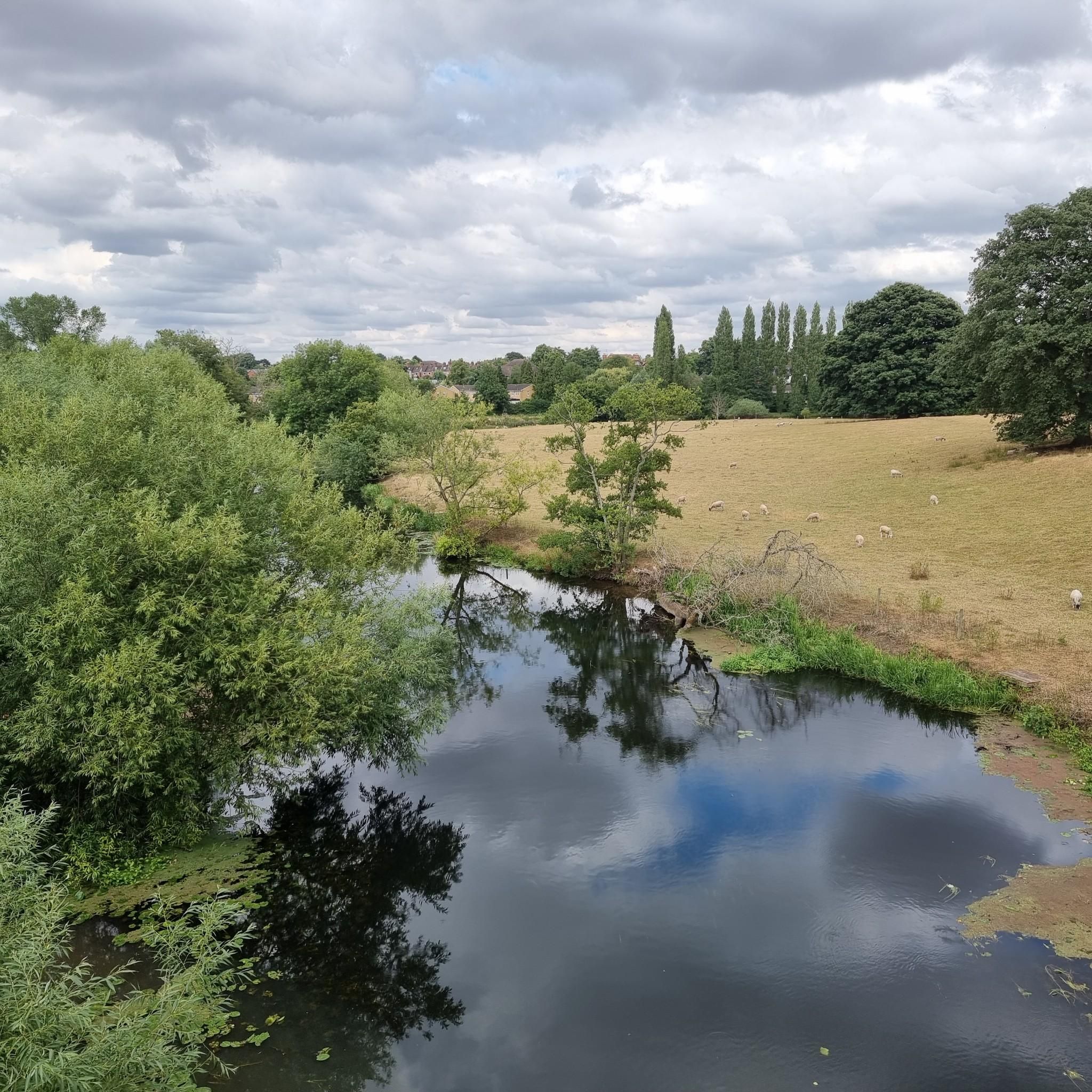
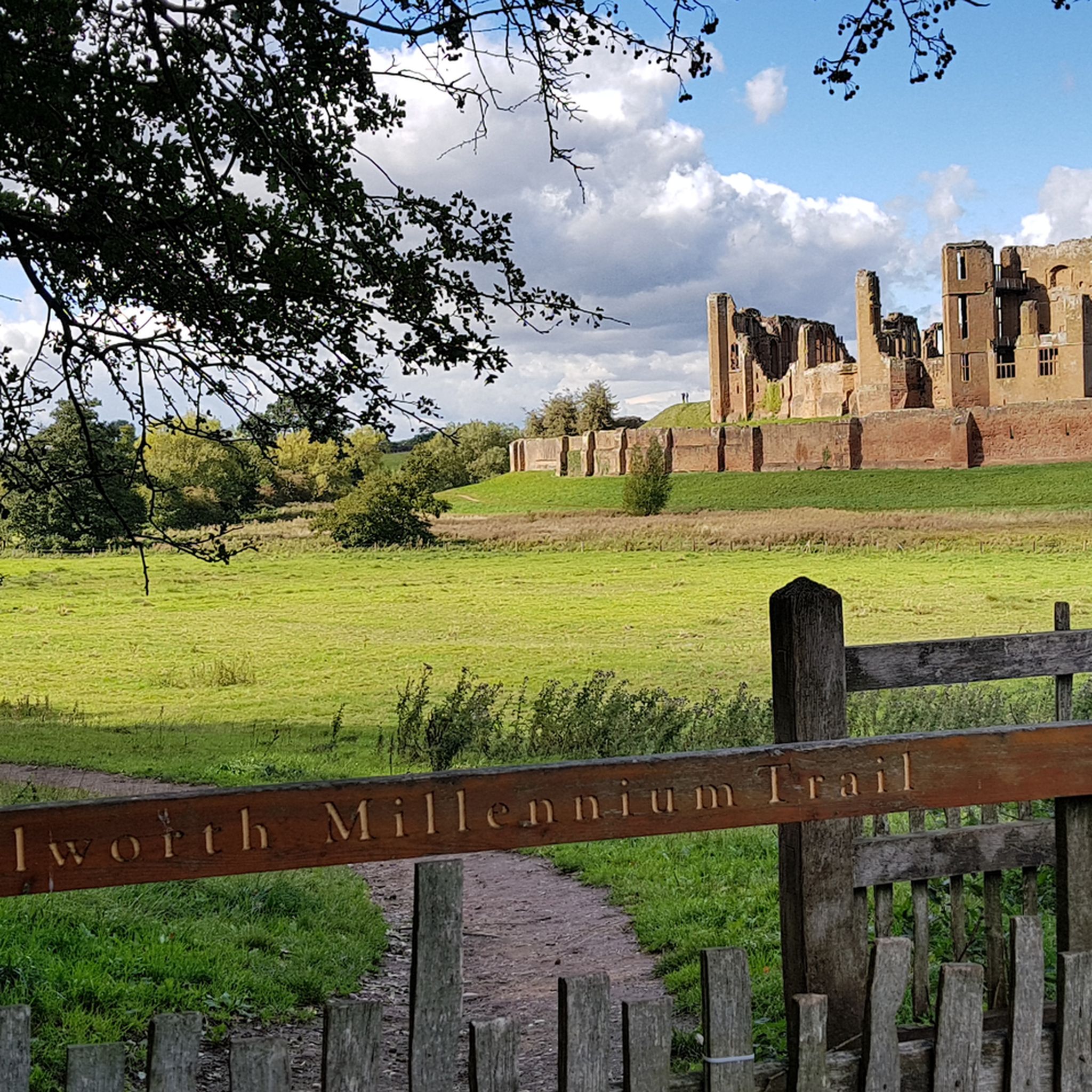
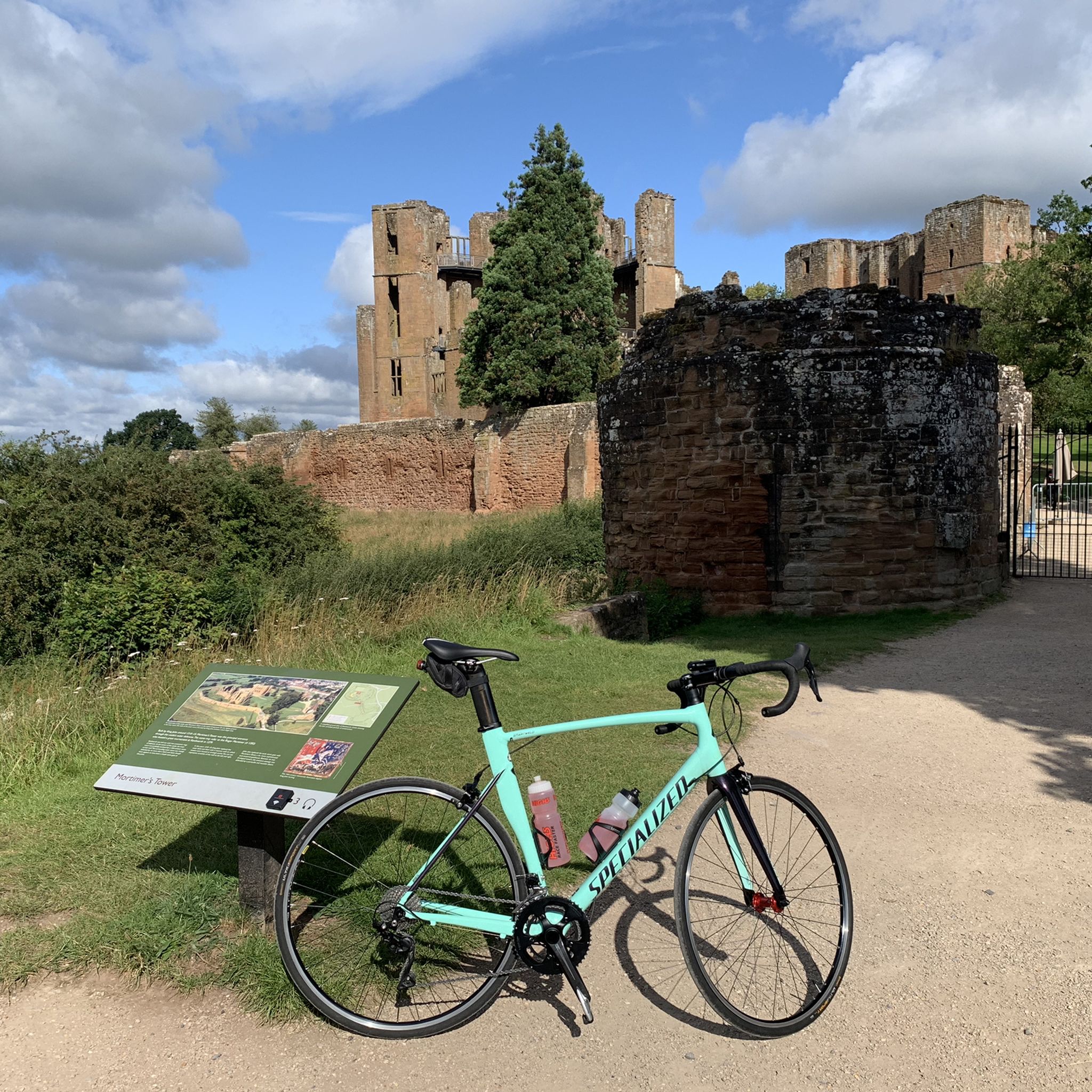
The area surrounding Castle Green offers picturesque views of the castle ruins and a greenery for visitors interested in England's rich history and architecture
0
0

Robert Langham (C16) - "The Castle has the name of Killingwoorth, but if truth grounded upon faithful story, Kenelwoorth [Kenilworth]. It stands in Warwickshire, a 74 mile North-West from London, and as it were in the navel of England, four mile somewhat South from Coventry a proper city, and a like distance from Warwick, a fair Shire town on the North. In air sweet and wholesome, raised on an easy-mounted hill, is set evenly coasted with the front straight into the East, has the tenants and town about it, that pleasantly shifts from dale to hill, sundry wherewith sweet springs burst forth; and is so plentiful and well sorted on every side into arable, meadow, pasture, wood, water, and good air, as it appears to have need of nothing that may pertain to living or pleasure."
1
0
On the north side is the massive sandstone keep or great tower, the defensive heart of the castle as well as the main residence during the 12th century. The two main floors were probably built in the 1120s, most of the top stage being added by King John about 1210–15. Robert Dudley, Earl of Leicester, introduced the large grid windows on the first floor in about 1570–71 to light a great room for entertaining. The north wall was demolished in 1649–50. On the west side is the forebuilding, which Dudley remodelled as an approach to the privy garden.
0
0
The dam was probably constructed in three phases; initially circa 1125, then subsequently raised by King John and lastly the western lane and bridge possibly 17th century. It is not known when the castle’s great defensive lake, created by the dam, was first called a Mere nor when the breach, shown here being repaired in 1964, was first called Hawkesworth’s Gap. At the end of the Civil War in 1649, Cromwell’s Parliamentarians were determined to ensure that the former Royalist strongholds would never again provide a safe haven for those who opposed the new republican parliament’s powers. So, Colonel Joseph Hawkesworth, MP was appointed to ‘slight’ or damage the castle beyond repair and it is said he breached the Tiltyard to drain the mere as part of the slighting.
0
0

Visited to see Dragonslayer show fantastic castle and grounds
0
0

Although much of it is still in ruins, it is definitely worth the visit, very accessible from the centre and with a good car park (paid) next to it. The castle, which was built between the beginning of Norman rule in England and the Tudor period, played a significant role in history.
1
0

Owned by English Heritage it has an interesting history
2
0

Guy's Tower is 12-sided and stands at 29 metres high. Dotted around each of the twelve sides are grated machicolations from which rocks and other projectiles could be thrown down upon an enemy attempting to breach the base of the tower.
0
0
Frequently Asked Questions
What types of castles can I explore in and around the Blackdown Hills?
The Blackdown Hills region offers a diverse range of historical fortifications. You can find remnants of Iron Age hillforts, Norman motte-and-bailey castles, and even a rare moated 14th-century castle. These range from well-preserved structures to atmospheric ruins, each providing unique insights into the area's past.
Are there any castles directly within the Blackdown Hills Area of Outstanding Natural Beauty?
Yes, Hemyock Castle in Devon is a notable example of a moated 14th-century castle located within the Blackdown Hills. Additionally, Castle Neroche in Somerset, though not a standing castle today, is a significant Iron Age hillfort and former Norman motte-and-bailey site also within the AONB.
What is unique about Hemyock Castle?
Hemyock Castle is a rare moated 14th-century castle with a rich history, including its role in the English Civil War. Today, it remains in private hands but opens to the public on Bank Holiday Mondays between Easter and September, offering an Interpretation Centre and tranquil gardens within its walls.
What can I expect to see at Castle Neroche?
Castle Neroche features impressive earthen ramparts, remnants of its past as an Iron Age hillfort and Norman motte-and-bailey castle. It offers spectacular views over the Vale of Taunton towards the Quantock Hills and Exmoor, making it a great spot for walking and enjoying the natural landscape. Display boards provide historical and wildlife information.
Are there family-friendly castles to visit near the Blackdown Hills?
Many castles in the wider region offer family-friendly experiences. For instance, Kenilworth Castle (though further afield in Warwickshire) hosts jousts and re-enactments. Bagot's Castle, also in Warwickshire, has an education visitor center, picnic area, and woodland walks. For local options, Hemyock Castle's open days and Castle Neroche's walking trails are suitable for families.
What are some notable castles in the wider Somerset region, accessible from the Blackdown Hills?
In Somerset, you can visit Dunster Castle, a grand Norman castle with extensive gardens and Exmoor views. Farleigh Hungerford Castle is a dramatic 14th-century ruin, and Nunney Castle is a picturesque moated medieval castle. Taunton Castle, now the Museum of Somerset, also offers historical insights.
Which castles in Devon are worth visiting from the Blackdown Hills?
Devon boasts several impressive castles. Powderham Castle overlooks the Exe Estuary with grand interiors and a deer park. Okehampton Castle is a romantic Norman ruin on the edge of Dartmoor, and Berry Pomeroy Castle is known for its atmospheric ruins and ghostly tales. Compton Castle is a fortified manor house with a rich family history.
Are there hiking trails near the castles in the Blackdown Hills region?
Yes, the Blackdown Hills and surrounding areas offer numerous hiking opportunities. For example, easy hikes around Blackdown are available, as well as more general hiking routes. Castle Neroche itself is a great spot for walking, offering scenic views from its historic earthworks.
What other outdoor activities can I do near these castles?
Beyond hiking, you can find mountain biking trails in the wider Blackdown region. Explore MTB Trails around Blackdown for routes that combine historical exploration with outdoor adventure. Many castles, like Dunster, also have extensive gardens and grounds perfect for leisurely strolls.
What is the best time of year to visit castles in the Blackdown Hills?
The best time to visit depends on your preferences. Spring and summer offer pleasant weather for exploring castle grounds and enjoying the natural beauty of the Blackdown Hills. Hemyock Castle, for instance, is open on Bank Holiday Mondays between Easter and September. Autumn brings beautiful foliage, while winter can offer a more dramatic and less crowded experience, though some sites may have reduced opening hours.
What do visitors enjoy most about the castles around Blackdown?
Visitors appreciate the rich history and diverse architecture, from ancient earthworks to well-preserved stately homes. The strategic locations of many castles, like Castle Neroche, offer spectacular views. The opportunity to combine historical exploration with outdoor activities, such as walking through woodland or along scenic trails, is also highly valued by the komoot community.
Are there any castles with significant historical events tied to the English Civil War?
Yes, Hemyock Castle played a notable role in the English Civil War, serving as a Parliamentarian garrison and later being slighted by order of King Charles II. Nunney Castle was also besieged and damaged during this period.
Most popular attractions around Blackdown

Get inspired with the komoot mobile app


Explore more
Looking for the best castles somewhere else? Discover other guides around Blackdown:
