Top 6 Lakes around Yarnton
Lakes near Yarnton are primarily associated with the River Thames and River Cherwell floodplains, offering various water bodies and recreational opportunities. The area includes significant natural and man-made lakes, often formed from disused quarries or within historic estates. These locations provide habitats for diverse wildlife and offer walking routes. The region's water features contribute to its natural landscape and provide accessible outdoor spaces.
Best lakes around Yarnton
- The most popular lakes is Blenheim Palace: Lake and Grand Bridge, a…
Last updated: October 15, 2026
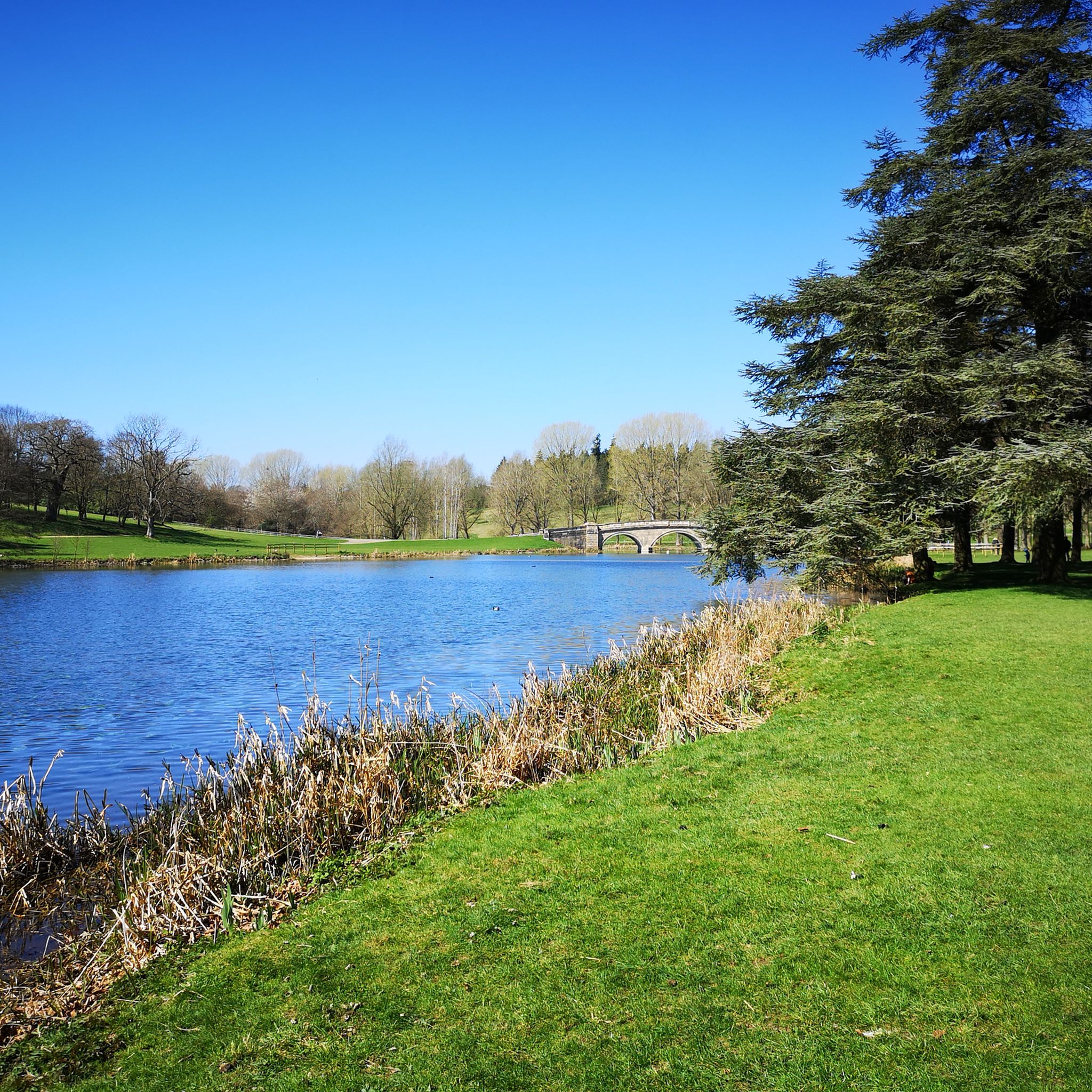
Blenheim Palace: Lake and Grand Bridge
Highlight • Bridge
Tip by

Farmoor Reservoir
Highlight • Viewpoint
Tip by

Sign up now to discover places like this
Get recommendations on the best single tracks, peaks, & plenty of other exciting outdoor places.
RSPB Otmoor Reserve
Highlight • Natural
Tip by
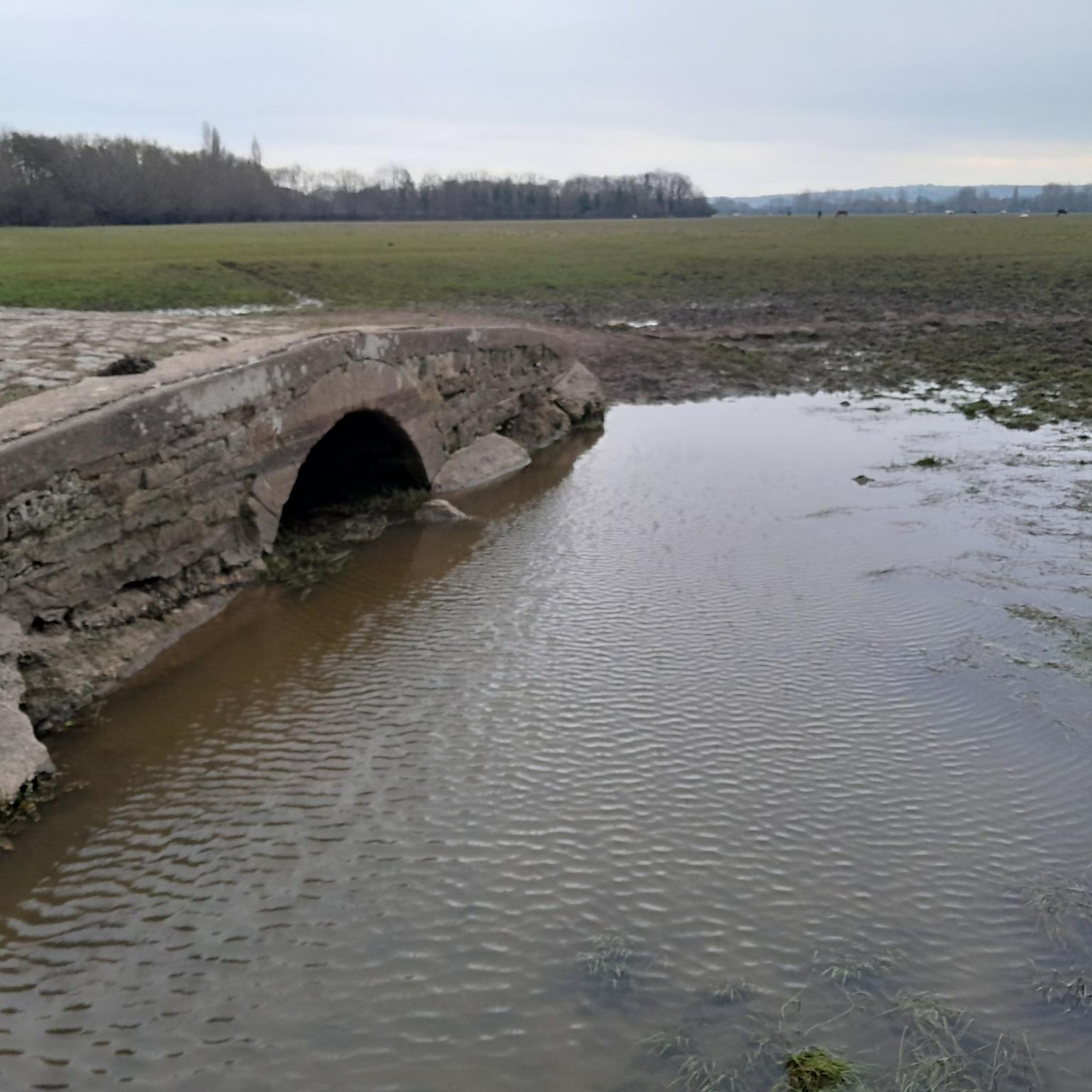
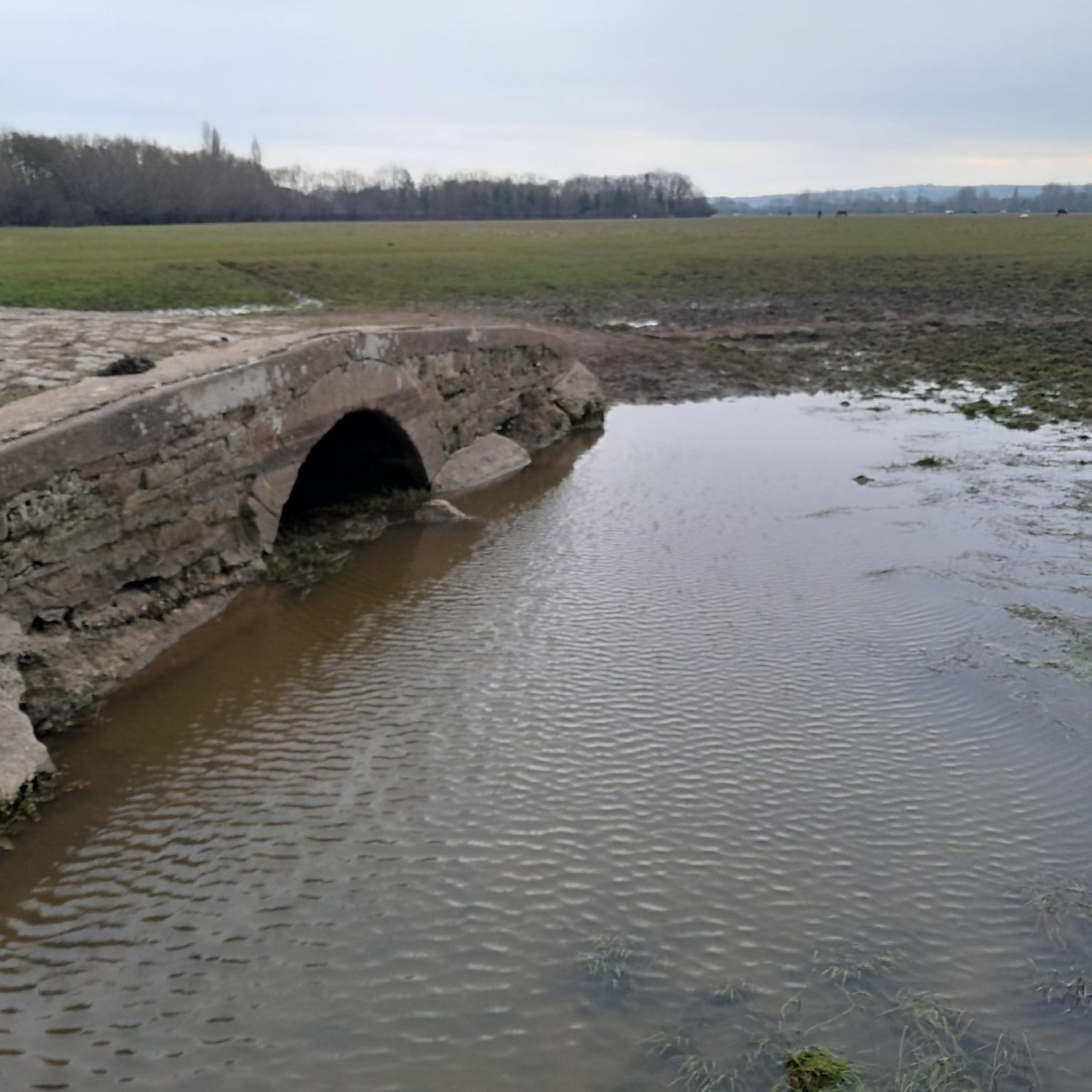
View of Shire Lake Ditch from Aston's Eyot
Highlight • River
The 32 acre island is formed by the River Thames, the River Cherwell …
Tip by

Start today with a free account
Your next adventure awaits.


Tips from the Community

Aston’s Eyot is a nature reserve in East Oxford, managed by the charity Friends of Aston’s Eyot. The 32 acre island is formed by the River Thames, the River Cherwell and Shire Lake Ditch. A few decades ago it was a rubbish tip and now it’s a haven for wildlife – a mix of woodland, open area and scrub. You can access and enjoy the nature reserve for free. It’s a great place for a quiet stroll, dog walking, running and watching wildlife https://friendsofastonseyot.org
1
0

Well worth the detour for the full English at Oxford boat club
0
0

Winston Churchill's father called the view of Blenheim Palace, its lake and the Grand Bridge the finest in England. It certainly all looks grand from the edge of this beautiful, man-made lake. When Blenheim Palace was first built, the lake was not much more than a marshy stream. It was 'Capability' Brown who imagined a grand lake as part of his great vision for Blenheim Park. In 1764, he dammed the River Glyme, creating the lake and its series of beautiful cascades. Today, Blenheim Park is a Site of Special Scientific Interest due, in part, to the lake's importance for breeding and wintering birds.
1
0
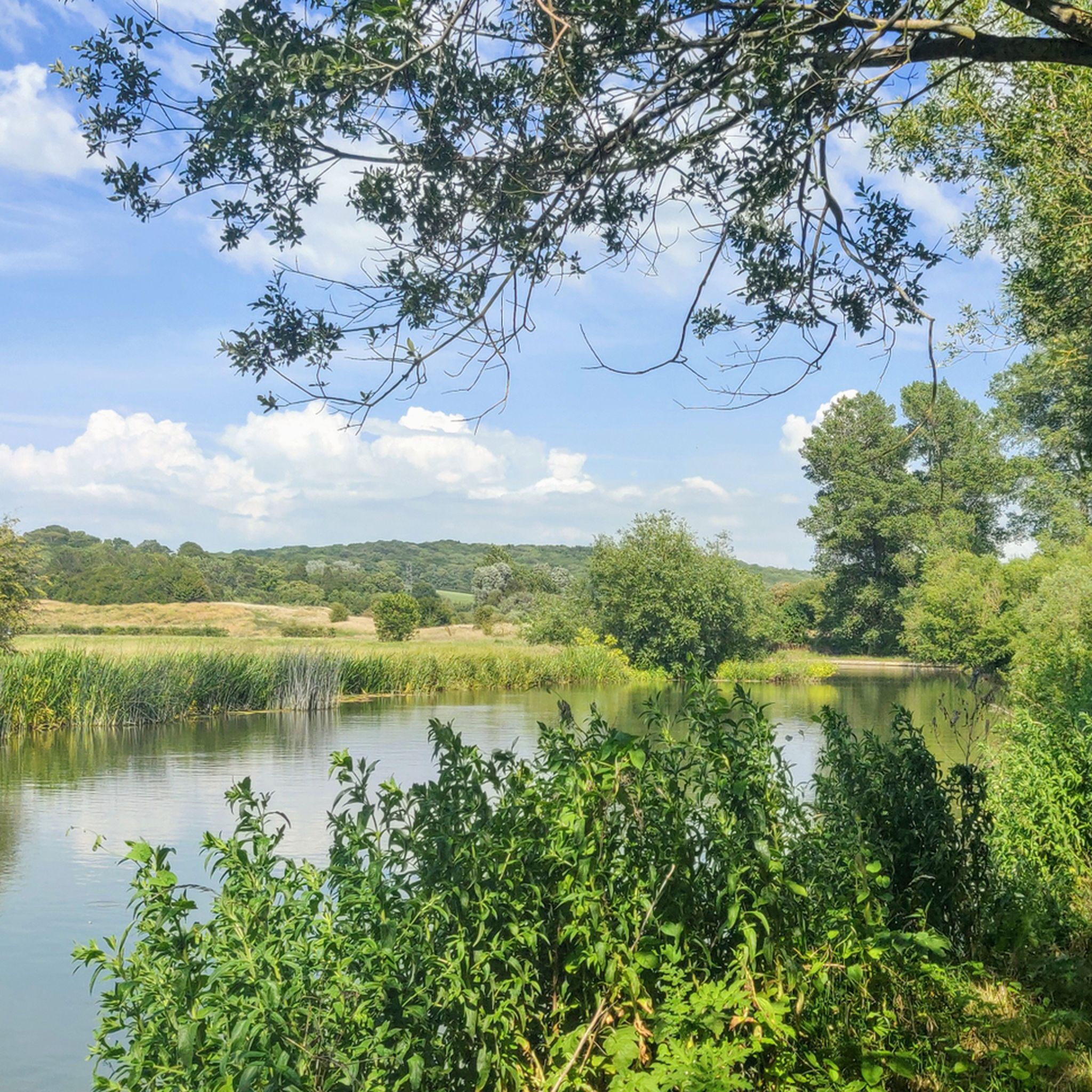
Wading birds and wildfowl inhabit RSPB Otmoor Reserve all year round. A number of visitor trails take you around this extensive area of floodplain grazing marsh. Songbirds and warblers add to the peaceful atmosphere, a gorgeous place to ramble in any season.
1
0

Farmoor Reservoir is surrounded by beautiful countryside and woodland. The area is home to lots of birdlife, including black-headed gull, Eurasian coot, great cormorant, greylag goose, mute swans, tufted duck, white wagtail, mallard, plus more.
3
0
Frequently Asked Questions
What kind of wildlife can I expect to see around the lakes near Yarnton?
The lakes and water bodies around Yarnton are rich in wildlife. For instance, Farmoor Reservoir is known for various birdlife, including black-headed gulls, Eurasian coots, and mute swans. The RSPB Otmoor Reserve is a haven for wading birds and wildfowl year-round. Shipton-on-Cherwell Quarry Lake, though not a highlight in this guide, is also an important habitat for diverse birds like turtle doves and peregrine falcons, and various invertebrates. Thrupp Lake near Abingdon is home to many bird species, damselflies, dragonflies, and even otters.
Are there any lakes near Yarnton with historical significance?
Yes, Blenheim Palace: Lake and Grand Bridge is a prime example. This man-made lake, created by 'Capability' Brown by damming the River Glyme, is part of the historic Blenheim Palace grounds. The quarry at Shipton-on-Cherwell, which now contains a lake, is also a Site of Special Scientific Interest due to its geological importance, particularly for Middle Jurassic fossils.
Are the lakes around Yarnton suitable for families?
Many lakes in the area are family-friendly. Blenheim Palace: Lake and Grand Bridge and Blenheim Park Lake and The Pump House Waterfall offer extensive parkland for strolls. Farmoor Reservoir is surrounded by countryside and woodland, suitable for walks. Aston's Eyot is a nature reserve perfect for quiet strolls and wildlife watching. Witney Lake and Country Park also provides accessible picnic areas and walking paths.
Are there good walking trails around the lakes near Yarnton?
Absolutely. The River Thames and River Cherwell, which flow near Yarnton, offer scenic pathways along their banks. You can find numerous hiking routes in the wider area, such as the 'Port Meadow – Godstow Abbey Ruins loop from Wolvercote' which is an easy 6.6 km walk. For more options, explore the hiking guide for Yarnton. Thrupp Lake also features a circular walk, and Witney Lake has quarter-mile markers for walkers and runners.
What outdoor activities can I do near these lakes?
Beyond walking and wildlife observation, the area offers various outdoor activities. The River Thames near Port Meadow is popular for kayaking, canoeing, and paddleboarding. For cycling enthusiasts, there are numerous routes, including gravel biking options like the 'Oxford Canal – Hertford Bridge loop from Oxford' (53.8 km, moderate). You can find more cycling and mountain biking trails in the MTB Trails around Yarnton guide and the Gravel biking around Yarnton guide.
What is the best time to visit the lakes around Yarnton?
The lakes and nature reserves around Yarnton can be enjoyed year-round. Spring and summer offer lush greenery and active wildlife, making them ideal for walking and water activities. Autumn brings beautiful foliage, while winter provides opportunities for birdwatching, especially for migratory species at sites like RSPB Otmoor Reserve and Shipton-on-Cherwell Quarry Lake.
Are there any lakes near Yarnton where I can go fishing?
While specific fishing permits for all lakes are not detailed, many reservoirs and former gravel pits in Oxfordshire, including some near Yarnton, do offer fishing opportunities. It's advisable to check local regulations and permit requirements for individual sites like Farmoor Reservoir or other private fisheries in the region before planning a fishing trip.
Are there pubs or cafes near the lakes for refreshments?
Yes, several areas near the lakes offer refreshment options. For example, Farmoor Reservoir is close to the Oxford boat club, which is known for its full English breakfast. The areas around Port Meadow and the River Thames also have various pubs and cafes within walking distance or a short drive.
What makes Shipton-on-Cherwell Quarry Lake unique?
Shipton-on-Cherwell Quarry Lake, located very close to Yarnton, is unique because it's a former quarry that has been reclaimed by nature. It's now a significant wildlife haven, attracting a diverse range of birds and invertebrates. The quarry itself is also a Site of Special Scientific Interest due to its geological importance, containing well-preserved Middle Jurassic fossils, including crocodilians and even dinosaur remains.
How can I access the lakes around Yarnton using public transport?
Access to the lakes varies. For areas like Port Meadow near Oxford, public transport options are available from Oxford city centre. For other locations such as Blenheim Palace, there are bus services from Oxford. It's recommended to check local bus routes and schedules for specific lake destinations, as direct public transport may not reach all remote spots.
What is Aston's Eyot and what can I do there?
Aston's Eyot is a 32-acre nature reserve in East Oxford, formed by the River Thames, River Cherwell, and Shire Lake Ditch. Once a rubbish tip, it has transformed into a haven for wildlife with a mix of woodland, open areas, and scrub. It's a great place for quiet strolls, dog walking, running, and watching wildlife, and is freely accessible.
Are there any lakes near Yarnton that are particularly good for birdwatching?
Yes, several lakes are excellent for birdwatching. RSPB Otmoor Reserve is specifically managed for wading birds and wildfowl. Shipton-on-Cherwell Quarry Lake is also highly regarded for its diverse bird species, including breeding and wintering birds. Farmoor Reservoir and Thrupp Lake are also known for their rich birdlife.
Most popular routes around Yarnton
Most popular attractions around Yarnton

Get inspired with the komoot mobile app


Explore more
Still not found your perfect lake around Yarnton? Check out the guides of these regions to see even more beautiful places.
