Top 6 Lakes around Aston Sandford
Best lakes around Aston Sandford are primarily found in the surrounding region, with the Tring Reservoirs being a notable natural attraction. These four reservoirs, including Wilstone and Marsworth, are located a short distance away and are recognized as a Site of Special Scientific Interest. The area offers diverse habitats, supporting various plant and animal communities. It is known for its opportunities for nature observation and waterside walks.
Best lakes around Aston Sandford
- The most popular lakes is Pond in Park…
Last updated: June 29, 2026
Old Kiln Lakes Wetland Habitat
Highlight • Natural
Tip by

Pond in Park Wood
Highlight • Lake
Tip by

Sign up now to discover places like this
Get recommendations on the best single tracks, peaks, & plenty of other exciting outdoor places.
Sign up for free
The Lyde Garden
Highlight • Lake
Tip by
Old Kiln Lakes (Former Chinnor Chalk Pit)
Highlight (Segment) • Structure
Tip by

Chinnor Works Lake
Highlight • Lake
Tip by
Sign up for free to discover even more lakes around Aston Sandford.
Sign up for free
Already have an account?
Start today with a free account
Your next adventure awaits.
Login or Signup

Tips from the Community

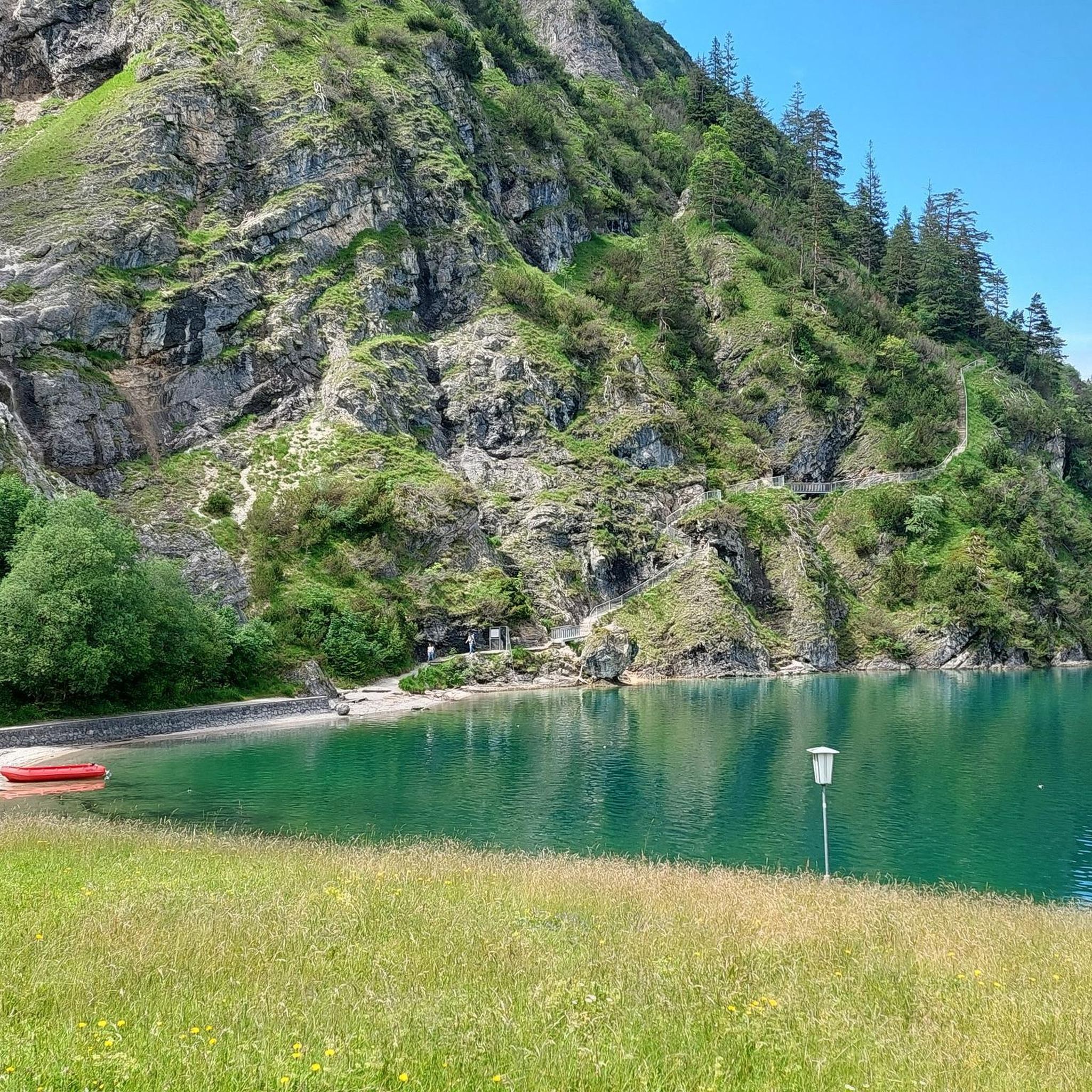
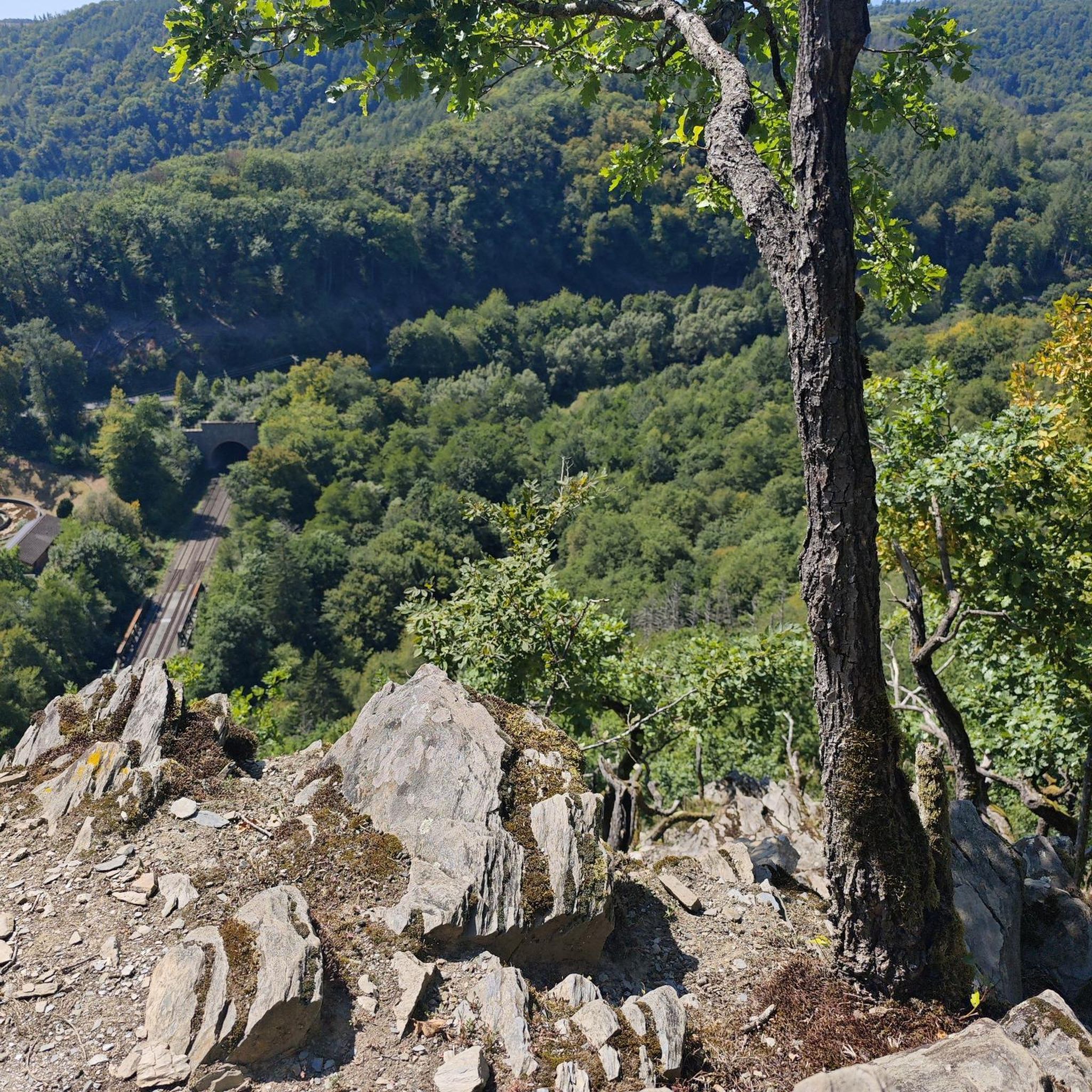
This is one of the quarries here, a part of the former Chinnor Chalk Pit, now flooded and known as Old Kiln Lakes. The lakes are freshwater, but very alkaline, and there was a warning to the public issued in 2012 to not swim in there. It's a striking and moon-like place, looking very dramatic and slightly out-of-this-world. A definite must!
2
0

This quarry is a Site of Special Scientific Interest and well known by geologists for its phenomenal history. Packed with fossils, some of the finds here date back 100 million years. There's no public access, but you can catch glimpses of its bright high-alkaline water from the surrounding footpaths.
0
0


Chinnor Works Angling Society has been running for over 25 years, we use to have the fishing at the Cement Works.
0
0
Chinnor, Chalk and Cement Mr. W. Benton's Cement and Lime Works opened in Chinnor in 1908, but cement making on a truly industrial scale did not begin until 1919. Output of cement from Chinnor peaked at about 5600 tonnes per week in the 1990s. Up to 120 people were employed at any one time. The cement works closed in 1999 and there are plans for the re-development of the site, using the flat areas for housing but also with opportunities for recreation and conservation in the water filled quarries The scale of chalk extraction for cement making can be seen from a short walk along the Ridgeway National Trail. The Ridgeway runs on a high causeway between the large quarries, giving views of the pits through the boundary fences. (Do not cross over or through the fences). Geology One of the chalk quarries has been protected as a geological Site of Special Scientific Interest as it has particularly good exposures of both the Lower Chalk and Middle Chalk geological layers. Both layers have given upimportant fossil ammonites.
2
0
The Lyde, a tributary of the River Thames, rises here and the garden is planted with primulas, astilbes, gunnera and hostas. Originally three watercress beds, surrounded by large and beautiful wych elms, it has — as a result of elm disease — become a wilderness. The garden is open at the owners’ discretion from 9am – 4pm daily. Dogs are not permitted. See: carington.co.uk/gardens/lyde-garden
0
0
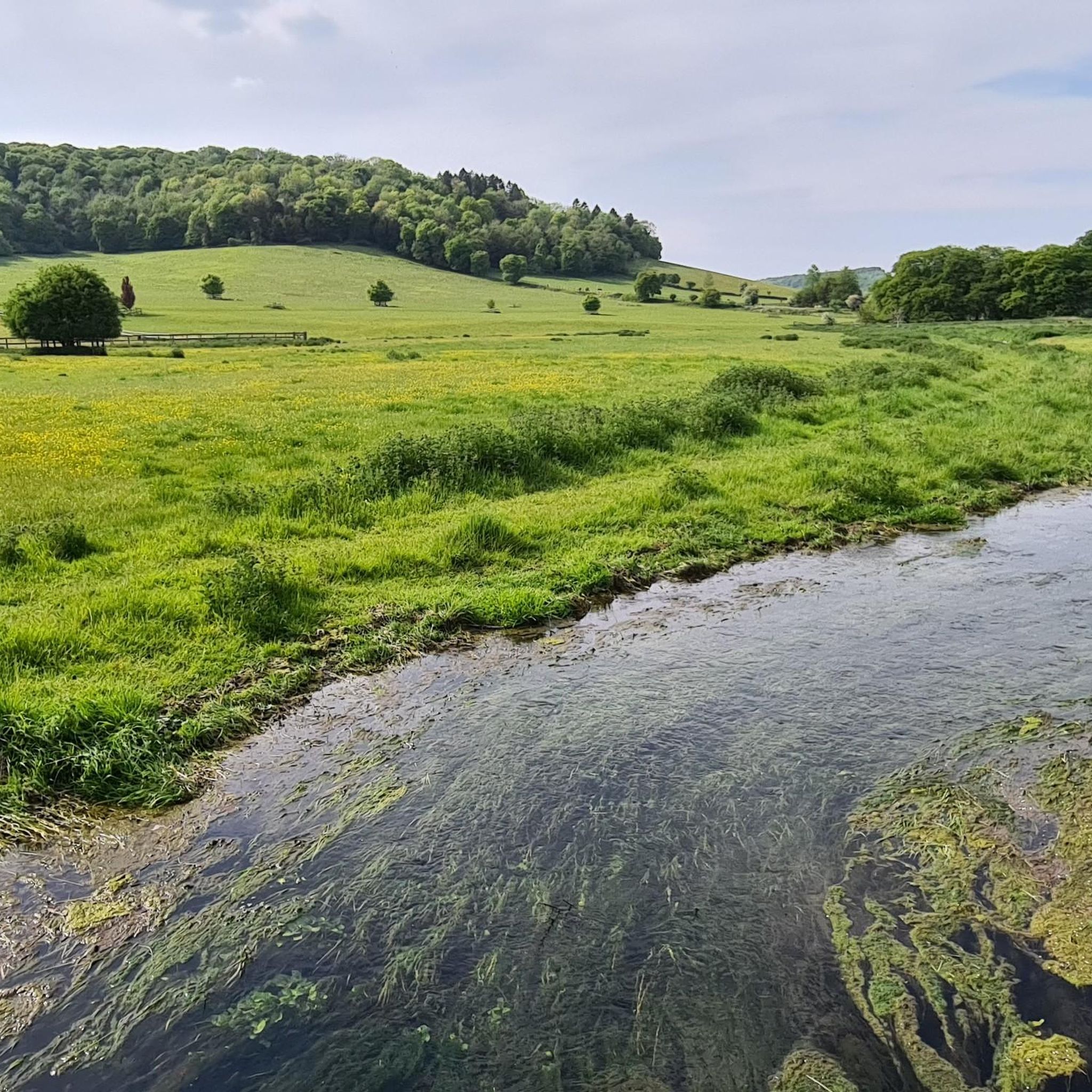
Archaeological Surveys undertaken in Park Wood have revealed a fascinating past for this quiet area of deciduous woodland. Lynchets and banks within the woods give evidence of ancient field systems which may date back to the late Iron Age/early Roman period (or they may be medieval). In the beech woodland opposite the pond is evidence of a late thirteenth/early fourteenth homestead in the woodlands and in Tudor times (1485 – 1603) the woodland was a deer park. Much of Park Wood was converted to beech woodland from the late 18th until the early 20th century to cater for the High Wycombe furniture industry. Associated features include sawpits, tracks and charcoal burning platforms. https://www.nationaltrust.org.uk/chilterns-countryside/trails/bradenham-beech-woods-and-bunkers-trail
0
0
Frequently Asked Questions
What types of lakes can I explore around Aston Sandford?
Around Aston Sandford, you'll find a mix of natural lakes, former quarry lakes, and garden lakes. These include the historic Pond in Park Wood, the geologically significant Old Kiln Lakes Wetland Habitat, and the tranquil The Lyde Garden. The nearby Tring Reservoirs also offer extensive natural water bodies.
Where can I go for birdwatching near Aston Sandford?
The Tring Reservoirs, a short distance from Aston Sandford, are renowned as one of the best bird-watching spots in the south of England. You can spot nationally important numbers of shoveler in winter, along with sedge and reed warblers breeding in the reedbeds. Wilstone Reservoir is known for common terns and a heronry, while Marsworth Reservoir's reedbeds attract overwintering Bitterns.
Are there any lakes with historical or geological significance?
Yes, Pond in Park Wood is within a deciduous woodland with evidence of ancient field systems and a former deer park. The Old Kiln Lakes Wetland Habitat (and Old Kiln Lakes (Former Chinnor Chalk Pit)) is a Site of Special Scientific Interest, known for its geological history and fossils dating back 100 million years.
What are the best options for family-friendly lake visits?
The Tring Reservoirs offer pleasant waterside walks suitable for families. Pond in Park Wood is also listed as family-friendly, as is The Lyde Garden, which provides a peaceful environment with diverse plant species. Watermead Lake is another beautiful and peaceful spot with a bandstand, ideal for picnics.
Can I find easy walking trails around the lakes?
Yes, the Tring Reservoirs offer generally easy waterside walks, with a popular circular route often starting from Marsworth village and incorporating sections of the Grand Union Canal. For more options, you can explore various easy hikes around Aston Sandford, which include scenic footpaths and village loops.
What is the best time of year to visit the Tring Reservoirs?
The Tring Reservoirs are excellent for birdwatching year-round. Winter (December-February) is ideal for spotting overwintering Bitterns in the reedbeds and large numbers of shoveler. Spring and autumn migrations can bring sightings of hobbies and ospreys. In autumn, when water levels recede at Wilstone Reservoir, you can see the rare mudwort plant.
Are there opportunities for cycling near the lakes?
Absolutely. The area around Aston Sandford and its lakes offers various cycling routes. You can find options ranging from moderate to difficult, including routes like the Phoenix Trail and those exploring historic buildings. Check out the cycling guide for Aston Sandford for detailed routes.
Are dogs allowed on trails around the lakes?
Many outdoor areas around lakes are dog-friendly, especially for walks on public footpaths. However, specific locations like The Lyde Garden explicitly state that dogs are not permitted. Always check local signage or specific venue rules before bringing your dog.
Where can I find parking for lake visits?
Free parking is available at Wilstone Reservoir, one of the Tring Reservoirs. For other lake areas, parking availability can vary. It's advisable to check specific locations or nearby villages for designated parking areas before your visit.
What kind of wildlife can I expect to see around the lakes?
Beyond the diverse birdlife at the Tring Reservoirs, the reedbeds, wet woodland, and open water habitats support a variety of wildlife. The rare mudwort plant can be found at Wilstone Reservoir. The natural environments around lakes like Pond in Park Wood also contribute to local biodiversity.
Are there any cafes or pubs near the lakes for refreshments?
The village of Marsworth, near the Tring Reservoirs, is a good starting point for walks and often has local amenities like pubs. For other lakes, nearby villages or towns would be the best places to find cafes or pubs for refreshments.
Can I swim in the lakes around Aston Sandford?
While some lakes may appear inviting, it's important to exercise caution. For instance, the Old Kiln Lakes (Former Chinnor Chalk Pit) are freshwater but very alkaline, and a public warning was issued against swimming there due to safety concerns. Always check for local advisories and safety information before considering swimming in any natural body of water.
Most popular attractions around Aston Sandford

Get inspired with the komoot mobile app


Explore more
Still not found your perfect lake around Aston Sandford? Check out the guides of these regions to see even more beautiful places.
