Top 5 Lakes around Barrow
Lakes around Barrow, particularly Rutland Water, offer a diverse landscape for outdoor activities. This region features one of England's largest man-made lakes, surrounded by countryside suitable for walking and cycling. The area is characterized by its blend of engineered waterways and natural parkland, providing varied terrain and scenic viewpoints. It serves as a hub for recreation and wildlife observation, contributing to the local ecosystem and visitor experience.
Top lakes around Barrow
- The most popular lakes is Rutland Water, a…
Last updated: June 28, 2026
Normanton Church
Highlight • Monument
Tip by

Rutland Water
Highlight • Structure
Tip by

Sign up now to discover places like this
Get recommendations on the best single tracks, peaks, & plenty of other exciting outdoor places.
Sign up for free
Rutland Water South Shore
Highlight • Viewpoint
Tip by

Fort Henry Lake in Exton Park
Highlight • Lake
Built in 1788 for Henry, Earl of Gainsborough, …
Tip by
View of Rutland Water
Highlight • Lake
Tip by

Sign up for free to discover even more lakes around Barrow.
Sign up for free
Already have an account?
Start today with a free account
Your next adventure awaits.
Login or Signup


Tips from the Community

Great area for a hike. If you do not want to go the full circle alternatives to walking back on the same track are a bit limited.
4
0

From the village of Upper Hambleton there is a path that takes you round the peninsula. It is around 4m in length.
0
0

Fairly enjoyable walk. Although many miles spent walking by roadsides with limited/no view of the reservoir. People who follow this route (as I did), please be aware that around 2.7 miles in, the restricted access warning prevented any access of the route whatsoever (unless obtaining permission/key pass). This left me having to detour back up to the main road and added a further 1.5 miles onto my route and a couple of failed attempts trying to get back to the route again. This route is definitely more suited to cyclists, but worth the go on a nice day.
0
0

The church was built in classical style for the Normanton Hall estate on the site of a 14th-century building. Except for the tower, the medieval church was rebuilt in 1764 by Sir Gilbert Heathcote, 3rd Baronet. The church was de-consecrated in 1970, and was to have been demolished as part of the reservoir construction, as its floor was below the proposed water level. Following a public outcry, the lower half was filled with stone and rubble, and a concrete cap constructed just below the level of the windows.
1
0

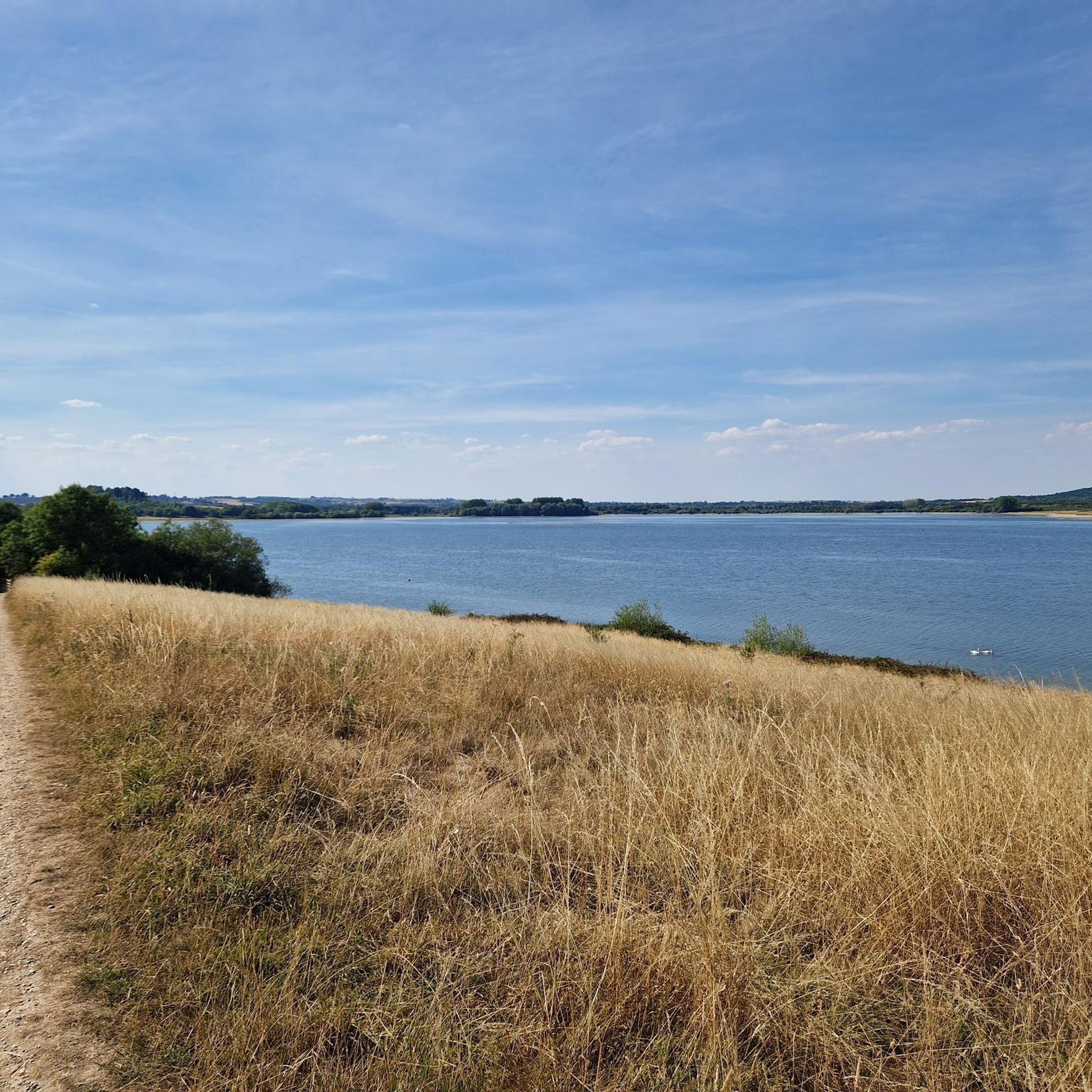
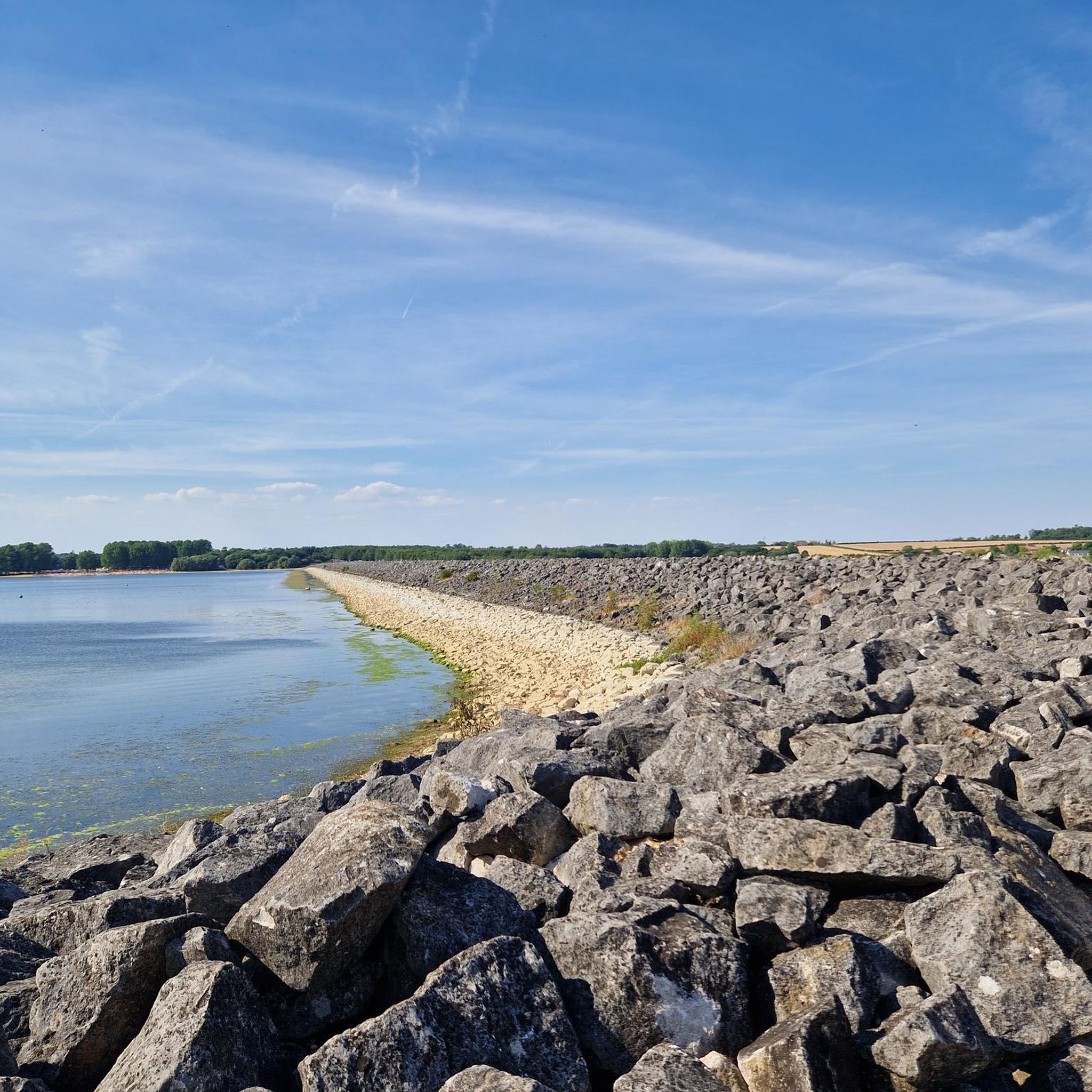
Amazing place to walk no matter the weather no hills or muddy places, mainly asphalt. Plenty of places to stop for a break (coffee/tea/snacks) and plenty of benches if you have brought your own refreshments
0
0

Fort Henry is a gothic folly, sitting beside a large lake often adorned with water lilies in the heart of Exton Park. Built in 1788 for Henry, Earl of Gainsborough, Fort Henry is located on private grounds, as are the shores of the larger, Northern lake. The public footpath circumnavigates the smaller lake to the South.
1
0
An iconic and unusual Rutland landmark. Saved from demolition in the 1970's following public protest, the church now seems to float when the lake is full, at other times it seems as if the lower half has sunk completely, as though the church is too heavy for the ground beneath it.
1
0

Perfect picnic spot - FYI, The north shore is private property.
0
0
Frequently Asked Questions
What kind of lakes can I expect to see around Barrow (Utqiagvik), Alaska?
The lakes around Barrow, also known as Utqiagvik, Alaska, are predominantly thermokarst lakes. These unique bodies of water are formed by the thawing of ice-rich permafrost and are a defining feature of the Arctic tundra landscape. They contribute significantly to the local ecosystem.
Are the lakes around Barrow suitable for recreational activities like boating or swimming?
Due to their remote nature, often frozen conditions, and ecological significance, the thermokarst lakes around Barrow are not typically destinations for recreational activities like boating or swimming. Their primary value lies in their unique ecological insight into the Arctic environment and their role in the local ecosystem.
How do the local Iñupiat people utilize the lakes in the Barrow region?
The Iñupiat people of Utqiagvik utilize nearby rivers and lakes, along with the Arctic Ocean, for catching fish. This is a vital part of their traditional subsistence lifestyle, demonstrating the integral role these bodies of water play in their culture and survival.
What makes the lakes around Barrow unique from a geographical perspective?
The thermokarst lakes around Barrow are geographically unique because their long axes often lie oblique to the prevailing wind direction. This characteristic is a direct result of their formation through permafrost thawing, making them a significant feature for understanding Arctic geography and climate science.
Is there more water than land in the Barrow area due to these lakes?
Yes, one account suggests that the area around Barrow has more water than land, at least during certain times of the year. This refers to the abundance of these frozen pools across the tundra, highlighting the prevalence of thermokarst lakes in the region.
Are there any specific named lakes or visitor attractions among the thermokarst lakes?
While the region is characterized by numerous thermokarst lakes, specific named lakes with distinct tourist features are not frequently highlighted. The primary natural attractions for visitors tend to be the Arctic Ocean and opportunities to witness abundant wildlife, alongside cultural sites like the Iñupiat Heritage Center.
What is the best time to visit the lakes around Barrow?
The best time to visit the lakes around Barrow depends on your interest. During warmer months, you can observe the unique ecological insights these lakes offer into the Arctic environment. In winter, many of these bodies of water freeze, and some 'inland lagoons' can even be traversed when frozen, offering a different perspective on the landscape.
Are there any hiking or walking trails specifically around the thermokarst lakes near Barrow?
While the region is rich in natural beauty, specific developed hiking or walking trails directly around the thermokarst lakes for recreational purposes are not commonly highlighted. The focus for visitors is often on observing the unique Arctic landscape and wildlife in general.
What other natural attractions are there for visitors in Utqiagvik besides the lakes?
Beyond the unique thermokarst lakes, visitors to Utqiagvik can experience the Arctic Ocean, with opportunities to dip a toe in its chilly waters. The area is also known for its abundant wildlife, offering chances for observation in its natural habitat.
What cultural insights can I gain related to the lakes in Barrow?
The lakes are integral to the traditional lifestyle of the Iñupiat people, who rely on them for subsistence fishing. Visiting cultural sites like the Iñupiat Heritage Center can provide deeper insights into how the local community interacts with and values these natural resources.
Are the lakes around Barrow accessible to the public?
The thermokarst lakes are a pervasive feature of the landscape around Barrow. While there aren't specific visitor facilities or designated access points for individual lakes, the general tundra environment where these lakes are found is accessible, allowing for observation of this unique Arctic phenomenon.
Most popular attractions around Barrow

Get inspired with the komoot mobile app


Explore more
Still not found your perfect lake around Barrow? Check out the guides of these regions to see even more beautiful places.
