The 4 Most Amazing Peaks around Shute
Best mountain peaks around Shute are characterized by their historical significance and panoramic views across the English landscape. The area features ancient Iron Age hillforts and prominent hills that offer diverse hiking experiences. These elevated points provide vistas of the surrounding vales, the Jurassic Coast, and other notable geographical features. The region's peaks are often part of protected areas, offering both natural beauty and historical context.
Best mountain peaks around Shute
- The most popular mountain peaks include View of Pilsdon…
Last updated: November 26, 2026
Coney's Castle Hillfort and Bluebell Woods
Highlight • Forest
Tip by

Lambert's Castle Hillfort
Highlight • Viewpoint
Tip by
Sign up now to discover places like this
Get recommendations on the best single tracks, peaks, & plenty of other exciting outdoor places.
View of Pilsdon Pen and Lewesdon Hill
Highlight • Viewpoint
Tip by

View of Golden Cap and Thorncombe Beacon
Highlight • Viewpoint
Tip by
Wootton Hill
Highlight • Forest
Tip by

Sign up for free to discover even more peaks around Shute.
Already have an account?
Start today with a free account
Your next adventure awaits.
Tips from the Community

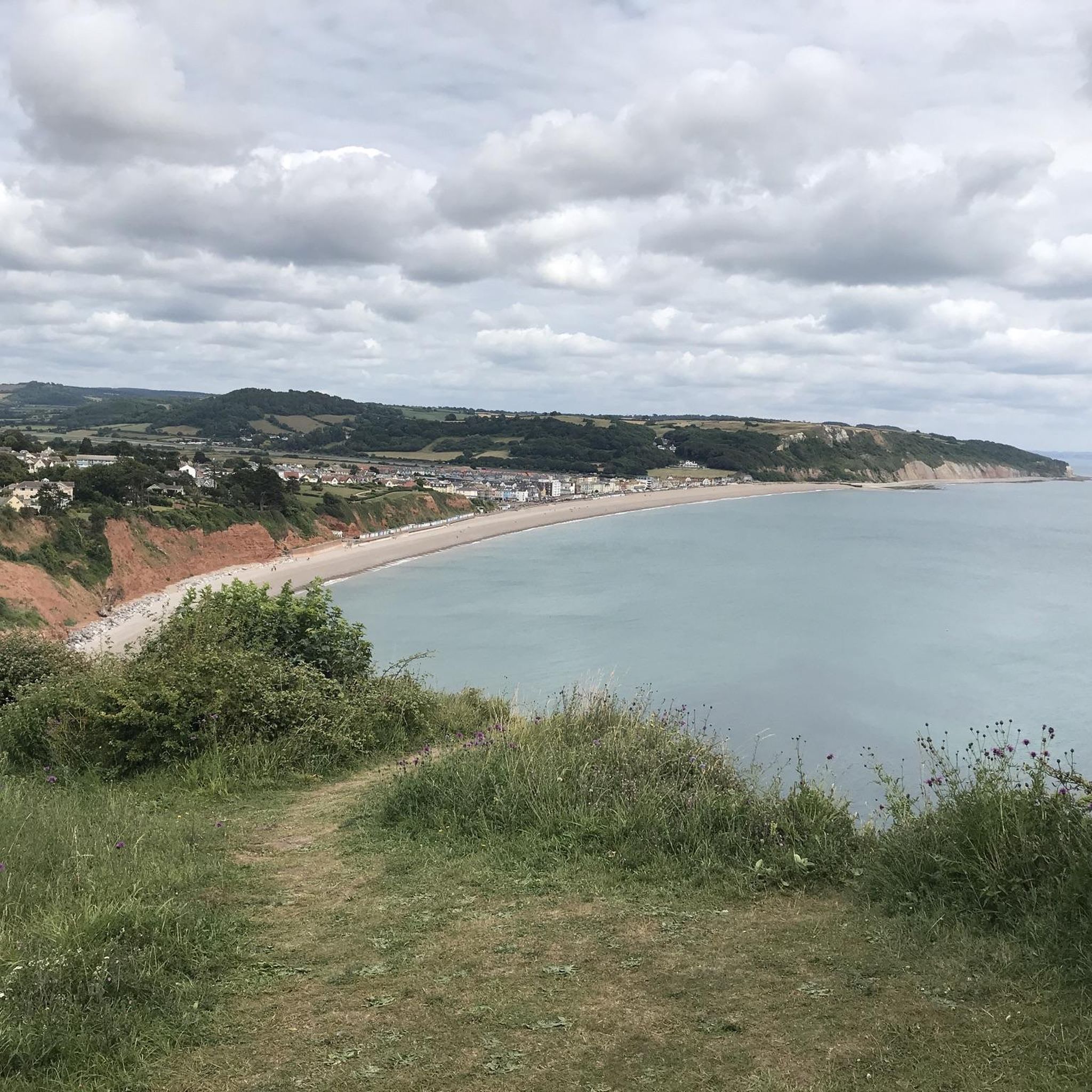
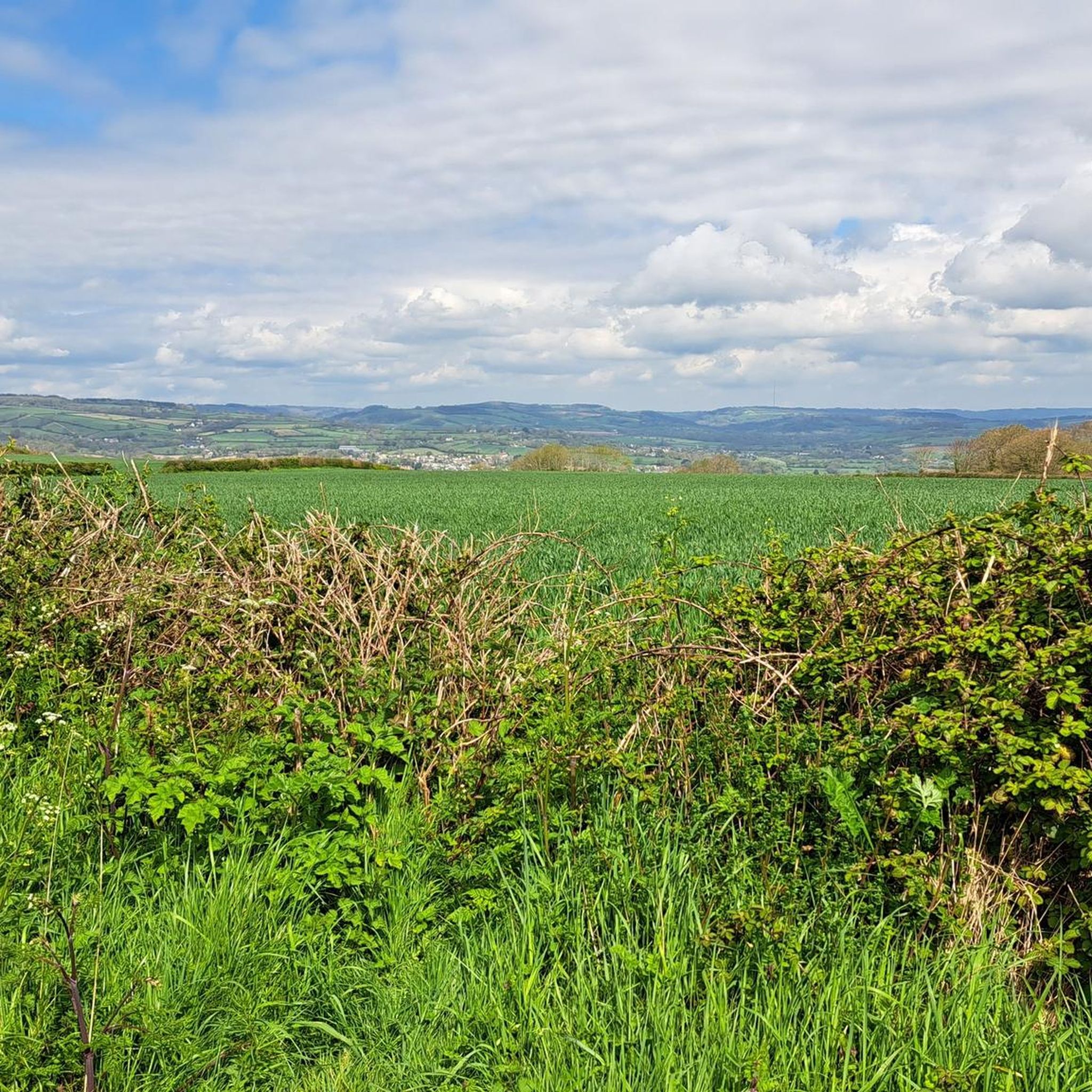
If you’ve hauled yourself up to the ramparts of Lambert’s Castle, congratulations! You are currently standing on an Iron Age "penthouse" with a view that makes most postcards look like blurry thumbprints. Looking south toward the coast, the landscape does a dramatic drop-and-roll toward the English Channel. Here is the lowdown on the two big celebrities you’re staring at: 1. Golden Cap: The Gilded Giant Dominating the horizon is Golden Cap, the highest point on the South Coast of England. The Look: It’s basically a massive, flat-topped wedge of rock that looks like nature tried to bake a giant loaf of bread and then gave it a glowing, golden crust. The Vibe: From Lambert’s Castle, you can see exactly why it got its name. When the sun hits that upper layer of Greensand, it glows like a pirate’s treasure chest. Fun Fact: At 191 meters (627 feet), if you were standing on top of it, you’d be higher than any other cliff-dweller in southern England. From up here on the hill, it looks like the ultimate finish line. 2. Thorncombe Beacon: The Dramatic Sidekick Just to the east of Golden Cap sits its slightly shorter, but equally moody sibling, Thorncombe Beacon. The Look: It’s got that classic "dinosaur spine" silhouette. It’s part of the same rollercoaster of cliffs that makes the Jurassic Coast look like it’s trying to jump into the sea. The Vibe: It feels a bit more "wild and windy." Historically, this was part of a chain of fire beacons used to warn everyone that the Spanish Armada was coming to ruin the weekend. The Perspective: From your vantage point, you can see the deep "V" of the Seatown valley tucked between the two peaks, looking like a perfect little green cradle.
0
0
From the summit of Lambert’s Castle Hill (258m), you are treated to one of the most celebrated panoramas in Dorset. Looking eastward across the sprawling Marshwood Vale, Pilsdon Pen and Lewesdon Hill stand out as the two most prominent landmarks on the horizon. The View of Pilsdon Pen Appearance: From Lambert's Castle, Pilsdon Pen (277m) is easily identified by its distinctive "flat-topped" profile. It is an Iron Age hillfort and was long thought to be the highest point in Dorset. Perspective: It sits approximately 4.7km (just under 3 miles) to the east-northeast. Because the Marshwood Vale drops away between the two hills, Pilsdon Pen appears as a massive, brooding green rampart rising sharply from the valley floor. Detail: On a clear day, you can clearly see the triple-dyked earthworks that ring its summit. The View of Lewesdon HillAppearance: Located just slightly south of Pilsdon Pen, Lewesdon Hill (279m) is the true "County Top" (the highest point in Dorset). Unlike the open, grassy summit of Pilsdon, Lewesdon is heavily wooded with ancient oak and beech trees.Perspective: From your vantage point at Lambert's Castle, Lewesdon appears as a dark, rounded, tree-covered dome. It lacks the sharp architectural lines of the hillforts but provides a lush, textured contrast to the surrounding fields.Context: Because it is so close to Pilsdon Pen (separated only by a small saddle), they are often referred to as "twin peaks" of the Marshwood Vale.
0
0

Wootton Hill is the high point in an area of woodland within the Dorset AONB. It's a nice place for a walk with a series of well-maintained footpaths.
1
0

Lewesdon Hill is the highest point in Dorset
0
0
#NT Golden Cap is the highest point on the South Coast
0
0

Beautiful woodland! Take your rubbish and dog poo home to keep it that way. Thanks
0
0

This Iron Age hillfort is the smaller cousin of Lambert’s Castle, a little to the north. With ancient woodland and a fantastic spring bluebell display, Coney’s Castle is a peaceful little summit and one of numerous such hillforts in the area. Check out the earthwork ramparts on the north, south and east sides. The western edge used the natural slope of the hill as a defense. Managed by the National Trust, this hillfort is free to roam around and served by a car park. Its only downside is that there’s a road right through the middle of it.
0
0
Around 2,500-years-old, this Iron Age hillfort sits at the north end of the appropriately-named Lambert’s Castle Hill. You’ll find evidence of earthworks here and lovely views of the surrounding landscapes, particularly if you explore the entire hill. There’s a trig point to the south of the hillfort, at 840 feet (256 m). Lambert’s Castle is managed by the National Trust and is free to enter. There’s a car park to the south west and the Liberty Trail hiking path runs right through the middle of the fort.
0
0
Frequently Asked Questions
What are some of the most notable mountain peaks and viewpoints around Shute?
The area around Shute offers several prominent peaks and viewpoints, many with historical significance. Lambert's Castle Hillfort is an Iron Age hillfort offering expansive views, including the celebrated panorama of Pilsdon Pen and Lewesdon Hill to the east, and Golden Cap and Thorncombe Beacon towards the coast. Another significant spot is Coney's Castle Hillfort and Bluebell Woods, a peaceful summit with ancient woodland and earthwork ramparts.
Are there historical sites or ancient landmarks on the peaks around Shute?
Yes, the peaks around Shute are rich in history. Both Coney's Castle Hillfort and Bluebell Woods and Lambert's Castle Hillfort are Iron Age hillforts, dating back around 2,500 years. You can explore their earthwork ramparts and imagine their ancient past. Additionally, Thorncombe Beacon, visible from Lambert's Castle, was historically part of a chain of fire beacons used for warning signals.
What kind of natural features and views can I expect from these peaks?
From the peaks around Shute, you can expect diverse natural beauty. Lambert's Castle Hillfort provides one of Dorset's most celebrated panoramas, looking across the Marshwood Vale to the distinctive flat-topped Pilsdon Pen and the wooded Lewesdon Hill. Towards the coast, you'll see Golden Cap, the highest point on the South Coast, and the dramatic silhouette of Thorncombe Beacon. Coney's Castle Hillfort and Bluebell Woods offers ancient woodland and a fantastic spring bluebell display, while Wootton Hill is known for its woodland walks and viewpoints within the Dorset AONB.
Are there family-friendly walking options on or near these mountain peaks?
Yes, there are family-friendly options. While some peaks involve intermediate climbs, the general area offers easier walks. For instance, Coney's Castle Hillfort and Bluebell Woods is described as a peaceful summit with ancient woodland, suitable for exploration. Additionally, you can find dedicated family-friendly hiking routes in the region, such as the 'Colyton Town Center – St Andrew's Church, Colyton loop from Whitford' (7.27 km, easy) or 'The Last Killer Climb – New Shute House loop from Shute' (3.57 km, easy). You can explore more options in the Family-friendly hikes around Shute guide.
Are dogs allowed on trails around the peaks near Shute?
Yes, many areas are dog-friendly. For example, Wootton Hill is specifically noted as dog-friendly, offering a nice place for walks with well-maintained footpaths through woodland. When visiting, please remember to take your rubbish and dog waste with you to help keep the natural environment clean.
What are the best seasons for hiking the peaks around Shute?
The peaks around Shute can be enjoyed throughout much of the year. Spring is particularly beautiful, especially at Coney's Castle Hillfort and Bluebell Woods for its bluebell display. Summer offers longer daylight hours and generally good weather for exploring the viewpoints. Autumn brings vibrant foliage to wooded areas like Wootton Hill. While winter can be colder, clear days can offer crisp views, though some trails might be muddy. Always check local weather conditions before heading out.
Are there easy hiking trails available near the peaks?
Yes, there are several easy hiking trails in the vicinity of the peaks. For instance, the 'St Andrew's Church, Colyton – River Coly Ford and Footbridge loop from Colyton' is an easy 4.98 km route. Another option is the 'Musbury Filling Station – View from Musbury Castle loop from Musbury', an easy 3.97 km trail. You can find more easy routes in the Easy hikes around Shute guide.
Where can I park when visiting these mountain trails?
Parking is available at several key locations. Both Coney's Castle Hillfort and Bluebell Woods and Lambert's Castle Hillfort, managed by the National Trust, have car parks nearby, making access convenient for visitors.
What other outdoor activities can I do near these mountain peaks?
Beyond peak bagging, the Shute area is excellent for general hiking. You can explore a variety of routes, from moderate loops like the 'Beckford Bridge – Winding Stream in Rural Devon loop from Kilmington' (9.83 km) to shorter, easier walks. The Hiking around Shute guide provides numerous options for exploring the diverse landscapes, including woodlands, river paths, and coastal views.
What do visitors enjoy most about the peaks and trails around Shute?
Visitors frequently appreciate the stunning panoramic views, particularly from Lambert's Castle Hillfort, which offers celebrated vistas across the Marshwood Vale and towards the Jurassic Coast. The historical significance of the Iron Age hillforts adds an enriching layer to the experience. The peaceful ancient woodlands, especially the bluebell displays at Coney's Castle Hillfort and Bluebell Woods, are also highly valued. The well-maintained footpaths and dog-friendly nature of places like Wootton Hill contribute to a pleasant outdoor experience.
Most popular attractions around Shute

Get inspired with the komoot mobile app


Explore more
See even more amazing summits around Shute with these guides:
