Top 5 Castles around Great Dunmow
Best castles around Great Dunmow offer a journey through centuries of history in the Essex countryside. While no standing castles are directly within Great Dunmow, the surrounding area features significant historical sites, including Norman earthworks, priories, and reconstructed medieval villages. These locations provide insights into the region's past, from defensive structures to grand estates. Visitors can explore various historical periods and architectural styles within a short distance of Great Dunmow.
Best castles around Great Dunmow
- The most popular castles is…
Last updated: August 22, 2026
Stebbing Village
Highlight • Settlement
Tip by

Pleshey Castle Earthworks and Brick Bridge
Highlight • Bridge
Tip by

Sign up now to discover places like this
Get recommendations on the best single tracks, peaks, & plenty of other exciting outdoor places.
Sign up for free
Leez Priory
Highlight • Castle
Tip by

Remains of the Norman Castle Mound
Highlight • Historical Site
Tip by

Stansted Mountfitchet: Norman village and castle mound
Highlight • Castle
Tip by

Sign up for free to discover even more castles around Great Dunmow.
Sign up for free
Already have an account?
Start today with a free account
Your next adventure awaits.
Login or Signup
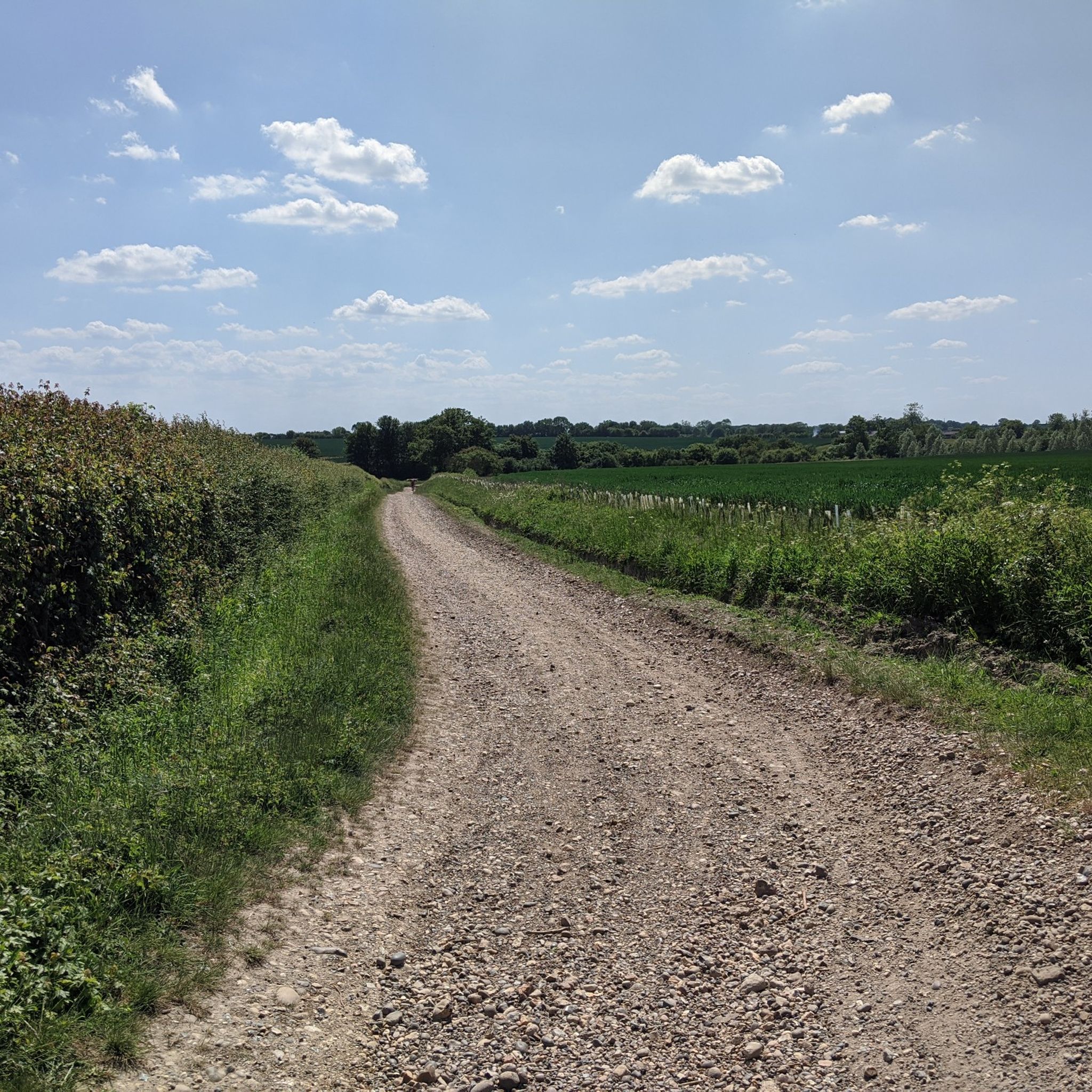
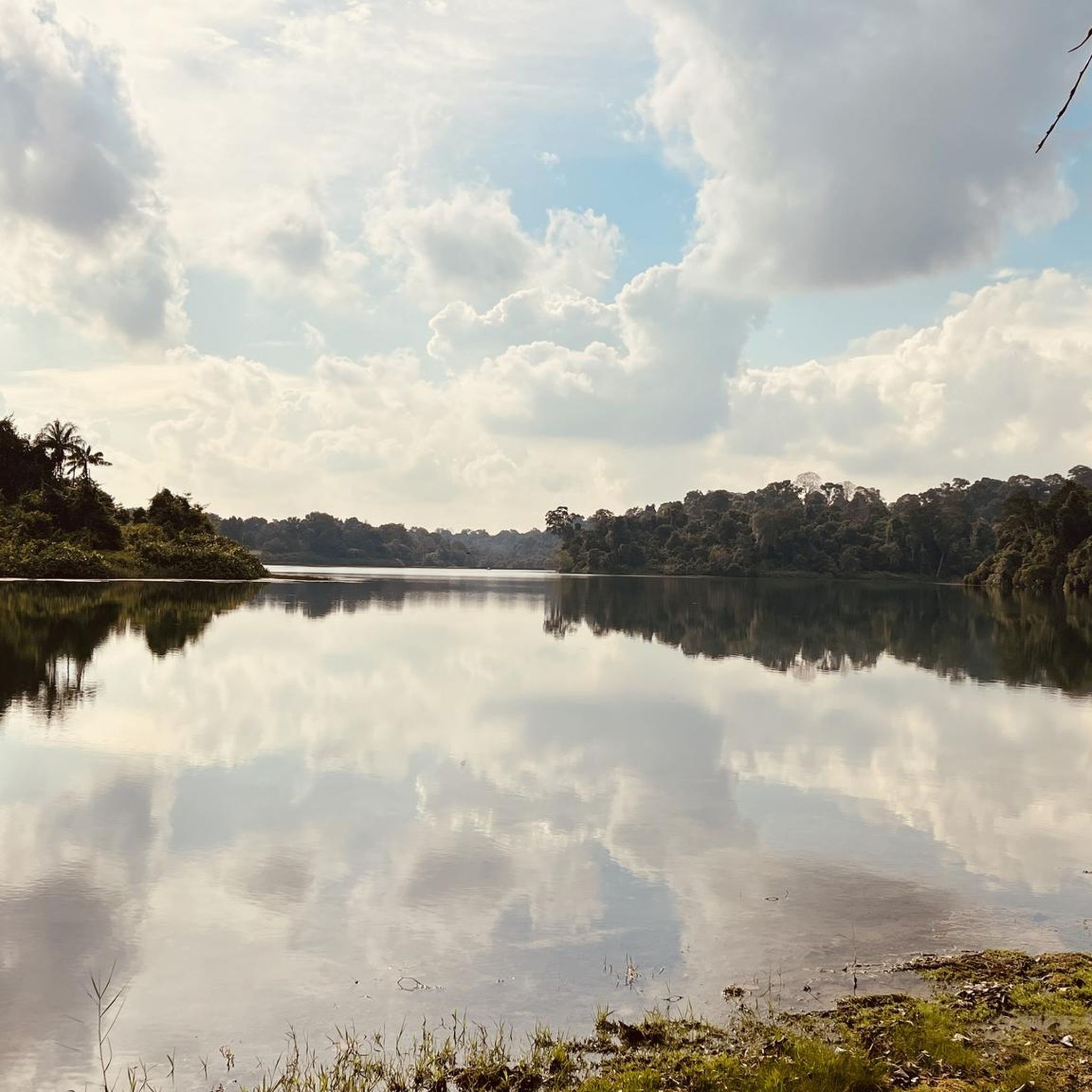

Other adventures around Great Dunmow

Tips from the Community

An amazing place, not too much to see, brilliant view from the top, have a guided tour to understand why it was here and what it was like back in the day.
0
0

It is a good place to stop and try the three pubs . Castle mound and Toy Museum. other places to eat and drink. train station and co-op.
0
0

Stebbing is a small, historic village dating from at least the 11th century. A medieval motte & bailey castle stood to the east of the village on what is now called 'The Mount: The church is a grade I listed building and boasts one of only three stone rood screens in Europe. There are many timber buildings throughout the village including Prior's Hall, a grand 16th century house.
0
0

You can’t see the priory buildings from the road but the lanes leading too it are pretty nice!
0
0

An Augustinian Priory until dissolution in 1556 - much of the original buildings still remain. Well worth a stop and walk around the grounds.
0
0

Pleshey Castle was completed around the turn of the 12th century and was a motte and bailey. These days, nothing much survives, apart from the earthworks, sections of mote, and a 14th-century brick-built bridge. You still get a good sense of the fortification, though.
2
0
Frequently Asked Questions
What kind of historical sites can I expect to find near Great Dunmow?
While Great Dunmow itself doesn't have standing castles, the surrounding area offers a rich variety of historical sites. You can explore Norman motte and bailey earthworks, visit a reconstructed 11th-century Norman village, and discover impressive Tudor architecture. These sites provide insights into different historical periods and architectural styles.
Are there any actual castles in Great Dunmow itself?
No, there are no standing castles directly within Great Dunmow. Historically, the existence of a 'Dunmow Castle' is doubted, and no visible remains exist today. However, the surrounding region boasts several notable historical sites and castles worth visiting.
Which sites offer an immersive historical experience?
For an immersive experience, visit Stansted Mountfitchet: Norman village and castle mound. This unique attraction recreates a Norman motte and bailey castle and an 11th-century Norman village on its original site. You can experience life as it was in 1066 and interact with freely roaming animals.
Where can I see well-preserved Norman architecture?
Hedingham Castle, located about 13 miles from Great Dunmow, features a remarkably preserved Norman keep, considered one of the finest in England. Its impressive architecture and grand interiors offer a significant historical experience, with four floors open to the public.
Is there a Tudor-era site to visit near Great Dunmow?
Yes, Layer Marney Tower, approximately 19 miles from Great Dunmow, is a magnificent example of early Tudor architecture. It boasts the tallest Tudor gatehouse in Britain, and visitors can explore the tower, its beautiful gardens, and the church.
Are there family-friendly historical sites in the area?
Many sites are suitable for families. Stansted Mountfitchet: Norman village and castle mound is particularly popular, offering interactive experiences and freely roaming animals that appeal to all ages. Pleshey Castle Earthworks and Brick Bridge and Leez Priory are also listed as family-friendly.
What outdoor activities can I do near these castles?
The area around Great Dunmow offers various outdoor activities. You can find easy hiking trails, cycling routes, and mountain biking trails. For more details on routes, you can explore the easy hikes around Great Dunmow, cycling routes, or MTB trails.
Are there walking trails near these historical sites?
Yes, there are several walking trails. For instance, you can find easy hikes like the 'Little Easton Gravel Cut – Rough Farm Track loop' or 'The White Hart, Stebbing – Stebbing Village loop'. These routes allow you to explore the countryside and historical villages. More options are available in the easy hikes around Great Dunmow guide.
What is the best time of year to visit castles near Great Dunmow?
The best time to visit is generally during spring, summer, and early autumn (April to October) when the weather is milder and sites are fully open. Many castles and historical sites, especially those with extensive outdoor areas like Mountfitchet Castle or Pleshey Castle earthworks, are more enjoyable in good weather.
How long should I plan for a visit to these historical sites?
The duration of your visit depends on the site. For larger, more interactive attractions like Mountfitchet Castle or Hedingham Castle, you might want to allocate 2-4 hours. For sites like Pleshey Castle Earthworks and Brick Bridge, which primarily consist of earthworks, 1-2 hours might be sufficient to explore and appreciate the historical layout.
Are there pubs or cafes near these castles?
Yes, some locations offer nearby amenities. For example, Stansted Mountfitchet: Norman village and castle mound is noted for having three pubs and other places to eat and drink nearby. It's always a good idea to check specific site information for dining options.
What do visitors enjoy most about the castles and historical sites around Great Dunmow?
Visitors particularly enjoy the sense of history and the opportunity to step back in time. The well-preserved earthworks at Pleshey Castle Earthworks and Brick Bridge offer a good sense of the original fortification, while the reconstructed Norman village at Stansted Mountfitchet provides an engaging, immersive experience. The architectural grandeur of sites like Hedingham Castle and Layer Marney Tower also receives high praise.
Most popular routes around Great Dunmow
Most popular attractions around Great Dunmow

Get inspired with the komoot mobile app


Explore more
Looking for the best castles somewhere else? Discover other guides around Great Dunmow:
