Top 4 Lakes around East Donyland
Best lakes around East Donyland, a civil parish in the City of Colchester district of Essex, England, is characterized by its rivers, estuaries, and marshlands. While prominent natural lakes are not directly within its immediate boundaries, the area offers significant water features and nearby nature areas. The parish is bordered by the River Colne to the east and the Roman River to the south. These waterways and their associated landscapes provide opportunities for exploring natural waterscapes.
Best lakes around East…
Last updated: June 28, 2026
Birdwatching at Abberton Reservoir
Highlight • Viewpoint
Tip by

High Woods Country Park Lake
Highlight • Lake
Tip by

Sign up now to discover places like this
Get recommendations on the best single tracks, peaks, & plenty of other exciting outdoor places.
Sign up for free
Colne Point Nature Reserve
Highlight (Segment) • Natural
This large and important …
Tip by

Coastal Path at Boating Lake (Erosion Area)
Highlight (Segment) • Lake
Tip by

Start today with a free account
Your next adventure awaits.
Login or Signup

Tips from the Community

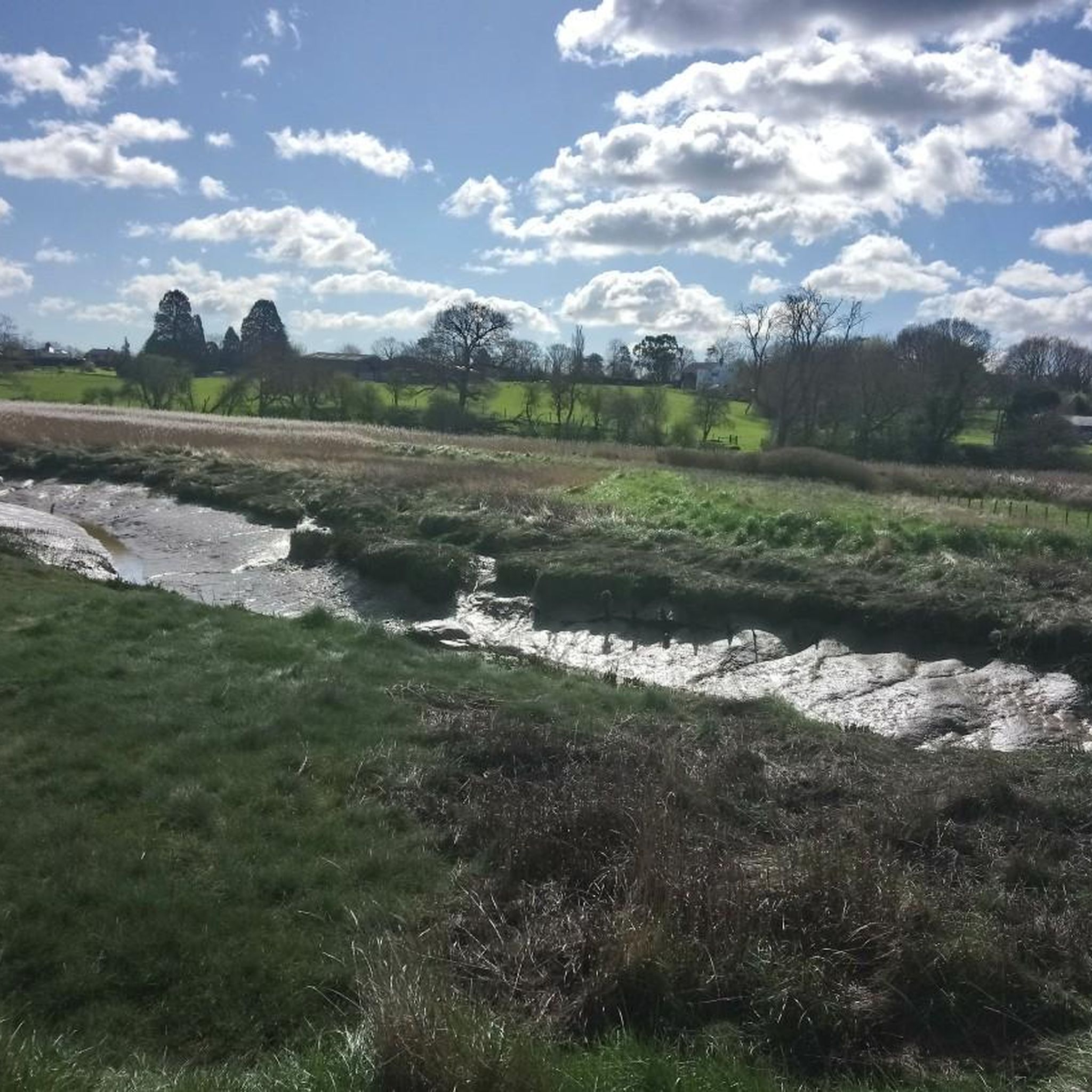
This area has suffered coastal erosion and the path no longer exists in areas, if the tide was high you have to walk inland like I did around the boating lake. No signs explaining what is happening, the path sign does point inland then a sign after indicates walking route.
1
0

High Wood's Country Park's lake is a peaceful spot in the park to take a break and enjoy Colchester's vibrant countryside.
1
0

The concrete road surface is pretty rough but best to try and carry your speed if you can for the rises at either end.
0
0

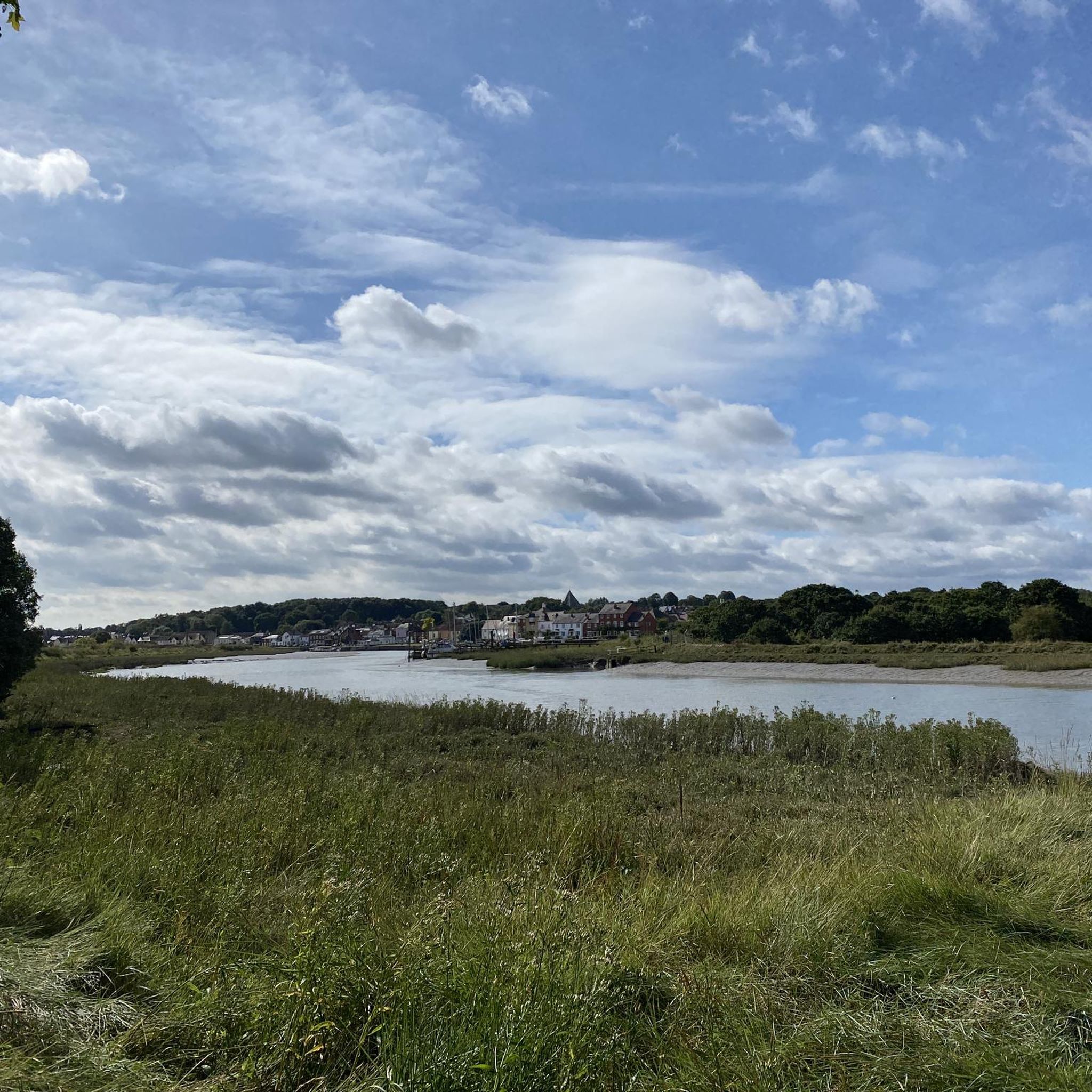
Another way to cross Abberton Reservoir with water views on both sides. As the title suggests, a great spot for some mid-ride bird spotting.
0
0

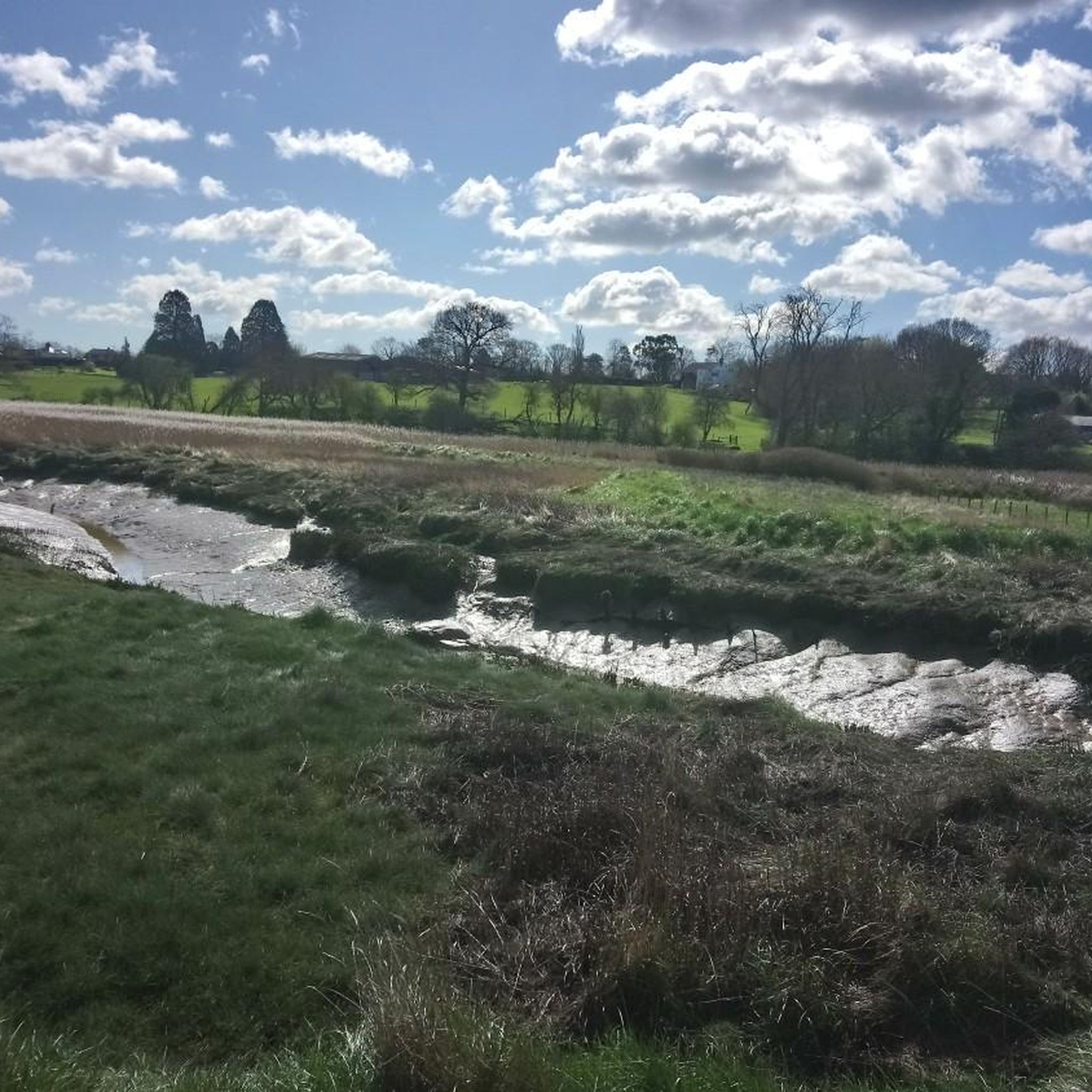
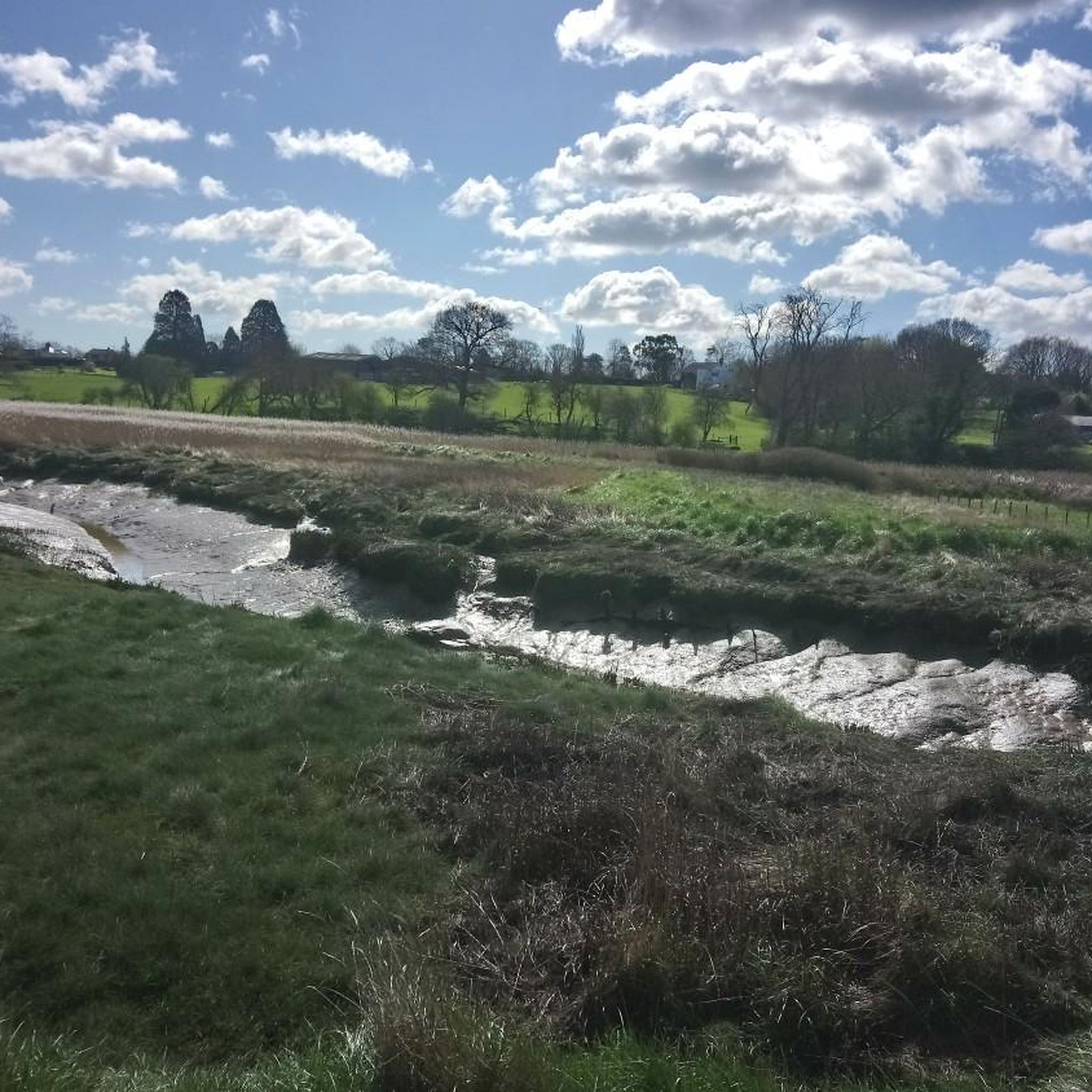
Enjoy the absolute quiet of this segment of footpath which runs alongside Ray Creek. I walked this stretch and didn't see or hear anything but nature. This large and important 683 acre nature reserve at the mouth of the Colne Estuary consists of a shingle ridge enclosing a considerable area of saltmarsh, through which Ray Creek flows. The shingle and sand is nearly all that remains of a much larger area between Walton-on-the-Naze and St Osyth that existed at the end of the 19th century but has now mostly been developed by the holiday industry. The saltmarsh is a typical example of the habitat of Essex and supports Golden Samphire and Small Cord-grass (both nationally scarce) as well as Sea Wormwood, Sea Lavender and Thrift. The shingle and sand ridge has many attractive plants including Sea Holly, Sea Bindweed, Sea Spurge, Yellow Horned-poppy and Sea Kale. The exposed mudflats, shell banks and shingle pools provide a feeding ground for large numbers of waders that arrive in autumn and winter. It is also used as a winter feeding area for Brent Geese. The Point is on a major migration route for finches, chats, Pipits, Skylarks and Hirundines. Raptors are also seen frequently. In summer there is a small nesting colony of Little Terns on the shingle with Oystercatchers and Ringed Plovers. Other breeding birds include Redshank, Skylark, Reed Bunting and Linnet. The nesting area is fenced off to protect nesting birds. The reserve is also important for its invertebrates with particularly good numbers of spiders, beetles and moths recorded. A variety of solitary bees and wasps find the sandy substrate ideal for nesting. Many of these invertebrates are rare, nationally or locally, and a number of Red Data Book species (the rarest of the rare) are present. At high tides various parts of the reserve can be flooded for some time, including around the car park and either end of the footbridge so consult a tide table before you visit. It is advisable to wear wellingtons or waterproof boots as it may be muddy, or even necessary to wade, at any time of year. During the breeding season (March to September) please walk below the last high tide mark as eggs and chicks are extremely difficult to see and are easily trampled.
1
0
Frequently Asked Questions
What types of water bodies can I explore around East Donyland?
While East Donyland is primarily characterized by rivers, estuaries, and marshlands, you can explore various water features. These include the River Colne and Roman River, as well as significant natural areas like the Colne Estuary. Nearby, you'll find reservoirs, country park lakes, and estuarial water bodies that provide diverse habitats and outdoor activity opportunities.
Are there good spots for birdwatching near East Donyland?
Yes, Birdwatching at Abberton Reservoir is an excellent spot for bird spotting, offering expansive water views. Additionally, the nearby Fingringhoe Wick Nature Discovery Park, overlooking the Colne Estuary, is a rich habitat for up to 200 species of birds, making it a prime destination for nature enthusiasts.
What are some family-friendly lake areas to visit?
For a family-friendly experience, consider High Woods Country Park Lake. It's a peaceful spot within High Woods Country Park, offering a relaxing environment to enjoy Colchester's countryside. Fingringhoe Wick Nature Discovery Park also provides nature trails and a visitor center suitable for families.
Where can I find nature reserves with significant water features?
The Colne Point Nature Reserve is a large and important 683-acre reserve at the mouth of the Colne Estuary. It features a shingle ridge enclosing a considerable area of saltmarsh, providing a rich habitat for diverse flora and fauna. Another notable area is Fingringhoe Wick Nature Discovery Park, which overlooks the Colne Estuary and is known for its abundant wildlife.
Are there any easy walks or trails near the water in East Donyland?
Yes, the River Colne, which borders East Donyland, has a riverside path suitable for walking and cycling, offering scenic views. For a more structured experience, Bourne Valley, near Colchester, features an easy-access trail on a raised boardwalk, allowing visitors to explore its woodland and wetland environment, including Blythe Pond.
What outdoor activities can I do near these lakes and water bodies?
You can enjoy various outdoor activities. Hiking is popular, with routes like the 'Rowhedge Waterfront – Roman River Estuary loop' available. Cycling is also an option, with routes such as the 'River Colne Riverside Path – Colchester Castle loop'. For more details on these and other routes, you can explore the hiking guide or cycling guide for East Donyland.
What is the best time to visit for wildlife viewing?
For birdwatching, autumn and winter are excellent times to visit areas like the Colne Point Nature Reserve, as large numbers of waders arrive then, and Brent Geese use it as a winter feeding area. Spring and summer also offer opportunities to see nesting birds and a variety of invertebrates.
Are there any areas affected by coastal erosion that I should be aware of?
Yes, the Coastal Path at Boating Lake (Erosion Area) has suffered coastal erosion, and the path may not exist in certain areas. If the tide is high, you might need to walk inland around the boating lake. It's advisable to be aware of local conditions when visiting this specific area.
Can I find places for gravel biking near the water features?
Yes, gravel biking is a popular activity. Routes like 'The Wivenhoe Trail – River Colne Riverside Path loop' offer opportunities to explore the area's natural beauty on a gravel bike. You can find more routes and details in the gravel biking guide for East Donyland.
What natural features are prominent at Colne Point Nature Reserve?
The Colne Point Nature Reserve is known for its shingle ridge enclosing a significant area of saltmarsh, through which Ray Creek flows. The shingle and sand ridge supports attractive plants like Sea Holly and Sea Kale, while the saltmarsh features nationally scarce species such as Golden Samphire and Small Cord-grass.
What do visitors enjoy most about the lakes and water areas around East Donyland?
Visitors appreciate the peacefulness and natural beauty of these areas. Spots like High Woods Country Park Lake offer a quiet break to enjoy the countryside. The rich wildlife, especially for birdwatching at places like Abberton Reservoir and Colne Point Nature Reserve, is also a major draw for nature enthusiasts.
Are there any specific considerations for visiting Colne Point Nature Reserve?
When visiting Colne Point Nature Reserve, be aware that parts can be flooded at high tides, including around the car park. It's advisable to consult a tide table and wear wellingtons or waterproof boots. During the breeding season (March to September), please walk below the last high tide mark to protect nesting birds.
Most popular routes around East Donyland
Most popular attractions around East Donyland

Get inspired with the komoot mobile app


Explore more
Still not found your perfect lake around East Donyland? Check out the guides of these regions to see even more beautiful places.
