Top 4 Castles around Normandy
Best castles around Normandy offer a journey through centuries of Norman and French heritage. This region, known for its historical significance, features a diverse collection of fortifications. From medieval strongholds to elegant châteaux, these sites are often situated amidst varied landscapes, including river valleys and coastal areas. Exploring these castles provides insight into the architectural and strategic developments of past eras.
Best castles around Normandy
- The most popular castles is Guildford Castle Grounds, a viewpoint that features an 11th-century…
Last updated: June 28, 2026
Guildford Castle Grounds
Highlight (Segment) • Viewpoint
The 11th-century castle sits atop a hill in Guildford, providing some picturesque views across …
Tip by

Guildford Castle and Gardens
Highlight • Historical Site
Tip by

Sign up now to discover places like this
Get recommendations on the best single tracks, peaks, & plenty of other exciting outdoor places.
Sign up for free
Farnham Castle Keep
Highlight • Historical Site
Tip by

Castle Arch
Highlight • Historical Site
Castle Arch was built in 1256 during the reign of King Henry III. …
Tip by

Start today with a free account
Your next adventure awaits.
Login or Signup
Tips from the Community

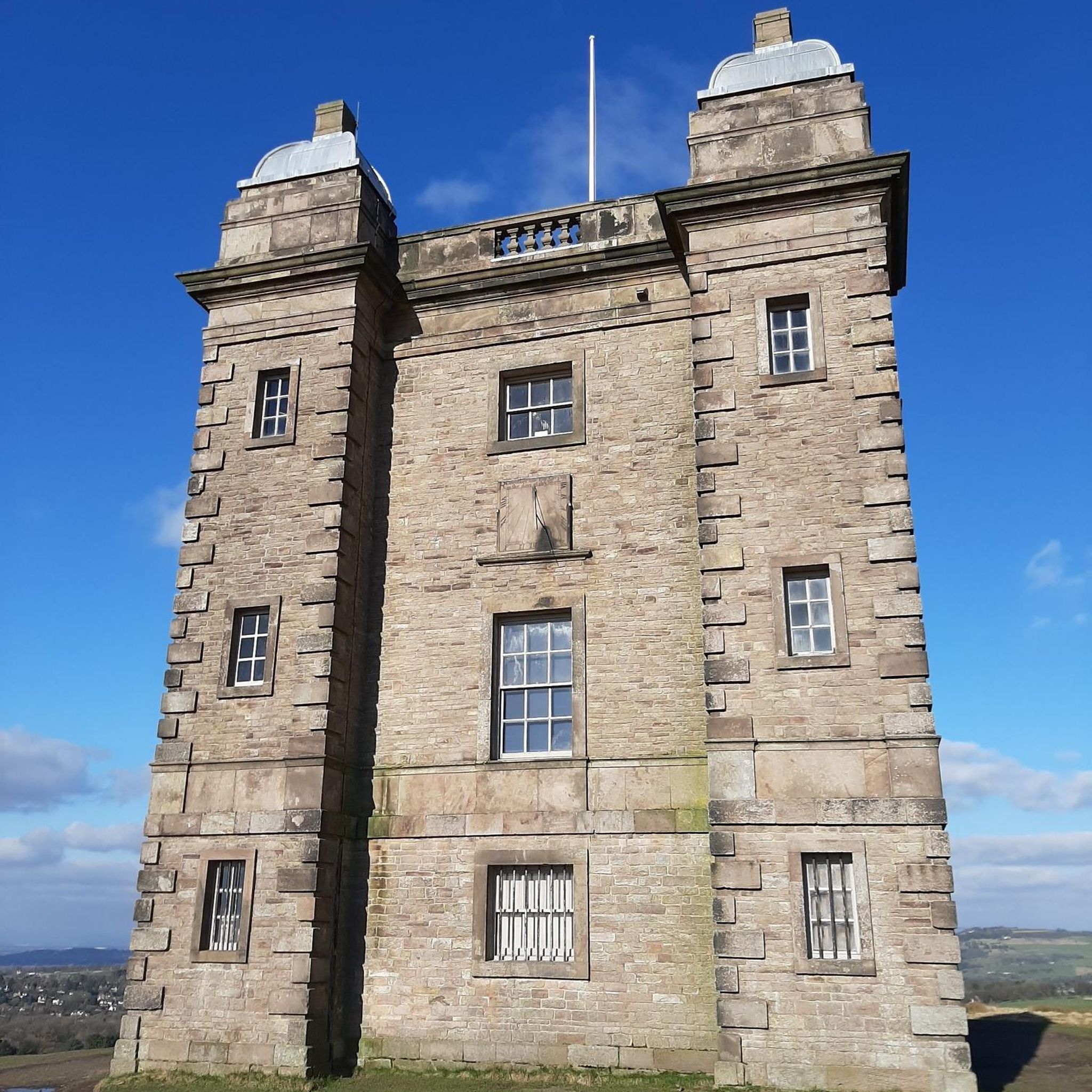
The historic, scenic and well-maintained Guildford Castle is well worth visiting during a hiking tour close to Guildford. Guildford Castle has a fascinating history. It is one of nine impressive castles that were built in a ring around London by William the Conqueror soon after the Norman invasion of England in 1066. The Castle has been used subsequently as a Royal Palace, a prison and as a private residence. Should you have time, you may wish to climb the Castle Great Tower via its spiral staircase. This will give a panoramic view of Guildford and of its beautiful surrounding countryside. It will also provide an appreciation of why the Castle’s location was geographically well-chosen. An additional highlight of visiting Guildford Castle is to see and to walk through the excellent year-round flower displays that occupy the Castle’s former moat.
0
0

Guildford Castle is a hidden part of the city which is easy to miss if you walk along the river or to the picturesque high street. It dates from the early Norman times and is always surrounded by beautiful flower displays in its grounds.
0
0

A great viewpoint of Farnham from above is from the Keep at the Castle.
0
0
The excellent Guildford Castle Grounds are unique, interesting and well worth visiting during a hiking, cycling or running tour. The Grounds are famous for their excellent flower displays in the valley that surrounds the Castle Keep. Other free attractions include the remains of Castle walls, passageways, a Victorian bandstand (where music concerts take place), a delightful 17th century bowling green bordered on one side by specimen beech trees, an impressive war memorial and a life-size statue of Alice Through the Looking Glass. Guildford Castle Grounds has a fascinating history. The Castle is thought to have been built either by William the Conqueror or by one of his barons soon after the Norman invasion of England in 1066. The Castle has been used as a Royal Palace, a prison and as a private residence. The grounds at the Castle were opened as public gardens in 1888 to mark the Golden Jubilee of Queen Victoria in 1887. You might wish to explore the Guildford Castle Grounds or to simply admire its scenery during a stop for a snack and a drink. However, should you have time, you may also wish to climb the Castle Great Tower via its spiral staircase. This will give a panoramic view of Guildford and its beautiful surrounding countryside, and provide an appreciation of why the Castle’s location is strategically good.
1
0
Seeing the medieval Castle Arch and walking through it is a highlight of any walk around Guildford. Castle Arch was built in 1256 during the reign of King Henry III. Nearly 800 years later this robust and impressive structure remains remarkably intact and functional. Traffic still passes through the Arch albeit one way at a time! Castle Arch is situated next to the Guildford Museum and near to the ruins of Guildford Castle. The Arch is thought to be a remnant of the original castle wall. It is believed that the original Arch had a portcullis – a spiked grill that slid up and down. A bonus of visiting Castle Arch is to see Castle Arch House – the building that the Arch adjoins to its left when viewed from Quarry Street. This House is one of the oldest buildings in Guildford and dates from 1544.
0
0

Make sure to stroll through the historic grounds of Guildford Castle whilst visiting this wonderful city. The 11th-century castle sits atop a hill in Guildford, providing some picturesque views across the surrounding countryside. The gardens of the castle are beautifully pristine and feature a multitude of colourful flowers and a moat. The castle grounds are free to enter, and if you want to go inside the castle itself, a small fee of under £5 will be required.
1
0

William the Conqueror is well known for demolishing castles but he built some too, apparently including this little known highlight of Guildford, tucked out of sight just off the High Street.
0
0

Farnham Castle was built by the grandson of William the Conqueror Henri de Blois in 1138. The castle was home to various Bishops of Winchester for more than 800 years as well as Cardinal Henry Beaufort who led Joan of Arc's trial in 1431. Gradually more buildings were added to the castle over the centuries and a grand house now stands next to the ruined original castle. During WWII, the castle became the Camouflage Development and Training Centre and hosted artists such as Roland Penrose and Julian Trevelyan who were trained in military camouflage arts. Today, the castle is under the guardian of English Heritage and entrance is free. Tours are held in Bishop's Palace on Wednesdays from 2pm until 4pm. See their website for more information: https://www.farnhamcastle.com/
0
0
Frequently Asked Questions
What types of castles can I expect to find in Normandy?
Normandy boasts a diverse collection of castles, ranging from formidable medieval fortresses like Château Gaillard and Château de Falaise to elegant Renaissance châteaux such as Château de Vendeuvre. You'll find structures with advanced defensive designs, shell-keep constructions, and aristocratic country houses, showcasing centuries of Norman and French heritage.
Which castles in Normandy are particularly significant for history enthusiasts?
History buffs will appreciate several key sites. Château Gaillard, built by Richard the Lionheart, is renowned for its innovative medieval defenses. Château de Falaise is the birthplace of William the Conqueror and offers multimedia displays to bring its 1,000-year history to life. Château de Caen, also built by William, was a crucial center of power, and Château de Pirou is one of Normandy's oldest, with well-preserved medieval architecture.
Are there family-friendly castles to visit in Normandy?
Yes, many castles in Normandy offer engaging experiences for families. Château de Falaise provides interactive tablets and augmented reality to make history accessible. Château de Vendeuvre features 'surprise' water gardens, mazes, and a unique museum of dog beds that children often enjoy. Mont Saint-Michel, while a monastic island, is a captivating fortified site that sparks imagination for all ages.
What is the best time of year to visit castles in Normandy?
The best time to visit Normandy castles is generally from spring to autumn (March to November). During these months, the weather is milder, and most castles, including the inner bailey of Château Gaillard, are fully open. Spring offers beautiful gardens, while summer provides longer daylight hours. Even in winter, some outer baileys and grounds remain accessible, though specific opening hours may vary.
What natural features or viewpoints can I find near Normandy castles?
Many castles are strategically located, offering stunning natural views. Château Gaillard is perched dramatically on a rocky spur overlooking the Seine River, providing breathtaking panoramic views of the valley. From the ramparts of Château de Falaise, you can enjoy spectacular views of the town and surrounding countryside. Mont Saint-Michel offers incredible coastal vistas from its fortified island.
Can I find outdoor activities or routes near these castles?
Yes, the region around Normandy's castles offers various outdoor activities. You can find numerous routes for cycling, gravel biking, and easy hikes. For example, there are cycling routes like the 'River Wey – Wey & Arun Canal at Downs Link loop' and easy hikes such as the 'Basingstoke Canal Towpath' nearby. You can explore more options on our Cycling around Normandy, Gravel biking around Normandy, and Easy hikes around Normandy guides.
How far are castles in Normandy from Paris?
Normandy is easily accessible from Paris, making its castles a popular day trip or weekend destination. For instance, Château Gaillard is located in Les Andelys, which is approximately 1.5 to 2 hours drive west of Paris. Other castles like those in Caen or Falaise are further west, typically requiring a 2.5 to 3-hour drive from the capital.
Is Mont Saint-Michel considered a castle, and what makes it unique?
While not strictly a castle, Mont Saint-Michel is a fortified monastic island and a UNESCO World Heritage Site, often included in discussions of Normandy's most impressive historical sites. Its ramparts were built to defend against invaders and tides, and its climb to the Benedictine abbey at the top offers breathtaking views. It's an iconic marvel of medieval architecture and engineering.
Are there any castles in Normandy with unique features or legends?
Château de Pirou is known for a popular legend about geese and Viking invasions, adding a mythical touch to its rich history. Château de Vendeuvre features unique 'surprise' water gardens and a museum dedicated to dog beds, reflecting the eccentricities of its long-standing owning family. Château Gaillard's advanced almond-shaped design and concentric fortifications were revolutionary for its time.
What kind of multimedia or interactive experiences do Normandy castles offer?
Several castles in Normandy leverage modern technology to enhance the visitor experience. Château de Falaise offers state-of-the-art multimedia displays and interactive tablets with augmented reality, allowing visitors to visualize how rooms once looked and animating scenes of daily life and battles. Virtual reality tours are also available at sites like Château Gaillard to enhance exploration of its ruins.
Can I walk along the ramparts or walls of any Normandy castles?
Yes, walking along the ramparts is a highlight at several Normandy castles. At Château de Caen, you can walk along the restored ramparts for excellent views of the city. Château de Pirou also allows visitors to walk along its castle walls, offering views of the surrounding countryside. These walks provide a sense of the castles' defensive capabilities and strategic positions.
Most popular attractions around Normandy

Get inspired with the komoot mobile app


Explore more
Looking for the best castles somewhere else? Discover other guides around Normandy:
